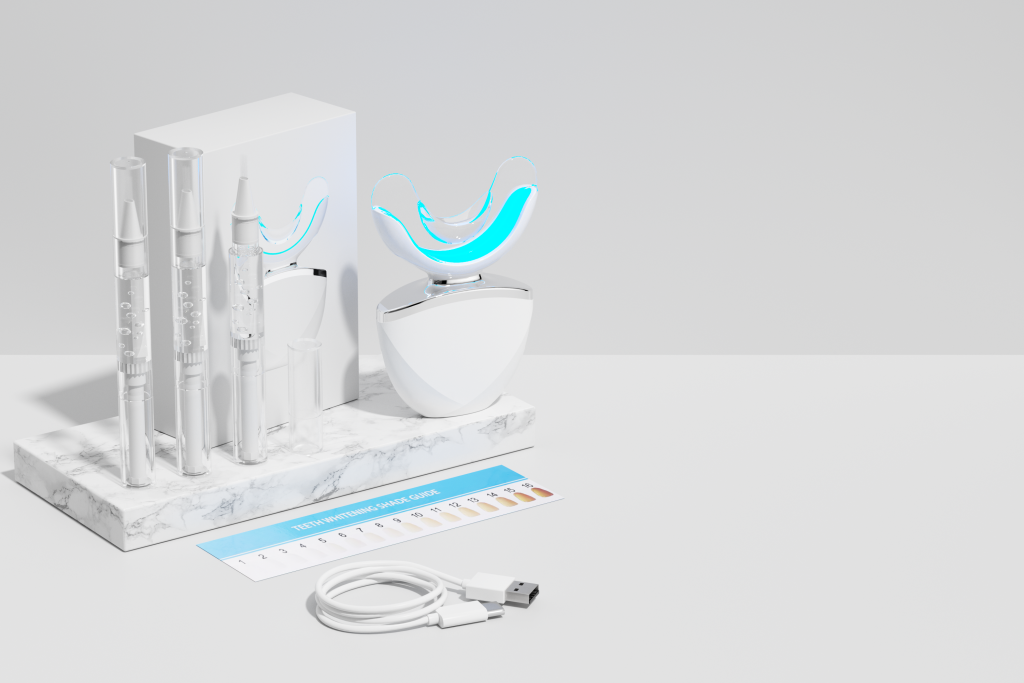
In the competitive world of oral care device manufacturing, even minor design or production flaws can trigger unexpected user complaints. Recently, customer feedback has highlighted a curious pairing: taste alteration following tray misalignment in teeth whitening kits. While it may seem like a coincidence, this phenomenon deserves closer inspection from both a design and safety perspective. Could this be an early warning sign of deeper product faults? What Is Tray Misalignment and How Does It Occur? Tray misalignment typically refers to a whitening tray failing to properly conform to the user’s dental arch. This issue can stem from: Poor mold design that doesn’t match universal dental shapes; Low-grade, inflexible materials that distort under pressure or heat; Inaccurate production tolerances during injection molding or thermoforming. A misaligned tray does not sit flush with the teeth, resulting in improper distribution of whitening gel across the enamel surface. Why Does Tray Misalignment Lead to Taste Alteration? When a whitening tray fits poorly, taste alteration becomes a likely side effect for several reasons: Gel leakage: Whitening gel may spill over onto the tongue or soft tissues, where peroxide-based agents create a bitter or metallic aftertaste; Uneven application: Certain areas receive more gel than others,…
As the demand for at-home cosmetic dental solutions continues to rise, the home teeth whitening device has become one of the most sought-after tools in oral care. For oral care product brand owners, ensuring consumer satisfaction doesn't stop at manufacturing quality — it also depends heavily on how well end-users understand proper use. Therefore, communicating the correct precautions during use and guidance on how to maximize the effectiveness of the home teeth whitening device becomes a vital brand responsibility. This article provides a strategic overview for brand managers looking to ensure customer satisfaction and product performance through proper usage education. Understand the Core Mechanism Before Use Before consumers begin whitening treatments, it's essential they understand how the device works — whether it uses LED light activation, peroxide gel, or blue light technology. Without this knowledge, incorrect handling may reduce the effectiveness of the home teeth whitening device. Brand owners should work closely with manufacturers to include simple, multilingual instructions and intuitive visuals. Key Precaution: Avoid using the device without reading the product manual in full. Misuse can lead to tooth sensitivity, gum irritation, or unsatisfactory results. Timing and Frequency: Follow Guidelines Strictly Many users mistakenly assume that longer or more frequent use leads…
As more consumers turn to at-home teeth whitening and oral care devices, reports of enamel transparency and unexpected taste loss are raising alarms among manufacturers. These issues not only affect product effectiveness but also pose serious concerns about long-term oral health. Is this damage permanent—or can B2B suppliers mitigate the risks before products reach the market? What Is Enamel Transparency and Why Does It Matter? Enamel transparency occurs when the protective enamel layer on teeth thins or demineralizes, making the underlying dentin more visible. This results in teeth that appear grayish, bluish, or translucent at the edges—an aesthetic flaw that consumers immediately notice. The causes of enamel transparency in whitening products may include: Excessive peroxide concentration; Prolonged exposure to whitening agents; Poor pH balance in gel formulations; Abrasive additives in toothpastes or strips. Left unaddressed, this condition weakens teeth, increasing sensitivity and making them prone to chipping or erosion.Company web:https://www.powsmart.com/product/electric-toothbrush/ How Taste Loss Is Linked to Oral Care Devices Taste loss is a less visible but equally damaging side effect. Users report diminished ability to sense sweet, salty, or sour flavors after using whitening kits or strong mouth rinses. This can result from: Overexposure of oral soft tissues to peroxide…
In today’s competitive oral care market, offering combinations of oral care products in well-thought-out sets has become a strategic tool for increasing brand visibility and boosting customer loyalty. Whether you're a DTC startup or a growing distributor, knowing how to structure effective bundles can be a game-changer. This article explores different sets of oral care products you can manufacture and package together, along with practical tips for promoting sales and growing your brand footprint. Why Product Combinations Drive Growth Consumers are increasingly drawn to comprehensive oral care routines. Rather than purchasing single items, they are looking for convenient, value-added sets. For brand owners, this offers a golden opportunity: Higher average order value (AOV) Increased perceived value Cross-selling and up-selling opportunities Enhanced customer retention By offering combinations of oral care products that meet diverse user needs (e.g., cleaning, whitening, gum health), brands can expand their product ecosystem and increase customer lifetime value. Popular Oral Care Product Sets to Consider Here are some proven different sets of oral care products that appeal to a broad range of consumers: A. Starter Kits Perfect for first-time buyers or gift packs. Usually include: Electric toothbrush x1 Travel toothpaste x1 Tongue cleaner x1 Optional: Mouthwash sachet x1 B. Whitening Focused Sets…
In today’s oral care market, the demand for at-home teeth whitening solutions is growing rapidly. Consumers are looking for effective, safe, and easy-to-use whitening products—driving a surge in private label and customized solutions. For brand owners, the challenge lies not only in launching a whitening device but also in create differentiated products that stands out in a crowded market. One of the most critical steps in this process is finding and partnering with a reliable teeth whitening device factory that offers both high-quality production and flexible customization options. Why Product Differentiation Matters in the Whitening Market The global oral care market is saturated with generic whitening products. To stand out, brand owners need to focus on: Unique product features (e.g., LED light technology, ergonomic design, multi-use compatibility) Strong brand identity Premium unboxing and user experience Create differentiated products can significantly increase customer retention and brand loyalty. This level of innovation and uniqueness is only possible through close collaboration with a capable and flexible teeth whitening device factory that understands your vision. Key Qualities of a Reliable Teeth Whitening Device Factory Before sourcing a whitening device factory, brand owners should evaluate potential manufacturing partners based on the following criteria: OEM of teeth whitening devices: The…
As consumer interest in at-home beauty and health solutions rises, the whitening device market potential is rapidly expanding. More people are seeking convenient, effective, and affordable ways to improve their smiles—making teeth whitening devices a highly lucrative category. For oral care brands, partnering with a teeth whitening device factory is more than just a supply chain move—it's a strategic decision to boost brand value and stay ahead in a competitive market. Understanding the Whitening Device Market Potential The global market for teeth whitening products is projected to grow steadily over the next decade, driven by: Rising aesthetic awareness Growth of e-commerce and influencer marketing Demand for safe, non-invasive cosmetic procedures This upward trend presents an ideal opportunity for brands to enter or expand within the teeth whitening segment. However, to truly capitalize on this potential, brands must align with a reliable teeth whitening device factory that can offer scalable production and technological innovation. How a Factory Partnership Helps Boost Brand Value Working with a professional teeth whitening device factory enables brands to elevate their market position in several critical ways: Consistent Product Quality: High-precision manufacturing ensures reliable device performance and builds long-term consumer trust. Custom Branding Options: A factory can provide OEM/ODM services that allow…
Expanding into the teeth whitening segment is a strategic move for many oral care brands today. With rising demand for at-home beauty and oral care solutions, the opportunity for innovation and growth is significant. However, success in teeth whitening category begins with choose the manufacturer. In this blog, we will share a detailed selection guide, offering practical insights and tips for sourcing the right manufacturer for your whitening product line. Clarify Your Whitening Product Goals and Brand Positioning Before initiating supplier conversations, it's critical to define your product vision clearly. Are you targeting the mass market, premium consumers, or salon-grade use? Do you envision innovative and advanced home teeth whitening devices, or are you looking to launch more basic entry-level models? This internal alignment will help you filter and identify manufacturers that align with your product roadmap—whether that’s a tech-focused oral beauty device supplier or an OEM with large-scale, low-cost capabilities. Verify Regulatory Compliance and Safety Standards For whitening products, especially those marketed internationally, compliance is non-negotiable. One key credential to look for is FDA-approved whitening device certification (for U.S. markets) or CE marking (for Europe). This ensures the products you sell are safe, legally compliant, and trustworthy for consumers. Ask potential suppliers to…
In today’s health-conscious consumer landscape, oral hygiene has become a key component of personal appearance and self-esteem. As a result, users are actively seeking advanced and effective oral care products that do more than just clean — they want solutions that help enhance their smiles and boost confidence. For oral care brand owners, this presents a significant opportunity: by Product Expansion Strategies, they can increase market share, improve customer satisfaction, and ultimately enhance brand influence. Leveraging Product Combination: Electric Toothbrush & Water Flosser One of the most effective strategies in oral care product expansion is the development of electric toothbrush and water flosser combination products. These dual-function devices meet comprehensive oral hygiene needs in one compact solution. Consumers value convenience and multifunctionality. This combination enhances daily cleaning routines by removing plaque and debris more thoroughly than brushing or flossing alone. Promoting such solutions allows brands to align themselves with modern lifestyles, reinforcing the idea of personal confidence enhancement through cleaner, healthier smiles. Customized Whitening Products for Targeted Segments Another high-potential product expansion path is the development of customized whitening products. Consumers are no longer satisfied with one-size-fits-all solutions — they are looking for personalization. Whitening pens, LED kits, and peroxide-free formulas are in…
The teeth whitening market has become one of the fastest-growing segments in the oral care industry. Consumers are no longer satisfied with basic oral hygiene—they now seek comprehensive solutions that combine oral care and teeth whitening in one routine. The key lies in identifying a reliable teeth whitening device factory to bring their ideas to market. Here’s a step-by-step look at how brand owners can align with the right manufacturing partner. Understanding the Trend of Teeth Whitening The rise in demand for teeth whitening devices is driven by several factors: increasing aesthetic awareness, social media influence, and the growing accessibility of at-home beauty technology. The trend of teeth whitening is shifting from in-clinic services to convenient, affordable, and effective at-home solutions. This shift has created a strong demand for innovative and easy-to-use products like LED whitening kits, whitening pens, and smartphone-compatible whitening devices. For brand owners, entering this market requires agility, innovation, and a partner that can deliver quality, speed, and customization. Why Factory Selection Matters for Brand Success Choosing the right teeth whitening device factory isn’t just about production capability—it's about alignment with your brand’s quality, innovation, and compliance standards. A trustworthy manufacturer ensures: Medical-grade materials and safety certifications Support for product development and customization…
In today's image-driven society, oral care is no longer just about hygiene—it's about personal confidence enhancement. A bright, healthy smile improves not only dental health but also how we carry ourselves in professional and social settings. From a factory perspective, oral care product manufacturers must understand that users are now seeking both functional effectiveness and emotional satisfaction—especially in home teeth whitening devices and everyday oral tools. The Psychological Power of a Bright Smile A radiant smile often serves as an instant confidence booster. The teeth whitening effect is not just cosmetic—it supports the idea of being your best self. In fact, many consumers embrace whitening as part of a broader lifestyle trend tied to the idea of being kind to oneself. Offering reliable whitening results can significantly enhance product value and brand reputation. For brands, choosing a manufacturer that specializes in effective whitening technology—whether through LED-based devices, safe peroxide formulas, or sonic-powered toothbrushes—can make or break product success. High-Level Appearance Design as a Strategic Differentiator Today’s consumers judge a product first by its look and feel. High-level appearance design is no longer a luxury—it's a necessity. The design of oral care products, from sleek electric toothbrush handles to premium packaging for whitening kits,…
Many professionals overlook how excessive noise from electric toothbrushes not only annoys users but can drive them to over-compensate—exacerbating pulp inflammation and even tetracycline stains worsening in predisposed patients. In this article, we dissect six critical facets of these dual threats and outline best practices for B2B manufacturers to deliver safer, quieter devices. Noise as a Signal of Mechanical Imbalance First, loud buzzing often indicates internal misalignment: Rotor Imbalance: An off-center mass causes tonal peaks that amplify noise without boosting cleaning power. Bearing Wear: Worn bearings squeal under load, hinting at friction that generates heat and vibration. Seal Fatigue: Vibrations loosen seals, risking water ingress and long-term motor damage. Addressing mechanical balance reduces both sound output and hidden device stress. How Excessive Noise Drives User Overcompensation Next, users instinctively fight noise by: Pressing Harder: To drown out the racket, users lean in—multiplying bristle force on enamel and dentin. Prolonged Sessions: Lingering past the recommended two minutes in hopes of “better cleaning,” overtaxes pulp tissue. High-Intensity Modes: Switching to top-power settings amplifies both noise and vibrational load on gums and pulp. These compensatory behaviors directly contribute to pulp inflammation. Company web:https://www.powsmart.com/product/electric-toothbrush/ Pulp Inflammation Mechanisms Moreover, chronic over-pressure and vibration irritate the…
Many users already struggling with tetracycline stains worsening complain that increased teeth sensitivity after whitening treatments only compounds the problem—leading to uneven results and heightened discomfort. In this article, we examine six key considerations so B2B manufacturers can help channel partners navigate these side effects and deliver safer, more effective whitening solutions. How Tetracycline Stains Respond Differently First, understand why tetracycline-discolored enamel reacts uniquely: Deep-Set Pigments: Tetracycline binds within the dentin, making surface-only bleaches less effective and requiring stronger oxidizers. Porous Enamel: Years of embedded staining create micro-porosities that allow peroxide to penetrate unevenly, leaving streaks. Sensitivity Trigger: The same open tubules that harbor stains also transmit stimuli, amplifying teeth sensitivity during and after treatment. Recognizing these properties guides both formula strength and application protocols. Balancing Concentration & Contact Time Next, striking the right chemical balance is critical: High-Concentration Peroxide: While stronger gels can lighten deep stains, they also demineralize enamel faster, exacerbating sensitivity. Short-Burst Protocols: Brief, repeated sessions (e.g., 10 minutes twice daily) reduce enamel overexposure compared to one long session. Post-Treat Remineralization: Incorporating calcium or fluoride boosters immediately after each cycle minimizes structural weakening. By calibrating concentration and timing, you mitigate side effects without sacrificing whitening power. Company…
Excessive gel leakage from ill-fitting trays or low-viscosity formulations can cause whitening agents to pool inconsistently—ironically triggering teeth yellowing instead of brightening. To help B2B manufacturers and channel partners safeguard end-user outcomes, our experts examine six critical facets of this hidden hazard and recommend actionable solutions. Common Causes of Whitening Gel Leakage First, understanding why gel escapes its intended boundaries is key: Tray Fit Variability: Universal or poorly cast trays leave micro-gaps at the gingival margins, allowing gel to ooze out. Low Viscosity Formulas: Overly fluid gels run under gravity, especially when users tilt their heads. Overfilling by End Users: Without clear dosage guides, many apply excess gel “just to be safe,” exacerbating leak risk. Identifying these root causes enables targeted design improvements. How Leakage Drives Uneven Whitening & Teeth yellowing Next, examine the mechanism linking leakage to discoloration: Diluted Active Zones: Gel that leaks away reduces peroxide concentration on key tooth surfaces, leaving residual stains. Chemical Depletion: Exposed gel oxidizes on skin or tray walls rather than on enamel, wasting bleaching agents. Staining by Contaminants: Leaked gel picks up pigments from cups, lips, or tray edges, redepositing them on enamel. This cascade of effects undermines the “one-size-fits-all” whitening promise.…
Many consumers report oral ulcers, heightened teeth sensitivity, or even allergy reactions after using over-the-counter whitening kits. While whitening agents aim to brighten smiles, their chemical action and delivery methods can inadvertently damage oral tissues. Below, we explore six critical factors manufacturers should address to minimize ulcer risk and ensure partner confidence in your whitening solutions. Chemical Irritants and Tissue Breakdown Firstly, the active bleaching agents—typically hydrogen peroxide or carbamide peroxide—can irritate mucosal cells: pH Imbalance: Highly acidic or alkaline gels disrupt the oral mucosa’s protective barrier, leading to microabrasions. Free Radical Damage: Overproduction of oxidative species can injure epithelial cells, initiating oral ulcers. Prolonged Exposure: Leaving gel in contact beyond recommended 15–20 minutes exacerbates tissue breakdown. Recommendation: Formulate gels at neutral pH and include antioxidants to buffer free radicals. Delivery Method and Mechanical Trauma Next, the way whitening gel is applied influences ulcer risk: Custom Trays vs. Strips: Poorly fitting trays can press gel against non-tooth surfaces, causing friction sores. Razor-Thin Strips: Thin film may migrate under the lip or between teeth, irritating soft tissue. Brush-On Pens: Misapplied droplets on gingival margins can burn delicate mucosa. Recommendation: Develop anatomically contoured trays with soft-edge seals and clear application markers to…
When chemical burns occur during whitening treatments, they not only damage soft tissues but can also contribute to crown discoloration, especially if overuse effects are ignored. Below, we examine this link across six dimensions and offer actionable recommendations for B2B manufacturers and channel partners. Key Triggers of Chemical Burns First, identify the common causes of whitening-agent burns: High Peroxide Concentration: H₂O₂ or carbamide peroxide levels above recommended limits easily breach the gum’s protective barrier. Excessive Contact Time: Extending treatment beyond the advised 15–20 minutes intensifies chemical injury. Insufficient Isolation: Omitting gingival barriers or silicone shields exposes soft tissue directly to bleach. Controlling both bleaching-agent strength and exposure duration is the first step in preventing tissue burns. Crown Materials’ Sensitivity to Chemical Exposure Next, recognize how different restoration materials respond to bleaching agents: Porcelain Veneers: Dense but prone to microfractures under high-strength or prolonged exposure. Composite Crowns: Resin matrices absorb chemicals, creating more pigment adsorption sites and leading to crown discoloration. PFM (Porcelain-Fused-to-Metal) Crowns: Microgaps at the porcelain-metal interface permit agent infiltration and hydrolytic staining. Understanding these material vulnerabilities guides tailored protection and cleaning protocols.Company web:https://www.powsmart.com/product/electric-toothbrush/ Overuse Effects and Cumulative Damage Moreover, overuse effects magnify both tissue and crown damage: Frequent…
As we head into 2025, the global oral care market continues to show strong momentum. Increased health awareness, innovation in oral hygiene technologies, and consumer demand for convenience and aesthetics are reshaping what products succeed at retail and online. For distributors, the key question is: Which oral care products are most worth distributing in 2025? This blog explores the top oral care market trends, identifies high-demand products, and provides actionable distributor product selection strategies to stay ahead in a competitive landscape. Smart & Connected Devices Are Dominating Consumers are embracing smart technology in personal care. Electric toothbrushes with Bluetooth connectivity, pressure sensors, and app integrations are quickly moving from “nice-to-have” to standard expectations. High-demand products: AI-powered toothbrushes, pressure-sensitive models, smart brushing trackers Why it matters: Smart features enhance the user experience, increase brand loyalty, and justify premium pricing Distributor product selection strategy: Focus on brands offering upgradable or app-integrated models that align with consumer interest in data and personalization. The Rise of Oral Irrigators for At-Home Use Oral irrigators, once a niche professional tool, are now mainstream. With more consumers adopting at-home dental routines, these devices are becoming essential complements to brushing. High-demand products: Compact, USB-chargeable water flossers; multi-pressure-level irrigators; portable travel versions…
In the past, teeth whitening solutions were mostly associated with dental clinics and seen as medical equipment. However, in recent years, a significant Oral Beauty Revolution has occurred. Teeth whitening is no longer just about dental health—it's part of a broader lifestyle trend: oral beauty. Driven by consumer demand, particularly among female users, modern teeth whitening devices are evolving into sleek, stylish, and portable products. Today, wireless teeth whitening devices are no longer clinical tools—they’re personal beauty accessories, often found in a makeup pouch next to lipsticks and skincare items. Design Evolution: From Clinical to Chic One of the most noticeable shifts is how the appearance of teeth whitening devices has been upgraded. Previously bulky and medical-looking, today’s devices emphasize: Minimalist design Compact size for portability Sleek, cosmetic-style packaging Aesthetic appeal aligned with fashion and beauty products This change reflects the growing trend of oral beauty for women, where devices are judged not only by effectiveness but also by how “Instagrammable” they look. Wireless Functionality: Convenience Meets Technology Another key milestone in this revolution is the development of wireless teeth whitening devices. These innovations allow users to: Whiten teeth anywhere, anytime Connect devices via smartphones or use built-in smart timers Avoid…
Pregnancy is a period when many women continue to prioritize their appearance and health — including oral aesthetics. However, it also raises critical questions about safety. Among them: Can blue light teeth whitening devices and whitening gels be used during pregnancy? In this blog, we explore this concern in detail, providing a well-researched perspective for dental professionals, distributors, and manufacturers looking to educate their clients responsibly. This article will cover: Key ingredients in whitening products Safety considerations specific to pregnancy Professional recommendations Market trends and user concerns We’ll also naturally include critical terms such as "precautions for using teeth whitening devices" and "teeth whitening during pregnancy." Blue light teeth whitening devices work in conjunction with whitening gels—typically containing ingredients like hydrogen peroxide or carbamide peroxide—to speed up stain removal from the tooth surface. While effective, these components penetrate enamel and dentin layers, raising concerns about their impact during pregnancy. Most over-the-counter and professional whitening kits involve: A light-activated gel (peroxide-based) A blue LED device to accelerate the whitening process Accessories like mouth trays and timers These components are generally considered safe for the general population, but teeth whitening during pregnancy requires special scrutiny due to hormonal and physiological changes. Teeth Whitening During Pregnancy: What the Science Says…
As at-home cosmetic dental care becomes more mainstream, the demand for user-friendly teeth whitening devices has surged. However, manufacturers and retailers frequently face complaints related to user errors—such as accidentally turning on the device, improper operation during use, or confusion about treatment duration. For every teeth whitening device factory, addressing these usability issues is key to both customer satisfaction and long-term product loyalty. This blog will explore how integrating smart countdown features and protection against accidental touches can reduce up to 70% of common misoperations, while significantly delivering an improved user experience. Why Misoperations Are So Common in Whitening Devices Misoperations occur due to several reasons: Lack of intuitive design (users can’t easily tell if the device is on or off) Sensitive touch buttons that react unintentionally No built-in usage feedback (users don’t know how long to use the product or when the treatment ends) These issues are especially common with entry-level or generic OEM models without smart features, damaging brand reputation and increasing return rates. The Smart Countdown Feature: Simple but Powerful A simple yet powerful solution is the integration of a smart countdown function into whitening devices. Here's how it works: Upon activation, the device automatically starts a pre-set treatment timer (e.g. 10 or 15 minutes) Visual…
Modern consumers demand both convenience and performance. In the booming beauty and personal care market, there's a clear shift toward compact, travel-friendly products that don't compromise on results. This trend has led to rising interest in the portable teeth whitening device—small enough to fit in a purse or pocket, yet powerful enough to deliver visible whitening effects. As a teeth whitening device factory, the challenge is clear: How do we create a miniature design that still guarantees 100% effectiveness? Compact Engineering: Shrinking Without Sacrificing Power Designing a lipstick-sized teeth whitening device starts with smart engineering. Key components must be miniaturized while maintaining high performance: High-intensity blue LED lights with optimized wavelength for enamel-safe whitening Micro batteries or USB-C rechargeable systems that support multiple uses Precision timers and power control chips for treatment accuracy Advanced component integration allows for full whitening power in a truly portable teeth whitening device format. Material Innovation: Lightweight but Durable Shells To maintain a small, sleek form factor, manufacturers must use premium yet lightweight materials: Medical-grade ABS or PC plastic for strength and heat resistance Aluminum alloy accents for a premium aesthetic without adding weight Silicone mouthpieces that fold or retract to save space A smart balance between form and function helps the product remain travel…