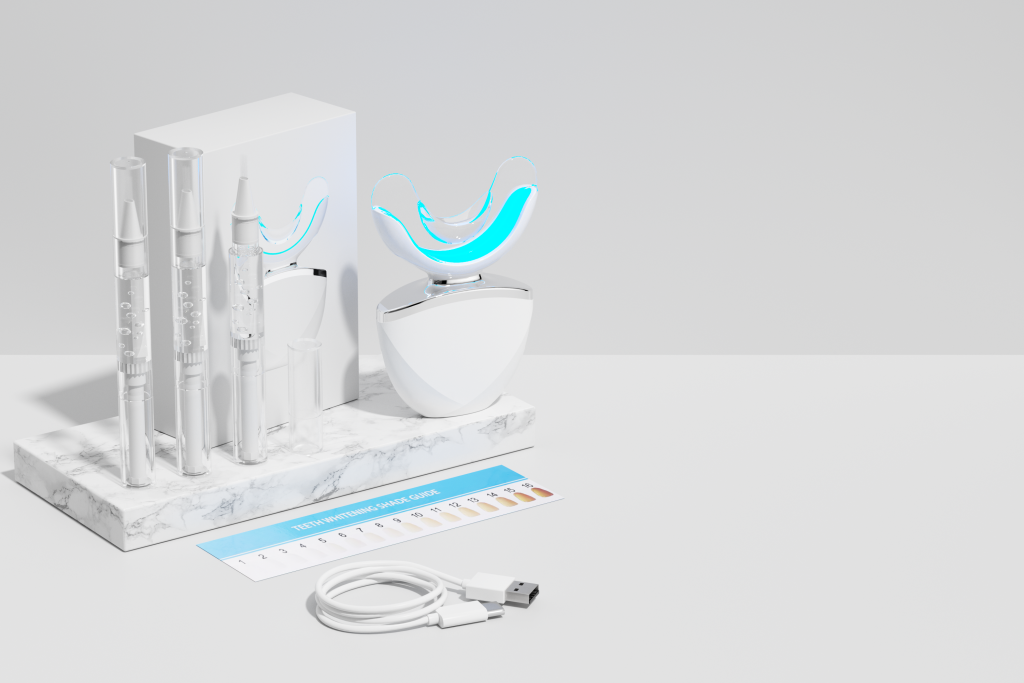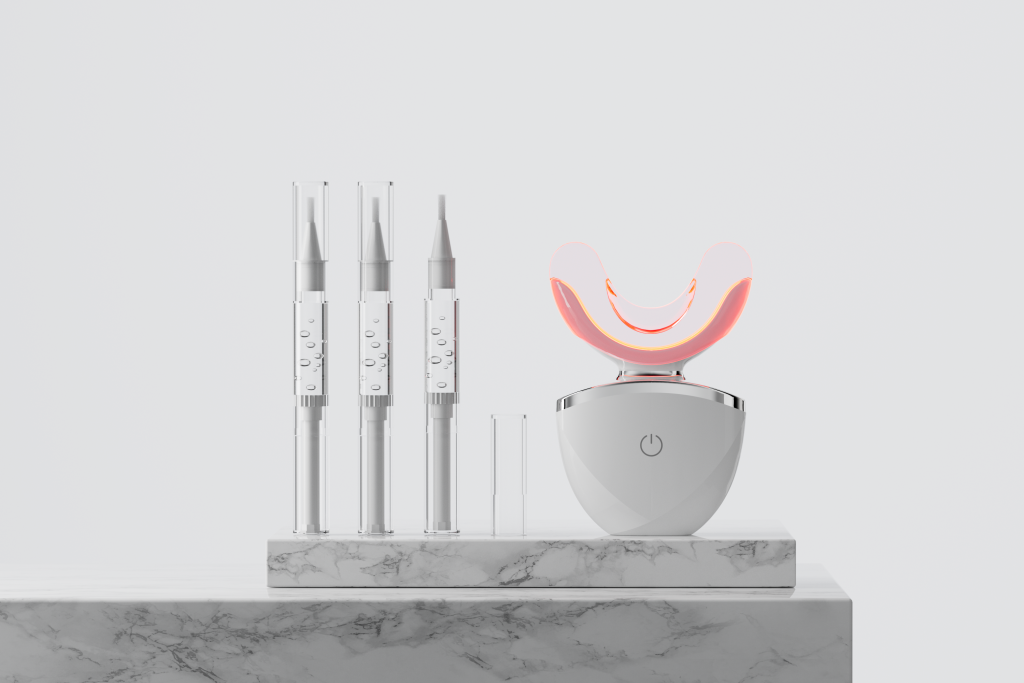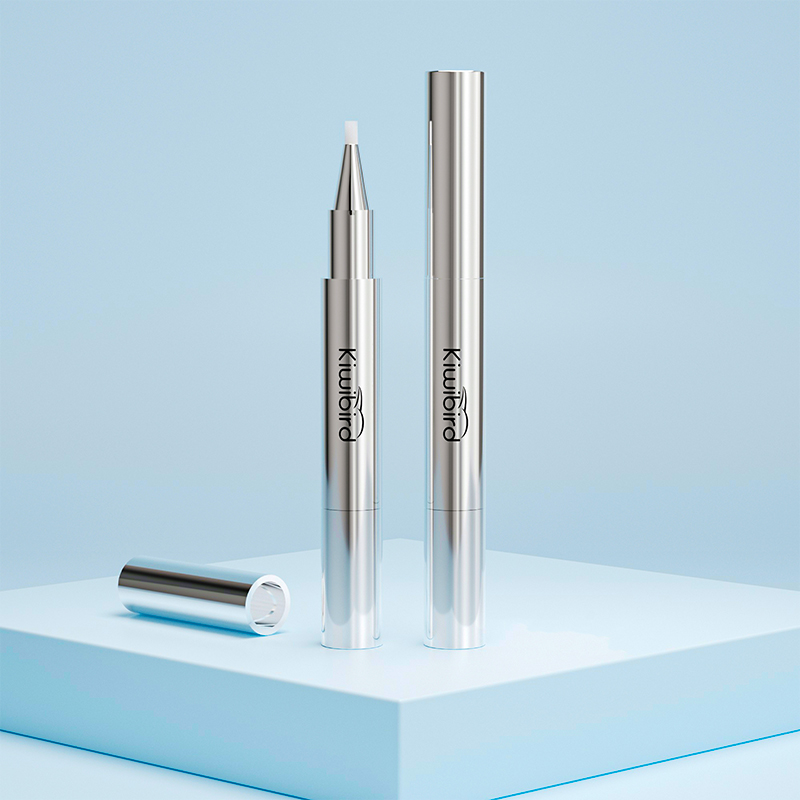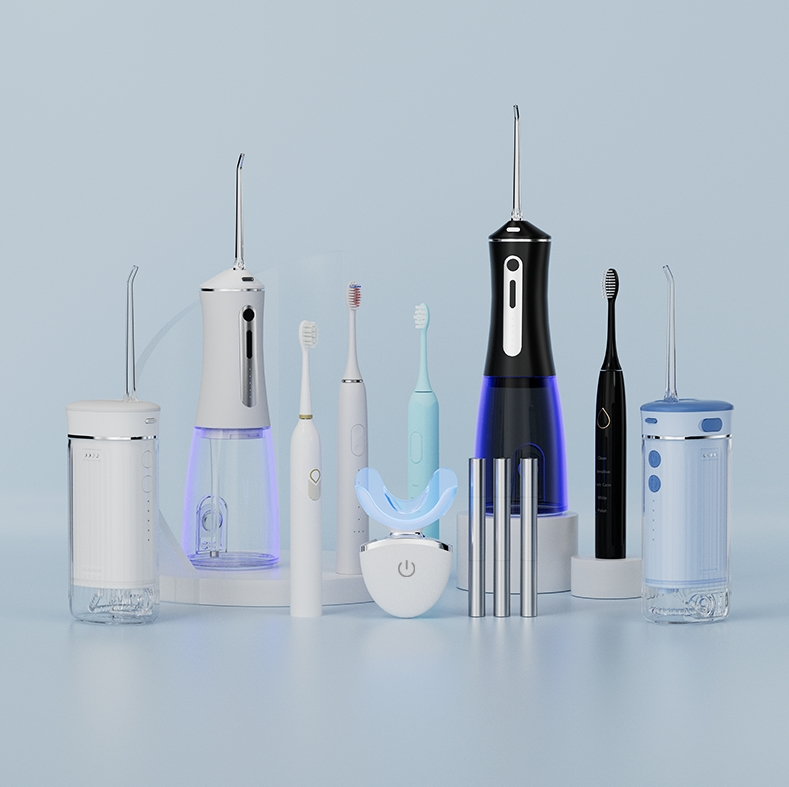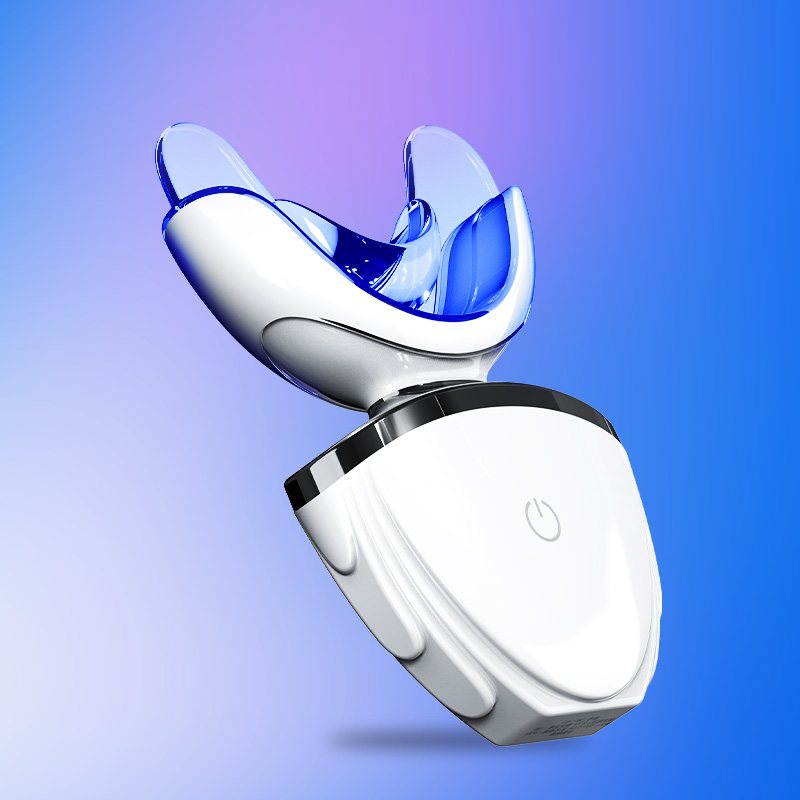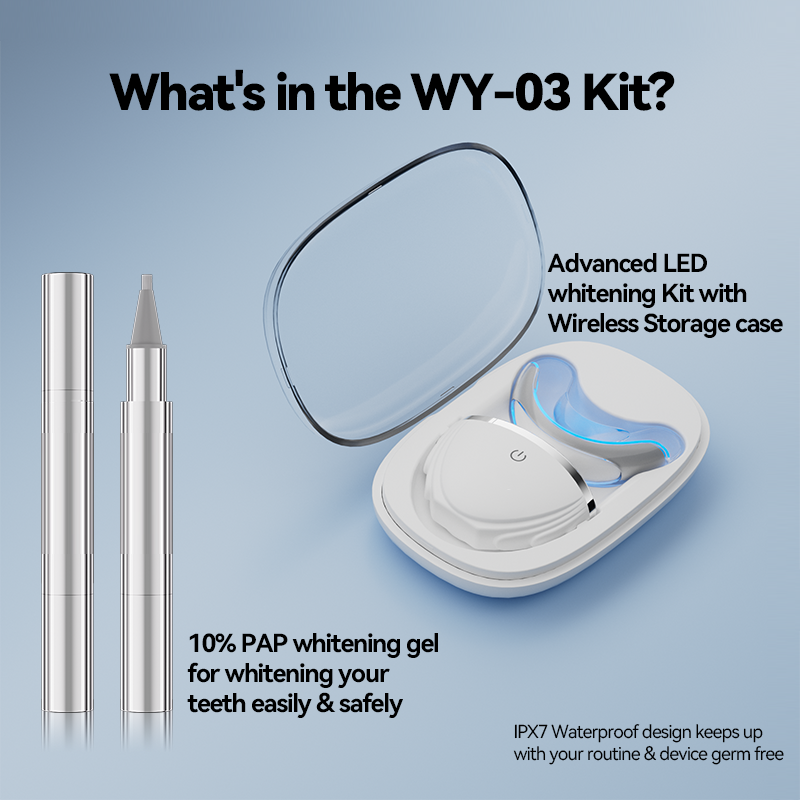
With the rise of wireless teeth whitening, It has gained significant popularity among consumers seeking professional-level whitening results at home. The demand for portability of home-use teeth whitening solutions has driven innovation in design, technology, and production processes. To meet these market needs, manufacturers are continuously improving teeth whitening manufacturing techniques to enhance product efficiency, safety, and user experience. This article explores the key advancements in wireless teeth whitening technology and how Powsmart as a reliable teeth whitening factory can ensure high-quality production. The Shift to Wireless Teeth Whitening: Why It Matters Traditional teeth whitening methods often involve messy trays, wired LED devices, or frequent visits to dental clinics. However, the rise of wireless teeth whitening solutions has transformed the market, offering users a more convenient, hands-free, and portable experience. Key benefits of wireless technology include: Improved Portability: Lightweight and compact designs make at-home whitening easier than ever. Cord-Free Convenience: Users no longer need to deal with tangled wires or limited mobility during treatment. Rechargeable and Eco-Friendly: Many wireless devices come with long-lasting battery life and sustainable charging options. As consumer expectations for ease of use and efficiency increase, manufacturers must keep pace with the evolving technology. Innovations in Teeth Whitening Manufacturing To produce high-performance…
A bright smile is a symbol of confidence and health. Many people seek different teeth whitening methods to enhance their appearance. However, with so many options available, it is crucial to identify the safest teeth whitening methods to protect oral health. In this blog, we will explore various whitening techniques and highlight the safest approaches, including insights from a professional teeth whitening factory. Common Teeth Whitening Methods There are several ways to whiten teeth, each with its own level of effectiveness and safety. The most common methods include: Whitening Toothpaste and Over-the-Counter ProductsWhitening toothpaste and strips contain mild abrasives and bleaching agents. While they are widely available and easy to use, they may take longer to show visible results and can sometimes cause enamel erosion with prolonged use. Professional In-Office WhiteningThis method is performed by dental professionals using high-concentration bleaching agents. It provides immediate results and is one of the safest teeth whitening methods since it is supervised by experts, minimizing risks such as gum irritation and sensitivity. At-Home Whitening KitsThese kits include custom trays and whitening gels provided by dentists or purchased online. While effective, improper usage can lead to gum irritation or uneven whitening. Natural RemediesSome people try…
With the growing demand for aesthetic dental solutions, the teeth whitening device industry forecast shows strong potential for expansion. Over the next five years, the market will witness transformative shifts influenced by technological advancements, regulatory updates, and evolving consumer preferences. This blog explores key trends shaping the industry’s future. Technological Advancements Driving Innovation One of the most significant changes in the whitening teeth future trend analysis is the rapid development of innovative whitening technologies. Key advancements include: LED & Laser Whitening: More effective, faster, and safer procedures are emerging, reducing treatment time and improving results. AI & Smart Devices: Integration of artificial intelligence and mobile applications in teeth whitening devices enhances user experience with personalized treatment plans. Eco-Friendly & Chemical-Free Solutions: The rise of organic and peroxide-free formulas caters to the increasing demand for safer and sustainable whitening solutions. Regulatory Changes and Compliance Governments worldwide are implementing stricter policies to ensure product safety and effectiveness. Notable trends include: Tighter EU & FDA Regulations: New compliance standards for ingredients and device certifications. Ban on Certain Chemicals: Restriction of high-concentration hydrogen peroxide usage in OTC products. Greater Transparency & Labeling: Consumers demand clearer labeling regarding product efficacy and potential side effects. Consumer Behavior and…
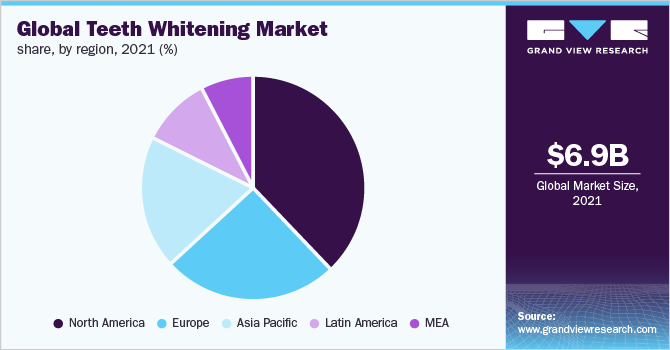
The global teeth whitening device market is experiencing unprecedented growth, fueled by increasing consumer awareness of dental aesthetics, technological advancements, and rising disposable incomes. As more individuals seek professional and at-home solutions for teeth whitening, manufacturers and OEM partners are witnessing a surge in demand for innovative and effective products. In this report, we explore the fastest-growing regions and key consumer groups shaping the industry. Fastest Growing Regions in the Dental Beauty Device Market North America: The Market Leader North America remains the dominant force in the global teeth whitening device market, driven by strong consumer purchasing power and a well-established dental care industry. The U.S. leads the charge, with an increasing preference for at-home teeth whitening kits and professional treatments. Asia-Pacific: The Emerging Powerhouse The Asia-Pacific region is experiencing exponential growth, particularly in China, South Korea, and Japan. Factors such as growing beauty consciousness, social media influence, and an expanding middle class contribute to the rising demand for advanced dental beauty devices. Europe: A Mature Yet Evolving Market Western Europe, particularly Germany, France, and the UK, continues to be a key market. European consumers prioritize quality and safety, driving demand for clinically tested and high-end teeth whitening devices. Consumer Group…
In today’s competitive oral care market, brands are constantly seeking ways to differentiate themselves and achieve rapid growth. One effective approach is leveraging OEM and ODM partnerships to develop high-quality, innovative products. This blog explores a successful Teeth whitening device OEM case, demonstrating how a cross-border oral care brand was able to rise rapidly through OEM ODM teeth whitening solutions. Market Opportunity and Brand Vision The increasing demand for at-home teeth whitening solutions created a golden opportunity for emerging brands. A newly established cross-border oral care brand recognized this potential and aimed to bring a premium yet affordable whitening device to the market. Instead of investing heavily in in-house R&D and production, they opted for an OEM teeth whitening device solution to accelerate their market entry. Choosing the Right OEM/ODM Partner Finding the right manufacturing partner was crucial. The brand collaborated with an experienced OEM ODM teeth whitening manufacturer with a strong track record in producing high-quality, certified oral care products. The manufacturer provided: Customizable product design Compliance with global safety regulations Cost-effective large-scale production Customization and Innovation in Product Development To stand out in the market, the brand worked closely with the ODM provider to customize key aspects of the product, including:…
Teeth whitening has become a booming industry, with various teeth whitening devices emerging to meet consumer demands. Among them, two of the most widely used technologies are blue light technology and cold light whitening technology. While both techniques enhance the effectiveness of whitening agents, they operate on different principles and have distinct applications. This article provides an in-depth analysis of these core technologies, their differences, and their applications in the market. Understanding Teeth Whitening Devices Teeth whitening devices are designed to accelerate the breakdown of stains on the teeth by activating whitening agents, such as hydrogen peroxide or carbamide peroxide. These devices commonly utilize light-assisted technology to enhance the whitening process, making it faster and more effective. The two predominant types of light technology in the industry are blue light technology and cold light whitening technology. What is Blue Light Technology? Blue light technology utilizes a specific wavelength of blue LED light (typically around 480-520 nm) to activate the whitening gel applied to the teeth. This process accelerates the oxidation reaction, breaking down stains more effectively. Key advantages of blue light technology include: Fast activation of whitening agents Non-invasive and safe for dental enamel Widely used in at-home and professional whitening treatments…
Teeth whitening has become a global trend, with an increasing number of consumers seeking brighter smiles. But how effective are teeth whitening products from a chemical perspective? Are the claims backed by real science, or is it just a marketing gimmick? This article delves into the chemistry behind teeth whitening products, explaining their key ingredients, mechanisms, and potential limitations. The Science Behind Teeth Stains Before understanding how teeth whitening products work, it's essential to know why teeth become discolored in the first place. Staining occurs due to: Extrinsic stains – Caused by coffee, tea, red wine, and tobacco, these stains accumulate on the enamel surface. Intrinsic stains – These result from aging, medication, or excessive fluoride exposure, affecting the dentin layer beneath the enamel. Different whitening agents target these stains in distinct ways. Key Ingredients in Teeth Whitening Products The effectiveness of teeth whitening products depends on their active ingredients. The most common chemical compounds include: Hydrogen Peroxide (H₂O₂) – A strong oxidizing agent that breaks down stain molecules through oxidation. Carbamide Peroxide – A slower-releasing form of hydrogen peroxide, often used in at-home whitening kits. Phthalimidoperoxycaproic Acid (PAP) – A non-peroxide alternative gaining popularity due to its gentler action on enamel. These ingredients play a crucial…
The teeth whitening industry has witnessed exponential growth in recent years, offering promising opportunities for entrepreneurs. As a trusted teeth whitening manufacturer, we often encounter aspiring business owners curious about this market. In this blog, we will explore why people start a teeth whitening business and guide you through the steps to launch one successfully. Why Start a Teeth Whitening Business? High Demand for Teeth Whitening Services: A radiant smile is universally desirable, making teeth whitening services consistently in demand. From professionals preparing for important events to individuals aiming to boost their confidence, the customer base is diverse and ever-expanding. Profitability: Teeth whitening services have a high-profit margin, especially when paired with premium products from reliable teeth whitening manufacturers. With relatively low operational costs, this business can yield significant returns. Scalability: Starting small doesn’t limit your growth. Many entrepreneurs begin with mobile services or at-home kits and expand into salons, spas, or dedicated teeth whitening studios over time. Minimal Barriers to Entry: Launching a teeth whitening business requires comparatively low upfront investment and training. Manufacturers often provide training and starter kits, streamlining the entry process. Steps to Start a Teeth Whitening Business Research the Market: • Analyze local demand and…
Teeth whitening has become a growing trend in recent years, fueled by increasing demand for brighter smiles and the rise of innovative whitening products. Among the various methods and products available, PAP+ popular in teeth whitening has emerged as a frontrunner, gaining immense popularity. But what exactly is PAP+, and why is it so widely embraced in the teeth whitening products business? Let’s delve into the details. What Is PAP+? PAP+ refers to Phthalimidoperoxycaproic acid, a groundbreaking compound used in advanced teeth whitening products. Unlike traditional methods that often rely on hydrogen peroxide, PAP+ is a non-peroxide-based formula that offers effective whitening without causing damage to the enamel or gums. This innovative formula combines powerful whitening agents with desensitizing ingredients and remineralizers, making it suitable for even the most sensitive teeth. By targeting deep stains while protecting tooth health, PAP+ has redefined the landscape of teeth whitening methods. How Does PAP+ Work? The mechanism of PAP+ is what sets it apart from other teeth whitening methods. Instead of relying on oxidation processes that can weaken enamel, PAP+ directly breaks down stain molecules without producing harmful free radicals. Furthermore, PAP+ teeth whitening often includes ingredients like hydroxyapatite and potassium citrate, which:…
In the booming teeth whitening products business, sourcing the right partner is key to ensuring product quality, customer satisfaction, and business growth. When searching for the best teeth whitening refill kits factories, consider the following essential tips: Verify Factory Credentials Before committing to any factory, ensure they hold the necessary certifications for producing teeth whitening refill kits. Compliance with industry standards such as ISO or GMP ensures that their products meet safety and quality requirements. Factories with proven track records in producing teeth whitening products will help you build trust with your customers. Assess Product Quality High-quality whitening refill kits are vital for your brand’s reputation. Request samples to test their products’ effectiveness and safety. Check for features such as non-abrasive formulas, high-grade whitening agents, and customer-friendly packaging. Consistently high-quality output sets the best teeth whitening refill kits factories apart from the competition. Evaluate Manufacturing Capacity Whether you run a small teeth whitening products business or a large-scale operation, the factory’s production capacity must align with your needs. Discuss their ability to scale production during peak demand periods without compromising on quality. Reliable factories should have robust systems in place to ensure timely delivery. Customization Options The ability to create…
When it comes to teeth whitening, many consumers turn to advanced solutions like LED teeth whitening device and whitening gel. The combination of these two technologies promises faster and more effective results, but there are key points to note when using them together. In this blog post, we’ll guide you through the most important considerations to ensure you achieve the best possible whitening results safely and effectively. https://www.powsmart.com/product/teeth-whitening-kit-device/ Choose the Right Whitening Gel for Your LED Teeth Whitening Device One of the key points to note is to ensure that the whitening gel you’re using is designed to work with LED technology. Some gels are formulated specifically for use with LED lights, containing ingredients like hydrogen peroxide or carbamide peroxide that are activated by the light for faster results. Always check the manufacturer’s recommendations to make sure the gel you select is suitable for your device. Follow the Instructions on Both the Whitening Gel and LED Device Using the LED teeth whitening device and whitening gel together can offer outstanding results, but only if you follow the instructions carefully. Overuse of the whitening gel or excessive exposure to the LED light can lead to tooth sensitivity or gum irritation. The…
When it comes to LED teeth whitening devices, choosing the right product can feel overwhelming, especially with so many materials and manufacturers available in the market. As a professional teeth whitening products manufacturer, we understand the importance of material quality in delivering a superior whitening experience. Let’s explore the factors that determine the quality difference between different materials of LED teeth whitening devices. Material Composition and Durability The materials used in LED teeth whitening devices play a crucial role in their performance and longevity. High-quality devices often use medical-grade silicone or high-durability ABS plastic. These materials are non-toxic, resistant to wear, and provide a safe user experience. Cheaper alternatives may use low-grade plastics that can crack or degrade over time, compromising both safety and efficacy. LED Light Integration Not all LED teeth whitening devices are created equal when it comes to the integration of LED light. Devices made from superior materials often feature enhanced LED chip placement, ensuring even light distribution. Inferior materials may interfere with light transmission or allow heat buildup, reducing the effectiveness of the whitening process. Safety Standards Compliance Devices manufactured using high-grade materials are more likely to meet international safety standards. These devices undergo rigorous testing…
The oral care industry has witnessed transformative advancements over the years, with new technologies and consumer preferences shaping its trajectory. As oral health becomes increasingly linked to overall well-being, companies and innovators have been doubling down on developing promising oral care products that cater to evolving demands. Below, we explore some of the most exciting and impactful products poised to redefine the oral care landscape. Smart Toothbrushes with AI Integration Gone are the days of simple manual brushing. Smart toothbrushes equipped with Artificial Intelligence (AI) have become a game-changer in the oral care industry. These devices provide real-time feedback on brushing techniques, track habits through mobile apps, and even offer personalized brushing plans. By ensuring optimal dental hygiene, they make oral care more engaging and effective for users of all ages. Natural and Sustainable Oral Care Products As sustainability becomes a focal point across industries, the oral care sector is no exception. Consumers are increasingly gravitating towards eco-friendly options such as biodegradable toothbrushes, toothpaste tablets, and zero-waste packaging. Promising oral care products in this category not only align with environmentally conscious values but also prioritize natural ingredients, making them safe and appealing to a broader audience. Probiotic-Based Oral Care Solutions…
When it comes to achieving a brighter smile, teeth whitening gel is a convenient and effective option. But can it be used alone to whiten teeth? In this blog, Powsmart will explore how teeth whitening gel works. Its limitations, and the best practices for using it effectively.https://www.powsmart.com/about-powsmart/ What Is Teeth Whitening Gel? Teeth whitening gel is a peroxide-based product, which removes stains and discoloration from teeth. Commonly containing hydrogen peroxide or carbamide peroxide, these gels work by breaking down the molecules that cause stains, resulting in a whiter smile. They are often in professional whitening treatments or at-home kits. How Does Teeth Whitening Gel Work? The active ingredients in teeth whitening gel penetrate the enamel and target the discoloration in the dentin layer beneath. This chemical reaction lightens the teeth’s natural color. While the gel is highly effective at targeting surface-level and some deeper stains, the results depend on proper application and consistency. Can Teeth Whitening Gel Be Used Alone? While teeth whitening gel is a powerful tool, using it alone may not always deliver optimal results. Here are a few reasons why: Application Challenges: Without tools like custom-fit trays, it can be difficult to ensure the gel stays evenly distributed…
Customizing teeth whitening kits is a growing trend among businesses seeking to offer tailored products to their customers. Whether you're a dental clinic, beauty salon, or e-commerce retailer, knowing the basic procedures for creating customized kits ensures that you deliver high-quality and effective solutions and look for reliable manufacturer. Below, As one of the teeth whitening products manufacturer in China, Powsmart outlines the key steps in the customization process.https://www.powsmart.com/product/teeth-whitening-kit-device/ Initial Consultation and Requirement Analysis The first step is understanding the specific needs of your business and target audience. Manufacturers often schedule a consultation to discuss your branding preferences, desired product features, and customer demographics. Key details to decide include: Whitening agent concentration (e.g., carbamide or hydrogen peroxide). Product format (e.g., gels, strips, pens, or LED kits). Targeted results and sensitivity considerations. Product Design and Branding Once requirements are clear, the manufacturer designs the product packaging and components to align with your brand. This includes: Designing custom logos, color schemes, and branding elements. Selecting eco-friendly or luxury packaging options. Incorporating customer feedback from previous products, if available. Prototyping and Testing Before full production, prototypes are created for review. These allow you to test the kit’s usability, effectiveness, and appeal. During this stage:…
Advancements in oral care technology have paved the way for revolutionary solutions in teeth whitening. Among the most exciting innovations are wireless teeth whitening devices. These devices provide a seamless, portable, and efficient way for users to achieve whiter teeth at home or on the go. In this blog, we’ll explore the new technical possibilities that are transforming wireless teeth whitening, offering both users and manufacturers unprecedented opportunities in the oral care market. Advanced LED Technology Modern wireless teeth whitening devices utilize advanced LED light technology to enhance the whitening process. High-intensity blue light activates whitening gels more effectively, reducing treatment time while delivering noticeable results. Innovations such as adjustable light intensity and dual-spectrum LEDs are examples of new technical possibilities. This make these devices more efficient and customizable for individual needs. Integration with Smart Technology One of the groundbreaking developments in wireless teeth whitening is the integration of smart technology. Devices now come equipped with Bluetooth connectivity, allowing users to control and monitor their whitening sessions through smartphone apps. These apps provide real-time feedback, track progress, and suggest personalized settings, ensuring optimal results and a better user experience. Rechargeable and Sustainable Solutions Sustainability is becoming a key focus in the oral care…
When developing custom whitening gel products, choosing the right packaging is a critical step. The packaging not only protects the product but also enhances its appeal to customers and reflects the brand’s identity. In this blog, we’ll explore the various packaging options available for customizable teeth whitening gel products, helping you make the best choice for your brand. Types of Packaging Options for Custom Whitening Gel a. TubesTubes are one of the most popular packaging options for custom whitening gel products. They are lightweight, easy to squeeze, and available in various sizes and materials, including recyclable options. Tubes are an excellent choice for single-use or travel-sized gels, making them highly convenient for customers. b. SyringesSyringes are ideal for precise application of the gel. This type of packaging is commonly used in professional-grade or at-home customizable teeth whitening gel kits. Syringes ensure that the correct amount of gel is dispensed each time, reducing waste and enhancing usability. c. Pods or CapsulesPods or single-use capsules provide a pre-measured amount of whitening gel, ensuring consistency in application. These are particularly suited for customers who prioritize convenience and hygiene, as they eliminate the need for manual measurement. d. Jars or PotsFor customers who prefer to use a brush…
Introduction Teeth whitening has become a booming global market as consumers prioritize brighter smiles and oral care. Behind the success of this industry are some of the most renowned teeth whitening brands, which have set benchmarks in quality, innovation, and customer trust. For businesses looking to venture into the teeth whitening products business, understanding these key players and their strategies can provide valuable insights. Leading Teeth Whitening Brands CrestA pioneer in the field, Crest is synonymous with quality teeth whitening solutions. Its 3D White product line is a global favorite, offering strips, toothpaste, and LED kits that cater to various customer needs. Crest’s consistent innovation has positioned it as a leader among teeth whitening brands. ColgateKnown for its advanced whitening toothpaste and professional-grade whitening systems, Colgate blends trusted science with affordability. Its products are readily available worldwide, making it a staple in many households and a benchmark for competitors in the teeth whitening products business. HiSmileThis Australian brand revolutionized the industry by emphasizing social media marketing and user-friendly at-home kits. HiSmile's peroxide-free formula caters to consumers seeking gentler alternatives, showing how niche positioning can succeed in the market. Snow Teeth WhiteningSnow has gained popularity for its premium, all-in-one kits featuring…
The demand for home teeth whitening products has skyrocketed in recent years as consumers seek convenient, cost-effective ways to enhance their smiles. This growing interest has brought significant attention to the manufacturing of home teeth whitening products. With factories worldwide competing to meet this demand, understanding the process behind these products is essential for businesses looking to enter this lucrative market. Key Components of Home Teeth Whitening Products The effectiveness of home teeth whitening products depends largely on the quality of their active ingredients, such as hydrogen peroxide and carbamide peroxide. Advanced formulations and delivery mechanisms, like whitening gels, strips, and LED kits, require precise engineering and manufacturing processes. A reliable teeth whitening products factory ensures these components are safe, effective, and compliant with regulatory standards, making them trustworthy for consumers. The Manufacturing Process The manufacturing of home teeth whitening products involves several critical steps: Raw Material Sourcing: Factories source high-quality active ingredients and auxiliary materials. Formulation and Testing: Chemists develop and refine formulations to balance effectiveness and safety. Packaging and Design: Factories use eco-friendly, appealing packaging to attract customers while adhering to sustainability trends. Quality Control: Strict testing ensures each batch meets safety and efficacy standards, providing reliable results to consumers.…