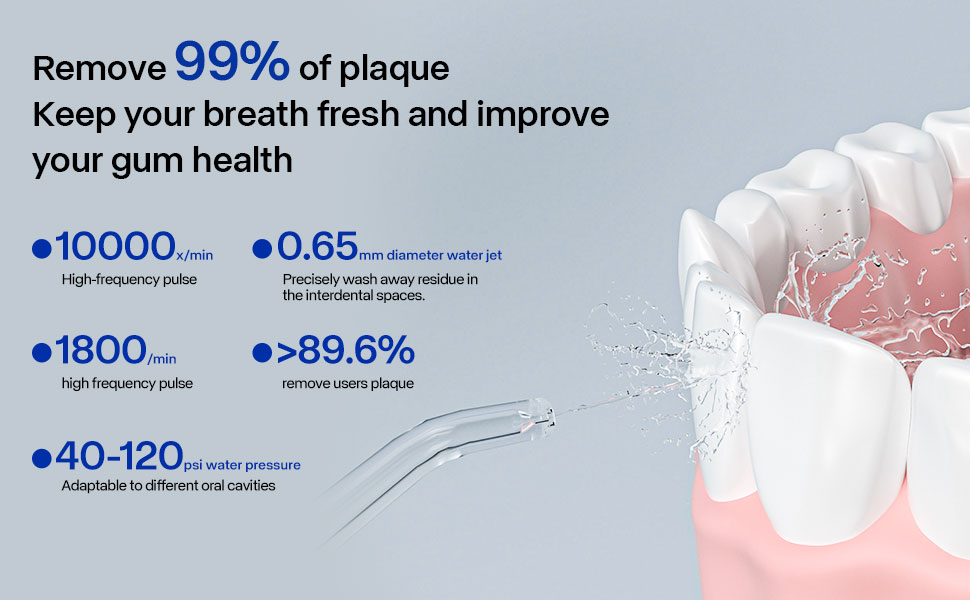
A water flosser is a powerful tool for maintaining oral hygiene, but over time, you may notice water pressure decreases, reducing its effectiveness. If your device isn’t performing as strongly as before, here are the most common causes—and how to troubleshoot them.
Many cordless water flossers rely on rechargeable batteries. If the water pressure decreases, the first step is to check the battery level. A weak battery may not provide enough power for optimal performance. Charge the device fully and test again. If the problem persists, the battery may need replacement.
Mineral deposits, debris, or mold can accumulate in the nozzle, obstructing water flow. To fix this, remove the water head and soak it in warm vinegar or use a small brush to clear blockages. Regularly cleaning the water head ensures consistent pressure and hygiene.
If the water pressure drops suddenly, check the water level in the water tank. Some flossers have sensors that reduce pressure when water is low. Refill the tank and ensure it’s properly seated to maintain steady flow.
Air trapped in the water line or a minor system glitch can disrupt pressure. Try turning off the device, emptying the tank, and restarting your device. This can reset the motor and eliminate airlocks, restoring normal function.
Over time, limescale or debris can build up inside the flosser’s tubing, reducing pipeline patency. To clear blockages, run a mixture of warm water and white vinegar through the system, then rinse thoroughly. For stubborn clogs, use a small pipe cleaner.
If none of the above solutions work, the issue may be mechanical. A failing motor or damaged internal components can weaken water pressure. If your flosser is under warranty, contact the manufacturer for servicing or replacement.
Clean the nozzle and tank weekly to prevent buildup.
Use distilled water to minimize mineral deposits.
Store the device properly to avoid internal damage.
By following these steps—checking the battery level, cleaning the water head, and ensuring pipeline patency—you can restore your water flosser’s performance and extend its lifespan.
For more professional dental care product maintenance tips, visit our blog or contact our B2B team for bulk solutions! https://www.powsmart.com/simples/x3-portable-uv-water-flosser/
.jpg)
Seal Degradation Plus Circuit Corrosion – Safety Hazard?
How Does Local Heritage Material Sourcing Benefit from an Indigenous Knowledge Partnership?
Is a TSA Friendly Toothbrush with Portable Toothbrush Case Truly Hassle-Free at Airports?
How Does Gum Recession Relate to Maintenance Complexity?
Can a Wearable Whitening Strip Be Part of a Home Use Whitening System?
Tetracycline Stains Whitening Guide: Best Methods for Stubborn Discoloration
Can a Rechargeable Battery Solution power an LED Display Module efficiently in flossers?
How Does Sonic Toothbrush Manufacturing Integrate with App Connectivity Development for Smart Oral Care?
Analysis of the Core Technology of Teeth Whitening Devices: The Difference and Application of Blue Light Whitening and Cold Light Technology
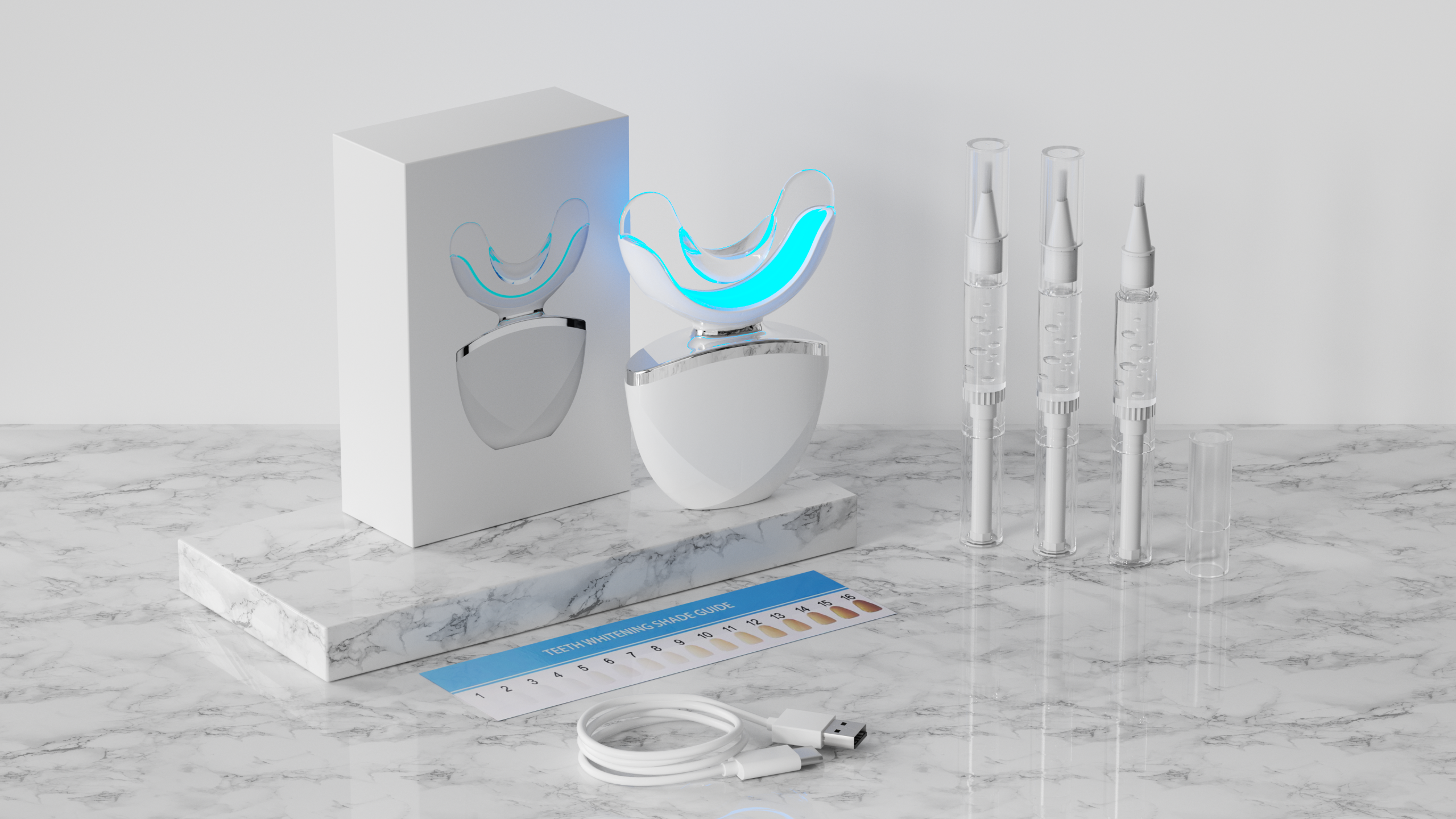
How Does a Teeth Whitening LED Kit Fit into the At-Home Beauty Device Market?
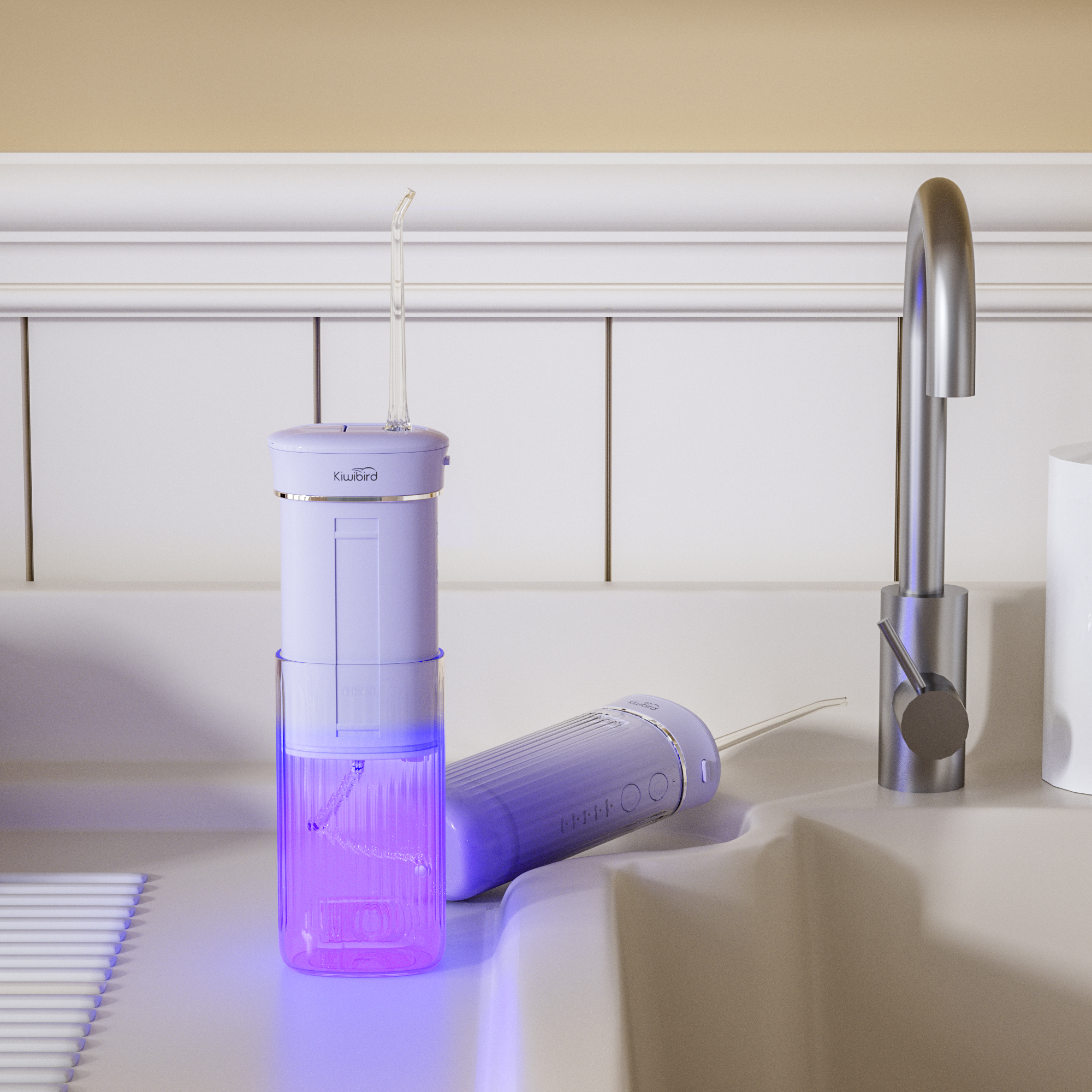
How Water Pump Technology Revolutionizes Water Flosser Performance
Electric Toothbrush with Light Therapy
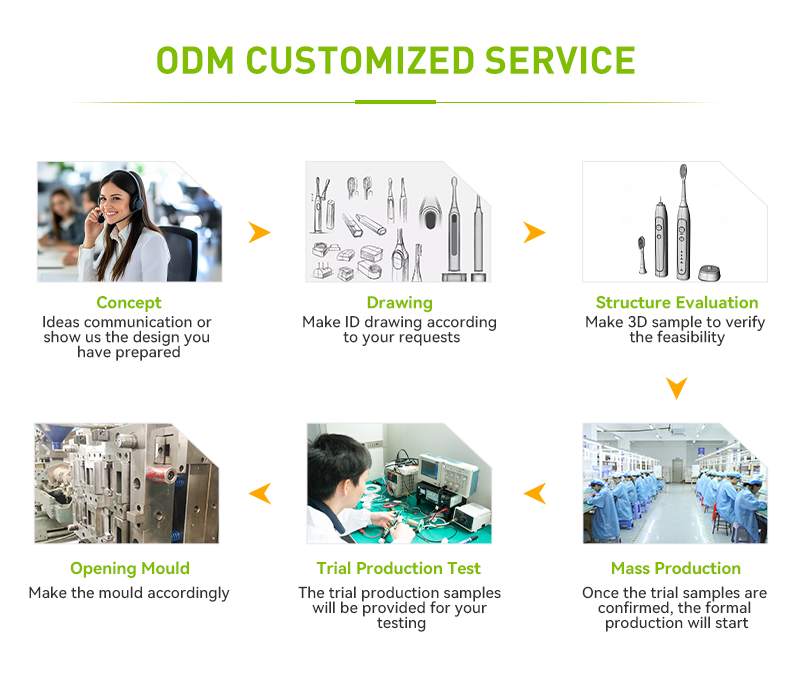
Do Your Conflict Mineral Reporting and Carbon Neutral Manufacturing Claims Align?
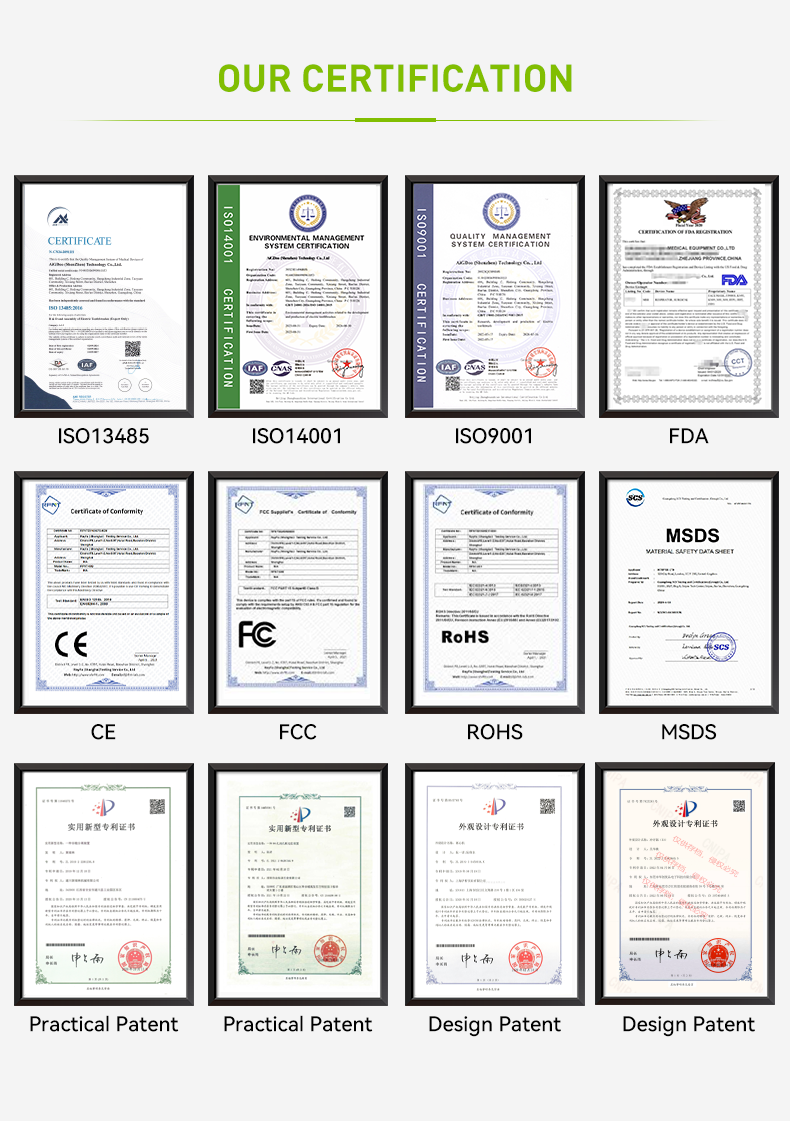
Why Does Gene Expression Monitoring Data Require Quantum-Safe Data Transmission?
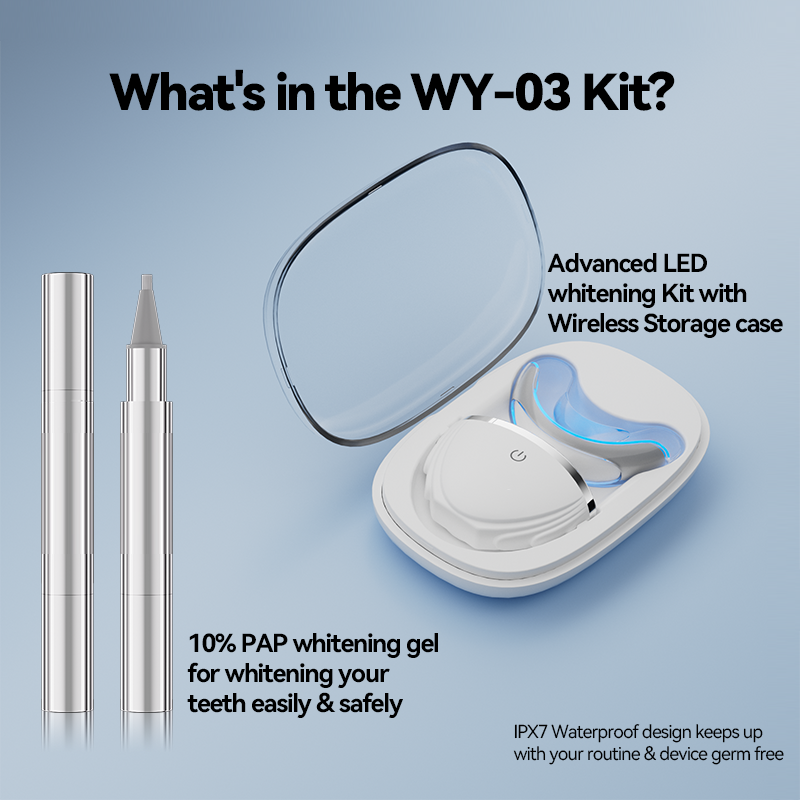
Red and Blue Light Teeth Whitening Device Aging Test Standard: 500 Hours of Continuous Working Reliability Verification
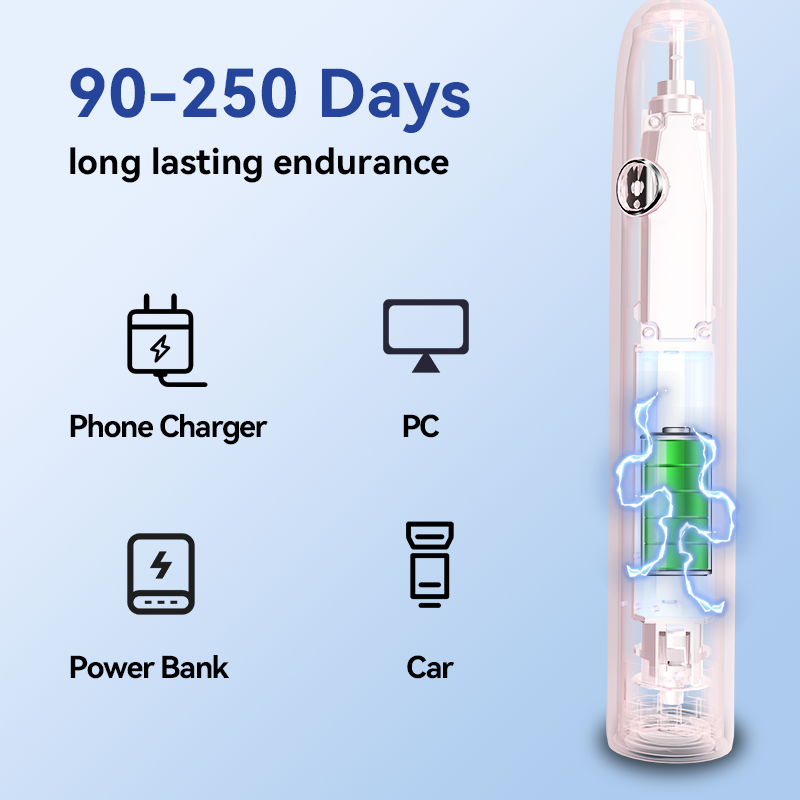
Can the Battery Health of Electronic Oral Cleaning Products Be Restored?


.jpg)
.jpg)
.jpg)
.jpg)
.jpg)