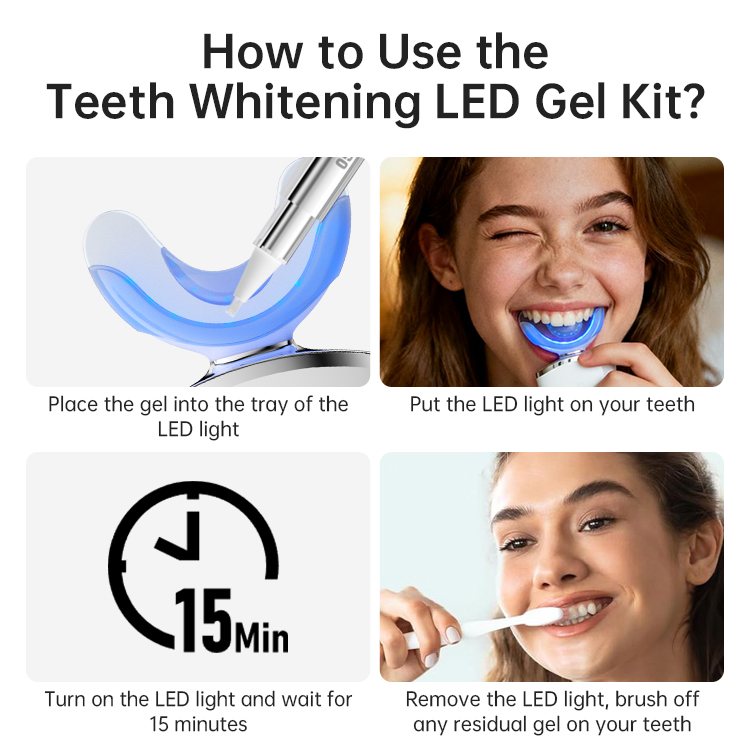
Introduction In the world of teeth whitening, Dental Grade Whitening has become the gold standard for achieving noticeable, professional results. However, the effectiveness of such products goes hand in hand with the safety of the ingredients used. For a product to be truly effective and safe, it must incorporate Safe Whitening Ingredients. These ingredients ensure that the whitening process does not cause damage to the enamel, gums, or overall oral health, while still achieving the desired results. 1. The Importance of Ingredient Safety in Professional Whitening When creating Dental Grade Whitening products, safety should always be the top priority. Products that contain potentially harmful ingredients can cause irritation, sensitivity, or long-term damage to the teeth and gums. Safe Whitening Ingredients, such as carbamide peroxide or hydrogen peroxide in controlled concentrations, are scientifically proven to provide effective whitening results without causing harm. 2. Regulatory Requirements for Safe Whitening Ingredients Dental Grade Whitening products must comply with strict regulatory standards to ensure safety and efficacy. These regulations often mandate the use of Safe Whitening Ingredients that have been tested and approved for use in professional dental products. Adhering to these standards helps manufacturers avoid legal and health risks, and ensures that their…
Introduction In the development of water filtration systems, Water Tank Molding plays a critical role in accommodating various components such as a Filter Cartridge Supply. The design of the water tank must not only support the physical structure of the filter but also ensure that the filtration process operates efficiently. By carefully considering mold design, manufacturers can create tanks that are robust, functional, and capable of housing filter cartridges securely for long-term use. Design Considerations for Easy Installation The design of Water Tank Molding must prioritize ease of installation for the Filter Cartridge Supply. A well-designed tank ensures that the filter fits securely into its designated space, allowing for straightforward installation and replacement. This is crucial for both end-users and service technicians, who should be able to swap filters with minimal effort and without compromising the integrity of the system. Sealing and Leak Prevention A critical aspect of Water Tank Molding is creating secure seals where the Filter Cartridge Supply connects to the tank. Molds must be designed to accommodate gaskets or sealing rings that prevent leaks, ensuring that water flow is consistent and contaminants are effectively filtered out. Proper sealing also helps in reducing the risk of water damage…
Introduction When manufacturing products that contain a Lithium Battery Pack, it’s crucial to have a Packaging Customization Service that ensures both safety and practicality. Lithium batteries are sensitive to environmental factors, so packaging must be designed to protect the product and comply with shipping regulations. For manufacturers, working with a reliable packaging partner can help create solutions that are both functional and market-ready, ensuring smooth production and delivery processes. Understanding the Importance of Safe Packaging Lithium batteries can be prone to overheating or leakage if not packaged correctly. A Packaging Customization Service ensures that the packaging not only protects the battery but also complies with strict safety standards. This service tailors packaging to prevent any hazards during storage, transit, or use, which is essential for both regulatory compliance and user safety. Compliance with Regulations and Standards Products containing Lithium Battery Packs are subject to specific international regulations regarding packaging and transportation. Whether your product is shipped domestically or internationally, the packaging must meet these requirements to avoid penalties or delays. A reliable Packaging Customization Service helps ensure that your packaging meets all necessary regulatory standards, such as those from the International Air Transport Association (IATA) or local postal authorities. Custom…
Introduction Cosmetic Whitening Equipment and Salon Whitening Devices are both popular choices for achieving brighter smiles, but they differ significantly in terms of technology, performance, and usage. While both are designed to whiten teeth, understanding the differences between these two types of devices is crucial for businesses in the oral care industry. For manufacturers, knowing how to position and differentiate these products can help ensure success in a competitive market. Technology and Mechanism Cosmetic Whitening Equipment typically uses lighter technology such as LED lights or gel-based formulas that can be used safely at home or in retail settings. On the other hand, a Salon Whitening Device employs more advanced technologies like high-intensity light or laser systems. These devices provide faster and more intense whitening effects compared to their cosmetic counterparts. Safety and Regulation Due to the intensity of the light and chemical agents involved, Salon Whitening Devices are subject to stricter regulatory guidelines. Cosmetic Whitening Equipment, in contrast, is designed to be safe for home use, often involving milder formulas and settings that are easy for non-professionals to handle without risk of harm. Whitening Speed and Efficacy One of the key distinctions between Cosmetic Whitening Equipment and Salon Whitening Devices…
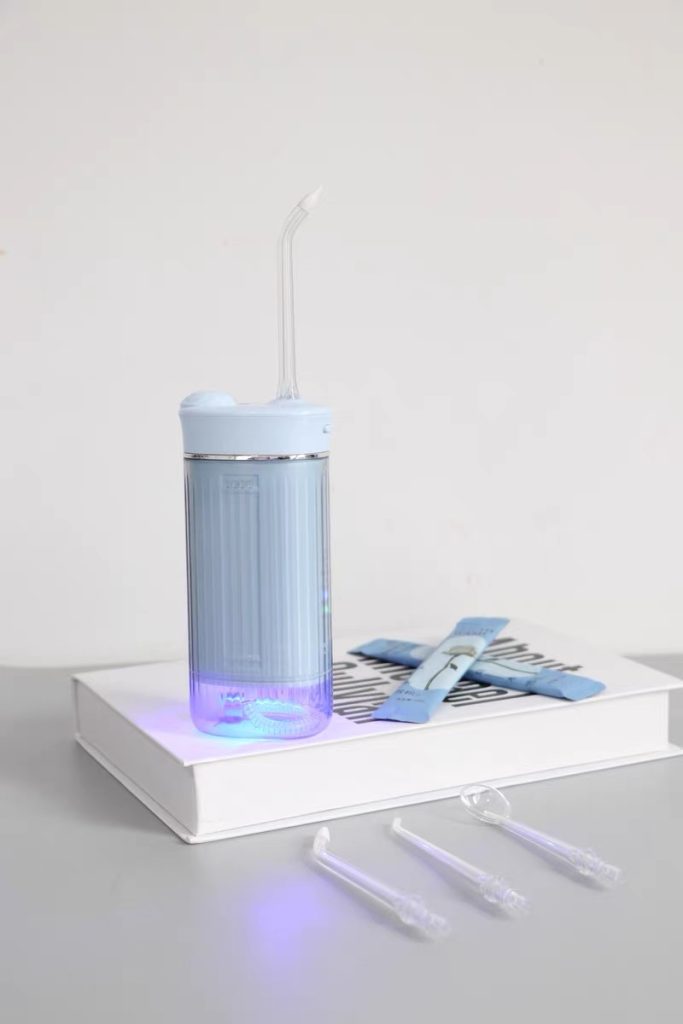
Introduction The integration of Pulse Water Technology with a Quiet Flosser Motor has revolutionized the way consumers experience water flossing. By combining powerful pulsation with whisper-quiet operation, this advanced technology ensures both effective plaque removal and a more pleasant, user-friendly experience. For OEMs and manufacturers, understanding how these components work together is key to designing high-performance, noise-conscious oral care devices. The Role of Pulse Water Technology in Flossing Pulse Water Technology generates rapid bursts of water that effectively dislodge food particles and plaque between teeth. These pulsations provide a more thorough clean compared to traditional string floss, which relies on manual dexterity. When paired with a Quiet Flosser Motor, the water pulses can be delivered at precise intervals for consistent and effective cleaning, ensuring optimal performance. Benefits of Quiet Operation in Oral Care Devices One of the challenges with traditional water flossers is noise. High-speed motors often produce an annoying buzz that can detract from the experience. Quiet Flosser Motors address this issue by using advanced engineering techniques that reduce motor noise while maintaining the power needed to deliver effective water pulses. This quieter operation enhances user comfort, especially for those with sensory sensitivities. Synergy Between Pulse Water Technology and…
Introduction As a Micro Motor Supplier, ensuring Brush Head Compatibility is a critical factor in the performance and longevity of oral care products. For OEMs and brands in the oral care industry, selecting the right motor supplier who guarantees compatibility between the motor and the brush head is essential for delivering efficient and consistent results to the end-user. Importance of Motor-Brush Head Integration Brush head performance relies heavily on the motor's power, speed, and vibration capabilities. A Micro Motor Supplier that guarantees brush head compatibility can ensure that the motor’s specifications align with the design and function of the brush head for optimal cleaning efficiency. Compatibility with Different Brush Head Designs Different brush heads require different motion patterns (rotational, oscillating, or sonic vibrations). A reliable Micro Motor Supplier will offer motors that are customizable for varying brush head designs. Ensuring compatibility prevents issues like improper motion, weak vibrations, or excess wear and tear. Durability and Long-term Performance Guaranteed Brush Head Compatibility is not only about initial functionality but also about ensuring the motor can withstand the demands of long-term use. A well-matched motor and brush head system will ensure that the motor's durability. Quality Control and Testing Procedures Leading Micro…
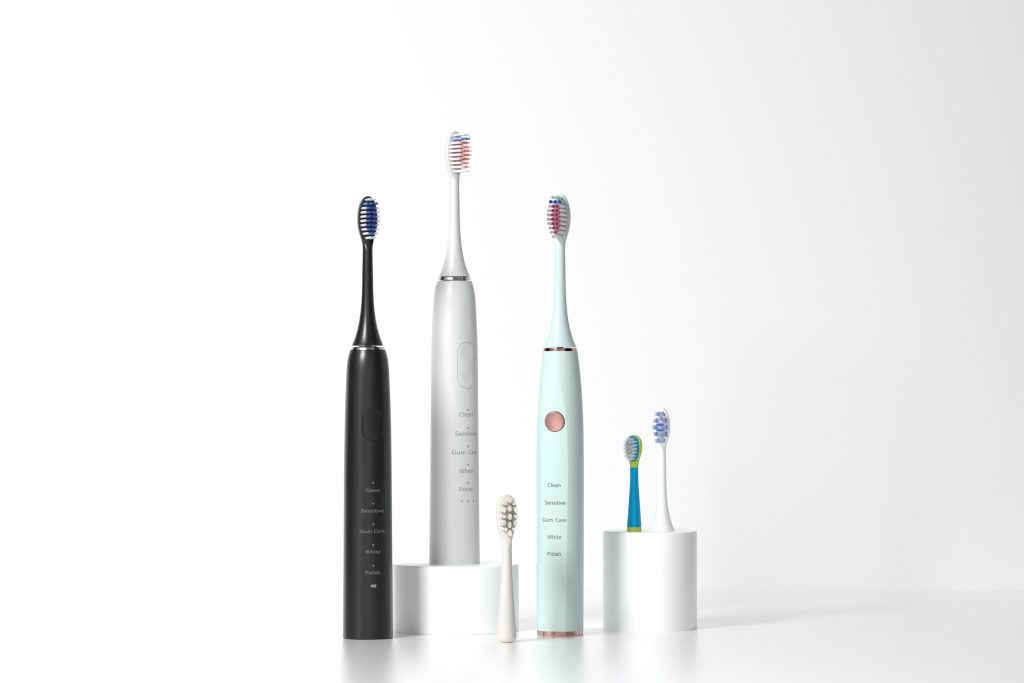
For wholesale buyers and procurement specialists in the United States, especially those sourcing for dental care products in regions like Fresno, California, finding a reliable and high-quality supplier is key. Powsmart, as both a brand and a direct manufacturer, offers an excellent solution. Operating from its production base in China, Powsmart serves as the dedicated factory and supplier for the American market, including partners in cities like Fresno, CA. Our website, www.powsmart.com, is the primary platform where U.S. wholesalers can explore our catalog, place bulk orders, and establish long-term supply partnerships. Product Applications and Scenarios Powsmart electric toothbrushes are designed for daily oral hygiene in various settings. They are ideal for household use, hotel amenities, corporate wellness gifts, dental practice giveaways, and promotional bundles for health-focused retailers. In a health-conscious city like Fresno, where residents value quality living, these toothbrushes meet the demand for effective personal care products in homes, hospitality sectors, and professional environments. Manufacturing Materials and Build Quality We use high-grade, durable materials in production. The handles are made from waterproof ABS plastic, ensuring longevity and safety. The brush heads feature soft, medical-grade DuPont bristles that are gentle on gums and effective at plaque removal. Internal components include long-lasting…
As oral-care technology evolves, brands are evaluating how Angular Momentum Control and a precision Harmonic Drive System could redefine the efficiency, stability, and brushing accuracy of next-generation electric toothbrushes. These innovations—widely used in robotics and high-precision motion control—are emerging as potential game-changers for performance-focused oral-care devices. The Rise of Advanced Motion Control in Oral-Care Devices Traditional toothbrush motors rely on simple oscillation or vibration systems. By integrating advanced motion algorithms and compact drive mechanisms, manufacturers can significantly increase torque precision, brushing stability, and head movement accuracy. How Angular Momentum Control Improves Brushing Efficiency Angular Momentum Control enables smoother directional changes and more consistent rotational force. This results in: Better plaque removal due to stable torque output Reduced motor jitter More controlled transitions between brushing modes This technology ensures brushing power remains consistent even under high pressure or varied angles along the gumline. The Mechanical Advantages of a Harmonic Drive System A Harmonic Drive System—known for high torque density, zero backlash, and precision motion transfer—delivers superior mechanical reliability. Its compact elliptical gear mechanism ensures: Exceptionally smooth oscillation Minimal internal resistance Higher torque in smaller form factors This makes it ideal for premium performance toothbrushes requiring ultra-accurate brush-head movement. Synergistic Integration: Motion…
When developing next-generation oral-care products, brands increasingly seek Bio-compatible Housing Material paired with a high-performance Non-slip Grip Texture to elevate both user safety and in-hand experience. As consumer expectations for eco-safe materials and ergonomic design rise, toothbrush OEM/ODM manufacturers are challenged to balance comfort, durability, compliance, and scalable production. Understanding the Need for Bio-compatible Materials in Oral Care Selecting the right housing material is more than a functional choice—it is a compliance-driven requirement. Bio-compatible Housing Material ensures the toothbrush maintains skin and mucosal safety, offering brands confidence that their product meets international standards such as FDA, ISO10993, and EU regulations. Enhancing User Experience with Optimized Non-slip Grip Texture Modern users demand stability while brushing, especially in wet environments. A Non-slip Grip Texture improves control and reduces hand fatigue, offering a premium tactile experience. Manufacturers can adopt micro-patterning, soft-touch TPE overlays, or dual-injection structures to achieve this effect. Material Engineering for Strength, Comfort, and Longevity Beyond safety, materials must withstand mechanical stress, moisture, toothpaste ingredients, and continuous handling. Engineers typically consider high-performance polymers, plant-based composites, or recyclable blends that balance firmness with ergonomic comfort. Precision Manufacturing Processes for Consistent Quality To ensure stable production outcomes, manufacturers rely on advanced forming technologies…
As smart oral-care devices evolve, Accelerometer-based Feedback and a Pressure-sensitive Matrix have become essential technologies for delivering real-time brushing insights. By integrating motion tracking with pressure detection, manufacturers can create highly intelligent brushing systems that improve technique, protect gum health, and elevate user experience. This synergy is driving the next wave of innovation in premium electric toothbrushes. Tracking Brushing Angle and Motion Through Accelerometer-based Feedback Accelerometers collect detailed data on brushing angle, stroke direction, and coverage. When paired with a Pressure-sensitive Matrix, this data provides a complete picture of user brushing behavior. This enables smart toothbrushes to identify incorrect habits, such as brushing too fast or missing key oral zones. Detecting Harmful Brushing Force Using a Pressure-sensitive Matrix The Pressure-sensitive Matrix measures the exact force applied on teeth and gums. When integrated with Accelerometer-based Feedback, the system can determine not only how hard users brush but also how force interacts with brushing motion. This leads to more advanced protection against gum recession and enamel wear. Providing Instant Alerts and Adaptive Mode Adjustments Combining the two technologies allows the toothbrush to deliver instant haptic, visual, or in-app alerts. For example: Excess pressure triggers the motor to reduce speed. Poor brushing angles…
In the pursuit of deeper, safer, and more efficient oral hygiene solutions, manufacturers are turning to Cavitation Cleaning Technology as a next-generation cleaning method. When paired with a Micro-perforated Brush Head, cavitation effects become significantly stronger, delivering enhanced plaque removal, improved access to tight spaces, and overall superior cleaning performance. This synergistic combination is shaping the future of premium electric toothbrush design for global brands. Maximizing Bubble Formation for Higher Cleaning Efficiency Cavitation Cleaning Technology relies on microscopic bubbles that implode to break down plaque and debris. A Micro-perforated Brush Head increases the number of bubble-generation points, allowing the cavitation effect to cover more surface area. This results in greater cleaning power without increasing motor force. Improving Fluid Dynamics for Better Reach Between Teeth The small perforations channel water and toothpaste more effectively, enhancing fluid flow around the teeth and gum line. This interaction boosts the performance of Cavitation Cleaning Technology, helping the brush reach narrow interdental spaces that traditional bristles may miss. Reducing Physical Brushing Force While Maintaining Cleaning Strength Because cavitation bubbles perform much of the cleaning work, less pressure is required from the user. When the device incorporates a Micro-perforated Brush Head, the cavitation bubbles are distributed…
As electric toothbrush technology continues to evolve, manufacturers increasingly focus on improving motion efficiency, stability, and brushing accuracy. A Torque Control Motor plays a central role in regulating force output, while advanced Kinematic Pair Design significantly enhances how this motion is transferred to the brush head. When combined, these two engineering components create a highly optimized brushing system that elevates performance, comfort, and product durability—making them essential for next-generation oral-care devices. Improving Motion Transmission Accuracy A Torque Control Motor relies on precise mechanical connections to deliver controlled power. With refined Kinematic Pair Design, the motor’s rotational or oscillating movements are transferred more accurately into the brush head mechanism. This minimizes motion loss, reduces mechanical backlash, and leads to consistent brushing performance across all modes. Enhancing Stability and Reducing Vibration Noise Advanced kinematic structures—such as sliding pairs, rotational pairs, or cam-follower mechanisms—stabilize the motor’s output. When paired with a Torque Control Motor, these optimized motion pairs reduce unnecessary lateral vibration and enable smoother operation. This results in quieter performance and improved user comfort. Protecting Gum Health Through Controlled Force Output The torque-regulation capability of the Torque Control Motor helps prevent excessive brushing force. Combined with precise Kinematic Pair Design, the system…
In today’s oral-care market, consumers are demanding cleaner, safer, and more transparent products. For electric toothbrush brands looking to partner with reliable manufacturers, microplastics-free production is becoming a defining factor—not just for marketing, but for protecting consumer health and maintaining compliant manufacturing standards. Below, we outline the essential elements every brand should understand when sourcing factories capable of producing safer OEM products in the electric toothbrush category. Understanding the Risks of Microplastics in Oral-Care Devices Microplastics are increasingly scrutinized by global regulators due to their potential health and environmental hazards. In electric toothbrushes, microplastics can originate from low-grade materials, brush-head components, coatings, or packaging. When consumers use these devices daily, even small levels of microplastic shedding may introduce long-term risk.This growing concern drives brands to eliminate microplastics at the design and production stages. Why Microplastics-Free Production Matters for OEM Brands Manufacturers capable of microplastics-free production help brands align with the latest regulations while strengthening consumer trust. This approach reduces exposure to harmful particulates, minimizes environmental impact, and positions your product as a next-generation, premium oral-care solution.For OEM clients, microplastics-free production is now a competitive advantage rather than an optional upgrade. Key Production Standards for Safer Electric Toothbrush Manufacturing When evaluating…
As oral-care consumers become increasingly eco-conscious, toothbrush brands are under growing pressure to rethink the materials used in brush heads. For OEM and private-label brands, choosing eco-friendly toothbrush bristles has become a key differentiator—not only for meeting sustainability goals but also for enhancing brand storytelling and value perception. This guide walks you through what modern sustainable bristle options are made of, how they perform, and what to consider when sourcing from a manufacturer. Why Bristle Material Matters for Sustainable Toothbrush Design Many brands focus on bamboo handles or recyclable packaging, yet the bristles are often the least sustainable component of a toothbrush. Traditional nylon bristles are petroleum-based and non-biodegradable, creating challenges for eco-certifications and end-of-life disposal. For OEM brands, selecting sustainable bristles directly supports environmental claims, improves product positioning, and meets growing consumer expectations for cleaner, greener oral-care products. Castor Oil Bristles: The Most Widely Adopted Eco-Friendly Alternative One of the most common options today is castor oil bristles. These bristles are made from bio-based polyamides derived from castor beans. While not fully biodegradable, they contain significantly less fossil-fuel content than traditional nylon, making them a strong step toward sustainability. Benefits for OEM brands: High durability and flexibility Heat and…
As consumers become more environmentally conscious, oral-care brands face increasing pressure to provide products that align with modern sustainability expectations. Electric toothbrushes—once seen as inherently waste-heavy—are now entering an era of innovation driven by sustainable OEM manufacturers seeking to reduce carbon footprints without compromising performance. But can eco-friendly electric toothbrush designs ever be fully sustainable? The answer lies in strategic material choices, energy-efficient engineering, and responsible end-of-life solutions. Below, we explore six key factors shaping the next generation of green oral care products and how OEM partners can help brands deliver truly sustainable solutions. Rethinking Materials: Biodegradable & Recyclable Alternatives The first step toward a more eco-friendly electric toothbrush is selecting materials that minimize long-term environmental impact. Traditional plastics are being replaced with biodegradable materials such as PLA, wheat-straw composites, and recycled plant-fiber polymers for handles and brush heads.Forward-thinking OEM manufacturers now offer sustainable casing options and modular brush-head designs to reduce plastic waste. Opportunity for brands: Partner with OEMs experienced in sustainable materials sourcing and testing to ensure durability and compliance. Energy-Efficient Motors and Smart Power Management Electric toothbrushes traditionally rely on motors that consume unnecessary energy. Modern sustainable OEM partners now develop low-voltage, high-efficiency motors that extend battery…
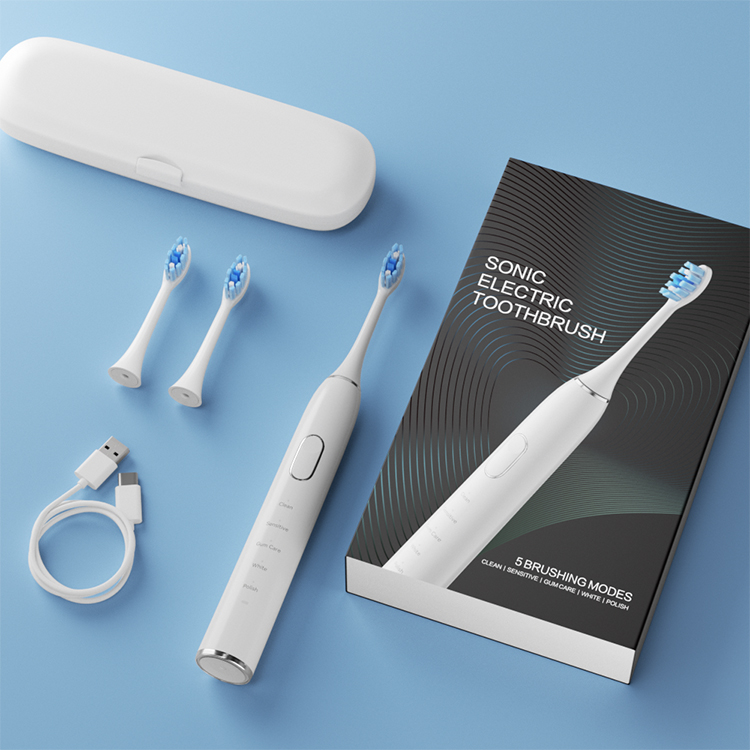
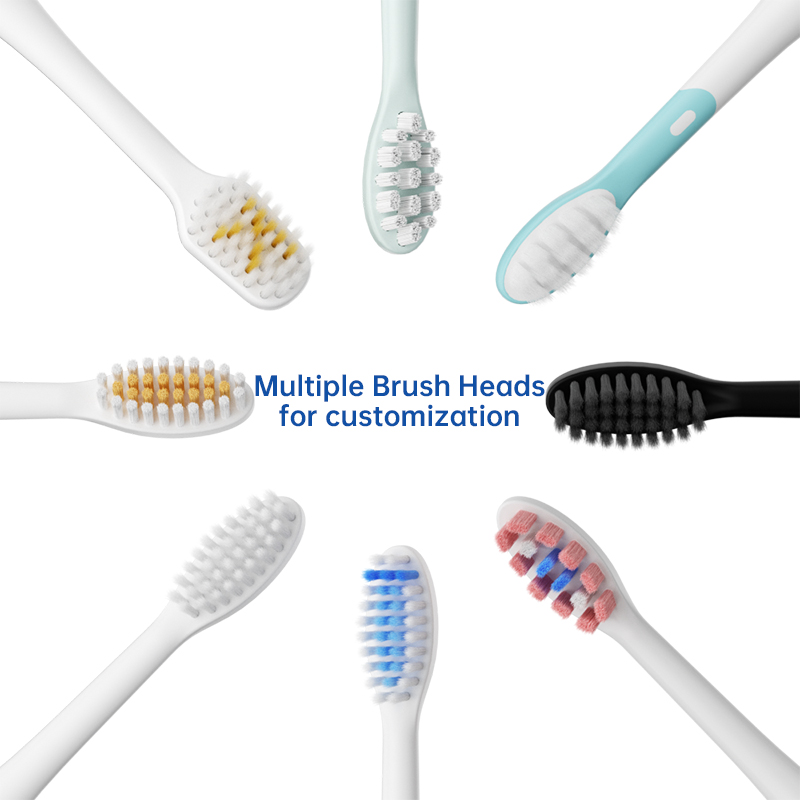
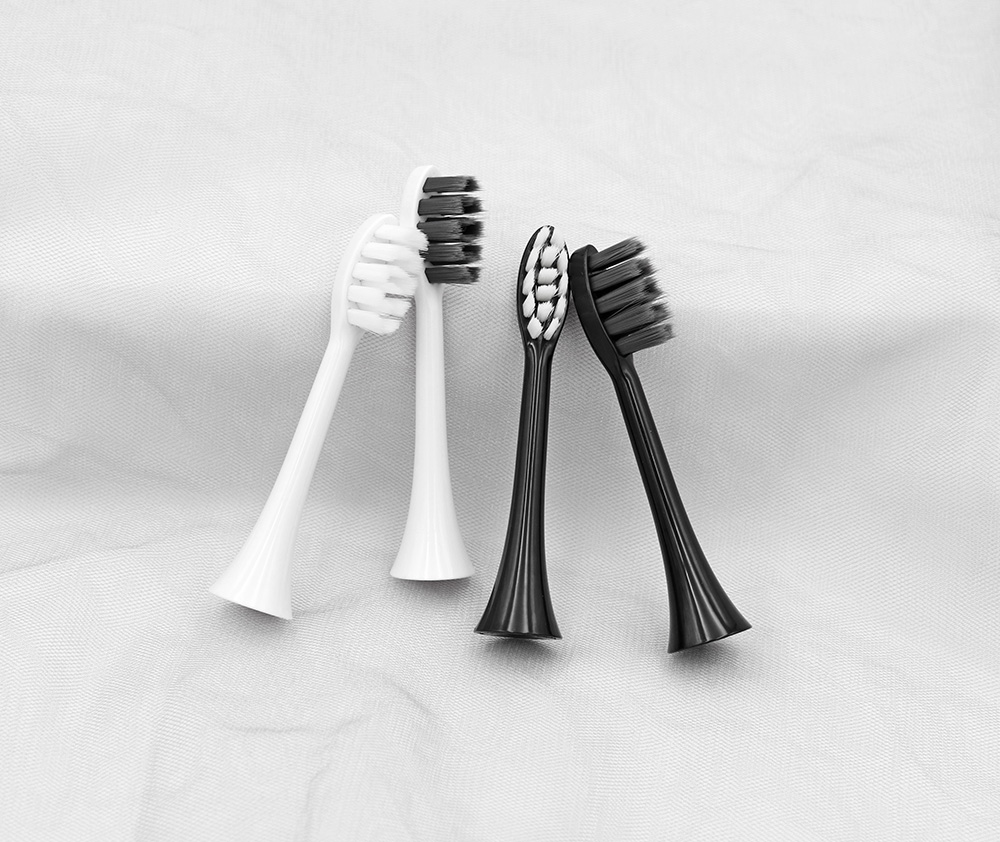
For oral-care brands, providing clear and reliable installation guidance is essential—not only to help end-users replace their brush heads with confidence but also to reinforce the quality and credibility of your product line. When working with an electric toothbrush OEM, clear user instructions developed together with your manufacturing partner can greatly enhance user satisfaction and reduce support inquiries. Below, we outline how brands can teach consumers to install a new brush head correctly, ensuring safety, performance, and a positive brushing experience. Explain Compatibility Clearly Before users begin, they must know which replacement heads work with their device. Provide simple compatibility charts or icons on the packaging and in the manual. This step reduces confusion and ensures the brush head attachment fits securely without forcing or damaging the handle. Provide Step-by-Step Preparation Instructions Good user guidance begins before installation starts. Instruct users to: Turn off the toothbrush Remove the old brush head by pulling upward or twisting (depending on the model) Check that the handle shaft is cleanIncluding visuals at this stage is especially easy when collaborating with an electric toothbrush OEM that can supply reference diagrams or CAD renders. Demonstrate the Correct Alignment Method Different models use different installation mechanisms.…
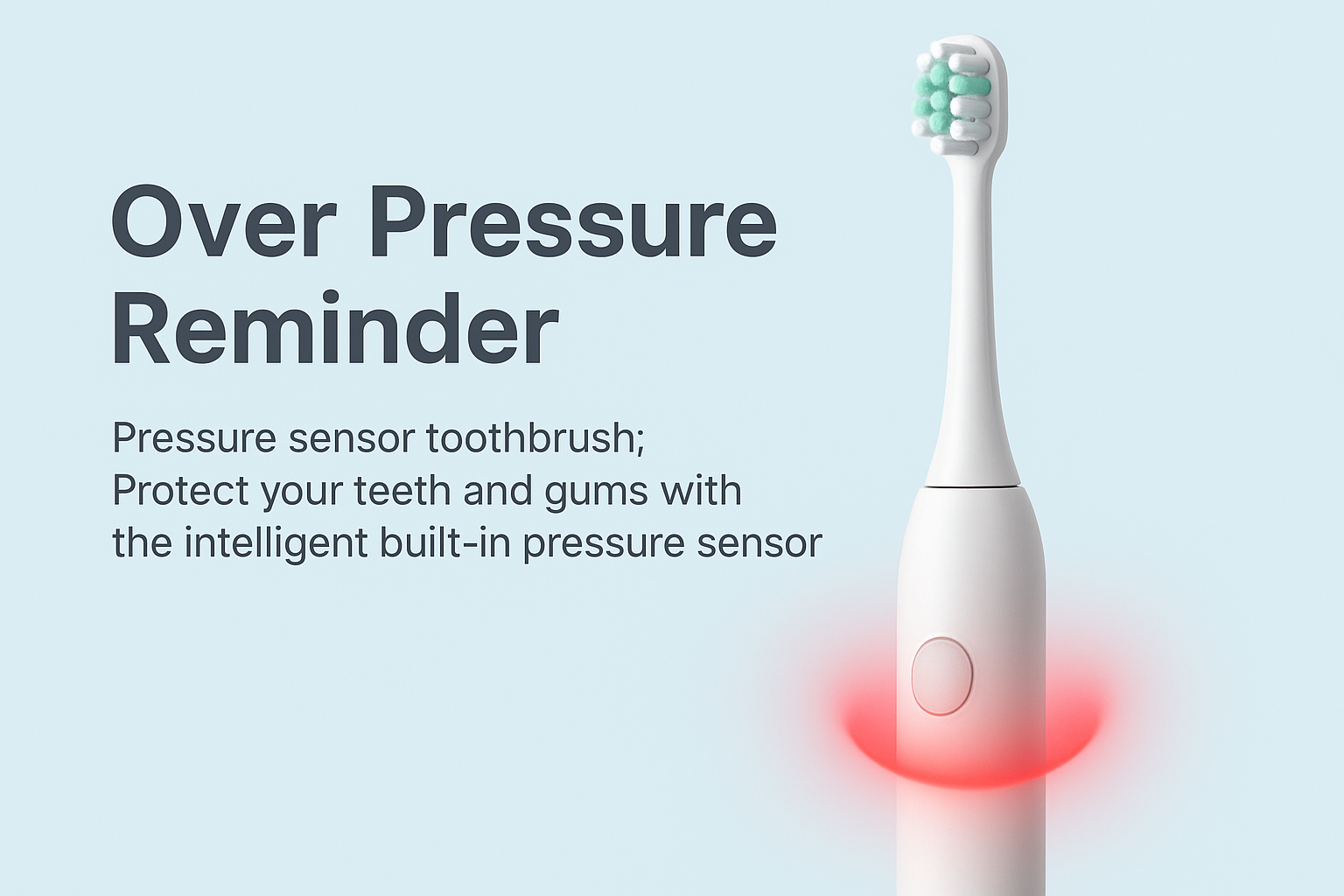
In today’s oral-care market, consumers expect more from their electric toothbrushes than ever before. Brands that want to stand out must not only identify the most common electric toothbrush mistakes users make, but also work with the right manufacturing partner to integrate the OEM features that solve these problems. By doing so, brands can significantly boost product value and secure a long-term competitive advantage. Below are four widespread consumer mistakes—along with the OEM-driven solutions manufacturers can help implement. Brushing Too Hard One of the most frequent mistakes users make is applying excessive pressure while brushing. This can lead to gum recession and enamel wear—issues that quickly lower customer satisfaction. OEM Solution:A competent OEM factory can integrate pressure-sensing technology that alerts users with a vibration, LED light, or automatic speed reduction when they brush too hard. This not only protects oral health but also elevates the toothbrush into a smart, premium device. Brand Benefit: Higher user trust, reduced risk of complaints, and stronger product differentiation. Not Brushing for the Recommended Two Minutes Even when using an electric toothbrush, many users stop brushing too early. Without proper guidance, effectiveness decreases and perceived value drops. OEM Solution:Manufacturers can incorporate built-in smart timers and…
For oral-care product brands looking to develop or OEM their own electric toothbrush line, user safety is one of the most important factors in product design, testing, and instructions. Even something as simple as electric toothbrush head installation requires clear guidelines to prevent damage, ensure stability, and maintain oral hygiene. Below, we outline key safety precautions manufacturers and OEM partners should include when designing or documenting brush head attachment procedures. Ensure Compatibility Between Handle and Brush Head One of the first safety precautions is confirming that the brush head is fully compatible with the toothbrush handle. Poorly matched parts can lead to instability or motor damage. OEM suppliers should implement OEM design safety checks to ensure that every brush head insertion point aligns perfectly with the drive shaft and locking mechanism. Inspect the Brush Head Before Installation Before installing the electric toothbrush head, users should check for cracks, loose bristles, or manufacturing defects. Brands working with factories should require strict quality inspections, focusing on brush head attachment durability tests and bristle retention standards. Make Sure the Handle Is Powered Off To avoid accidental activation, the toothbrush must be powered off during installation. This protects the user’s fingers and prevents sudden…
As electric toothbrush technology evolves, manufacturers are seeking solutions that offer greater precision, stability, and user comfort. Integrating a Linear Resonant Actuator (LRA) into the design significantly enhances both vibration control and mechanical accuracy. When paired with a well-engineered Brush Head Attachment Mechanism, LRAs provide refined motion output, improved oral-care performance, and a superior brushing experience—making them essential for next-generation toothbrush innovation. Delivering Highly Accurate Vibrations for Consistent Performance A Linear Resonant Actuator produces controlled, linear vibrations rather than random oscillation patterns. This stability allows the Brush Head Attachment Mechanism to transfer energy more evenly across the bristles. As a result, brushing becomes more consistent, efficient, and predictable—a key advantage for premium electric toothbrush models. Improving Brush Head Alignment and Structural Stability Traditional vibration motors can cause micro-misalignments over time. By contrast, LRAs reduce side-to-side movement and maintain precise alignment. This prevents loose fittings or wobbling in the Brush Head Attachment Mechanism, ensuring a longer product lifespan and better user experience for B2B buyers seeking durable OEM solutions. Enhancing User Comfort with Lower Noise and Smoother Motion One of the main benefits of LRAs is their smooth, low-noise operation. When integrated into the Brush Head Attachment Mechanism, vibrations feel more…
In the rapidly evolving oral-care market, selecting the right OEM charging solution for your electric toothbrush line is more than a technical decision—it’s a strategic business move. The right charging technology influences user experience, regulatory compliance, cost structure, and ultimately your brand positioning in a competitive global market. This guide breaks down the six most important factors brand owners should evaluate when engaging manufacturers or factories for an electric toothbrush charging solution. Align Charging Technology With Your Product Strategy Before diving into factory options, brands must determine whether inductive charging, USB direct charging, wireless base charging, or magnetic snap-on charging best supports their long-term roadmap.This is where strategic charger selection becomes essential: the charging method must reinforce product goals such as durability, waterproof performance, portability, or premium appeal. A misaligned selection can create unnecessary BOM costs or limit your product’s upgrade path later. Ensure Compatibility With Your Product’s Electrical Architecture Your chosen charging system must seamlessly integrate with battery type, control board design, and enclosure structure. When discussing with a potential supplier, confirm their engineering team can provide customization to meet voltage, current, and heat-management requirements.A fully compatible OEM charging solution reduces development risks and improves both safety and efficiency.…