In the development of oral care devices and formulations, taste distortion and pH imbalance are often treated as isolated quality control challenges. However, in recent field analyses, a worrying trend emerges: these two phenomena frequently coexist, forming a feedback loop that exacerbates both user discomfort and product performance risks. Is this merely coincidence—or an indication of a deeper design flaw that could harm end-user perception and safety? Understanding pH Imbalance in Oral Devices and Liquids pH imbalance occurs when the acidity or alkalinity of a device's interface—whether in its cleaning solution, water flow, or even surface coating—deviates from the neutral levels compatible with the oral environment (typically pH 6.5–7.5). Such imbalance can arise from: Improper material selection (e.g., reactive polymers or leaching adhesives) Reservoir residue buildup or contamination Use of unstable active ingredients in liquid cartridges When left unchecked, this imbalance can disturb the natural equilibrium of the user's oral biome, leading to irritation, biofilm disruption, or increased sensitivity. What Causes Taste Distortion in Oral Devices? Taste distortion refers to a perceived alteration or metallic taste during or after use of a device. This may be caused by: Surface oxidation from low-grade metals Interaction between saliva and unstable compounds Residual…
As global demand for smart and efficient oral care tools continues to rise, 2025 is set to be a defining year for electric toothbrush brands. A well-planned electric toothbrush promotional sale can boost brand visibility, grow customer base, and increase market penetration. But behind every successful promotion is a reliable, scalable production partner. For brands looking to take advantage of the upcoming demand spike, identifying the right electric toothbrush manufacturing partner is critical. Electric Toothbrush Market Share 2025: What the Numbers Reveal The global electric toothbrush market share in 2025 is projected to exceed USD 6.5 billion, with strong growth driven by innovation, oral health awareness, and increasing disposable incomes. Key drivers include: Rising consumer interest in smart brushing technology Wider retail penetration (online + offline) Growing demand for personalized and eco-conscious oral care products This growth represents a massive opportunity for brands to expand into new regions or double down on core markets — provided they can meet the surge in demand with flexible manufacturing capacity. Role of Manufacturers in Supporting Promotional Campaigns A successful electric toothbrush promotional sale isn't just about offering discounts — it’s about delivering products on time, at scale, and with uncompromising quality. An experienced electric toothbrush manufacturing partner should…
As global demand for dental hygiene rises, stocking your retail or online store with competitive oral care items is more critical than ever. Retailers and private label brands looking to maximize profit margins and customer satisfaction should consider wholesale oral care products and bulk dental supplies as a strategic solution. This blog explores how to source high-quality oral care products in bulk, highlights the benefits of working with an OEM oral care supplier, and provides insights into building a long-term, cost-effective supply chain. Advantages of Buying Oral Care Products in Bulk Purchasing store oral care products in bulk offers multiple advantages for both small retailers and large distributors: Cost Efficiency: Lower unit prices and reduced packaging/shipping costs significantly improve your profit margins. Inventory Stability: Bulk orders help ensure stock availability, especially during high-demand periods like back-to-school, holidays, or promotional seasons. Brand Scalability: Working with reliable bulk suppliers makes it easier to expand your product range as your business grows. Whether you're sourcing electric toothbrushes, manual toothbrushes, or water flossers, bulk dental supplies allow you to streamline operations and reduce overhead. Choosing the Right OEM Oral Care Supplier If you're considering launching your own brand or customizing your product line, working with an experienced OEM oral…
When users report discomfort during use of oral care devices, symptoms like jaw fatigue and increased dental sensitivity often emerge as low-priority concerns. However, recent technical investigations suggest that these may be linked to demineralization zones—subtle, progressive losses in enamel integrity that go unnoticed until damage becomes irreversible. Could this be a silent threat built into product design? For OEM/ODM manufacturers, addressing this hidden correlation is critical to ensuring safety, comfort, and long-term brand value. What Are Demineralization Zones – And Why Do They Matter? Jaw fatigue Demineralization zones refer to areas on the tooth surface where enamel loses its mineral content, primarily due to acidic exposure or improper mechanical cleaning. These zones, while not initially visible or painful, serve as precursors to: Cavities Surface roughness Long-term tooth erosion For oral care device manufacturers, poorly designed bristle dynamics or water flow pressure can unintentionally exacerbate demineralization—especially in users with pre-existing enamel weaknesses. Understanding the Onset of Jaw Fatigue Jaw fatigue typically manifests as tension or soreness in the mandibular muscles following prolonged or repeated use of oral hygiene devices. While it's often attributed to improper grip or usage angle, it may also stem from: Excessive device vibration Poor ergonomics requiring…
In the field of oral care product manufacturing, maintaining safe chemical and sensory interaction with the oral environment is a critical challenge. One increasingly reported issue in certain devices is the co-occurrence of pH imbalance and taste distortion. While either condition alone may seem minor, their combination could indicate underlying risks—possibly even toxicity. For OEM and ODM suppliers, understanding the interplay between these factors is vital for both product safety and user satisfaction. Identifying the Warning Signs: What Users Experience imbalance Customers may initially report that a device “tastes metallic” or “leaves a strange aftertaste.” Closer examination often reveals additional indicators, such as tingling sensations or irritation after repeated use. These symptoms are frequently traced back to taste distortion and changes in oral pH. The question arises: is this merely a byproduct of formulation or a red flag for deeper material or design flaws? Understanding pH imbalance in Oral Devices The mouth maintains a slightly acidic to neutral pH, typically between 6.2 and 7.4. Any pH imbalance, either acidic or alkaline, introduced by a device—through water reservoir materials, surface coatings, or residual electrolytes—can disrupt the natural buffer system of the oral cavity. This may: Weaken enamel over time Encourage pathogenic…
In the oral care device industry, light decay is often overlooked—yet it may be a hidden factor in undesirable gingival discoloration, particularly in devices equipped with light-emitting modules such as LED whitening brushes or UV sanitizing components. As oral health professionals and OEM manufacturers seek to enhance product safety and performance, the potential correlation between these two phenomena warrants deeper examination. Recognizing the Symptoms: When Discoloration Appears Unexpectedly Users have reported mild to moderate discoloration of gingival tissue after repeated exposure to illuminated oral care tools. Although most designs use low-intensity LEDs, gingival discoloration—manifested as darkening, uneven tone, or localized pigment patches—raises red flags about photochemical interactions. The possibility that light decay over time leads to spectral shifts or uneven energy output must be considered. What Is Light Decay – And Why It Matters Gingival discoloration Light decay refers to the reduction in luminous flux and spectral integrity of LEDs or light sources over time due to: Thermal stress on chip or substrate Material oxidation within the lens or encapsulation Current fluctuations or overdriving Aging of phosphor layers in white LEDs This decay not only reduces device effectiveness but can distort the wavelength emission profile—potentially shifting the spectrum into biologically…
In high-frequency consumer electronics and medical-grade equipment, adapter overheating and circuit shorting are not just performance concerns—they may signal a potential fire hazard. While these issues are often treated independently, their co-occurrence can rapidly escalate the risk of thermal runaway or device ignition. This article explores the root causes, failure mechanisms, and proactive design measures manufacturers must take to prevent catastrophic outcomes. Identifying the Symptoms: Early Signs of Trouble Before failure becomes critical, several warning signs often appear: Temperature rise near the adapter during operation Audible buzzing or flickering LEDs Unusual smells or discoloration at charging points Intermittent device shutdown or reboot Adapter overheating can result from improper load regulation, degraded thermal paste, or substandard power ICs. If unresolved, this heat buildup may lead to insulation degradation, ultimately triggering circuit shorting. How Overheating Triggers Electrical Shorting Excessive adapter heat can weaken or deform internal insulation, especially in low-cost or poorly ventilated designs. As heat degrades barrier layers or softens solder joints: Adjacent conductors may arc PCB traces may warp and bridge Melted cable shielding can expose conductive paths The result? A circuit shorting event, which may ignite nearby polymer materials or cause localized arc faults. Fire Risk Assessment: When Does…
In today’s smart oral care devices, real-time status indicators are more than convenience—they are safeguards. However, when indicator failure occurs, it may silently compromise both user experience and clinical outcomes. One overlooked yet serious risk is the potential for periodontal pocket deepening to go undetected due to unresponsive or inaccurate device alerts. This article explores how faulty indicators can mask early signs of gum disease progression—and what manufacturers must do to prevent this silent escalation. Understanding Indicator failure in Oral Care Devices In electric toothbrushes, oral irrigators, or diagnostic tools, indicators often play a critical role. Common indicator functions include: Battery level alerts Pressure sensitivity feedback Operation timing reminders Mode switch status Usage tracking or app sync When these indicators malfunction—whether due to faulty sensors, software bugs, or wear and tear—users may unknowingly operate the device under suboptimal conditions. What Is Periodontal Pocket Deepening? Periodontal pocket deepening refers to the increased space between the tooth and gum, typically caused by chronic inflammation and plaque accumulation. This condition marks the early to intermediate stages of periodontal disease and can lead to: Tooth loosening Gum recession Bone loss Eventual tooth loss if untreated Timely detection is key. Devices designed with periodontal detection…
The global oral care market is evolving rapidly. Today’s consumers are no longer satisfied with just clean teeth—they demand smarter, safer, and more sustainable solutions. For oral care brands looking to expand or diversify, understanding what’s driving the category today is essential. In this blog, we’ll explore the key oral care trends shaping the industry, from dental hygiene innovation and the rising electric toothbrush demand to the growing interest in sustainable oral care and advanced whitening technology. Electric Toothbrush Demand Is Surging One of the strongest signals of growth in driving the oral care category is the continued rise in electric toothbrush demand. Consumers across various demographics are upgrading from manual brushes to smart-powered devices due to their enhanced cleaning capabilities, built-in timers, pressure sensors, and app integration. This trend opens up major opportunities for product differentiation, especially for brands offering: Customizable brushing modes Sleek, ergonomic designs Connected app ecosystems For brands looking to launch or scale electric toothbrush lines, this trend emphasizes the need to partner with manufacturers experienced in precision electronics and high-speed injection molding. Whitening Technology Drives Consumer Desire Teeth whitening is no longer a luxury—it’s becoming a daily routine. New whitening technology is influencing product innovation across the board. From…
In recent years, small business oral care ventures in TK have gained significant momentum. From local pharmacies and dental boutiques to ecommerce-based personal care startups, the growing awareness around dental hygiene is opening up new opportunities for entrepreneurs. But the question remains — are oral care products suitable for TK a viable business model for small-scale operations? In this blog, we analyze the TK market potential for oral care products and explore effective startup strategies for launching a dental hygiene business. Understanding the TK Market Potential The TK oral care market has seen increased consumer demand driven by rising health consciousness, urbanization, and digital access. Here’s why small businesses can thrive in this space: Growing demand for dental hygiene: Consumers in TK are becoming more proactive about oral health, especially post-pandemic. Low market saturation in niche segments: There is still room for differentiated brands offering innovative or localized oral care solutions. Supportive infrastructure: Access to contract manufacturers and online marketing platforms makes it easier to launch and scale. With the right positioning, small businesses can tap into unmet needs in both urban and semi-urban regions, especially by offering affordable oral care solutions. Product Opportunities for Small Businesses When it comes to oral care…
In today’s competitive personal care market, small business oral care has emerged as a promising niche within the broader health & household products category. Consumers are increasingly aware of the importance of dental hygiene, driving demand for specialized, effective, and sustainable products. For small brands looking to enter or scale within this space, finding the right manufacturing partner is key to delivering the best oral care products to the market. This blog outlines the essential steps and strategies to help small oral care brands connect with capable manufacturers and offer high-quality, affordable oral care solutions. Understanding the Small Business Oral Care Landscape The oral care industry is evolving beyond basic toothbrushes and toothpaste. Today’s consumers expect more from health & household products, including features like sonic brushing, eco-friendly packaging, and multi-functional oral hygiene kits. For small businesses, this creates opportunities to innovate, differentiate, and fill market gaps not addressed by major brands. Whether you’re launching a new electric toothbrush line or a curated set of whitening and gum care kits, the market rewards those who focus on quality and targeted problem-solving. Identifying the Best Oral Care Products for Your Brand Before approaching manufacturers, it’s essential to define your product range. Consider including…
The global oral care business is undergoing a rapid transformation. This is driven by heightened consumer awareness, innovation, and demand for personalized hygiene solutions. No longer limited to basic toothbrushes and toothpaste, today's market includes a wide variety of oral hygiene products. Like electric toothbrushes, oral irrigators, teeth whitening kits, and more. As competition intensifies, many oral care brands are now looking for strategic manufacturing partners to meet the rising demand for quality, innovation, and scalability. This blog explores key oral care market trends, emerging opportunities in oral care. And why now is the ideal time for brands to invest in strong partnerships with reliable OEM/ODM manufacturers. Oral Care Market Trends: What’s Driving Growth? The dental industry growth is fueled by several critical trends shaping consumer behavior and product development globally: Increased awareness of preventive care: More people are proactively investing in oral hygiene products to prevent dental issues before they arise. Technological innovation: Smart toothbrushes, water flossers with multiple pressure modes, and app-connected devices are redefining oral care routines. Sustainability and personalization: Consumers demand eco-friendly materials, recyclable packaging, and customizable care options tailored to specific dental needs. These oral care market trends are creating significant demand for high-quality, differentiated products—offering manufacturers the…
When electrical integrity meets biological vulnerability, even minor design flaws can escalate into serious health risks. In the case of charging corrosion and mucosal lesions, manufacturers face a dual-threat scenario: one technical, one medical. Could electrochemical wear at the charging port be linked to soft tissue injury? And more importantly, is this interaction potentially fatal? In this article, we explore the hidden link between material degradation and biological exposure—highlighting key considerations for OEM and ODM developers. What is Charging Corrosion—and Why It Matters? Charging corrosion refers to the gradual degradation of metal contact points, typically caused by moisture ingress, saliva exposure, or repeated plugging in humid environments. This corrosion is more than just an aesthetic issue; it can lead to: Unstable charging current Surface flaking of metal oxides Exposure of toxic ions (e.g., nickel, copper) Risk of short-circuit or overheating In devices like electric toothbrushes or oral irrigators, the charging port is often located close to the user’s mouth or skin—making any breakdown potentially hazardous. Understanding Mucosal Lesions from Contact Contaminants Mucosal lesions are ulcerative or inflamed patches on the inner cheeks, lips, or gum tissues. While these may arise from mechanical abrasion, they can also result from: Prolonged exposure…
In recent years, the oral care market has shifted dramatically toward higher-end, design-driven, and tech-enabled solutions. Among these, premium water flosser brands are gaining traction as consumers seek more advanced, convenient, and aesthetically pleasing hygiene devices. For oral care brands aiming to enter or elevate in this market segment, it’s essential to build a clear brand positioning strategy and work with manufacturers capable of delivering high-end results. This blog explores six proven strategies to achieve successful oral care premiumization, particularly for water flosser products. Define a Clear Brand Positioning Strategy Premiumization starts with clarity. To position as a high-end water flosser brand, you must define what “premium” means in your brand context: Is it design-led innovation? Smart features and IoT connectivity? Medical-grade materials or sustainability? Your brand positioning strategy should be rooted in user insights, competitor benchmarking, and future-forward trends. This allows you to guide product development and select a manufacturer that aligns with your premium vision. Focus on Brand Value Differentiation In a crowded marketplace, brand value differentiation is key. Premium water flosser brands must go beyond basic functionality to stand out: Introduce unique form factors or minimalist design language. Highlight clinically proven benefits through third-party testing or dentist endorsement. Develop exclusive product stories around health, self-care,…
In recent years, oral care has transcended its traditional role of hygiene and stepped into the spotlight of the beauty industry. No longer just about cavities and floss, oral care is now about smile aesthetics, digital integration, and luxury experiences. The rise of the oral care beauty trend has opened new doors for both product innovation and branding—making it one of the most dynamic and fast-growing beauty categories of the decade. This shift has created major opportunities for global beauty brands and up-and-coming oral care startups alike. Whether you're a distributor or private label brand owner, understanding the convergence of cosmetic dentistry and beauty-tech is the key to staying competitive—and finding the right manufacturing partner is step one. The Rise of Smile Aesthetics and Cosmetic Dentistry Thanks to social media and influencer culture, a bright, aligned smile is no longer just a health marker—it's a beauty statement. Consumers are seeking treatments and products that enhance their smile aesthetics, from teeth whitening pens to LED-powered whitening kits. As cosmetic dentistry becomes more mainstream, the at-home oral care market has boomed. Consumers are looking for non-invasive alternatives to clinical procedures, including enamel-safe whitening strips, sonic toothbrushes, and oral care serums—making the bridge between medical-grade care and…
When mechanical faults in oral care devices intersect with biological tissue damage, the implications become serious. One such example is the combination of pump seizure and gingival abrasion. A malfunctioning fluid delivery system—especially when the pump motor locks or stalls—can not only interrupt device performance but may also result in aggressive water jets or sharp pulsation, leading to gum trauma. For OEM/ODM manufacturers in the oral device sector, identifying whether this pairing is rare or recurring—and how critical it really is—is vital for both product safety and brand integrity. Understanding Pump Seizure in Oral Care Devices Pump seizure refers to the sudden halt or locking of the fluid pump mechanism, typically caused by internal mechanical wear, clogging, or overheating. In water flossers or irrigators, this can lead to: Abrupt pressure loss or surge Inconsistent or forceful water ejection Motor strain and burnout risks Over time, repeated seizure events reduce device lifespan and compromise end-user experience. How Pump Failure Triggers Gingival Abrasion One direct but often overlooked consequence of pump malfunction is gingival abrasion—the mechanical scraping or irritation of gum tissue. When a seized pump resumes operation unpredictably or delivers water at incorrect pressure, it may: Irritate gingival margins with erratic…
In high-precision oral care systems, valve jamming is often viewed as a mechanical fault—disrupting fluid control and device reliability. But recent field data suggests a more nuanced concern: could valve malfunction contribute to salivary alteration? As the connection between device performance and oral health becomes more interlinked, it’s essential to explore how a small mechanical failure might lead to a perceptible shift in the user’s salivary experience—and whether this is preventable or fixable. Understanding the Function of Valve jamming in Oral Devices In devices like water flossers and powered toothbrushes with irrigation features, internal valves manage the flow rate and pressure of liquids. These valves play a crucial role in controlling: Timing and consistency of fluid release Prevention of backflow System-wide pressure regulation Valve jamming occurs when particulate debris, misalignment, or material fatigue causes the valve to stick in a partially open or closed position. This leads to inconsistent water delivery and possibly air infusion—altering how the mouth feels during operation. How Valve jamming Affects the Oral Environment A jammed valve may cause: Surges or interruptions in water flow Increased suction effects on oral tissues Mixing of air and water in unintended ratios These fluctuations can have a direct influence…
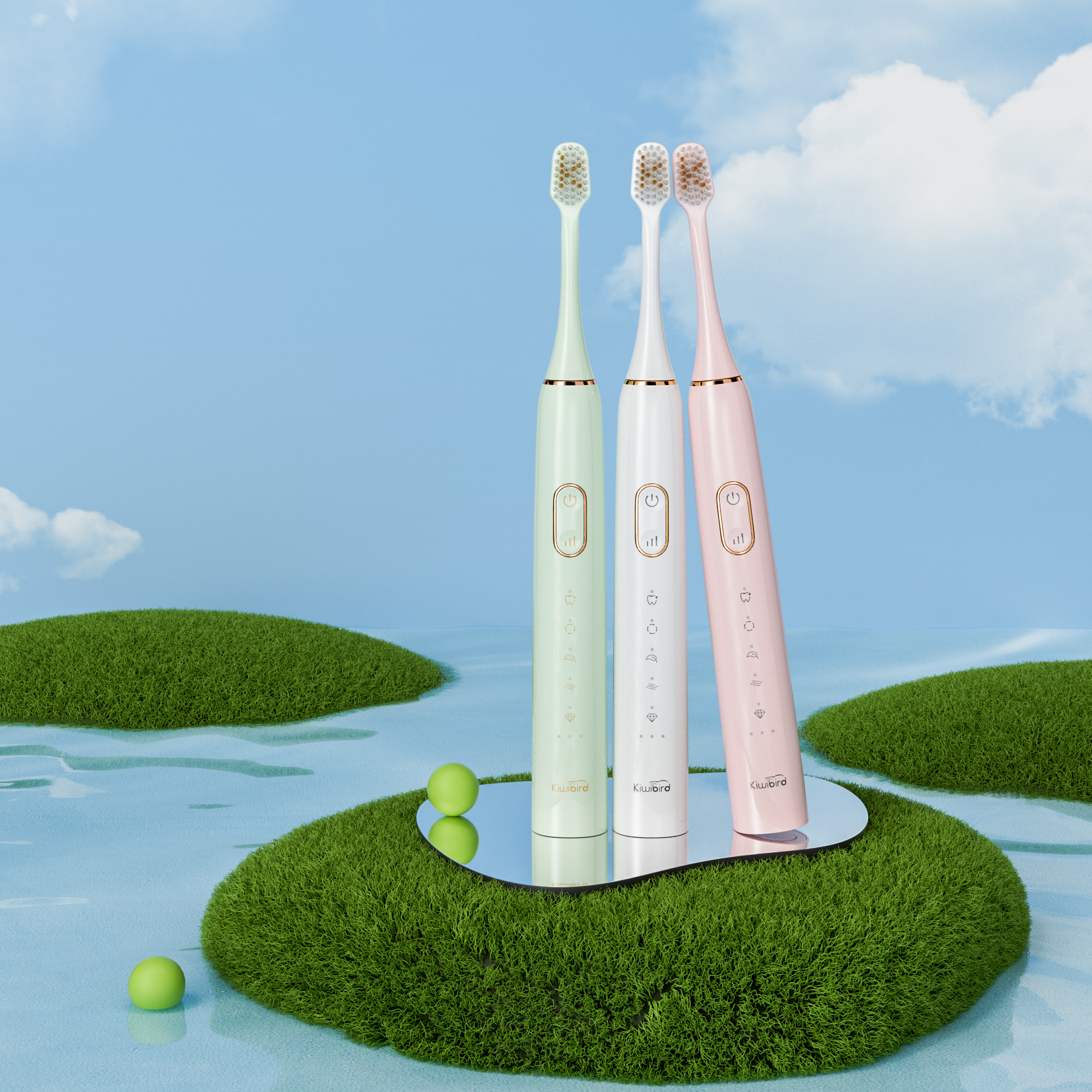
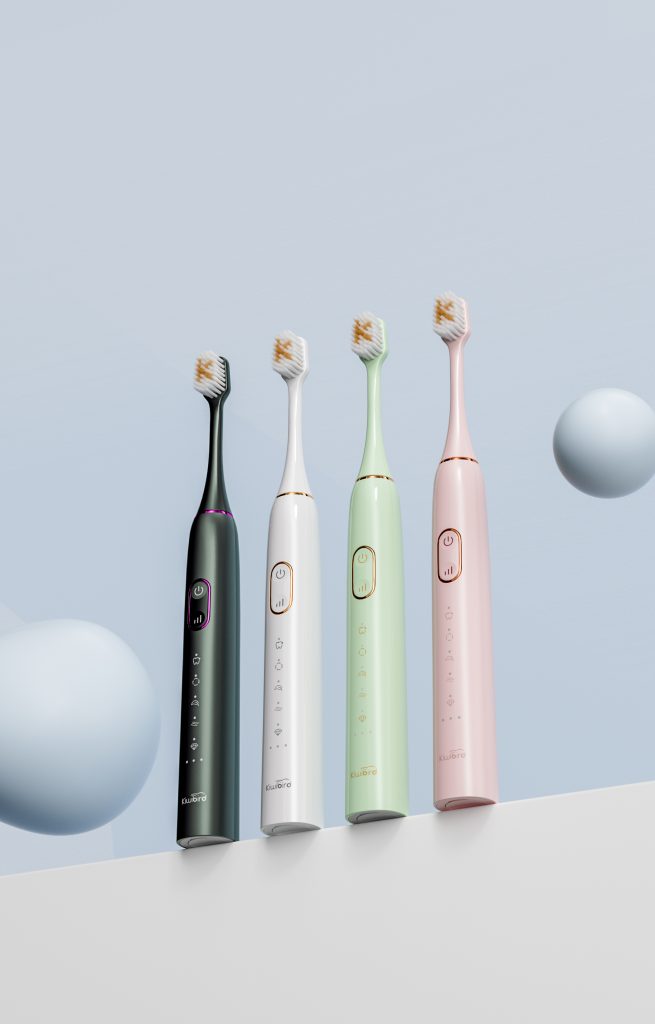
KiwiBird Launches Bulk Personalized Toothbrush Customization Service, Redefining Oral Care [China, 07/21/2025] — KiwiBird, an innovative oral care brand, today announced the launch of its bulk personalized toothbrush customization service, offering businesses, hotels, medical institutions, and the gifting market high-quality, tailor-made toothbrush solutions to meet diverse oral health needs. Custom Designs for a Unique Oral Care Experience KiwiBird’s bulk customization service allows clients to personalize bristle firmness, handle colors, logo printing, and packaging design, and even engrave names or messages, transforming each toothbrush into a one-of-a-kind health gift or branding tool. Whether for corporate gifts, membership perks, or hotel amenities, KiwiBird combines eco-friendly materials with ergonomic designs to convey brand warmth. Professional Quality, Health Guaranteed Upholding its "technology + wellness" philosophy, KiwiBird’s customized toothbrushes feature food-grade silicone handles and DuPont antibacterial bristles, balancing comfort and cleaning efficiency. All products are ISO-certified for safety. Bulk orders can also include value-added options like antibacterial packaging and travel cases for an enhanced user experience. KiwiBird Spokesperson Commented: “Our goal is to make professional and creative oral care accessible through personalized bulk orders. Whether for corporate partners or individual users, a KiwiBird toothbrush is more than just a tool—it’s a statement of health and care.”
China Adult Electric Toothbrush Factory – Powsmart 1. Introduction Powsmart is a leading China adult electric toothbrush factory, specializing in the design, manufacturing, and export of high-quality electric toothbrushes for global markets. With advanced production technology, strict quality control, and competitive pricing, we provide OEM/ODM services to brands worldwide. 2. Product Overview Our factory produces a wide range of adult electric toothbrushes, including: Sonic electric toothbrushes (30,000-40,000 vibrations per minute) Rotating electric toothbrushes (3D oscillation technology) Smart toothbrushes (Bluetooth connectivity & app integration) Travel-friendly models (USB charging & compact designs) Key Features: ✔ Multiple brushing modes (Clean, Whitening, Sensitive, Gum Care) ✔ Long battery life (up to 30 days on a single charge) ✔ IPX7 waterproof rating ✔ Replaceable brush heads & eco-friendly materials 3. Why Choose Powsmart? ✅ Professional OEM/ODM Services – Custom designs, logos, and packaging ✅ High-Quality Materials – FDA, CE, RoHS certified ✅ Competitive Pricing – Direct factory prices with no middlemen ✅ Fast Production & Delivery – MOQ as low as 500 pieces, 15-25 days lead time ✅ Strict Quality Control – 100% testing before shipment 4. Manufacturing Capabilities In-house R&D team for innovative designs Automated production lines for efficiency Compliance with international standards (ISO 13485, FDA, CE) Custom packaging options (retail boxes, eco-friendly materials) 5. Target Markets We supply adult electric toothbrushes to: Wholesalers & Distributors E-commerce Sellers…