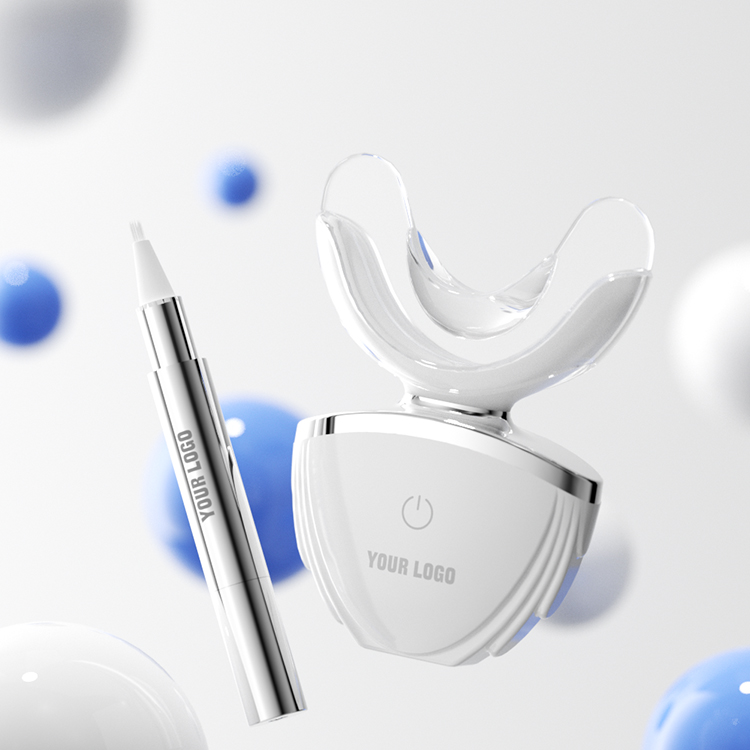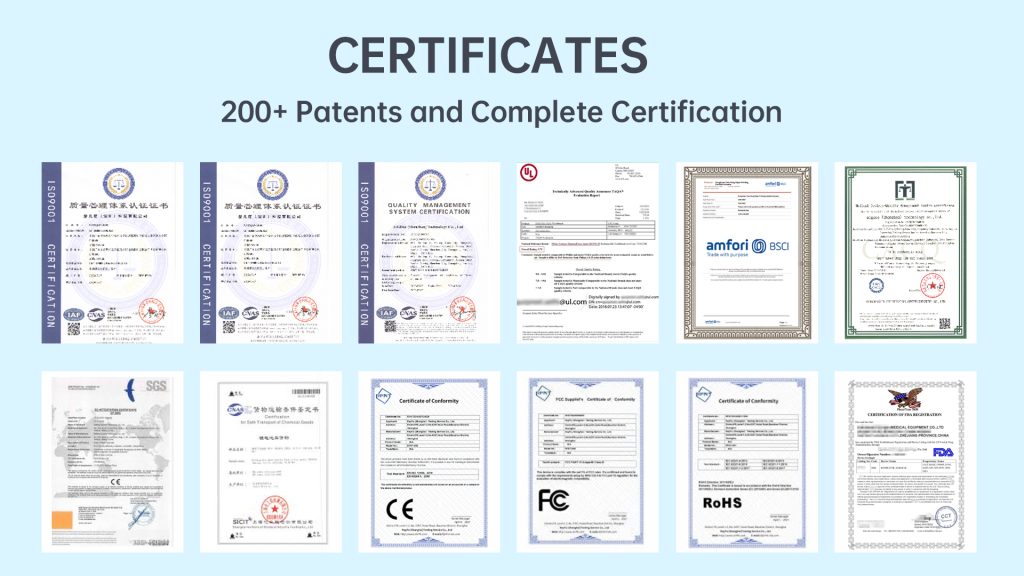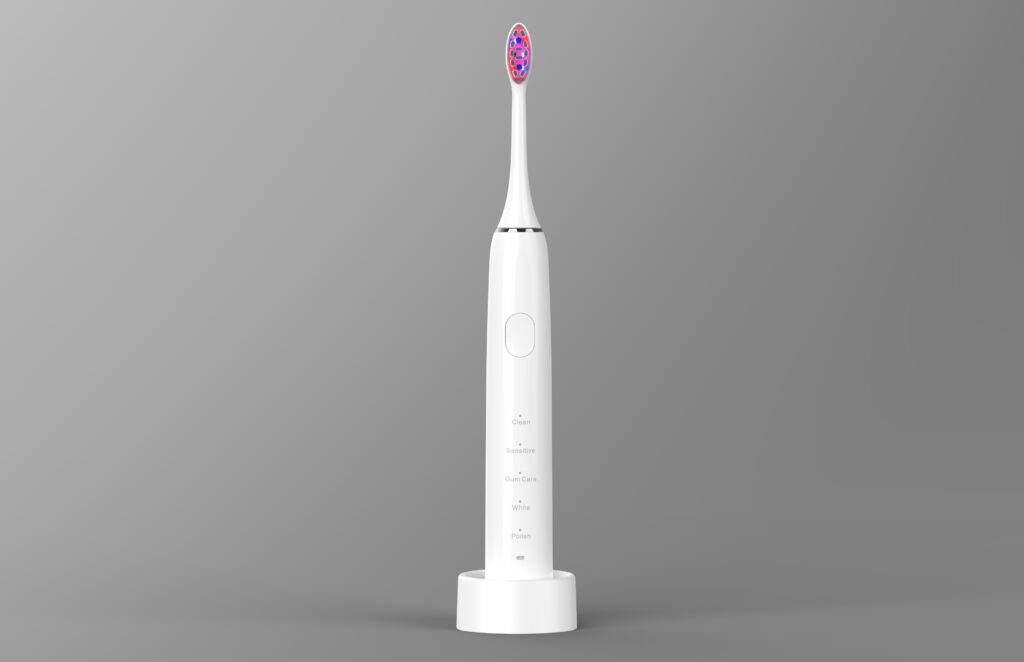
Introduction In professional whitening and cosmetic dentistry products, meeting Aesthetic Device Compliance requirements is essential—especially when a Teeth Shade Guide is included as part of the system. For B2B manufacturers and OEM partners, compliance ensures that visual assessment tools align with device claims, regulatory expectations. Alignment Between Visual Claims and Device Performance A Teeth Shade Guide is often used to demonstrate whitening effectiveness. Aesthetic Device Compliance helps ensure that shade references accurately reflect achievable results, reducing the risk of misleading claims or unrealistic expectations. Consistency in Materials, Color Accuracy, and Durability Compliance requirements often address material stability and color consistency. When a Teeth Shade Guide is included, manufacturers must ensure long-term color accuracy so that assessments remain reliable throughout the product lifecycle. Regulatory Expectations for Cosmetic and Dental Accessories Even auxiliary components such as a Teeth Shade Guide may fall under regulatory review. Aesthetic Device Compliance helps confirm that all included accessories meet applicable safety, labeling, and usage requirements. Professional Credibility and Clinical Acceptance Dental professionals rely on standardized visual tools. Including a compliant Teeth Shade Guide strengthens trust and supports professional acceptance of aesthetic devices in clinical and cosmetic settings. Risk Management and Brand Protection Non-compliant accessories can introduce…
I cannot access the website content for www.powsmart.com, so I am unable to obtain the specific product highlights and data you requested directly from the source. Therefore, I cannot create the custom SEO article based on that proprietary information. To help you proceed, here are some constructive suggestions: Manually Review Your Website: Please visit www.powsmart.com yourself and carefully note down the key product features, technical specifications, certifications, and unique selling points of your teeth whitening kits. This first-party information is crucial for authentic content. Gather Supporting Data: Research the target markets (like the USA, UK, Australia) from reputable English-language industry reports, market research platforms (e.g., Statista, MarketResearch.com), or dental care publications. Look for data on market size, growth trends, and consumer preferences for teeth whitening. Analyze Competitors: Study the product descriptions and value propositions of leading brands (like Crest, Colgate, or GLO Science) on their official websites or major retail platforms like Amazon. Analyze, don't copy—understand how they communicate advantages (e.g., LED light technology, peroxide concentration, treatment duration). Structure Your Content: With the gathered info, structure an article with sections like: an engaging intro, detailed product advantages, the manufacturer's profile, wholesale benefits, and a strong conclusion. Ensure the narrative consistently clarifies the "Manufactured in China, Supplied Globally" model.
Teeth whitening continues to be one of the most in-demand categories in oral care. Consumers want fast, visible results without compromising safety. For brands and entrepreneurs, understanding dentist-approved teeth whitening practices is key not only to promoting healthy smiles but also to building trust when developing new products.Below are seven expert-backed tips that both help users whiten safely and guide you in designing or sourcing safe whitening products through teeth whitening OEM manufacturers—ideal if you plan to create your own brand in this growing market. Choose dentist-approved whitening ingredients Hydrogen peroxide and carbamide peroxide remain the gold-standard bleaching agents recognized by dental professionals. When creating your product line, ensure your formulations maintain clinically tested concentrations to balance safety and efficacy. Prioritize enamel-safe formulations Users should avoid overly abrasive products that harm enamel. When working with a teeth whitening OEM factory, request RDA (Relative Dentin Abrasion) testing data and ingredient certifications to ensure your formulas are gentle yet effective. Use properly designed whitening applicators Whitening strips, pens, gels, and LED kits all function differently. Choose designs that promote even coverage and reduce gum irritation. Manufacturers can help customize applicators to align with your brand’s aesthetic and performance goals. Incorporate remineralizing or…
The wireless teeth whitening kit has quickly become a top choice for consumers who want a convenient, cord-free whitening experience at home. As oral beauty continues to expand across global e-commerce platforms, wireless whitening systems are now considered essential for premium whitening bundles. This article explores how the technology works, what buyers expect, and why brands increasingly choose wireless systems for their whitening lineups. Why a Wireless Whitening System Enhances User Convenience A cordless whitening setup eliminates the discomfort that traditional wired devices often create. Because users can move freely during whitening sessions, the overall experience becomes more enjoyable. Moreover, wireless systems reduce compatibility issues with smartphones, which helps brands reach a broader audience. The combination of LED illumination and whitening gel creates a fast-acting whitening effect. Although the LED light accelerates stain removal, the process stays gentle when the gel concentration is selected correctly. For related whitening devices, visit powsmart.com. Key Features Buyers Expect in a Wireless Teeth Whitening Kit To stay competitive, manufacturers incorporate advanced features that enhance both performance and comfort. LED Light Stability and Whitening Efficiency Stable LED output ensures that the whitening gel activates evenly. This prevents inconsistent results while improving the overall whitening effect.…
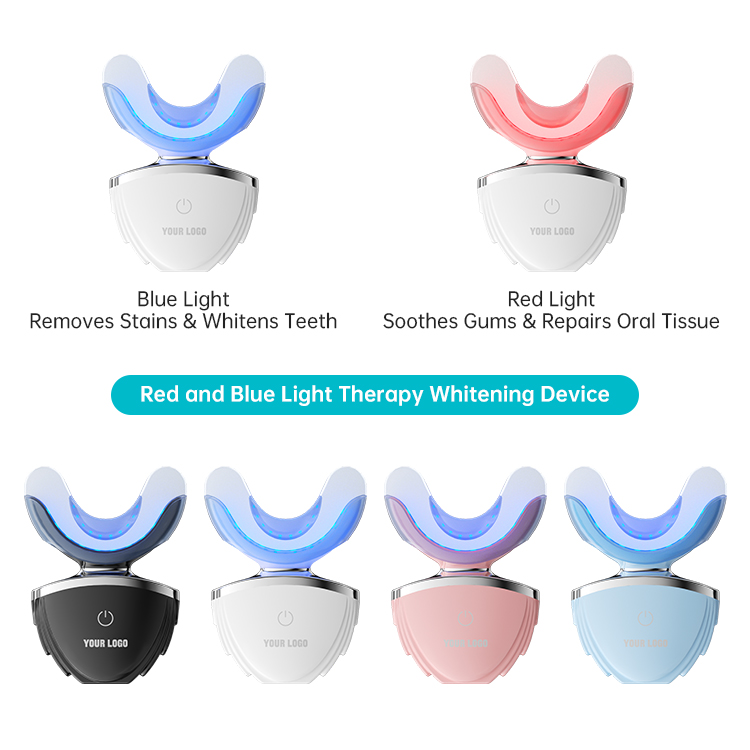
The blue light whitening device continues to shape the future of at-home whitening, especially in markets where consumers want visible results in less time. With strong demand from e-commerce brands, dental distributors, and cosmetic retailers, blue light systems remain a top choice for fast-acting whitening kits. Why Blue Light Enhances Whitening Results Blue wavelengths activate common whitening ingredients more efficiently than ambient light. Consequently, whitening gels break down surface stains faster. This light-boosted process is one of the main reasons consumers prefer blue-light solutions over traditional chemical-only whitening. Additionally, blue light provides consistent exposure across all teeth, which helps maintain even whitening. Silicone trays or mouthpieces support comfort and ensure proper placement during each session. Visit powsmart.com for more whitening technologies. What Buyers Expect in a Modern Whitening Device Because competition continues to grow, manufacturers improve performance and usability through new features: Stable LED Output Consistent brightness is necessary for predictable whitening. Many modern devices include chip-level controllers that maintain stable light emission throughout each session. Safe and Comfortable Design Devices now include automatic shut-off, low heat emission, and medical-grade materials. These features help increase consumer confidence. Convenient Charging Systems Most current blue-light models support USB-C, portable power banks, or…
Building a successful private label teeth whitening brand is one of the fastest-growing opportunities in the oral-care industry. Whether you are an e-commerce seller, beauty clinic, or dental professional, launching your own whitening line allows you to control quality, branding, margins, and long-term customer loyalty.Below is a step-by-step OEM guide that walks you through everything you need to know to start a whitening brand from zero and turn it into a profitable business. Understand the Teeth Whitening Market Before you invest in packaging or formulas, take time to study your niche. Are you targeting beauty salons, dental professionals, or direct-to-consumer shoppers? Do customers prefer whitening strips, pens, LED kits, or peroxide-free formulas?Market research helps determine the right custom whitening products you should develop, what price points make sense, and which competitors you can outperform. Choose the Right Manufacturing Partner Your manufacturer is the backbone of your private label brand. Look for a professional OEM/ODM oral-care factory that offers: GMP, ISO, or FDA-registered facilities A wide range of whitening formulas In-house product testing capabilities Flexible MOQ for start-upsA reliable factory can help you achieve stable quality and guide you through compliance requirements as you start a whitening brand without unnecessary risks.…
As consumer demand for whiter smiles continues to rise, at-home teeth whitening kits have become one of the fastest-growing categories in the oral-care market. Brand owners looking to expand product lines often ask the same question: Are these whitening kits truly safe for long-term use? This blog provides an OEM analysis to help oral-care brands evaluate product safety, formulation strategies, and manufacturer capabilities before launching or upgrading their whitening solutions. Understanding the Science Behind At-Home Whitening Kits Most at-home teeth whitening kits rely on peroxide-based or non-peroxide ingredients to remove stains through oxidation or physical detachment. When properly formulated, both options can deliver effective results.However, long-term use safety depends on concentration control, exposure time, and the stability of whitening agents—factors that professional OEM manufacturers regularly optimize. The Importance of Long-Term Use Safety Evaluation Consumers often use whitening kits more frequently than recommended, which makes long-term use safety a priority for brand owners. OEM factories typically conduct: Enamel micro-abrasion tests Soft-tissue irritation assessments Sensitivity tolerance evaluations Ingredient compatibility studies These safety protocols ensure that the final product aligns with regulatory guidelines and customer expectations. Benefits of a Gentle Formula for Consumer Comfort To support continuous or repeated use, many leading OEM…
LED teeth whitening continues to rise in global demand as consumers seek fast, visible whitening results at home. Yet for many oral-care brands, concerns around tooth sensitivity, gum irritation, and inconsistent results remain barriers to scaling their whitening product line. This is where OEM manufacturing plays a crucial role. Through optimized device engineering, ingredient formulation, safety controls, and customization, brands can significantly improve user comfort and reduce adverse reactions—ultimately elevating product competitiveness. Below, we explore six strategic ways OEM partners help in Mitigating LED Teeth Whitening Side Effects Through OEM Design & Formulation. Engineering LED Light Output for Balanced Whitening & Safety One of the most common side effects of LED whitening stems from excessive light intensity or unstable wavelength distribution. A professional OEM partner can engineer: Stable blue-light wavelength (typically 430–490 nm) Controlled irradiance to prevent heat buildup Even light diffusion across the dental arch These design elements minimize tissue irritation and improve whitening uniformity—two key factors for building user trust. Customizing Mouthpiece Ergonomics to Reduce Soft-Tissue Irritation Poorly fitted silicone mouthpieces often cause gum pressure, discomfort, and micro-abrasion. Through OEM customization, brands can optimize: Medical-grade silicone softness Dental arch fit based on anthropometric data Ventilation channels to prevent…
As global demand for at-home and in-clinic cosmetic oral care rises, distributors and brand owners are increasingly exploring high-quality Teeth Whitening Equipment sourced from a trusted Professional Whitening Kit manufacturer. Investing in the right manufacturer not only elevates product performance but also ensures consistent branding, long-term scalability, and compliance with international market standards. Advanced Technology Backed by Proven Manufacturing Expertise A Professional Whitening Kit manufacturer brings years of technical experience in developing effective, safe, and stable whitening solutions. Their expertise ensures that Teeth Whitening Equipment—such as LED activation lights, whitening pens, applicators, and trays—is produced with optimized engineering and user-friendly functionality. This guarantees better whitening results, fewer product failures, and stronger market competitiveness. Consistent Quality Control for International Market Requirements Trusted manufacturers follow strict quality control procedures, including material testing, functional inspections, and stability assessments. For distributors operating across multiple regions, consistent performance and dependable quality in all Teeth Whitening Equipment are essential. A professional manufacturer helps brands meet FDA, CE, or ISO requirements, reducing compliance risks and increasing customer trust. Customization Options That Strengthen Your Brand Identity From packaging design to LED lamp color temperature, a Professional Whitening Kit manufacturer offers full customization services. White-label and OEM options allow…
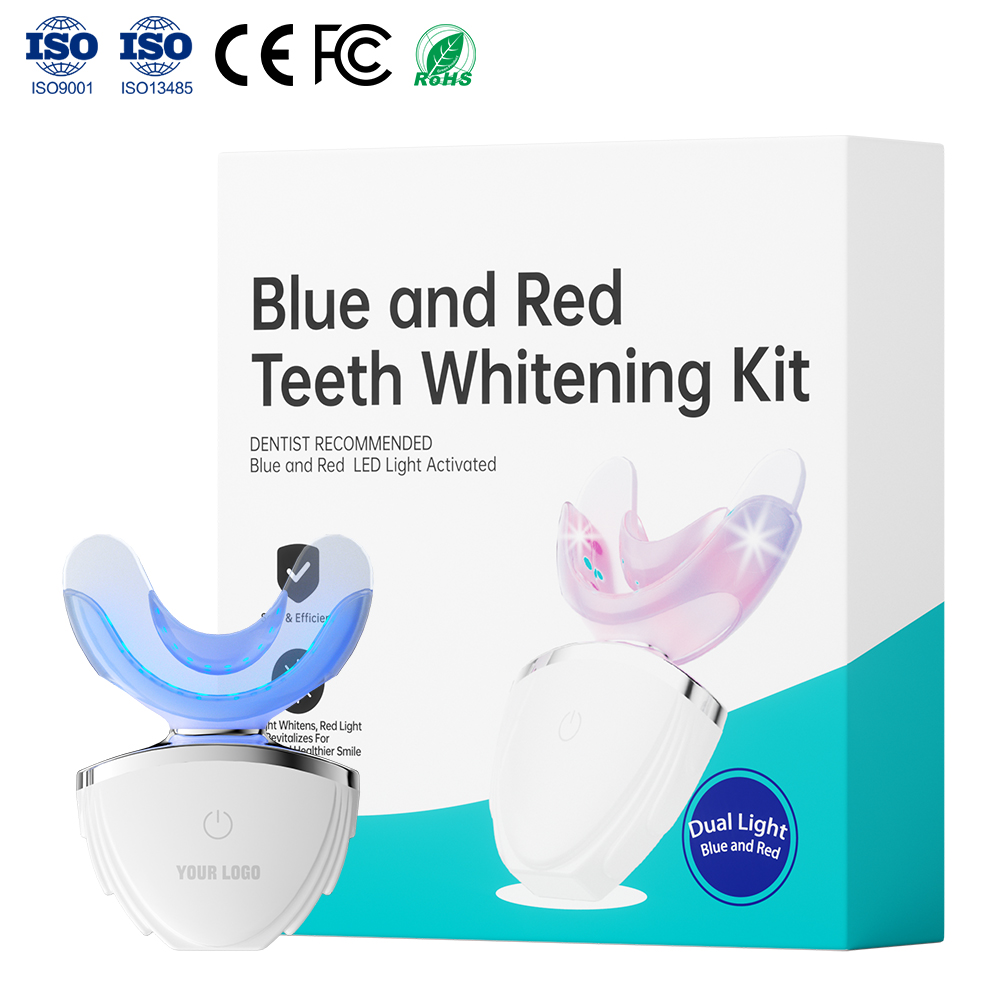
The LED teeth whitening tray OEM market has expanded significantly as global consumers increasingly prefer convenient at-home whitening solutions. Many brands now focus on compact LED-enabled trays because they offer even light distribution and consistently effective whitening performance. Furthermore, these trays support quick application with minimal user training, making them ideal for subscription programs, beauty retailers, and oral-care companies seeking easy product adoption. As whitening demand continues rising, OEM partners must provide reliable formulations, stable LED systems, and customizable product architecture. LED trays stand out because they deliver consistent illumination across both dental arches. Consequently, users can achieve uniform whitening without complicated steps. In addition, silicone-based trays improve comfort, while food-grade gels ensure safety. Brands often select LED trays as their hero product thanks to their balance of performance, ease of use, and strong retail presence. Benefits of OEM LED Whitening Trays Although whitening strips and pens remain popular, LED trays provide deeper and more noticeable results. Moreover, the illuminated tray accelerates the whitening reaction, helping users achieve visible improvements within a shorter period. Because consumers prioritize convenience, the combination of gel and LED light fits seamlessly into modern routines. Additionally, LED trays allow compatibility with both peroxide and peroxide-free…
The global demand for teeth whitening products has never been stronger — from whitening strips and gels to LED-powered whitening kits. However, entering this lucrative market requires more than just innovative formulas or sleek packaging. For brands seeking to expand in the EU and US, understanding teeth whitener regulations is crucial to ensure compliant production and sustainable growth. In both regions, regulatory frameworks focus heavily on consumer safety, product efficacy, and ingredient transparency. A misstep in compliance can delay product launches, increase costs, and even damage brand reputation. Understanding Teeth Whitener Regulations in the EU The European Union classifies most teeth whitening products containing up to 6% hydrogen peroxide as cosmetic products under Regulation (EC) No. 1223/2009. Products above that limit may fall under medical device directives, triggering stricter safety evaluations. Key requirements include: Safety assessment by a qualified toxicologist. Registration in the EU Cosmetic Products Notification Portal (CPNP). Clear labeling and usage instructions, especially for professional-only formulations. For brands planning to work with an OEM manufacturer, ensuring the partner has experience in compliant production for EU standards is vital. Strategic alignment with a manufacturer that already understands EU testing, documentation, and labeling procedures significantly reduces time to market. Navigating…
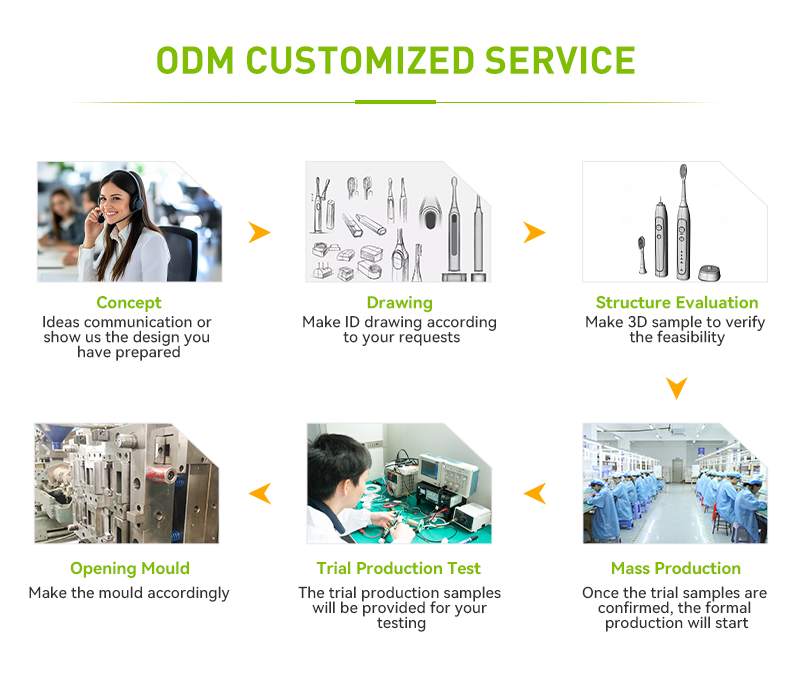
Powsmart: Your Trusted Importer of Dental Care Products from Chinese Factories for the USA The American market for dental care products is booming. Consumers and distributors are constantly seeking high-quality, innovative, and affordable products to meet this growing demand. Powsmart bridges this gap by partnering directly with meticulously selected factories and manufacturers in China to supply the USA with top-tier dental care essentials. Our products, designed and produced in China, combine advanced technology with rigorous quality control, offering exceptional value without compromising on performance. Why Source Dental Care Products from Chinese Manufacturers via Powsmart? Sourcing from China through a reliable partner like Powsmart provides distinct competitive advantages for your business. Superior Cost-Effectiveness: Our direct relationships with factories in major Chinese industrial hubs allow us to eliminate intermediaries. This translates to significantly lower costs for high-volume orders, giving you a stronger margin in the competitive US wholesale market. Advanced Manufacturing & Innovation: Chinese manufacturers have made immense strides in R&D and engineering. Powsmart's partners utilize state-of-the-art production lines and adhere to international quality standards (including ISO and CE certifications), ensuring products that rival leading brands in features and durability. Customization and OEM/ODM Services: Unlike generic suppliers, our partner factories offer extensive customization. We can…
In recent years, dental phototherapy has become one of the most promising innovations in oral care. By using specific wavelengths of light, this technology stimulates biological tissues, enhances blood circulation, and accelerates the healing of teeth and gums.For OEM solutions, understanding the underlying science is key. Blue light, for instance, is widely applied in teeth whitening due to its antibacterial properties and ability to activate whitening gels. Red and near-infrared light, on the other hand, are effective for gum rejuvenation and reducing inflammation.To create optimal light therapy for dental use, OEM manufacturers must balance wavelength selection, light intensity, and exposure duration to achieve both safety and efficiency. Key insight:Successful OEM product design starts from a deep understanding of how different light spectrums affect oral tissues. This scientific foundation ensures that the end product delivers measurable results in teeth and gums care. Integrating Optimal Light Therapy into OEM Product Design For OEM brands aiming to stand out in the oral care market, integrating optimal light therapy into their product line can bring significant differentiation.From LED teeth whitening kits to light-assisted gum massagers, combining dental phototherapy with ergonomic product design not only enhances user experience but also increases brand value. When developing…
When businesses plan to sell whitening products such as gels, pens, or LED kits, one of the first questions that arises is whether FDA approval is necessary or not. In the United States, the Food and Drug Administration (FDA) plays a key role in regulating oral care and cosmetic products. However, not every household teeth whitening item needs direct FDA approval before being marketed.In most cases, teeth whitening products are categorized as cosmetics. Unless they claim to treat or alter a medical condition (for example, “to treat gum disease” or “to heal enamel damage”). If your whitening products fall under cosmetic classification, your main responsibility lies in cosmetic compliance, not formal FDA approval. Cosmetic Compliance: What It Really Means Cosmetic compliance involves ensuring that your household teeth whitening products meet all safety, labeling, and ingredient standards outlined by the FDA.Key compliance requirements include: Using safe and approved ingredients (e.g., hydrogen peroxide within safe concentration limits). Proper labeling with ingredient lists and usage instructions. Avoiding misleading claims that turn the product into a “drug” classification. Although you don’t need pre-market FDA approval for most teeth whitening products, the FDA can take action if your items contain harmful ingredients. Working closely with…
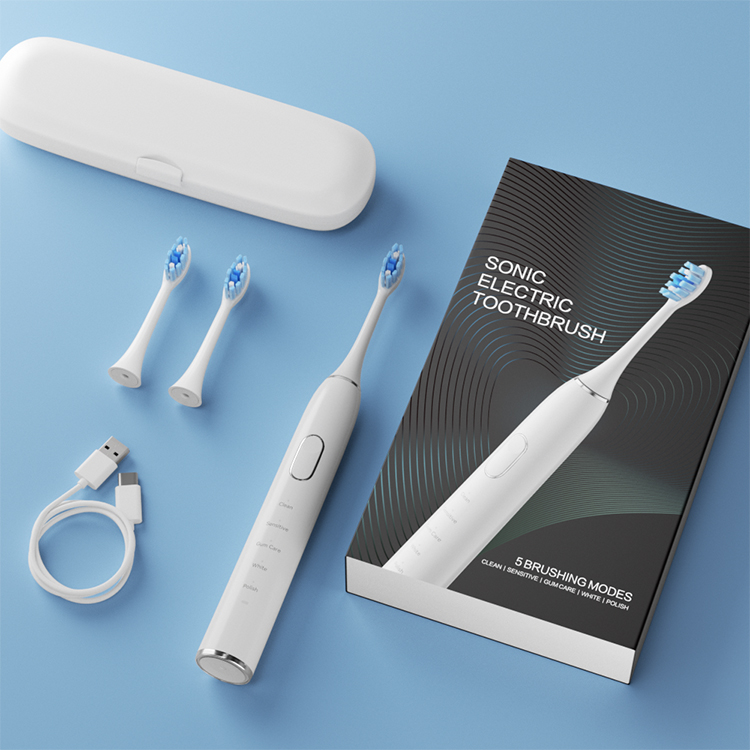
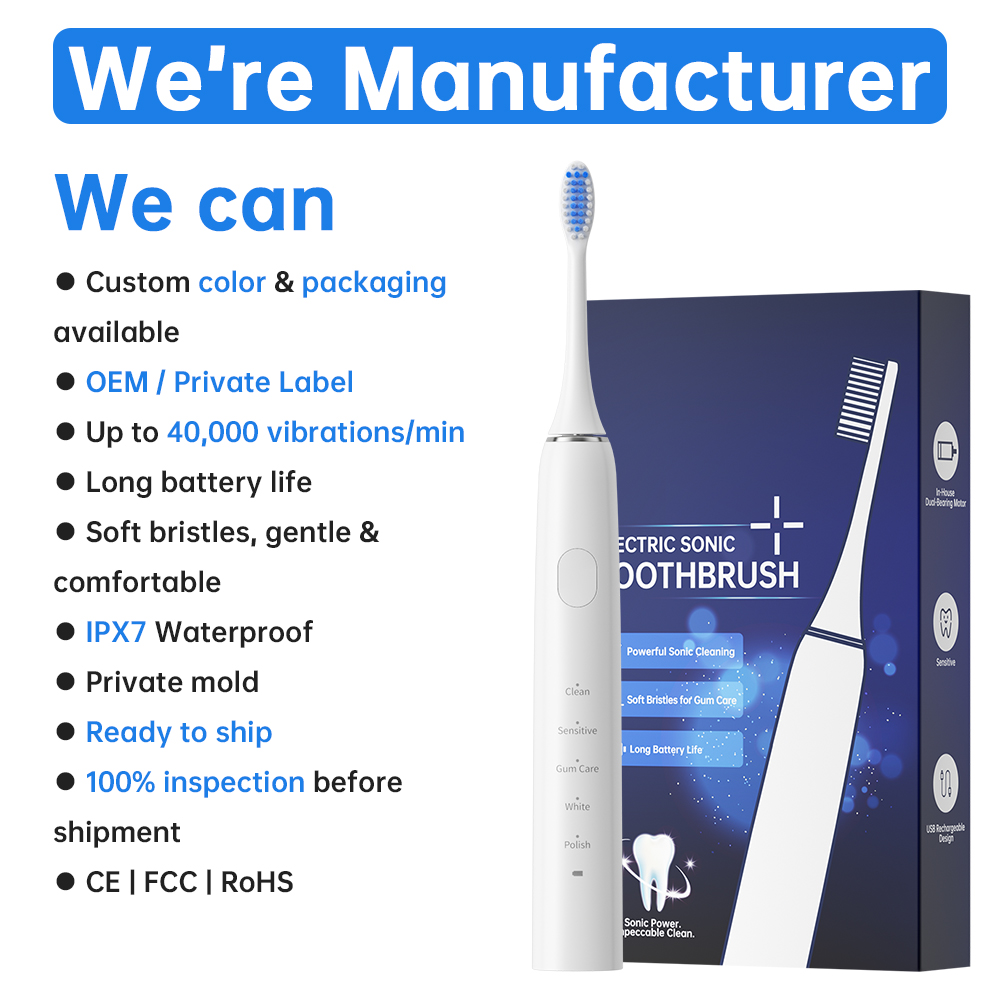
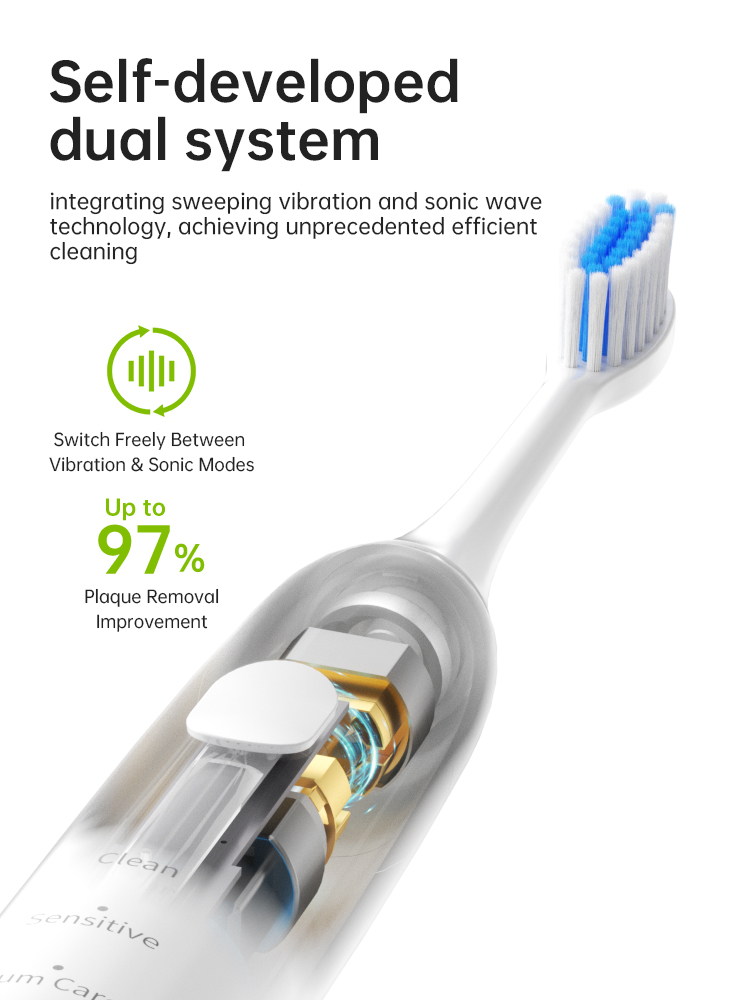
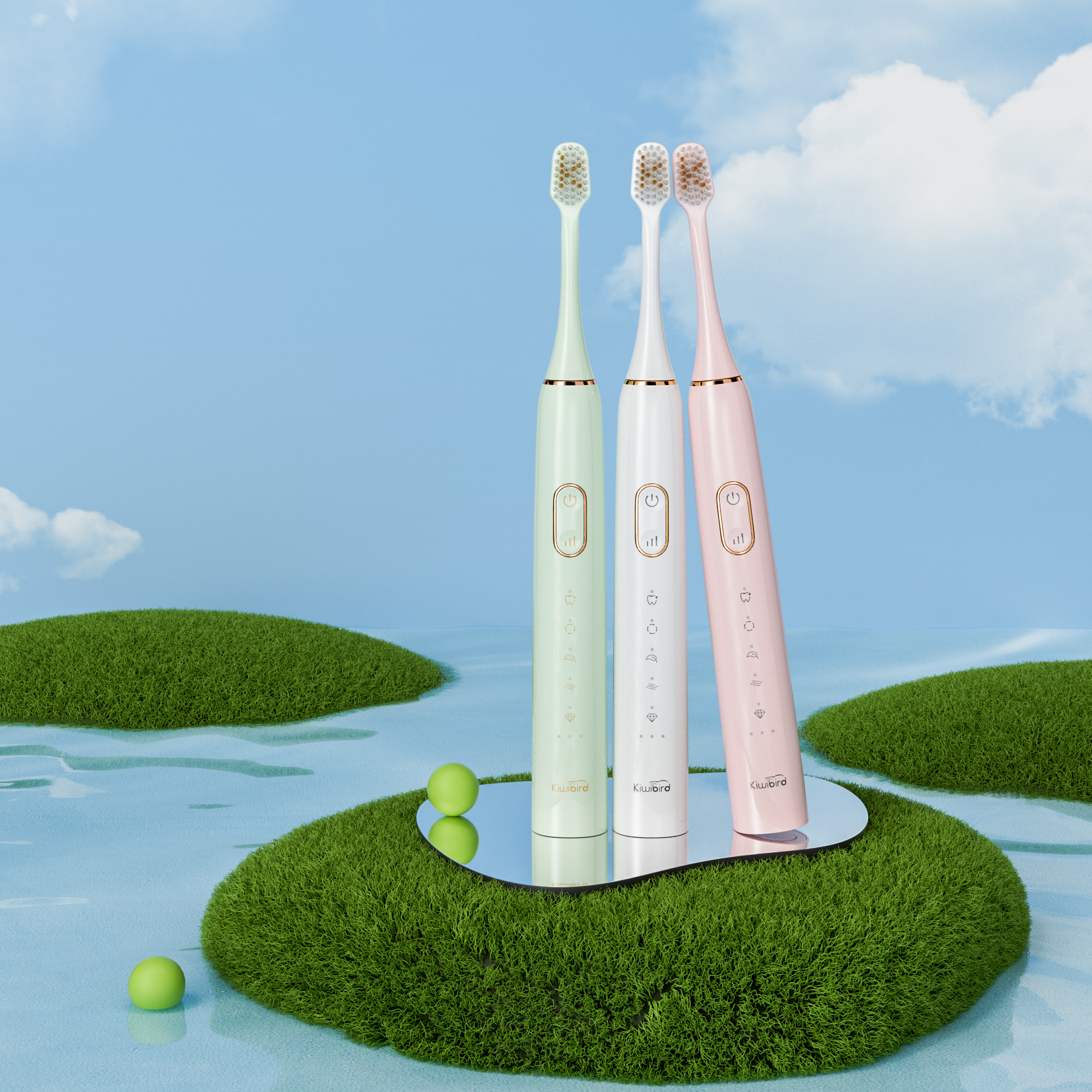
The demand for effective and affordable at-home oral care solutions is booming across the United States. From California to New York, consumers are actively seeking professional-grade electric toothbrushes and advanced teeth whitening systems. For US brands, retailers, and wholesalers, meeting this demand requires a reliable, high-quality, and cost-effective supply chain partner. Powsmart, a leading Chinese manufacturer and supplier, stands as a key source, supplying the American market with innovative oral care products directly from its factory. This article outlines why US businesses are sourcing Electric Toothbrushes and Teeth Whitening Kits from the Powsmart factory in China, highlighting the product advantages that meet and exceed local market expectations. Meeting US Market Demand with Sourced Manufacturing It is important to clarify for all partners in the American supply chain that Powsmart products are manufactured in China and supplied as a complete solution for branding and distribution within the United States. This model allows US companies to leverage advanced manufacturing capabilities and economies of scale, offering competitive products without the misconception of local production. The robust wholesale and distribution scenes in major US hubs like Los Angeles, Miami, and Chicago are primarily supplied by global manufacturers like Powsmart. Powsmart Electric Toothbrush: Engineered for Performance Powsmart's electric toothbrushes are designed…
When it comes to innovation in the teeth whitening industry, a Wireless Whitening Kit paired with foam from a Teeth Whitening Foam Manufacturer can be a game-changer. By combining the convenience of wireless technology with the effectiveness of whitening foam, you can offer customers a unique and efficient solution. This integration can elevate your product line, improve user experience, and meet the growing demand for at-home whitening solutions. Combining Wireless Technology with Whitening Foam A Wireless Whitening Kit offers users the freedom to whiten their teeth without being restricted by cords. Integrating teeth whitening foam into this system creates an easy-to-use product that enhances the effectiveness of whitening treatments. The foam can be directly applied to the teeth while the wireless device works its magic, creating an effortless and efficient whitening experience. Innovation in Teeth Whitening Solutions The integration of Teeth Whitening Foam into a Wireless Whitening Kit brings a fresh approach to the industry. Traditional whitening products often rely on strips or gels that can be messy and difficult to use. By using foam, the application process becomes cleaner and more convenient. When paired with a wireless system, it makes for a truly innovative solution that appeals to today’s…
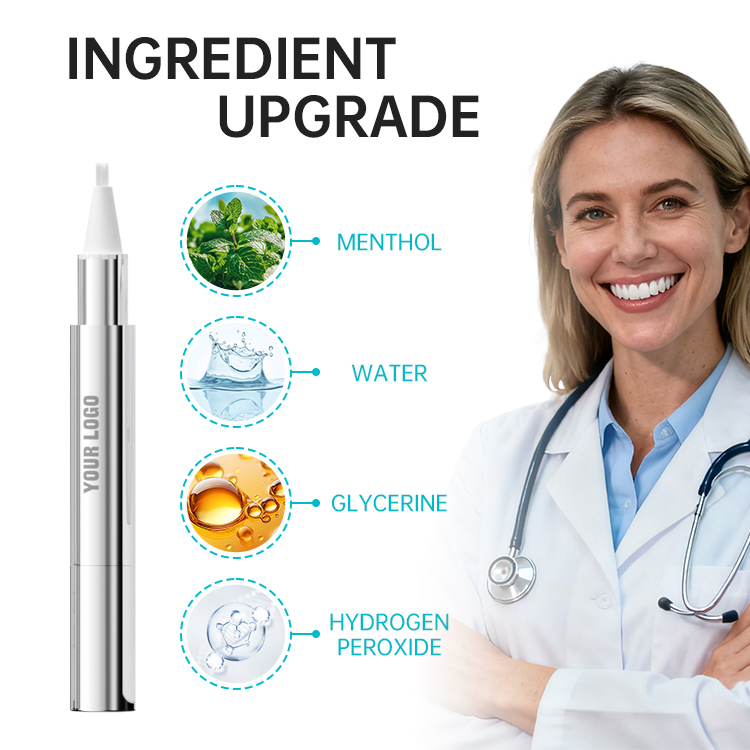
In today’s oral care market, consumers are seeking fast, visible, and safe teeth whitening results. For brands developing OEM hydrogen peroxide whitening products, understanding how to balance efficacy and safety has become a key factor in standing out. Whether creating professional whitening kits or daily-use whitening strips, aligning performance with safety standards and realistic development timelines is crucial. Understanding Hydrogen Peroxide Whitening Mechanisms Hydrogen peroxide remains one of the most effective whitening agents in the oral care industry. It works by releasing active oxygen molecules that break down stains on the tooth surface and deeper enamel layers. However, the efficacy and safety of hydrogen peroxide whitening depend greatly on formulation concentration, contact time, and product delivery system. For OEM products, customizing these variables requires close collaboration with the manufacturer to achieve desired whitening intensity while ensuring user comfort and enamel protection. Balancing Efficacy and Safety in Formulation Design A key challenge in hydrogen peroxide whitening product development is finding the perfect concentration-to-time ratio. Higher peroxide levels can deliver faster results, but they also increase the risk of sensitivity and gingival irritation. Professional whitening products may contain concentrations up to 35%, while at-home or daily-use products typically range from 1% to 10%. OEM brands…
For any oral care or cosmetic brand looking to enter the U.S. market, understanding teeth-whitening safety regulations is the first and most essential step. Teeth-whitening products often fall under the U.S. Food and Drug Administration (FDA) and Federal Trade Commission (FTC) jurisdictions. Depending on the composition and intended use, they can be classified as either cosmetic products or over-the-counter (OTC) drugs. This classification determines which set of US local laws and compliance procedures apply to the ingredients used. Ingredient Compliance under FDA Requirements The FDA requires all ingredients used in teeth-whitening formulations to be safe for their intended use. Hydrogen peroxide and carbamide peroxide—two of the most common whitening agents—must be used within concentration limits considered safe by the FDA. Manufacturers must ensure full ingredient compliance by verifying purity levels, stability, and labeling accuracy. Under FDA requirements, any claims about whitening effects or medical benefits must be backed by scientific evidence to avoid regulatory penalties. State and Local Law Considerations In addition to federal laws, US local laws vary by state. For example, some states require additional disclosure of chemical ingredients, while others may regulate the concentration of active ingredients used in consumer whitening kits. California’s Proposition 65, for instance, mandates warnings if certain chemicals are known…
When it comes to achieving a bright, confident smile, LED teeth whitening lights have become one of the most popular at-home solutions. However, one of the most common questions consumers — and even private label brands — ask is: how often should use a LED teeth whitening light? In this manufacturer’s guide, we’ll break down the ideal LED teeth whitening light usage frequency, safety recommendations, and best practices that ensure both efficacy and consumer comfort. Whether you’re a beauty or oral care brand looking to develop your own line, understanding the correct usage frequency and safe whitening protocol is essential for product success. Understanding How LED Teeth Whitening Works LED teeth whitening devices use blue or purple LED light to accelerate the whitening gel’s active ingredients, usually hydrogen peroxide or carbamide peroxide. The light doesn’t bleach teeth on its own — instead, it enhances the reaction that removes stains on the enamel. As manufacturers, we always recommend pairing the right wavelength (typically 450–490 nm) with a safe whitening protocol to achieve visible results without harming enamel or causing sensitivity. Recommended Usage Frequency for Consumers The ideal LED teeth whitening light usage frequency depends on the formula concentration, exposure time, and the light intensity.…
If you’re exploring whitening kit private label opportunities, you’re entering one of the fastest-growing sectors in the oral care market. Partnering with an experienced manufacturer allows your brand to deliver high-quality teeth whitening products under your own label—without the need for in-house production. However, to succeed in this competitive field, understanding product design, packaging, and especially whitening product quality control is essential. In this article, we’ll cover six key factors every business should consider when developing and launching a private label whitening kit—from formulation development to compliance and market readiness. Defining Your Whitening Kit Brand Strategy Before diving into production, the first step in building a successful whitening kit private label line is defining your brand positioning. Decide what differentiates your whitening kit in terms of target users (professional salons, dental clinics, or e-commerce consumers), whitening intensity, and aesthetic presentation. A clear brand strategy ensures that your product’s formulation, packaging, and pricing align with your intended audience. Partnering with a manufacturer that provides flexible OEM/ODM services helps tailor whitening formulas and device features to fit your brand image and value proposition. Selecting Proven Whitening Formulations The core of every whitening kit lies in its formulation. Whether you’re using hydrogen peroxide,…