Introduction In the rapidly growing at-home whitening market, a Wearable Whitening Strip places whitening agents in prolonged, direct contact with oral tissues. For this reason, selecting Safe Whitening Ingredients is not only a product quality consideration but a fundamental requirement for user safety, regulatory compliance, and long-term brand credibility in B2B manufacturing. Direct and Extended Contact with Oral Soft Tissue Unlike rinse-off or short-duration products, a Wearable Whitening Strip adheres closely to teeth and gums for extended periods. Using Safe Whitening Ingredients minimizes the risk of irritation, sensitivity, and tissue damage caused by prolonged exposure. Reducing the Risk of Tooth Sensitivity and Enamel Stress Aggressive or unstable whitening agents can weaken enamel or trigger sensitivity. Carefully formulated Safe Whitening Ingredients allow a Wearable Whitening Strip to deliver gradual, controlled whitening results while maintaining enamel integrity and user comfort. Supporting Regulatory and Market Compliance Global markets impose strict limits on peroxide concentration, ingredient sourcing, and toxicological profiles. Incorporating Safe Whitening Ingredients helps ensure that Wearable Whitening Strip products align with cosmetic and oral care regulations across the US, EU, and Asia. Enhancing Consumer Trust and Brand Reputation End users increasingly scrutinize ingredient safety and transparency. A Wearable Whitening Strip formulated with…
Introduction In today’s smart personal care and aesthetic devices, a seamless Touch Interface Design working in harmony with an LED Display Module is essential for intuitive user feedback. For B2B manufacturers and OEM/ODM partners, this integration goes beyond aesthetics—it directly impacts usability, system efficiency, and perceived product quality. Synchronizing Touch Input with Visual Response A modern Touch Interface Design captures user input with high sensitivity and minimal latency. When integrated with an LED Display Module, each touch action can trigger immediate visual feedback, confirming mode selection, intensity changes, or system status in real time. Simplifying User Interaction Through Minimalist Controls By combining touch controls and LED indicators, manufacturers can reduce physical buttons and complex interfaces. A well-designed Touch Interface Design paired with an LED Display Module enables clean layouts while maintaining clear communication with the user. Enhancing Feedback Accuracy and User Confidence Visual cues such as brightness levels, color changes, or segment indicators provided by the LED Display Module reinforce the effectiveness of the Touch Interface Design. This clarity helps users understand device behavior, reducing misuse and improving overall satisfaction. Optimizing Power and System Resource Management Integrated control logic allows touch input and LED output to share processing resources efficiently.…
Introduction As oral care and nasal care devices increasingly support Saline Solution Compatibility, manufacturers are seeing a corresponding impact on Filter Cartridge Supply requirements. For B2B manufacturers and OEM/ODM partners, enabling saline use not only improves product versatility but also reshapes filtration design, maintenance cycles, and long-term consumable demand. Saline Formulations Introduce Higher Filtration Requirements Saline solutions differ from pure water in mineral content and ionic composition. When devices are designed for Saline Solution Compatibility, filtration systems must manage increased residue and particulate risks, naturally driving more frequent Filter Cartridge Supply replacement compared to standard water-only systems. Protecting Internal Fluid Path and Core Components Salt content can accelerate corrosion or buildup if not properly filtered. Integrating dedicated filters becomes essential to safeguard pumps, valves, and nozzles, making Filter Cartridge Supply a critical supporting component for devices with saline-compatible functionality. Shortened Replacement Cycles Increase Consumable Demand Devices supporting saline solutions often require shorter filter replacement intervals to maintain hygiene and performance. This operational reality directly increases ongoing Filter Cartridge Supply demand, particularly in daily-use consumer and clinical-adjacent applications. Enhancing Hygiene and Cross-contamination Prevention Saline environments can support microbial growth if filtration is insufficient. A robust Filter Cartridge Supply strategy ensures that…
Introduction In modern personal care devices, the integration of a Lithium Battery Pack has become a defining factor in the performance and usability of a Home Use Whitening System. For B2B manufacturers and OEM/ODM partners, lithium-based power solutions offer clear advantages in energy efficiency, form factor flexibility, and overall system reliability compared to traditional battery technologies. Enabling Compact and Ergonomic Device Design A Lithium Battery Pack delivers high energy density within a small footprint. This allows a Home Use Whitening System to maintain a slim, lightweight, and ergonomic design—an important consideration for handheld or mouthpiece-based whitening devices intended for daily consumer use. Supporting Stable and Consistent Output Performance Whitening effectiveness depends on consistent light intensity or power delivery. Lithium batteries provide stable voltage output throughout the discharge cycle, ensuring that a Home Use Whitening System operates at predictable performance levels from the first session to the last. Improving Rechargeability and User Convenience Rechargeable Lithium Battery Packs eliminate the need for disposable batteries. This enhances user convenience while supporting USB or wireless charging solutions commonly expected in modern Home Use Whitening System designs. Extending Product Lifespan and Cycle Durability Lithium battery technology offers superior charge–discharge cycle life compared to conventional alternatives.…
Introduction In the highly regulated beauty and personal care sector, Packaging Customization Service plays a critical role in supporting Aesthetic Device Compliance. Beyond visual branding, packaging must align with regulatory labeling, safety communication, and regional market requirements. For B2B manufacturers and OEM/ODM partners, customized packaging becomes an essential compliance enabler rather than a purely aesthetic choice. Aligning Packaging Structure with Safety and Usage Requirements Aesthetic devices often require specific handling and storage conditions. Through a professional Packaging Customization Service, packaging structures can be designed to protect sensitive components, prevent misuse, and support safe transportation—directly contributing to Aesthetic Device Compliance. Supporting Regulatory Labeling and Mandatory Information Display Different markets impose strict rules on labeling, symbols, and multilingual instructions. Customized packaging layouts ensure that compliance-critical information is clearly displayed, properly sized, and correctly positioned, helping brands meet Aesthetic Device Compliance standards across regions. Facilitating Clear User Instructions and Risk Communication Packaging is often the first point of user interaction. A tailored Packaging Customization Service allows manufacturers to integrate warnings, usage diagrams, and precaution statements directly into the packaging design, reducing misuse risk and reinforcing compliance expectations for aesthetic devices. Adapting to Regional and Market-specific Compliance Variations Compliance requirements vary significantly between markets…
Introduction As product integration accelerates across smart personal care devices, many brands are asking whether a Micro Motor Supplier can also support adjacent modules such as a UV Sanitizing Component. For B2B manufacturers and OEM/ODM partners, sourcing both motion and sanitization elements from a single supplier can significantly streamline development, quality control, and supply chain coordination. Expanding Beyond Motion into Functional System Modules Traditionally, a Micro Motor Supplier focuses on torque, speed stability, and lifespan optimization. However, modern device architectures increasingly demand complementary functions. Adding a UV Sanitizing Component allows suppliers to evolve from component vendors into integrated system solution providers. Ensuring Electrical and Power Compatibility Motors and UV modules often share the same power management infrastructure. When a Micro Motor Supplier also provides the UV Sanitizing Component, voltage matching, current limits, and thermal loads can be engineered holistically, reducing integration risk for OEM customers. Optimizing Mechanical Layout and Space Efficiency Compact devices such as toothbrushes, shavers, or storage docks face strict space constraints. A unified design approach from a Micro Motor Supplier offering a UV Sanitizing Component enables better internal layout planning, minimizing footprint while maintaining functional separation. Simplifying Compliance and Safety Validation UV sanitization involves specific safety and…
Water flosser for braces supplier relationships are essential for brands targeting orthodontic care users. Braces create cleaning challenges that traditional brushing alone cannot fully address, making water flossers a valuable solution. Oral Care Challenges for Braces Users Orthodontic appliances create areas where food debris and plaque accumulate easily. As a result, braces users require additional cleaning methods to maintain oral hygiene. Water flossers designed for braces focus on targeted water streams that reach between brackets and wires. This functionality makes them attractive to orthodontic-focused brands and distributors. Supplier Design Considerations for Braces Use Suppliers develop specialized nozzle designs to improve access around orthodontic hardware. Adjustable pressure settings allow users to select gentle cleaning modes suitable for sensitive gums. Tank size and portability are also optimized for daily home use. These design features help improve compliance among braces users, which benefits both consumers and brands. You can view orthodontic-friendly water flosser options here:👉 https://www.powsmart.com/water-flosser/ Quality Assurance and Safety Suppliers implement durability and pressure consistency testing to ensure reliable performance. Waterproof housing and sealed components protect internal systems from moisture exposure. Professional dental organizations often highlight the importance of effective plaque removal for orthodontic patients. Products aligned with these recommendations gain higher…
Portable water flosser OEM projects allow oral care brands to launch differentiated products without building in-house manufacturing capabilities. As portability becomes a key purchasing factor, OEM cooperation helps brands respond quickly to market demand. Why OEM Matters for Portable Water Flossers OEM manufacturing enables brands to customize device appearance, performance settings, and accessories. This flexibility is essential in competitive markets where product differentiation directly influences purchasing decisions. Portable water flossers require compact internal structures and efficient water delivery systems. OEM partners with relevant engineering experience help brands avoid design errors and shorten development cycles. OEM Design and Engineering Capabilities A typical OEM project starts with defining pressure ranges, battery capacity, and nozzle configurations. Engineers then adapt internal layouts to ensure stable water flow while maintaining a slim form factor. Material selection also plays a role. Food-grade plastics and sealed components help ensure durability and hygiene during repeated use. These considerations are essential for meeting market regulations. You can explore OEM-supported water flosser solutions here:👉 https://www.powsmart.com/oem-oral-care/ Compliance and Safety Standards Portable water flossers are electrical devices used in wet environments, making safety compliance critical. OEM suppliers conduct testing related to insulation, waterproof performance, and battery protection. Dental care authorities emphasize that…
Cordless water flosser wholesale programs are increasingly important for distributors and oral care brands responding to demand for convenient, home-use dental devices. Compared with countertop models, cordless designs offer portability, ease of use, and strong retail appeal. Growing Demand for Cordless Oral Irrigation Devices As consumers focus more on preventive oral care, water flossers have become a standard supplement to brushing. Cordless models, in particular, appeal to users who travel frequently or prefer compact bathroom solutions. For B2B buyers, this shift creates new wholesale opportunities across e-commerce and offline retail channels. Additionally, cordless units reduce installation requirements, making them suitable for a wider range of markets. This versatility improves sell-through rates for distributors. Wholesale Product Specifications and Features Wholesale cordless water flossers typically include multiple pressure modes, interchangeable nozzles, and rechargeable batteries. These features support different user preferences while keeping product operation simple. Manufacturers also optimize water tank capacity and battery efficiency to balance performance and compact size. This balance is critical for meeting end-user expectations without increasing production costs. You can view cordless water flosser models suitable for wholesale here:👉 https://www.powsmart.com/water-flosser/ Quality Control and Production Consistency For wholesale buyers, product consistency is a top priority. Reputable suppliers implement standardized…
Oral beauty device supplier partnerships are increasingly important as oral care evolves beyond basic hygiene into aesthetic and lifestyle-driven categories. For B2B buyers, this shift creates opportunities to expand product portfolios and increase average order value. Growth of the Oral Beauty Market Consumers now associate oral care with overall appearance and confidence. Products such as whitening devices, beauty-focused toothbrushes, and smile-enhancing kits are gaining traction across global markets. As demand grows, distributors and brands seek suppliers capable of supporting both functional performance and visual appeal. This requires a combination of engineering capability and design awareness. Supplier Capabilities for Oral Beauty Devices A professional supplier typically offers a broad product range, including electric toothbrushes, whitening devices, and related accessories. Integrated R&D teams support both OEM and ODM projects, enabling faster response to market trends. Manufacturing consistency is essential. Device performance, material quality, and aesthetic finish must remain stable across large production volumes. This consistency builds trust with B2B buyers and downstream partners. You can explore oral beauty device solutions here:👉 https://www.powsmart.com/oral-care-products/ Quality, Safety, and Compliance Oral beauty devices are used frequently and often at home, making safety a key concern. Suppliers implement testing protocols covering electrical safety, durability, and hygiene-related materials.…
Whitening device packaging customization plays a critical role in product success across wholesale, retail, and e-commerce channels. For B2B brands, packaging is both a compliance requirement and a powerful branding tool. The Role of Packaging in Whitening Device Sales In competitive oral care markets, packaging often forms the first impression. Clear structure, professional graphics, and high-quality materials build trust with distributors and end users. For B2B buyers, well-designed packaging also reduces return rates and handling damage. From a logistics perspective, optimized packaging dimensions improve carton efficiency and pallet utilization. These factors directly affect shipping costs and warehouse management. Custom Packaging Options for Whitening Devices OEM and ODM suppliers typically support a wide range of packaging formats, including color boxes, magnetic closure boxes, and eco-friendly paper solutions. Internal trays are designed to secure devices, gels, and accessories during transport. Artwork customization allows brands to highlight product benefits, usage steps, and safety information. This is especially important for whitening devices that require clear instructions. You can view products with customized packaging support here:👉 https://www.powsmart.com/private-label-teeth-whitening/ Compliance and Informational Requirements Packaging must meet destination-market regulations. Required elements often include product specifications, safety symbols, and multilingual instructions. Suppliers assist B2B buyers by ensuring layout accuracy…
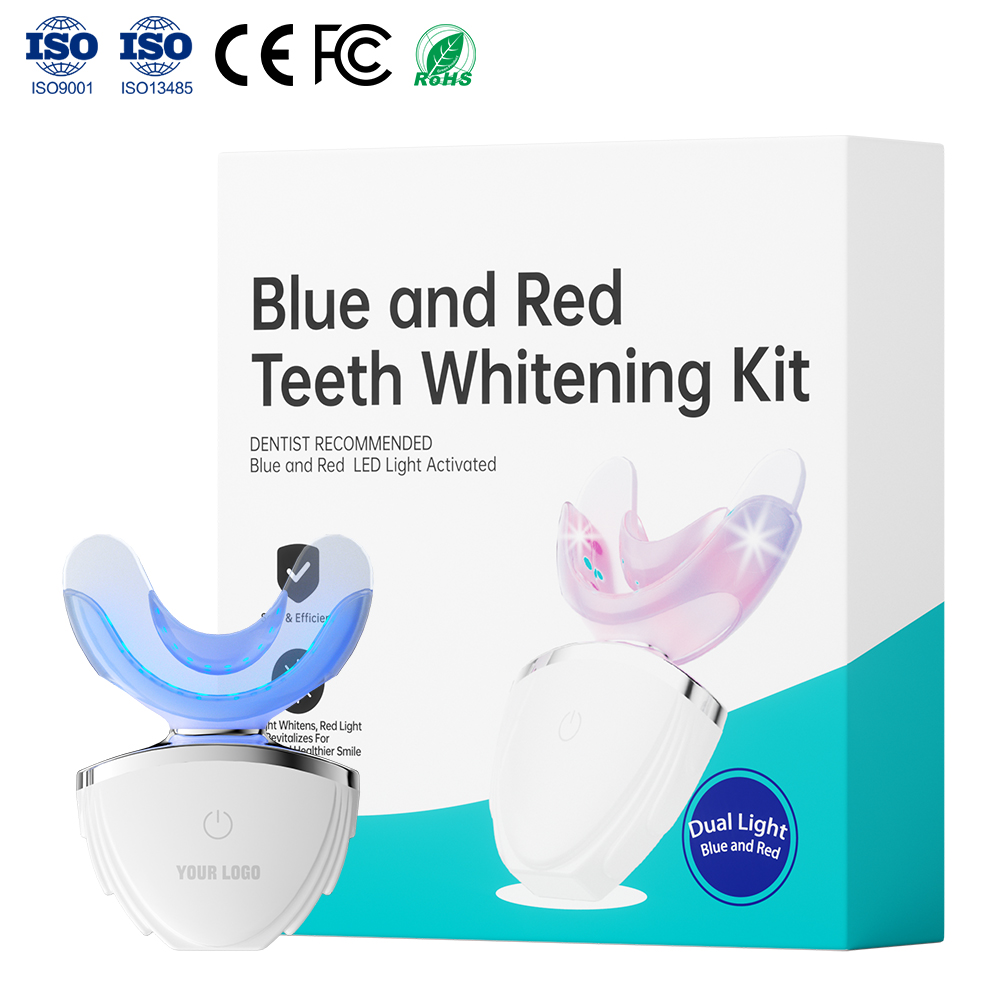
Dental whitening device ODM projects are becoming a preferred solution for brands seeking faster innovation and reduced development risk in the oral care industry. For B2B buyers, ODM cooperation allows a product concept to move efficiently from idea to market-ready solution. Why Brands Choose ODM for Whitening Devices Unlike OEM projects that rely on buyer-provided designs, ODM services offer end-to-end product development. This approach is especially valuable for brands entering the dental whitening category without in-house engineering teams. Through ODM cooperation, brands can access pre-validated device platforms, proven internal structures, and optimized production processes. As a result, development timelines are shortened while technical risks are reduced. ODM Development Process for Dental Whitening Devices A typical ODM project begins with market positioning and functional requirements. Based on these inputs, the manufacturer proposes device structures, LED configurations, and usage concepts. Design teams then refine the appearance to match brand identity and target users. Engineering validation follows, including electrical safety, durability testing, and performance consistency checks. This structured process ensures that the final product meets both functional expectations and market standards. You can explore ODM-supported whitening device solutions here:👉 https://www.powsmart.com/teeth-whitening-device/ Quality Control and Regulatory Readiness For B2B brands, ODM value extends beyond design.…
Introduction As smart oral care devices become more connected, Smart App Connectivity is increasingly being leveraged not only for user engagement, but also for managing Brush Head Replacement Supply more intelligently. For B2B manufacturers and OEM/ODM partners, this digital integration opens new opportunities to optimize supply planning, improve customer retention, and build data-driven aftermarket ecosystems. Tracking Actual Usage to Predict Replacement Cycles Through Smart App Connectivity, brushing frequency, duration, and pressure data can be collected and analyzed. This real-world usage insight allows brands to estimate accurate replacement intervals, ensuring that Brush Head Replacement Supply aligns with actual consumer behavior rather than generic timelines. Enabling Automated Replacement Reminders and Alerts Smart apps can proactively notify users when a brush head is nearing the end of its recommended lifespan. By linking notifications to Brush Head Replacement Supply, brands reduce overuse risks while encouraging timely repurchase through a seamless, user-friendly experience. Supporting Subscription and Replenishment Models With Smart App Connectivity, brands can integrate subscription-based replenishment services directly into the user journey. This approach transforms Brush Head Replacement Supply from a reactive process into a predictable, recurring revenue stream supported by digital touchpoints. Improving Demand Forecasting for OEM/ODM Production Aggregated anonymized data from connected…
Introduction As consumer demand shifts toward complete smile-care solutions, Oral Care Kit Bundling combined with Cosmetic Whitening Equipment has become a strategic approach for B2B manufacturers and brand owners. This integrated product strategy not only enhances user experience but also strengthens brand differentiation and commercial scalability in competitive global markets. Creating a Comprehensive Oral Aesthetic Solution By pairing daily hygiene tools with Cosmetic Whitening Equipment, Oral Care Kit Bundling delivers a full-spectrum oral care experience. This approach aligns functional cleaning with aesthetic enhancement, meeting consumer expectations for both health and appearance in a single offering. Increasing Perceived Product Value and Market Appeal Bundled solutions allow brands to position products at a higher value tier. Oral Care Kit that includes Cosmetic Whitening Equipment enhances perceived professionalism and effectiveness, making it more attractive to distributors, retailers, and end users alike. Improving Cross-selling and Portfolio Synergy From a B2B perspective, bundling encourages cross-category adoption. Cosmetic Whitening Equipment naturally complements flossers, toothbrushes, or travel kits within Oral Care Kit Bundling, helping brands expand their product ecosystem without increasing SKU complexity. Streamlining OEM/ODM Manufacturing and Packaging Integrated development enables shared design language, packaging optimization, and unified compliance planning. When Oral Care Kit is engineered alongside Cosmetic Whitening…
Introduction In cost-effective and low-maintenance oral care devices, combining Jet Stream Technology with a Gravity Feed System offers a surprisingly efficient solution. By leveraging precise fluid dynamics rather than complex pumping mechanisms, manufacturers can achieve consistent cleaning performance while maintaining a simple, reliable system architecture ideal for B2B OEM applications. Utilizing Natural Water Pressure for Stable Flow A Gravity Feed System relies on controlled height differentials to generate baseline water pressure. When paired with optimized Jet Stream Technology, this natural pressure is converted into a focused, high-velocity stream suitable for interdental cleaning without requiring electric pumps. Precision Nozzle Design Enhances Jet Efficiency The efficiency of Jet Stream Technology largely depends on nozzle geometry. In a Gravity Feed System, precision-molded outlets and calibrated orifice diameters ensure that limited pressure is transformed into a stable, directional jet stream with minimal turbulence. Reducing Mechanical Complexity and Failure Risk By eliminating motors and active pumping components, a Gravity Feed System significantly reduces mechanical wear. Jet Stream Technology compensates for this simplicity through optimized flow paths, improving reliability and extending product lifespan in entry-level or travel-focused devices. Consistent Performance Through Flow Path Optimization Internal channel design plays a critical role in maintaining efficiency. Smooth internal…
Introduction In professional oral care devices, hygiene and material safety are critical performance factors. An Anti-bacterial Hose that is constructed from Medical-grade Material plays a vital role in ensuring long-term cleanliness, user safety, and regulatory compliance—especially for water flossers and clinical-grade irrigators developed for global markets. Ensuring Biocompatibility and User Safety Medical-grade Material is specifically engineered to meet strict biocompatibility standards. When used in an Anti-bacterial Hose, it minimizes the risk of skin irritation, allergic reactions, or harmful substance migration, making it suitable for repeated daily oral contact. Enhancing Anti-bacterial Performance Over Time Unlike standard plastics, Medical-grade Material offers superior resistance to microbial adhesion. This allows an Anti-bacterial Hose to maintain its hygiene performance over extended use, even in warm and moist environments where bacteria typically thrive. Supporting Compliance with Medical and Dental Standards Many global markets require strict material documentation for oral care components. An Anti-bacterial Hose made from certified Medical-grade Material simplifies compliance with FDA, CE, and other regulatory frameworks, accelerating product approval and market entry. Improving Durability Under Continuous Water Flow Professional flossers operate under repeated pressure cycles. Medical-grade Material provides excellent fatigue resistance, ensuring that the Anti-bacterial Hose maintains structural integrity, flexibility, and sealing performance throughout…
Introduction As demand for at-home and travel-friendly oral care solutions grows, many brands are looking to expand their Portable Whitening Kit offerings into international markets. However, global expansion raises an important question: is Whitening Kit Certification truly necessary for successful cross-border marketing? For B2B manufacturers and brand owners, certification is often the foundation for trust, compliance, and long-term scalability. Meeting Regional Regulatory Requirements Different markets impose different regulatory frameworks for oral care devices and cosmetic products. Whitening Kit Certification helps ensure that a Portable Whitening Kit complies with regional standards such as CE, FDA, or other local approvals, reducing the risk of market entry delays or product rejection. Enhancing Brand Credibility and Buyer Confidence Certification signals professionalism and reliability. Distributors, retailers, and end users are more likely to trust a Portable Whitening Kit that is backed by recognized Whitening Kit Certification, especially in highly regulated or competitive markets. Supporting Safe and Consistent Product Performance Certified products must meet defined safety and performance benchmarks. Through Whitening Kit Certification, manufacturers validate material safety, electrical performance (if applicable), and usage guidelines, ensuring that the Portable Whitening Kit delivers consistent results worldwide. Simplifying Cross-Border Distribution and Customs Clearance Many customs authorities require compliance documentation…
Introduction In professional and home-use oral care markets, ensuring safety and effectiveness is critical. UV Whitening Technology must be carefully engineered to comply with Dental Grade Whitening standards, balancing whitening performance with strict requirements for user protection, material safety, and regulatory compliance. For B2B brands and OEM partners, understanding this alignment is key to building credible, market-ready whitening devices. Controlled Light Wavelength and Intensity Compliance begins with precise control of UV or near-UV light output. UV Whitening Technology designed for Dental Grade Whitening applications uses calibrated wavelengths and intensity limits to activate whitening agents effectively while minimizing heat generation and enamel exposure risks. Compatibility with Dental-Approved Whitening Gels Dental Grade Whitening standards require that UV devices work only with formulations that have been validated for oral use. Manufacturers ensure that UV Whitening Technology tested with approved whitening gels to confirm chemical stability, activation efficiency, and safe exposure times. Built-in Safety and Exposure Controls To meet Dental Grade Whitening expectations, UV whitening devices integrate timers, auto-shutoff functions, and usage limits. These safeguards prevent overexposure and ensure that UV Whitening Technology operates strictly within clinically accepted parameters. Use of Certified, Oral-Safe Materials Housing materials, optical covers, and internal components must meet dental…
at home teeth whitening device distributor The global demand for home-use oral care products continues to grow as consumers seek convenient alternatives to in-clinic treatments. For distributors, at-home teeth whitening devices represent a scalable product category with strong repeat demand. Selecting the right manufacturing partner plays a crucial role in maintaining consistent quality and supply reliability. Why home whitening devices suit distributor models Home whitening devices are designed for ease of use, which reduces customer support burden. Because these products often feature standardized operation steps, distributors can focus on sales and channel expansion rather than technical troubleshooting. In addition, compact packaging and rechargeable designs improve logistics efficiency. As a result, distributors benefit from lower shipping costs and better inventory turnover. Private label and branding opportunities Private label manufacturing allows distributors to build their own brand identity. Housing color, logo placement, packaging layout, and instruction manuals can be customized to suit regional preferences. This flexibility supports differentiation across retail, ecommerce, and wholesale channels. To maintain consistency across product lines, distributors can reference complementary oral care devices and whitening solutions available through powsmart.com. Product quality and after-sales stability For distributors, product stability directly impacts brand reputation. Therefore, manufacturing focuses on LED consistency,…
dental whitening device ODM project As competition in the oral care industry intensifies, many brands are moving beyond standard OEM products and investing in ODM development. A dental whitening device ODM project enables companies to create differentiated products with unique structures, functions, and visual identities. This approach is particularly valuable for brands targeting long-term market presence rather than short-term sales. Why brands choose ODM over standard OEM ODM development allows deeper involvement in product design and engineering. Instead of selecting from existing models, brands can define housing structure, LED configuration, power systems, and user interface. As a result, the final product better aligns with brand positioning and customer expectations. From a strategic perspective, ODM projects also support intellectual differentiation. Custom molds and exclusive designs help brands reduce direct price competition, especially in crowded ecommerce environments. Development stages of whitening device ODM A typical ODM process begins with concept discussion and requirement analysis. This stage focuses on functional goals, usage scenarios, and target pricing. Afterward, industrial design and structural engineering are carried out to ensure usability and manufacturability. Prototyping and testing follow, including LED output stability, power management, and safety validation. Throughout development, communication remains essential to keep timelines predictable. Related…