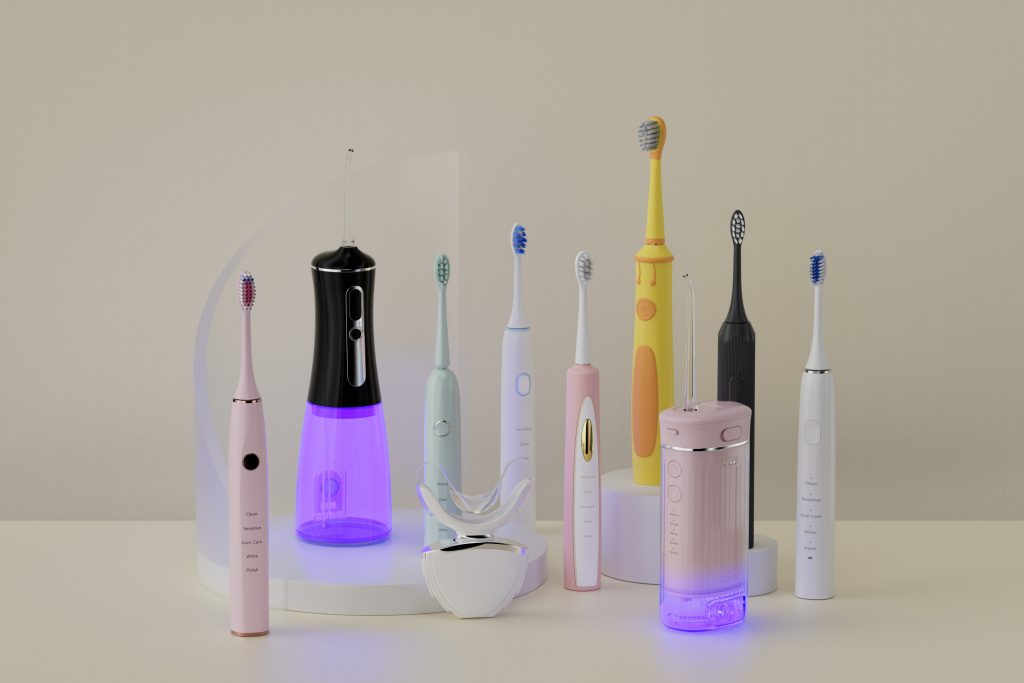
Water flossers, also known as oral irrigators, are gaining popularity as an essential tool for oral hygiene. To ensure they perform effectively and safely, manufacturers must implement a rigorous water flosser manufacturing process that includes stringent water flosser quality control and a comprehensive oral irrigator inspection process. In this blog, as a professional water flosser manufacturer, Powsmart will explore the key steps involved in ensuring the quality of water flossers and how these processes contribute to product reliability and customer satisfaction. Water Flosser Manufacturing: From Design to Production The water flosser manufacturing process begins with design and development, followed by the sourcing of high-quality materials. The production of a water flosser typically involves multiple stages, including molding, assembly, and component integration. At each stage, We ensure that the design specifications and quality standards are strictly adhered to. For example, the motor's performance, water pressure consistency, and battery efficiency must meet industry standards. Water Flosser Quality Control: Ensuring Durability and Safety Effective water flosser quality control is essential to guarantee the product’s durability and safety for consumers. We performed quality control checks at various stages of production, from the testing of individual components to the final product inspection. Common tests include: Performance testing: Ensuring that the water flosser…
In recent years, the boundary between beauty and personal health has become increasingly blurred. Beauty equipment brand known for facial cleansing tools, anti-aging devices, and skin rejuvenation systems are beginning to explore new territories — particularly the high-growth field of oral care expansion. With rising awareness of aesthetic dentistry and smile appearance, dental beauty trends are evolving rapidly. But is it a logical next step for beauty brands? Let’s explore. Market Potential: Oral Care as a Natural Next Step The market potential for oral care is significant. According to recent industry data, the global oral care market is going to surpass $50 billion by 2030, driven by increasing demand for aesthetic and health-conscious solutions. Consumers are no longer satisfied with basic dental hygiene; they now seek whitening, plaque removal, gum massage, and even oral beauty devices that align with their overall self-care routines. This growing demand opens a strategic path for beauty equipment brands to leverage their expertise and move into the adjacent oral care space. Trends Driving Demand: Where Beauty Meets Dental Health The convergence of beauty and dental care is evident in several key dental beauty trends: At-home teeth whitening devices are now considered part of a beauty regimen, not just a dental…
The global demand for at-home teeth whitening solutions continues to rise, with consumers seeking fast, safe, and effective results. In this competitive landscape, red and blue light teeth whitening devices have emerged as innovative products that combine functionality with aesthetic appeal. However, with increased saturation, manufacturers must look beyond traditional product offerings to stay ahead. In this blog, we explore how businesses can identify opportunities for a teeth whitening device breakthrough in differentiated technology, grounded in strategic competitive product analysis and emerging user demands. Competitive Product Analysis: Understanding the Current Landscape To stand out, manufacturers must begin with a thorough competitive product analysis. This includes assessing: Core technology: Most current products rely solely on blue LED light to accelerate peroxide-based whitening gels. User experience: Many devices lack ergonomic designs or smart control features. Differentiation levels: Most offerings on the market have minimal variation in light wavelength, power settings, or treatment customization. This analysis reveals the gap in value-added features, presenting an opportunity for product teams to innovate in both form and function. The Role of Red and Blue Light: A Dual-Wavelength Approach Unlike standard blue light-only solutions, red and blue light teeth whitening devices introduce a new dimension of performance: Blue light (around 480nm):…
As the demand for at-home cosmetic dental solutions grows, red and blue light teeth whitening devices are increasingly gaining traction in both developed and emerging markets. For startup brands and new entrants, navigating small batch production and OEM sourcing can be complex. This article outlines key strategies for purchasing in small quantities while identifying a reliable Low MOQ OEM factory for your brand’s trial production. Why Small Batch Production Makes Strategic Sense Small batch production is no longer just a tactic for boutique businesses — it has become a practical approach for emerging oral care brands aiming to minimize risk and validate market response. By opting for small batch orders, businesses can: Test customer preferences without large upfront investment Adjust product formulations or packaging based on feedback Save warehousing and inventory costs Easily adapt to rapid trend shifts in the teeth whitening market Partnering with a teeth whitening device manufacturer that supports small batch production enables a brand to maintain agility while exploring innovative technologies like red and blue light dual-function therapy. How to Evaluate a Low MOQ OEM Factory for Whitening Devices Finding a qualified Low MOQ OEM factory is critical for success. When sourcing an OEM partner for…
As global demand for oral beauty products surges, the whitening device markets in different regions have evolved uniquely. For any teeth whitening device manufacturer seeking to expand, understanding the nuanced consumer behaviors and certification requirements across regions is critical. In this post, we analyze how preferences differ between the European and American markets and the Asian market, helping businesses align their offerings with market demands and regional regulations. Market Demand Preferences Consumer motivations and usage habits vary dramatically between Western and Asian regions: European and American markets place a strong emphasis on high-efficacy, fast-result products. Whitening devices with high-concentration peroxide gels or LED-accelerated whitening kits dominate due to a consumer preference for visible results within days. The Asian market preference leans more toward mild, gradual-effect products. Consumers in countries like Japan, South Korea, and China tend to value gentle formulations, often free from harsh chemicals, emphasizing safety and daily usability. Western consumers frequently use at-home teeth whitening kits as part of cosmetic routines, often driven by lifestyle factors and media influence. In contrast, in many Asian countries, whitening is perceived as part of general hygiene and skin-brightening culture, with lower tolerance for potential side effects like sensitivity. Understanding these preferences…
The demand for cosmetic dental products is rapidly growing as consumers seek brighter smiles and professional-grade cleaning at home. For brands, offering whitening toothbrushes is no longer optional—it’s essential for market competitiveness. Partnering with a Custom Whitening Toothbrush OEM allows companies to leverage cutting-edge whitening technology OEM solutions while meeting diverse consumer needs. Why Whitening Toothbrushes Are a Market Opportunity Whitening toothbrushes bridge the gap between traditional oral hygiene and cosmetic dentistry. Consumers are looking for tools that not only clean but also visibly whiten their teeth. Brands that invest in customizable technology for superior stain removal can differentiate themselves and capture a larger share of the premium oral care market. Advanced Stain Removal Technology: Key Features At the core of a whitening toothbrush lies Advanced Stain Removal Technology, designed to tackle discoloration caused by coffee, tea, wine, and smoking. Leading OEM partners can integrate: High-frequency vibration or sonic cleaning modes for deep stain removal. Polishing bristle patterns to gently buff away surface discoloration. Integrated whitening modes that optimize brushing cycles for cosmetic results. This ensures not only effective cleaning but also visible whitening benefits that consumers demand. The Benefits of Working with a Whitening Technology OEM Collaborating with a whitening technology OEM provides brand owners with several…
Water spray scattering causing whitening rebound might seem like an unrelated phenomenon, yet for oral care manufacturers, it can reveal a critical design flaw. Modern whitening devices often integrate water spray mechanisms for debris removal and surface hydration, but uncontrolled spray patterns can compromise whitening performance and long-term results. Understanding Water Spray Scattering in Whitening Devices In whitening systems using water sprays or misting functions, water spray scattering refers to the uncontrolled dispersion of water streams outside intended target zones: Poor nozzle geometry or inconsistent pump pressure often leads to wide, unfocused spray patterns. Scattered sprays fail to adequately hydrate target surfaces or flush away whitening residues. Resulting micro-debris retention can reduce the effectiveness of the whitening agent. Recognizing this issue is key for manufacturers seeking efficient, controlled delivery in their devices. The Link Between Scattering and Whitening Rebound Whitening rebound—the gradual return of teeth to a darker shade after initial whitening—can be exacerbated by inefficient residue management: Scattered water fails to rinse oxidized proteins and residual whitening gel effectively. Residue buildup encourages extrinsic stains and plaque accumulation. Rebound occurs more rapidly due to surface contamination and inadequate maintenance of optical clarity. Hence, scattered sprays, while seemingly minor, directly compromise…
LED teeth whitening kit has become a go-to choice for many. However, to achieve optimal results safely, users need to be aware of several precautions for teeth whitening. In this blog, we’ll explore essential safety tips and best practices for the usage of LED teeth whitener kits, ensuring users can enjoy whiter teeth without risk. Follow Manufacturer’s Instructions Closely Every LED teeth whitening kit is unique, with specific instructions on gel application, LED light usage, and treatment duration. It’s essential to follow these instructions to avoid overuse, which can lead to tooth sensitivity or gum irritation. Studies indicate that deviating from recommended usage guidelines increases the likelihood of adverse effects. By adhering strictly to instructions, users can ensure safe and effective results. Avoid Overusing the Whitening Kit One of the most critical precautions for teeth whitening is not overusing the product. While it might be tempting to use the kit more frequently for quicker results, overuse can damage enamel and make teeth sensitive. Experts recommend using an LED whitening kit only as directed, usually 2-3 times per week, depending on the product. This approach minimizes risks while still providing effective whitening over time. Protect Gums and Avoid Ingesting Whitening Gel Another essential consideration for…
The global market for Brighter Smile continues to grow as consumers prioritize appearance, confidence, and self-care. For oral care product brands, this presents a strong opportunity to expand into the fast-growing segment of teeth whitening treatments. However, with so many products and techniques available, it’s important to identify what truly delivers results. In this article, we break down the most popular teeth whitening methods, highlight what’s effective, and guide brands on how to connect with a reliable household teeth whitening manufacturer. Professional Whitening vs. At-Home Solutions Teeth whitening methods fall into two main categories: a. In-Clinic Professional Treatments Performed by dentists, these involve high-concentration hydrogen peroxide gels, often combined with LED light acceleration. Pros: Fast, dramatic results Cons: Expensive, can cause sensitivity, not ideal for all customers At-Home Whitening Kits A rapidly growing segment, these include whitening strips, LED kits, gels, and whitening toothpastes. Pros: Affordable, convenient, suitable for mass markets Cons: Results vary depending on formulation and usage consistency For brands, the at-home market offers scalability and product flexibility — especially when partnered with an experienced household teeth whitening manufacturer. What Actually Works? Ingredients and Formulas That Deliver Effective teeth whitening depends heavily on ingredients. Here’s what the science and market trends…
Every January, consumers set ambitious resolutions to improve their health and well-being. This annual shift in demand creates unique opportunities for oral care brands to align their product strategies with wellness trends. Among the diverse New Year health products, oral care stands out as an expanding and reliable segment. Choosing the right Product Category for New Year launches can help brands capture attention, build loyalty, and expand their portfolios effectively. Why OEM Electric Toothbrushes Fit New Year Health Goals OEM Electric Toothbrushes represent one of the most promising categories for brands looking to leverage New Year health campaigns. Reasons include: Health-focused positioning: Electric toothbrushes align with consumer priorities around preventive care and self-improvement. Daily use product: Unlike short-term health gadgets, toothbrushes are part of an ongoing routine, ensuring long-term product adoption. Market trust: Consumers increasingly trust professional-grade oral care devices as part of their wellness goals. Product Comparison and Expanding Categories OEM When evaluating expanding categories OEM, brands often consider fitness devices, nutrition products, and personal care. However, oral care—specifically electric toothbrushes—offers a unique combination of: Strong replacement cycle (brush heads and accessories) Scalable customization options (design, speed, brushing modes) Affordable entry costs compared to other tech-heavy wellness devices This makes OEM Electric Toothbrushes an ideal…
The children's oral care market is growing rapidly, fueled by increasing parental awareness, pediatric dental recommendations, and evolving consumer preferences. For oral care brands, developing or sourcing children’s oral care products requires a delicate balance between safety, effectiveness, and child appeal. This article provides a structured guide for brands and procurement teams on what to prioritize—whether you're developing in-house or seeking a reliable manufacturing partner. Safety First: Materials and Formulation Children have more sensitive systems than adults, so the first priority is safety. Brands must ensure that all components in the product are 100% safe for young users. A safe kids toothbrush should be made of BPA-free, food-grade plastic and feature soft bristles that won’t harm developing gums or enamel. For toothpaste, opt for non-toxic toothpaste for children, free from fluoride (for younger age groups), SLS, artificial colors, and parabens. Always work with manufacturers that can provide full safety certifications and material compliance documentation. Regulatory Compliance and ADA Approval Manufacturers should be familiar with global and regional safety standards. When choosing suppliers, prioritize those experienced in producing ADA-approved children's dental care products. In the U.S., the American Dental Association (ADA) seal is a trusted symbol that confirms safety and efficacy. In Europe or…
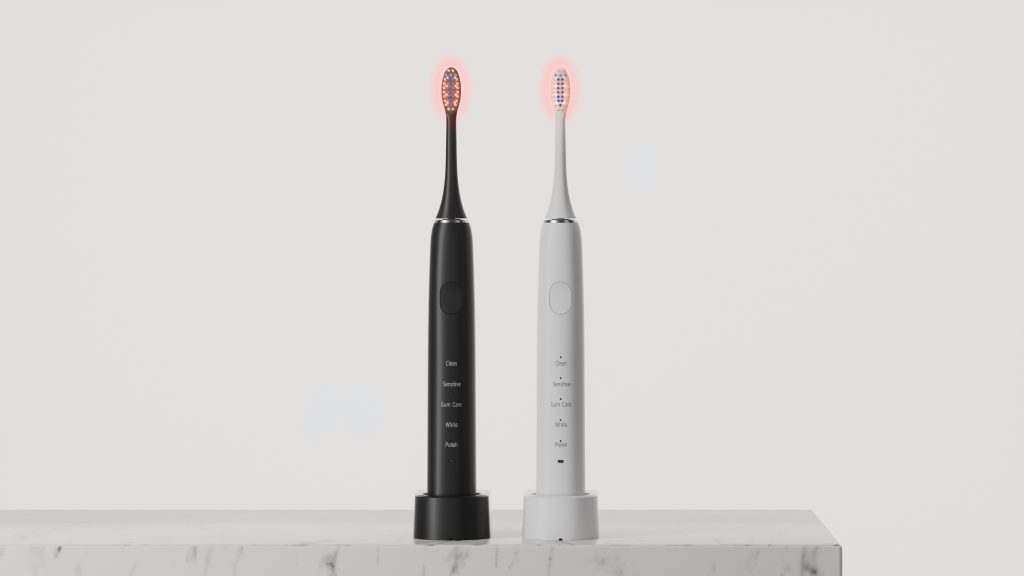
China Adult Electric Toothbrush Factory – Powsmart 1. Introduction Powsmart is a leading China adult electric toothbrush factory, specializing in the design, manufacturing, and export of high-quality electric toothbrushes for global markets. With advanced production technology, strict quality control, and competitive pricing, we provide OEM/ODM services to brands worldwide. 2. Product Overview Our factory produces a wide range of adult electric toothbrushes, including: Sonic electric toothbrushes (30,000-40,000 vibrations per minute) Rotating electric toothbrushes (3D oscillation technology) Smart toothbrushes (Bluetooth connectivity & app integration) Travel-friendly models (USB charging & compact designs) Key Features: ✔ Multiple brushing modes (Clean, Whitening, Sensitive, Gum Care) ✔ Long battery life (up to 30 days on a single charge) ✔ IPX7 waterproof rating ✔ Replaceable brush heads & eco-friendly materials 3. Why Choose Powsmart? ✅ Professional OEM/ODM Services – Custom designs, logos, and packaging ✅ High-Quality Materials – FDA, CE, RoHS certified ✅ Competitive Pricing – Direct factory prices with no middlemen ✅ Fast Production & Delivery – MOQ as low as 500 pieces, 15-25 days lead time ✅ Strict Quality Control – 100% testing before shipment 4. Manufacturing Capabilities In-house R&D team for innovative designs Automated production lines for efficiency Compliance with international standards (ISO 13485, FDA, CE) Custom packaging options (retail boxes, eco-friendly materials) 5. Target Markets We supply adult electric toothbrushes to: Wholesalers & Distributors E-commerce Sellers…
India has a long history of Ayurvedic traditions, where oral care was often managed with neem sticks, herbal powders, and clove oil. In today’s world, people want solutions that blend heritage with modern innovation. That is why the ayurvedic electric toothbrush has become a unique product for families seeking natural care with advanced technology. Why Choose an Ayurvedic Electric Toothbrush Many Indians trust Ayurveda because it focuses on holistic wellness. However, modern lifestyles demand convenience and efficiency. Therefore, combining herbal elements with electric toothbrush technology ensures complete care. According to the Indian Dental Association, electric brushes improve gum health, while Ayurvedic ingredients enhance antibacterial protection. Key Features Neem or Herbal-Coated Brush Heads: Naturally antibacterial. Electric Sonic Cleaning: Removes plaque more effectively than manual brushes. Gentle Vibration Settings: Protects sensitive gums. Eco-Friendly Design: Sustainable materials complement Ayurveda’s natural principles. Powsmart.com offers toothbrushes that can integrate with Ayurvedic-inspired heads, making them ideal for Indian families. Who Benefits the Most? Families: Safe for children and adults alike. Health-Conscious Professionals: Appreciate modern tools with traditional roots. Elderly Users: Gentle yet effective brushing that aligns with natural care. Tradition Meets Innovation The ayurvedic electric toothbrush reflects India’s ability to merge tradition with modern science. Moreover,…
The global dental care market is expanding rapidly, driven by rising health awareness, digital innovation, and changing consumer habits. As more entrepreneurs and investors enter the space, launching a successful dental care brand is no longer just about sleek packaging or online presence — it requires deep industry knowledge, solid partnerships, and strategic execution. In this blog, we explore key elements behind oral care business success, including dental industry trends, smart branding in dentistry, and identifying the essential dental care brand business strategies that set leading brands apart. Understanding the Landscape: Dental Industry Trends You Can’t Ignore Before building a dental care brand, it’s critical to understand current and emerging dental industry trends: Natural & sustainable products: Consumers increasingly prefer eco-friendly toothbrushes, fluoride-free toothpaste, and refillable oral care devices. Smart technology: The rise of smart electric toothbrushes, app-connected flossers, and personalized data analytics. Subscription and DTC models: Successful brands are cutting out retail and going direct-to-consumer with convenience-focused oral care kits. Aesthetic-focused care: Whitening, breath-freshening, and cosmetic dental accessories are gaining popularity beyond traditional hygiene products. Monitoring these trends gives new brands a competitive edge when planning product development and marketing strategies. Essential Business Strategies for Building a Dental Care Brand Every…
In recent years, the kids oral care market has experienced a surge in demand, driven by rising parental awareness, global oral health campaigns, and growing disposable incomes. Meanwhile, Family Dental & Orthodontic Products are seeing increased adoption, not only among children but also among teens and adults seeking at-home care solutions. For oral care brands, this presents a compelling opportunity to diversify product lines and partner with specialized manufacturers. The Rise of Children’s Dental Products The need for tailored children’s dental products is more important than ever. Young users require safe, effective, and appealing solutions that encourage regular oral hygiene habits. Key product categories with high demand include: Electric toothbrushes designed for small mouths and gentle gums Fluoride-free toothpaste with child-safe flavors Fun, themed oral care sets that engage children through design Partnering with manufacturers who understand regulatory requirements (e.g., BPA-free, FDA-compliant materials) is essential to successfully tapping into this niche. For brands, this segment represents some of the most dynamic pediatric dental business opportunities. Addressing Family Orthodontic Solutions Modern families are increasingly seeking convenience and affordability in dental care. As such, Family Dental & Orthodontic Products — such as clear aligners, night guards, retainers, and orthodontic toothbrushes — are becoming household essentials. Brands…
When designing child-specific oral-care and whitening devices, selecting the right cold light wavelength is crucial—not only to match the sensitivity of young gums and enamel but also to integrate safely with brush head sterilization procedures. Only with both light-source safety and device disinfection can parents and clinicians confidently allow children to use these products. company web:https://www.powsmart.com/product/electric-toothbrush/ Pediatric Oral Tissue Light Tolerance Children’s oral tissues are thinner and more delicate than adults’: Wavelength Selection: The 400–420 nm range (near-UVC edge) effectively activates whitening agents while filtering out shorter UV wavelengths that could burn soft tissue. Intensity Limits: Maintain irradiance at ≤ 20 mW/cm² to avoid over-sensitivity during the transition from primary to permanent teeth. Exposure Duration: Limit sessions to under five minutes, with built-in rest periods allowing gum and mucosa recovery. Cellular Safety Across Wavelengths Different wavelengths affect cells and microbes in distinct ways: Photochemical Activation: The 430–450 nm band optimally excites peroxide breakdown, generating radicals that remove stains with minimal soft-tissue impact. Thermal Control: Filter out wavelengths above 450 nm that carry excess heat, and use onboard temperature sensors to monitor oral-surface temperatures in real time. Safety Standards: Adhere to ANSI Z136.1 thresholds to ensure irradiance stays below mucosal and…
In modern oral-care devices, achieving reliable crown compatibility goes hand in hand with advanced pressure sensors tech. When crowns of varying materials—zirconia, porcelain-fused-to-metal, or composite—meet a pressure‐sensitive brush or irrigator, the system must adapt force feedback to protect both restoration integrity and surrounding tissues. Below, we explore six key facets of designing devices that deliver safe, effective care across any prosthetic surface. Understanding Crown Material Variability First, crowns differ widely in hardness, surface texture, and thermal expansion: Zirconia Crowns are extremely hard (Mohs ~8), requiring gentler brushing pressures to avoid micro-abrasions in adjacent enamel. PFM (Porcelain-Fused-to-Metal) combines a tough metal substructure with a slightly softer porcelain layer, demanding adaptive pressure thresholds. Composite or Resin Crowns present more compliant surfaces but risk early wear under excess force. Recognizing these differences is the foundation for any device claiming robust crown compatibility. Role of Pressure Sensors Tech in Gentle Restoration Care Moreover, pressure sensors tech provides real-time feedback on applied force, enabling: Dynamic Force Limiting: Devices can automatically throttle motor torque or water jet pressure when brushing near a crown margin. User Alerts: Haptic or visual warnings guide users to lighten their grip or reduce tip intensity, preventing overloading of delicate prosthetic interfaces.…
Technology has changed how people monitor health. From fitness watches to connected toothbrushes, smart home health devices now allow families to take charge of their wellness at home. Why Smart Home Health Devices Matter Modern families want convenience, accuracy, and prevention. Therefore, devices such as smart toothbrushes, blood pressure monitors, and sleep trackers have become essential. According to the World Health Organization, preventive healthcare is more effective than late treatment, and smart devices make prevention accessible. Examples of Popular Devices App-Connected Toothbrushes: Track brushing habits. Smart Scales: Monitor body fat and weight trends. Sleep Trackers: Improve rest quality for professionals. Air Purifiers with Sensors: Enhance wellness in polluted cities. Powsmart.com highlights smart toothbrushes as part of this ecosystem, helping families integrate dental care with overall health monitoring. Who Uses Them? Executives: Who need health management without leaving home. Parents: Monitoring children’s routines more effectively. Elderly: Simplified devices for daily health tracking. Blending Health and Lifestyle Smart devices are also lifestyle symbols. Moreover, they make excellent gifts during occasions like Diwali or housewarming events, reflecting both innovation and care. Final Thoughts The rise of smart home health devices proves that technology is not just about convenience but also about preventive care.…
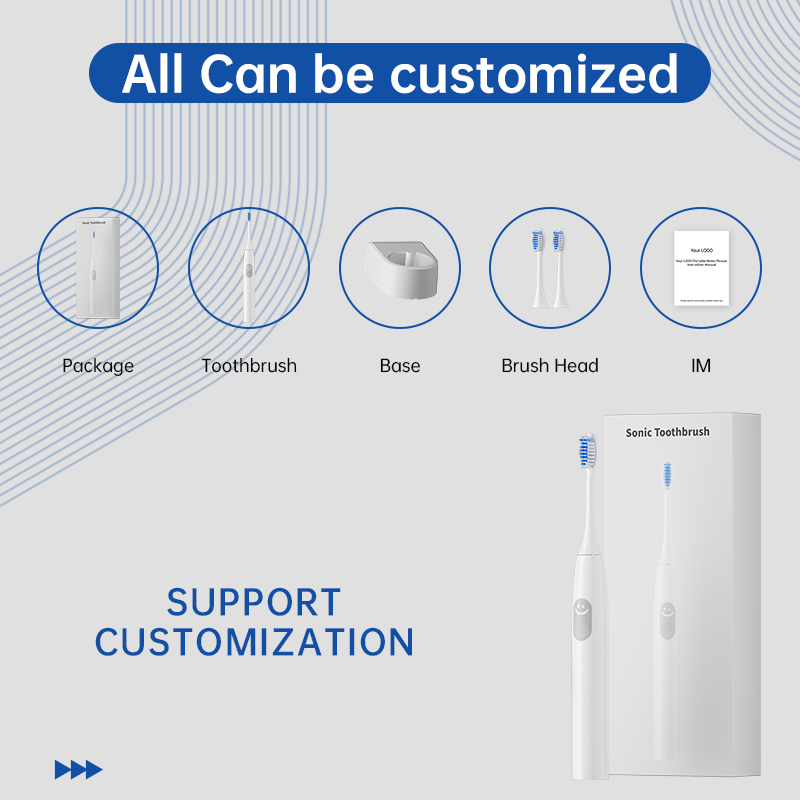
Customization options are increasingly essential for brand differentiation and customer satisfaction. A custom teeth whitening kit allows brands to create unique offerings that meet specific customer needs, from packaging design to ingredient choices. For oral care brands who want to enter into this industry, working closely with a reliable teeth whitening supplier and teeth whitener factory can ensure high-quality, customizable solutions that resonate with today’s discerning consumers. Packaging and Branding Options One of the primary elements of a custom teeth whitening kit is the ability to tailor packaging and branding. Many teeth whitening suppliers offer flexible options for packaging colors, logos, and even shapes. This help brands create an impactful, branded unboxing experience. Studies show that visually appealing packaging can increase perceived product value by up to 30%. This means that packaging a vital consideration for brands seeking competitive differentiation in the market. Powsmart offers packaging customization service. If you don’t have your own designer, we can also help you produce the packaging. Customizable Gel Formulas and Ingredients Customization extends beyond appearance to the composition of the teeth whitening gel itself. As a quality teeth whitener factory, Powsmart can provide options for custom formulations. Allowing brands to select specific active ingredients like hydrogen peroxide, carbamide peroxide, or even…
One of the most promising innovations today is the integration of red and blue light-activated technology with an optimized whitening gel formulas. Through close collaboration between a teeth whitening device manufacturer and gel chemists, it is now possible to triple the whitening efficiency compared to traditional at-home kits. In this article, we’ll uncover the science and strategy behind this collaboration—and how it can reshape product offerings for global oral care brands. Dual-Light Synergy: Red + Blue Light Technology While blue light has long been used in teeth whitening devices to accelerate peroxide-based reactions, red light is gaining attention for its unique benefits. Red light penetrates deeper into enamel and supports gum health by stimulating circulation. When combined, the dual-light system doesn’t just enhance the whitening process—it also improves overall oral comfort. Teeth whitening device manufacturers have developed light modules that emit precise wavelengths (typically around 405nm for blue and 630nm for red) to trigger the gel’s active ingredients more efficiently. This light-activated technology ensures better stain breakdown, reaching both surface and intrinsic discoloration. Optimized Whitening Gel Formula for Light Activation The breakthrough doesn’t stop at the device. Success hinges equally on the whitening gel formula. In co-development projects, R&D teams…