Choosing a thoughtful gift in Bangalore’s tech culture can be challenging. The gift for software engineer electric toothbrush Bangalore trend combines innovation, practicality, and style. Why Electric Toothbrushes Make Perfect Gifts For software engineers, daily routines are often overlooked due to busy schedules. A smart toothbrush brings efficiency while showing personal care. Unlike gadgets that collect dust, oral care tools are used daily, making them meaningful presents. Key Features for Gift Selection App integration for data-driven brushing insights Ergonomic design for comfort during long use Stylish packaging suitable for corporate or personal gifting Durable battery life for frequent travelers Ayurvedic-inspired brush head options for Indian users Software Engineers’ Feedback in Bangalore Recipients in Whitefield and Electronic City highlight that gifts merging health and technology feel personalized. During product reviews, engineers mention improved brushing consistency and reduced dental visits. Internal & External References Browse options at Powsmart.com. The Indian Dental Association emphasizes that gifting dental tools reflects concern for loved ones’ health. Cultural Angle in Bangalore During festivals like Diwali, corporate teams often exchange health-related gifts. In Bangalore’s tech hubs, the electric toothbrush is seen as both modern and considerate. Final Thoughts The gift for software engineer electric toothbrush Bangalore reflects…
Koramangala, one of Bangalore’s most dynamic IT districts, is home to countless startups and software engineers. For them, health solutions must be efficient and data-driven. The smart electric toothbrush for tech professionals Koramangala is designed to meet these needs. Why Tech Professionals Need Smart Toothbrushes With demanding schedules, IT workers need reliable tools. A smart toothbrush saves time, ensures complete cleaning, and integrates with apps for progress tracking. Professionals who value efficiency recognize that oral health supports confidence in meetings and daily performance. Features That Appeal to Koramangala’s Tech Culture Bluetooth connectivity with oral care apps Multiple cleaning modes tailored to individual needs USB-C fast charging compatible with laptops and portable chargers Quiet motor design suitable for shared apartments AI reminders integrated with smartphones These elements reflect Koramangala’s emphasis on connectivity and innovation. User Reviews from Bangalore IT Workers Engineers at coworking spaces report improved gum health within weeks. Many like sharing brushing stats with friends as part of Bangalore’s competitive wellness culture. During long coding nights, reminders from the toothbrush app keep routines consistent. Internal and External Sources Powsmart.com offers toothbrushes specifically designed for professionals with busy routines. For oral care guidelines, the ADA provides evidence-based recommendations. Cultural Context…
In Bangalore, India’s tech hub, professionals are always seeking the latest innovations that improve their lifestyle. Among these, the Advanced AI electric toothbrush with app review Bangalore has become a trending topic. Young IT professionals in Koramangala and Whitefield, who spend long hours coding or working in startups, need efficient tools to save time without compromising on health. Why Bangalore Professionals Choose AI Toothbrushes The demand for smart gadgets is part of Bangalore’s culture. Just as apps help monitor fitness or sleep, a connected toothbrush provides data-driven insights into oral care. According to the American Dental Association, brushing for two minutes twice a day is critical. AI-enabled toothbrushes remind users of areas they missed and guide them in real-time. Key Features of AI Electric Toothbrushes Real-time app feedback with brushing maps AI-powered pressure sensors to protect gums Custom brushing modes for sensitive teeth, whitening, or daily cleaning Bluetooth connectivity for tracking brushing history Rechargeable batteries lasting up to 30 days These features make it more than just a toothbrush—it becomes a personal oral coach. App Review and User Experience in Bangalore Users in Bangalore appreciate how the app interface is sleek, intuitive, and available in English and Hindi. Software engineers…
Water spray scattering causing whitening rebound might seem like an unrelated phenomenon, yet for oral care manufacturers, it can reveal a critical design flaw. Modern whitening devices often integrate water spray mechanisms for debris removal and surface hydration, but uncontrolled spray patterns can compromise whitening performance and long-term results. Understanding Water Spray Scattering in Whitening Devices In whitening systems using water sprays or misting functions, water spray scattering refers to the uncontrolled dispersion of water streams outside intended target zones: Poor nozzle geometry or inconsistent pump pressure often leads to wide, unfocused spray patterns. Scattered sprays fail to adequately hydrate target surfaces or flush away whitening residues. Resulting micro-debris retention can reduce the effectiveness of the whitening agent. Recognizing this issue is key for manufacturers seeking efficient, controlled delivery in their devices. The Link Between Scattering and Whitening Rebound Whitening rebound—the gradual return of teeth to a darker shade after initial whitening—can be exacerbated by inefficient residue management: Scattered water fails to rinse oxidized proteins and residual whitening gel effectively. Residue buildup encourages extrinsic stains and plaque accumulation. Rebound occurs more rapidly due to surface contamination and inadequate maintenance of optical clarity. Hence, scattered sprays, while seemingly minor, directly compromise…
The oral care market in Southeast Asia is experiencing rapid growth, fueled by economic development, increased health awareness, and rising consumer spending. As one of the most dynamic emerging markets for oral care, Southeast Asia presents compelling opportunities for global brands looking to expand their footprint or establish regional manufacturing operations. This blog explores the trends, demand shifts, and manufacturing opportunities in Asia that oral care product companies should pay attention to. Rising Demand for Oral Hygiene Products Across ASEAN nations, awareness of dental health is climbing steadily due to educational campaigns, urbanization, and improving access to healthcare. Countries like Indonesia, Vietnam, Thailand, and the Philippines are seeing significant growth in the consumption of oral hygiene products, such as electric toothbrushes, toothpaste, floss, and mouthwash. Key drivers include: A growing middle class with disposable income Increased consumer preference for premium personal care products Government-backed oral health programs in schools and rural areas This shift in behavior signals a long-term growth trajectory for the oral care market in Southeast Asia. Key Southeast Asia Dental Trends Brands Should Know To succeed in this region, it's crucial to understand the evolving Southeast Asia dental trends. Some notable patterns include: Natural & Herbal Ingredients: Consumers…
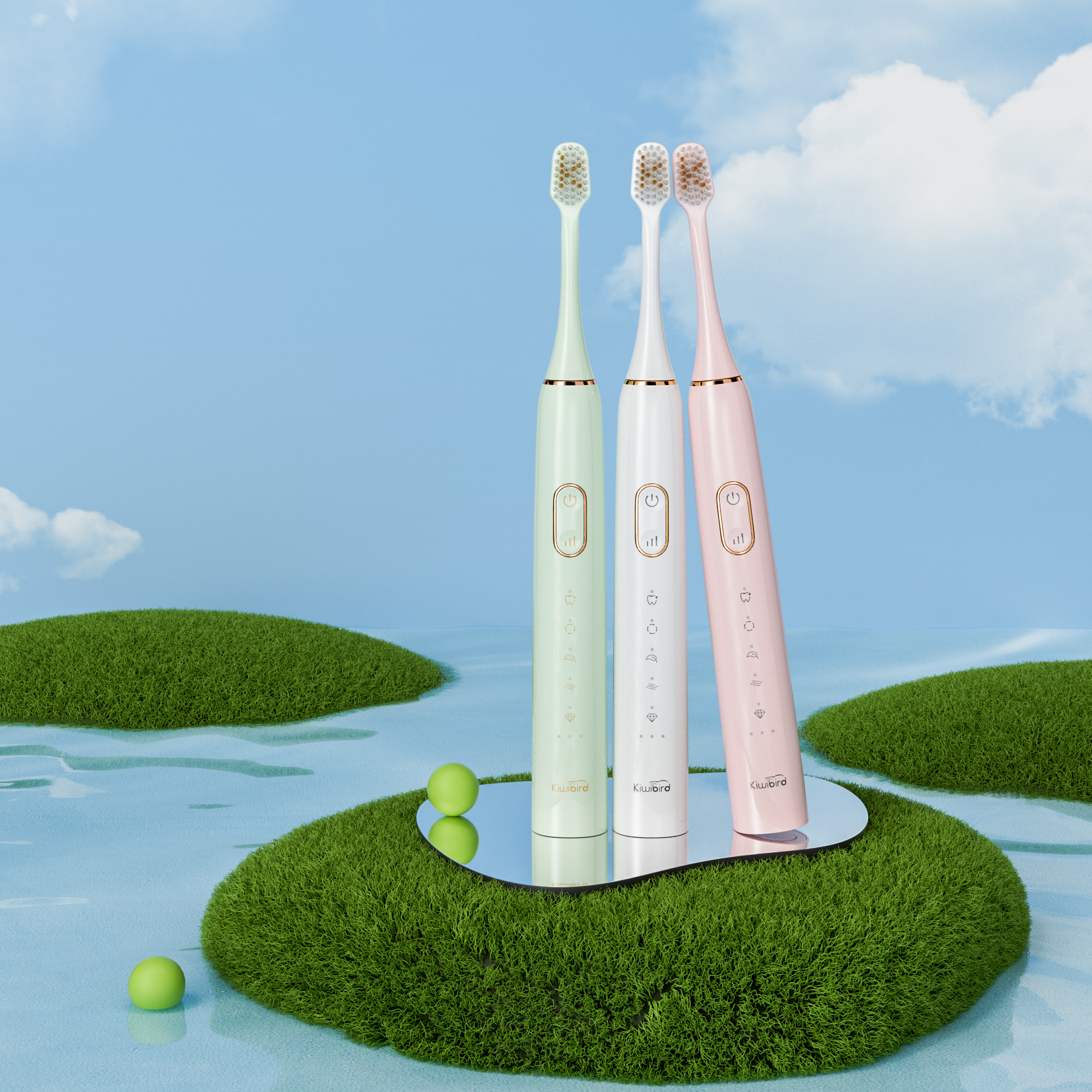
KiwiBird Launches Bulk Personalized Toothbrush Customization Service, Redefining Oral Care [China, 07/21/2025] — KiwiBird, an innovative oral care brand, today announced the launch of its bulk personalized toothbrush customization service, offering businesses, hotels, medical institutions, and the gifting market high-quality, tailor-made toothbrush solutions to meet diverse oral health needs. Custom Designs for a Unique Oral Care Experience KiwiBird’s bulk customization service allows clients to personalize bristle firmness, handle colors, logo printing, and packaging design, and even engrave names or messages, transforming each toothbrush into a one-of-a-kind health gift or branding tool. Whether for corporate gifts, membership perks, or hotel amenities, KiwiBird combines eco-friendly materials with ergonomic designs to convey brand warmth. Professional Quality, Health Guaranteed Upholding its "technology + wellness" philosophy, KiwiBird’s customized toothbrushes feature food-grade silicone handles and DuPont antibacterial bristles, balancing comfort and cleaning efficiency. All products are ISO-certified for safety. Bulk orders can also include value-added options like antibacterial packaging and travel cases for an enhanced user experience. KiwiBird Spokesperson Commented: “Our goal is to make professional and creative oral care accessible through personalized bulk orders. Whether for corporate partners or individual users, a KiwiBird toothbrush is more than just a tool—it’s a statement of health and care.”
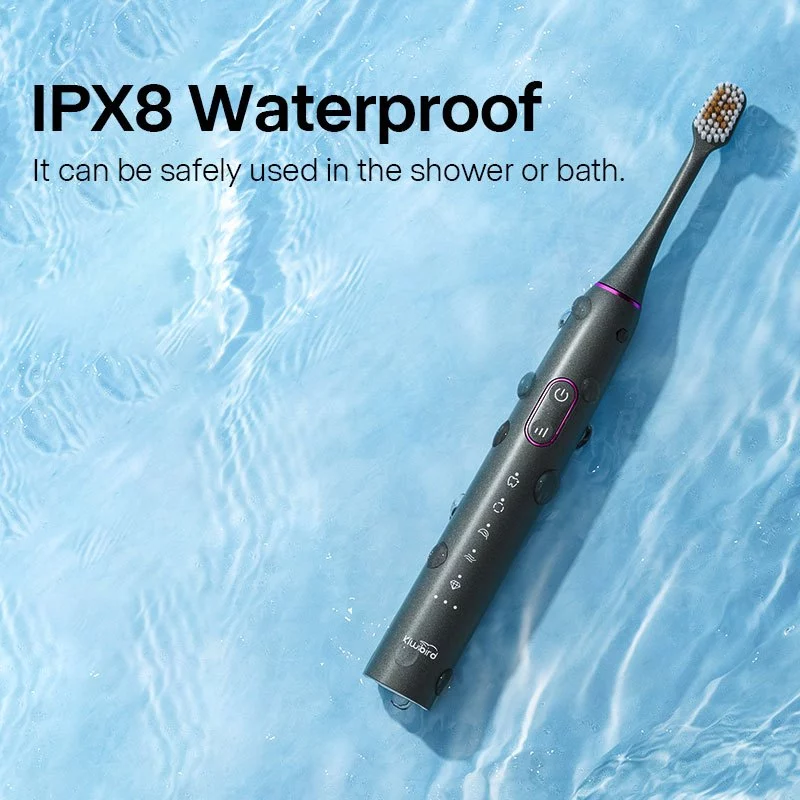
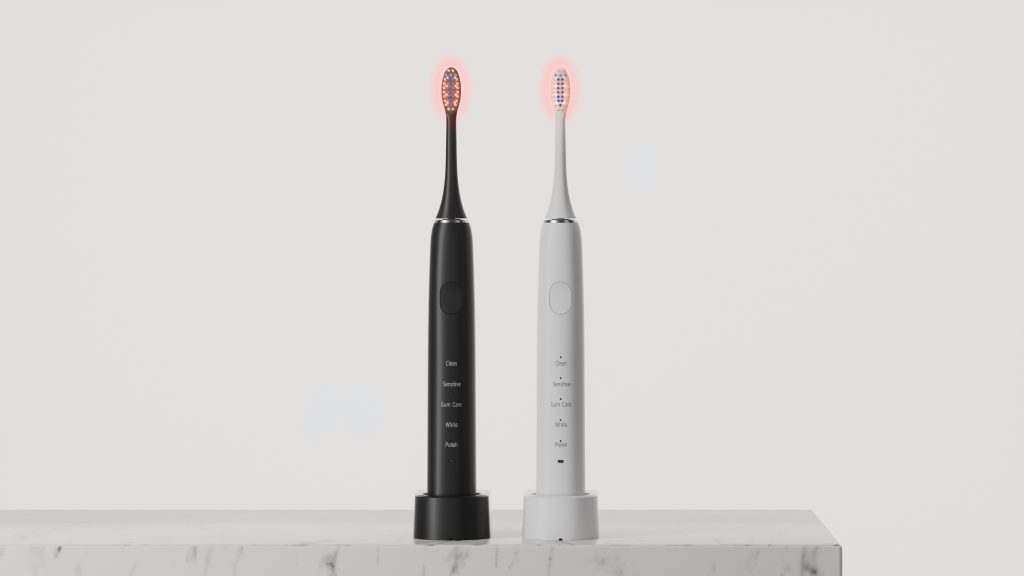
China Adult Electric Toothbrush Factory – Powsmart 1. Introduction Powsmart is a leading China adult electric toothbrush factory, specializing in the design, manufacturing, and export of high-quality electric toothbrushes for global markets. With advanced production technology, strict quality control, and competitive pricing, we provide OEM/ODM services to brands worldwide. 2. Product Overview Our factory produces a wide range of adult electric toothbrushes, including: Sonic electric toothbrushes (30,000-40,000 vibrations per minute) Rotating electric toothbrushes (3D oscillation technology) Smart toothbrushes (Bluetooth connectivity & app integration) Travel-friendly models (USB charging & compact designs) Key Features: ✔ Multiple brushing modes (Clean, Whitening, Sensitive, Gum Care) ✔ Long battery life (up to 30 days on a single charge) ✔ IPX7 waterproof rating ✔ Replaceable brush heads & eco-friendly materials 3. Why Choose Powsmart? ✅ Professional OEM/ODM Services – Custom designs, logos, and packaging ✅ High-Quality Materials – FDA, CE, RoHS certified ✅ Competitive Pricing – Direct factory prices with no middlemen ✅ Fast Production & Delivery – MOQ as low as 500 pieces, 15-25 days lead time ✅ Strict Quality Control – 100% testing before shipment 4. Manufacturing Capabilities In-house R&D team for innovative designs Automated production lines for efficiency Compliance with international standards (ISO 13485, FDA, CE) Custom packaging options (retail boxes, eco-friendly materials) 5. Target Markets We supply adult electric toothbrushes to: Wholesalers & Distributors E-commerce Sellers…
Pulp inflammation occurring alongside periodontal pocket deepening raises urgent concerns for both clinicians and oral care product manufacturers. While periodontal deterioration is often viewed as a long-term risk, the potential for pulp tissue inflammation transforms it into a possible emergency, especially when left undetected. Understanding this interrelationship is vital for manufacturers aiming to deliver truly protective oral care devices. What is Periodontal Pocket Deepening? Periodontal pocket deepening refers to the progressive increase in the space between the tooth and gum, typically caused by plaque buildup, bacterial infection, and poor oral hygiene. As pockets deepen: Food debris and biofilm become harder to remove. Inflammation spreads from gums to underlying periodontal structures. Critical barriers protecting the tooth’s pulp chamber are compromised. For device manufacturers, recognizing how their products affect periodontal health is the first step toward effective prevention. Why Does Pulp Inflammation Follow? With periodontal pocket deepening, bacteria and inflammatory mediators penetrate deeper into supporting tissues, sometimes breaching the apical foramen: This triggers pulp inflammation, leading to sensitivity, discomfort, and potential necrosis. The direct communication between periodontal and pulp tissues means periodontal infection can rapidly evolve into endodontic complications. Once the pulp is compromised, the tooth’s structural and functional integrity is at…
Tooth demineralization and enamel microfractures may seem like minor issues during initial detection, but in the world of oral care technology, they signal a silent yet dangerous crisis. As leading oral care product manufacturers, understanding the interplay between these two conditions is critical to preventing long-term dental damage and protecting end-user health. What Is Tooth Demineralization? Tooth demineralization refers to the loss of essential minerals, such as calcium and phosphate, from the tooth surface, leading to enamel weakening. In daily oral care: Acidic environments (from diet or bacterial plaque) accelerate mineral loss. Poorly optimized toothpaste dispensers or overly abrasive brush heads exacerbate the problem. Insufficient fluoride exposure prevents remineralization cycles. Manufacturers must recognize this as a progressive condition that undermines enamel integrity at a microscopic level. The Hidden Threat of Enamel Microfractures Simultaneously, enamel microfractures develop from mechanical stresses: Hard bristle splaying. Excessive vibration frequencies in sonic toothbrushes. Improper brush head angling due to non-ergonomic handle design. While microscopic, these fractures compromise the enamel’s protective role, providing entry points for acids and bacteria. Company web: https://www.powsmart.com/product/electric-toothbrush/ Are Tooth Demineralization and Enamel Microfractures Linked? Absolutely. Tooth demineralization weakens the enamel structure, making it more susceptible to microfracture formation. Conversely, enamel microfractures…
In modern oral care product design, gingival recession and cervical hypersensitivity are increasingly reported issues. While cervical hypersensitivity typically presents as sharp pain along the gum line, it may also be an early sign of progressive gingival recession. This raises a critical question for oral device manufacturers: is the damage reversible, or are design flaws compounding these conditions? What Is Gingival Recession? Gingival recession refers to the gradual withdrawal of gum tissue from the tooth surface, exposing the roots and increasing the risk of infection. Key contributing factors include: Aggressive brushing techniques. Poor-quality bristles or abrasive brush heads. Excessive mechanical pressure from powered toothbrushes. Inadequate software controls in electric devices leading to over-brushing cycles. Once gingival tissue recedes, full restoration is often difficult without surgical intervention. Understanding Cervical Hypersensitivity Cervical hypersensitivity arises when dentin near the gum line becomes exposed. Consumers report sudden sharp pain triggered by: Temperature changes. Acidic or sweet foods. Mechanical stimulation from oral care devices. Inadequate pressure sensing and overpowered motors can unintentionally aggravate this sensitivity during daily brushing routines. Company web:https://www.powsmart.com/product/electric-toothbrush/ Are Gingival Recession and Cervical Hypersensitivity Linked? Yes. Cervical hypersensitivity can act as an early warning for impending gingival recession. When hypersensitivity pain causes…
In the daily performance of oral care devices, battery depletion and pressure fluctuation are two customer complaints manufacturers cannot ignore. But are these seemingly separate issues connected? For brands committed to product reliability, understanding the link between pressure fluctuation and battery depletion is critical for optimizing energy efficiency and overall user satisfaction. What Causes Battery Depletion in Oral Care Devices? Battery depletion is typically caused by: Inadequate battery capacity selection during design. High energy consumption due to inefficient motor control. Power drain from leakage currents or standby electronics. Repeated deep discharge cycles damaging battery life. When left unaddressed, premature battery exhaustion directly affects product convenience and lifespan. Understanding Pressure Fluctuation in Fluid-Based Devices Pressure fluctuation refers to inconsistent fluid output in devices like water flossers. This issue often arises from: Inaccurate pump control or degraded motor performance. Air leakage or internal blockages in water flow paths. Poor valve design leading to backflow or pulsing instability. These fluctuations not only reduce cleaning efficiency but also place extra load on motor components. Company web:https://www.powsmart.com/product/electric-toothbrush/ How Pressure Instability Accelerates Battery Depletion So, how are pressure fluctuation and battery depletion linked? The answer lies in motor workload: Inconsistent pressure causes the motor to overcompensate.…
The global dental care market is expanding rapidly, driven by rising health awareness, digital innovation, and changing consumer habits. As more entrepreneurs and investors enter the space, launching a successful dental care brand is no longer just about sleek packaging or online presence — it requires deep industry knowledge, solid partnerships, and strategic execution. In this blog, we explore key elements behind oral care business success, including dental industry trends, smart branding in dentistry, and identifying the essential dental care brand business strategies that set leading brands apart. Understanding the Landscape: Dental Industry Trends You Can’t Ignore Before building a dental care brand, it’s critical to understand current and emerging dental industry trends: Natural & sustainable products: Consumers increasingly prefer eco-friendly toothbrushes, fluoride-free toothpaste, and refillable oral care devices. Smart technology: The rise of smart electric toothbrushes, app-connected flossers, and personalized data analytics. Subscription and DTC models: Successful brands are cutting out retail and going direct-to-consumer with convenience-focused oral care kits. Aesthetic-focused care: Whitening, breath-freshening, and cosmetic dental accessories are gaining popularity beyond traditional hygiene products. Monitoring these trends gives new brands a competitive edge when planning product development and marketing strategies. Essential Business Strategies for Building a Dental Care Brand Every…
In recent years, the boundary between beauty and personal health has become increasingly blurred. Beauty equipment brand known for facial cleansing tools, anti-aging devices, and skin rejuvenation systems are beginning to explore new territories — particularly the high-growth field of oral care expansion. With rising awareness of aesthetic dentistry and smile appearance, dental beauty trends are evolving rapidly. But is it a logical next step for beauty brands? Let’s explore. Market Potential: Oral Care as a Natural Next Step The market potential for oral care is significant. According to recent industry data, the global oral care market is going to surpass $50 billion by 2030, driven by increasing demand for aesthetic and health-conscious solutions. Consumers are no longer satisfied with basic dental hygiene; they now seek whitening, plaque removal, gum massage, and even oral beauty devices that align with their overall self-care routines. This growing demand opens a strategic path for beauty equipment brands to leverage their expertise and move into the adjacent oral care space. Trends Driving Demand: Where Beauty Meets Dental Health The convergence of beauty and dental care is evident in several key dental beauty trends: At-home teeth whitening devices are now considered part of a beauty regimen, not just a dental…
The global market for Brighter Smile continues to grow as consumers prioritize appearance, confidence, and self-care. For oral care product brands, this presents a strong opportunity to expand into the fast-growing segment of teeth whitening treatments. However, with so many products and techniques available, it’s important to identify what truly delivers results. In this article, we break down the most popular teeth whitening methods, highlight what’s effective, and guide brands on how to connect with a reliable household teeth whitening manufacturer. Professional Whitening vs. At-Home Solutions Teeth whitening methods fall into two main categories: a. In-Clinic Professional Treatments Performed by dentists, these involve high-concentration hydrogen peroxide gels, often combined with LED light acceleration. Pros: Fast, dramatic results Cons: Expensive, can cause sensitivity, not ideal for all customers At-Home Whitening Kits A rapidly growing segment, these include whitening strips, LED kits, gels, and whitening toothpastes. Pros: Affordable, convenient, suitable for mass markets Cons: Results vary depending on formulation and usage consistency For brands, the at-home market offers scalability and product flexibility — especially when partnered with an experienced household teeth whitening manufacturer. What Actually Works? Ingredients and Formulas That Deliver Effective teeth whitening depends heavily on ingredients. Here’s what the science and market trends…
As consumer awareness of dental sensitivity and gum irritation grows, brands are under pressure to offer products that promote oral hygiene without irritation. Whether customers suffer from sensitive teeth or inflamed gums, the demand for non-irritating dental routines is rising. For oral care product brands, this is not just a consumer trend—it’s a clear innovation direction that requires strategic manufacturing partnerships focused on gentle yet effective design. Understanding the Causes of Oral Irritation Before designing or sourcing products, it’s important to understand the root causes of oral irritation, such as: Overly hard bristles or aggressive brushing Harsh ingredients in toothpaste or mouthwash Incompatible brushing motions for sensitive users Poor water pressure settings in oral irrigators By addressing these causes, manufacturers can help brands deliver solutions tailored to sensitive teeth care and gum health. Gentle Oral Care Tips: Key Design Features to Consider To support gentle oral care tips in your product offerings, work with factories that specialize in the following features: Soft brushing techniques: Electric toothbrushes with ultra-soft bristles and pressure sensors to avoid aggressive brushing Adjustable modes: Devices that allow users to choose between gentle, normal, and deep-cleaning modes Silicone brush heads: For added gentleness on gum tissue Water flosser customization: Oral…
In today’s highly mobile lifestyle, consumers are prioritizing travel dental hygiene more than ever. Whether it's business trips, vacations, or daily commuting, oral care on the go has become an essential part of personal hygiene routines. For oral care product brands, this presents a significant opportunity to expand into the growing portable oral care segment. In this blog, we’ll explore five smart solutions that help travelers maintain fresh breath, clean teeth, and healthy gums — anytime, anywhere. These insights can guide your brand’s next product development strategy or help you identify the right oral care manufacturers for your travel line. Compact, Travel-Friendly Toothbrush: The Essential First Step A travel-friendly toothbrush is the cornerstone of any on-the-go oral hygiene kit. Key features consumers are looking for include: Foldable or cap-covered brush heads USB rechargeable or long battery life Lightweight and minimal design for easy packing From a product development standpoint, offering compact electric toothbrushes with replaceable heads or dual-voltage charging options is a growing trend. Brands looking for OEM solutions should prioritize compact, IPX7-rated designs and manufacturers with experience in ergonomic miniaturization. Mini Water Flosser: Small Size, Deep Clean Bringing a full-sized oral irrigator on a trip is unrealistic. That's where the mini water flosser becomes a…
The children's oral care market is growing rapidly, fueled by increasing parental awareness, pediatric dental recommendations, and evolving consumer preferences. For oral care brands, developing or sourcing children’s oral care products requires a delicate balance between safety, effectiveness, and child appeal. This article provides a structured guide for brands and procurement teams on what to prioritize—whether you're developing in-house or seeking a reliable manufacturing partner. Safety First: Materials and Formulation Children have more sensitive systems than adults, so the first priority is safety. Brands must ensure that all components in the product are 100% safe for young users. A safe kids toothbrush should be made of BPA-free, food-grade plastic and feature soft bristles that won’t harm developing gums or enamel. For toothpaste, opt for non-toxic toothpaste for children, free from fluoride (for younger age groups), SLS, artificial colors, and parabens. Always work with manufacturers that can provide full safety certifications and material compliance documentation. Regulatory Compliance and ADA Approval Manufacturers should be familiar with global and regional safety standards. When choosing suppliers, prioritize those experienced in producing ADA-approved children's dental care products. In the U.S., the American Dental Association (ADA) seal is a trusted symbol that confirms safety and efficacy. In Europe or…
In the production and operation of electric oral care devices, seal degradation and circuit shorting are two common yet often underestimated risks. But what happens when these two issues occur together? Could their combination pose a serious safety risk? Understanding this correlation is essential for manufacturers prioritizing device reliability and user safety. What Causes Seal Degradation in Oral Care Devices? Seal degradation typically results from: Long-term material fatigue due to repetitive mechanical stress. Exposure to harsh cleaning agents or high humidity. Improper installation during assembly. Once degraded, seals can no longer prevent moisture ingress, leaving internal electronics vulnerable to water exposure. How Seal Degradation Leads to Circuit Shorting When seals fail, moisture gradually infiltrates the device housing. Water droplets or vapor can settle on circuit boards, resulting in: Electrical leakage paths. Direct circuit shorting as conductive contaminants bridge electronic traces. In many cases, the short circuit does not trigger immediate device failure but causes intermittent malfunctions, which increase the risk of overheating or battery-related incidents. Safety Hazards Arising from Combined Failures The combination of seal degradation and circuit shorting elevates device safety risks significantly: Shorted circuits may lead to uncontrolled current surges. Battery overheating or ignition in severe cases. External…
In precision oral care devices, especially water flossers, motor burnout and nozzle clogging are often viewed as separate failures. However, are they connected? Could motor degradation indirectly trigger nozzle blockages, reducing device performance? Understanding this hidden link is critical for manufacturers aiming to enhance product reliability. Understanding Motor Burnout in Water Flossers At the core of every water flosser lies a high-speed motor, responsible for generating consistent water pulses. Motor burnout typically results from: Continuous high-load operation. Insufficient heat dissipation. Poor-quality bearings or shaft misalignment. When burnout occurs, torque and rotation speed drop, leading to reduced pumping capacity—a precursor to potential nozzle issues. How Reduced Flow from Motor Burnout Contributes to Nozzle Clogging As motor output weakens, water flow becomes inconsistent or insufficient to flush out micro-debris. This stagnant water in the system creates ideal conditions for: Mineral buildup from hard water. Microbial biofilm accumulation. Residue from dental solutions or mouthwash. Consequently, the nozzle clogging problem worsens progressively if the motor’s declining performance goes unnoticed. Company web: https://www.powsmart.com/product/electric-toothbrush/ Engineering Insights: Identifying Design Vulnerabilities From a technical perspective, several design flaws can exacerbate this failure chain: Non-self-cleaning nozzle designs. Lack of pressure feedback control in the system. Use of low-tolerance motor…
In modern oral care device design, both mechanical action and user technique influence plaque removal outcomes. Surprisingly, one overlooked factor is the angle technique during brushing. Whether using manual brushes, sonic toothbrushes,or professional cleaning tools, incorrect angle positioning can significantly reduce cleaning efficiency, compromising oral hygiene. But how exactly does angle control influence plaque removal, and what can manufacturers do to address this problem at the design stage? Understanding Angle Technique in Oral Hygiene Angle technique refers to the angle at which a brush head contacts the tooth surface and gum line during cleaning. Dental professionals recommend a 45° angle for optimal plaque removal, ensuring bristles reach into the gingival margin where plaque typically accumulates. However: Most consumers apply brushes at incorrect angles. Automatic brushing devices often lack intelligent angle guidance. Manufacturers that fail to address angle control in their design may inadvertently limit plaque removal efficiency. How Angle Technique Directly Impacts Plaque Removal Efficiency Improper angle technique leads to: Missed plaque along gum lines. Insufficient cleaning between teeth. Uneven force distribution across tooth surfaces. This means even a high-performance sonic motor or advanced brush head may fail to deliver expected plaque removal if bristle orientation isn’t optimized. Company web:https://www.powsmart.com/product/electric-toothbrush/…