Introduction for New Users
The beginner-whitening-electric-toothbrush-guide is your go-to resource if you’re new to electric toothbrushes. First and foremost, whitening models brighten smiles without complexity, made for first-time users and breaking down key info simply with no jargon. Additionally, it only offers practical advice to help you start confidently. For more oral care basics, check our beginner oral care basics (internal link). Furthermore, you can also refer to the American Dental Association’s beginner oral health guide for professional insights.
Common Beginner Concerns
Many beginners hesitate to switch, worrying about sensitivity, complex settings, or wasted money. Fortunately, this guide addresses all these concerns, helping you choose your first brush and see results. Moreover, another trusted resource is the Mayo Clinic’s electric toothbrush guide for extra tips.
Finding Beginner-Friendly Brushes
Look for brushes with simple operation and gentle settings. For instance, explore Powsmart’s beginner collection (internal link) or our comparison page (internal link) to find options. Also, pair your new brush with basic oral care tips for better results. Besides, for more product recommendations, visitWebMD’s best electric toothbrushes guide.
How Whitening Electric Toothbrushes Work
As a beginner, skip complex specs and focus on safe whitening basics. Specifically, our guide breaks down their function and why they’re better than manual brushing. In addition, read our electric vs manual guide (internal link) for more details. Similarly, theAustralian Dental Association also explains how these brushes work.
Key Features for New Users
Whitening electric toothbrushes use gentle vibrations to remove plaque and stains. On the other hand, manual brushes move much slower, and whitening models have optimized settings. Furthermore, for more on oral care tools, check Colgate’s electric toothbrush resource.
Beginner-Friendly Modes
Most have a gentle “whitening mode” to target coffee, tea, and dark food stains. Additionally, they also include one-touch operation, built-in timers, and soft bristle heads. For example, learn more via our toothbrush mode guide (internal link). Also, Crest’s electric toothbrush tips offer extra mode guidance.
Choosing Your First Brush
Choosing your first brush doesn’t have to stress you out. Specifically, the beginner-whitening-electric-toothbrush-guide shares simple principles to pick an easy, gentle, budget-friendly brush. Moreover, use our recommendation tool (internal link) for personalized picks. Besides, Oral-B’s electric toothbrush guide can help with selection too.
Simple, User-Friendly Models
Start with a simple model—avoid too many settings, stick to 2–3 modes. Also, look for soft bristle heads labeled “gentle” or “sensitive” to reduce irritation. Furthermore, for soft bristle recommendations, check Quip’s bristle guide.
Rechargeable Options for Beginners
Opt for a rechargeable model with 1–2 weeks of battery life per charge. This avoids frequent charging hassle, and additionally, our rechargeable guide (internal link) highlights top options. For instance, Braun’s rechargeable toothbrushes are a great beginner choice.
Budget Tips for New Users
You don’t need to spend hundreds—quality beginner models cost $40–$70. On the contrary, avoid options under $25; they have weak vibrations and low-quality bristles. Also, look for brands with a free replacement brush head to save money. Furthermore, check our budget collection (internal link) for affordable picks. Besides, Walmart’s budget electric toothbrushes offer more options.
Using Your Whitening Electric Toothbrush
Even the best brush won’t work if you use it incorrectly. Therefore, our guide gives simple steps to use your tool right from day one. Additionally, watch our tutorial video (internal link) for visual guidance. Moreover, Dentistry IQ’s usage guide has professional advice.
Pre-Brushing Steps
First, Step 1: Charge your brush fully (most take 4–8 hours). Next, Step 2: Apply a pea-sized amount of gentle whitening toothpaste—avoid overloading. Also, we recommend Powsmart’s gentle whitening toothpaste (internal link). Furthermore, Colgate’s pre-brushing tips offer extra guidance.
During Brushing Tips
Once you’re ready, Step 3: Turn on the brush and select “whitening” or “gentle” mode. For example, start with gentle if you’re worried about sensitivity. Then, Step 4: Hold the brush at a 45-degree angle and let vibrations work—don’t press hard. Finally, Step 5: Brush for 2 minutes, focusing on one quadrant at a time. Additionally, ADA’s brushing tips can help perfect your technique.
Post-Brushing Care
After brushing, rinse the head thoroughly and turn off the device. Also, store it upright in a dry place—avoid closed containers that breed bacteria. Moreover, brush twice a day for 2–4 weeks to see visible results. For more storage tips, read our toothbrush storage guide (internal link). Besides, Mayo Clinic’s toothbrush care guide has extra tips.
Avoiding Beginner Mistakes
Many beginners make simple mistakes that reduce results or cause sensitivity. Therefore, our guide highlights these errors and how to skip them. Additionally, WebMD’s common brushing mistakes guide offers more insight.
Mistake 1: Brushing Too Hard
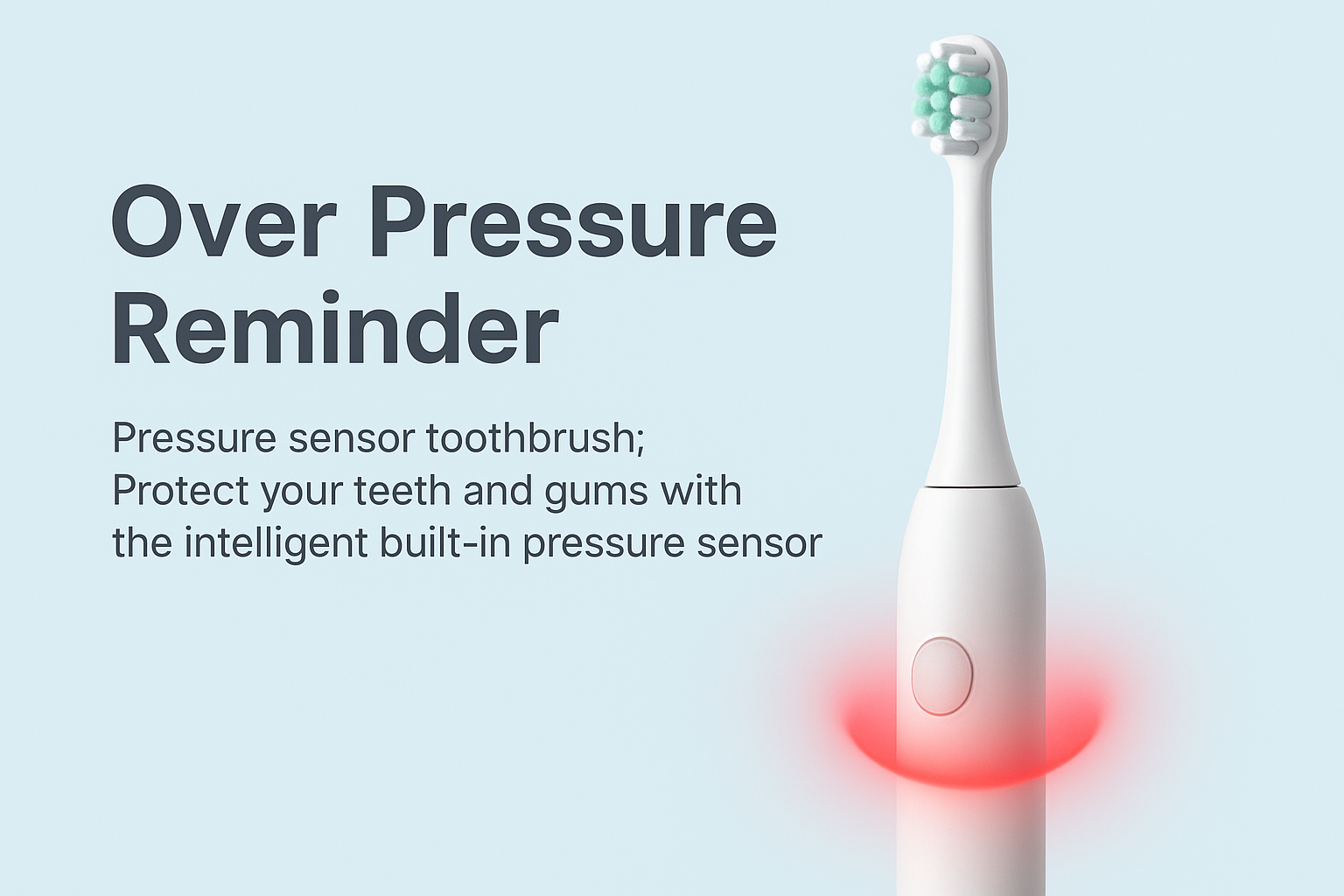
Beginners often press firmly, thinking it removes more stains. However, this damages enamel and irritates gums—let vibrations do the work. Furthermore, Crest’s guide to avoiding hard brushing can help.
Mistake 2: Wrong Toothpaste
Abrasive whitening toothpastes cause sensitivity, especially with a whitening brush. Instead, opt for a gentle, fluoride-based whitening toothpaste. Also, ADA’s toothpaste guide helps choose the right one.
Mistake 3: Forgetting Brush Head Replacement
Worn heads are less effective and harbor bacteria after 3–4 months. Therefore, set a reminder to replace yours regularly, and shop Powsmart’s replacement heads (internal link). Additionally, Oral-B’s replacement guide explains timing.
Reducing Sensitivity
Mild sensitivity is normal when switching to a whitening brush. Fortunately, the beginner-whitening-electric-toothbrush-guide has simple tips to manage it. Moreover, Mayo Clinic’s sensitivity guide offers professional advice.
Gentle Mode Adjustment
Start with “sensitive” or “gentle” mode for 1–2 weeks. Then, gradually switch to “whitening” mode as your mouth adjusts. Also, Colgate’s sensitivity tips can help too.
Timing & Toothpaste Tips
Avoid brushing right after acidic foods or drinks—wait 1 hour. For example, coffee, citrus, and soda soften enamel, increasing sensitivity. Additionally, use desensitizing toothpaste if needed, and reduce brushing time to 1.5 minutes. TryPowsmart’s desensitizing toothpaste (internal link) for fast relief. Furthermore, Dental Care’s sensitivity treatment guide has more help.
FAQ: Whitening Electric Toothbrushes
Results Timeline
1. How long until beginners see whitening results? For starters, most see results in 2–4 weeks with consistent twice-daily brushing. Additionally, WebMD’s whitening results guide explains more. For extra tips, check our tooth stain removal guide (internal link).
Sensitivity FAQs for Beginners
2. Is sensitivity normal when using a whitening electric toothbrush? Yes, mild sensitivity is common for new users. However, it typically fades after 1–2 weeks of consistent use. Also, using gentle mode and desensitizing toothpaste can ease discomfort. Furthermore, avoid acidic foods right before brushing to reduce sensitivity even more.
Brush Maintenance FAQs
3. How often should I clean my whitening electric toothbrush? You should rinse the brush head thoroughly after every use. Additionally, wipe the handle with a damp cloth weekly to prevent bacteria buildup. Moreover, store it in a dry, well-ventilated area to keep it hygienic for longer.