Info Center
Home » Best Electric Toothbrush in USA » powsmart Electric Toothbrush blog » Electric vs. Manual Toothbrushes: Which Is Better?

Electric vs. Manual Toothbrushes: Which Is Better?

Date:2026-02-09
The debate between electric toothbrush vs manual toothbrush has been ongoing for decades—and for good reason: your toothbrush is the foundation of your daily oral care routine. Both tools have loyal supporters, but the choice isn’t about “preference”—it’s about which one removes more plaque, protects your gums, and fits your lifestyle.
Dental experts agree that the “best” toothbrush is the one you use correctly and consistently. But scientific research shows clear differences in effectiveness between electric and manual options, and a electric toothbrush vs manual toothbrush comparison breaks down these differences to help you make an informed choice. For more oral care resources, including toothbrush recommendations and brushing technique guides, you can visit https://www.powsmart.com/.

What Is a Manual Toothbrush?

A manual toothbrush is the traditional, hand-held tool with a plastic handle and bristles (usually nylon). It comes in countless variations:
  • Bristle hardness: Soft, medium, or hard (dentists recommend soft for most people to avoid gum irritation).
  • Head shape: Small, large, or angled (small heads are better for reaching back teeth).
  • Special features: Tongue scrapers, ergonomic handles, or “flexible necks” (to reduce pressure on gums).
Manual toothbrushes work through physical scrubbing: you move the brush back and forth (or in small circles) to remove plaque from teeth and gums. Their biggest advantages are affordability, portability, and simplicity—they require no charging, batteries, or maintenance beyond replacing the head every 3–4 months.
However, their effectiveness depends entirely on technique. The ADA recommends the “Bass method” (small circular motions at a 45-degree angle to the gums), but studies show that only 20% of adults use this technique correctly. Most people brush too hard, too fast, or miss hard-to-reach areas (like the back molars or gumline)—all of which reduce plaque removal. The electric toothbrush vs manual toothbrush comparison often cites this “technique dependency” as a key limitation of manual brushes.

What Is an Electric Toothbrush?

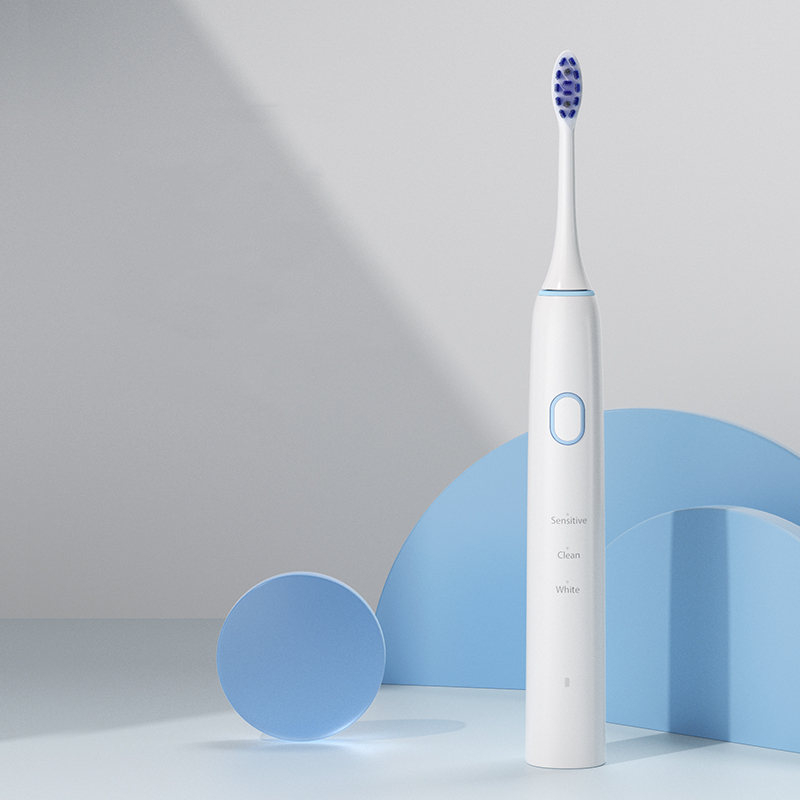
An electric toothbrush is a battery-powered or rechargeable tool that uses mechanical motion (vibration or rotation) to clean teeth. The two main types are:
  • Sonic electric toothbrushes: Use high-frequency vibrations (30,000–60,000 strokes per minute) to create a “fluid dynamics” effect—water and toothpaste are agitated into a micro-foam that cleans between teeth and under gums.
  • Rotary-oscillating electric toothbrushes: Use a rotating/back-and-forth motion (4,000–8,000 strokes per minute) to physically scrub teeth, often with a “cup-shaped” head that wraps around individual teeth.
Electric toothbrushes have built-in features to improve effectiveness:
  • Timers: Most have a 2-minute timer (the ADA-recommended brushing time) with 30-second intervals to remind you to switch quadrants.
  • Pressure sensors: Alert you if you’re brushing too hard (via a light or vibration), preventing gum recession and enamel damage.
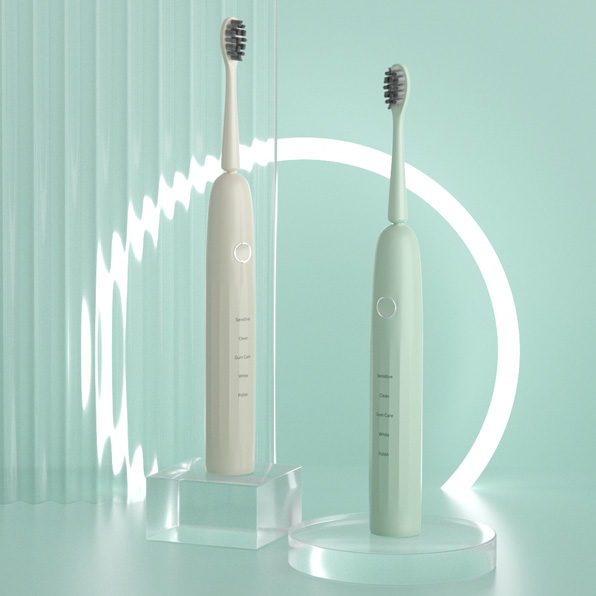
  • Adjustable modes: “Daily clean,” “sensitive,” or “deep clean” modes to match different oral care needs.
Unlike manual brushes, electric ones reduce reliance on technique: the mechanical motion does most of the work, so even users with poor brushing habits remove more plaque. The electric toothbrush vs manual toothbrush comparison highlights this as a major advantage—especially for children, the elderly, or anyone with limited dexterity. For clinical studies on electric toothbrush effectiveness, you can refer to research published on https://www.ada.org/en/resources/consumer/oral-health/products/electric-toothbrushes.

Electric Toothbrush vs Manual Toothbrush: Effectiveness Comparison

The electric toothbrush vs manual toothbrush comparison hinges on scientific evidence—here’s how they stack up in key areas:

1. Plaque Removal

  • Manual toothbrushes: When used correctly (Bass method), they remove 50–60% of plaque from the tooth surface and 30–40% from between teeth. But due to poor technique, most users only remove 30–40% of surface plaque and 10–20% of interproximal plaque.
  • Electric toothbrushes: Studies from the Journal of Clinical Dentistry show they remove 2–3x more plaque than manual brushes. Sonic models remove 70–80% of surface plaque and 50–60% of interproximal plaque (thanks to fluid dynamics), while rotary models remove 65–75% of surface plaque and 45–55% of interproximal plaque.
The difference is most noticeable in hard-to-reach areas: electric brushes clean back molars and the gumline 40% better than manual ones, according to a 2022 study in Community Dentistry and Oral Epidemiology.

2. Gum Health

  • Manual toothbrushes: Correct use reduces gingivitis (gum inflammation) by 20–30% after 3 months. But overbrushing (common with manual brushes) can cause gum recession, bleeding, and even “brush abrasion” (enamel damage along the gumline).
  • Electric toothbrushes: They reduce gingivitis by 40–50% after 3 months—thanks to better plaque removal and pressure sensors that prevent overbrushing. Sonic models are especially gentle: their vibrations massage the gums without scrubbing, making them ideal for users with sensitive gums or early-stage gingivitis.
A study of 500 adults with gingivitis found that those who switched to electric brushes had a 60% reduction in gum bleeding after 6 weeks—vs. a 25% reduction for those who stuck with manual brushes. This is a key finding in the electric toothbrush vs manual toothbrush comparison for users with gum issues.

3. Ease of Use and Compliance

  • Manual toothbrushes: They’re easy to use in theory, but consistency is a problem. 40% of adults admit to brushing for less than 1 minute (vs. the recommended 2 minutes), and 20% skip brushing at least once a week. Poor technique and “brushing fatigue” (hand tiredness) are the main culprits.
  • Electric toothbrushes: Their built-in timers and automated motion make them easier to use consistently. Users are 3x more likely to brush for the full 2 minutes, and 80% report brushing more thoroughly because “the brush does the work.” Pressure sensors also reduce the guesswork—you don’t have to worry about applying too much force.
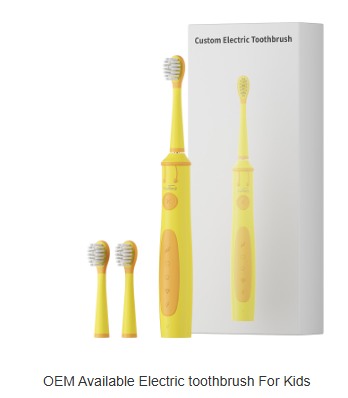
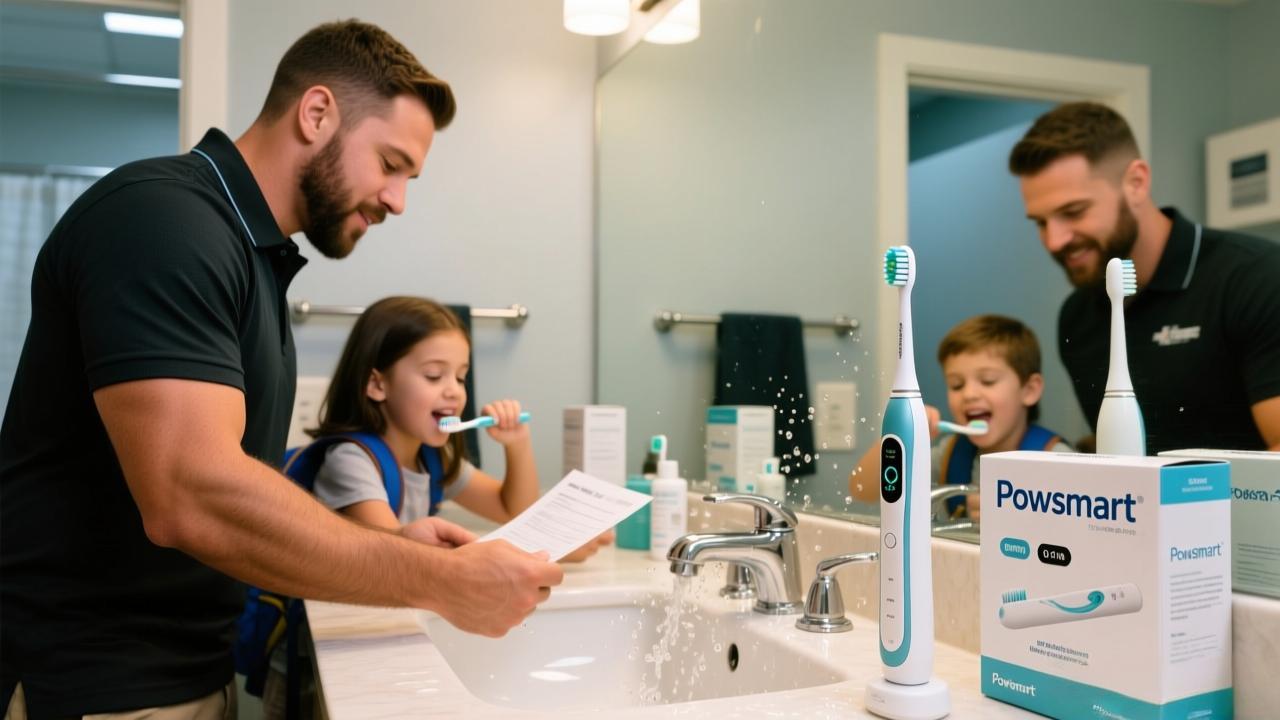
For children, the electric toothbrush vs manual toothbrush comparison is even clearer: kids using electric brushes brush 2x longer and remove 50% more plaque than those using manual ones, according to a study by the American Academy of Pediatric Dentistry. The fun, vibrating motion makes brushing feel like a “game” rather than a chore.

Pros and Cons of Each Toothbrush (From the Electric Toothbrush vs Manual Toothbrush Comparison)

The electric toothbrush vs manual toothbrush comparison isn’t about declaring a “winner”—it’s about weighing tradeoffs:

Manual Toothbrushes: Pros & Cons

  • Pros:
    • Affordable: $2–$5 per brush, with replacement heads costing $1–$3.
    • Portable: No charging or batteries—perfect for travel.
    • Low maintenance: Just rinse after use and replace every 3–4 months.
    • No learning curve: Anyone can use one, even if they’ve never used a toothbrush before.
  • Cons:
    • Technique-dependent: Poor use reduces effectiveness and risks gum damage.
    • Less effective for hard-to-reach areas: Back molars and gumlines are often missed.
    • No built-in features: No timers or pressure sensors to guide proper use.
    • Fatigue risk: Brushing for 2 minutes can tire your hand, leading to rushed cleaning.

Electric Toothbrushes: Pros & Cons

  • Pros:
    • More effective: Removes 2–3x more plaque and improves gum health.
    • Less technique-dependent: Automated motion works even for users with poor habits.
    • Built-in guides: Timers and pressure sensors ensure proper use.
    • Better for special needs: Ideal for children, the elderly, or users with arthritis (no hand movement required).
  • Cons:
    • Higher cost: Basic models start at $30–$50, high-end ones at $100+. Replacement heads cost $5–$10 each.
    • Less portable: Most need charging, and travel cases are bulkier than manual brush cases.
    • Maintenance: Rechargeable models need regular charging, and some have waterproof limits (check if they’re “shower-safe”).
    • Battery life: Budget models may need charging every 1–2 weeks, which is inconvenient for travel.

How to Choose the Right Toothbrush (Based on the Electric Toothbrush vs Manual Toothbrush Comparison)

The electric toothbrush vs manual toothbrush comparison helps you match the tool to your needs:
  • Choose a manual toothbrush if:
    • You’re on a tight budget (they’re the most affordable option).
    • You travel frequently and need a portable, no-fuss tool.
    • You have perfect brushing technique (you use the Bass method, brush for 2 minutes, and don’t miss hard-to-reach areas).
    • You prefer simplicity—no charging, batteries, or extra features.
  • Choose an electric toothbrush if:
    • You want better plaque removal and gum health (especially if you have gingivitis or a history of gum disease).
    • You struggle with brushing technique (e.g., you brush too hard, too fast, or miss back teeth).
    • You have children, elderly family members, or a disability (it’s easier for them to use).
    • You want built-in guides (timers, pressure sensors) to improve consistency.
  • Choose a sonic electric toothbrush if:
    • You have sensitive gums (it’s gentler than rotary models).
    • You want better interproximal cleaning (the fluid dynamics effect reaches between teeth).
    • You prefer a quiet brush (sonic models hum, while rotary models whir).
  • Choose a rotary-oscillating electric toothbrush if:
    • You have surface stains (e.g., from coffee or tea)—the scrubbing motion removes stains better.
    • You prefer a “physical” cleaning feel (some users like the rotating motion).
    • You want a brush with interchangeable heads (many rotary models have specialized heads for whitening or sensitive teeth).

Tips for Getting the Most Out of Your Toothbrush

No matter which tool you choose, the electric toothbrush vs manual toothbrush comparison emphasizes proper use to maximize effectiveness:

For Manual Toothbrushes:

  1. Use the Bass method: Hold the brush at a 45-degree angle to the gumline, and make small circular motions (the size of a dime) for 2 minutes.
  2. Use soft bristles: Medium/hard bristles are too abrasive and can damage gums.
  3. Replace the brush every 3–4 months: Worn bristles don’t clean effectively and harbor bacteria.
  4. Brush gently: You only need light pressure—imagine you’re “polishing” a ripe tomato without squishing it.

For Electric Toothbrushes:

  1. Let the brush do the work: Don’t scrub—just hold the head against the tooth and let the motion clean.
  2. Charge it regularly: Most models last 1–2 weeks on a charge—set a reminder to recharge when the battery light flashes.
  3. Replace heads every 3–4 months: Worn bristles reduce effectiveness, even with automated motion.
  4. Use the right mode: Start with “sensitive” mode if you’re new to electric brushes, then switch to “daily clean” as your gums adjust.

What Dentists Say About the Electric Toothbrush vs Manual Toothbrush Comparison

Most dentists lean toward electric brushes—but their recommendations align with the electric toothbrush vs manual toothbrush comparison:
  • For patients with gingivitis, gum disease, or braces: 90% recommend electric brushes (they clean these conditions better).
  • For patients with perfect technique and no oral health issues: 50% say manual brushes are sufficient, but 50% still recommend electric for “extra protection.”
  • For children: 95% recommend electric brushes—they make brushing fun and ensure better cleaning.
The ADA has awarded its Seal of Acceptance to both manual and electric brushes, but it notes that “electric brushes may be a better choice for users who struggle with manual technique.” This seal is a key trust marker in the electric toothbrush vs manual toothbrush comparison.

Conclusion: The Electric Toothbrush vs Manual Toothbrush Takeaway

The electric toothbrush vs manual toothbrush comparison shows that electric brushes are more effective for most people—especially those with poor technique, gum issues, or special needs. But manual brushes are a solid choice for budget-conscious users, frequent travelers, or those with perfect brushing habits.
At the end of the day, the best toothbrush is the one you’ll use consistently. If an electric brush motivates you to brush longer and more thoroughly, it’s worth the investment. If a manual brush fits your lifestyle and you use it correctly, it will still keep your teeth healthy. For more toothbrush reviews, brushing routines, and oral care tips to pair with your tool, visit https://www.powsmart.com/—your go-to resource for a healthier smile.