.jpg)
Oral health for aging adults has become a significant public health concern. Seniors often face unique dental challenges such as dry mouth, gum recession, decreased dexterity, and tooth sensitivity. This growing need has driven demand for senior oral care products that are both accessible and effective. For oral care brands, understanding how to create and source senior-friendly oral care products isn’t just a market opportunity—it’s a strategic imperative. This blog outlines the core principles behind accessible dental product design, along with key factors in geriatric dental supplies sourcing and dental care products manufacturing for the senior demographic. Understanding the Needs of Aging Adults When designing or sourcing oral care solutions for seniors, consider the following physiological and behavioral factors: Reduced dexterity: Many older adults struggle with arthritis or hand tremors, making standard toothbrushes and floss difficult to use. Sensitive gums and teeth: Seniors often require softer bristles, lower water pressure in oral irrigators, and gentler cleaning modes. Cognitive decline: Simple interfaces and reminder functions can help those with memory loss maintain their hygiene routines. Dry mouth: Common among seniors, it requires specialized toothpaste or mouth rinses that are alcohol-free and moisturizing. These challenges form the foundation of accessible dental product design that truly addresses the needs…
.jpg)
In the professional oral care industry, whitening rebound—where teeth quickly lose their brightness after treatment—has become a persistent product quality concern. Surprisingly, internal analysis indicates that gel crystallization during storage or application may be a hidden but critical cause behind this rebound phenomenon. Is whitening rebound driven by gel crystallization truly preventable? Let’s explore the technical mechanisms and manufacturing solutions in detail. Understanding Whitening Rebound: Why Teeth Relapse in Color Whitening rebound refers to the rapid return of discoloration or dullness shortly after a whitening procedure. Typical symptoms include: Loss of initial whitening effect within days or weeks Teeth returning to yellowish or uneven shades Inconsistent color across treated areas Root causes extend beyond lifestyle habits (e.g., coffee or smoking) to deeper issues in gel efficacy and delivery. What Is Gel Crystallization—and Why Does It Matter? Gel crystallization occurs when whitening gels, particularly those based on carbamide or hydrogen peroxide, undergo: Solidification of active compounds during storage Crystal formation due to temperature fluctuations or improper mixing Phase separation within the gel matrix over time When applied, crystallized gels: Deliver uneven peroxide release Cause localized dehydration of enamel Fail to penetrate enamel microtubules effectively This poor diffusion leads to superficial whitening…

As global populations age, the demand for senior dental care continues to rise. Seniors face unique oral health challenges—ranging from dry mouth and gum recession to weakened enamel and missing teeth. For brand owners, this demographic presents not just a need but a market opportunity. This blog serves as a guide to dentistry for seniors, providing product development insights, identifying key features of elderly oral health products, and outlining what to look for when partnering with a dental care products manufacturing partner. Understanding the Needs: The Landscape of Geriatric Dental Solutions To design successful products, brand owners must first understand the needs of the elderly. Geriatric dental solutions must account for common issues such as: Sensitive or fragile gums Arthritis and mobility issues affecting grip strength Use of dentures or implants Dry mouth caused by medications Higher susceptibility to oral infections Recognizing these issues helps shape products that are both functional and user-friendly, paving the way for impactful elderly oral health products. Product Design Priorities: Key Features That Matter for Seniors When developing dental care products for seniors, design simplicity and comfort are paramount. Brands should consider: Larger handles for better grip and control Soft bristles or gentle modes for sensitive gums Electric toothbrushes with pressure…
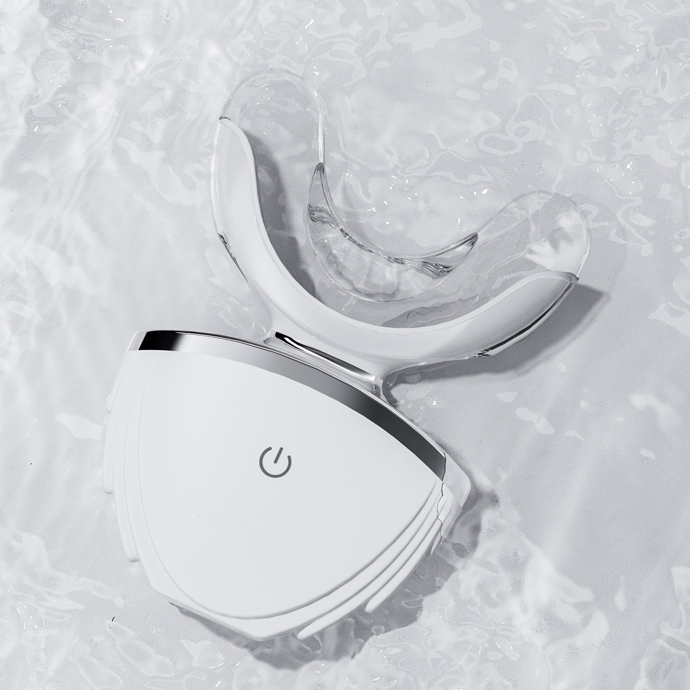
In recent years, at home teeth whitening has become one of the fastest-growing segments in the oral care industry. From influencers promoting DIY teeth whitening tricks on social media to shelves filled with various home whitening kits, the demand for accessible, non-clinical whitening solutions has never been higher. But with this surge in popularity comes confusion: are these trends backed by science or marketing hype? For oral care product brands looking to enter or expand in this space, understanding current teeth whitening trends, consumer behavior, and whitening product myths is critical. It also underscores the importance of choosing the right whitening products manufacturing partner. What’s Driving the Popularity of Home Whitening Kits? Several factors are fueling the rapid adoption of home whitening kits: Affordability: Compared to professional whitening treatments, at-home options are significantly more budget-friendly. Convenience: Users can whiten their teeth anytime, without dental appointments. Aesthetic-Driven Market: Social media and selfie culture have increased demand for instant, visible results. This trend offers a prime opportunity for brands to capitalize on consumer needs—if they align with a reliable whitening products manufacturing partner capable of meeting quality and innovation standards. Common Whitening Product Myths: What Consumers Think vs. Reality The booming popularity of DIY teeth whitening also brings…
In the realm of oral care device manufacturing, increasing reports of allergic reactions following pulp irritation during product use have raised concerns. While these two symptoms may appear unrelated—one immunological, the other sensory—closer technical analysis suggests they may not be mere coincidence. Could pulp irritation actually trigger or amplify allergic reactions? Understanding this potential connection is essential for manufacturers aiming to enhance both product safety and user trust. What Exactly Is Pulp Irritation in Oral Care Products? Pulp irritation refers to inflammation or overstimulation of the dental pulp—the soft tissue within teeth containing nerves and blood vessels. In the context of oral care devices, it typically results from: Thermal stress caused by overpowered whitening lights or ultrasonic heads Chemical penetration from peroxide gels, flavoring agents, or cleaning fluids Mechanical over-vibration or aggressive brushing applied too near the pulp chamber Symptoms include sharp tooth pain, prolonged sensitivity, and discomfort when consuming hot or cold substances. What Constitutes an Allergic Reaction in Oral Care Use? Allergic reactions manifest as hypersensitivity responses, potentially including: Localized swelling of gums, lips, or oral tissues Itching or burning sensations in the mouth Generalized rashes, irritation, or even respiratory responses in severe cases Such reactions are typically…
In the field of professional oral care devices, user safety incidents such as gingival burns combined with cervical hypersensitivity are emerging as an urgent concern, especially in the whitening and deep-cleaning product categories. Manufacturers may underestimate the combined impact of thermal, chemical, and mechanical stress on delicate gingival and cervical areas. But when burns and hypersensitivity appear together, they signal a systemic design or process flaw that must be addressed. How urgent is this issue—and how can product design prevent it? What Are Gingival Burns and Cervical Hypersensitivity? Gingival burns refer to tissue damage along the gums, typically caused by: Excessive heat from whitening lights or ultrasonic devices Chemical irritation from concentrated bleaching gels Friction burns from improperly shaped applicators or brush heads Cervical hypersensitivity involves intense sensitivity in the tooth neck region (cementoenamel junction), often triggered by: Exposure of dentin due to over-brushing or chemical erosion Thermal stimulation from overly hot devices Mechanical abrasion near the gumline When these two issues occur simultaneously, user discomfort and potential oral injury escalate rapidly. Why Their Combined Occurrence Is More Than Coincidence Experiencing gingival burns and cervical hypersensitivity together is not random: Devices producing localized heat (LEDs, ultrasonic tips) can damage both…
In professional oral care manufacturing, preventing enamel scratching during device use is a critical design and quality concern. Increasing evidence shows that tooth porosity—whether natural or treatment-induced—can significantly elevate the risk of enamel abrasion when using mechanical cleaning devices like sonic toothbrushes or whitening applicators. But once enamel is scratched, is the damage truly irreversible? Understanding the interaction between tooth porosity and surface wear helps manufacturers design safer, more consumer-trusted products. Why Tooth Porosity Matters More Than You Think Tooth porosity refers to microscopic pores or structural irregularities in enamel, resulting from: Natural genetic conditions Acid erosion from diet or gastric reflux Overuse of abrasive whitening pastes Post-bleaching dehydration of enamel surface Porous enamel lacks the uniform hardness of healthy enamel. This makes it more prone to enamel scratching during mechanical brushing, especially with stiff bristles or aggressive polishing heads. How Enamel Scratching Occurs: The Microscopic Damage Process Scratching doesn’t mean deep cuts—it refers to microabrasions at the enamel surface level: Hard bristles or brush heads scrape against weakened enamel Abrasive particles trapped during brushing intensify localized surface wear Vibratory or rotational force amplifies contact pressure at pore edges Repeated cycles create visible dullness and microscopic surface cracks These scratches…
In recent product quality audits and customer feedback loops, two seemingly unrelated issues have started to appear together with increasing frequency: battery depletion and adapter overheating. At first glance, these may seem like independent faults—one chemical, the other thermal. However, deeper diagnostic analysis reveals they may actually be symptoms of a single systemic flaw. Could battery depletion be directly related to adapter overheating? And if so, how can OEM/ODM manufacturers detect, prevent, and even design around this dual risk? Understanding Battery Depletion: Symptoms and Root Causes Battery depletion refers to the rapid or abnormal loss of charge capacity over time. In electric toothbrushes, water flossers, and personal care devices, this typically manifests as: Decreased runtime after full charge Faster-than-expected battery wear within warranty period Charging cycles that appear normal but don’t replenish usable capacity Devices that shut down prematurely even with charge indicated The root causes may involve battery chemistry degradation, poor charging current management, or repeated exposure to heat. What Causes Adapter Overheating? Adapter overheating occurs when the charger exceeds its designed thermal tolerance due to: Excessive charging current drawn by the device Poor contact at the plug/port, creating resistance and thermal buildup Substandard materials or compact adapter shells…

In the age of TikTok and Instagram, it’s no surprise that teeth whitening trends are going viral faster than ever. From using household bleach to brushing with charcoal or baking soda, countless social media beauty myths claim to offer quick fixes for a whiter smile. But behind the aesthetics and likes, these DIY solutions often come with serious risks.As a brand in the oral care industry, it’s crucial to distinguish fact from fiction—and to align your product development with dentist-approved whitening solutions. In this article, we’ll explore the dangers of DIY methods, examine why viral hacks can harm your brand reputation, and introduce safe teeth whitening alternatives that are both effective and marketable. The Hidden Dangers of DIY Teeth Whitening Trends Many viral whitening hacks may seem harmless, but they often cause more damage than improvement. Here are some popular examples and why they should be avoided: Hydrogen peroxide rinses: High concentrations can erode enamel and irritate gums. Charcoal powders: While trendy, charcoal is abrasive and can wear down tooth enamel over time. Lemon juice and baking soda: The acidic reaction can damage enamel, increasing sensitivity and decay risk. These DIY teeth whitening dangers not only put users at risk but can also lead to…
1-scaled.jpg)
The demand for brighter smiles is surging, but consumers are becoming increasingly cautious about product safety and oral sensitivity. As an oral care brand looking to enter or expand in the whitening segment, understanding and implementing safe teeth whitening principles is crucial—not only for end-user health but also for regulatory compliance and long-term brand trust. In this article, we’ll share five manufacturer teeth whitening tips that are proven to deliver effective & gentle results, drawn from real-world production expertise. These whitening safety guidelines can serve as a foundation for formulating, sourcing, and producing dental-approved whitening products with lasting market impact. Use Clinically Backed Active Ingredients The most critical component of any teeth whitening formula is the active ingredient. Manufacturers recommend using well-researched agents such as: Hydrogen peroxide (low to moderate concentration) Carbamide peroxide Phthalimidoperoxycaproic acid (PAP) – a newer, gentler alternative gaining popularity Choosing clinically proven ingredients not only ensures safe teeth whitening but also helps your brand meet regulatory standards in key global markets. Pro tip: Avoid unregulated or overly abrasive whitening agents, which can damage enamel and cause sensitivity, undermining brand reputation. Prioritize Gentle Whitening Solutions for Sensitive Users Modern consumers want fast results—but not at the expense of comfort. One of the most important…
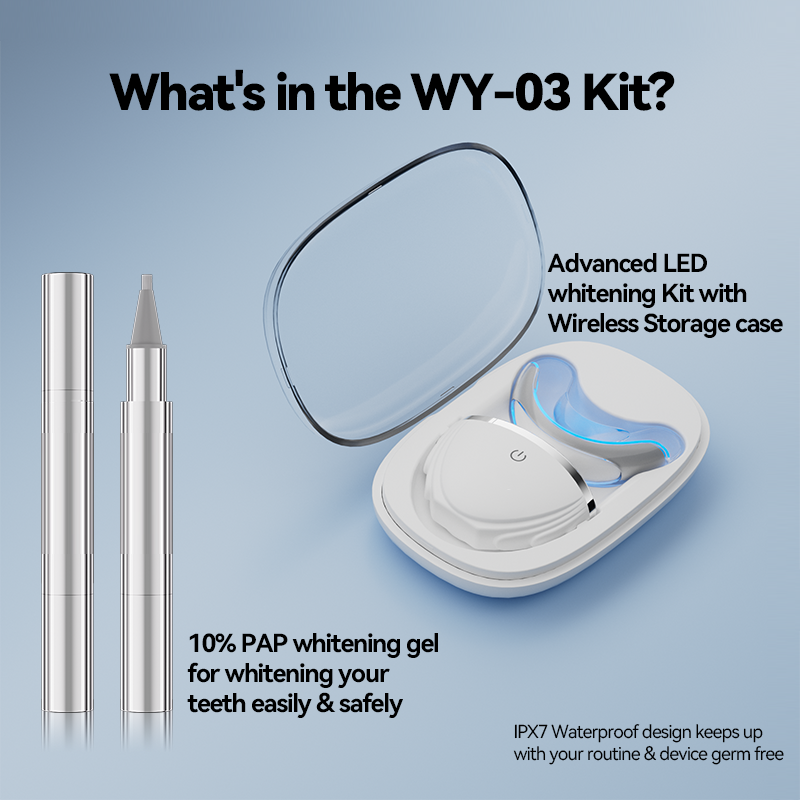
As the demand for aesthetic dental solutions grows globally, teeth whitening continues to be one of the most sought-after cosmetic procedures. For oral care brands and product developers, understanding not only the whitening agents but also the full care cycle — including teeth whitening precare and teeth whitening aftercare — is essential for product positioning, consumer education, and R&D planning. This blog outlines the best teeth whitening practices, helping brand owners create comprehensive oral care solutions that extend beyond the whitening gel or device itself. Whether you're launching a new whitening line or seeking a reliable oral care manufacturer, knowledge of pre- and post-whitening dental care can enhance your brand's credibility and customer satisfaction. How to Prepare for Teeth Whitening: Key Precare Guidelines Before any whitening treatment, a proper precare routine ensures better results and reduced sensitivity. Here are the core elements of how to prepare for teeth whitening: Professional dental cleaning: Encourage users to get a dental cleaning to remove surface stains and tartar before whitening. Desensitizing prep: Recommend the use of toothpaste with potassium nitrate or fluoride 1–2 weeks prior to reduce post-treatment sensitivity. Avoid staining foods: Cut down on coffee, tea, red wine, and tobacco before treatment for at least 48 hours.…
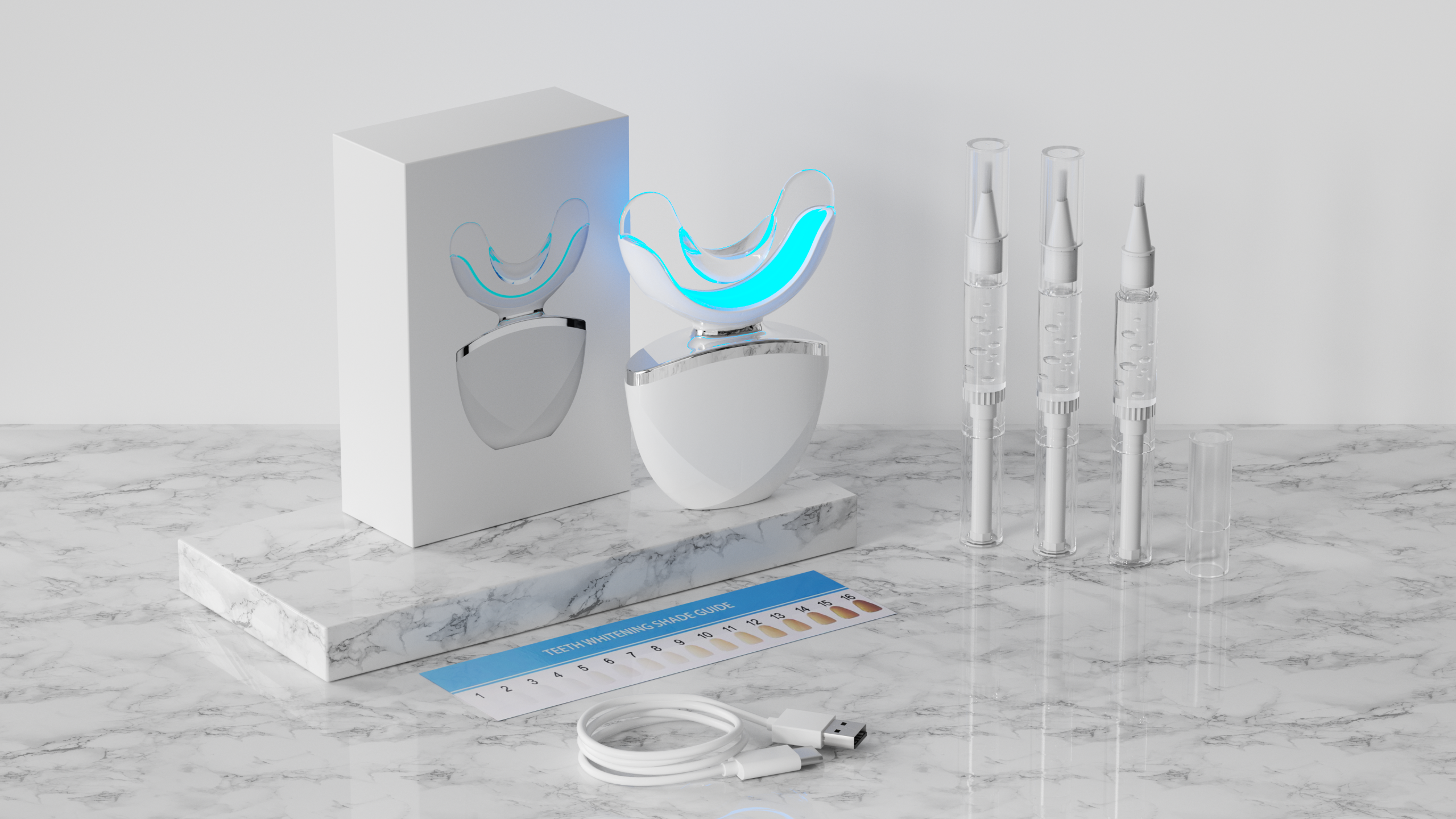
Household teeth whitening products have seen a significant surge in demand. As more people seek convenient ways to enhance their smiles at home, the market for at-home teeth whitening trends is evolving rapidly. For oral care brands aiming to expand their product lines, understanding what fuels this momentum is critical. This article outlines the six main factors behind the rising teeth whitening popularity and why now is the perfect time to collaborate with a reliable manufacturing partner. Growing Consumer Demand for At-Home Beauty Solutions The COVID-19 pandemic shifted consumer behavior toward do-it-yourself self-care. Teeth whitening, once limited to dental offices, is now part of at-home beauty routines. This shift gave rise to a wide acceptance of household teeth whitening products, particularly among millennials and Gen Z users who value privacy, speed, and cost-effectiveness. As a result, at-home teeth whitening trends are becoming a permanent fixture in the global oral care market. Advancements in Whitening Technology and Formulation Recent innovations in formulation—such as PAP (Phthalimidoperoxycaproic acid)-based gels, LED light accelerators, and enamel-safe ingredients—have greatly improved the teeth whitening benefits of home kits. Unlike older peroxide-heavy products, modern whitening systems are safer, faster, and less likely to cause sensitivity. These technological enhancements have given rise to the…
In the lifecycle of electric personal care devices, two seemingly unrelated failures—seal degradation and circuit corrosion—can silently develop and eventually result in a major safety hazard. When the integrity of a device’s sealing system is compromised, it opens a pathway for moisture to infiltrate, initiating corrosion in the circuit board. This degradation chain can lead not only to functional failure but also to serious user risks such as overheating, short circuits, or even battery leakage. Understanding how these failures interact—and how to prevent them—is essential for manufacturers committed to delivering safe, durable products. How Seal Degradation Begins: The First Line of Defense Fails Seal degradation typically starts with: Material aging (e.g., silicone or rubber drying or hardening) UV exposure or chemical interactions from cleaning agents Improper installation during assembly Mechanical fatigue from repeated flexing or vibration Once degraded, seals can no longer effectively block out moisture, allowing vapor or liquid ingress over time. This breach may seem minor at first but is the first domino in a much larger failure scenario. The Pathway to Circuit Corrosion: From Leak to Damage When a degraded seal allows water or vapor to enter the device’s internal cavity, it often condenses near the printed…
In precision oral care or grooming devices, system-level reliability is key. Yet, in recent OEM failure analysis cases, one hidden yet recurring issue is gaining attention: indicator failure triggered by motor resonance. While at first glance, a blinking light or non-responsive LED may seem like an isolated electrical problem, the root cause often lies in mechanical vibration patterns. How exactly does motor resonance affect indicator circuits, and what can manufacturers do to prevent this cascade failure? What Is Motor Resonance and Why Does It Matter? Motor resonance occurs when a motor’s operational frequency aligns with the natural frequency of certain internal components—causing amplified vibrations. These can stem from: Poor axial balancing of rotating parts Structural cavity design without proper damping Inconsistent load due to nozzle blockage or gear imbalance Variations in input voltage under load In devices like sonic toothbrushes or water flossers, this phenomenon isn’t just about sound or feel—it creates ripple effects across the electronic subsystems, including the indicator module. Understanding Indicator Failure in the Field Indicator failure can present in several forms: Status LED flickers or turns off during operation Charging light fails to activate Mode or intensity lights become intermittent or completely non-functional In smart devices,…
In the realm of electric oral care devices and personal grooming tools, waterproof failure is more than a surface-level issue—it can directly result in circuit corrosion, often leading to total device failure. This hidden yet critical risk not only affects product durability but also damages brand credibility and increases after-sales costs. For OEM/ODM manufacturers, understanding how waterproof breaches evolve into irreversible electrical corrosion is vital for ensuring both product safety and long-term customer satisfaction. How Waterproof Failure Happens: The First Breach A device's waterproof design is meant to isolate sensitive internal components—particularly PCBAs, batteries, and motor drives—from moisture exposure. However, waterproof failure can stem from: Improper ultrasonic welding of the housing Defective sealing rings or poorly applied gaskets Microcracks due to drop impacts or thermal stress Assembly misalignment between structural parts Even a minor leak over time can allow vapor or condensation to enter the device’s interior—setting the stage for circuit corrosion. What Is Circuit Corrosion and Why Is It Fatal? Circuit corrosion refers to the gradual oxidation and chemical degradation of PCB traces, solder joints, and metallic components due to moisture, ions, or pH imbalance. Common signs include: Greenish or white buildup on circuit pads Erratic button or sensor…
For any water flosser or oral irrigator brand targeting global markets, user control and flow reliability are non-negotiable. Yet in many customer complaints and field test reports, a recurring problem appears: button unresponsiveness occurring alongside flow inconsistency. While these may seem like separate issues at first, deeper technical diagnostics reveal a shared root cause—and an actionable solution. In this article, we’ll explore how these two defects are interlinked, what causes them, and how manufacturers can eliminate them through engineering and quality process refinement. Recognizing the Symptoms: A Dual-Fault Scenario In real-world usage scenarios, the following symptoms often appear together: Power or mode button fails to respond when pressed Flow output from the nozzle becomes intermittent, surging or stopping randomly Users complain that the device suddenly stops mid-use and needs to be restarted Touch-sensitive panels become less reliable after several uses This combination not only disrupts usability but also undermines the product’s perceived quality—especially when users expect precise control in premium models. Common Causes Behind Button Unresponsiveness An unresponsive button is rarely caused by the button itself alone. Instead, it often results from: Poor PCB contact design or oxidation on traces Water ingress that interferes with electrical pathways Firmware latency or…
In the precision-driven world of oral care devices, user comfort is the ultimate benchmark. Yet, an increasing number of consumers report noise disturbance paired with sudden sensitivity spikes—a combination that transforms what should be a soothing hygiene ritual into an unbearable experience. While each issue alone is problematic, their overlap often points to deeper engineering flaws in sound insulation, vibration control, and motor stability. In this blog, we’ll examine how manufacturers can identify, prevent, and solve these twin pain points—before they impact end-user trust or B2B partner confidence. What Is Noise Disturbance in Oral Care Devices? Noise disturbance refers to the excessive or irregular sound output of devices such as sonic toothbrushes, water flossers, or whitening tools. Unlike steady operational hums, disturbance is usually: High-frequency buzzing Sudden pitch changes during usage Mechanical rattling from inside the casing Harmonics transmitted through brush heads or nozzles These sounds are often amplified when used in confined environments like bathrooms, especially during early mornings or late evenings, compounding the user’s perception of discomfort. Sensitivity Spikes: More Than Just a Minor Sting Sensitivity spikes refer to sudden, sharp discomfort felt on the teeth or gums—typically triggered by abrupt changes in device vibration, fluid pressure, or…
In recent user surveys involving oral care devices, particularly toothbrushes and whitening tools, one recurring complaint has drawn attention: tongue irritation after repeated use. Upon deeper investigation, one subtle but critical factor stands out—cleaning residue. Whether from manufacturing, post-assembly processes, or insufficient end-product flushing, leftover surfactants or particulate contaminants may be causing discomfort in the most sensitive areas of the mouth. So, is this issue preventable? And what can manufacturers do to eliminate the risk at the source? What Exactly Is Cleaning Residue? Cleaning residue refers to traces of chemical agents, particles, or detergent-based solutions that remain on product surfaces after manufacturing. These are often the result of: Incomplete rinsing after ultrasonic cleaning Excessive use of alcohol or surfactants in final sanitation Poor drying or packing in humid environments Use of low-purity water in the cleaning phase For oral care products, especially those in direct contact with mucosal tissue (e.g. brush heads, whitening mouthpieces, tongue scrapers), even trace residue can become problematic. Why the Tongue Is So Vulnerable to Irritation The tongue contains thousands of exposed taste buds and nerve endings. It's also in frequent motion and contact with oral care devices, making it especially susceptible to irritants. When cleaning…
.jpg)
In today’s competitive oral care market, delivering consistent quality is essential for building brand trust. For dental care brands partnering with OEM/ODM factories, it’s critical to ensure that every unit meets the required performance and safety standards before it leaves the manufacturing site. This is where pre-shipment testing of water flosser before shipment plays a vital role. Choosing a reliable water flosser manufacturer means more than just cost efficiency—it’s about ensuring that your product reflects high standards through strict water flosser quality control processes. Functional Performance Test The first and most fundamental test is verifying whether the water flosser performs its intended function. During manufacturing inspections, key checks include: Water pressure consistency and range (e.g., 30–120 PSI) Pulse frequency accuracy (typically 1200–1800 pulses/min) Water tank sealing and capacity verification Spray nozzle function and directional accuracy This ensures the flosser provides a safe and effective user experience, aligning with core dental product standards. Electrical Safety & Waterproofing Test Since water flossers are electrical appliances often used near water, electrical safety and waterproofing tests are critical: IPX7/IPX8 waterproof rating verification to ensure submersion safety Power plug and charging port protection (short-circuit, over-voltage testing) Battery safety performance (especially for lithium batteries) These are essential tests in line with…
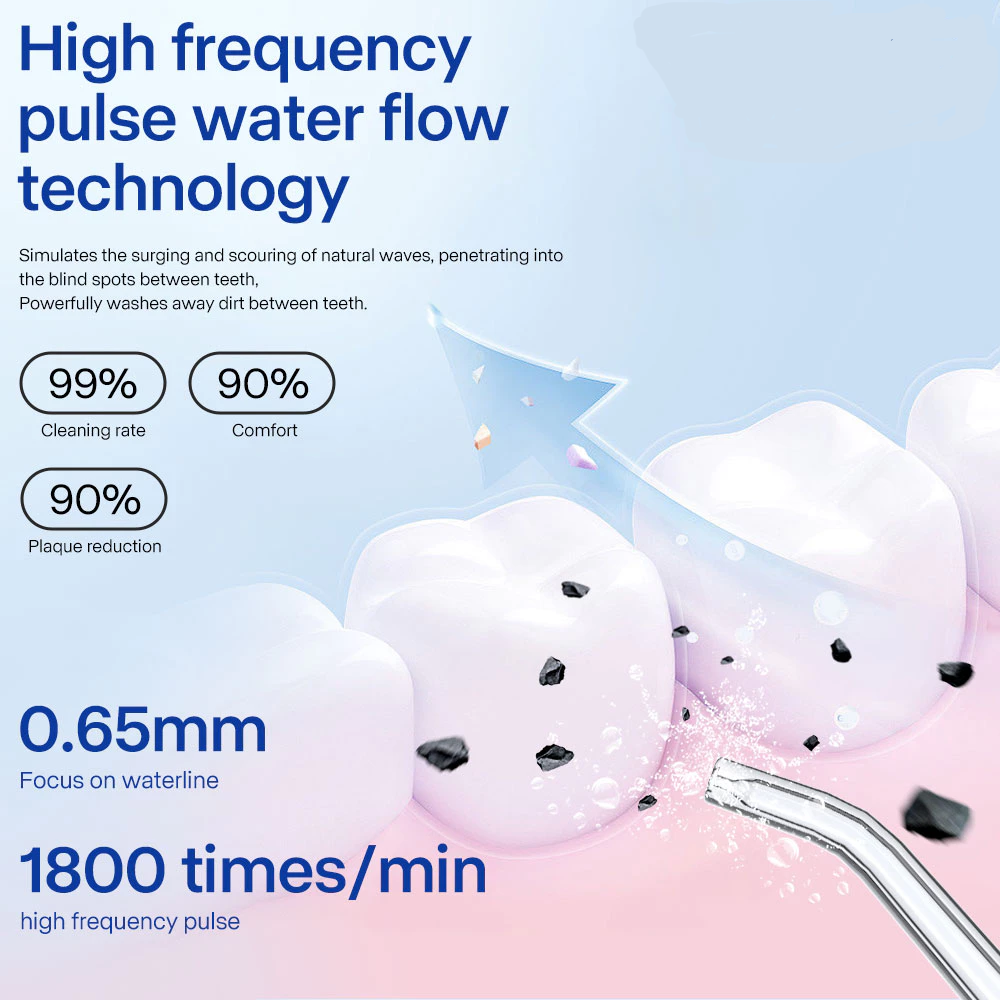
In today’s competitive oral care market, selecting the right oral hygiene tools is critical—not just for consumers, but also for oral care product brands looking to meet evolving needs. Among the most discussed topics is the ongoing debate: dental floss and water flosser. For brands sourcing products or working with manufacturers, understanding the dental floss comparison from both a clinical and consumer usability perspective is essential.This blog provides a structured analysis to help oral care brands and OEMs make informed decisions when planning product lines or partnering with factories. Traditional Dental Floss: Time-Tested but With Limitations Traditional dental floss has long been considered a staple in oral hygiene. Its benefits include: Direct plaque scraping: Flossing between teeth with physical string removes plaque from surfaces where toothbrushes can't reach. Cost-effective and portable: It's low-cost and easy to carry, making it accessible to all users. However, traditional floss has several drawbacks that modern consumers increasingly note: Difficult technique: Many users struggle with proper flossing technique, reducing effectiveness. Inconvenience: It can be time-consuming and uncomfortable, especially for those with tightly spaced teeth or dental work like braces. Gum sensitivity: Incorrect usage can lead to gum cuts or bleeding, particularly among first-time users. As a result,…


.jpg)
.jpg)
.jpg)
.jpg)
.jpg)




.jpg)