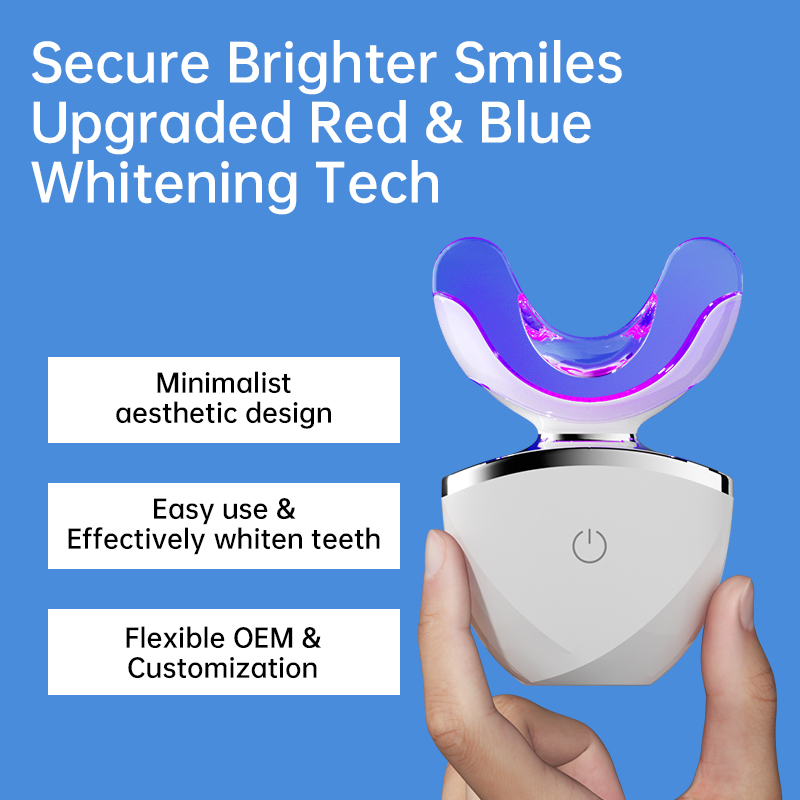
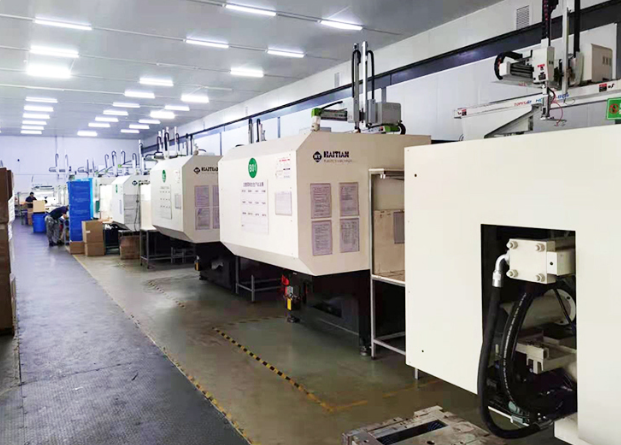
In the realm of electric oral care devices and personal grooming tools, waterproof failure is more than a surface-level issue—it can directly result in circuit corrosion, often leading to total device failure. This hidden yet critical risk not only affects product durability but also damages brand credibility and increases after-sales costs. For OEM/ODM manufacturers, understanding how waterproof breaches evolve into irreversible electrical corrosion is vital for ensuring both product safety and long-term customer satisfaction.
A device’s waterproof design is meant to isolate sensitive internal components—particularly PCBAs, batteries, and motor drives—from moisture exposure. However, waterproof failure can stem from:
Even a minor leak over time can allow vapor or condensation to enter the device’s interior—setting the stage for circuit corrosion.
Circuit corrosion refers to the gradual oxidation and chemical degradation of PCB traces, solder joints, and metallic components due to moisture, ions, or pH imbalance. Common signs include:
Unlike mechanical wear, corrosion is progressive—meaning the device might still function temporarily but will inevitably fail. In many warranty cases, corrosion is the root cause even if users report other symptoms. Company web:https://www.powsmart.com/product/electric-toothbrush/
In actual QA analysis and post-return investigations, manufacturers often discover:
Without early detection, corrosion continues silently until the product is irrecoverable.
To prevent waterproof failure from leading to circuit corrosion, manufacturers must incorporate smart safeguards into the design:
Beyond this, aligning enclosure design with actual IP test certifications—and not just internal estimates—is crucial.
Even the best designs can fail in the field without proper validation. Manufacturers should implement:
These steps ensure that waterproofing is not just compliant, but resilient across global usage conditions.
Proactive waterproofing and anti-corrosion measures can be repositioned as competitive advantages. Brands can:
By doing so, you not only reduce failures—you strengthen your position as a reliable, premium manufacturer.
Yes—waterproof failure that leads to circuit corrosion is often fatal to the device. But more importantly, it’s preventable. For B2B manufacturers, solving this problem at the design, process, and quality control level means less product loss, fewer returns, and greater customer trust. In a saturated market where durability is a key differentiator, smart waterproofing isn’t just an expectation—it’s a survival strategy. Contact us
How does a secure Brush Head Attachment Mechanism aid in measuring Subsurface Scattering for enamel health?
.jpg)
Rechargeable Teeth Whitening Device Wholesale

Why Should a UV-C Sanitizing LED System Partner with a Certified O-Ring Gasket Supplier?
.jpg)
How the GUM post-surgery ultra-soft toothbrush achieves gentle and non-irritating cleaning
Ideal Pressure Settings for Sensitive Gums: Dentist Recommendations for Water Flosser Users
Interested in Whitening Pen OEM or Wearable Whitening Strip Development?
Is Your Brush a Germ Magnet?
Cordless Water Flosser Wholesale – Global B2B Supply for Retailers & Brands
Is IPX8 Waterproof Rating Compliance Achievable Through Strategic Bulk Material Sourcing?
Eco-Bamboo Electric Toothbrush OEM – Sustainable Oral-Care Manufacturing
Diwali Offer Cheap Electric Toothbrush for Students Delhi
How to Prevent Water Discoloration and Microbial Growth?
How does the orthodontic V-brush on this braces electric toothbrush clean behind wires?
Can a Predictive User Interface Power a Truly Context-aware Brushing Coach?
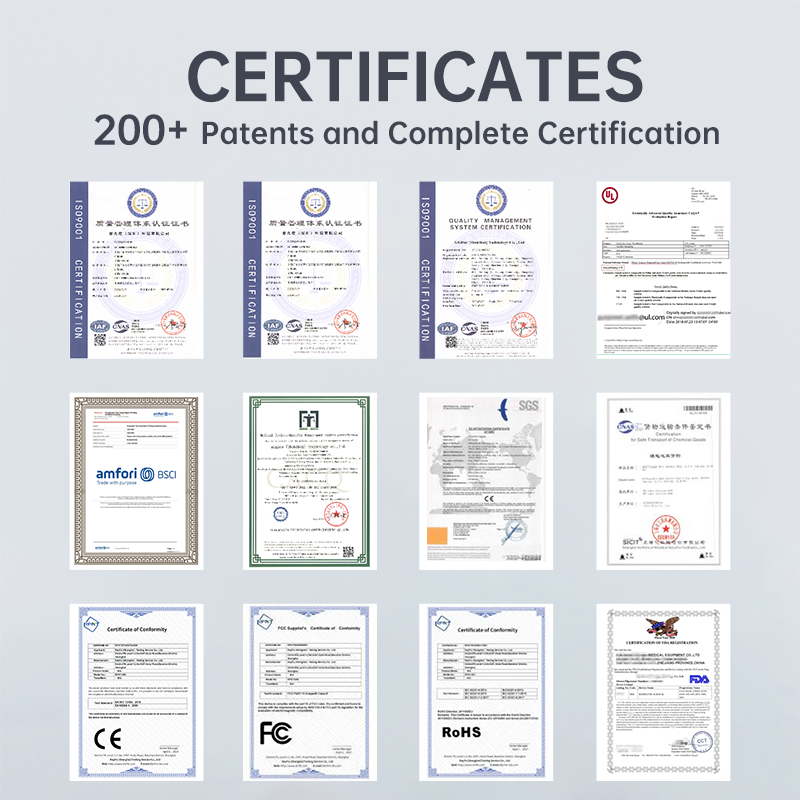
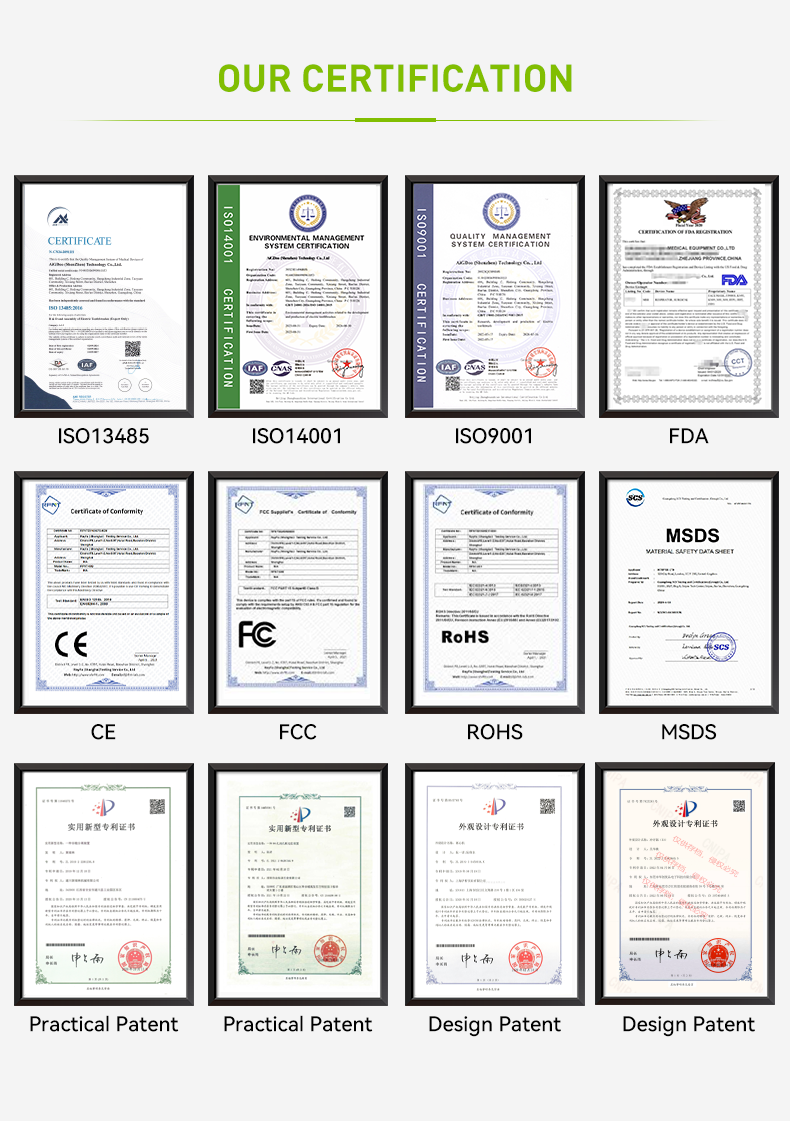
Electric Toothbrush Certification Requirements for OEM and ODM Manufacturing
SF Toothbrush Deals: Factory-Direct Discounts from China to San Francisco


.jpg)
.jpg)
.jpg)
.jpg)
.jpg)