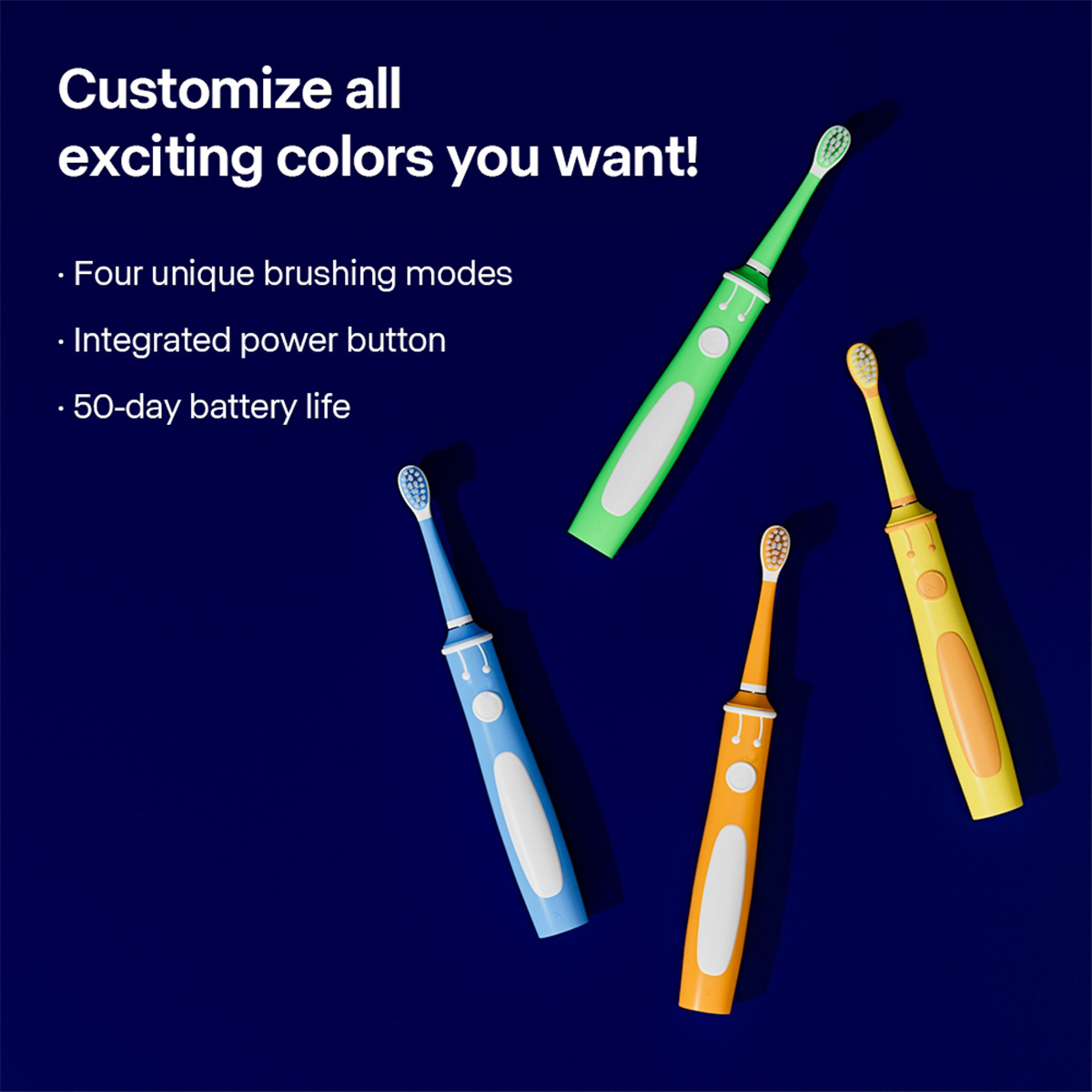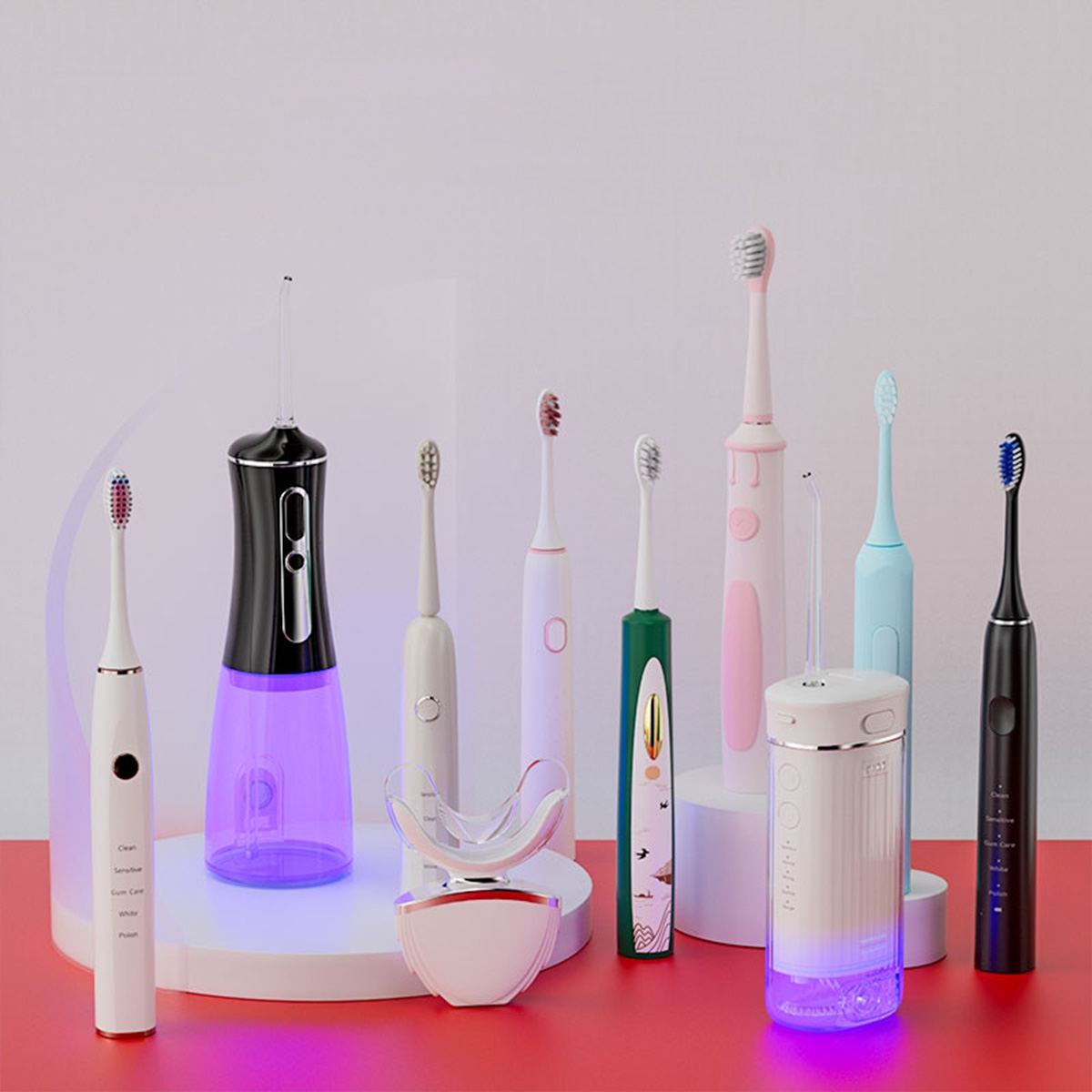
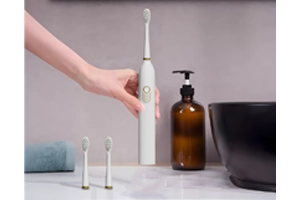
The global oral care market is evolving rapidly, and electric oral cleaning products have taken center stage. With their proven performance, smart technology, and growing popularity, these devices are transforming the way consumers manage their oral hygiene. For brand owners seeking opportunities in oral care products manufacturing, understanding the value and future potential of these products is crucial. In this blog, we explore the benefits of electric oral cleaning products, their scientificity and effectiveness, and why now is the right time to invest in this growing market. The Rise of Electric Oral Cleaning Products Electric toothbrushes and oral irrigators are no longer luxury items—they are mainstream essentials. As consumers become more health-conscious and tech-savvy, electric oral hygiene tools are both effective and convenient options. Key growth factors include: Higher awareness of dental health. Increased demand for smart home care solutions. A shift from traditional brushing to clinically tested electric alternatives. This rising demand opens vast potential for oral care products manufacturing partners to innovate and meet market expectations. Scientificity and Effectiveness of Electric Products Modern electric oral cleaning products are not just gadgets—they are backed by clinical studies and research. The scientificity and effectiveness of electric products have been validated in several ways: Electric…
.jpg)
In the world of personal care appliances and handheld devices, ergonomic discomfort has emerged as a silent but persistent issue affecting user satisfaction. One common consequence that arises from poor design is grip fatigue, especially during prolonged or repetitive use. When these two factors interact, the result is often diminished performance, negative user feedback, and elevated product returns—raising important questions for manufacturers and OEM partners alike. Understanding Ergonomic Discomfort in Product Design Ergonomic discomfort typically stems from poor alignment between the product’s shape and the user’s natural hand posture. Causes include: Awkward grip angles Unbalanced weight distribution Improper button placement Inflexible or overly textured materials Such discomfort doesn't just affect comfort—it actively leads users to overcompensate with tighter gripping force, setting the stage for grip fatigue. What Is Grip Fatigue—and Why It Matters Grip fatigue refers to the muscular exhaustion that results from sustained hand contraction. In electric toothbrushes, oral irrigators, or grooming tools, this can manifest as: Tingling or soreness in the hand and wrist Reduced control during use Unintended drops or slips Early product abandonment by users Grip fatigue is especially concerning for older adults or users with pre-existing joint issues, amplifying the urgency of ergonomic precision. Company…
In many fluid-handling or oral care appliances, two of the most frequently reported maintenance issues are hose cracking and valve jamming. These failures not only affect product reliability and user experience but can also raise questions about whether full-unit replacement is necessary—or if component-level solutions can suffice. The Functional Role of Hoses and Valves in Fluid Devices In any pressurized system—whether dental irrigators, countertop water units, or hygiene dispensers—the hose serves as the primary conduit for fluid transfer, while the valve controls the flow rate and directional control. If either part fails, flow precision is lost; if both fail simultaneously, the system may be rendered inoperable. What Causes Hose Cracking? Hose cracking often results from: Material fatigue due to repetitive bending or coiling Exposure to harsh cleaning agents or UV radiation Manufacturing defects like uneven wall thickness Thermal cycling, which leads to embrittlement over time Once a crack forms, pressure drops, leaks become frequent, and internal contamination may follow. Company web:https://www.powsmart.com/product/electric-toothbrush/ Understanding Valve Jamming Mechanisms A jammed valve can stem from: Mineral buildup (e.g., calcium scaling in hard water conditions) Foreign particle intrusion during fluid intake Seal degradation, causing frictional resistance Actuator misalignment in electronically controlled systems Valve jamming disrupts…
In water-handling systems like oral irrigators, countertop dispensers, and personal care appliances, pump failure and tank leakage are among the most dreaded failure combinations. While either issue alone can degrade performance, their convergence may suggest a terminal malfunction—unless addressed through proper diagnostics and design foresight. Understanding the Role of Pump and Tank in Device Integrity The pump acts as the heart of fluid distribution, driving water through regulated channels. The tank, in contrast, serves as the primary reservoir that ensures uninterrupted supply. Both components must function in tandem to maintain consistent flow rate, pressure stability, and hygiene control. When either fails—especially when both do—the user experience degrades rapidly, and the product lifecycle may shorten dramatically. What Typically Causes Pump Failure? Common causes include: Motor burnout due to overload or voltage instability Seal degradation within the pump chamber, leading to internal fluid seepage Airlock or cavitation, reducing pump efficiency and generating excessive wear Backflow contamination, especially if check valves fail Pump failure often results in no fluid delivery, erratic pulsing, or audible stress from the motor system. Root Causes of Tank Leakage A leaking tank typically points to: Microfractures due to repeated pressure cycling or drop damage Weld seam failure in…

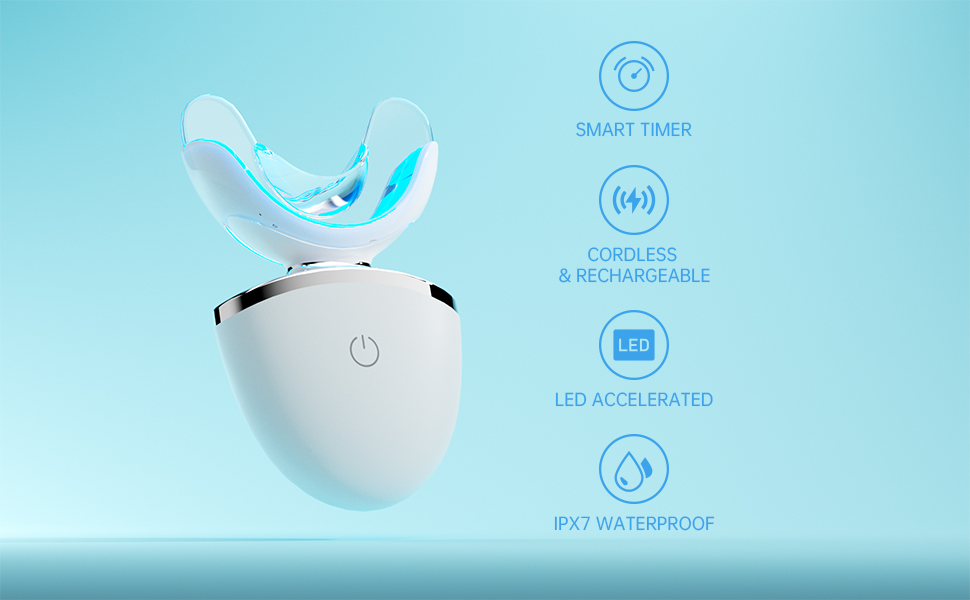
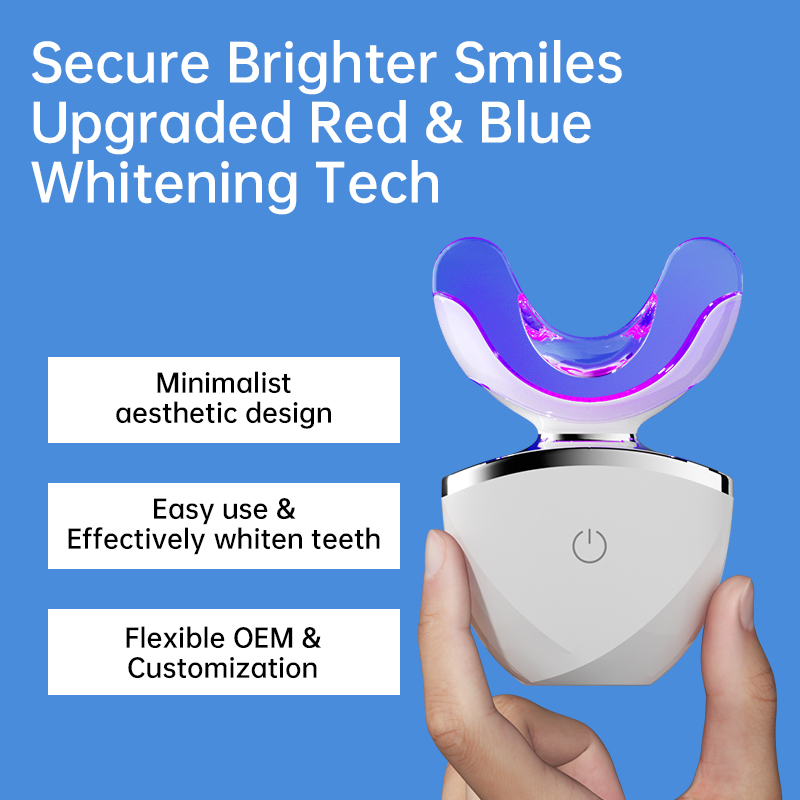
First impressions matter—especially on a date. Among all the non-verbal cues we send, a clean, bright smile ranks at the top. That’s why social confidence is closely tied to oral appearance. Consumers are increasingly investing in self-care tools, and the home teeth whitening device has quickly become one of the most popular fresh mouth tools must-have before a date. For oral care brands, this represents a valuable market opportunity that’s not only growing but also diversifying. The Demand Behind Glossy Smiles Today’s consumers are not just looking for basic dental hygiene—they want glossy smiles that shine in selfies, social events, and of course, romantic dates. Whether it’s the first time meeting someone or the hundredth dinner together, whiter teeth boost confidence. According to surveys, over 60% of adults believe that a brighter smile makes a person appear more attractive and trustworthy. Brands that cater to this emotional driver are tapping into a rich market demand. Why Daily Teeth Whitening Is in Place Incorporating whitening into everyday routines is no longer just a luxury—it's becoming a lifestyle. Consumers are choosing daily teeth whitening is in place solutions that are safe, quick, and easy to use. This shift calls for compact, USB-rechargeable, and LED-powered whitening tools…
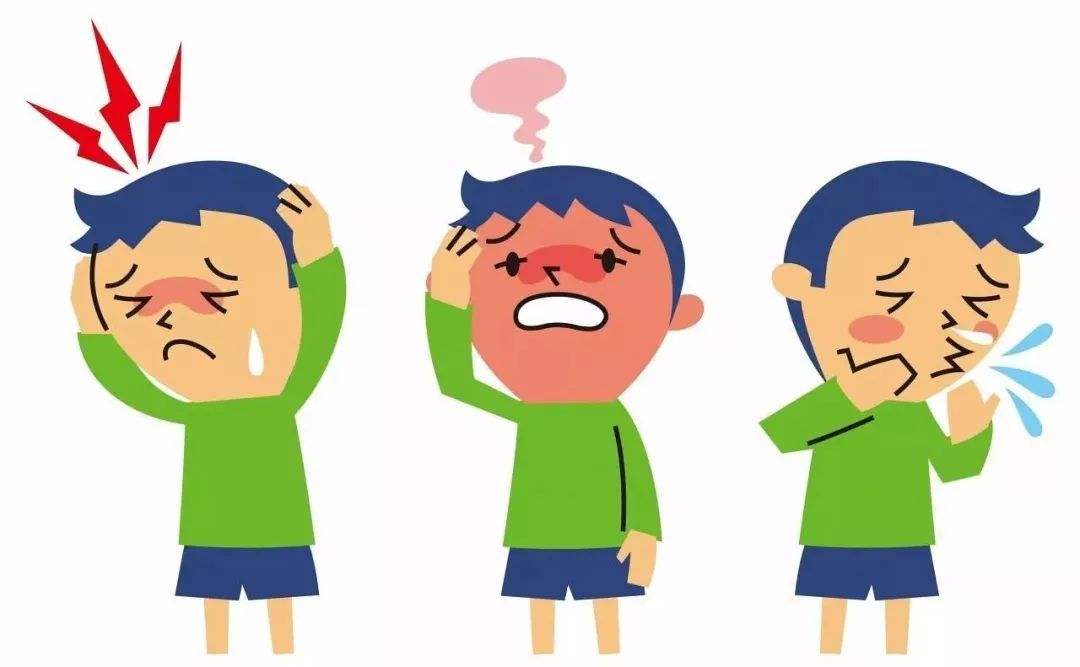
Bad breath, also known as halitosis, is one of the most common concerns among consumers today. For oral care product brands, understanding the bad breath causes and their relation to consumer habits is not just a clinical necessity—it’s a market opportunity. More users are searching for effective solutions, and this starts with products that reinforce proper hygiene practices in the oral cavity. This article explores the relations between daily oral hygiene and bad breath, and why brands should focus on product solutions that support users in ensuring their daily oral hygiene is in place. What Causes Bad Breath? Understanding bad breath causes is essential for developing effective oral care products. The primary culprits include: Bacterial buildup on the tongue and between teeth Dry mouth, which reduces saliva production Gum disease and decaying food particles in the oral cavity Poor brushing or flossing habits that leave plaque and debris behind Most of these issues stem directly from inconsistent or ineffective hygiene routines. In other words, bad breath is often a result of daily oral hygiene not being properly maintained. The Link Between Daily Oral Hygiene and Bad Breath So, is bad breath related to whether daily oral hygiene is in place? The answer is a…
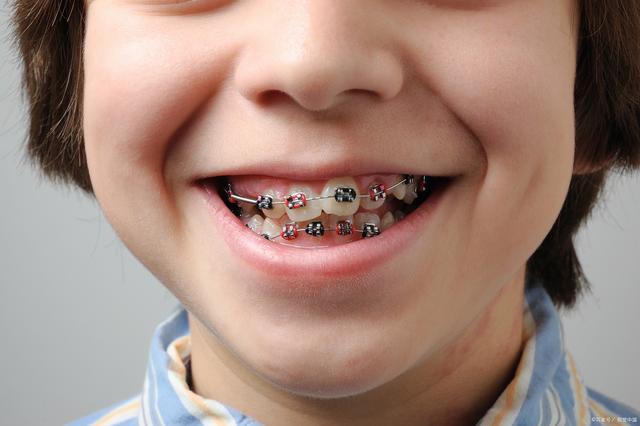
Electric toothbrushes have revolutionized modern oral hygiene. Among them, the rotating electric toothbrush stands out for its widespread use and affordability. However, behind its popularity lies a growing concern: the harm of rotating electric toothbrushes to the oral cavity. From an electric toothbrush factory’s perspective, understanding these risks is essential — not only for developing safer products but also for guiding oral care brands in selecting the right designs for their markets. This article explores the pros and cons of different types of electric toothbrushes, especially the rotating kind, and how brands can make more informed decisions. Understanding Rotating Electric Toothbrush Technology Rotating electric toothbrushes use a circular motion to mechanically remove plaque. Their mechanism is often simpler and more aggressive than sonic or ultrasonic alternatives. While they offer decent cleaning performance, they lack the finesse needed for sensitive gums and enamel. Common Characteristics: Bristle heads that rotate at a fixed speed Usually affordable and widely distributed Basic technology compared to high-frequency models While effective at plaque removal, they can be harsh on the oral cavity, especially when used improperly or for extended periods. The Harm of Rotating Electric Toothbrushes to the Oral Cavity Many dentists and dental researchers have raised…
.jpg)
As electric toothbrushes become an essential part of daily oral care routines, one recurring issue reported by users is that electric toothbrush vibration decreases over time. This can lead to reduced cleaning performance and consumer dissatisfaction—posing risks for both end users and brands. For oral care brands, especially those working with OEM/ODM suppliers, understanding the reasons behind weakened vibration in electric toothbrushes is crucial. This blog will explore common causes, preventive actions, and the importance of choosing an expert in electric toothbrush quality manufacturing. Why Does the Vibration Decrease Over Time? A noticeable drop in brushing performance often stems from several technical or mechanical issues. Here are the main causes: Battery degradation: Lithium-ion batteries can lose capacity after repeated charging cycles, resulting in lower power output and weakened motor performance. Motor wear or imbalance: A worn-out or misaligned motor is a key reason behind weakened vibration in electric toothbrushes. Mechanical obstruction: Dust, toothpaste residue, or water ingress in the motor or drive shaft can restrict movement. Electronic control failure: PCB malfunction or signal delay may cause improper voltage delivery to the motor, impacting vibration intensity. How Poor Manufacturing Affects Vibration Performance While usage habits contribute to performance decline, many cases trace back…
In water-based oral care devices and precision fluid systems, nozzle clogging is more than just a maintenance nuisance—it’s a primary trigger for pressure loss, leading to a sharp decline in performance, efficiency, and user satisfaction. For OEMs and B2B product manufacturers, understanding this chain reaction is critical to optimizing product reliability and lifecycle cost. What Exactly Is Nozzle Clogging? Nozzle clogging refers to the partial or complete obstruction of fluid exit pathways due to the accumulation of debris, scale, gel residue, or biological contaminants. This is particularly common in: Water flossers and irrigators Cosmetic mist sprayers Dental handpieces and medical fluidics Even minor buildup can disrupt flow dynamics, altering the pressure distribution and triggering downstream performance issues. How Nozzle Clogging Leads to Pressure Loss When a nozzle becomes constricted, the system compensates by altering internal flow rates. The results include: Reduced spray force: The flow can’t reach optimal velocity. Pump overload: Increased back pressure forces the motor or diaphragm to work harder, which may lead to premature wear. Intermittent delivery: Inconsistent spray patterns disrupt treatment or user experience. Simply put, pressure loss is not always due to pump failure—it often starts at the nozzle. Company web:https://www.powsmart.com/product/electric-toothbrush/ Root Causes of Clogging…
In the world of oral care devices and small consumer electronics, two seemingly separate malfunctions—shaft fracture and indicator failure—can actually be symptoms of a deeper systemic flaw. While each issue alone can disrupt performance, their co-occurrence might point to underlying design or manufacturing challenges that B2B manufacturers must address. What Is a Shaft Fracture and Why Does It Happen? A shaft fracture typically refers to the mechanical breakage of the rotating or oscillating shaft that powers a toothbrush head or drive component. Common causes include: Material fatigue due to substandard alloys or improper heat treatment Overloading from improper torque distribution Misalignment during assembly or long-term wear Shaft integrity is fundamental to device longevity, especially in high-frequency applications like sonic toothbrushes or portable water flossers. Understanding Indicator Failure An indicator failure refers to the malfunction of a visual or tactile feedback component—commonly an LED or vibration alert—that informs users of power status, charging, or mode selection. Possible reasons include: PCB solder point damage from vibration Water ingress affecting signal circuits Faulty firmware or connection instability While these failures seem electronic in nature, they may share mechanical triggers with shaft issues. Company web:https://www.powsmart.com/product/electric-toothbrush/ Are Shaft Fracture and Indicator Failure Connected? Interestingly, evidence…
When users report jaw fatigue shortly after experiencing taste alteration, is it merely a coincidence, or could it signal an underlying flaw in product design or material selection? For manufacturers supplying oral care devices or whitening systems, it is essential to explore this connection thoroughly to protect both consumer safety and brand reputation. Understanding Jaw Fatigue in Device Use Jaw fatigue refers to muscle soreness, stiffness, or tension felt in the jaw area during or after use of an oral care device. This can arise from: Excessive clamping or force required to keep a device (e.g., whitening tray or mouthpiece) in place Prolonged usage sessions beyond recommended durations Devices with poor ergonomic design, leading to unnatural jaw positioning In B2B manufacturing, minimizing ergonomic strain should always be a priority in product development. What Triggers Taste Alteration? Taste alteration is a common but often overlooked complaint linked to oral care products. Contributing factors include: Residual chemicals from gels or cleaning agents Material leaching from low-grade plastics or silicone components Microleakage from ill-fitting trays that allow solutions to reach taste buds Persistent taste changes can erode user confidence and generate negative reviews. Company web:https://www.powsmart.com/product/electric-toothbrush/ The Overlooked Connection: Are Jaw Fatigue and Taste…
Tooth microfractures and mucosal abrasions may sound like isolated inconveniences, but when they appear together, they often signal deeper structural and safety concerns that can quickly escalate without intervention. For manufacturers, distributors, and professional buyers, understanding this combination is essential to ensure product safety, avoid liability, and protect brand reputation. What Causes Tooth Microfractures? Tooth microfractures are tiny cracks in the enamel or dentin layers. Common triggers include: Excessive mechanical stress from hard bristle tips Vibrations generated by high-frequency motors with insufficient damping Inconsistent pressure applied during use due to poor handle ergonomics Left unaddressed, microfractures can gradually propagate, leading to tooth chipping, sensitivity, or even structural failure. How Do Mucosal Abrasions Develop? Mucosal abrasions are shallow injuries to the soft tissues lining the cheeks, lips, and gums. They often result from: Sharp edges or seams in brush heads or accessories Accumulated residues that create abrasive surfaces Uncontrolled oscillation amplitude causing accidental scraping While minor abrasions typically heal in days, repeated trauma increases the risk of infection and chronic discomfort. Company web:https://www.powsmart.com/product/electric-toothbrush/ The Dangerous Interaction Between Microfractures and Abrasions When tooth microfractures coincide with mucosal abrasions, the risk to users compounds significantly: Microfractured enamel creates rough surfaces that further irritate…
Enamel scratching and gum irritation are increasingly reported by consumers using advanced oral care devices. While each issue on its own can be manageable, when combined they can lead to cumulative damage that is difficult—and sometimes impossible—to fully reverse. In this blog, we’ll explore whether enamel scratching caused by gum irritation is truly reversible and what steps manufacturers can take to mitigate these problems. How Does Gum Irritation Occur? Gum irritation develops due to several factors: Excessive mechanical pressure from stiff or uneven bristles Improper brushing angles that repeatedly traumatize gum tissue Chemical exposure from whitening agents or disinfectants Once the gums are inflamed, they become more sensitive and prone to bleeding. The Link Between Gum Irritation and Enamel Scratching When users experience gum irritation, they often change their brushing technique subconsciously, applying inconsistent pressure or scraping the enamel surface in an attempt to clean more gently.This combination leads to: Micro-abrasions on enamel Localized wear near the gum line Increased exposure of dentin tubules, heightening sensitivity Over time, the protective enamel layer becomes thinner and rougher. Is Enamel Damage Reversible? Unlike gum tissue, which can regenerate to some extent, enamel does not regrow once it is worn away. While remineralization…
Seal degradation and battery swelling are two failures that can silently develop in powered oral care devices, often going unnoticed until the damage becomes severe. But when both occur simultaneously, the consequences are more than cosmetic—they pose a tangible safety risk to end users and can trigger extensive warranty claims for manufacturers. Let’s explore why these issues are closely connected, and what proactive measures B2B suppliers should consider. What Is Seal Degradation? Seal degradation occurs when the protective gaskets or enclosures inside the product begin to: Crack or lose elasticity due to aging plastics or repeated temperature fluctuations Warp under mechanical stress or repeated disassembly Break down from chemical exposure, such as harsh cleaning agents Once these seals fail, moisture and contaminants can infiltrate the internal compartments. How Battery Swelling Begins When seals degrade, the risk of battery swelling increases dramatically: Moisture ingress can compromise the battery’s protective casing Short circuits can occur if conductive residues reach battery contacts Internal gas generation from chemical reactions causes the battery to expand This swelling not only distorts the device housing but can eventually rupture the casing. Company web:https://www.powsmart.com/product/electric-toothbrush/ Why This Combination Is Dangerous While seal degradation and battery swelling are problematic on…
Charging corrosion is a silent but serious threat in many powered oral care devices. Over time, moisture, chemical residues, and electrical stress can degrade charging contacts, setting the stage for voltage instability and eventual motor burnout. But how exactly are these two failures connected—and can they be prevented? Let’s unpack why corrosion at the charging point can quickly escalate into total motor failure. What Is Charging Corrosion? Charging corrosion develops when: Moisture seeps into the charging port or cradle Saliva or cleaning fluids linger on contact pins Metallic surfaces oxidize, reducing conductivity This corrosion gradually forms a resistive layer that disrupts the flow of current during charging cycles. How Corrosion Leads to Motor Burnout At first glance, it might seem surprising that charging corrosion could trigger motor burnout, but the link is more direct than it appears: Corrosion increases electrical resistance, requiring the battery to work harder Inconsistent voltage during charge cycles weakens the battery cells The motor receives fluctuating power when operating Over time, these power surges overheat the motor windings, causing insulation breakdown Eventually, the motor can burn out entirely—even if the device appears normal during short operation. Company web:https://www.powsmart.com/product/electric-toothbrush/ Early Indicators You Shouldn’t Ignore For B2B distributors…
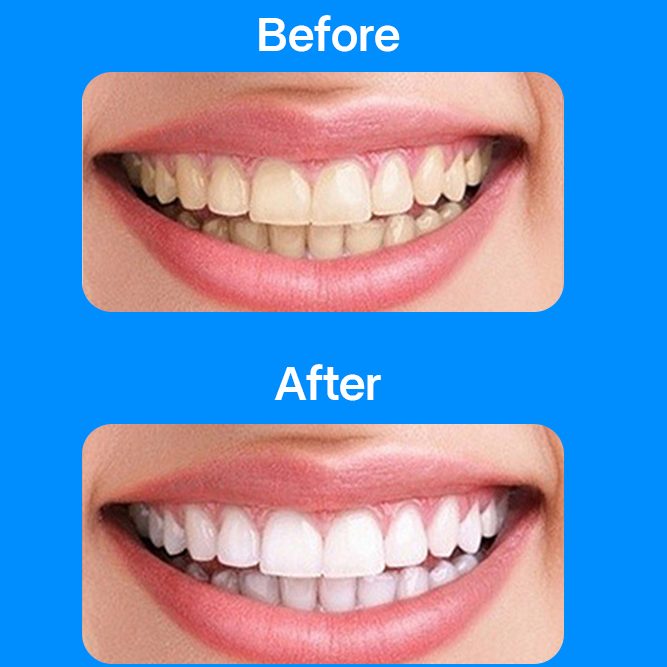
Portable teeth whitening devices have grown in popularity, especially as consumers seek convenient, at-home solutions for improving their smiles. However, there’s been growing skepticism in the market—are these compact devices truly effective, or are they just another trend with no real value? In this blog, we’ll conduct a factual analysis of teeth whitening device effectiveness, separating marketing myths from scientific truths. For oral care brands considering entering or expanding in the whitening segment, this is a critical topic to understand—both for product positioning and when choosing the right manufacturing partner. Understanding How Portable Teeth Whitening Devices Work Most portable teeth whitening devices are LED-based and designed to work in combination with a whitening gel (typically containing hydrogen peroxide or carbamide peroxide). The LED light helps accelerate the chemical reaction that breaks down stains on the enamel surface. There are several key components that determine teeth whitening devices effect: The active ingredient concentration Wavelength and intensity of the LED light Duration and frequency of use Product design and material quality Without proper calibration and formulation, any teeth whitening device—portable or not—will underperform. However, when designed and used correctly, portable devices can yield visible results within 1–2 weeks. What Do the Studies Say? Scientific…
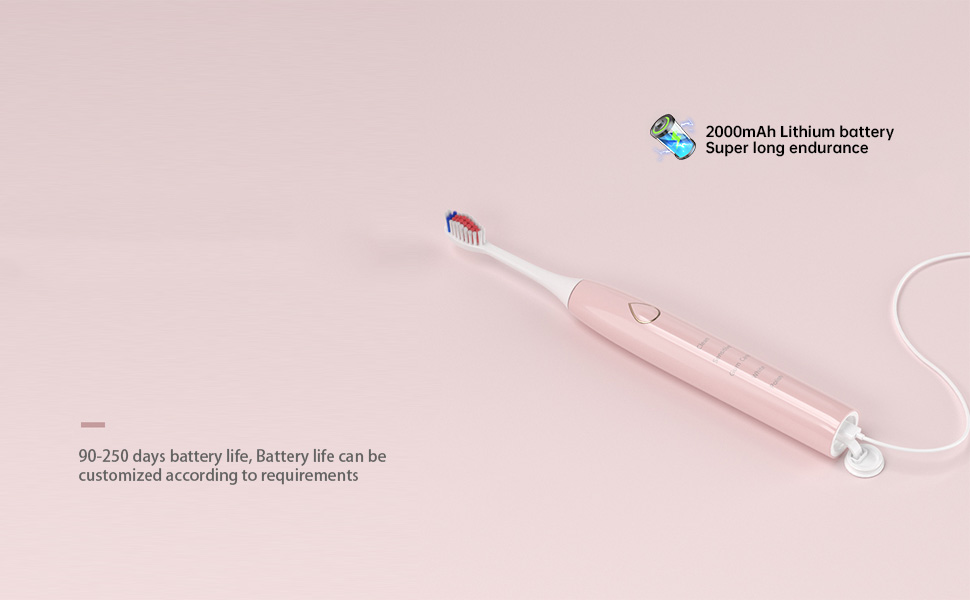
For oral care brands and distributors, customer satisfaction hinges on product reliability. One of the most frequently reported complaints in after-sales service is: “The water flosser can’t be charged.” This issue, while seemingly simple, can be rooted in multiple causes—among them, water ingressed issue stands out as a key factor. In this blog, we provide a systematic breakdown of water flosser charging problems, how to assess them, and what brand owners should know when choosing manufacturing partners. Common Charging Issues with Water Flossers Before jumping to conclusions, it's important to identify the actual cause when a water flosser can’t be charged. Here are the most common reasons: Faulty or incompatible charging cable or adapter Poor internal circuit design or defective charging port Battery failure or degraded battery capacity Improper water flosser charging operation by users Internal damage caused by water ingressed Understanding which issue is at play helps determine whether it's a design flaw, user error, or a production defect. Is Water Ingress the Real Culprit? One of the most overlooked, yet critical issues is water ingression. Despite water flossers being designed for bathroom use, not all models have adequate waterproofing. If water ingressed into the internal circuitry, it can cause: Corrosion of charging…
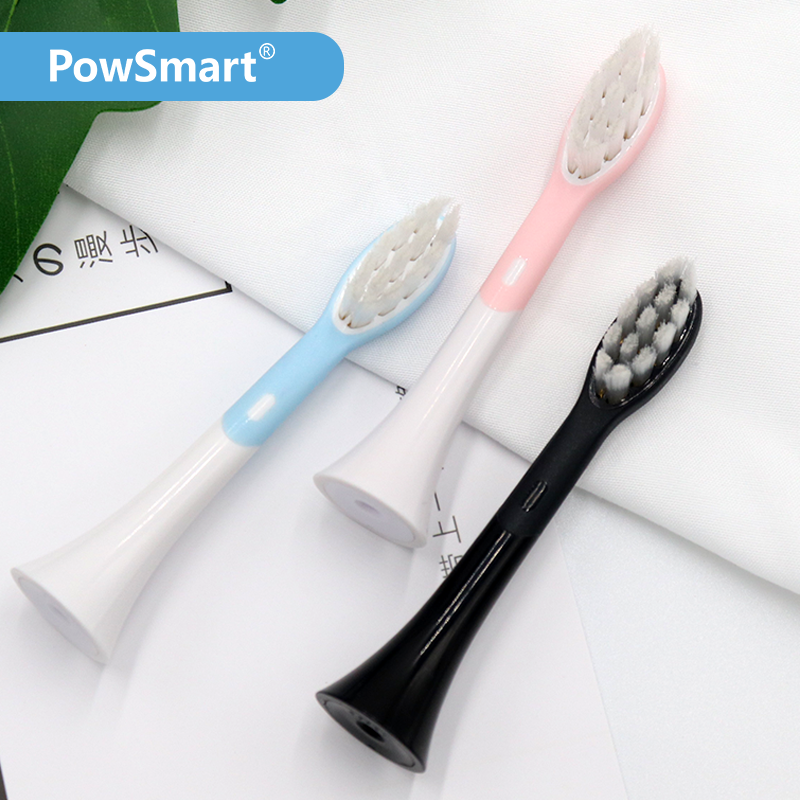
Why This Happens — And How Brands Can Prevent It Through Better Manufacturing One of the most frequent complaints from end-users of electric toothbrushes is: “The brush head was shedding bristles while brushing my teeth.” This seemingly small issue is a red flag for both consumers and oral care brands. Not only does it affect customer satisfaction, but it can also damage brand reputation and reduce repeat purchases. In this article, we’ll explore the real causes of shedding bristles, including poor brush head manufacturing, improper usage like brushing with too much force, and what oral care brands can do when sourcing the right electric toothbrush manufacturing partner. Shedding Bristles: What’s Really Happening? When users experience bristles falling out during brushing, it typically points to one of two issues: Manufacturing Defect: Low-quality filament anchoring, weak glue, or poor assembly in the brush head. User Error: Aggressive brushing technique or using the brush head far beyond its recommended replacement period. Regardless of the cause, it creates a negative perception of product quality. This is why both user education and manufacturing quality are critical. Poor Brush Head Manufacturing: The Root of the Problem From a manufacturing standpoint, poor brush head manufacturing is often the core issue…
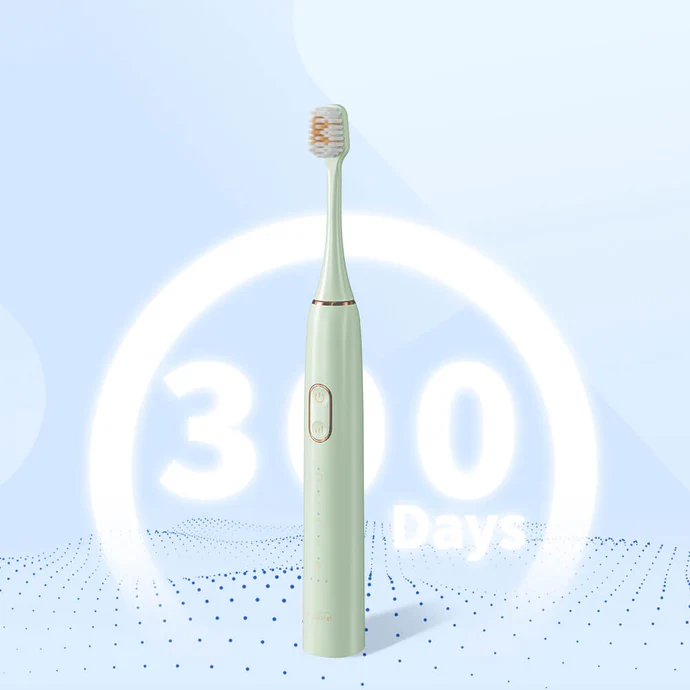
As demand for smart, high-performance oral care devices continues to grow, electric toothbrush brands are investing more in design, marketing, and features. Yet, one often-overlooked issue continues to affect customer satisfaction and warranty rates—electric toothbrush charging issues. Have you ever received customer complaints that their electric toothbrush burned out during charging? It's more common than you think—and often stems from poor charging design, incorrect usage instructions, or manufacturing flaws. In this blog, we’ll explore the root causes, share expert toothbrush charging cautions, and offer suggestions from factory insights to help your brand deliver reliable, long-lasting products. Common Reasons Why Electric Toothbrushes Burn Out Understanding the causes of toothbrush burnout helps both brands and OEM partners design safer, longer-lasting devices. Below are the main culprits: Over-voltage or incompatible charging adapters: Using a high-wattage phone charger or non-approved adapter can overload the circuit. Lack of overcharge protection: If the toothbrush’s PCB or battery lacks protective components, continuous charging can overheat and damage internal parts. Exposure to moisture during charging: Improper sealing design allows water ingress into the charging port or base, short-circuiting the internal system. Poor-quality components: Low-grade batteries or control boards, often used by unqualified manufacturers, can cause premature failure. Each of these reflects…
Enamel erosion is often underestimated in oral care product design, yet its consequences can be devastating, especially when it leads to cavity acceleration. Once the protective enamel barrier is compromised, the dentin beneath becomes highly vulnerable to acid attacks, bacteria infiltration, and rapid decay progression. But is this truly a vicious cycle that cannot be broken? Let’s explore why enamel erosion and cavity formation feed into each other—and how innovative manufacturing can help prevent this spiral of damage. How Enamel Erosion Starts Enamel erosion is the gradual wearing away of the tooth’s hard outer layer due to chemical, mechanical, or thermal stress. Common causes include: Acidic formulations in whitening gels or rinses Abrasive particles in toothpaste Aggressive brushing with stiff or uneven bristles Improper device calibration that applies excessive pressure Over time, these factors thin the enamel, reducing its protective function and exposing softer tooth layers. The Link Between Enamel Erosion and Cavity Acceleration When enamel is eroded, it sets the stage for cavity acceleration. Here’s why: Demineralization speeds up, as acids reach dentin faster Plaque adhesion increases, making bacterial colonization easier Remineralization becomes less effective, especially in high-wear zones Micro-cracks develop, acting as entry points for decay This creates…


.jpg)
.jpg)
.jpg)
.jpg)
.jpg)






.jpg)
.jpg)