For Bell’s palsy health resources, visit https://www.ninds.nih.gov/health-information/patient-caregiver-education/bells-palsy.
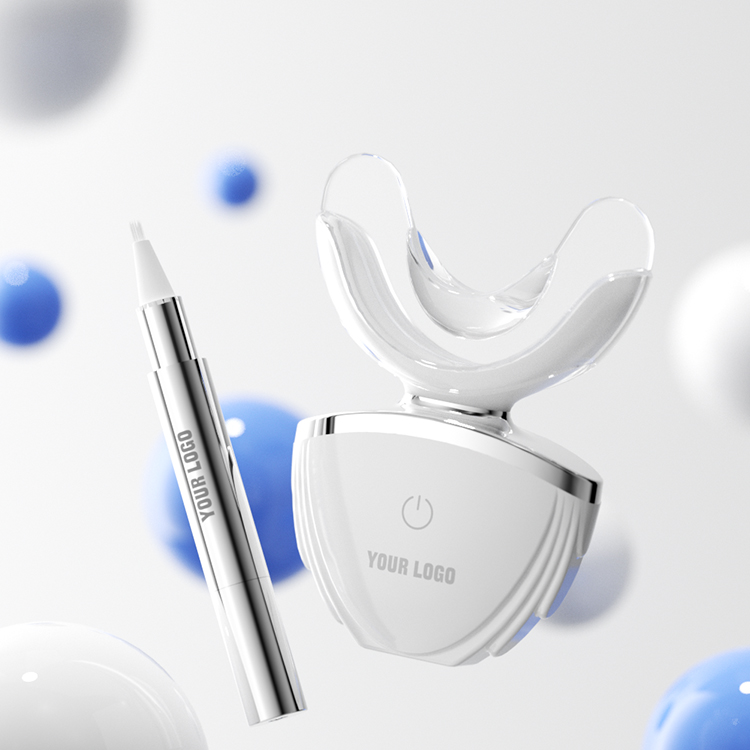
What Are the Advantages of Teeth Whitening Pen Manufacturing for Battery-operated Whitener Devices?
.jpg)
Red Light Electric Toothbrush Manufacturer
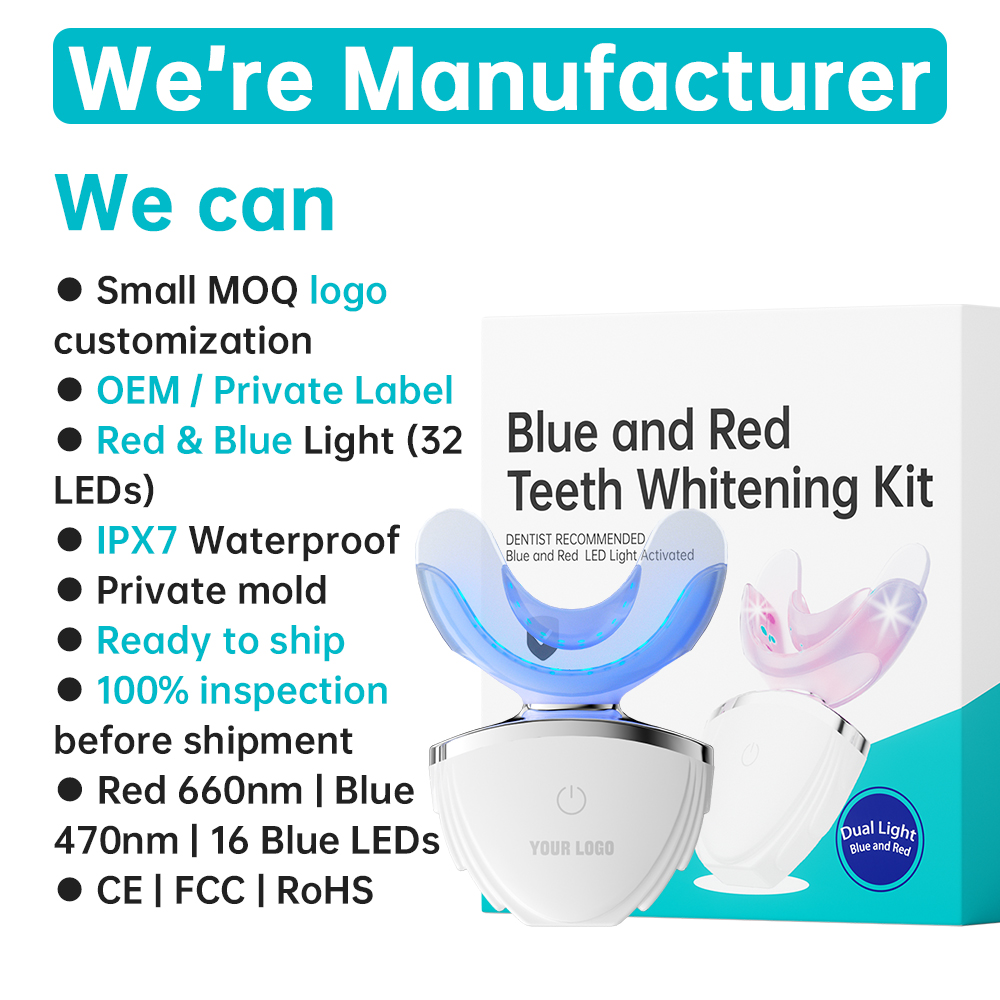
Are Your Wholesale Rechargeable Toothbrush Sets Suitable as Corporate Gift Electric Toothbrushes?
Portable Teeth Whitening Kit Manufacturer
What’s the Difference Between a Pulsation Driver Chip and a Multi-jet Chipset for Flossers?
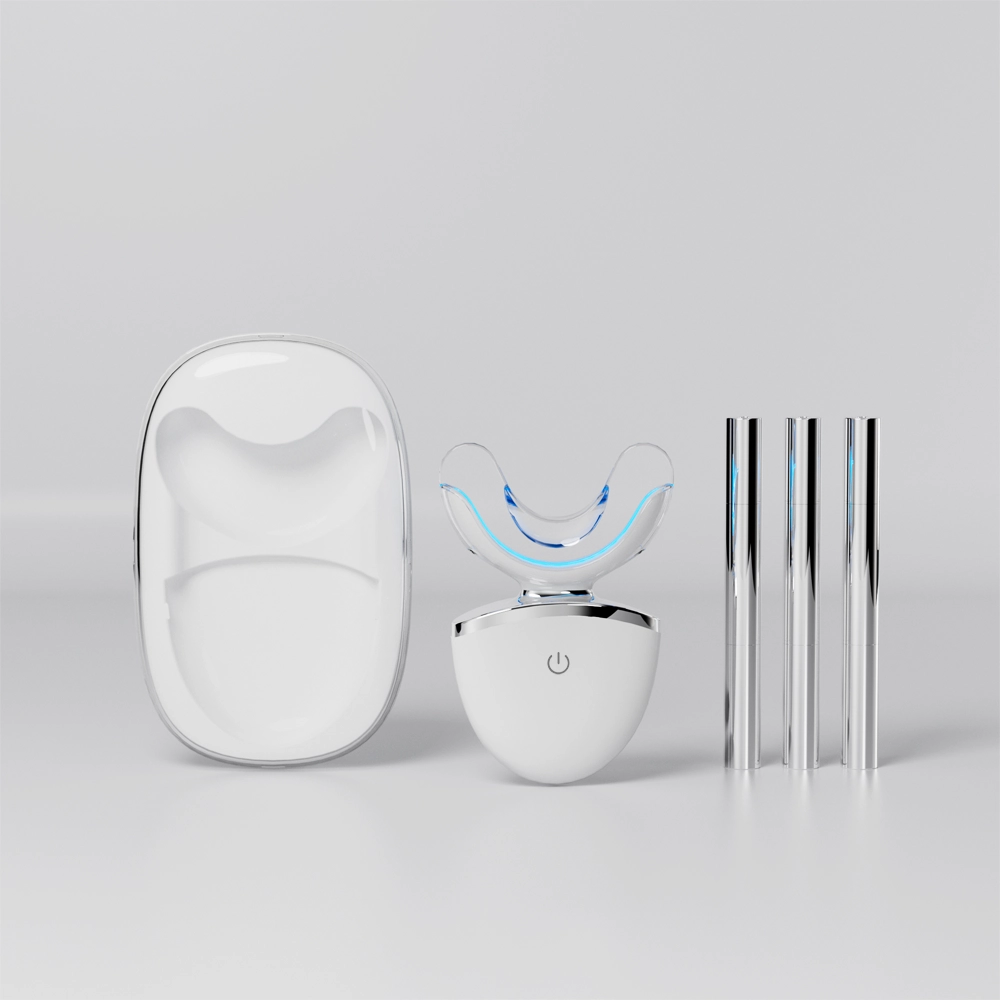
How Does a Simple Gravity Feed System Benefit from Precise Jet Stream Collimation?
Why Home Treatments Risk Stain Residuals?
The Evolution of the User Experience: How Dentistry Technology is Changing Everyday Oral Care
IPX8 Waterproof Sonic Toothbrush OEM: Advanced Waterproof Manufacturing
LED Light Toothbrush Factory China: Scalable Manufacturing and Innovation
Enamel Transparency Plus Taste Loss – Permanent Damage?
LED Light Sonic Toothbrush OEM
LED Electric Toothbrush OEM Manufacturing Solutions
How Is an Acoustic Vibration Plate Protected by a Robust Watertight Seal Design?
Does Practice Management Software Integration Work with a Teledentistry Platform White-Label?
Inflamed Gums Water Flosser Relief: Soothe Gingivitis Effectively


.jpg)
.jpg)
.jpg)
.jpg)
.jpg)