In recent product quality audits and customer feedback loops, two seemingly unrelated issues have started to appear together with increasing frequency: battery depletion and adapter overheating. At first glance, these may seem like independent faults—one chemical, the other thermal. However, deeper diagnostic analysis reveals they may actually be symptoms of a single systemic flaw. Could battery depletion be directly related to adapter overheating? And if so, how can OEM/ODM manufacturers detect, prevent, and even design around this dual risk?
Battery depletion refers to the rapid or abnormal loss of charge capacity over time. In electric toothbrushes, water flossers, and personal care devices, this typically manifests as:
The root causes may involve battery chemistry degradation, poor charging current management, or repeated exposure to heat.
Adapter overheating occurs when the charger exceeds its designed thermal tolerance due to:
While overheating may first appear as a charger issue, its effect on downstream battery health can be significant. Company web:https://www.powsmart.com/product/electric-toothbrush/
The link between adapter overheating and battery depletion lies in how elevated charging temperatures degrade battery chemistry over time. Specifically:
Thus, the adapter doesn’t just supply power—it determines the thermal and current profile under which the battery ages.
To resolve this issue holistically, manufacturers should implement a system-wide design strategy:
By synchronizing charger and device design, long-term thermal stress can be minimized.
Proactive quality assurance steps can catch these interlinked problems before reaching the customer:
This data can feed continuous improvement cycles at both charger and product level.
By solving this dual-risk issue, brands can promote:
In B2B partnerships, being able to present test data and mitigation strategies upfront builds stronger buyer confidence and product differentiation.
Yes—battery depletion and adapter overheating are often linked, and the connection lies in how charging heat and current affect battery health. For manufacturers, the key is to shift from treating them as isolated issues to tackling them through integrated design, smart circuitry, and cross-component validation. By doing so, you don’t just avoid failure—you deliver a better, longer-lasting, and safer user experience. Contact us
What is the Average Lifespan of an Electric Toothbrush? Manufacturer’s Insight

The Impact of Innovation in Electric Toothbrushes
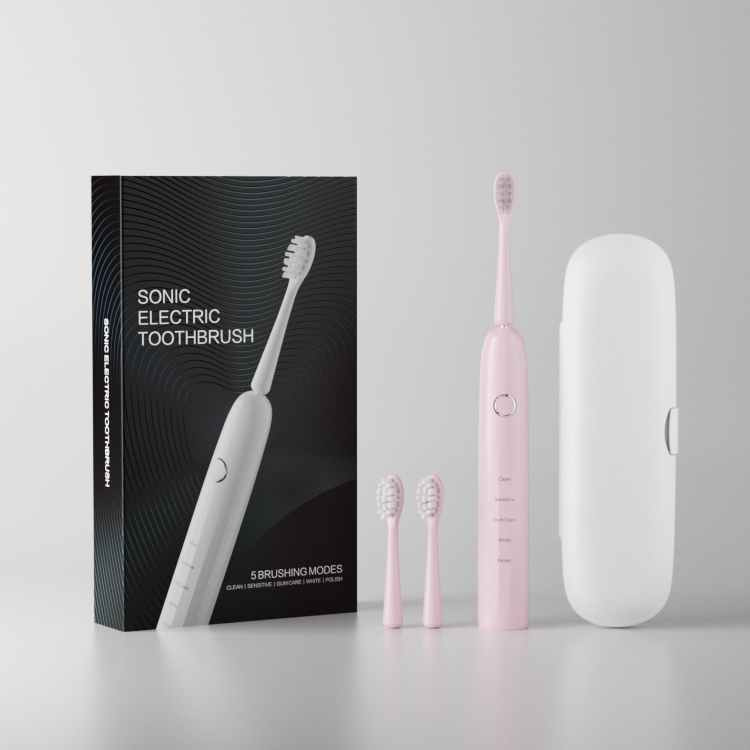
Why Work With an Electric Toothbrush Export Specialist as Your Global Toothbrush Supplier?
.jpg)
Nozzle Clogging Causing Pressure Loss – A Hidden Performance Drain?
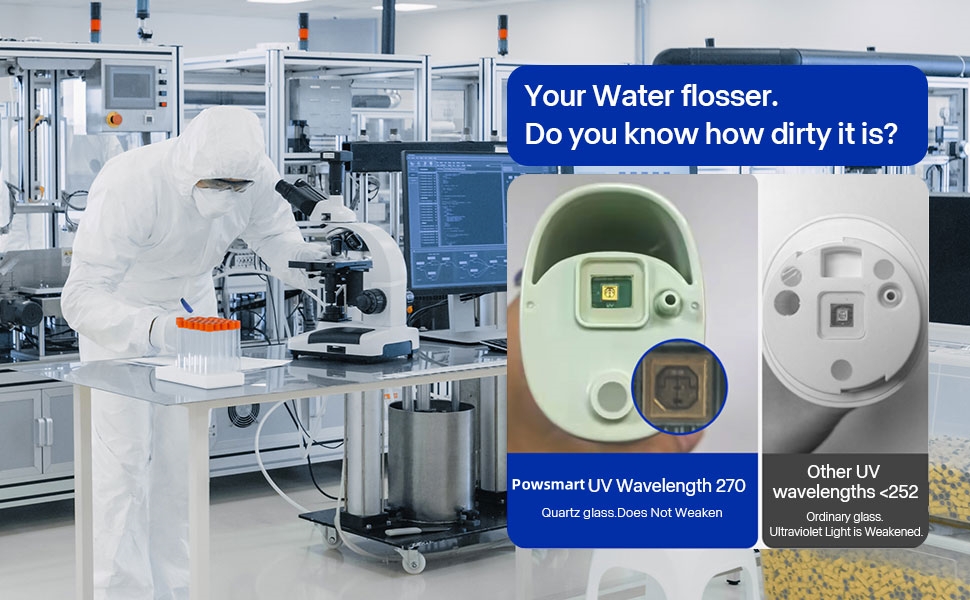
What Causes Bleeding When Using a Water Flosser for the First Time?

Looking for OEM Electric Toothbrush Design and Water Flosser Private Label Services Under One Roof?
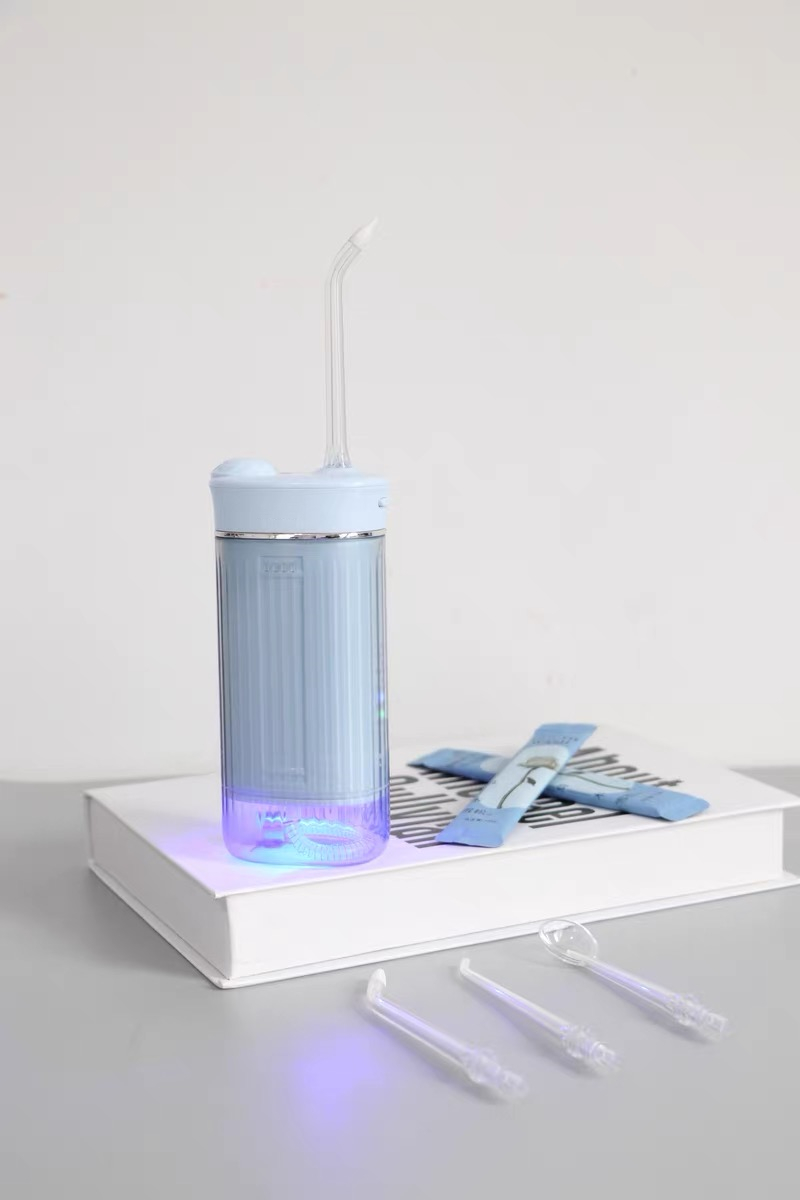
Can Reliable Water Flosser Component Suppliers Support Cordless Water Flosser Manufacturing?
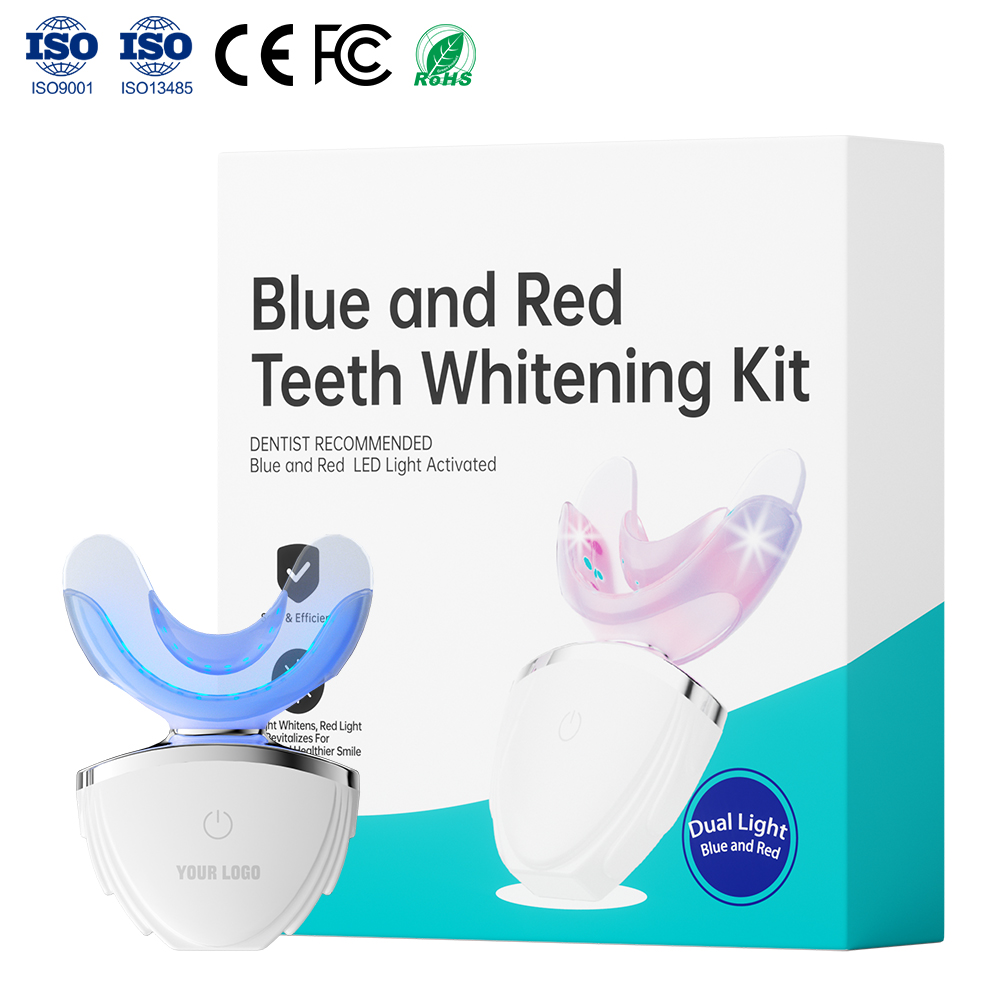
What Is the Role of Blue Light LED Module in LED Mouthpiece Design for Teeth Whitening?
Interested in the Venture Client Model but Need Qualified Person Support for Regulatory Filings?
Why Is Your Device Stuck in Frequency Instability and Smart Timer Malfunction?
What Should You Pay Attention to When Using an Electric Toothbrush?
Electric Toothbrush Packaging OEM Solutions for B2B Brands
electric toothbrush small batch OEM | Low MOQ Sonic Toothbrush Manufacturer
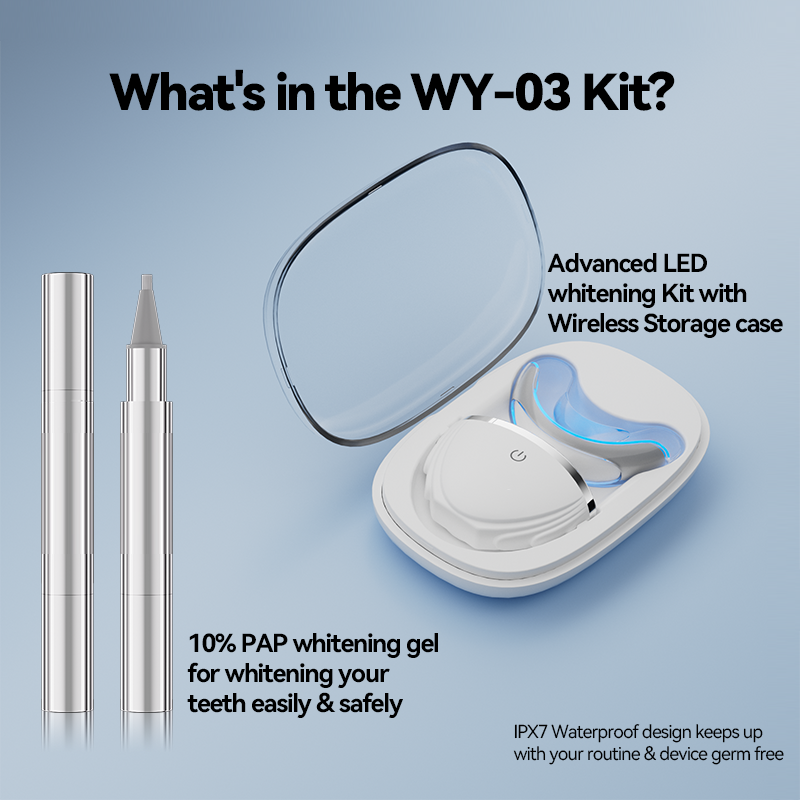
OEM of Teeth Whitening Device: A Complete Solution from LOGO Printing to Light Wave Mode Customization
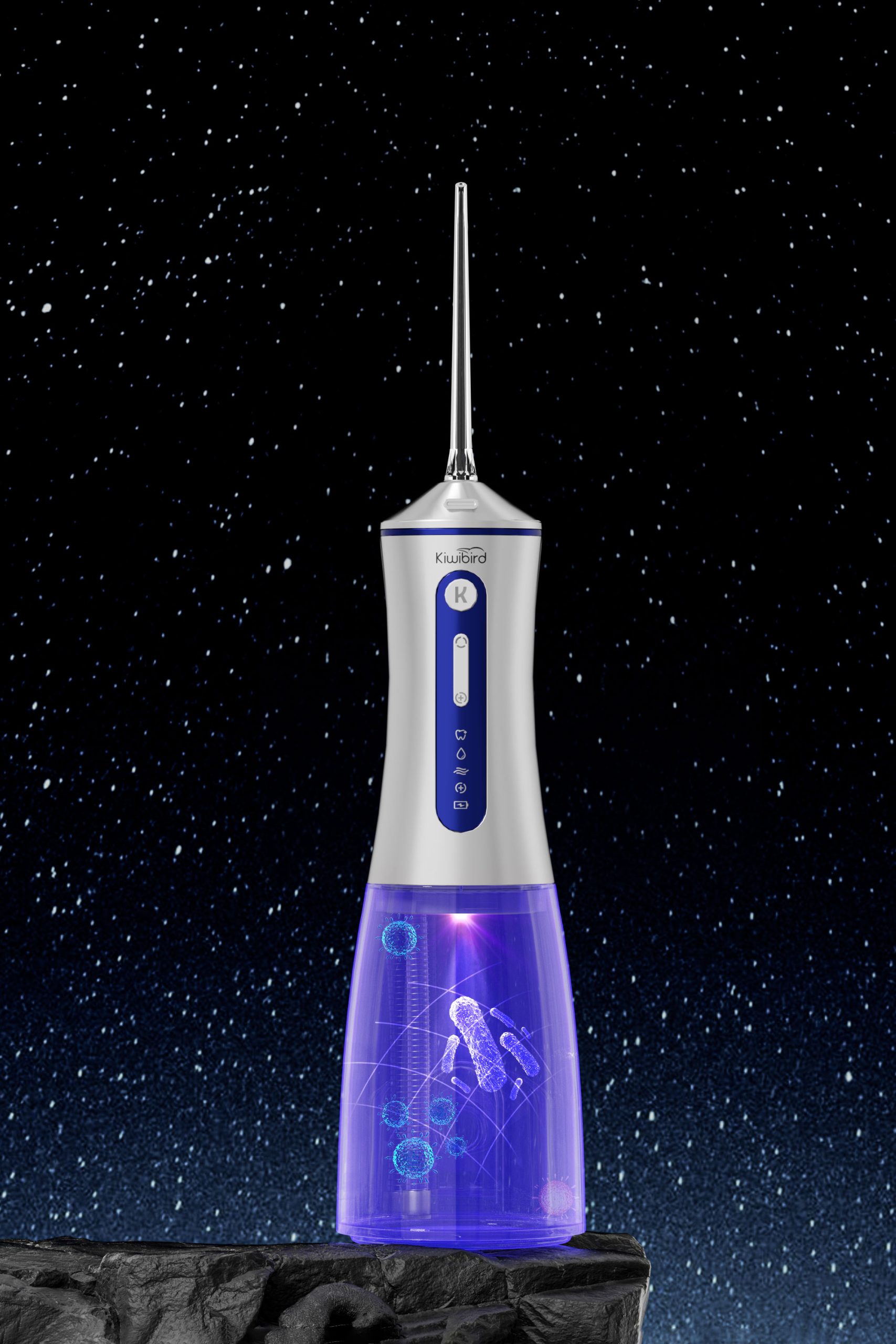
Why Does a Water Flosser Need a Sterilization Function?
Does Toothbrush Battery Life Impact Gum Recession Risk?


.jpg)
.jpg)
.jpg)
.jpg)
.jpg)