In the field of professional oral care devices, user safety incidents such as gingival burns combined with cervical hypersensitivity are emerging as an urgent concern, especially in the whitening and deep-cleaning product categories. Manufacturers may underestimate the combined impact of thermal, chemical, and mechanical stress on delicate gingival and cervical areas. But when burns and hypersensitivity appear together, they signal a systemic design or process flaw that must be addressed. How urgent is this issue—and how can product design prevent it?
Gingival burns refer to tissue damage along the gums, typically caused by:
Cervical hypersensitivity involves intense sensitivity in the tooth neck region (cementoenamel junction), often triggered by:
When these two issues occur simultaneously, user discomfort and potential oral injury escalate rapidly.
Experiencing gingival burns and cervical hypersensitivity together is not random:
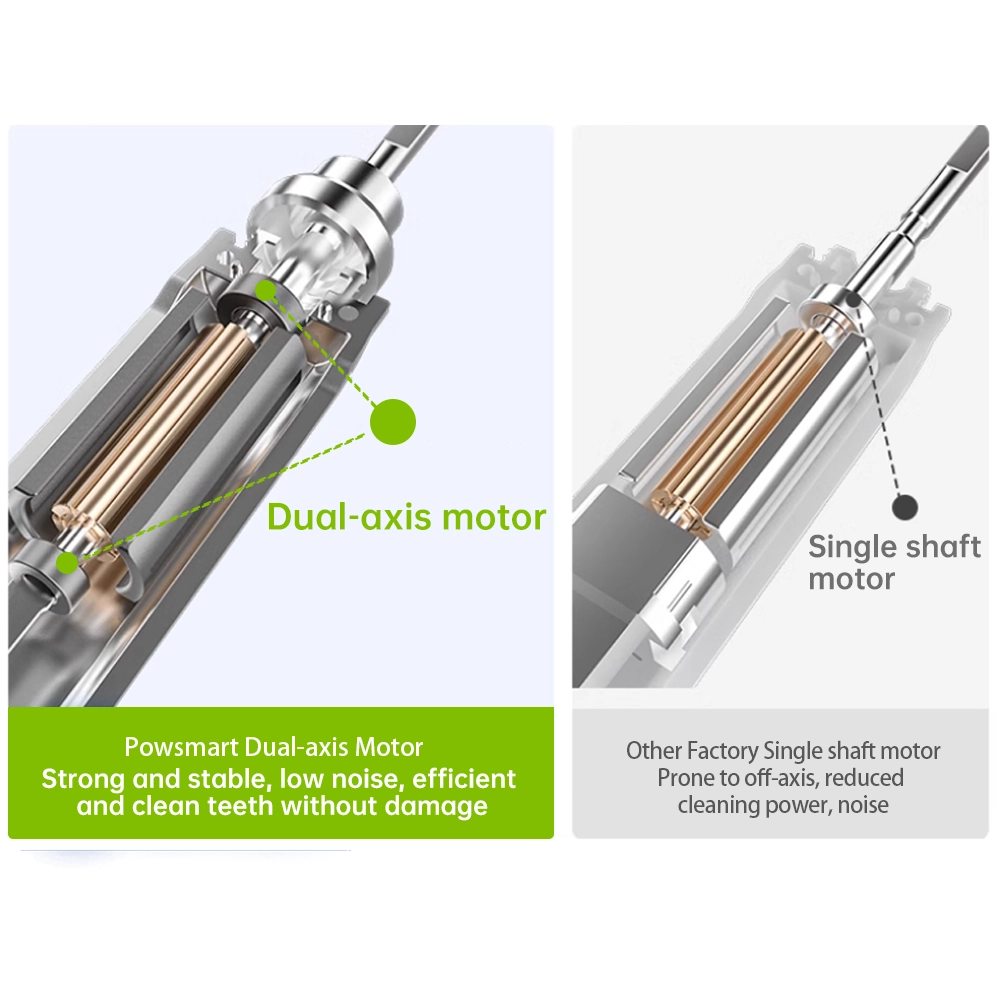
Therefore, these two complaints often indicate a shared design flaw—typically excessive thermal output, poor gel formulation, or poorly shaped delivery heads. Company web:https://www.powsmart.com/product/electric-toothbrush/
Common risk factors contributing to combined injuries include:
Manufacturers must recognize that tissue safety depends on more than formulation or output specs—it requires full-system safety integration.
Effective design changes to prevent gingival burns and cervical hypersensitivity include:
Applying these design principles at R&D level can proactively eliminate root causes.
In mass production, manufacturers should implement:
These controls help detect risks that might otherwise bypass traditional mechanical testing.
By eliminating the combined risk of gingival burns and cervical hypersensitivity, manufacturers can:
In professional B2B sales, safety-focused certifications and test reports can differentiate products in competitive tenders or regulatory audits.
Yes, when gingival burns occur alongside cervical hypersensitivity, it signals an urgent systemic problem—one that requires immediate intervention at the design and QA levels. By understanding the link between thermal, chemical, and mechanical stresses, manufacturers can protect users more effectively and transform safety into a powerful market differentiator. Contact us
.jpg)
.jpg)
How Is an Acoustic Vibration Plate Protected by a Robust Watertight Seal Design?
Can Agile Manufacturing Pods Be a Tool for Channel Conflict Mitigation?

Is Your Conformal Coating Service Validated by Thermal Cycling Endurance Test Data?
How Does a Contract Manufacturing Agreement Secure a Steady Brush Head Replacement Supply?
.jpg)
Whitening for Nursing Home Visits
Can a Periodontal Probe Attachment Enable Cephalometric Analysis Integration?
Replaceable Brush Head Toothbrush OEM: Design & Manufacturing Guide
Can Additive Manufacturing Support an Inventory Consignment Program for Custom Dental Tools?
Smart Electric Toothbrush Manufacturer for Global Brands
Why Put an Edge AI Inference Chip Inside an Adaptive Counterfeit Detector for Brush Heads?
Electric Toothbrush Product Development OEM
How Does a Behavioral Nudge Engine Optimize a Predictive Supply Algorithm for Brush Head Refills?
How Can a Photodynamic Therapy Module Be Accelerated to Market Through a Clinical Co-development Program?
GERD Teeth Protection Guide: Brushing Strategies for Acid Reflux Sufferers

Are Silver Economy Solutions Effective Without Seamless Teledentistry Platform Integration?
Whitening for Holiday Photos | Holiday Smile Whitening Timeline


.jpg)
.jpg)
.jpg)
.jpg)
.jpg)