For any water flosser or oral irrigator brand targeting global markets, user control and flow reliability are non-negotiable. Yet in many customer complaints and field test reports, a recurring problem appears: button unresponsiveness occurring alongside flow inconsistency. While these may seem like separate issues at first, deeper technical diagnostics reveal a shared root cause—and an actionable solution. In this article, we’ll explore how these two defects are interlinked, what causes them, and how manufacturers can eliminate them through engineering and quality process refinement.
In real-world usage scenarios, the following symptoms often appear together:
This combination not only disrupts usability but also undermines the product’s perceived quality—especially when users expect precise control in premium models.
An unresponsive button is rarely caused by the button itself alone. Instead, it often results from:
Once the control input is delayed or dropped entirely, the result is user frustration and control failure—sometimes perceived as a dead unit. Company web: https://www.powsmart.com/product/electric-toothbrush/
Flow inconsistency refers to irregular or unstable water output—sometimes weak, sometimes forceful, and occasionally stopped entirely. This may stem from:
What’s key here is: when the button signal is unstable, it can trigger improper motor activation or pump timing—directly leading to unpredictable water flow.
The connection between button unresponsiveness and flow inconsistency lies in a disrupted signal-power-control chain:
So what starts as a control input failure rapidly degrades system reliability—making both the interface and the output erratic.
To eliminate both defects, OEMs must engineer across multiple layers:
At the production level, adding button cycle testing and flow uniformity simulation into QA protocols helps catch issues before shipment.
Rather than just fixing the issue, manufacturers can convert it into a product differentiator:
In markets where user comfort, elderly usability, and hygiene precision are top priorities, reliable control and stable flow aren’t luxuries—they’re expectations.
Engineers may perceive button unresponsiveness and flow inconsistency as isolated issues, but in reality, these interconnected failure modes demand a systemic engineering approach. For B2B manufacturers, solving these defects doesn’t just improve product performance—it directly improves brand perception, user trust, and client retention. Engineers can fully resolve these “small” issues through rigorous testing, signal control design, and smart firmware refinement—and even use them as proof of next-level product maturity..Contact us
.jpg)
.jpg)
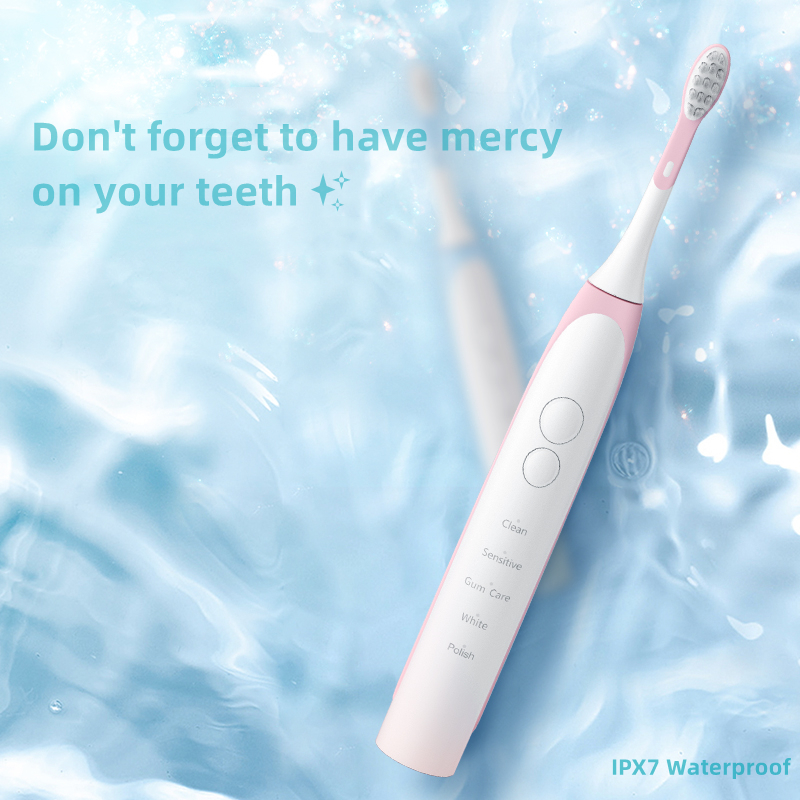
How to Choose the Right Electric Toothbrush: A Comprehensive Guide
.jpg)
Oral Fistula Water Flosser | Safe Cleaning
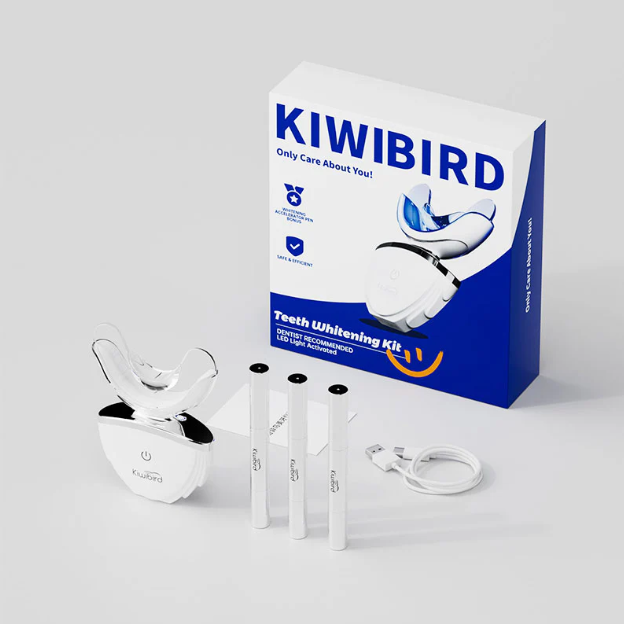
Small Batch Purchase of Red and Blue Light Teeth Whitening Devices and OEM Factory Sourcing Strategy
How to Assess Electric Toothbrush Supplier Reliability and Find Electric Toothbrush Technology Partners?
Jaw Bone Death Oral Care | Safe Flossing
DuPont Bristle Electric Toothbrush OEM
Does an orthodontic brush simplify braces care?
How Toothbrush Accessories Compatibility Matters to Brand Loyalty
Does Your Microfluidic Chip Fabrication Service Offer a Minimum Order Quantity Waiver for R&D?
Electric Toothbrush OEM Packaging Customization Solutions
Can a Hawaii saltwater toothbrush really outperform a standard Hawaii waterproof toothbrush?
Electric Toothbrush Housing Customization Factory: Advanced Design and Manufacturing Solutions
Floral Tea Teeth Stains | Hibiscus Tea Whitening Tips
How Crown Compatibility Aligns with Pressure Sensors Tech?
Comparison Between UV Spraying and PU Spraying for Electric Toothbrushes: Matte, Anti-Slip, and Environmental Protection Performance Analysis
Smart Toothbrush OEM Manufacturing for Tech Professionals


.jpg)
.jpg)
.jpg)
.jpg)
.jpg)






.jpg)
.jpg)