In recent years, reports of gel crystallization coinciding with gingival discoloration in cosmetic oral devices have raised concerns among both manufacturers and end-users. Could crystallized whitening gels be contributing to visible gum color changes? More importantly, is this merely a cosmetic issue, or does it indicate a deeper formulation or process flaw? This article addresses why this combination should not be ignored in modern teeth whitening product design.
Gel crystallization occurs when whitening agents (such as carbamide peroxide or hydrogen peroxide) solidify into crystalline structures within the gel matrix. This usually results from:
Crystallized gels no longer provide consistent spreadability and may deposit uneven concentrations of active ingredients on teeth and soft tissues.
Gingival discoloration is typically observed as darkened or patchy areas on the gum tissue after repeated whitening treatments. Potential causes include:
When gel crystallization alters the intended application, active agents can pool at the gingival margins, leading to tissue stress and discoloration over time. Company web: https://www.powsmart.com/product/electric-toothbrush/
Yes, when gel crystallization and gingival discoloration appear together, it is more than a cosmetic defect. It signals:
Ignoring these signs risks product recalls, damaged brand reputation, and potential liability for tissue harm.
To minimize gel crystallization, manufacturers should:
Advanced mixing techniques, such as vacuum emulsification, can help maintain homogeneity and prevent premature crystallization.
Beyond the gel itself, preventing gingival discoloration requires:
Periodic clinical evaluations can help detect tissue reaction trends before full-scale market release.
In conclusion, the occurrence of gel crystallization combined with gingival discoloration should be viewed as a clear red flag in teeth whitening product manufacturing. It highlights formulation instability and potential tissue safety risks.
Manufacturers must treat these phenomena as early indicators of systemic quality issues, rather than isolated cosmetic defects. Investing in formulation optimization and process validation will protect both user health and brand integrity.
Ready to audit your whitening gel stability and gum tissue safety? Contact our technical support team to discuss customized solutions for your product line. Contact Kiwibird
-300x300.jpg)
-300x300.jpg)
.jpg)
Biofilm Regrowth Inducing pH Imbalance – Vicious Cycle?

8 Unexpected Health Benefits of Good Oral Hygiene: Beyond the Basics
The importance of the roundness of toothbrush bristles
.jpg)
Small-Batch Customization Orders: How Low MOQ Opens Doors for New Oral Care Brands
Bristle Splaying Worsening Demineralization Zones – Negligence?

How Long Does It Take for a Teeth Whitening Device to Show Results?
Swivel Blockage Leading to Saliva Depletion – Preventable?
.jpg)
How to Build a Differentiated Oral Care Brand?

What Competitive Oral Care Products Are Needed in the Highly Competitive Dental Care Market?
How Can You Turn Your Users into Loyal Users of Your Oral Care Brand?
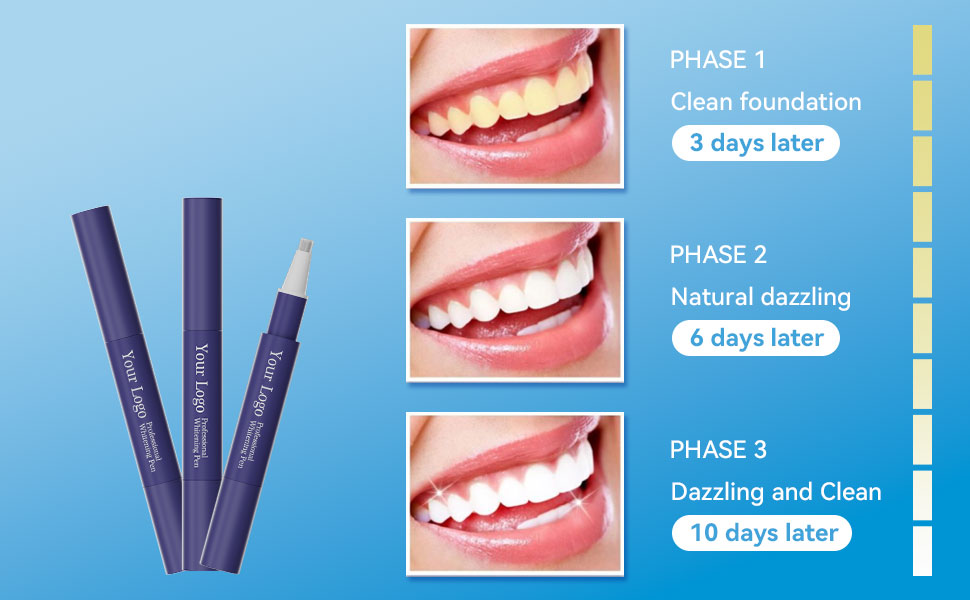
Oral health facts & tips: Teeth whitening
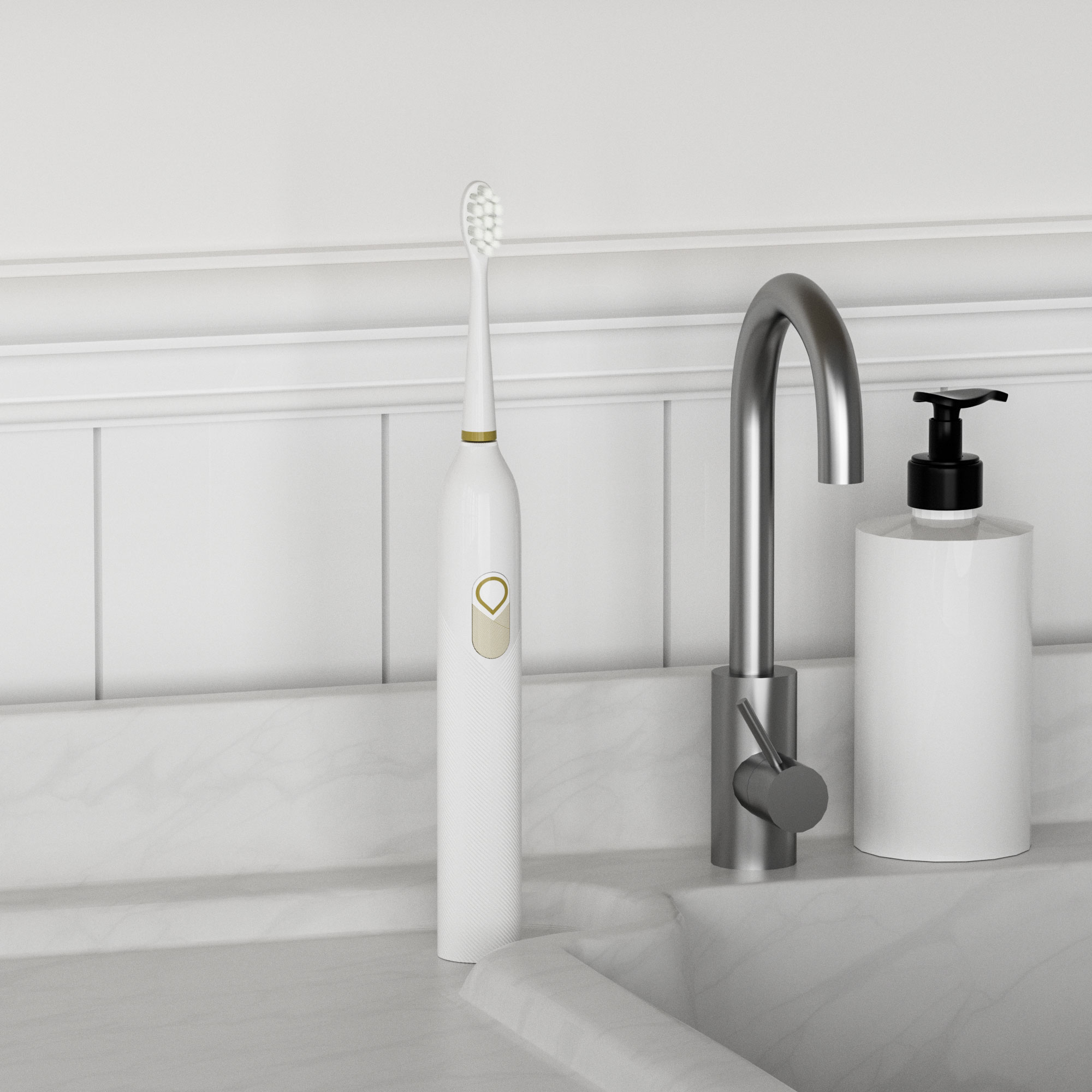
The proper way to use an electric toothbrush
Pressure Sensor Failure with Taste Distortion – Related?
Occlusal Interference Plus Jaw Fatigue – Design Flaw?
Sync Disruption with Tray Deformation – Tech Failure?

High After-Sales Costs: How They Cripple Oral Care Brand Profits & Reputation


.jpg)
.jpg)
.jpg)
.jpg)
.jpg)






.jpg)
.jpg)