.jpg)
In recent production defect analyses, gel crystallization combined with pH imbalance has raised concerns among oral care manufacturers. Not only does this combination affect whitening performance, but it also triggers questions about possible toxicological risks. Could such defects compromise product safety? This blog explores the answer from a manufacturing and formulation perspective. What is Gel Crystallization in Oral Care Products? Gel crystallization refers to the unintended solidification or crystal formation within gel-based formulations, especially whitening gels. This typically results from: Improper storage temperatures Inaccurate formulation blending Presence of ionic contaminants Incorrect polymer cross-linking ratios Crystallized gels lose uniform texture, reducing application consistency and risking uneven contact with enamel surfaces. Understanding pH Imbalance: A Silent Quality Concern pH imbalance arises when the gel's acidity or alkalinity drifts outside the intended safe range, usually between pH 5.5 and 7.5 for oral contact products. Causes include: Inaccurate acid-base component mixing during production Migration of ingredients during storage Reaction between active agents and packaging materials pH imbalance exacerbates enamel sensitivity and could damage soft oral tissues during use. Company web:https://www.powsmart.com/product/electric-toothbrush/ How Gel Crystallization and pH Imbalance Are Interconnected Interestingly, gel crystallization and pH imbalance often occur simultaneously: Crystallization can cause localized pH shifts as…
In recent after-sales analysis reports, tray deformation has emerged as a hidden factor contributing to occlusal discomfort during whitening or oral treatment sessions. This issue is often underestimated by manufacturers, yet it directly affects end-user comfort and brand reputation. Can tray deformation be effectively controlled and corrected? Let’s explore the technical answers. Understanding Tray Deformation: Why It Happens Tray deformation typically refers to structural distortion of whitening trays or oral treatment mouthpieces during production, storage, or use. Common causes include: Inadequate material selection with low heat resistance Poor mold design lacking uniform wall thickness Warpage due to uneven cooling during injection molding Residual stresses from suboptimal demolding or handling Improper tray storage leading to mechanical distortion These deformations compromise tray fit, leading to pressure points inside the mouth. How Deformed Trays Cause Occlusal Discomfort Occlusal discomfort arises when the bite force is unevenly distributed due to ill-fitting trays. Specifically: Warped trays apply uneven contact force on teeth and gums Users experience bite misalignment or pressure imbalance Longer wear sessions amplify tissue strain and discomfort In severe cases, jaw fatigue and temporomandibular joint (TMJ) irritation occur Ultimately, tray deformation transforms a comfort-based treatment into a painful experience. Company web:https://www.powsmart.com/product/electric-toothbrush/ Design Flaws…
.jpg)
Maintaining optimal dental hygiene for braces is crucial for individuals with orthodontic appliances. Braces create additional challenges in keeping teeth clean, making it essential to have the right tools to maintain oral health during treatment. For manufacturers and suppliers in the oral care industry, offering the best cleaning and maintaining braces products can set your brand apart. This blog explores some dentist-recommended tools that are indispensable in an orthodontic care kit. Focusing on products like interdental brushes for braces and water flossers for braces, that help ensure effective cleaning and long-term oral health. The Essential Role of Braces Cleaning Products When it comes to cleaning braces, traditional brushing and flossing simply aren’t enough. The brackets and wires trap food particles and plaque, creating areas that are difficult to clean with regular toothbrushes. Therefore, braces cleaning products are designed to reach these areas more effectively. Popular and recommended products for orthodontic care kits include: Electric Toothbrushes: Many electric toothbrushes come with orthodontic modes or specialized brush heads designed for cleaning around braces. It provides deep cleaning and plaque removal. Interdental Brushes for Braces: These tiny brushes are perfect for cleaning between the brackets and wires. Ensuring thorough cleaning of areas that are otherwise difficult to reach…
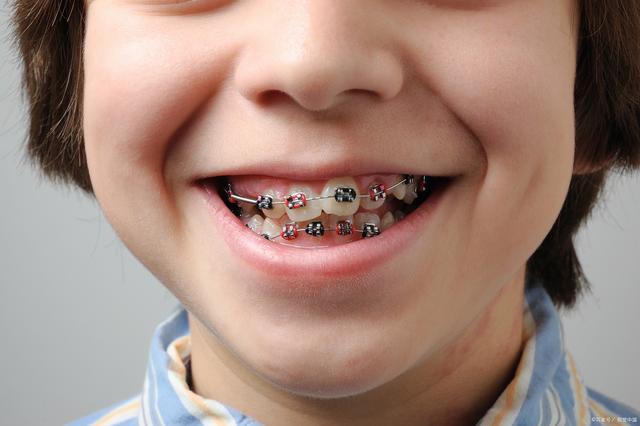
As the global demand for aesthetic dental care increases, more consumers are looking for ways to improve their smile while undergoing orthodontic treatment. This creates a unique product opportunity for brands: orthodontic treatment teeth whitening. But a common question arises—can people with braces safely use home teeth whitening products? The answer is nuanced, and it opens the door for braces-safe whitening products that cater to this growing market. This blog serves as both a product insight and a development direction guide for oral care brands working with manufacturers or OEM/ODM partners. The Challenges of Teeth Whitening During Orthodontic Treatment Whitening teeth while wearing braces is not a simple process. Traditional brackets cover parts of the tooth, making teeth whitening during orthodontics uneven and sometimes ineffective. Common issues include: Whitening only the visible surfaces, leaving unbrushed areas discolored once braces are removed Increased tooth sensitivity from whitening agents interacting with exposed enamel Potential damage to orthodontic adhesives if incompatible whitening gel for braces is used Understanding these limitations is crucial for brands looking to develop safe and effective whitening solutions for orthodontic users. Current Whitening Options for Orthodontic Patients Patients with braces typically have limited access to professional whitening treatments during treatment. As a result, many turn…
In professional and consumer whitening devices alike, whitening rebound—the rapid re-staining of teeth after treatment—remains a frustrating concern. Increasingly, technical analysis reveals a link between light decay in LED systems and premature loss of whitening results. Is whitening rebound after light decay inevitable, or can manufacturers mitigate this hidden flaw? Let’s examine the critical factors. Understanding Whitening Rebound: Why Results Fade Too Fast Whitening rebound refers to the gradual reversal of tooth whitening, often within weeks of treatment. Common causes include: Incomplete oxidation of chromogens during whitening Inconsistent energy delivery during treatment Re-mineralization surface irregularities re-attracting stains Inadequate gel activation, leading to superficial results For brands, whitening rebound undermines product promises and reduces customer satisfaction. Light Decay: Hidden Weakness in Whitening Systems Light decay in LED-based whitening devices refers to: Gradual reduction in emitted light intensity over repeated usage cycles Degradation of LED lens clarity due to thermal damage or residue buildup Internal circuit wear reducing current stability, weakening photon output As whitening relies heavily on photo-activation, light decay directly reduces gel activation efficiency—making even high-quality gels less effective. Company web:https://www.powsmart.com/product/electric-toothbrush/ The Direct Link: How Light Decay Triggers Whitening Rebound Light decay and whitening rebound are closely linked via: Suboptimal…
In today’s oral care market, consumers are increasingly seeking gentle oral hygiene solutions that do not compromise comfort. A large segment of users experiences sensitivity—whether from gum recession, dental treatments, or chronic oral conditions—making them ideal candidates for Sensitive Oral Cavity products. For oral care brands, this growing demand represents a valuable niche with strong market potential. But to serve this segment successfully, brands must focus on developing and sourcing the right products that maintaining hygiene without discomfort. This article explores product features, materials, and manufacturing considerations that brand owners should understand when looking for reliable OEM/ODM suppliers of gentle oral care products. Understanding the Needs of Users with Sensitive Oral Cavities Consumers with sensitive oral tissues require extra care in their hygiene routine. Traditional oral care tools can often cause irritation, micro-abrasions, or discomfort. The ideal Sensitive Oral Cavity products must meet several key criteria: Ultra-soft materials to avoid tissue damage Non-abrasive designs for daily use Gentle, yet effective cleaning performance Hypoallergenic and non-irritating formulations in toothpaste or mouthwash Understanding these user pain points is the first step toward developing product lines that meet genuine, unmet needs in the market. The Importance of the Soft Bristle Toothbrush One of the cornerstone products in…
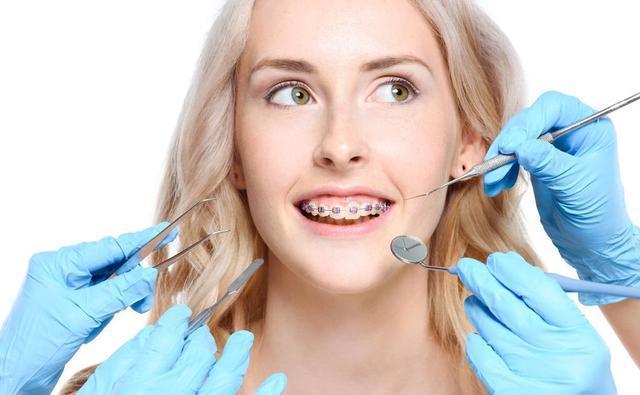
Patients undergoing orthodontic treatment face unique oral hygiene challenges. Braces, wires, and aligners create hard-to-reach areas that are prone to plaque buildup, gingivitis, and enamel demineralization. As a result, the demand for orthodontic oral care solutions has surged—pushing brands to develop effective, targeted products. In this blog, we explore key product categories, essential features, and manufacturing insights to help oral care brands source the right solutions for their orthodontic product lines. Understanding the Needs of Orthodontic Patients The primary challenge for patients with braces or aligners is maintaining consistent and effective orthodontic hygiene. Food particles and plaque easily accumulate around brackets and between wires. Therefore, these patients require a combination of braces-friendly products that offer enhanced precision and gentleness without compromising cleaning efficiency. Key needs include: Deep cleaning between wires and brackets Gum protection and stimulation Prevention of white spots and enamel damage Portability for on-the-go care Specialized Toothbrushes for Orthodontic Patients One of the most critical tools in any orthodontic oral care routine is a toothbrush designed specifically for orthodontic appliances. Specialized toothbrushes for orthodontic patients typically include: V-shaped bristle patterns to clean around brackets Soft or ultra-soft bristles to protect enamel and gums Compact brush heads for better access in tight areas…
In recent OEM and ODM product audits, gel leakage combined with unexpected enamel erosion has emerged as a significant quality concern in teeth whitening devices. At first glance, these two issues seem unrelated, but closer inspection reveals that gel containment failures may directly accelerate dental surface damage. Are your whitening products causing double damage to end-users? Let’s explore. Understanding Gel Leakage: Root Causes in Whitening Devices Gel leakage refers to uncontrolled seepage of whitening gel from the application tray, cartridge, or nozzle during usage or storage. Key contributing factors include: Poor mold sealing and assembly tolerances Substandard silicone gasket or o-ring design Weak tray fitment or misalignment Incorrect gel viscosity control Thermal expansion from inconsistent curing processes Gel leakage not only reduces whitening efficiency but also risks direct soft tissue exposure and uncontrolled spreading to teeth surfaces. The Science of Enamel Erosion in Whitening Contexts Enamel erosion is the chemical dissolution of tooth enamel, primarily caused by acids or prolonged exposure to reactive agents. In whitening devices, potential triggers are: Acidic gel formulations without pH neutralization Excess gel pooling due to leakage Lack of gel application control leading to overexposure Poor saliva interaction management, preventing agent dilution As enamel is…
In recent user feedback reports, unexpected adapter overheating and subsequent sinus discomfort have been observed, particularly in compact oral care devices like water flossers and electric toothbrushes. While at first glance these issues appear unrelated, closer technical analysis suggests potential connections between heat management failures and user health complaints. This raises a critical question for manufacturers: Is adapter overheating indirectly causing sinus discomfort? What Is Adapter Overheating and Why Does It Occur? Adapter overheating refers to excessive temperature buildup within the power adapter or charging module during device operation or charging. Contributing factors include: Undersized power supply units unable to handle prolonged current loads Poor heat dissipation design or lack of thermal cutoffs Low-quality internal wiring or contact resistance buildup Absence of temperature monitoring or over-temperature protection Prolonged adapter overheating can elevate the surface temperature of oral care devices, which may pose user safety concerns. Understanding Sinus Discomfort in Oral Device Users Sinus discomfort in users often manifests as: A sensation of facial pressure or congestion Dryness or irritation in the nasal passages Headaches triggered post-use Possible causes include: Warm airflow or device-generated heat reaching the nasal area Thermal irritation exacerbating existing sinus sensitivity Off-gassing from overheated plastics contributing to…
In oral care device manufacturing, bristle splay is often dismissed as a natural sign of toothbrush wear. However, uncontrolled bristle splaying could directly contribute to gum recession, leading to long-term oral health complications. Is ignoring premature bristle deformation a form of manufacturer negligence? Let’s explore how poor brush head design exacerbates gum damage and what solutions can prevent it. What Is Bristle Splay and Why Does It Matter? Bristle splay occurs when toothbrush filaments bend outward or lose their alignment after repeated use. While all bristles deteriorate over time, rapid splaying results from: Inferior filament material lacking fatigue resistance Poor bristle end-rounding, increasing localized stress Improper tufting angles or filament length mismatches Excessive brush head pressure or inadequate stiffness control When splayed, bristles no longer clean effectively. Worse, their sharp or angled tips can abrade gum tissue, triggering damage. Understanding Gum Recession: The Hidden Risk Gum recession is the progressive exposure of tooth roots due to gum tissue erosion. It can be accelerated by: Mechanical abrasion from aggressive brushing or misaligned bristles Chronic inflammation aggravated by residual plaque due to ineffective cleaning Overstimulation of gingival tissues from filament microtrauma Splayed bristles not only fail to remove plaque effectively but also…
In modern oral care device usage, reports of occlusal discomfort combined with unexpected salivary alteration are becoming more frequent. While seemingly unrelated, these two symptoms may indicate a serious underlying design flaw in oral care systems. From water flossers to electric toothbrushes, understanding whether this combination is an isolated irritation or an alarming trend is essential for manufacturers seeking to uphold product safety and comfort. What Is Occlusal Discomfort in Device Usage? Occlusal discomfort refers to pain or pressure sensations in the bite zone (occlusal surfaces) following device use. In oral care products, this can result from: Overaggressive vibration transmission to molars during brushing Excessive water pressure from flossers directed at interdental spaces Poorly calibrated pulsed jets impacting occlusal surfaces directly Misalignment of device output relative to tooth surface While often mistaken for user error, device design directly contributes to discomfort during repeated use. Understanding Salivary Alteration: Subtle but Concerning Salivary alteration describes changes in: Saliva viscosity (becoming too thick or too watery) Taste perception within saliva Saliva production rates (either dryness or excessive flow) Such changes can stem from: Chemical residue introduced by device cleaning agents Thermal effects from LED or heating elements Mechanical overstimulation of salivary glands by…
.jpg)
As parental awareness of dental health continues to grow, the kids' dental care market is undergoing rapid expansion. While toothbrushes for children have been a staple in this space, the spotlight is now shifting toward more advanced tools—especially the water flosser for children. The question facing many oral care brands today is: Is it time to expand into the children’s oral irrigator category?This blog explores the market signals, product development potential, and strategic value of investing in pediatric oral care solutions. Market Demand: Why Children's Oral Irrigator Demand Is Growing Modern parents are increasingly proactive about instilling good oral hygiene habits early. This has resulted in growing children’s oral irrigator demand as part of a more comprehensive pediatric oral care routine. Key drivers include: Higher rates of early orthodontic treatments (e.g. braces, spacers) Dentist recommendations for better plaque control in children Parental demand for gentle yet effective flossing alternatives This makes the category a viable growth opportunity in the broader kids' dental care market. Addressing Unmet Needs in Pediatric Oral Hygiene Traditional flossing is often ineffective or ignored by children due to discomfort or lack of dexterity. Pediatric oral hygiene products that are both fun and functional—like child-sized water flossers—can: Improve compliance in…
.jpg)
With the increasing focus on early dental hygiene, more parents are exploring advanced tools like water flossers to enhance their kids’ oral care routines. While children water flosser products can be beneficial, they require careful consideration during design, marketing, and usage. For oral care brands and OEM partners, understanding kids oral care safety is crucial when targeting the pediatric market. This article offers insights into the water flosser precautions brands should consider when developing or recommending products for young users, including expert-driven pediatric dental tips. Age Appropriateness: Understand Water Flosser Age Recommendations One of the first things to address is the water flosser age recommendation. Most dental professionals agree that water flossers are suitable for children around age 6 and up—once they are capable of understanding basic instructions and managing oral care independently.Brands should: Clearly label the recommended age group. Avoid marketing to toddlers or very young children who may not have the motor skills for safe operation. Child-Friendly Design for Safety and Comfort To ensure kids oral care safety, water flossers for children must be ergonomically designed. Key features include: Soft water pressure modes to prevent gum irritation. Smaller, easier-to-hold handles tailored to children’s hands. Fun, attractive designs that encourage consistent use.…
.jpg)
Proper children’s oral care is essential for lifelong dental health, and parents often wonder: What is the right age to use a water flosser for kids? While traditional flossing can be challenging for young children, water flossers for kids offer a gentler and more effective alternative. But when is it safe to introduce them? In this guide, we’ll explore dentist-approved water flosser recommendations, the benefits of kids water flossing, and how to choose the right device for your child’s age. When Can Kids Start Using a Water Flosser? Most dentists recommend introducing a water flosser for kids around age 6 or older, when children have developed enough dexterity to handle the device safely. Before this age, parents should assist with flossing or use alternative methods like soft picks. Key considerations: Age 4-6: Supervised use with parental help. Age 6+: Independent use with proper guidance. Teenagers: Can use standard or dentist-approved water flosser models. Why Water Flossers Are Great for Children’s Oral Care Unlike string floss, which can be difficult for small hands, kids water flossing provides:Gentler on gums – Reduces irritation compared to manual flossing.Easier to use – No complex hand movements required. More effective – Removes plaque from braces and hard-to-reach areas. Studies show that children who use water flossers for kids maintain better oral hygiene, especially if they wear orthodontic appliances. Choosing…
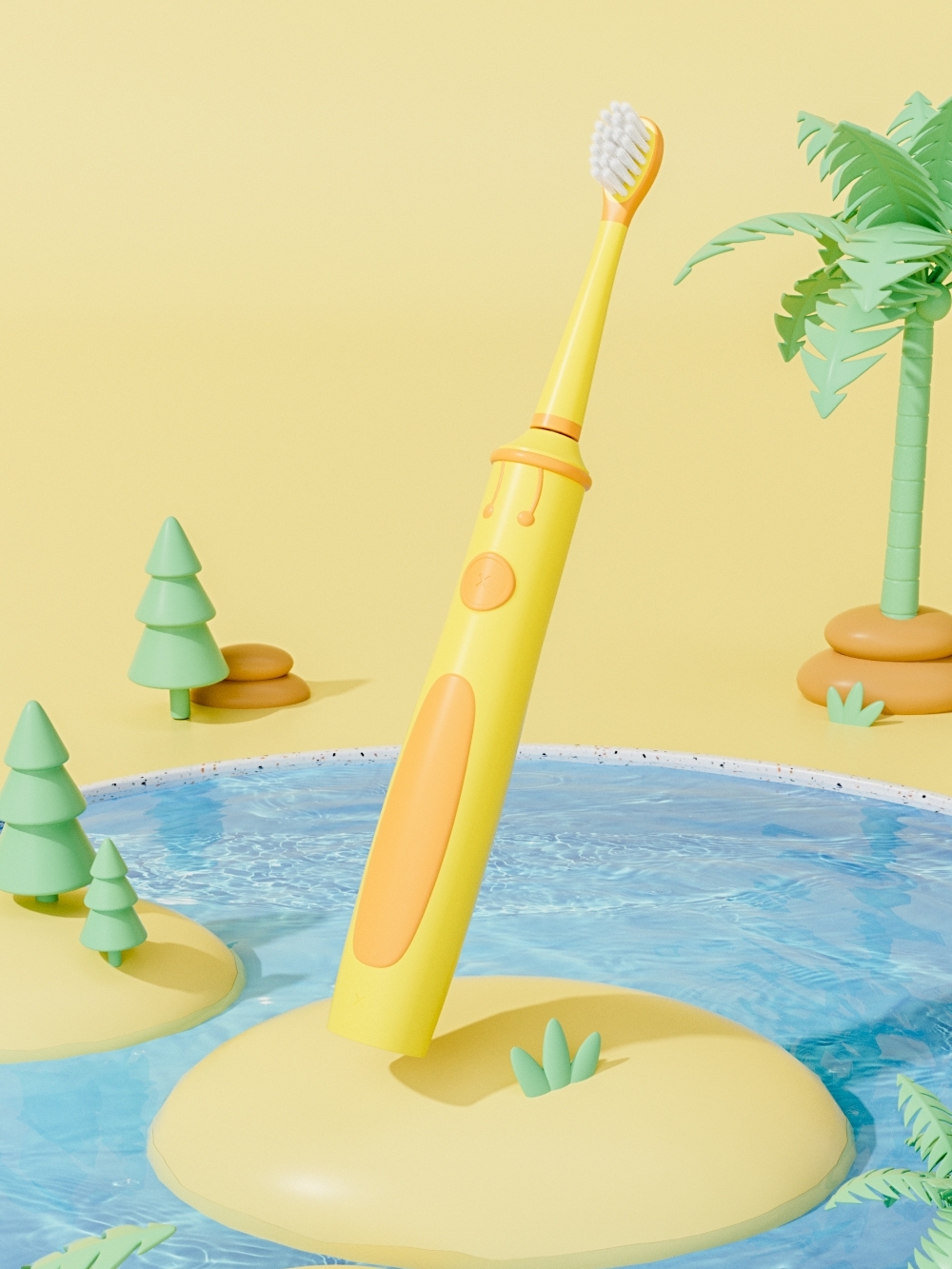
When sourcing kids oral care products, brands must prioritize safety, effectiveness, and child-friendly design. Whether you're a distributor, retailer, or dental clinic looking for reliable pediatric dental supplies, selecting the right B2B manufacturer is crucial. This guide will help you identify the best children's dental products while ensuring compliance with international safety standards. Why Safe & Engaging Kids Oral Care Products Matter Children have delicate gums and developing teeth, making safe toothbrushes for kids a top priority. Poor-quality products can cause irritation or fail to clean effectively, leading to long-term dental issues. Additionally, kids are more likely to embrace oral care if products feature fun designs, gentle bristles, and appealing flavors. When sourcing children's dental products, look for: Soft, rounded bristles to protect gums Non-toxic, BPA-free materials Ergonomic handles for small hands Attractive colors & characters to encourage brushing Key Features to Look for in a Supplier Not all manufacturers specialize in pediatric dental supplies, so vetting your supplier is essential. Consider these factors: Certifications – Ensure compliance with FDA, CE, or ISO standards.Customization Options – Can they offer branded designs or age-specific products?Safety Testing – Do they conduct rigorous quality checks?Innovative Technology – Some suppliers integrate cold light whitening technology in kid-safe whitening products. A trusted manufacturer should provide detailed product specifications and safety documentation. Must-Have…
In professional oral care devices, pH imbalance and biofilm regrowth are two persistent yet often underestimated challenges. Manufacturers typically address these issues separately. However, mounting evidence suggests that these two phenomena may form a vicious cycle — where improper pH control fosters biofilm regrowth, which in turn further destabilizes pH levels. Could this cyclical problem be undermining device hygiene and patient outcomes? This article explores the mechanisms and solutions. Understanding pH Imbalance in Oral Care Systems pH imbalance refers to deviations from the optimal pH range (typically between 5.5 and 7.0) within device fluid systems. In oral irrigators, whitening applicators, or water flossers, pH instability can result from: Residual peroxide or acidic whitening agents Saliva contamination introducing proteins and enzymes Poorly buffered cleansing fluids Repeated usage without effective rinse cycles When fluids remain too acidic or alkaline, they not only irritate tissues but also disrupt normal biofilm control mechanisms. Biofilm Regrowth: A Persistent Hygiene Concern Biofilm regrowth occurs when bacterial communities re-establish themselves on internal surfaces of oral care devices after incomplete cleaning. Factors promoting regrowth include: Micro-rough surfaces in fluid paths Stagnant water zones encouraging microbial adhesion Infrequent or ineffective sterilization protocols Nutrient residues from oral fluids or gels…
In the realm of whitening devices and light-assisted oral care, light decay is often considered a mere performance issue. However, recent research indicates that this subtle degradation in light output may be a silent threat, contributing to tooth demineralization. Could weakened light systems be directly harming enamel integrity? This article explores the underlying mechanisms and offers prevention strategies for manufacturers. Understanding Light Decay: More Than Just Power Loss Light decay refers to the gradual reduction in output intensity of LED or laser modules used in teeth whitening and oral care devices. This reduction can stem from: Heat-induced degradation of LED diodes Optical lens contamination or yellowing Driver circuit instability Poor-quality materials in light modules While reduced light output seems to affect only whitening efficacy, its impact on enamel health is often overlooked. Why Tooth Demineralization Matters in Whitening Procedures Tooth demineralization is the process of calcium and phosphate loss from enamel, weakening the tooth’s protective layer. In whitening treatments: Hydrogen peroxide or carbamide peroxide opens enamel tubules to remove stains Light activation enhances peroxide breakdown for faster results However, open tubules make enamel temporarily vulnerable to mineral loss If whitening chemistry is not carefully balanced with controlled light activation, long-term…
In high-frequency oral care devices, unexplained taste alteration during or after use is an increasing concern. Surprisingly, recent engineering investigations suggest that sync disruption within device control systems might be a hidden driver behind this sensory side effect. Could this be a minor tech glitch, or is it a critical product design oversight? Understanding this connection is key for manufacturers seeking to eliminate customer complaints and enhance product safety. What Is Sync Disruption in Oral Care Devices? Sync disruption refers to the loss of synchronized control between various functional components in electronic oral care devices, including: Motor speed and pulse control systems Fluid delivery and vibration modules LED light emission timing relative to fluid release Typical causes of sync disruption include: Firmware errors or clock drift in control boards Magnetic interference disrupting motor control Low battery voltage triggering unstable pulse frequencies While often overlooked, these disruptions directly alter how energy, fluids, or light are delivered during use. How Does Sync Disruption Lead to Taste Alteration? Though seemingly unrelated, taste alteration can indeed stem from sync disruption, through several pathways: Erratic fluid pulses may concentrate gel residues unevenly on oral tissues, altering perceived taste. Inconsistent LED or thermal output can cause…
In the realm of oral care manufacturing, complaints about nozzle clogging combined with tray deformation are increasingly common. Though seemingly unrelated, these two failures often occur together, suggesting deeper systemic design weaknesses. Is this coincidence, or does the root cause lie within product architecture? In this blog, we explore why nozzle clogging and tray deformation may both point to a preventable design flaw. Understanding Nozzle Clogging: A Critical Performance Issue In devices like water flossers and whitening applicators, nozzle clogging is a frequent issue that directly impacts user experience and product efficacy. Clogging is typically caused by: Residue buildup from whitening gels or mineralized water Gel crystallization or improper viscosity Micro-debris accumulation due to ineffective filtration Blocked nozzles result in inconsistent spray patterns, uneven gel delivery, and eventual product failure, leading to end-user dissatisfaction and increased warranty claims. Tray Deformation: Why Structural Integrity Matters Tray deformation, commonly reported in whitening trays or holding fixtures, usually stems from: Poor material selection, especially under thermal load Uneven pressure distribution during molding or use Exposure to concentrated chemicals like peroxide gels Repeated heating cycles in devices without heat-stabilized polymers Once deformed, trays fail to hold gels or position correctly in the oral cavity,…
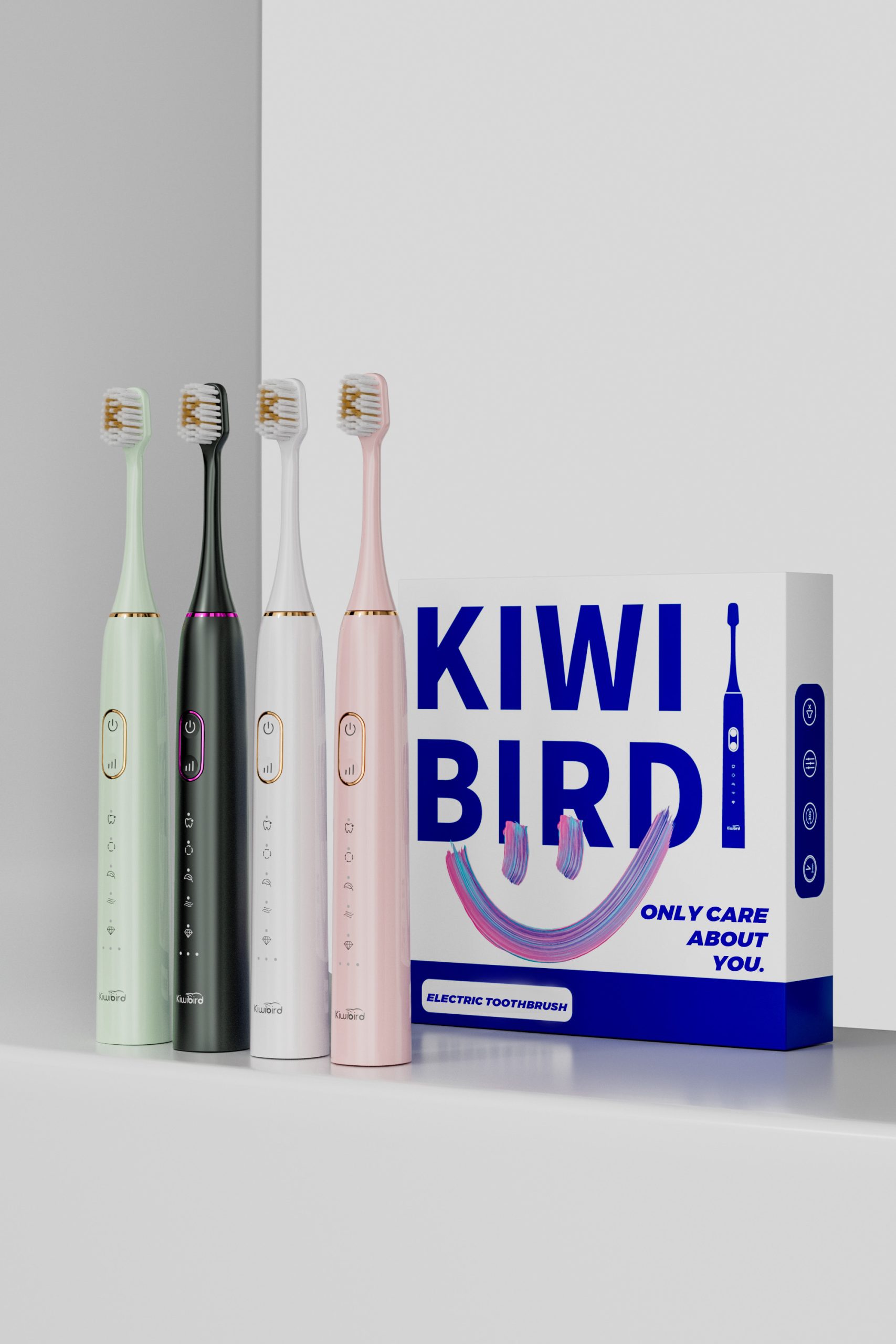
In recent years, consumers have become increasingly aware of the importance of oral hygiene—not just as a daily habit but also as a lifestyle priority. As a result, demand for dental gift ideas has grown significantly, especially around holidays, corporate wellness events, and back-to-school seasons. This presents an exciting opportunity for dental care brands and retailers to introduce unique dental presents that combine practicality with thoughtful care. Whether you're a brand looking to expand your product line or a retailer seeking seasonal bestsellers, this article offers insights into the most popular oral health gifts—and how partnering with a reliable dental care products manufacturing partner can help you deliver curated healthy oral care packages to your customers. Why Dental Gifts Are Gaining Popularity Traditionally, gifts related to health and hygiene were considered too “practical” for most occasions. Today, that’s changed. Consumers now seek thoughtful gifts for teeth and overall wellness—especially gifts that show care, promote good habits, and support long-term well-being. From personalized oral care gift boxes to high-end electric toothbrush kits, there’s a growing interest in turning everyday routines into elevated self-care experiences. This shift in consumer mindset makes oral health gifts a compelling niche for brands to explore. Top Dental Gift Ideas for Modern Consumers Here…


.jpg)
.jpg)
.jpg)
.jpg)
.jpg)






.jpg)
.jpg)