In the precision-driven world of oral care devices, user comfort is the ultimate benchmark. Yet, an increasing number of consumers report noise disturbance paired with sudden sensitivity spikes—a combination that transforms what should be a soothing hygiene ritual into an unbearable experience. While each issue alone is problematic, their overlap often points to deeper engineering flaws in sound insulation, vibration control, and motor stability. In this blog, we’ll examine how manufacturers can identify, prevent, and solve these twin pain points—before they impact end-user trust or B2B partner confidence.
Noise disturbance refers to the excessive or irregular sound output of devices such as sonic toothbrushes, water flossers, or whitening tools. Unlike steady operational hums, disturbance is usually:
These sounds are often amplified when used in confined environments like bathrooms, especially during early mornings or late evenings, compounding the user’s perception of discomfort.
Sensitivity spikes refer to sudden, sharp discomfort felt on the teeth or gums—typically triggered by abrupt changes in device vibration, fluid pressure, or contact surface hardness. These spikes can be caused by:
When paired with loud or erratic noise disturbance, these spikes are not only painful but anxiety-inducing, discouraging users from continuing regular use. Company web:https://www.powsmart.com/product/electric-toothbrush/
Though they manifest differently, noise disturbance and sensitivity spikes often share a common origin—mechanical instability. For instance:
As a result, solving one without addressing the other risks leaving the root cause untouched.
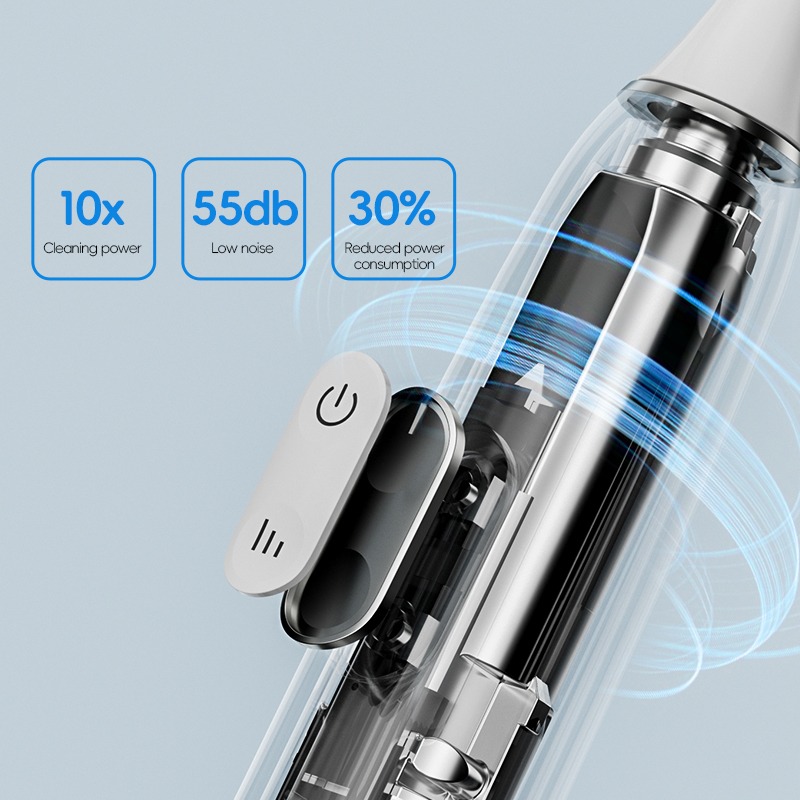
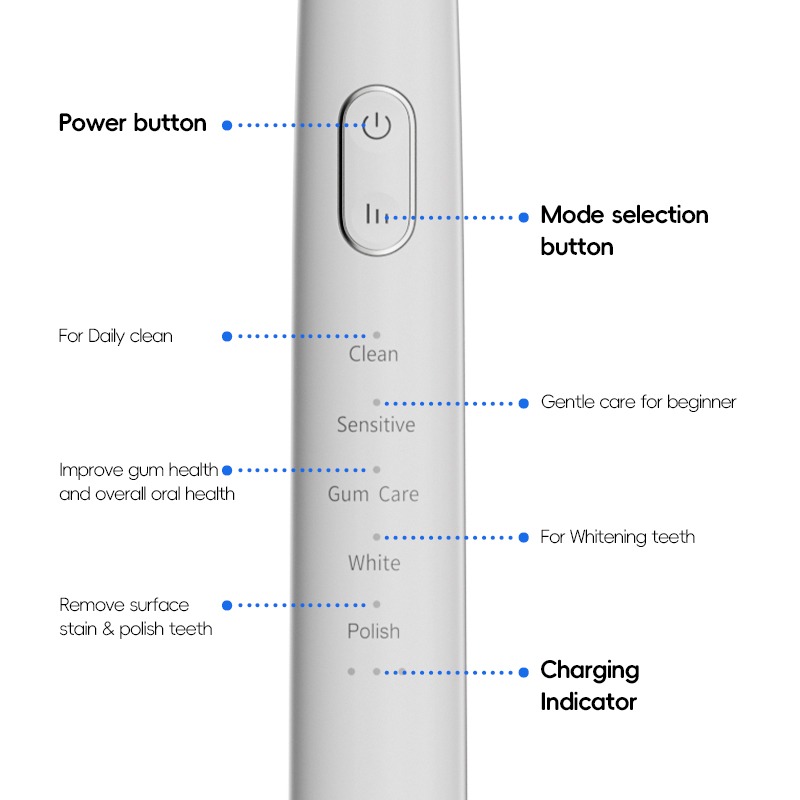
Several overlooked factors in product development can exacerbate both issues:
For example, using a non-balanced impeller in a water flosser pump can cause both loud noise and micro-pressure spikes—creating a dual-source irritation for sensitive users.
Manufacturers looking to offer consistent user comfort must enforce stringent validation protocols, including:
These tests should be part of every pre-shipment QA batch for private label partners or high-end export markets.
Solving noise disturbance and sensitivity spikes isn’t just damage control—it’s an opportunity. Brands can position themselves as premium by:
In an era where consumers value both function and feel, quiet and comfort are no longer optional—they are a core value proposition.
When noise disturbance and sensitivity spikes intersect, they don’t just irritate—they alienate. For B2B manufacturers and brand owners, these symptoms signal critical points of engineering refinement. Fortunately, with the right combination of acoustic control, vibration management, and smart quality validation, the problem is not only solvable—it can be flipped into a selling point that builds loyalty, reduces returns, and drives long-term product success. Contact us
.jpg)
Plaque Removal Water Flosser Effectiveness | Does Water Blast Away Plaque?

The Process of Developing a Private Electric Toothbrush
private label electric toothbrush
Advanced LED Teeth Whitening Device Manufacturer
Child Compatibility Meets Cold Light Sensitivity: Safe?
Oral Fistula Water Flosser | Safe Cleaning
Electric Toothbrush Quality Control Process: OEM Manufacturing Standards
LED Light Toothbrush OEM Customization: Product Differentiation Guide
child fear water flosser introduction: kid-friendly tips
Rechargeable Oral Care Kit Supplier | Complete OEM/ODM Solutions
Acid Reflux Teeth Protection Guide: Water Flossing for Enamel Safety
Silent Motor Electric Toothbrush OEM: Engineering Low-Noise Performance for Premium Oral Care
Is Long Battery Life Reliable?
Why Hire a Cultural Customization Consultancy Before Integrating a Local Language Voice Assistant?
Electric Toothbrush Light Intensity Design: Balancing Safety and Performance in LED Integration
San Francisco Retailers Bulk Purchase PowSmart Electric Toothbrushes to Meet Diverse Consumer Needs


.jpg)
.jpg)
.jpg)
.jpg)
.jpg)