In the era of intelligent oral care, users expect more than just mechanical brushing—the core measures of a truly smart plaque-fighting brush are Cavity Prevention features and seamless Smart App Integration. In the following six sections, we’ll dive into how an advanced electric toothbrush combines hardware, software, and data to deliver precise, efficient plaque removal. Intelligent Drive: Precision Plaque Removal via Multi-Sensor Feedback Traditional brushing patterns can miss “blind spots,” but an intelligent drive system uses multiple sensors to guide cleaning: Pressure Sensors monitor bristle force against teeth, preventing enamel damage from over-brushing. Angle Sensors detect brush-head tilt to ensure consistent coverage of interdental and posterior surfaces. Acoustic Sensors analyze vibration frequencies and dynamically adjust pulse intensity for more effective plaque disruption. This multi-sensor feedback ensures the brush targets and removes plaque “pinpointedly,” boosting overall cleaning performance. Smart Connectivity: Engaging Users with Smart App Integration Next, Smart App Integration bridges the brush and mobile device for an enhanced experience: Real-Time Brushing Data: Duration, pressure, and coverage metrics are synced to the app in visual reports. Personalized Alerts: If you brush too long in one spot or skip an area, the app issues haptic or audio reminders. Remote Coaching: Dental professionals…
Water flossers have revolutionized oral hygiene by offering a more comfortable and effective alternative to traditional string floss. However, many users—especially first-time buyers—are often overwhelmed by the multiple flossing options of the water flosser. For dental product distributors, retailers, and OEM clients, understanding these water flosser flossing options is essential to educate consumers and recommend the best solution for their needs. This blog provides a clear guide on how to choose a suitable flossing mode, based on user profiles and oral care needs.https://www.powsmart.com/about-powsmart/ What Are the Common Flossing Modes? Most advanced water flossers today are equipped with 3–5 different flossing modes to accommodate various dental conditions and preferences. The most common include: Normal Mode: A powerful, steady stream for thorough cleaning Soft Mode: Gentler water pressure for sensitive gums Pulse Mode: Rhythmic pulses that massage gums while cleaning Point Mode / Manual Control: Focused cleaning of specific areas DIY Mode: Customizable pressure settings for experienced users These water flosser flossing options are designed to improve user comfort and cleaning efficiency—but knowing when and how to use them is the key. Matching Flossing Modes with User Needs Understanding how to choose a suitable flossing mode begins with identifying the user's oral condition: First-time users…
Oral irrigators are increasingly favored for their ability to clean hard-to-reach areas between teeth and along the gum line. However, one common issue reported by users is that the oral irrigator makes abnormal noise after being used for a while.This article explores the reasons why oral irrigators make abnormal noise, and how professional oral irrigator manufacturing can address these issues to ensure long-term device stability and user satisfaction. Water Pump Wear and Tear: The Most Common Cause At the heart of every oral irrigator is a high-frequency pump that generates the water pressure needed for cleaning. Over time, this pump can degrade due to: Continuous usage without proper cleaning Water residue causing internal rust or mineral buildup Mechanical fatigue from cheap or sub-standard components This deterioration leads to louder or irregular sounds during operation — the most frequent reason an oral irrigator makes abnormal noise. Air Blockage or Water Pathway Obstruction Another common cause of abnormal sound is an obstruction in the water flow system. Blockages caused by: Hard water scaling inside tubes Debris or foreign particles in the reservoir Air bubbles trapped in the water line These problems can create sputtering, vibrating, or buzzing sounds. Regular cleaning and proper usage are key,…
When toothbrush battery life dwindles, brush performance can become inconsistent—and consequently users may press harder or scrub longer, inadvertently increasing gum recession risk. In this article, we explore how declining battery power affects cleaning efficacy, user behavior, and ultimately soft-tissue health, and we offer actionable recommendations for B2B partners designing the next generation of oral-care devices. Consistent Power and Bristle Amplitude First and foremost, a full battery ensures the motor delivers its rated amplitude and frequency throughout each brushing session. Stable bristle motion is critical to: Effective plaque removal: Sufficient oscillation breaks up biofilm without excessive force. Uniform cleaning: Consistent torque prevents stalling in high-resistance areas (e.g., back molars). User confidence: Knowing the brush will perform at full power encourages proper technique. By contrast, voltage sag towards end-of-charge can reduce bristle amplitude, undermining these benefits. User Compensation and Technique Drift Moreover, when users sense a drop in vibration—due to low battery—they often compensate by increasing pressure or brushing time. This behavior leads to: Excessive force application: To “feel” the brush working, users press harder against their gums. Extended sessions: Trying to make up for weaker scrubbing, users brush longer, fatiguing soft tissue. Irregular motion patterns: Inconsistent feedback can disrupt the…
As manufacturers innovate with high-speed brush head rotation, questions arise about its impact on long-term tooth health—specifically, whether aggressive motion might accelerate enamel erosion. In this article, we’ll examine the mechanics behind rotational brushing, explore how design and user behavior interplay, and offer evidence-based guidelines to minimize enamel wear while maximizing cleaning efficacy. Mechanics of Brush Head Rotation First, it’s essential to understand how rotational systems work: Angular Velocity: Many oscillating-rotating brushes spin at 5,000–10,000 RPM, converting motor torque into rapid bristle movement. Oscillation Amplitude: Small arc angles (e.g., ±15°) translate into effective sweep across tooth surfaces without excessive lateral force. Contact Dynamics: Bristles contact enamel at varying angles, creating both shear and normal forces that dislodge plaque. Thus, the combination of speed and amplitude defines the fundamental cleaning action—and its potential to stress enamel. Rotational Forces vs. Enamel Wear Moreover, enamel wear isn’t solely a function of speed: Shear Stress: High-speed rotation increases tangential force, potentially abrading enamel prisms if pressure is uncontrolled. Micro-pitting: Repeated contact at high frequency can create microscopic pits on the enamel surface, which over time contribute to erosion. Frictional Heat: Although minimal, frictional heating at bristle–enamel interfaces may soften tooth minerals, making them more…
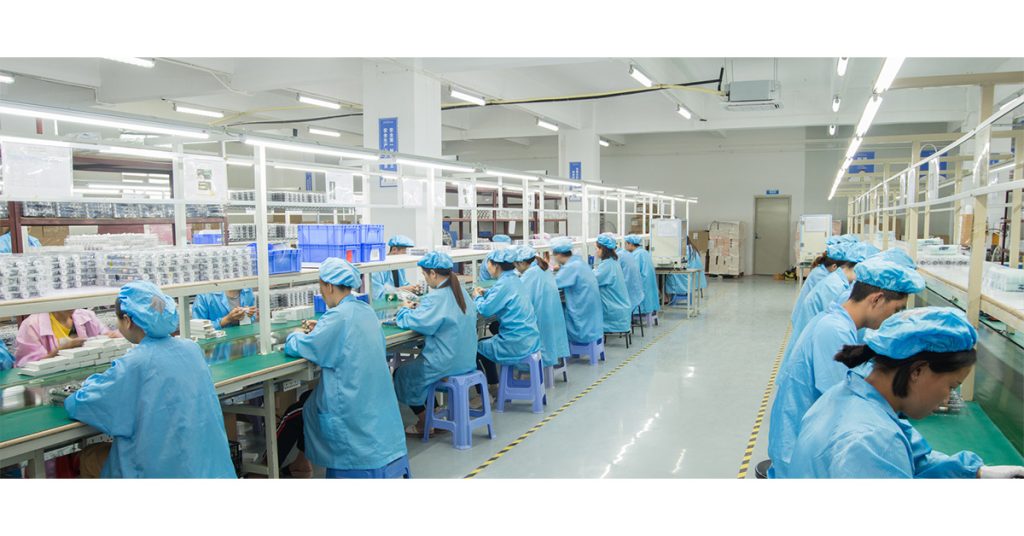
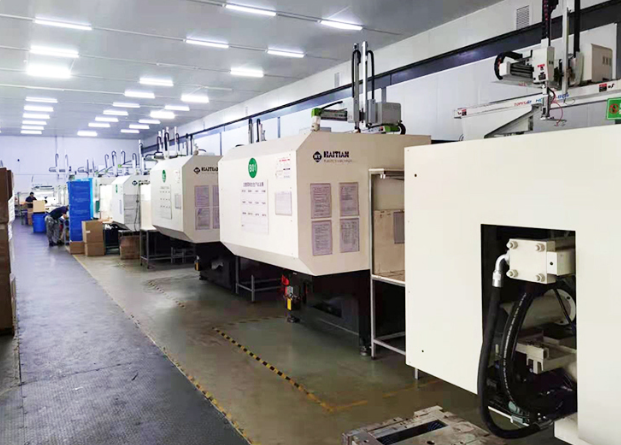
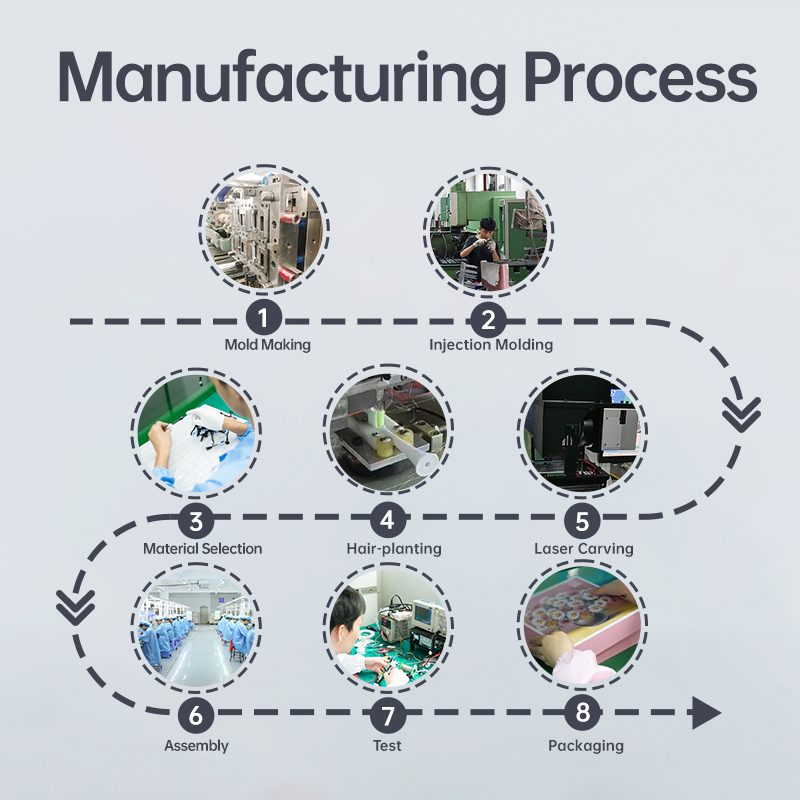
In today’s competitive oral care market, manufacturers must ensure that every electric toothbrush production process is standardized, efficient, and meets high-quality requirements. This article presents a full overview of the production process diagram, from injection molding to final assembly, highlighting injection molding process standards, assembly process specifications, and the key points for quality inspection necessary to guarantee superior product performance. Injection Molding – The Foundation of Precision The first critical step in the electric toothbrush production process is injection molding. High-quality shell and component manufacturing rely on strict injection molding process standards, including: Precise temperature and pressure control to prevent defects like shrinkage or warping Material selection (commonly medical-grade ABS, PP, or TPE) for durability and aesthetics Mold maintenance and polishing to ensure smooth finishes Adhering to consistent injection molding process standards is vital for ensuring a strong and attractive product base. Component Preparation – Quality Starts from Parts After molding, key components including motor units, battery packs, PCBs, and sealing gaskets. Every component must: Pass functional pre-tests (e.g., battery charging cycles, motor rotation tests) Be cleaned and anti-static protected before entering the assembly area Match design tolerances exactly to fit into the production line seamlessly Meticulous preparation at this stage helps maintain consistency throughout…
Integrating UV sterilization into oral-care devices offers powerful antimicrobial action—but without careful design, UV light risks can aggravate dentin exposure risk by weakening enamel and altering surface chemistry. In this blog, we’ll explore the interplay between UV disinfection and tooth integrity, identify root causes, and propose engineering and usage strategies to harness UV benefits safely. The Balance Between Sterility and Tooth Health First and foremost, UV light is prized for eliminating pathogens quickly without chemicals. However, excessive exposure—even at low wavelengths—can produce micro-abrasions in enamel’s crystalline structure. Consequently, enamel thinning accelerates, raising dentin exposure risk and patient sensitivity. Therefore, any UV-equipped toothbrush or flosser must balance microbial kill rates with enamel preservation. Understanding Dentin Exposure Risk Moreover, exposed dentin occurs when enamel is compromised, either mechanically or chemically. Key factors include: Acidic erosion: Overuse of bleaching or acidic rinses softens enamel. Abrasive micro-wear: High-speed bristle action without sufficient lubrication can create microscopic fissures. Photo-oxidative stress: UV photons can generate free radicals in the enamel matrix, promoting demineralization. These combined stresses converge to thin enamel, uncovering the sensitive dentin layer beneath. UV Light Risks in Oral-Care Devices Furthermore, UV wavelengths (typically 265–285 nm) are chosen for germicidal efficacy. Yet, potential hazards…
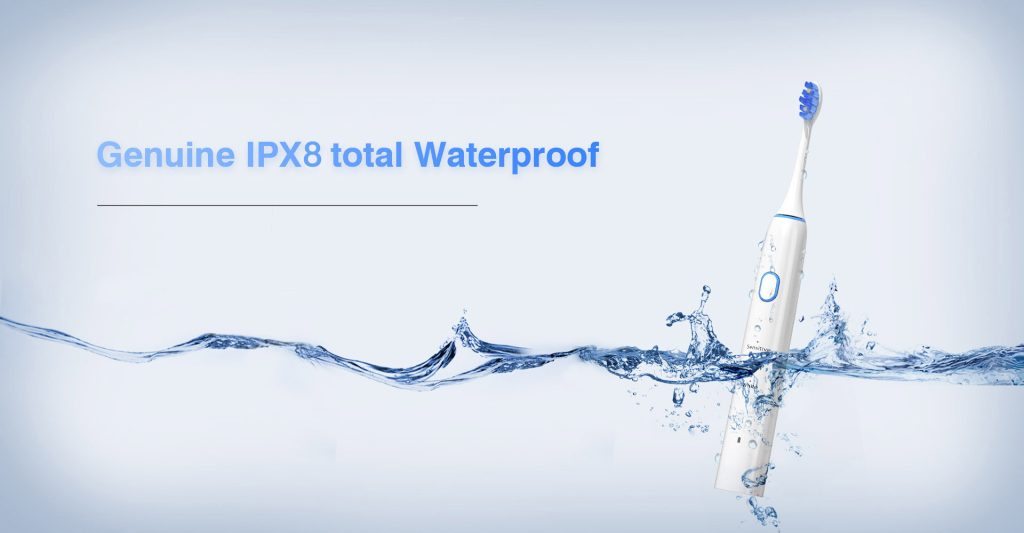
In the competitive oral care market, electric toothbrush manufacturers must deliver consistent product quality while managing potential risks effectively. One of the most crucial ways to ensure product reliability is through a robust traceability of electric toothbrushes. Especially for key components like motors and the waterproof casing, strict control through motor calibration standards and a detailed waterproof test process is vital. Together with proper quality inspection record archiving, these measures help maintain brand reputation and significantly contribute to product recall prevention. Motor Calibration: Setting and Managing High Standards The motor is the heart of any electric toothbrush, directly impacting performance, user experience, and product life. Adhering to precise motor calibration standards ensures that each unit operates within specified parameters, including: Rotational speed (RPM) consistency Vibration strength within optimal ranges Noise level control to enhance comfort During production, every motor undergoes calibration using specialized testing equipment. Detailed calibration data are recorded in the production traceability system, linking each motor to its corresponding toothbrush serial number. This practice guarantees that any deviation can be traced back instantly. Waterproof Testing: Safeguarding Daily Use Reliability Daily exposure to water makes the waterproof test process critical for electric toothbrushes. The standard testing procedures typically include: IPX7 or IPX8 level testing (depending on product…
In modern high-end oral hygiene devices, hydrogen peroxide concentration not only determines disinfection effectiveness but can also correlate with motor durability issues: excessive peroxide levels accelerate component wear, while declining motor performance undermines consistent sterilization cycles. In the following six sections, we explore how these factors interact and provide design and formulation guidance for B2B partners. Challenges of High Peroxide Concentrations on Materials High concentrations of hydrogen peroxide pose significant oxidative stresses on device components: Seal Degradation: Strong oxidizers attack O-rings and gaskets, increasing leak risk. Internal Corrosion: Metal valves and pump housings exposed to ≥6% peroxide develop micro-cracks over time. Polymer Embrittlement: ABS and polypropylene parts can develop surface crazing and loss of mechanical strength when in prolonged contact with concentrated peroxide. Thus, selecting compatible materials is crucial when specifying peroxide concentration ranges. How Corrosion Drives Motor Durability Issues Material breakdown and leaks increase pump and motor loads, leading to chronic motor durability issues: Dry-Run Conditions: Leaks and air locks starve the pump, causing the motor to run without fluid and overheat. Bearing Wear: Peroxide-induced lubricant degradation raises friction in ball bearings. Stall and Restart Cycles: Blockages or pressure spikes cause the motor to stall and repeatedly restart, shortening…
In today’s competitive whitening market, bold whitening effectiveness claims often lead consumers to use higher peroxide levels or more frequent treatments—unfortunately increasing the risk of over-bleaching effects, such as enamel demineralization, heightened tooth sensitivity, and uneven shade changes. Below, we explore six key considerations to balance powerful whitening with patient safety for B2B partners. Consumer Expectations vs. Safety Margins Firstly, users demand rapid results: High‐Strength Formulas: Many products boast up to 20% hydrogen peroxide to deliver dramatic shade shifts in days. Accelerated Protocols: Two to three sessions per week instead of the standard one to minimize treatment time. Influencer Endorsements: Social media drives “instant whitening” trends, encouraging overuse. However, exceeding clinically proven concentrations or durations can push enamel beyond its safe bleaching threshold. Biological Mechanisms of Over-Bleaching Moreover, aggressive bleaching regimens trigger a cascade of adverse effects: Enamel Demineralization: Excess peroxide strips calcium and phosphate from the crystal matrix. Dentin Sensitivity: Thinning enamel exposes underlying dentin tubules, leading to thermal and chemical hyper-sensitivity. Micro-Surface Cracks: Repeated bleaching cycles enlarge microscopic fissures, accelerating future wear. Shade Irregularities: Non-uniform peroxide penetration creates patchy color and “halo” effects around the gumline. Understanding these mechanisms is essential to formulate safer whitening solutions.Company web: https://www.powsmart.com/product/electric-toothbrush/…
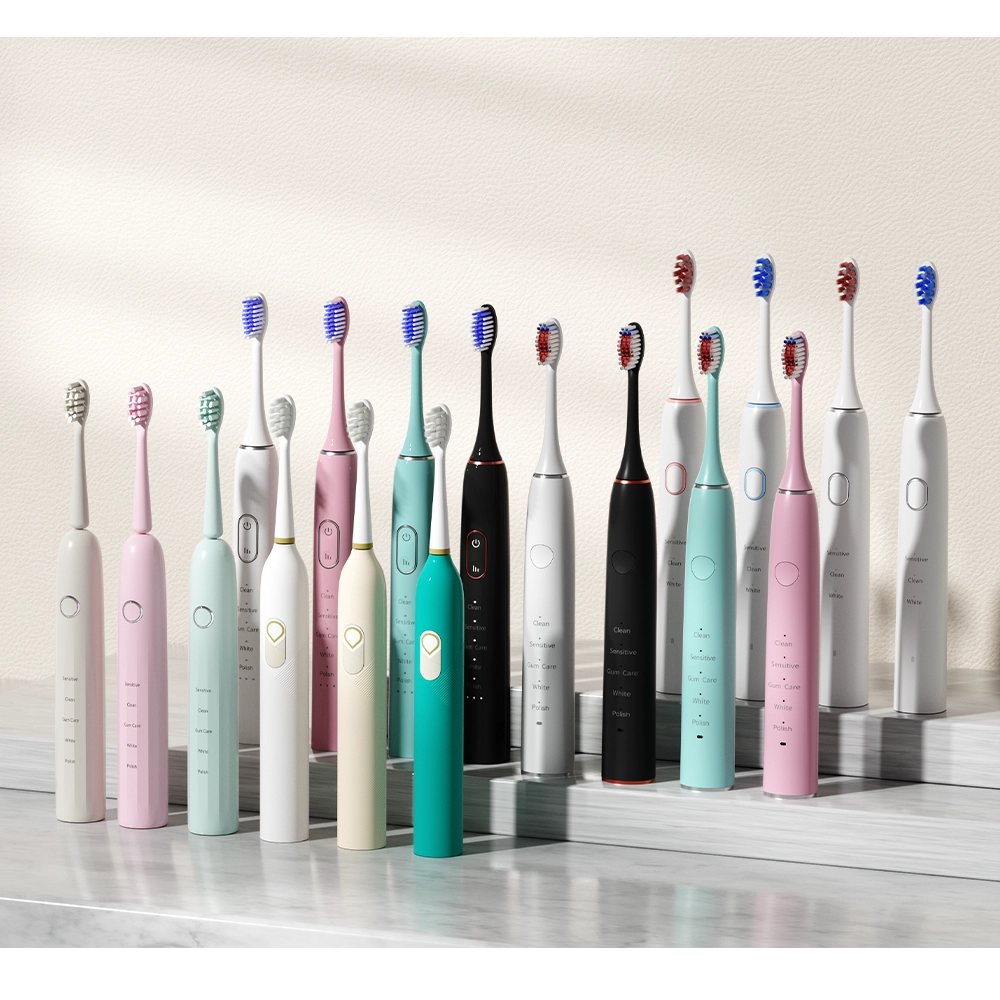
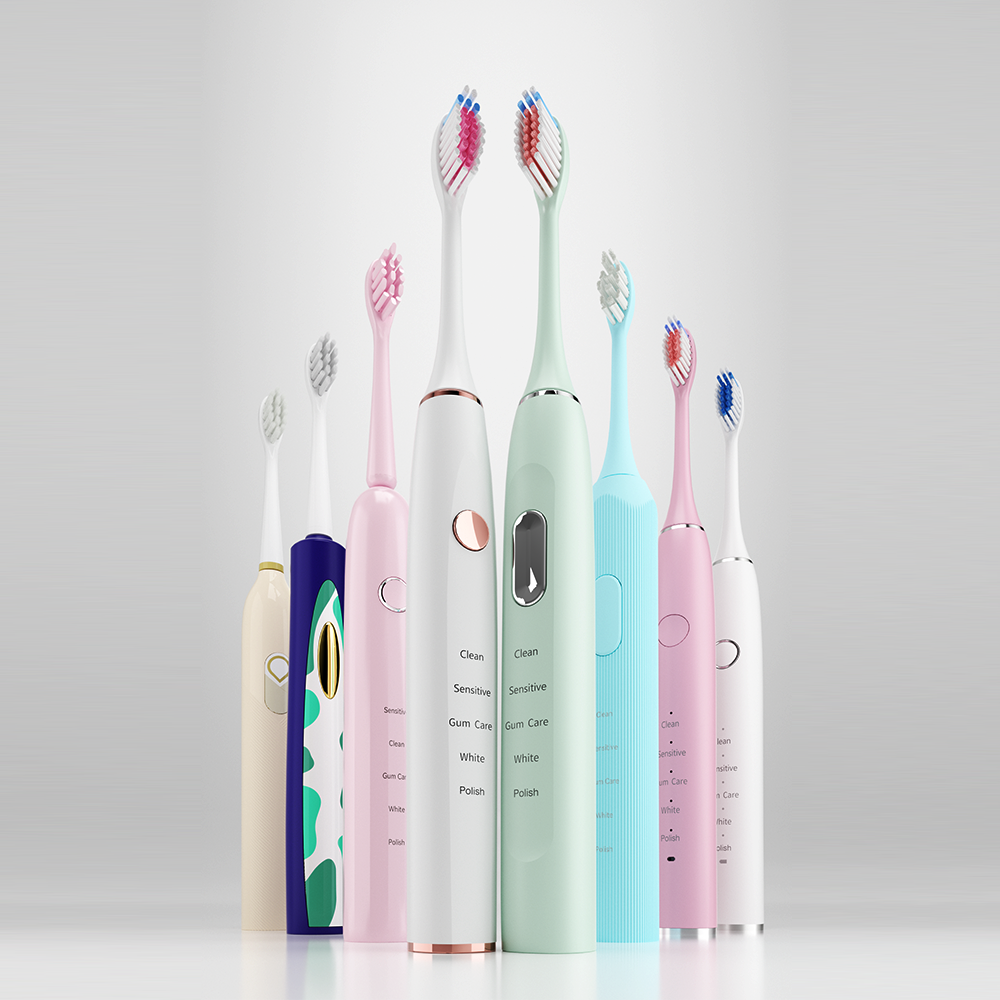
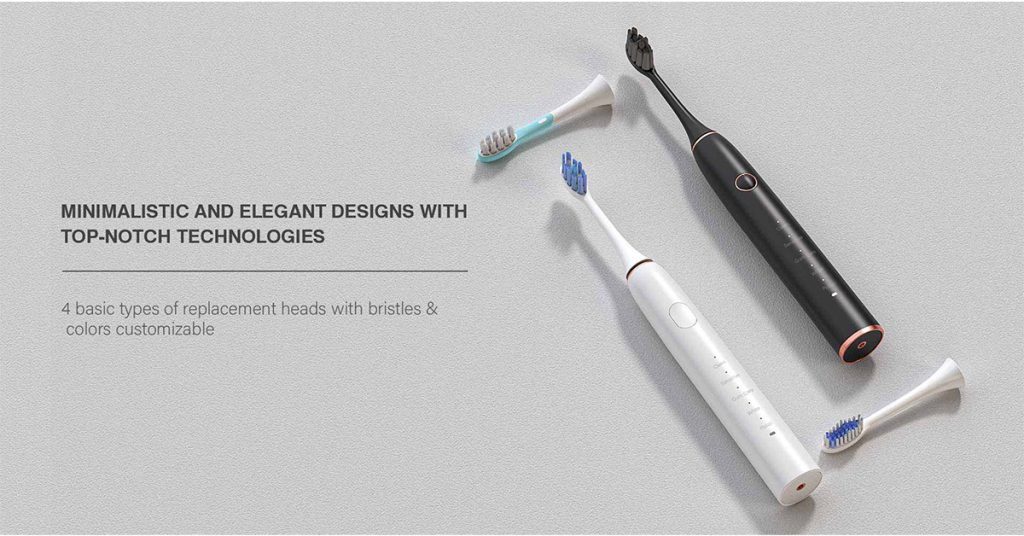
As oral care markets expand globally, brands are seeking unique products that reflect their identity and meet diverse customer needs.Electric toothbrushes OEM customization has become a powerful tool, allowing businesses to create differentiated products quickly and efficiently.This guide covers the full customization journey—from LOGO printing processes to appearance design modification, core function development, and how an ODM cooperation model can streamline the entire process. LOGO Printing Process: Building Brand Identity One of the first and most visible steps in electric toothbrush OEM customization is adding the client's logo to the product. The LOGO printing process typically involves: Silk-screen printing: Ideal for simple, cost-effective designs. Laser engraving: For a premium look and long-lasting durability. Pad printing: Suitable for curved surfaces and multicolor logos. A precise and durable LOGO not only enhances brand recognition but also increases product value in competitive retail environments. Appearance Design Modification: Creating a Unique Look Beyond logo placement, many clients seek appearance design modification to ensure their electric toothbrush stands out. This may include: Custom colors and finishes: Matte, glossy, metallic coatings. Material upgrades: Soft-touch coatings or eco-friendly plastics. Ergonomic handle designs: Improved grip comfort and user experience. Professional OEM partners provide 3D renderings and prototypes during this phase, ensuring the new design…
In the electric toothbrush OEM business, controlling production costs is crucial to staying competitive. Among various expenses, mold cost is often one of the highest upfront investments. Many manufacturers have developed an electric toothbrush mold library, offering ready-made solutions that significantly shorten the mold opening cycle and reduce costs. But exactly how much money can be saved by using an existing mold? Let's dive deeper. What is an Electric Toothbrush Mold Library? An electric toothbrush mold library is a collection of pre-existing injection molds covering various designs of toothbrush handles, brush heads, and chargers. These molds are production-ready and meet common industry standards. By leveraging these existing resources, OEM clients can: Avoid the lengthy and costly mold development process Accelerate time-to-market Reduce risks associated with new product tooling Mold Opening Cycle vs. Ready-Made Mold Modification Typically, creating a new mold (from design to production) involves a mold opening cycle of 45 to 90 days, depending on complexity. This timeline includes: Industrial design and structural optimization Mold fabrication and testing Correction and final approval In contrast, using ready-made mold modification (such as minor logo engraving, color changes, or slight structure adjustments) can be completed within 2 to 4 weeks — drastically reducing project lead time. Cost Savings Breakdown:…
As the water flosser market grows, brands face increasing pressure to maintain product quality and minimize after-sales risks. Common issues like water leakage, unstable pressure, and charging failures can directly impact brand reputation if not handled swiftly and professionally.This guide provides a complete high-frequency problem response guide for brands, offering practical advice on water flosser leakage solutions, pressure instability troubleshooting, charging failure repair manuals, and overall after-sales risk management strategies.https://www.powsmart.com/ Water Flosser Leakage Solution: Identifying and Preventing Common Causes Water leakage is one of the most frequently reported complaints for water flossers. A systematic water flosser leakage solution approach includes: Seal Quality Inspection: Ensure all O-rings and gaskets are properly seated and free from manufacturing defects. Material Compatibility Checks: Use water-resistant and food-grade materials that resist deformation under pressure. Assembly Process Optimization: Employ automated sealing equipment for consistent assembly torque, preventing manual assembly errors. Brands should also educate users on proper maintenance (e.g., not overtightening the reservoir cap) to further reduce leakage incidents. Pressure Instability Troubleshooting: Maintaining Consistent Performance Unstable water pressure can diminish the cleaning effect and customer satisfaction. Effective pressure instability troubleshooting includes: Pump Calibration: Ensure the internal pump is calibrated during production to maintain consistent output pressure. Nozzle Design Review: Optimize…
When designing and marketing oral-care and medical devices for expectant mothers, pregnancy contraindications and noise level concerns are two often-overlooked yet critical factors. In this article, we explore six key areas to ensure devices perform effectively while protecting maternal and fetal health. Understanding Physiological Changes and Contraindications First, pregnancy brings significant changes in hormones, blood flow, and sensory sensitivity: Increased Auditory Sensitivity: Expectant mothers often become more sensitive to both high and low frequencies. Elevated Blood Flow: Vasodilation can heighten cardiovascular responses to stressors. Heightened Stress Response: Excessive noise can trigger anxiety and insomnia, potentially affecting fetal development. Thus, any device targeting pregnant users must first eliminate contraindicated features. Potential Impacts of Noise on Mother and Baby Next, both chronic and acute exposure to elevated noise levels poses risks: Fetal Hearing Development: Studies show that sustained noise above 50 dB during mid-to-late pregnancy may affect cochlear formation. Uterine Contractions: Sounds over 65 dB can elicit a stress response in the mother, increasing preterm labor risk. Maternal Nervous System: Loud environments can overstimulate the sympathetic system, causing blood pressure spikes and sleep disturbances. Strictly controlling noise level concerns is therefore essential for maternal and fetal safety.Company web:https://www.powsmart.com/product/electric-toothbrush/ Relevant Standards and Testing…
In the competitive market of oral care devices, product durability has become a critical differentiator. For water flossers in particular, the reliability of core components—such as the pump, battery, and motor—directly affects both user satisfaction and after-sales costs. This article explores how professional manufacturers implement quality strategies including water flosser pump durability testing, battery cycle life reports, and a robust key components of water flosser quality inspection process to ensure longevity and execute an effective reduction of return rate plan.https://www.powsmart.com/ Identifying the key Components of water flosser That Impact Product Life For water flossers, certain parts are especially prone to wear and directly impact lifespan and performance: Pump Unit: Responsible for generating consistent water pressure. Failure here leads to poor cleaning performance. Battery: Must withstand repeated charging cycles. PCB & Motor: Critical for speed, timing, and control of spray patterns. These components are at the heart of every water flosser and require strict durability control protocols. Water Flosser Pump Durability Test: Simulating Long-Term Use The water flosser pump durability test is a fundamental part of quality assurance. In this process: Pumps are tested under continuous operation for up to 100+ hours. Vibration, water pressure consistency, and noise levels are monitored. Test results help refine…
Water flossers, by nature of their use, are constantly exposed to moisture. Poor waterproofing not only compromises product lifespan but also creates user safety concerns. Over the years, manufacturers have worked continuously to address water ingress issues and meet the industry-standard IPX7 waterproof certification.This article outlines the waterproof defect improvement record of our engineering team and highlights the latest technical solutions, including sealing ring iteration plans and waterproof test standard upgrades, designed to enhance reliability and prevent water ingress faults in modern water flossers. Identifying Common Waterproof Design Defects in Earlier Generations Through years of product iteration and customer feedback, we identified key failure points in earlier water flosser designs: Micro-cracks around the charging port Weak bonding between upper and lower housing parts Aging of early-generation silicone sealing rings Inconsistent glue application during assembly These issues often led to failure in meeting IPX7 waterproof certification, and in extreme cases, short circuits due to internal water ingress faults. Waterproof Defect Improvement Record: Step-by-Step Engineering Revisions Our R&D team initiated a multi-phase improvement plan aimed at long-term water resistance. Highlights of our waterproof defect improvement record include: Redesigning the internal structure to isolate the motor and battery Adding secondary sealing barriers in vulnerable zones Switching to…
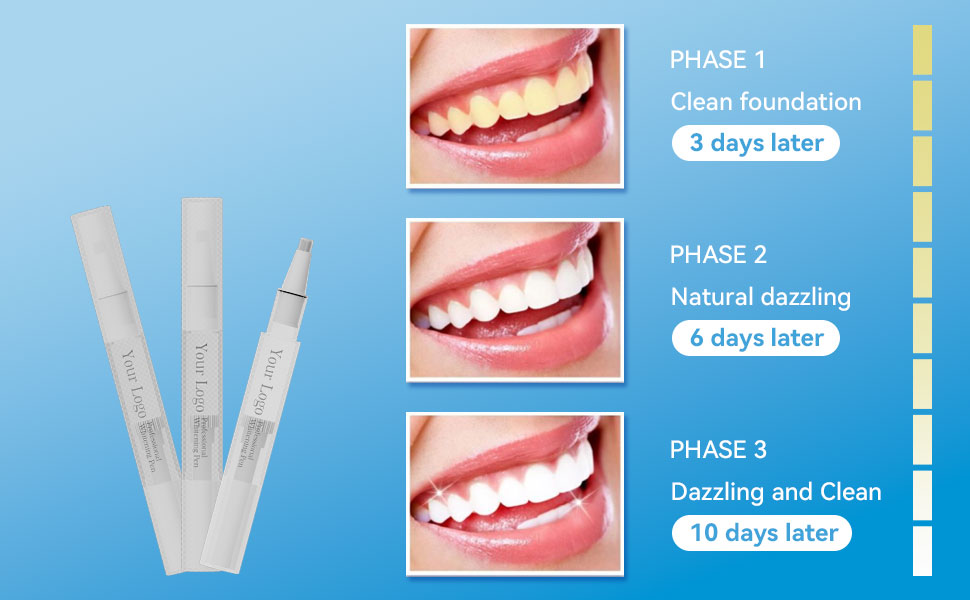
Ensure product safety: certification and standards When choosing a teeth whitening gel supplier, product safety should be the primary consideration. Make sure that the supplier's products undergo strict quality control and meet international and national certification standards, such as ISO, GMP, etc. These certifications not only indicate product safety, but also enhance consumer trust in your brand. Focus on whitening effects: ingredients and formula The core of teeth whitening gel lies in its ingredients and formula. When choosing a supplier, make sure that the products they provide contain effective and safe whitening ingredients, such as hydrogen peroxide or carbamide peroxide. In addition, the supplier should have R&D capabilities and continuously optimize the formula to provide more efficient whitening effects. This not only improves the market competitiveness of the product, but also brings a better user experience. The supplier's production capacity and delivery capabilities In a rapidly changing market environment, the supplier's production capacity and delivery capabilities directly affect your business operations. Choose a teeth whitening gel supplier with large-scale production capabilities to ensure that they can deliver high-quality products on time. A reliable supplier can not only meet your current needs, but also provide flexible support when your business expands.…
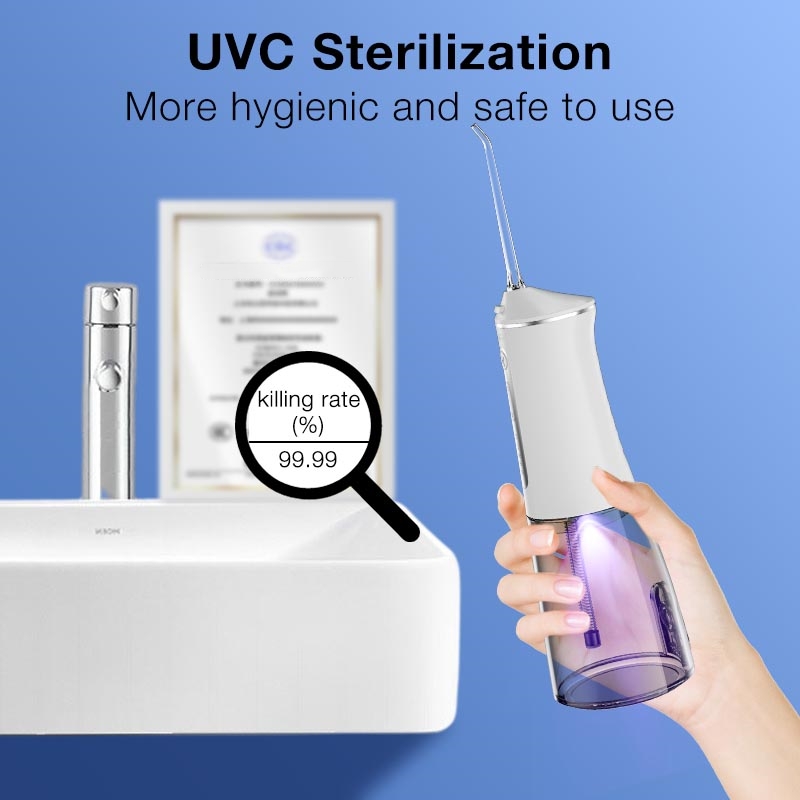
Market demand continues to grow As consumers pay more and more attention to oral health, the market demand for oral irrigators (also known as oral irrigators) has shown rapid growth. According to industry reports, the global oral care market is expected to reach US$20 billion in 2024, of which oral irrigators account for a significant share. As consumers become more aware of the functions and effects of oral irrigators, more and more people choose this product as a daily oral cleaning tool. If brand owners can seize this market trend, they are expected to reap rich rewards. Technological innovation drives industry upgrades In recent years, oral irrigator manufacturers have continuously improved product performance through technological innovation, which has promoted the rapid development of the entire industry. For example, oral irrigators with ultraviolet sterilization functions are popular in the market, which not only enhances the user's oral cleaning experience, but also provides a safer and more hygienic use environment. In 2024, more products with integrated intelligent sensing, automatic water pressure adjustment and other new functions will be launched, which will increase consumers' willingness to buy. Popularization of healthy lifestyles With the popularization of healthy lifestyles, consumers' requirements for oral care are…
In modern oral care, the water flosser has become a must-have tool for more and more families. Although many consumers have purchased the water flosser, they do not know how to use it correctly. So they cannot maximize its effectiveness. As a professional water flosser factory, we will introduce you in detail how to use the water flosser correctly and provide you with some practical suggestions. In order to help you make full use of this efficient oral care tool. 1. Basic steps for using the water flosser Filling water: You can add an appropriate amount of mouthwash according to your personal needs. Besides, you need to pay attention to the equipment requirements of different brands. Choose the right water pressure mode: Most water flossers have multiple water pressure modes. First-time users had better start with low water pressure and gradually increase the intensity after adapting. Adjust the nozzle angle: The water flosser factory recommends that the nozzle should be at a 45-degree angle to the gum line to more effectively remove food debris from the teeth. Clean sequentially: Start from the back teeth and move to the front teeth in sequence to ensure that the entire mouth is fully…
Developing an exclusively designed electric toothbrush can help brands stand out in today's competitive oral care market and meet the personalized needs of consumers. Below we will introduce the six main steps of customizing electric toothbrushes in detail, from initial design to final production, to help brands better cooperate with electric toothbrush manufacturers to create their own exclusive products. 1. Market research and demand analysis Before customizing an exclusively designed electric toothbrush, you must first conduct sufficient market research. This step is crucial because it helps brands understand the current market trends, consumer preferences, and product features of competitors. By analyzing the data, brands can determine the needs of target users, such as cleaning effects, ease of use, battery life, and other functions, to ensure that the product can meet market demand. 2. Concept design and function determination Based on market research, brands can start discussing the concept design of the product with electric toothbrush manufacturers. This step involves the setting of the appearance, material, color, and function of the toothbrush. For example, whether intelligent functions are needed, how to design a handle with a better grip, the type of brush head, etc. Electric toothbrush manufacturers usually provide design and…