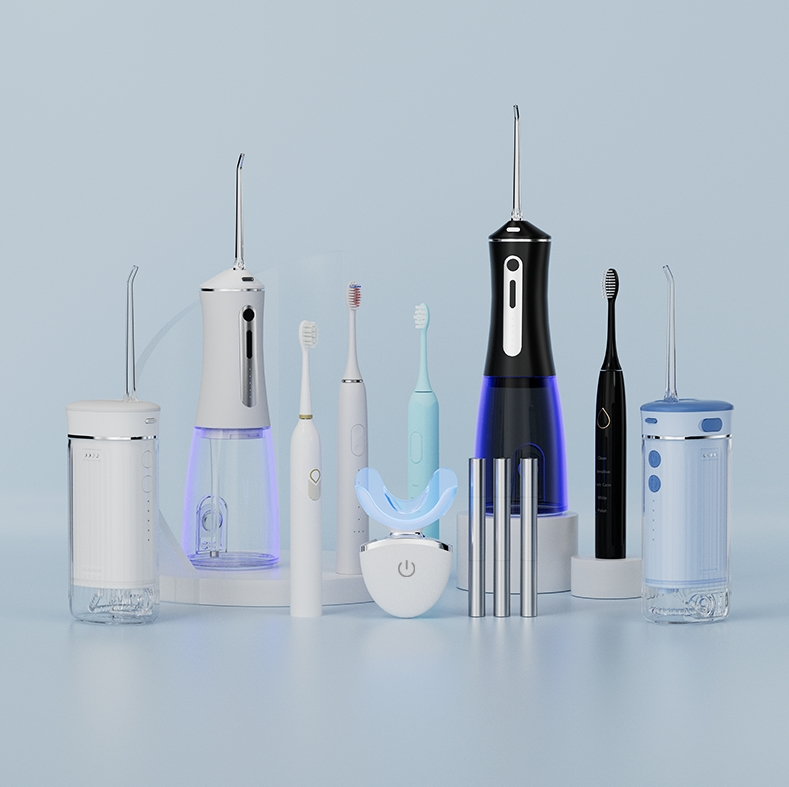
With the continuous expansion of the beauty and health market, the demand for teeth whitening products continues to grow, especially home whitening products represented by LED teeth whitening kits. For brands, starting teeth whitening kit business is not only a move to keep up with market trends, but also an excellent opportunity to expand profits and brand influence. Here are some reasons why brands should consider entering this market. 1. Rapid growth in market demand In recent years, as consumers' acceptance of teeth whitening products has increased, the global teeth whitening market has grown steadily. According to market research data, the market size of the teeth whitening industry is expected to reach tens of billions of dollars by 2028. Among them, the market share of LED teeth whitening kits has increased significantly, becoming the first choice of more and more consumers. As an emerging market, LED teeth whitening kits are not only affordable, but also can provide efficient and safe whitening effects. Brands entering this market can quickly fill the market gap and occupy a certain market share. 2. Product advantages brought by technological innovation The emergence of LED teeth whitening technology has greatly improved the safety and effectiveness of products.…
The oral care industry has witnessed significant growth in recent years. As technological advancements and consumer demands evolve, several key factors are shaping the market. In this article, we’ll explore six driving forces that are pushing the oral care industry forward in 2024. 1. Increased Consumer Awareness of Oral Hygiene Consumers are more aware than ever of the importance of oral hygiene. This largely thanks to public health campaigns and easy access to information. This awareness drives demand for products that go beyond basic dental care, such as electric toothbrushes, water flossers, and advanced teeth whitening solutions. The oral care industry benefits from consumers seeking better, more effective ways to care for their teeth and gums. 2. Technological Advancements in Oral Care Products The rise of smart devices has not left oral care untouched. From electric toothbrushes equipped with AI sensors to water flossers with UVC sterilization, technology is revolutionizing how consumers approach daily dental care. This shift is creating new opportunities for manufacturers to produce innovative products that meet the growing demand for tech-driven oral care solutions. Oral care factories are now integrating cutting-edge technology into product design and development. 3. Personalized Oral Care Solutions Customization is becoming increasingly…
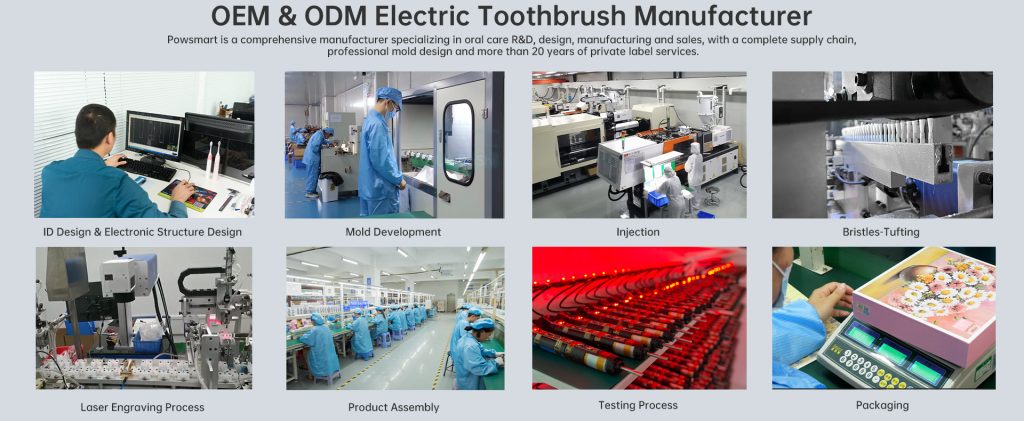
As people pay more attention to their appearance and self-confidence, having a mouthful of white and straight teeth has become the pursuit of many people. As a convenient and efficient oral care tool, dental appliances have gradually become a popular product in the market because they can improve the aesthetics of teeth in a short period of time. As a dental instrument factory with 20 years of OEM/ODM experience, Powsmart is committed to the research and development of innovative technology to help consumers realize a perfect smile. In this article, we will discuss the innovative technology of dental instruments and the results they bring from four aspects. 1. Optical whitening technology of Mouthpiece One of the core technologies of the Mouthpiece is optical whitening. Through the combination of low-temperature blue light and whitening gel, the device is able to effectively break down pigments and plaque on the surface of the teeth to achieve rapid whitening results. The advantage of this technology is that it does not cause damage to tooth enamel and avoids the tooth sensitivity problems associated with traditional whitening methods. Powsmart, as a professional whitening device factory, has continuously optimized the optical whitening technology, and each product has…
Choosing a qualified teeth whitening product factory is crucial. Especially for brand owners, whether the factory has the necessary qualifications is directly related to the quality of the product, market compliance and brand reputation. This blog will explore the qualifications that teeth whitening product factories must have from multiple perspectives to help you better screen partners. 1. GMP certification: ensuring compliance of the production environment For teeth whitening product factories, **GMP (Good Manufacturing Practice)** certification is an important indicator to measure whether the production process meets international standards. Factories with GMP certification can ensure that their production environment is hygienic, products are pollution-free, and meet international pharmaceutical standards. According to relevant data, the product qualification rate of factories with GMP certification is usually higher than 98%, which greatly improves the quality and safety of products. 2. ISO certification: a globally recognized quality management system ISO9001 quality management system certification is the core standard for measuring the comprehensive management capabilities of factories. For teeth whitening product factories, ISO certification can not only standardize the production process, but also improve production efficiency and product stability. Take a well-known international brand of teeth whitening products as an example. All the suppliers it selected have…
When chemical burns occur during whitening treatments, they not only damage soft tissues but can also contribute to crown discoloration, especially if overuse effects are ignored. Below, we examine this link across six dimensions and offer actionable recommendations for B2B manufacturers and channel partners. Key Triggers of Chemical Burns First, identify the common causes of whitening-agent burns: High Peroxide Concentration: H₂O₂ or carbamide peroxide levels above recommended limits easily breach the gum’s protective barrier. Excessive Contact Time: Extending treatment beyond the advised 15–20 minutes intensifies chemical injury. Insufficient Isolation: Omitting gingival barriers or silicone shields exposes soft tissue directly to bleach. Controlling both bleaching-agent strength and exposure duration is the first step in preventing tissue burns. Crown Materials’ Sensitivity to Chemical Exposure Next, recognize how different restoration materials respond to bleaching agents: Porcelain Veneers: Dense but prone to microfractures under high-strength or prolonged exposure. Composite Crowns: Resin matrices absorb chemicals, creating more pigment adsorption sites and leading to crown discoloration. PFM (Porcelain-Fused-to-Metal) Crowns: Microgaps at the porcelain-metal interface permit agent infiltration and hydrolytic staining. Understanding these material vulnerabilities guides tailored protection and cleaning protocols.Company web:https://www.powsmart.com/product/electric-toothbrush/ Overuse Effects and Cumulative Damage Moreover, overuse effects magnify both tissue and crown damage: Frequent…
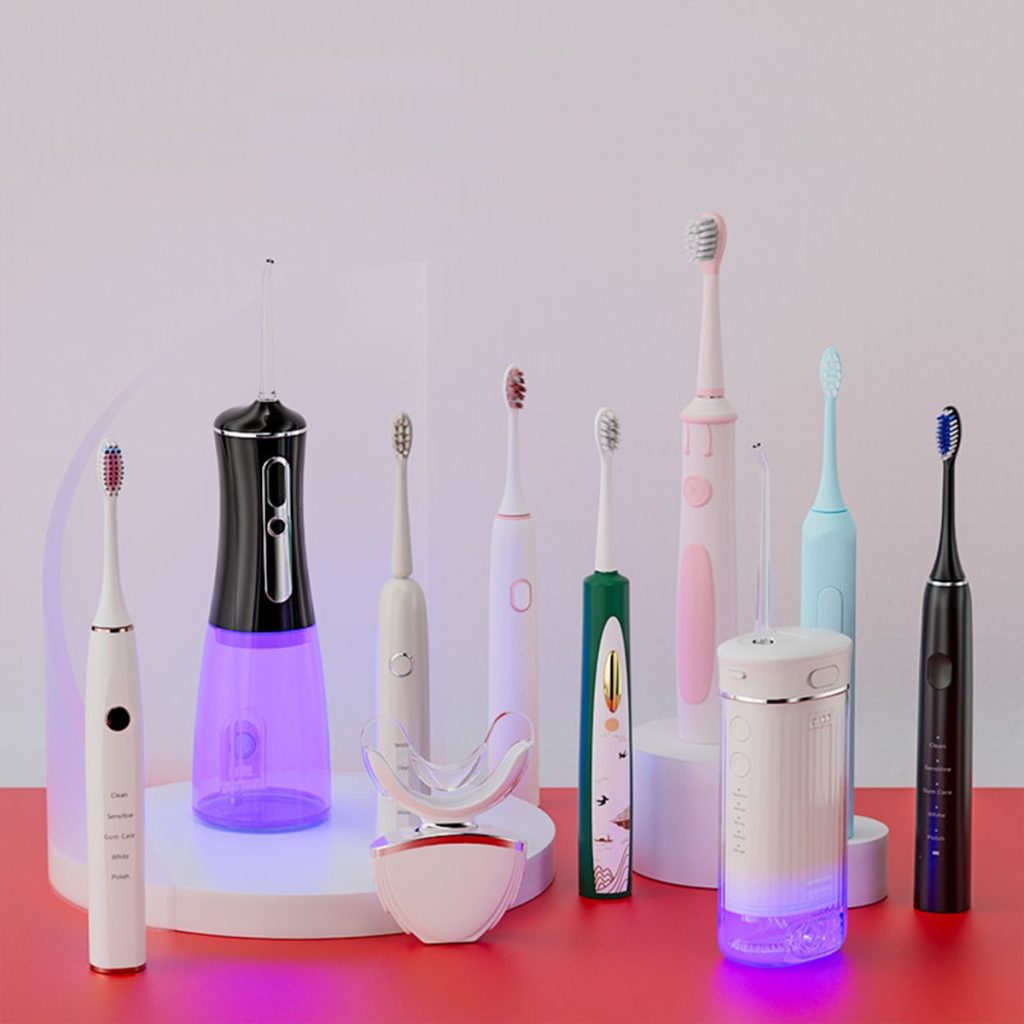
As global demand for smart personal care products rises, electric toothbrush distribution is becoming one of the most profitable segments in the oral hygiene market. For distributors and wholesalers, selecting the right product can significantly impact revenue, brand reputation, and customer retention. This guide is designed to help distributors identify high-profit electric toothbrush, evaluate wholesale purchasing strategies, and confidently enter or expand their electric toothbrush offerings. Understand the Market: Why Electric Toothbrushes Are Booming Electric toothbrushes are no longer a luxury item—they’re a daily essential for millions. According to market research, the global electric toothbrush market is expected to exceed USD 7 billion by 2027. The surge is driven by: Consumer awareness of oral health A rise in smart healthcare devices Growing demand in emerging markets For distributors, this trend presents a unique opportunity to capitalize on high-margin oral products that combine innovation with consumer demand. Key Features to Look For in a High-Profit Electric Toothbrush Not all electric toothbrushes are created equal. High-profit products typically include: Multi-mode functionality (clean, sensitive, gum care, etc.) Rechargeable lithium batteries for long-term use Smart features like timers, pressure sensors, or app connectivity Ergonomic and aesthetic design to attract end-users These features allow for premium pricing and improve your margin…
In today’s fast-evolving personal care market, managing stock effectively is a major challenge for electric toothbrush distributors. With rising product diversity, seasonal demand fluctuations, and rapidly changing consumer preferences, how can distributors reduce inventory risk has become a critical component of a successful electric toothbrush distribution strategy. This blog outlines key approaches to effective inventory management, highlighting how distributors can optimize their operations, improve cash flow, and reduce procurement risks while meeting market demands. Understand Market Demand Through Data Analytics Accurate forecasting is the first step toward reducing inventory risk. Distributors should utilize sales data, market trends, and seasonality to predict demand accurately. Use historical sales data for trend analysis Monitor emerging preferences (e.g. smart toothbrushes, sustainable materials) Adjust stock levels dynamically based on demand signals This data-driven approach allows distributors to align stock quantities with real-time market needs, reducing the chances of overstocking or understocking. Keywords integrated: Inventory management, Electric toothbrush distribution strategy Adopt a Just-in-Time (JIT) Inventory Model The Just-in-Time model minimizes inventory holding costs by aligning procurement with actual demand. This strategy is particularly effective for high-value, fast-evolving products like electric toothbrushes. Reduces warehouse costs and excess inventory Lowers capital tied up in unsold goods Enhances flexibility to respond to new…
In recent years, women have emerged as the main consumers of the oral care market, showing stronger brand loyalty, higher frequency of product replacement, and a clear preference for products that align with their personal aesthetics and lifestyle. As a result, more brands are focusing on oral care design for women, combining functionality with emotional appeal and aesthetic value. In the B2B space, manufacturers must now cater to this shift in consumer behavior by offering solutions that meet these expectations. Understanding Women’s Preferences in Oral Care Products Women, as a demographic, often prioritize: Elegant and ergonomic design Gentle but effective cleaning performance Color options and refined textures Products that express personality or fashion taste The move toward emotional value design is especially relevant here. Women are not only seeking products that work well—they want them to fit seamlessly into their beauty routines and home aesthetics. Emotional Value Design: Beyond Functionality Emotional value design is about connecting with the user on a deeper level through thoughtful design, storytelling, and user experience. For oral care products targeting women, this includes: Soft-touch materials for a luxurious hand feel Minimalist, beauty-inspired forms that resemble skincare tools Custom packaging that elevates the unboxing experience Manufacturers who understand this concept are in…
In the competitive oral care industry, brands are expected to deliver products that are both visually appealing and regulatory compliant. While customers demand sleek, modern designs, regulatory bodies enforce strict standards related to safety, materials, and environmental impact. Successfully balancing compliance and good appearance development is now a critical factor for manufacturers. This blog explores how brands can navigate these dual priorities, ensuring both marketability and global acceptance. Understanding Regulatory Requirements: FDA and REACH Compliance Compliance is the foundation of any oral care product’s viability. Two essential standards include: FDA Certification (U.S. Market) Ensures the product meets safety and hygiene standards for oral use Applies to materials, electronic components, and manufacturing environments REACH Compliance (EU Market) Regulates the use of chemicals and substances in product materials Requires full traceability and safety documentation Meeting FDA certification and REACH compliance builds trust with distributors, retailers, and end-users. It also helps avoid costly recalls, legal risks, and market access barriers. Material Selection: Safe, Durable, and Attractive Options Choosing materials that meet regulatory standards and design needs is key. For example: BPA-free plastics: Ensure safety while maintaining a high-gloss finish Medical-grade silicone: Offers flexibility and color customization ABS and PP blends: Balance durability with moldability and smooth surfaces…
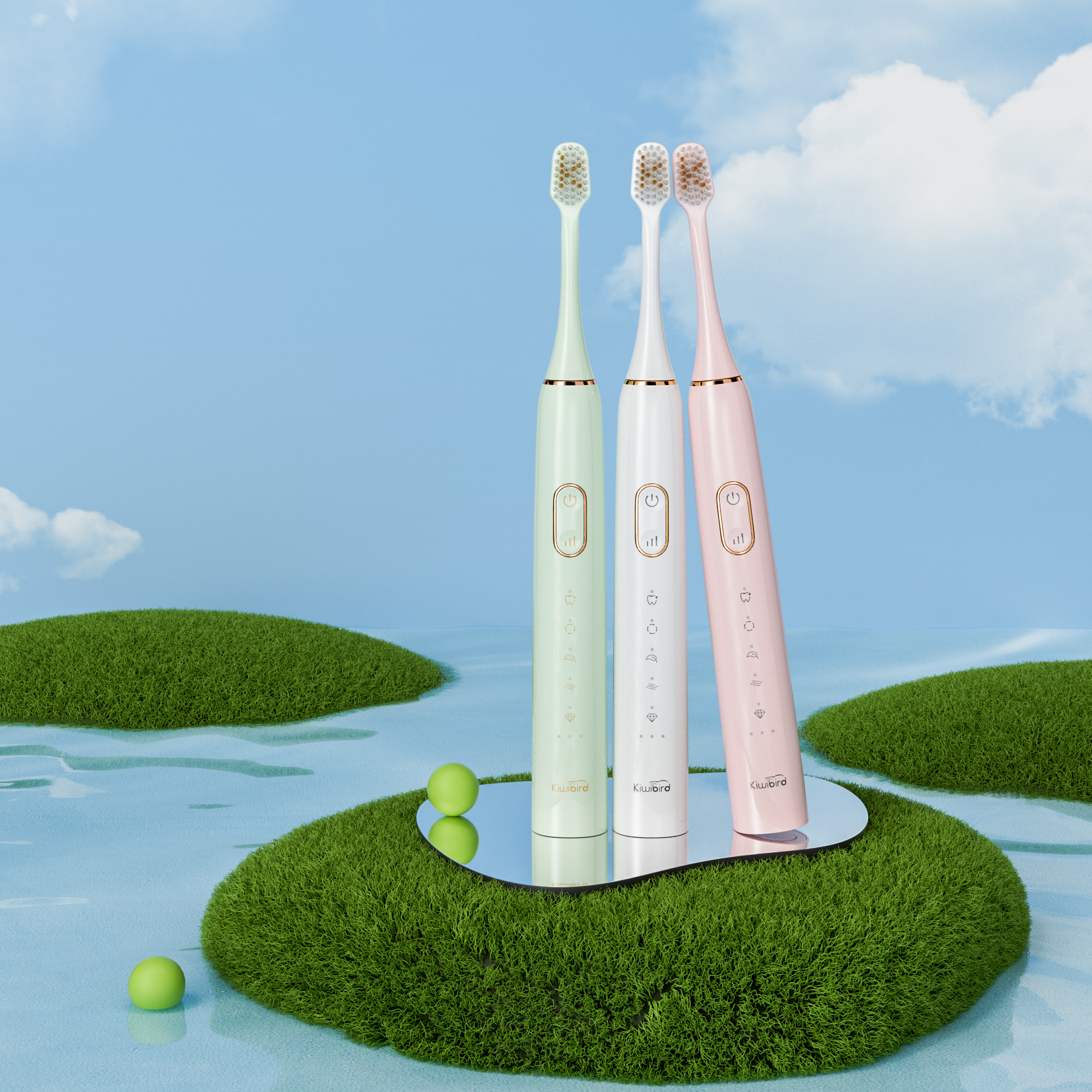
In today’s consumer-driven market, product aesthetics are no longer an afterthought—they are a competitive advantage. This concept, known as the appearance economy, is increasingly influential in the oral care industry. Consumers are drawn to products that look clean, modern, and personal—especially when those products are displayed in their bathrooms daily. In the appearance economy supply chain, manufacturers must now consider color, texture, and design as critical elements of product development. This article explores how to optimize oral care product appearance color through material selection, the injection molding process, and strategic visual design to enhance market appeal and user experience. Color Psychology in Oral Care Products Color choice directly affects how consumers perceive the functionality, cleanliness, and value of oral care products such as electric toothbrushes and oral irrigators. White and pastel tones are often associated with hygiene, calmness, and minimalism. Bold colors like black, navy, or metallic finishes convey premium quality and modernity. Bright, fun colors like teal, pink, or green appeal to younger or family-oriented demographics. By understanding color psychology, manufacturers can implement strategies to enhance product attractiveness tailored to target markets. The Injection Molding Process: Precision Meets Aesthetics The injection molding process is essential not just for functionality but for visual consistency and quality.…
While manufacturers scramble to fix gum massage inconsistency in smart oral-care devices, they often overlook equally critical battery recycling challenges, undermining brand reputation and contradicting sustainable manufacturing goals. To address both user experience and environmental responsibility, B2B companies must rethink design, supply chains, and end-of-life strategies across six dimensions. Short-Term Feature Focus vs. Long-Term Recycling Needs Many teams pour resources into tuning massage modes to eliminate uneven gum stimulation, but then: Rely on disposable lithium cells, increasing hazardous waste. Lack an established battery take-back network, so spent packs end up in landfills. Shy away from bearing recycling costs, leaving end users and channels unprepared. Balancing immediate performance gains with lifecycle considerations is essential. Seamless Designs Threaten Disassembly To achieve sleek, waterproof enclosures, products often use permanently bonded battery modules: Non-serviceable Packs: No quick-release latches or removable trays. Heat- and Water-Proof Seals: Robust gaskets and potting compounds that complicate safe battery extraction. Structural Bonding: Adhesives and welded joints turn end-of-life disassembly into destructive surgery. These choices intensify battery recycling challenges by making recovery prohibitively difficult Company web: ction approach ensures even hard-to-reach areas contribute to fresher breath. Company web: https://www.powsmart.com/product/electric-toothbrush/ Regulatory Pressure and Compliance Costs Globally, electronic-waste regulations are tightening: The EU…
As manufacturers strive for convenient hygiene, many treat UV sterilization risks and travel case defects as separate pain points—rarely weighing them against each other. In reality, an imperfect travel case can mask or even worsen the safety hazards posed by ultraviolet disinfection. B2B manufacturers must analyze both issues across six dimensions and implement targeted improvements. UV Sterilization Safety Hazards First, while UV sterilization is highly effective at killing germs, it carries inherent risks: UV Leakage Injuries: Poor seals or flawed window designs can allow UV light to escape, causing skin and eye damage. Ozone Generation: Shortwave UV lamps in high-humidity environments can split oxygen into ozone, which irritates the respiratory system. Material Degradation: If the travel case’s plastic isn’t UV-resistant, repeated exposure accelerates cracking and embrittlement, shortening its lifespan. Thus, the UV module itself demands rigorous protective measures. Common Travel Case Defects Next, typical travel case defects include: Seal Failure: Detached gaskets or silicone rings compromise dust and moisture resistance. Fragile Latches: Low-quality plastic clasps break easily after repeated opening and closing. Loose Internal Mounts: Cost-cutting can leave inserts or foam holders improperly secured, allowing brush heads to rattle and suffer damage during travel. These flaws often surface on first…
When users experience firmware update failures, they often recall bold promises in marketing materials—raising questions about false advertising claims. In a crowded market where “smart connectivity” and “seamless upgrades” headline product flyers, an update that stalls or bricks the device not only frustrates end users but also undermines brand credibility. Below, we explore six dimensions that connect update reliability with marketing integrity and offer actionable strategies for B2B manufacturers. Overpromising Features Without QA Alignment First and foremost, many false advertising claims stem from feature lists drafted before adequate quality assurance: Marketing touts “instant over-the-air updates” while firmware teams lack robust staging environments. Promises of “future feature unlocks” go live without end-to-end validation. As a result, firmware update failures become the norm, not the exception, harming trust. Bridging the gap between promotional copy and QA processes is therefore essential. Inadequate Update Delivery Infrastructure Moreover, the technical backbone that delivers updates often lags behind marketing: Servers are not geographically distributed, causing time-outs for remote users. Update packages exceed recommended OTA payload sizes, leading to download failures on low-bandwidth connections. Lack of fallback partitions means a single corrupt update can render hardware inoperable. Optimizing your update infrastructure prevents service interruptions that contradict advertised…
With the rapid development of oral care e-commerce, oral care product distributors face both unprecedented opportunities and fierce competition. To stand out in the digital marketplace, distributors must go beyond just listing products—they must present them strategically. A well-optimized product listing can significantly enhance visibility, improve conversion rates, and strengthen customer trust. In this blog, we’ll explore practical distributor growth strategies and offer actionable product link details optimization suggestions that help boost online performance and drive higher sales. High-Quality Product Images: The First Impression Matters In e-commerce, the product image is often the first interaction between a brand and a customer. For oral care items like electric toothbrushes, flossers, and toothpaste: Use high-resolution photos with multiple angles. Include close-ups of key features, such as brush head texture or ergonomic handle. Show the product in use to highlight benefits visually. Optimizing visual presentation is a key part of the product link details optimization suggestions that leads to more engagement and trust. Compelling and Informative Product Descriptions An effective product description educates, persuades, and sells. Distributors should: Clearly explain key features and functions. Highlight unique selling points, such as battery life, water-resistance, or specialized modes for sensitive gums. Use bullet points for readability and SEO-relevant keywords to…
In the rapidly evolving personal care industry, distributors of toothbrushes, electric oral devices, and related products face increasing pressure to meet market demand efficiently. A stable and responsive oral care supply chain is no longer a competitive advantage — it's a necessity. This guide will help oral care product distributors understand the essentials of building a stable, scalable, and transparent supply chain through solid supplier management and effective distributor cooperation strategies. Identify the Right Manufacturing Partners The foundation of a strong oral care supply chain begins with selecting trustworthy and capable manufacturers. Distributors should: Evaluate production capacity and quality control systems Check certifications (e.g., ISO, CE, FDA if applicable) Request case studies or client references Working with experienced oral care OEM/ODM suppliers ensures product consistency, production scalability, and timely delivery — key pillars of a reliable supply chain. Build Long-Term Supplier Management Systems Effective supplier management goes beyond procurement. It involves building strategic partnerships. Distributors should: Establish clear KPIs for lead times, defect rates, and communication response times Schedule regular audits and production feedback meetings Use software systems to track performance and inventory Stable supplier relationships minimize risk, reduce costs, and allow for more agile responses to market fluctuations. Diversify Supply Channels Without Compromising Quality To avoid…
In the highly competitive oral care market, consumer trust is one of the most valuable assets a brand can build. With the rise of digital channels and health-conscious consumers, traditional marketing is no longer enough. Brands must now focus on oral care content marketing to build authority, educate users, and foster loyalty. So, how can oral care product brands improve customer trust through content? Let’s explore six essential strategies to make content a core driver of long-term brand credibility. Provide Transparent Product Education Modern consumers are curious and well-informed. They want to know what ingredients are in their toothpaste, how electric toothbrushes work, or the benefits of water flossers. By offering detailed product guides, ingredient explanations, and usage instructions, brands can enhance consumer education while building transparency. Example: A blog post titled “How to Choose the Right Electric Toothbrush for Gum Health” can educate users and promote specific product lines at the same time. Share Expert-Driven Content Bringing in professional opinions—such as insights from dentists, hygienists, or product engineers—adds credibility to your messaging. Publish interviews with dental professionals Create “Ask the Dentist” video series Reference scientific studies to support claims This kind of oral care content marketing bridges the gap between brand promotion and genuine…
The oral care industry has witnessed rapid growth in recent years, driven by rising health awareness, technological advancements, and increasing demand for smart personal care products such as electric toothbrushes and oral irrigators. For manufacturers and brands, now is a pivotal time to focus on expand the global market. As competition intensifies locally, companies must look beyond borders. This blog outlines actionable strategies and practical market expanding tips to help oral care businesses succeed internationally—especially through emerging platforms like oral care cross-border e-commerce. Understand International Market Demand and Consumer Behavior Every region has unique consumer habits and product preferences. For successful global expansion: Conduct market research on oral care habits (e.g., preference for electric vs. manual toothbrushes, floss vs. oral irrigators) Study regulatory requirements (e.g., FDA, CE, CFDA) for product safety and certifications Tailor marketing to cultural expectations, such as packaging, language, and promotional messaging Understanding localized demand is the foundation of effective global market expansion. Leverage Cross-Border E-Commerce for Rapid Entry Oral care cross-border e-commerce platforms offer fast, scalable ways to enter new regions. Popular platforms include Amazon Global, Alibaba International, Shopee, and Tmall Global. Advantages: Low entry barriers (no physical retail setup required) Direct consumer feedback and data Quick adaptation…
As environmental awareness continues to rise, consumers are actively seeking ways to reduce their ecological footprint—including in their personal care routines. One growing segment is eco-friendly toothbrushes and Environmentally friendly oral care products. This shift is reshaping industry standards and offering vast opportunities for innovation and market expansion. In this blog, we explore the driving forces behind green consumer behavior, emerging green product trends, and how manufacturers can position themselves for success in the rapidly evolving eco-conscious oral care market. Consumer Demand: Why Sustainability Now Matters Today’s consumers—especially Millennials and Gen Z—prioritize environmental responsibility. Key purchasing behaviors include: Preference for biodegradable or recyclable packaging Willingness to pay more for Environmentally friendly oral care products Increased awareness of plastic waste caused by disposable oral care tools This shift is pushing oral care brands to rethink materials, supply chains, and product life cycles. The demand for eco-friendly toothbrushes, made from bamboo, recycled plastics, or bio-based polymers, is stronger than ever. Green Product Trends: Innovations Driving the Market Modern consumers expect more than “greenwashing.” They seek genuine innovation and transparency. Here are the top green product trends shaping the oral care industry: Biodegradable toothbrush handles (e.g., bamboo, wheat straw) Refillable toothpaste containers or chewable toothpaste tablets Compostable floss and plant-based bristles…
When users encounter charging failures, they often interrupt and restart their electric toothbrushes, which can lead to gum bleeding. Moreover, these irregular restarts can accelerate brush head replacement, causing uneven bristle wear that further irritates the gums. Below, we examine this causal chain from six perspectives and offer practical solutions. Identifying Common Causes of Charging Failures First, pinpointing why charging fails helps address the root: Poor Contact: Metal charging contacts corrode or become dirty, preventing reliable current flow. Circuit Design Flaws: Oversimplified charging-management ICs can’t handle voltage fluctuations. Battery Aging: Increased internal resistance in old cells prevents them from accepting or holding sufficient charge, causing frequent dropouts. By tackling these issues, you can minimize mid-brush power interruptions. Impact on Motor Performance and Brush Head Wear Next, repeated charge–drop cycles not only stress the motor but also disrupt brush-head behavior: Erratic Vibration: When power dips, the motor slows or stops, failing to maintain consistent amplitude. Accelerated Bristle Fatigue: Uneven vibration causes local overbending, shortening brush-head lifespan and forcing earlier head replacement. Variable Bristle Stiffness: Worn bristles develop inconsistent rigidity, increasing friction against gums and causing micro-abrasions. Thus, charging failures directly drive up brush-head replacement frequency and gum irritation. Voltage Instability &…
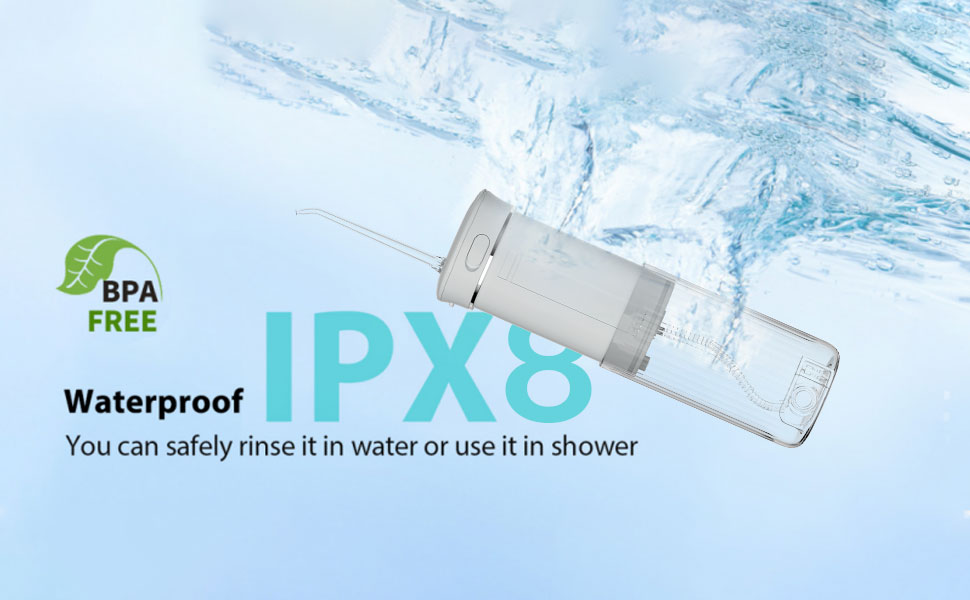
High noise levels in electric toothbrushes can signal mechanical inefficiencies that not only annoy users but may also compromise cleaning efficacy, especially if the device’s water resistance features are compromised by vibration-induced seal fatigue. In this post, we explore six factors linking sound output to actual plaque removal and offer guidance for B2B manufacturers to design quieter, more effective products. Acoustic Signatures and Bristle Performance First, louder handles often indicate excessive motor vibration: Resonant Peaks: Unbalanced rotors create tonal spikes that amplify perceived noise without adding brushing power. Energy Loss: Acoustic energy dissipated as sound reduces the net mechanical force transmitted to bristles. Stability Impact: Increased vibration can cause bristle splaying, lowering contact pressure on tooth surfaces and diminishing plaque disruption. By analyzing acoustic spectra during R&D, engineers can balance rotor mass to maximize bristle-to-enamel force, not noise. User Behavior Under High Noise Levels Moreover, users react to loud devices in ways that impair brushing technique: Shortened Sessions: Prolonged noise discomfort often leads to cutting brushing time below the ADA-recommended 2 minutes. Lightened Grip: To muffle vibration, users press more lightly, reducing bristle penetration into interdental zones. Erratic Movement: Noise-induced startle responses cause inconsistent brushing patterns and missed surfaces. Designing…