Electric Toothbrush Product Launch Coordination: From Sample Approval to First Shipment
SEO Title: Electric Toothbrush Product Launch Coordination: From Sample Approval to First Shipment | POWSMART
Meta Description: Learn how electric toothbrush brands coordinate sample approval, product specifications, packaging, production, inspection, and shipment preparation to organize a more reliable product launch with an OEM or ODM manufacturer.
Electric Toothbrush Product Launch Coordination: From Sample Approval to First Shipment
Launching an electric toothbrush involves more than selecting a product and placing a purchase order. Product specifications, approved samples, packaging artwork, production requirements, inspection arrangements, and shipping information must be coordinated so that each stage uses the same confirmed requirements.
For brands, importers, distributors, and retailers, the main challenge is keeping these activities aligned. A change to the handle design may affect packaging dimensions. A revised product configuration may require updated product information. A packaging change after approval may create additional work before production or shipment.
Understanding how launch activities depend on one another helps businesses coordinate their work with an electric toothbrush manufacturer.
POWSMART provides an overview of its electric toothbrush market and manufacturing capabilities on the Electric Toothbrush Markets page. This article explains how product launch coordination fits into the wider OEM and ODM manufacturing process.
1. Establish the Product Requirements Before Sampling
The first stage is to define what the product must include and how it will be presented to its intended customers.
A product brief should identify the intended sales market, target customer group, product positioning, and expected configuration. It should also distinguish confirmed requirements from options that still need evaluation.
Typical information includes:
- Product type and intended use
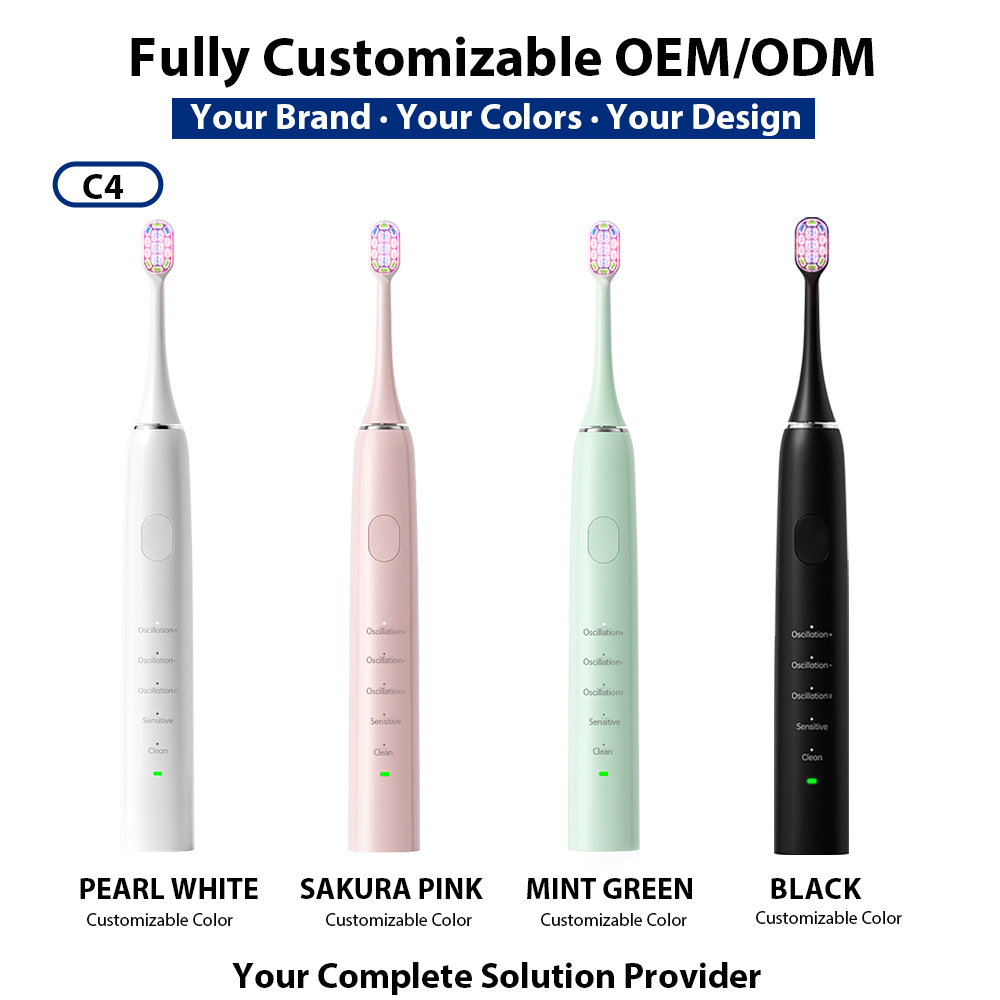
- Handle design, color, and surface finish
- Brushing modes and operating features
- Brush head configuration and compatibility requirements
- Battery and charging arrangements
- Accessories included in the package
- Branding and logo placement
- Packaging format and language requirements
- Target order quantity and estimated launch schedule
The purpose is not to finalize every design detail immediately. It is to create a consistent starting point for manufacturer discussions, sample development, cost evaluation, and production planning.
When requirements remain undecided, record them as open items instead of allowing different teams to make different assumptions.
2. Coordinate Sample Development and Approval
Samples allow the buyer to evaluate the proposed product before authorizing production.
However, sample approval should cover more than the appearance of the electric toothbrush. The buyer and manufacturer need to understand exactly which product configuration the sample represents.
The evaluation may include:
- Handle appearance and physical finish
- Button layout and usability
- Available operating modes
- Brush head fit and removal
- Charging arrangement
- Included accessories
- Logo size, position, and appearance
- Packaging presentation, when a packaging sample is available
The review criteria depend on the product requirements and the purpose of the sample. A sample intended to evaluate appearance may not represent every final production detail.
Once the sample is accepted, its configuration should be documented. Any remaining differences between the approved sample and the intended production product should be explicitly identified and resolved.
Launch coordination principle: Sample approval should establish a clear reference for the product being ordered, rather than simply record that a physical sample was received.
3. Align the Product Specification With the Approved Sample
An approved sample and a written specification serve different purposes.
The sample provides a physical reference, while the specification records the product details that must be communicated across purchasing, manufacturing, quality control, packaging, and logistics.
A practical product specification can include:
| Specification area | Information to confirm |
|---|---|
| Product identity | Model number, product name, and version |
| Product configuration | Operating features, modes, and included components |
| Physical design | Dimensions, color, materials, and finish |
| Electrical configuration | Battery and charging details applicable to the model |
| Accessories | Brush heads, charging accessories, and other package contents |
| Branding | Logo artwork, location, and approved presentation |
| Packaging | Box format, artwork version, inserts, and labels |
| Quality requirements | Agreed inspection criteria and acceptance requirements |
The exact fields will vary by model and order.
Version control is particularly important when several products look similar. A model number alone may not capture differences in accessories, packaging, colors, or market-specific configurations.
For each order, the buyer and manufacturer should be able to identify which specification and sample approval apply.
4. Prepare Packaging and Product Information in Parallel
Packaging development can proceed alongside final product evaluation, but it depends on sufficiently stable product information.
For example, the packaging design may depend on the product dimensions, the number of included brush heads, the charging accessories, and the selected box structure. Product descriptions and images must also reflect the intended configuration.
Before packaging is released for production, coordinate the following items:
- Final product name and model identification
- Approved logo and brand assets
- Product images and illustrations
- Confirmed package contents
- Packaging dimensions and structural design
- Required language versions
- Applicable product information and warnings
- Relevant market-specific labeling and documentation requirements
The applicable requirements depend on the destination market, product design, and sales arrangement. Businesses should verify them with the appropriate compliance specialists or responsible parties rather than assume that one packaging version is suitable everywhere.
Artwork approval should identify the exact file version approved for use. This reduces the risk of manufacturing packaging from an outdated draft.
5. Confirm the Commercial Order and Production Requirements
After the product configuration and relevant order details are sufficiently clear, the buyer and manufacturer can align the purchase order with the production requirements.
The commercial order should be consistent with the approved product specification. Otherwise, the production team may receive an order that does not clearly distinguish between models or configurations.
Important items to reconcile include:
- Model numbers and quantities
- Product colors and configurations
- Approved accessories and brush head quantities
- Branding and packaging versions
- Unit pricing and agreed commercial terms
- Requested production and delivery schedule
- Inspection requirements
- Shipping destination and delivery arrangements
If an order contains multiple variants, the quantities and configurations should be listed separately. A total quantity alone is not enough to communicate a multi-model order accurately.
Production timing should also be discussed in relation to unresolved dependencies. A pending packaging approval, an undecided accessory, or a product change can affect the readiness of the order.
6. Manage Changes After Approval
Changes are sometimes necessary after sampling or order confirmation. The important question is how those changes are communicated and evaluated.
Consider a buyer who changes the number of brush heads included in a retail package. That decision may affect packaging dimensions, printed product information, component quantities, order costing, and production preparation.
A structured change process should record:
- What is changing.
- Why the change is needed.
- Which model or order is affected.
- Which approved documents or samples must be updated.
- Whether cost, timing, inspection, or packaging requirements are affected.
- Who must review and approve the revised requirement.
The revised information should then be distributed to the relevant parties.
Not every change has the same impact. A logo adjustment may mainly affect artwork, while a change to a product component may require additional technical review. The manufacturer and buyer should assess the actual consequences before treating a change as minor.
Maintaining a clear record of revisions helps prevent different teams from working from conflicting versions.
7. Coordinate Production Readiness and Inspection
Production readiness means that the information and materials needed for the planned manufacturing activities have been sufficiently confirmed.
Depending on the product and order, readiness checks may include:
- Approved product specifications
- Confirmed product configuration
- Available components and accessories
- Released packaging artwork
- Agreed production quantities
- Defined inspection criteria
- Resolved changes that affect manufacturing
Inspection planning should be based on the product requirements and the agreement between the buyer and manufacturer. The parties should define what will be checked, how acceptance will be determined, and when inspection will occur.
Possible inspection areas include product appearance, operating functions, included accessories, packaging condition, and consistency with the approved configuration. Any specialized tests should be defined according to the product’s technical requirements.
The purpose is to evaluate the actual order against agreed criteria, rather than rely only on the appearance of an earlier sample.
8. Prepare Shipment Information Before Production Is Complete
Shipping preparation should not be left entirely until the products are ready to leave the factory.
The buyer and manufacturer should clarify the planned shipping method, destination, responsible parties, delivery terms, and documentation requirements early enough to identify missing information.
Depending on the transaction, shipment preparation may involve:
- Confirming the shipping destination and consignee details
- Checking carton quantities and packaging information
- Confirming shipment arrangements and responsibilities
- Preparing the applicable commercial and transport documents
- Coordinating any required inspection or release steps
- Verifying that product and order information is consistent across documents
Specific export, import, customs, and product compliance requirements depend on the countries involved and the terms of the transaction. The responsible parties should verify the applicable requirements for the actual shipment.
The key coordination task is to ensure that the shipment details correspond to the confirmed order and the products being dispatched.
9. Use Launch Milestones to Track Dependencies
A launch schedule becomes more useful when it identifies deliverables and dependencies, rather than listing dates alone.
A practical milestone structure might look like this:
| Milestone | Required output | Main dependency |
|---|---|---|
| Requirements confirmed | Product brief and initial specification | Buyer and manufacturer alignment |
| Sample approved | Approval record and identified configuration | Sample evaluation |
| Product specification released | Confirmed product requirements | Resolution of open technical items |
| Packaging approved | Final artwork and packaging details | Stable product and package information |
| Order confirmed | Agreed quantities and commercial details | Order and configuration alignment |
| Production readiness confirmed | Manufacturing requirements reviewed | Required approvals and materials |
| Inspection completed | Inspection results against agreed criteria | Product readiness |
| Shipment prepared | Shipping arrangements and applicable documents | Order and shipment information confirmed |
This structure helps teams see which activities can proceed in parallel and which must wait for an earlier decision.
For example, packaging artwork may be developed while sample evaluation is underway, but the final artwork should reflect the confirmed product configuration. Similarly, shipping arrangements can be discussed before production ends, while final shipment details may depend on the completed order.
10. How Manufacturers and Buyers Can Improve Launch Coordination
Successful coordination depends on clear responsibilities and consistent information.
The buyer typically needs to communicate the intended market, product positioning, branding, order requirements, and acceptance expectations. The manufacturer needs to clarify technical feasibility, product configuration, manufacturing requirements, and the information needed to prepare the order.
Both parties benefit from a shared set of controlled documents and a clear process for resolving open issues.
Useful practices include:
- Assigning a responsible contact for each major activity
- Keeping one identifiable version of each approved document
- Recording unresolved questions and their owners
- Confirming changes in writing
- Connecting sample approval to the production specification
- Reviewing packaging and product information together
- Checking order quantities and configurations before production
- Discussing inspection and shipment responsibilities in advance
These practices do not eliminate every delay. They make dependencies more visible and help the parties address issues before they affect later stages.
11. How Product Launch Coordination Connects to POWSMART’s Market Capabilities
Electric toothbrush launch coordination connects product development decisions with manufacturing execution and market-specific requirements.
For businesses evaluating an OEM or ODM project, the relevant questions extend beyond whether a manufacturer can supply an electric toothbrush. Buyers also need to understand how the proposed product configuration, customization requirements, packaging, production planning, and order information will be coordinated.
POWSMART’s Electric Toothbrush Markets page is a relevant starting point for exploring its electric toothbrush market and manufacturing offering.
When discussing a potential project, businesses can prepare a product brief, identify the intended market, describe the required customization, and list the information that remains undecided. This gives both parties a clearer basis for evaluating the project and identifying the next steps.
Frequently Asked Questions
1. What should be confirmed before electric toothbrush mass production?
The parties should confirm the applicable product specification, approved sample configuration, order quantities, branding, packaging requirements, and agreed quality criteria. Any unresolved items that could affect production should be identified and addressed.
2. Why is sample approval not enough by itself?
A physical sample does not necessarily document every order detail, such as exact quantities, packaging versions, accessory configurations, or inspection criteria. A written specification and approval record help communicate those requirements consistently.
3. Can packaging development start before the sample is approved?
Packaging development can begin in parallel when enough product information is available. However, final approval should account for the confirmed product dimensions, package contents, artwork, and applicable market requirements.
4. What happens when a product requirement changes after order confirmation?
The buyer and manufacturer should assess which product details, documents, components, packaging, costs, timing, or inspection requirements are affected. The change should be recorded, reviewed, approved by the responsible parties, and reflected in the relevant documents.
5. When should shipment planning begin?
Shipment responsibilities and the general shipping arrangement should be discussed early in the project. Final shipment preparation should use confirmed order details and the applicable transport and commercial documentation requirements.
6. How can an electric toothbrush brand reduce launch coordination problems?
Use clear product specifications, controlled document versions, explicit sample approval, defined responsibilities, written change records, and milestone reviews. These practices help keep product, packaging, production, inspection, and shipment information aligned.
Conclusion
Electric toothbrush product launches involve a connected sequence of technical, commercial, packaging, manufacturing, and shipping activities. The quality of coordination depends on whether each stage uses consistent, approved information and whether changes are evaluated before they affect downstream work.
By organizing the process from product requirements and sample approval through production readiness and shipment preparation, brands and importers can make project dependencies easier to manage and communicate more effectively with their manufacturing partners.
To explore POWSMART’s electric toothbrush offering for different markets and manufacturing needs, visit the POWSMART Electric Toothbrush Markets page.