When it comes to oral hygiene, one common question that often arises is: Are you supposed to brush back and forth with an electric toothbrush? Many users instinctively use the same technique as with manual brushes, but electric toothbrushes are designed differently. Understanding the right method not only protects your teeth and gums but also helps brands, distributors, and even direct factory suppliers emphasize the importance of proper usage in their products.
Why This Question Matters
Most people grew up learning to brush their teeth with manual brushes, which rely heavily on the back-and-forth motion. With the rise of electric toothbrushes, the brushing technique has shifted. Brands and factories that manufacture oral care products have a responsibility to educate customers. Including correct electric toothbrush usage tips from direct factory sources builds trust and ensures users get the best cleaning results.
The Role of an Electric Toothbrush
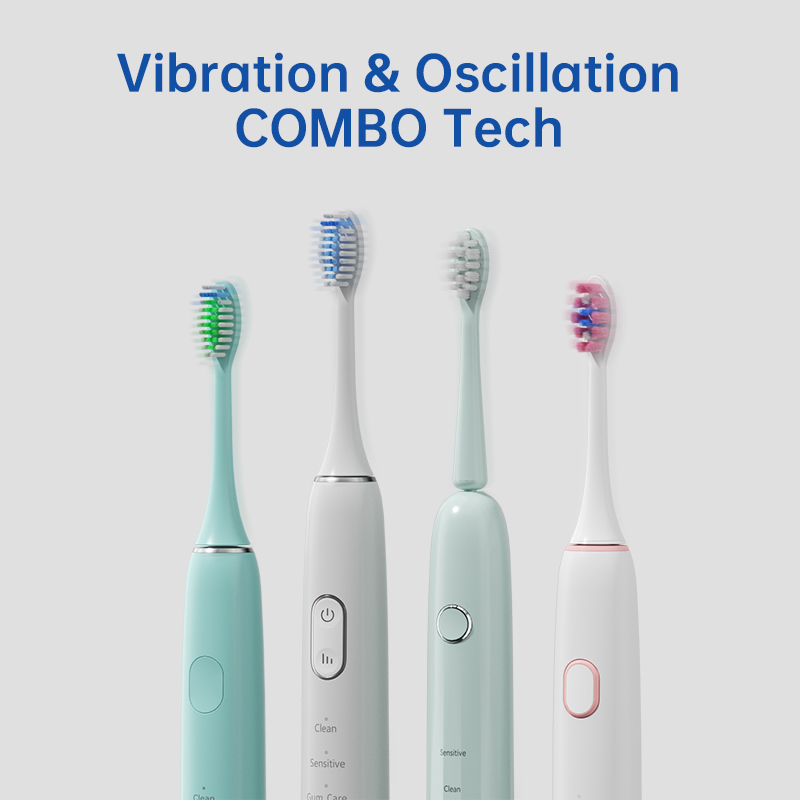
Electric toothbrushes are designed to do most of the work for you. The oscillating, rotating, or sonic motions clean effectively without requiring extra force. This means the traditional brush back and forth motion isn’t just unnecessary — it can actually cause harm.
Cons of Wrong Brushing Methods
Using an electric toothbrush incorrectly has several drawbacks:
Enamel damage: Excessive scrubbing can wear down tooth enamel.
Gum irritation: Forceful back-and-forth strokes can lead to gum recession.
Reduced effectiveness: Overpowering the brush’s built-in motion makes it less efficient.
These are clear cons of wrong brushing methods that both consumers and brands should be aware of.
Correct Usage Tips
To get the most from your electric toothbrush, here are simple steps:
Hold the brush at a 45-degree angle toward your gum line.
Let the brush head rest gently on each tooth for a few seconds.
Guide it slowly across the mouth — no need for back-and-forth scrubbing.
Focus on covering all surfaces: outer, inner, and chewing surfaces.
These correct electric toothbrush usage tips from direct factory knowledge emphasize that gentle guidance is more effective than aggressive brushing.
Why Brands and Factories Should Care
For oral care product brand owners and distributors, promoting the right brushing method is essential. When working with a manufacturing partner or direct factory, ensuring that instructions are clearly included in packaging and marketing materials improves customer satisfaction and reduces complaints related to gum sensitivity or enamel wear.
Final Thoughts
So, should you brush back and forth with an electric toothbrush? The answer is no. Instead, guide the brush gently and let the technology do the hard work. For consumers, this means healthier smiles. For brands and factories, it’s an opportunity to stand out by delivering not just high-quality products but also clear education backed by correct electric toothbrush usage tips from direct factory expertise.