Info Center
  • A Guide to Designing Good-Looking Electric Toothbrush: How Can Macaron Colors + APP Interconnection Increase Product Premium?

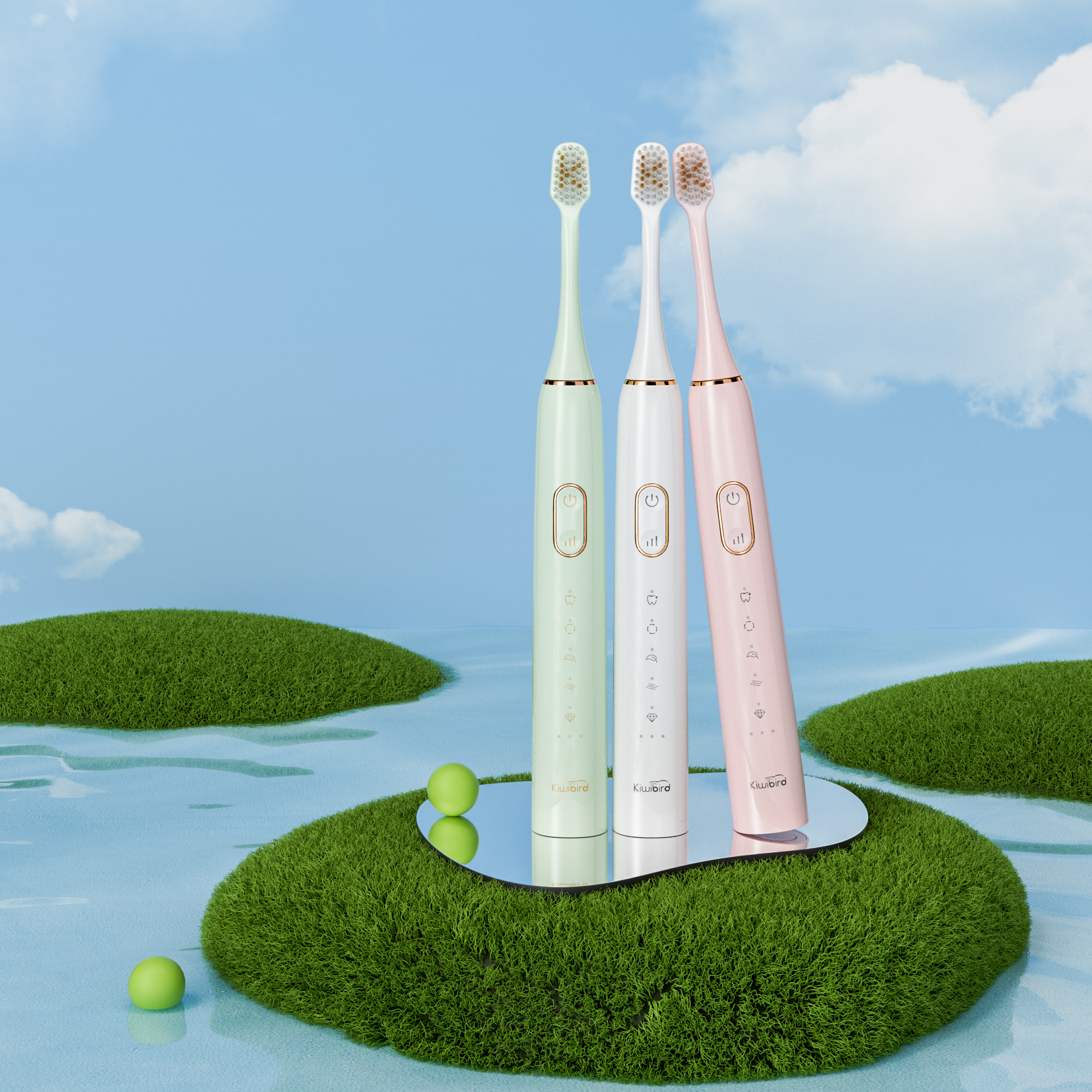
    In today’s consumer-driven market, oral care devices are no longer just functional tools—they’re lifestyle statements. A new generation of users, especially younger demographics, value both design and smart features. As a result, manufacturers must rethink the appearance design of electric toothbrushes to balance beauty, functionality, and tech integration. This article explores how the fusion of Macaron colors electric toothbrush designs and APP interconnectivity creates a winning premium strategy for smart toothbrush brands—while still offering affordable oral care options. The Role of Color in Product Differentiation: Why Macaron Colors Work Traditional electric toothbrushes often stick to clinical whites and silvers. However, this trend is shifting. The Macaron color electric toothbrush palette—pastel pinks, mint greens, sky blues, and lavender purples—evokes a sense of freshness, style, and personalization. Why this matters: Visual differentiation on shelves and e-commerce platforms Emotional connection with users, especially Gen Z and Millennials Increased shareability and “Instagrammability”, boosting organic brand exposure Adopting trendy colors is a cost-effective way to enhance perceived product value and appeal, an important element in today’s premium strategy for smart toothbrush offerings. APP Interconnection: Elevating Functionality Through Smart Design Modern consumers are increasingly looking for intelligent features in their personal care tools. APP connectivity is no longer a luxury—it’s becoming a…

    2025-05-13
  • Can Blue Light Teeth Whitening Devices and Whitening Gels Be Used During Pregnancy?

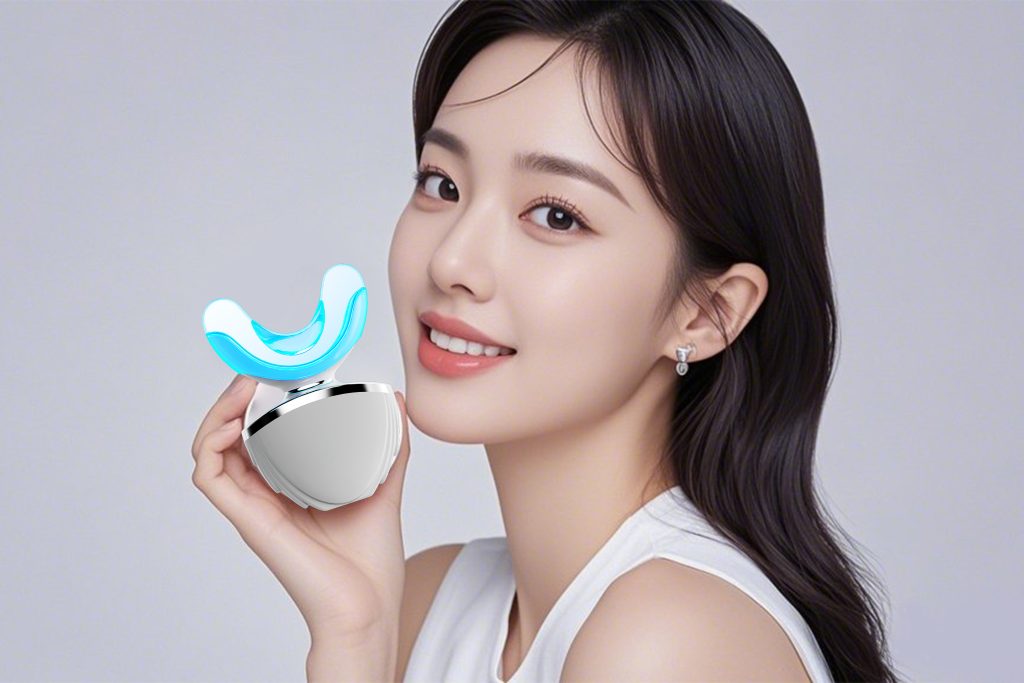
    Pregnancy is a period when many women continue to prioritize their appearance and health — including oral aesthetics. However, it also raises critical questions about safety. Among them: Can blue light teeth whitening devices and whitening gels be used during pregnancy? In this blog, we explore this concern in detail, providing a well-researched perspective for dental professionals, distributors, and manufacturers looking to educate their clients responsibly. This article will cover: Key ingredients in whitening products Safety considerations specific to pregnancy Professional recommendations Market trends and user concerns We’ll also naturally include critical terms such as "precautions for using teeth whitening devices" and "teeth whitening during pregnancy." Blue light teeth whitening devices work in conjunction with whitening gels—typically containing ingredients like hydrogen peroxide or carbamide peroxide—to speed up stain removal from the tooth surface. While effective, these components penetrate enamel and dentin layers, raising concerns about their impact during pregnancy. Most over-the-counter and professional whitening kits involve: A light-activated gel (peroxide-based) A blue LED device to accelerate the whitening process Accessories like mouth trays and timers These components are generally considered safe for the general population, but teeth whitening during pregnancy requires special scrutiny due to hormonal and physiological changes. Teeth Whitening During Pregnancy: What the Science Says…

    2025-05-13
  • Different Selling Points of Teeth Whitening Devices: Portable, APP-Linked, Gel Customization. Which Selling Point Attracts the Most Attention from Brands?

    The global demand for teeth whitening products continues to grow rapidly, driven by consumer desire for fast, convenient, and personalized oral beauty solutions. In this competitive environment, the main selling points of teeth whitening devices are becoming key differentiators for brands seeking to stand out.This blog explores the differentiated selling points of teeth whitening devices—including portability, app connectivity, and gel customization—and analyzes which of these features align best with current market trends of teeth whitening devices. Portability: Convenience Drives Consumer Interest Portability is a core feature that appeals to today’s on-the-go consumers. A compact, travel-friendly whitening device offers: Ease of use at home, at work, or while traveling Lightweight, ergonomic design Wireless or USB-charging convenience For brands, portable designs represent an opportunity to appeal to young, mobile users and create a versatile product line. As a result, portability remains one of the most sought-after main selling points of teeth whitening devices. APP-Linked Functionality: Smart Features Enhance Engagement APP-linked teeth whitening devices are gaining popularity as brands shift toward smart, connected beauty solutions. These features offer: Custom treatment plans via smartphone Real-time usage tracking and reminders User engagement through gamification and progress tracking This digital integration allows brands to deliver a more interactive user…

    2025-05-13
  • Are Pressure Sensor Errors Worsening Hygiene Mode Absence?

    In modern oral‐care devices, reliable pressure sensing is essential. When pressure sensor errors occur, they often trigger a hygiene mode absence, leaving users without the gentle ramp-up or auto-clean cycles that protect gums and ensure thorough biofilm removal. For B2B manufacturers, understanding and resolving this linkage is critical to maintaining product efficacy and partner satisfaction. How Pressure Sensor Errors Occur Pressure sensor errors typically stem from: Sensor Drift: Over time, piezoelectric or resistive elements lose calibration, giving inaccurate force readings. Contamination: Toothpaste residue or moisture ingress fouls sensor membranes, causing false high or low readings. Electrical Noise: EMI from the brush’s motor drive circuit can corrupt the sensor’s analog signal if shielding is inadequate. Identifying these root causes allows targeted upgrades in sensor selection and protection. The Cost of Hygiene Mode Absence When hygiene mode fails to activate: Missed Soft-Start Ramp: Users lose the gradual buildup that prevents sudden high-force starts on sensitive tissue. No Pressure-Controlled Oscillation: The device can’t throttle vibration or pulsation to the safe range for plaque-laden zones. Reduced Self-Cleaning: Absence of periodic high-pressure flushes in the water flosser or ultrasonic pulses in the brush head leaves biofilm behind. Together, these deficits undermine both comfort and clinical…

    2025-05-13
  • Why Is Your Device Stuck in Frequency Instability and Smart Timer Malfunction?

    Many high-end oral-care devices suffer from frequency instability and smart timer malfunction, leading to reduced cleaning effectiveness, poor user experience, and increased after-sales repairs. To resolve this dual challenge, B2B manufacturers must address six key areas—from hardware design and firmware logic to rigorous testing and user education. Flaws in Drive Circuit and Feedback Loop Design First, frequency instability often stems from deficiencies in the motor driver circuit and feedback loop: Lack of a Precision Encoder: Without real-time motor speed sensing, the firmware cannot correctly adjust output, causing frequency drift. Feedback Latency: Low sampling rates for analog feedback introduce gaps where the motor “sticks” at an unstable frequency under varying loads. Insufficient Filtering and EMI Protection: Power-line noise and brush vibration can corrupt feedback signals, amplifying frequency fluctuations. Improving both circuitry and closed-loop algorithms is the first step to stabilizing vibration frequency. Mismatch Between Timer Logic and Clock Source Next, smart timer malfunction often relates to imprecise timing hardware and firmware: Crystal Oscillator Drift: Using a low-grade crystal or no temperature compensation leads to cumulative timing errors. Interrupt Priority Conflicts: When timer interrupts clash with drive-control tasks, missed interrupt signals can freeze or reset the timer. Software Counter Overflow: Inadequate variable…

    2025-05-13
  • Is Handle Slippage Causing Your Motor Overheating Crisis?

    When users experience handle slippage during brushing, they often compensate by gripping tighter or pressing harder—actions that spike motor load and trigger motor overheating crises. To help B2B manufacturers address this dual challenge, we analyze six key areas of root causes and offer actionable design and process improvements. Insufficient Grip Friction on the Handle First, the handle’s surface material and texture are critical: Overly Smooth Coatings reduce friction and compromise grip security. Poor Texture Patterns fail to cradle the user’s hand, especially at different angles. Moisture Accumulation from sweat or water further lowers slip resistance. Clearly, enhancing handle friction is the first step toward preventing slippage. Torque Imbalance Triggered by Slippage Next, handle slippage disrupts the torque equilibrium between the brush head and teeth: Sudden Load Spikes: Users instinctively apply more force, driving motor current up. Uneven Resistance: Misaligned brushing angles cause the motor to constantly adjust speed and amplitude. Heat Buildup: Sustained high-load conditions leave insufficient time for heat dissipation. Thus, slippage not only worsens user experience but directly elevates motor overheating risk.Company web:https://www.powsmart.com/product/electric-toothbrush/ Overheating’s Impact on Component Longevity Furthermore, motor overtemperature has cascading effects: Insulation Degradation: Winding insulation breaks down above 80 °C, drastically shortening service life. Lubricant…

    2025-05-13
  • Why Does Your Brush head detachment While Suffering Decibel Level Discomfort?

    Many users report brush head detachment coupled with decibel level discomfort—a combination that undermines confidence in your electric toothbrush line. Understanding the interplay between mechanical coupling, vibration noise, and material wear is essential for B2B manufacturers to deliver durable, quiet products that strengthen partner trust and reduce warranty claims. Loose Coupling Mechanisms First, an improperly engineered head‐shank interface can lead to unwanted detachment: Tolerancing Errors: Too much clearance between the drive shaft and brush‐head cavity allows micromotion that works the head loose. Wear Over Time: Repeated attachment/detachment cycles and lateral forces erode locking features. Insufficient Retention Features: Simple snap‐fits without positive locks or secondary clips are more prone to release under load. To prevent this, consider multi‐stage locking rings or threaded couplings that secure the head even under stress. High Vibration Amplitude & Noise Moreover, excessive vibration levels not only cause decibel level discomfort but exacerbate detachment: Resonant Frequencies: If the motor’s oscillation frequency aligns with the head’s natural frequency, amplitude spikes both noise and mechanical stress. Poor Dampening: Absence of vibration absorbers transmits raw motor motion to the head interface. User Perception: Loud, harsh sounds at 70–80 dB heighten awareness of looseness, prompting users to apply extra downward force…

    2025-05-12
  • Solving the Common Issues of New Teeth Whitening Devices: Smart Countdown + How to Reduce 70% of Misoperations?

    As at-home cosmetic dental care becomes more mainstream, the demand for user-friendly teeth whitening devices has surged. However, manufacturers and retailers frequently face complaints related to user errors—such as accidentally turning on the device, improper operation during use, or confusion about treatment duration. For every teeth whitening device factory, addressing these usability issues is key to both customer satisfaction and long-term product loyalty. This blog will explore how integrating smart countdown features and protection against accidental touches can reduce up to 70% of common misoperations, while significantly delivering an improved user experience. Why Misoperations Are So Common in Whitening Devices Misoperations occur due to several reasons: Lack of intuitive design (users can’t easily tell if the device is on or off) Sensitive touch buttons that react unintentionally No built-in usage feedback (users don’t know how long to use the product or when the treatment ends) These issues are especially common with entry-level or generic OEM models without smart features, damaging brand reputation and increasing return rates. The Smart Countdown Feature: Simple but Powerful A simple yet powerful solution is the integration of a smart countdown function into whitening devices. Here's how it works: Upon activation, the device automatically starts a pre-set treatment timer (e.g. 10 or 15 minutes) Visual…

    2025-05-12
  • The 3 Most Common Tests for FDA Rejection of Home Teeth Whitening Devices

    In the competitive oral care industry, ensuring compliance with international safety standards is not optional—it’s essential. For manufacturers aiming to enter the U.S. market, teeth whitening device FDA certification is a key milestone. However, many products fail to pass FDA evaluation, delaying launches and damaging reputations. As a professional teeth whitening device factory, we have identified the three most common testing areas where home teeth whitening devices are rejected. This blog will walk through these tests and offer guidance on how manufacturers can avoid common pitfalls in the certification and safety of teeth whitening devices. Biocompatibility Testing Failure (Device Materials and Gel Interaction) What is tested?This test checks if any materials in the whitening device or the teeth whitening gel formulation cause irritation, toxicity, or allergic reactions when used in the mouth. Why it leads to rejection:If materials in the mouthpiece, LED casing, or especially the teeth whitening gel are not proven biocompatible, the FDA will reject the device. Non-medical-grade plastics or additives in gel formulas often trigger failures. How to avoid failure: Use FDA-registered, medical-grade silicone and plastics. Ensure your teeth whitening gel supplier provides ISO 10993 and USP Class VI test reports. Conduct biocompatibility testing early in the design phase. Electrical Safety…

    2025-05-12
  • Is Your Water Flosser Plagued by Nozzle Clogging and Water Tank Leakage?

    When channel partners report persistent nozzle clogging and water tank leakage, it undermines user confidence and drives up warranty costs. In this article, we explore six critical areas—from root causes to design optimizations and maintenance protocols—so B2B manufacturers can deliver water flossers that stay clog-free and leak-proof. Identifying the Causes of Nozzle Clogging First, understanding why debris builds up in the tip helps prevent downtime: Mineral Scale & Sediment: Hard water leaves deposits that narrow the nozzle bore. Biofilm Formation: Stagnant water fosters bacterial growth, which adheres inside narrow channels. Wrong Nozzle Geometry: Sharp bends or overly thin outlets trap particles instead of flushing them away. By pinpointing these factors, manufacturers can target materials and geometries that resist clogging. Pinpointing the Source of Water Tank Leakage Next, even minor leaks from the reservoir compromise hygiene and safety: Seal & Gasket Failure: Rubber or silicone seals degrade under repeated tank removal and sterilization. Crack Propagation: Thin plastic walls or molded corners can develop hairline fractures over time. Overfill Venting Issues: Inadequate vent design forces water into electronic compartments. Accurate failure analysis informs stronger sealing methods and robust tank geometries.Company web:https://www.powsmart.com/product/electric-toothbrush/ Selecting Materials to Combat Clogs and Leaks Moreover, choosing the right…

    2025-05-12
  • Portable Teeth Whitening Device: How to Make It the Size of travel friendly but Maintain 100% Effectiveness?

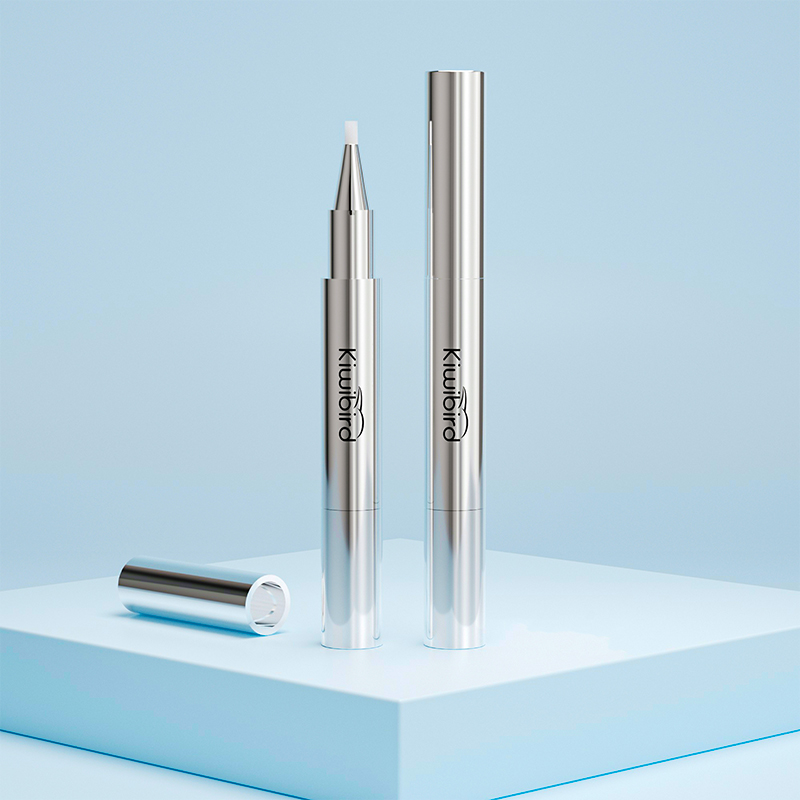
    Modern consumers demand both convenience and performance. In the booming beauty and personal care market, there's a clear shift toward compact, travel-friendly products that don't compromise on results. This trend has led to rising interest in the portable teeth whitening device—small enough to fit in a purse or pocket, yet powerful enough to deliver visible whitening effects. As a teeth whitening device factory, the challenge is clear: How do we create a miniature design that still guarantees 100% effectiveness? Compact Engineering: Shrinking Without Sacrificing Power Designing a lipstick-sized teeth whitening device starts with smart engineering. Key components must be miniaturized while maintaining high performance: High-intensity blue LED lights with optimized wavelength for enamel-safe whitening Micro batteries or USB-C rechargeable systems that support multiple uses Precision timers and power control chips for treatment accuracy Advanced component integration allows for full whitening power in a truly portable teeth whitening device format. Material Innovation: Lightweight but Durable Shells To maintain a small, sleek form factor, manufacturers must use premium yet lightweight materials: Medical-grade ABS or PC plastic for strength and heat resistance Aluminum alloy accents for a premium aesthetic without adding weight Silicone mouthpieces that fold or retract to save space A smart balance between form and function helps the product remain travel…

    2025-05-12
  • Why Does Your Electric Toothbrush Have Battery Corrosion Issues and Charging Base Failure?

    Many of our channel partners have reported battery corrosion issues and charging base failure in their electric toothbrush lines—compromising reliability and increasing warranty costs. In this article, we’ll explore six underlying causes and best-practice solutions to help B2B manufacturers design more robust products and reduce after-sales headaches. Moisture Ingress and IP Rating Shortcomings First, inadequate sealing often lets water or condensation enter the handle: Low IP Protection: Devices rated only IPX4 may resist splashes but fail under submersion or steam. Capillary Action: Microscopic gaps around buttons or seams draw in moisture over repeated rinsing. Corrosive Environment: Salty saliva and toothpaste residues accelerate metal oxidation inside the battery compartment. Solution: Upgrade to at least IPX7-rated enclosures, implement lab-tested gasket seals around all openings, and design overmolded button assemblies to eliminate crevices. Battery Pack Design and Protective Coatings Next, the choice and treatment of cells directly affect corrosion resistance: Uncoated Cells: Standard Li-ion or NiMH cells without conformal coating are vulnerable to electrolyte leaks and surface rust. Poor Venting: Sealed packs with no pressure relief can crack seals when gases build up, allowing moisture in. Material Compatibility: Solder tabs and welds exposed to water degrade faster if they’re not tin-plated or gold-flash…

    2025-05-12
  • How Can Gradient Color Injection Molding Technology Improve the Attractiveness of Electric Toothbrushes?

    In today's competitive oral care market, product performance is no longer the only driver of consumer preference—appearance now plays a vital role. Consumers are increasingly drawn to products that are not only functional but also visually striking. This is especially true in personal care electronics such as electric toothbrushes. For manufacturers, adopting gradient color technology through injection molding offers a powerful way to improve attractiveness of electric toothbrushes that resonates with modern consumers and stands out on retail shelves. What Is Gradient Color Injection Molding Technology? Gradient color technology is a specialized plastic injection molding process that allows multiple color tones to blend seamlessly into one another on a single molded part. Unlike traditional single-color molding, this technique: Enables smooth color transitions (e.g., blue to white, pink to purple) Creates a premium, dynamic look without painting or secondary processing Offers long-lasting, scratch-resistant finishes directly out of the mold This innovative technology for electric toothbrushes not only enhances aesthetics but also increases manufacturing efficiency. Boosting Product Appeal Through Visual Marketing Visual marketing is a crucial part of selling consumer electronics. In retail environments and online platforms, buyers often make split-second decisions based on product appearance. Gradient color finishes offer several benefits: Striking shelf presence: Unique…

    2025-05-09
  • How to Turn Additional Functions of the Water Flosser into Differentiated High-Premium Selling Points

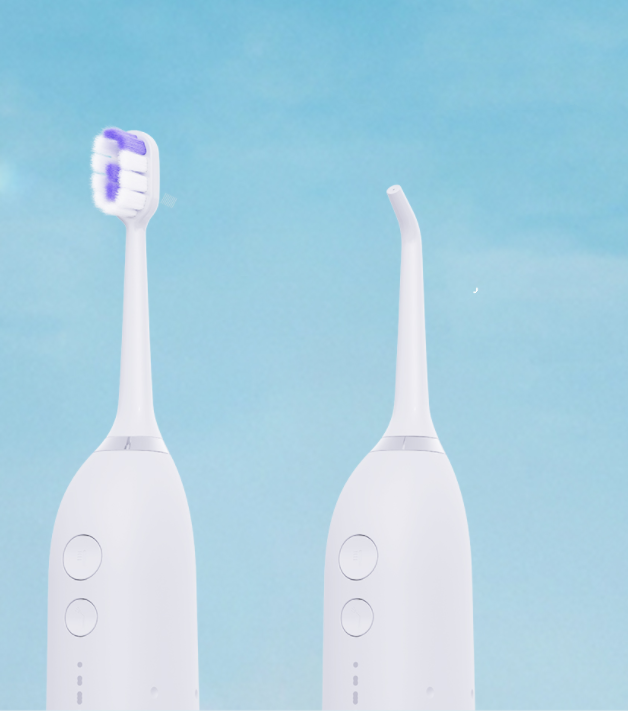
    As the oral care industry matures, the competition among water flosser manufacturers has moved beyond additional functions of the water flosser like water pressure and battery life. Today’s consumers—especially those in mid-to-high-end markets—are actively seeking advanced, value-added features that enhance hygiene, convenience, and lifestyle compatibility. To win in this space, manufacturers must identify how to turn extra features such as UV sterilizing, nozzle storage, and water tank sterilization into effective high-premium selling points, while elevating the overall perception of the product as a next-generation oral hygiene device. UV Sterilizing: Making Hygiene a Technological Promise UV sterilizing is one of the most persuasive hygiene upgrade features in water flossers today. By integrating a built-in UV light module into the nozzle compartment, the device can automatically disinfect the nozzles after each use—eliminating up to 99.9% of bacteria. B2C Value Proposition: "Kills germs you can't see." B2B Value Proposition: A true hygiene upgrade feature that commands higher retail margins. Implementation Tip: Use medical-grade UV-C LED modules with automated sterilization cycles to minimize power drain and manual operation. By positioning UV sterilizing as a daily assurance of oral hygiene, manufacturers turn this from a "nice-to-have" into a "must-have" for health-conscious consumers. Nozzle Storage: Convenience as a Selling…

    2025-05-09
  • How to Increase Repurchase Rate Through the “Brush Head + Toothbrush Handle” Accessory Adaptation Structure?

    For electric toothbrush brands and OEM partners, improving customer lifetime value is critical. One effective strategy is optimizing the brush head + toothbrush handle adaptation structure to encourage repeat purchases. A smart design approach not only enhances usability and satisfaction, but also opens the door to recurring revenue through replaceable parts, especially brush heads. In this blog, we explore how thoughtful engineering and product planning—aligned with sustainability and market trends—can help electric toothbrush manufacturers increase repurchase rate. The Power of Modular Design: Making Repurchase Easy A modular accessory design that allows users to easily detach and replace the brush head is fundamental. Key considerations include: Universal fit systems across product lines Durable locking mechanisms that are user-friendly Stable electrical connections for sonic or oscillating performance By simplifying replacement, manufacturers lower the barrier for consumers to repurchase brush heads regularly—either individually or through a brush head subscription service. Replaceable Parts = Sustainable Strategy Modern consumers are increasingly eco-conscious. Offering replaceable parts, such as interchangeable brush heads, supports sustainability in product design. Instead of discarding an entire device, users can extend product life by only replacing worn-out components. This approach positions your brand as environmentally responsible, which enhances customer loyalty and aligns with global ESG trends—especially important…

    2025-05-09
  • PowSmart’s Commitment to Quality: What Sets Our Oral Care Products Apart

    At PowSmart, our dedication to crafting best-in-class Oral Care Products—from advanced electric toothbrush systems to smart water flossers—drives everything we do. By combining rigorous R&D, premium materials, and industry-leading quality controls, we ensure that every device we deliver meets the highest standards of performance, safety, and reliability for our B2B partners. World-Class R&D and Engineering Excellence First and foremost, our innovation begins in the lab: Dedicated Innovation Center: We invest in a state-of-the-art R&D facility staffed with mechanical, electrical, and materials engineers focused exclusively on oral-care technology. User-Centered Design: Through extensive user-profile analysis and human-factors testing, we optimize handle ergonomics, bristle configurations, and interface workflows. Proprietary Drive Algorithms: Our in-house motor control firmware delivers precise oscillation patterns and power management, balancing cleaning efficacy with battery life. These efforts translate into devices that outperform generic offerings and impress end users. Premium Materials and Manufacturing Processes Moreover, quality starts with the right inputs: Medical-Grade Components: All parts in contact with the mouth—bristles, mouthpieces, silicone seals—adhere to FDA and EU food-contact and biocompatibility standards. Automated Precision Assembly: Our ISO 13485-certified factories employ robotics and vision systems to ensure consistent tolerances, perfect seal integrity, and zero human error in critical steps. Lean Production Controls:…

    2025-05-09
  • Understanding and Treating Gum Bleeding problem When Brushing

    Many users experience gum bleeding problem during their daily brushing routine, which not only undermines oral‐health confidence but also generates high volumes of customer support inquiries. As a B2B manufacturer, it’s critical to understand the root causes and deliver a comprehensive solution package—helping channel partners offer more professional, reassuring electric toothbrush products and services. Main Triggers of Gum Bleeding First, identify the common factors that lead to gum bleeding: Gingival Inflammation: Plaque accumulation irritates the gums, causing redness, swelling, and bleeding. Abrasive Bristles or Excessive Pressure: Hard bristles or improper technique can damage the delicate gum tissues. Gum Recession: When the gums pull away, the exposed root surfaces become highly sensitive and prone to bleeding. Nutritional Deficiencies: Lack of vitamins C or K impairs tissue repair and makes the gums more fragile. Accurate diagnosis of these triggers guides targeted product enhancements and user guidance. Hardware Design Optimizations To reduce the risk of gum bleeding at its source, electric toothbrushes can incorporate: Ultra-Soft Bristles: High-density filaments ≤0.12 mm in diameter that minimize mechanical stress on the gums. Pressure Sensors: Built-in sensors automatically slow the brush or alert the user when excessive force is detected. Multi-Mode Cleaning: “Sensitive,” “Daily Clean,” and “Deep…

    2025-05-09
  • How to Keep Teeth Clean with Braces?

    Maintaining oral hygiene can be challenging once you add metal or ceramic brackets—yet it’s more important than ever to braces clean thoroughly to prevent demineralization, staining, and gum inflammation. Below, we outline six key strategies to help your B2B partners educate end users on optimal cleaning protocols for orthodontic patients. Choose the Right Bristle Configuration First, selecting a toothbrush engineered for braces makes all the difference: V-shaped or notched bristles cradle each wire and bracket, ensuring you reach plaque build-up zones. Soft‐to‐medium filament mix balances gentle gum care with effective debris removal around edges. Electric toothbrush models with small, rounded heads can further improve access to tight spaces. Transitioning to these specialized bristles elevates overall cleaning performance. Incorporate Interdental Brushes & Picks Next, interdental tools are essential for cleaning under wires: Angled interdental brushes fit between brackets and wires, dislodging trapped food particles. Soft-tip picks offer precision around gum lines without traumatizing sensitive tissue. Silicone-coated options reduce risk of scratching bracket bases or enamel. By integrating these devices, braces clean becomes a comprehensive, four-step routine rather than just brushing. Leverage Water Flossers for Dynamic Cleaning Moreover, water flossers bring dynamic water jets to your regimen: High‐pressure pulsed streams flush out…

    2025-05-09
  • Why Is a Long Endurance Electric Toothbrush a Selling Point?

    In today’s competitive oral care market, consumers expect more than just effective cleaning from their electric toothbrush—they expect convenience, reliability, and portability. A long endurance electric toothbrush has emerged as a powerful selling point, helping brands differentiate their products in crowded retail and e-commerce spaces. For B2B clients such as retailers, importers, and private label brands, partnering with a forward-thinking electric toothbrush manufacturer that prioritizes battery endurance can result in stronger market appeal and higher customer satisfaction. Consumer Lifestyle Demands: The Need for Less Frequent Charging Modern consumers lead busy, mobile lifestyles. They prefer devices that can keep up with their pace. A long-lasting electric toothbrush typically offers: Up to 30–60 days of use on a single charge Hassle-free morning routines without daily recharging Peace of mind during travel or outdoor use This benefit strongly resonates with end users and increases perceived value, especially in premium and mid-range markets. Lithium Battery Technology: Powering Endurance and Efficiency At the heart of every long-endurance toothbrush is advanced lithium battery technology. Compared to traditional NiMH batteries, lithium batteries offer: Higher energy density Faster charging time Longer lifespan Lightweight design Professional electric toothbrush manufacturers increasingly use lithium-ion or lithium-polymer cells to power high-performance, compact devices that meet today’s…

    2025-05-08
  • How Can Voice Electric Toothbrush with Multi-Language Prompts Open Up the Silver-Haired Market?

    The global population is aging rapidly. By 2050, people aged 60 and above are expected to account for over 20% of the world’s population. This demographic shift presents a powerful opportunity for product innovation—especially in the health and wellness sector. For an electric toothbrush manufacturer, the challenge lies in designing oral care tools that cater to the physical and cognitive needs of older adults. One compelling solution? The voice electric toothbrush with built-in multi-language voice prompts. Understanding the Needs of the Silver-Haired Market To effectively serve the silver-haired market, it's essential to understand their unique challenges: Decreased vision and hearing Limited dexterity or reduced grip strength Cognitive impairments or memory decline Language and cultural diversity among older users worldwide Traditional electric toothbrushes often fall short in meeting these needs. However, voice guidance and multilingual support can greatly enhance usability and daily compliance for seniors. The Role of Voice Electric Toothbrushes in Enhancing Accessibility A voice electric toothbrush can deliver real-time spoken instructions, such as: When to switch brushing zones How long to brush each area Gentle reminders on pressure or technique For seniors who may struggle with reading small displays or interpreting vibrations, audible voice prompts significantly increase accessibility, making daily oral care…

    2025-05-08