When users notice a whitening efficacy decline during treatment, devices often respond with pulse intensity spikes—abrupt increases in light or vibration power intended to compensate but which can damage enamel and irritate gums. For B2B manufacturers, understanding this feedback loop is vital to designing stable, safe whitening systems that maintain consistent performance without resorting to power surges.
Many whitening units rely on optical or force sensors to gauge bleaching progress:
Robust sensor calibration and auto-recalibration routines are therefore the first step toward stabilizing performance.
Bleaching gel chemistry also changes during use:
Integrating gel-level sensing and dosage-compensation algorithms can replace brute-force intensity increases.Company web: https://www.powsmart.com/product/electric-toothbrush/
Embedded control logic often prioritizes treatment completion over user comfort:
Updating firmware to incorporate multi-level thresholds and time-weighted averages prevents harmful intensity spikes.
Hardware wear and tear contributes as well:
Routine maintenance reminders and self-diagnosis routines help avoid hardware-induced pulse anomalies.
Improper user habits exacerbate the issue:
Educating end users on correct gel handling and session pacing reduces false efficacy alarms.
To eradicate the root causes of pulse intensity spikes, B2B manufacturers should:
By integrating smarter sensing, adaptive control logic, proactive maintenance, and thorough validation, you can deliver whitening devices that maintain consistent efficacy—without resorting to jarring pulse intensity spikes.
Conclusion
Addressing the interplay between whitening efficacy decline and pulse intensity spikes requires a systems approach encompassing sensors, firmware, hardware durability, and user guidance. B2B manufacturers who embrace these six strategies will produce robust, user-friendly whitening solutions, strengthening partner confidence and driving long-term success. For deeper collaboration on advanced whitening-mode engineering, please contact our team.
The Importance of Water Resistance for Teeth Whitening Devices and Anti-Saliva Corrosion Structure
.jpg)
Why Do Pediatric Warnings Address Bleach Residuals?
Pregnancy Contraindications and Chemical Burn Risks in Whitening: What You Must Know!
.jpg)
A Complete Guide to OEM Customization of Electric Toothbrushes: From LOGO Printing to Core Function Development
Can Electric Toothbrush Vibration Malfunction Cause Gum Recession? Shocking Truth!
How Can Oral Care Product Brands Improve Customer Trust Through Content Marketing?
How Can Electric Toothbrush Brands Use Social Media to Increase Sales?
Is the Electric Toothbrush Market Growing?
.jpg)
Overbrush Habit Causing Pulp Inflammation – Irreversible?

Why are the factory prices of electric toothbrushes so different?
Solving the Common Issues of New Teeth Whitening Devices: Smart Countdown + How to Reduce 70% of Misoperations?
Appearance Economy Supply Chain: How to Improve Oral Care Product Appeal through Product Appearance Color

Cost Structure Analysis and Risk Avoidance of Small Batch Trial Production for Whitening Teeth Devices
Handle Grip Design Affecting Mucosal Irritation?
Over-Bleaching Effects from Whitening Effectiveness Claims?
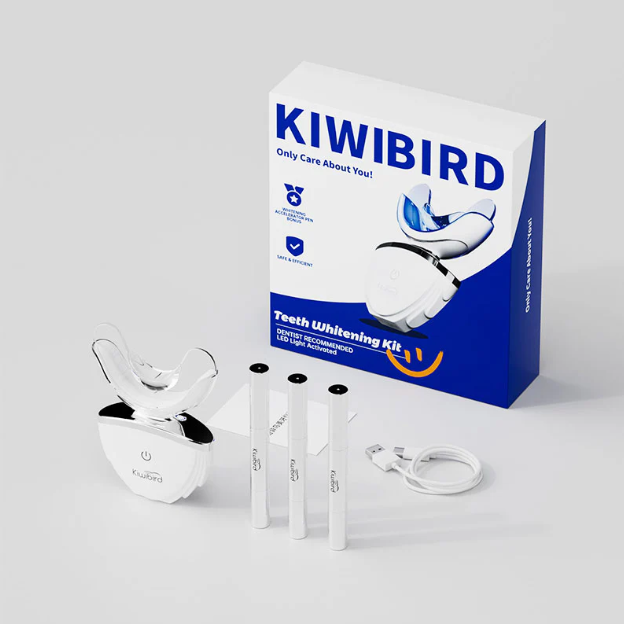
Small Batch Purchase of Red and Blue Light Teeth Whitening Devices and OEM Factory Sourcing Strategy


.jpg)
.jpg)
.jpg)
.jpg)
.jpg)



.jpg)
.jpg)