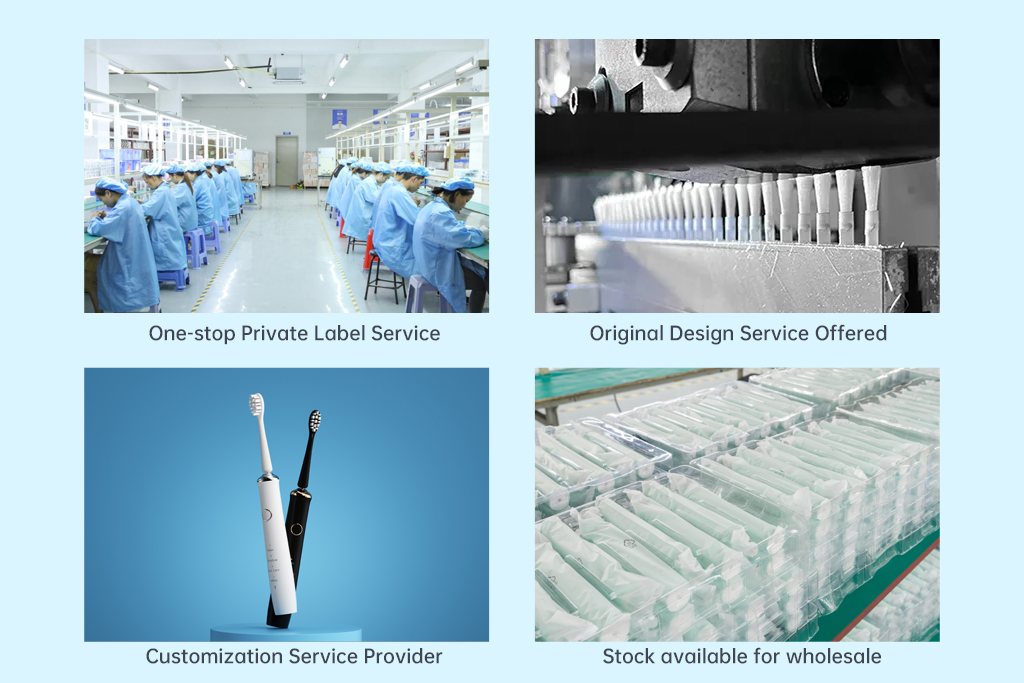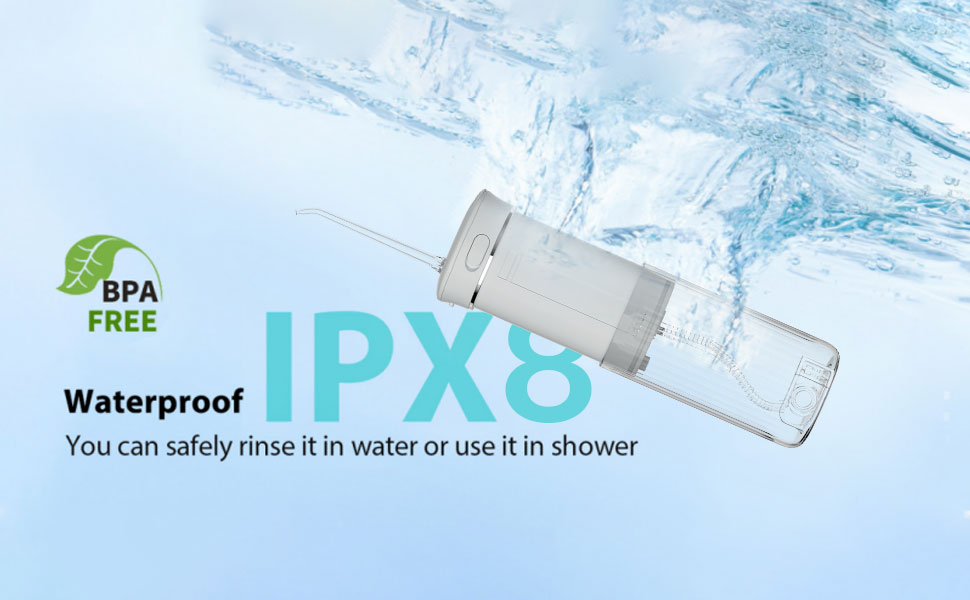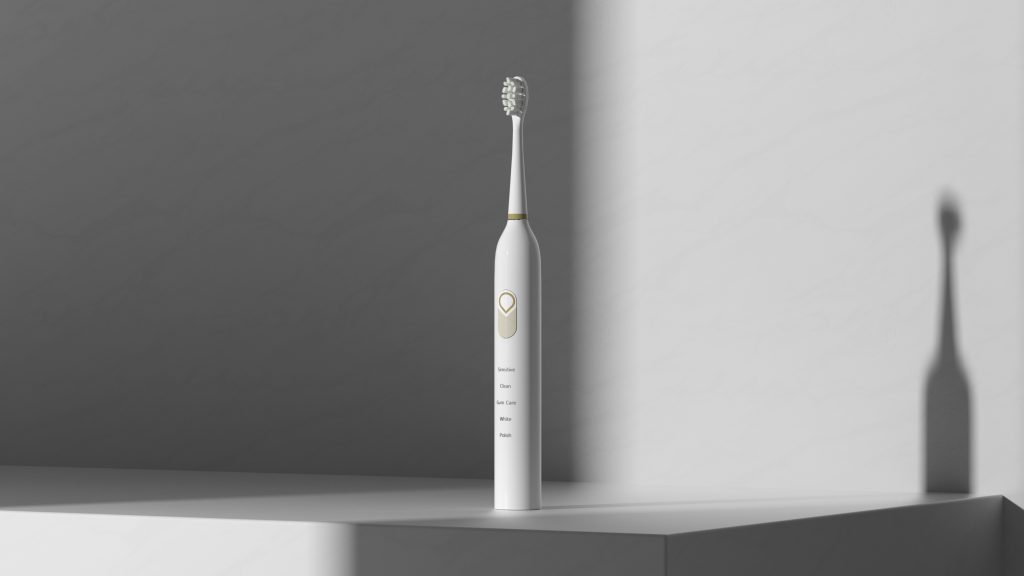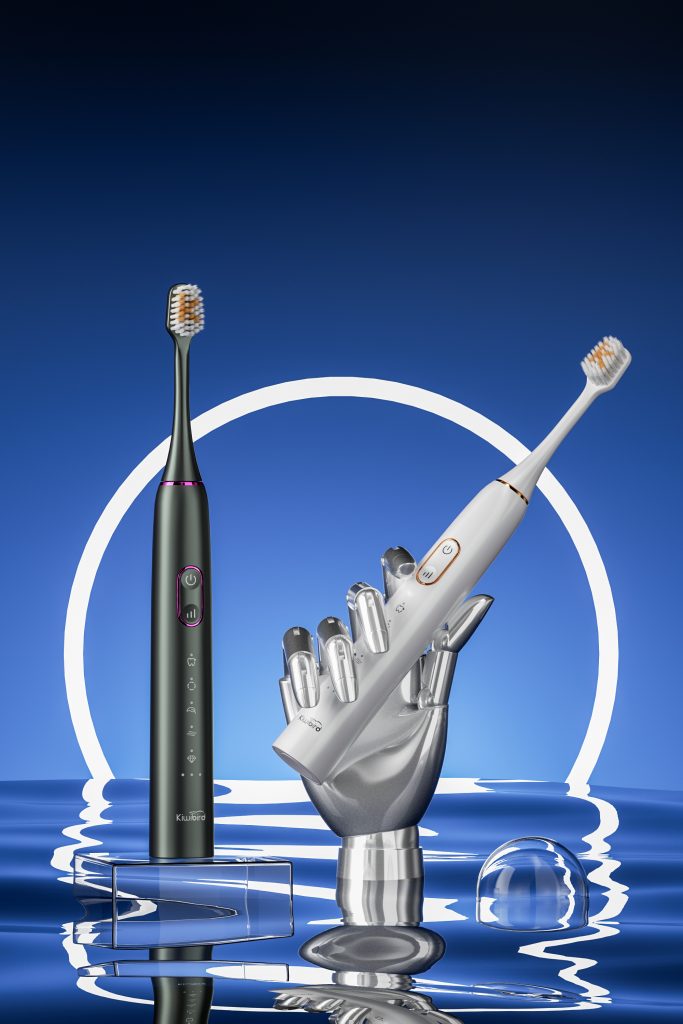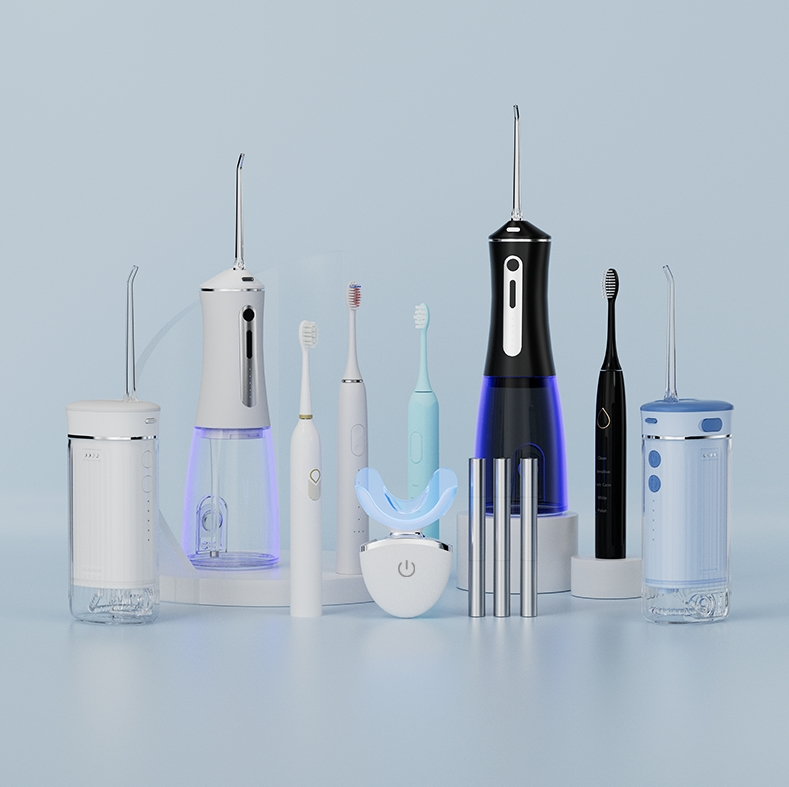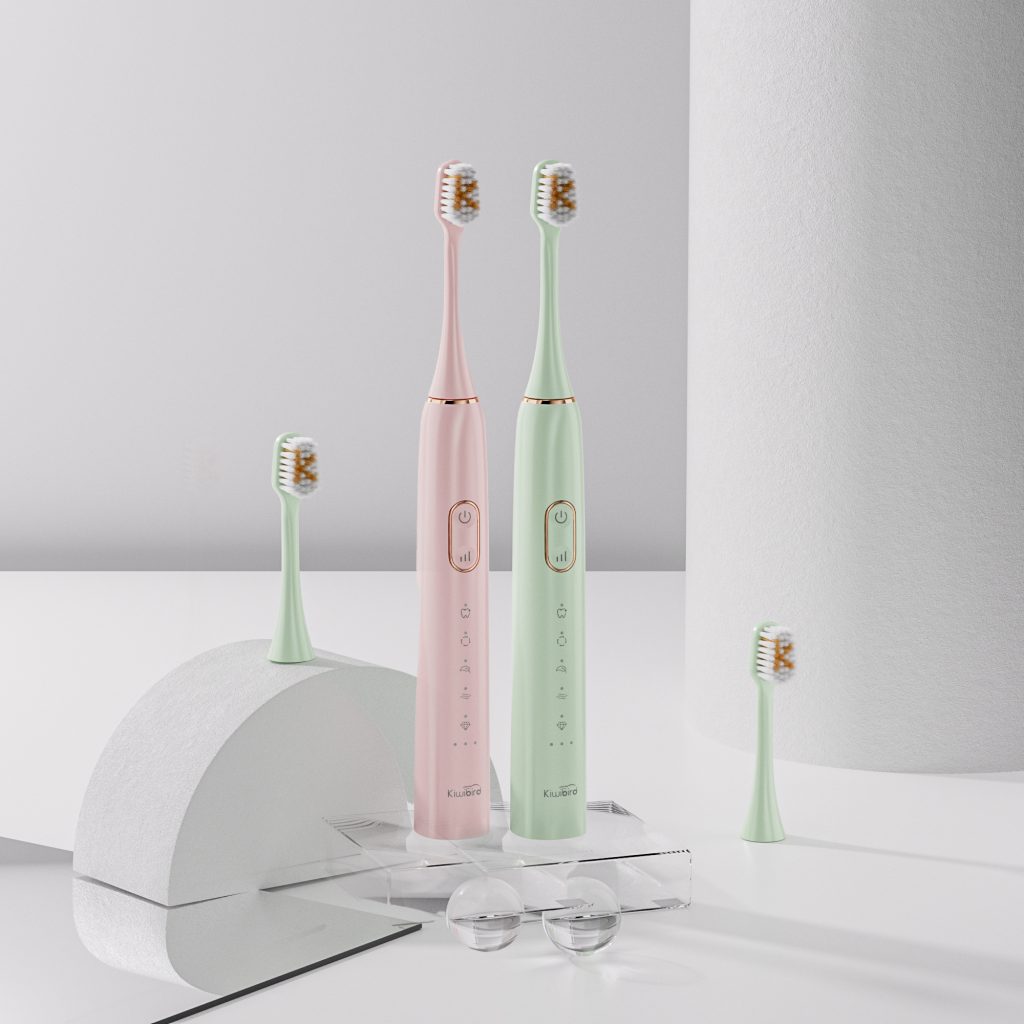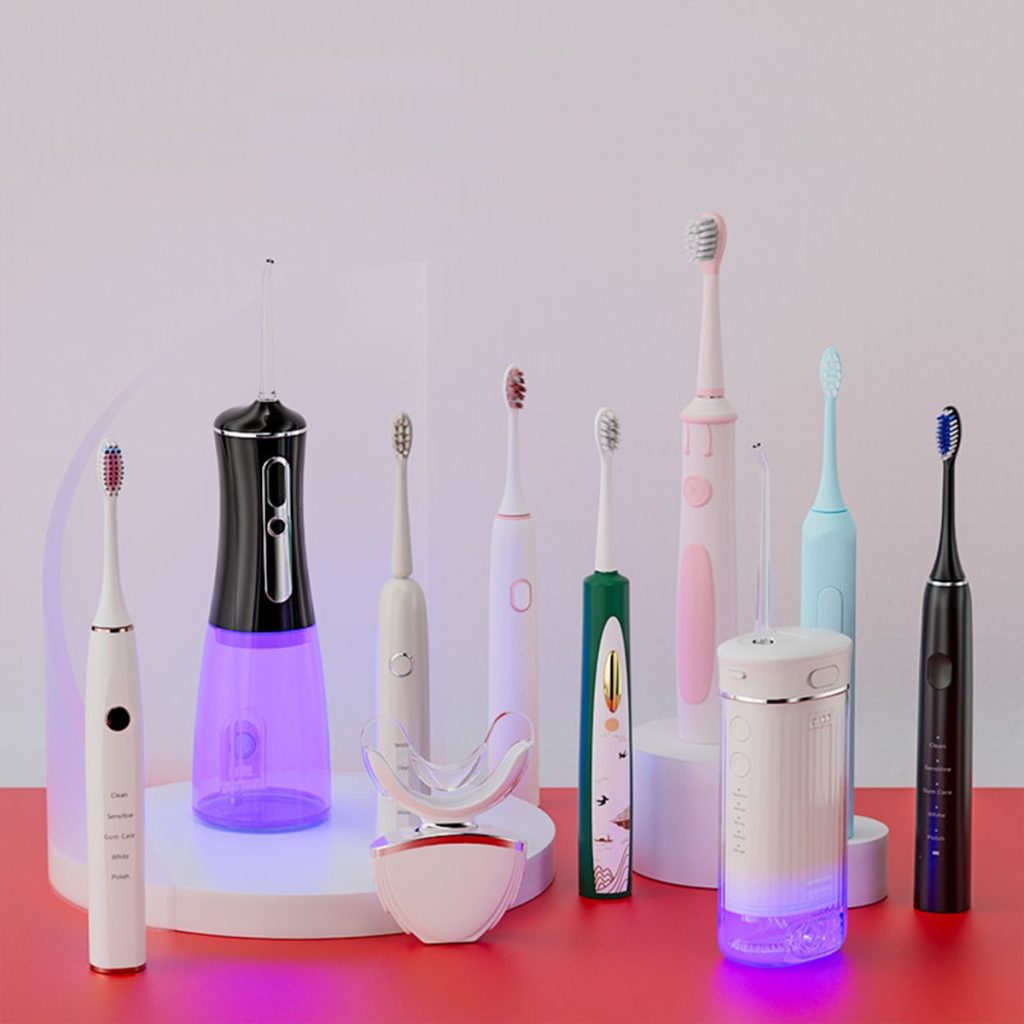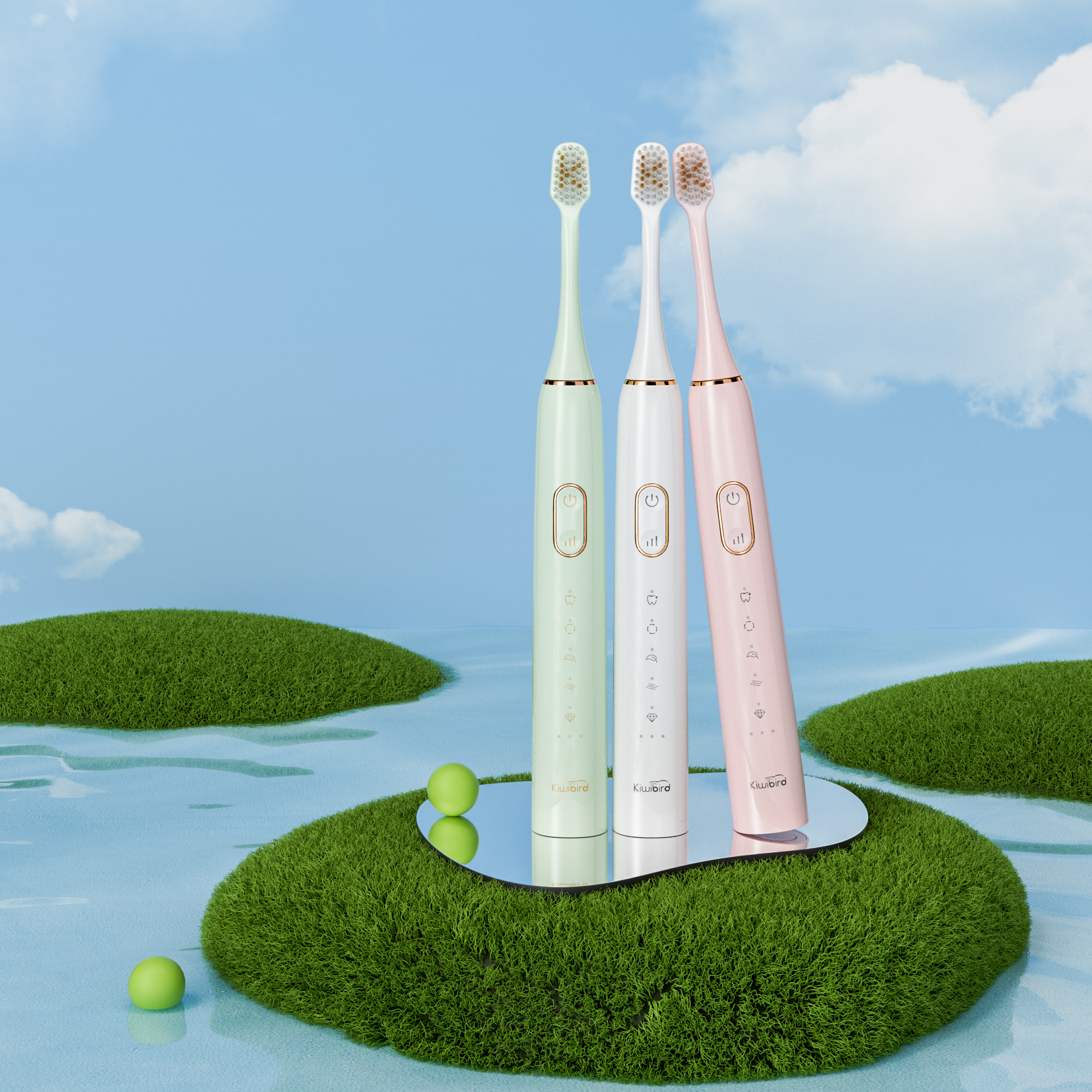
As consumers become more aware of oral hygiene and preventive health, demand for advanced oral care solutions is rising rapidly. Among them, the water flosser — also known as an oral irrigator — is becoming a mainstream product globally. In 2025, the oral irrigator market trends reflect not only a shift in consumer preferences but also major breakthroughs in technology. For every water flosser manufacturer, understanding these dynamics is critical to staying ahead. This blog explores the latest oral care innovations, evolving oral irrigator consumer preferences, and what B2B stakeholders should consider when planning for the future. Market Growth: A Promising Outlook for Oral Irrigators The global oral irrigator market continues its upward trajectory. According to recent data, the market is projected to grow at a CAGR of over 6% through 2025. This growth is driven by: Increased awareness of gum health and interdental cleaning Higher disposable income in emerging markets A growing preference for non-invasive, at-home oral care devices For any water flosser manufacturer, now is the time to align production capacity and innovation pipelines with anticipated demand. Changing Consumer Preferences: What Users Expect in 2025 Oral irrigator consumer demand is shifting toward more personalized, efficient, and portable products. Key consumer…
When slippery handle grip lead users to tighten their hold, their altered brushing force can trip sensitive pressure sensitivity circuits—exposing hidden compatibility issues between mechanics and electronics. In this article, we explore six areas where grip design and sensor calibration intersect, and provide actionable solutions for B2B manufacturers to ensure secure handling and reliable performance. Understanding the Grip–Sensor Feedback Loop First, recognize how a user’s grip affects sensor readings: Reduced Friction: Smooth finishes or worn coatings cause slippage, prompting users to apply uneven finger pressure. Sensor Overcompensation: Pressure sensors calibrated for moderate force interpret sudden grip changes as excessive brushing and trigger auto–slowdown. False Alarms: Repeated unintentional sensor trips frustrate users and mask true pressure‐controlled cleaning. Therefore, aligning grip ergonomics with sensor thresholds is the first step in resolving these compatibility issues. Material Selection for Enhanced Handle Grip Next, choosing the right materials can dramatically improve slip resistance: Multi‐durometer Overmolds: Combining firm core plastics with softer TPE zones under the fingers increases friction without bulk. Micro‐Textured Surfaces: Laser‐etched patterns channel moisture and create micro‐anchors for fingertips. Hydrophobic Coatings: Strategically placed coatings repel water where you don’t grip, keeping tactile zones dry. By specifying high‐traction materials only in critical areas, manufacturers…
In the increasingly competitive oral care market, electric toothbrush brands must go beyond traditional marketing to capture consumer attention. Social media has become a powerful tool for connecting directly with target users, building trust, and driving conversions. Through effective social media to increase sales, brands can unlock new opportunities to expand their reach and grow sales.This blog outlines a 6-step strategy for manufacturers and brands, integrating oral care KOL cooperation, creative content, and a data-driven brand promotion strategy. Identify Target Audiences and Platform Preferences Before launching any campaign, brands need to define their ideal customer profiles—are they health-conscious millennials, parents buying for their children, or tech enthusiasts seeking the latest oral care innovation? Once personas are clear, choose the right platforms: Instagram & TikTok for visual storytelling and product demos YouTube for in-depth reviews and tutorials Facebook for community engagement and paid promotions Successful electric toothbrush social media marketing begins with meeting your audience where they spend their time. Leverage Oral Care KOL Cooperation Collaborating with oral care KOLs (Key Opinion Leaders) and influencers is one of the most effective tactics to build trust and generate authentic buzz. These influencers already have the audience—and the credibility—to recommend your brand. Types of collaborations include: Unboxing and…
When users complain of whitening unevenness, many manufacturers focus solely on bleaching formulations and overlook how improper frequency settings can lead to motor overheating and undermine product durability. In fact, incorrect vibration frequencies not only reduce activation efficiency but also accelerate enamel fatigue in localized areas, resulting in uneven whitening and increased wear. The Link Between Frequency Settings and Whitening Uniformity First, the frequency of cold-light or sonic activation directly dictates the speed and depth of free-radical generation: Low-Frequency Modes (<20 kHz) lack sufficient energy to break down deeper stains, causing superficial whitening. High-Frequency Modes (>30 kHz) improve penetration but concentrate energy and risk over-oxidation “hot spots.” Frequency Fluctuations: Without proper firmware compensation for voltage drops, load-dependent frequency jumps amplify whitening unevenness. Achieving precise and stable frequency output is therefore fundamental to consistent whitening. How Improper Frequencies Stress Enamel Next, mismatched frequencies impose cyclic stresses on the enamel surface: Micro-fatigue: High-frequency oscillations propagate micro-cracks, diminishing enamel hardness. Chemical-Mechanical Synergy: Vibration accelerates peroxide erosion, increasing surface porosity where stains can re-adhere. Localized Overheating: Excessive frequency settings can lead to motor overheating, transferring heat to tooth surfaces and intensifying chemical attack. Altogether, improper frequency settings are a key driver of both enamel…
In the highly competitive personal care device market, the after-sales return rate is more than just a customer service issue — it directly impacts brand reputation, profitability, and long-term customer loyalty. For manufacturers and brand owners, minimizing the return rate of electric toothbrushes is a critical component of product lifecycle management. In this blog, we’ll explore six effective strategies to reduce the after-sales return rate of electric toothbrushes, from design and production improvements to customer education and support. Improve Product Quality from the Start The most direct way to reduce returns is by ensuring superior product quality at every stage of development and manufacturing. Use high-quality raw materials and components (e.g., long-life lithium batteries, durable ABS plastics). Conduct stringent quality checks during incoming material inspection and final assembly. Implement precision injection molding for shell components to reduce mechanical failures. By eliminating quality-related defects, manufacturers can significantly lower the return rate of electric toothbrushes caused by technical malfunctions or early product failure. Optimize Waterproof and Sealing Design One of the most common causes for electric toothbrush returns is water damage. Invest in advanced sealing technologies (such as ultrasonic welding or rubber overmolding). Design battery compartments and charging ports to be IPX7 or higher waterproof-rated.…
As oral hygiene awareness continues to rise globally, the electric toothbrush industry is experiencing unprecedented momentum. With innovation driving consumer interest and healthcare professionals recommending powered brushing, this segment has become a key driver within the larger personal care category. This blog outlines the major oral care growth trends, electric Toothbrush Growth Opportunities, identifies emerging markets, and evaluates the current electric toothbrush brand competition landscape for strategic insight. Global Electric Toothbrush Market Analysis: A Sector on the Rise Recent electric toothbrush market analysis reveals that the global market is expected to surpass USD 8.5 billion by the end of 2025, growing at a CAGR of over 7%. Key growth drivers include: Increased awareness of oral health Rise in disposable incomes in emerging economies Technological innovations such as AI brushing assistance and smart app integration North America and Europe currently lead in adoption, but Asia-Pacific, particularly China and India, are rapidly expanding markets due to changing consumer habits and urbanization. Oral Care Growth Trend: Beyond Brushing The electric toothbrush is no longer viewed as a luxury item but as a fundamental component of a complete oral care growth trend. The rise in dental care education and preventive healthcare is fueling demand.Key supporting trends include:…
When end users complain about short battery lifespan and frequent motor overheating, it signals a broader product durability issue. To address these challenges at their core, B2B manufacturers must optimize across six dimensions: battery systems, motor cooling, component selection, firmware control, holistic thermal management, and rigorous quality assurance. Battery System Optimization: Extend Battery Lifespan First, to improve battery lifespan, consider: High-Capacity Cells: Specify lithium-polymer cells with energy densities above 300 Wh/kg and cycle lives exceeding 1,000 charge/discharge cycles. Battery Management IC (BMS): Integrate over-charge, over-discharge, and temperature protections to prevent premature aging under extreme conditions. Low-Power Sleep Modes: Use firmware to detect idle periods and enter deep-sleep, minimizing parasitic drain when not in active use. By aligning cell selection with intelligent power management, you ensure sustained runtime across typical brushing routines. Motor Cooling Design: Prevent Motor Overheating Next, tackling motor overheating requires structural measures: Internal Air Channels: Mold circumferential vents in the handle to channel airflow generated by brushing motions, dissipating heat away from the motor. Thermal Interface Materials: Place thermally conductive silicone and graphite sheets around the motor housing to accelerate heat transfer to the shell. Over-Temperature Safeguards: Embed thermal sensors that throttle motor speed or shut down operation…
Many consumers report oral ulcers, heightened teeth sensitivity, or even allergy reactions after using over-the-counter whitening kits. While whitening agents aim to brighten smiles, their chemical action and delivery methods can inadvertently damage oral tissues. Below, we explore six critical factors manufacturers should address to minimize ulcer risk and ensure partner confidence in your whitening solutions. Chemical Irritants and Tissue Breakdown Firstly, the active bleaching agents—typically hydrogen peroxide or carbamide peroxide—can irritate mucosal cells: pH Imbalance: Highly acidic or alkaline gels disrupt the oral mucosa’s protective barrier, leading to microabrasions. Free Radical Damage: Overproduction of oxidative species can injure epithelial cells, initiating oral ulcers. Prolonged Exposure: Leaving gel in contact beyond recommended 15–20 minutes exacerbates tissue breakdown. Recommendation: Formulate gels at neutral pH and include antioxidants to buffer free radicals. Delivery Method and Mechanical Trauma Next, the way whitening gel is applied influences ulcer risk: Custom Trays vs. Strips: Poorly fitting trays can press gel against non-tooth surfaces, causing friction sores. Razor-Thin Strips: Thin film may migrate under the lip or between teeth, irritating soft tissue. Brush-On Pens: Misapplied droplets on gingival margins can burn delicate mucosa. Recommendation: Develop anatomically contoured trays with soft-edge seals and clear application markers to…
High noise levels in electric toothbrushes can signal mechanical inefficiencies that not only annoy users but may also compromise cleaning efficacy, especially if the device’s water resistance features are compromised by vibration-induced seal fatigue. In this post, we explore six factors linking sound output to actual plaque removal and offer guidance for B2B manufacturers to design quieter, more effective products. Acoustic Signatures and Bristle Performance First, louder handles often indicate excessive motor vibration: Resonant Peaks: Unbalanced rotors create tonal spikes that amplify perceived noise without adding brushing power. Energy Loss: Acoustic energy dissipated as sound reduces the net mechanical force transmitted to bristles. Stability Impact: Increased vibration can cause bristle splaying, lowering contact pressure on tooth surfaces and diminishing plaque disruption. By analyzing acoustic spectra during R&D, engineers can balance rotor mass to maximize bristle-to-enamel force, not noise. User Behavior Under High Noise Levels Moreover, users react to loud devices in ways that impair brushing technique: Shortened Sessions: Prolonged noise discomfort often leads to cutting brushing time below the ADA-recommended 2 minutes. Lightened Grip: To muffle vibration, users press more lightly, reducing bristle penetration into interdental zones. Erratic Movement: Noise-induced startle responses cause inconsistent brushing patterns and missed surfaces. Designing…
In today’s fast-evolving personal care market, managing stock effectively is a major challenge for electric toothbrush distributors. With rising product diversity, seasonal demand fluctuations, and rapidly changing consumer preferences, how can distributors reduce inventory risk has become a critical component of a successful electric toothbrush distribution strategy. This blog outlines key approaches to effective inventory management, highlighting how distributors can optimize their operations, improve cash flow, and reduce procurement risks while meeting market demands. Understand Market Demand Through Data Analytics Accurate forecasting is the first step toward reducing inventory risk. Distributors should utilize sales data, market trends, and seasonality to predict demand accurately. Use historical sales data for trend analysis Monitor emerging preferences (e.g. smart toothbrushes, sustainable materials) Adjust stock levels dynamically based on demand signals This data-driven approach allows distributors to align stock quantities with real-time market needs, reducing the chances of overstocking or understocking. Keywords integrated: Inventory management, Electric toothbrush distribution strategy Adopt a Just-in-Time (JIT) Inventory Model The Just-in-Time model minimizes inventory holding costs by aligning procurement with actual demand. This strategy is particularly effective for high-value, fast-evolving products like electric toothbrushes. Reduces warehouse costs and excess inventory Lowers capital tied up in unsold goods Enhances flexibility to respond to new…
The global demand for smart personal hygiene tools continues to grow in 2025, with the electric toothbrush wholesale market seeing notable expansion across Asia, Europe, and North America. As more consumers prioritize preventive dental care, distributors and retailers are actively sourcing high-performance, affordable, and innovative electric toothbrushes to meet market demand. In this blog, we analyze the latest oral care distribution trends and present some of the best-selling models in the wholesale channel this year. Market Overview: Shifting Preferences & Distribution Channels The electric toothbrush wholesale market in 2025 is shaped by several key factors: Rising oral health awareness: Consumers are investing more in preventive care tools. E-commerce and cross-border trade: B2B platforms and digital wholesale channels are playing a bigger role. Smart and minimalist designs: Retailers prefer products that are not only functional but visually appealing and easy to use. Moreover, oral care distribution trends show growing interest from pharmacies, lifestyle retailers, and subscription box services, all seeking product lines that offer a balance of affordability, brand quality, and technical features. Key Product Features That Drive Sales To remain competitive, best-selling models often share the following attributes: Multiple brushing modes (sensitive, whitening, gum care) Long battery life and USB-C charging Sonic vibration or magnetic levitation motors for high…
When chemical burns occur during whitening treatments, they not only damage soft tissues but can also contribute to crown discoloration, especially if overuse effects are ignored. Below, we examine this link across six dimensions and offer actionable recommendations for B2B manufacturers and channel partners. Key Triggers of Chemical Burns First, identify the common causes of whitening-agent burns: High Peroxide Concentration: H₂O₂ or carbamide peroxide levels above recommended limits easily breach the gum’s protective barrier. Excessive Contact Time: Extending treatment beyond the advised 15–20 minutes intensifies chemical injury. Insufficient Isolation: Omitting gingival barriers or silicone shields exposes soft tissue directly to bleach. Controlling both bleaching-agent strength and exposure duration is the first step in preventing tissue burns. Crown Materials’ Sensitivity to Chemical Exposure Next, recognize how different restoration materials respond to bleaching agents: Porcelain Veneers: Dense but prone to microfractures under high-strength or prolonged exposure. Composite Crowns: Resin matrices absorb chemicals, creating more pigment adsorption sites and leading to crown discoloration. PFM (Porcelain-Fused-to-Metal) Crowns: Microgaps at the porcelain-metal interface permit agent infiltration and hydrolytic staining. Understanding these material vulnerabilities guides tailored protection and cleaning protocols.Company web:https://www.powsmart.com/product/electric-toothbrush/ Overuse Effects and Cumulative Damage Moreover, overuse effects magnify both tissue and crown damage: Frequent…
As global demand for smart personal care products rises, electric toothbrush distribution is becoming one of the most profitable segments in the oral hygiene market. For distributors and wholesalers, selecting the right product can significantly impact revenue, brand reputation, and customer retention. This guide is designed to help distributors identify high-profit electric toothbrush, evaluate wholesale purchasing strategies, and confidently enter or expand their electric toothbrush offerings. Understand the Market: Why Electric Toothbrushes Are Booming Electric toothbrushes are no longer a luxury item—they’re a daily essential for millions. According to market research, the global electric toothbrush market is expected to exceed USD 7 billion by 2027. The surge is driven by: Consumer awareness of oral health A rise in smart healthcare devices Growing demand in emerging markets For distributors, this trend presents a unique opportunity to capitalize on high-margin oral products that combine innovation with consumer demand. Key Features to Look For in a High-Profit Electric Toothbrush Not all electric toothbrushes are created equal. High-profit products typically include: Multi-mode functionality (clean, sensitive, gum care, etc.) Rechargeable lithium batteries for long-term use Smart features like timers, pressure sensors, or app connectivity Ergonomic and aesthetic design to attract end-users These features allow for premium pricing and improve your margin…
When end users experience vibration discomfort, they may inadvertently apply more force or switch to a harder mode—actions that can contribute to tooth loosening, especially when paired with overly stiff brush hardness. In this article, we explore six key considerations for B2B manufacturers to ensure vibration remains therapeutic, not detrimental. Understanding Safe Vibration Amplitudes First, it’s crucial to recognize the thresholds where stimulation becomes excessive: Clinical studies suggest that vibration amplitudes above 0.5 mm at frequencies over 250 Hz can irritate periodontal ligaments. Beyond comfort, sustained high‐amplitude oscillation may fatigue connective tissues, setting the stage for mobility. Recommendation: Calibrate your motor-drive algorithms to limit peak amplitude and maintain a consistent, controlled stroke. By defining safe amplitude bands, you prevent users from unknowingly exceeding biological tolerance. Mechanisms Linking Vibration to Tooth Loosening Next, we examine how repeated micro-oscillations translate into structural stress: Ligament Microtrauma: Excessive vibration transmits force through the crown into the periodontal ligament, causing micro-tears. Bone Remodeling: Chronic micro-injury can trigger bone resorption cycles, weakening tooth support. Cumulative Fatigue: Even moderate vibrations, if unmodulated, accumulate over time, increasing the risk of tooth loosening. Understanding these pathways informs both hardware and usage‐pattern design to minimize risk.Company web: https://www.powsmart.com/product/electric-toothbrush/ Balancing Brush…
When performing cold-light whitening treatments, many manufacturers focus solely on stain removal efficiency, overlooking the hidden cold-light risks: high-energy blue light combined with peroxide can accelerate enamel wear, especially if pregnancy contraindications are ignored. Below, we examine six dimensions of how cold-light treatments impact enamel and outline safety strategies. Cold-Light Mechanism and Risk Factors First, it’s essential to understand how cold-light whitening works and where the risks lie: Blue-Light Activation: Devices emit 420–450 nm light to activate peroxide’s free radicals. Pigment Breakdown: Free radicals oxidize and lighten tooth stains. Micro-Crack Formation: Excessive intensity or duration can induce tiny surface cracks—one of the primary cold-light risks. Thus, precisely controlling light intensity and exposure time is the first line of defense against enamel damage. Bleach Concentration and Chemical Erosion Next, peroxide concentration interacts synergistically with blue light: High-Strength Gels: Faster whitening comes at the cost of greater chemical erosion of the enamel surface. Structural Fatigue: Repeated oxidation causes micro-expansion and contraction, weakening the enamel matrix. Decalcification Spots: Over-aggressive formulas can leave white spot lesions or sensitivity. Balancing bleaching efficacy with enamel preservation is critical during formula development. Company web: https://www.powsmart.com/product/electric-toothbrush/ Exposure Patterns and Thermal Stress Moreover, the light delivery pattern greatly affects fatigue…
When users encounter charging failures, they often interrupt and restart their electric toothbrushes, which can lead to gum bleeding. Moreover, these irregular restarts can accelerate brush head replacement, causing uneven bristle wear that further irritates the gums. Below, we examine this causal chain from six perspectives and offer practical solutions. Identifying Common Causes of Charging Failures First, pinpointing why charging fails helps address the root: Poor Contact: Metal charging contacts corrode or become dirty, preventing reliable current flow. Circuit Design Flaws: Oversimplified charging-management ICs can’t handle voltage fluctuations. Battery Aging: Increased internal resistance in old cells prevents them from accepting or holding sufficient charge, causing frequent dropouts. By tackling these issues, you can minimize mid-brush power interruptions. Impact on Motor Performance and Brush Head Wear Next, repeated charge–drop cycles not only stress the motor but also disrupt brush-head behavior: Erratic Vibration: When power dips, the motor slows or stops, failing to maintain consistent amplitude. Accelerated Bristle Fatigue: Uneven vibration causes local overbending, shortening brush-head lifespan and forcing earlier head replacement. Variable Bristle Stiffness: Worn bristles develop inconsistent rigidity, increasing friction against gums and causing micro-abrasions. Thus, charging failures directly drive up brush-head replacement frequency and gum irritation. Voltage Instability &…
As environmental awareness continues to rise, consumers are actively seeking ways to reduce their ecological footprint—including in their personal care routines. One growing segment is eco-friendly toothbrushes and Environmentally friendly oral care products. This shift is reshaping industry standards and offering vast opportunities for innovation and market expansion. In this blog, we explore the driving forces behind green consumer behavior, emerging green product trends, and how manufacturers can position themselves for success in the rapidly evolving eco-conscious oral care market. Consumer Demand: Why Sustainability Now Matters Today’s consumers—especially Millennials and Gen Z—prioritize environmental responsibility. Key purchasing behaviors include: Preference for biodegradable or recyclable packaging Willingness to pay more for Environmentally friendly oral care products Increased awareness of plastic waste caused by disposable oral care tools This shift is pushing oral care brands to rethink materials, supply chains, and product life cycles. The demand for eco-friendly toothbrushes, made from bamboo, recycled plastics, or bio-based polymers, is stronger than ever. Green Product Trends: Innovations Driving the Market Modern consumers expect more than “greenwashing.” They seek genuine innovation and transparency. Here are the top green product trends shaping the oral care industry: Biodegradable toothbrush handles (e.g., bamboo, wheat straw) Refillable toothpaste containers or chewable toothpaste tablets Compostable floss and plant-based bristles…
The oral care industry has witnessed rapid growth in recent years, driven by rising health awareness, technological advancements, and increasing demand for smart personal care products such as electric toothbrushes and oral irrigators. For manufacturers and brands, now is a pivotal time to focus on expand the global market. As competition intensifies locally, companies must look beyond borders. This blog outlines actionable strategies and practical market expanding tips to help oral care businesses succeed internationally—especially through emerging platforms like oral care cross-border e-commerce. Understand International Market Demand and Consumer Behavior Every region has unique consumer habits and product preferences. For successful global expansion: Conduct market research on oral care habits (e.g., preference for electric vs. manual toothbrushes, floss vs. oral irrigators) Study regulatory requirements (e.g., FDA, CE, CFDA) for product safety and certifications Tailor marketing to cultural expectations, such as packaging, language, and promotional messaging Understanding localized demand is the foundation of effective global market expansion. Leverage Cross-Border E-Commerce for Rapid Entry Oral care cross-border e-commerce platforms offer fast, scalable ways to enter new regions. Popular platforms include Amazon Global, Alibaba International, Shopee, and Tmall Global. Advantages: Low entry barriers (no physical retail setup required) Direct consumer feedback and data Quick adaptation…
In the highly competitive oral care market, consumer trust is one of the most valuable assets a brand can build. With the rise of digital channels and health-conscious consumers, traditional marketing is no longer enough. Brands must now focus on oral care content marketing to build authority, educate users, and foster loyalty. So, how can oral care product brands improve customer trust through content? Let’s explore six essential strategies to make content a core driver of long-term brand credibility. Provide Transparent Product Education Modern consumers are curious and well-informed. They want to know what ingredients are in their toothpaste, how electric toothbrushes work, or the benefits of water flossers. By offering detailed product guides, ingredient explanations, and usage instructions, brands can enhance consumer education while building transparency. Example: A blog post titled “How to Choose the Right Electric Toothbrush for Gum Health” can educate users and promote specific product lines at the same time. Share Expert-Driven Content Bringing in professional opinions—such as insights from dentists, hygienists, or product engineers—adds credibility to your messaging. Publish interviews with dental professionals Create “Ask the Dentist” video series Reference scientific studies to support claims This kind of oral care content marketing bridges the gap between brand promotion and genuine…
With the rapid development of oral care e-commerce, oral care product distributors face both unprecedented opportunities and fierce competition. To stand out in the digital marketplace, distributors must go beyond just listing products—they must present them strategically. A well-optimized product listing can significantly enhance visibility, improve conversion rates, and strengthen customer trust. In this blog, we’ll explore practical distributor growth strategies and offer actionable product link details optimization suggestions that help boost online performance and drive higher sales. High-Quality Product Images: The First Impression Matters In e-commerce, the product image is often the first interaction between a brand and a customer. For oral care items like electric toothbrushes, flossers, and toothpaste: Use high-resolution photos with multiple angles. Include close-ups of key features, such as brush head texture or ergonomic handle. Show the product in use to highlight benefits visually. Optimizing visual presentation is a key part of the product link details optimization suggestions that leads to more engagement and trust. Compelling and Informative Product Descriptions An effective product description educates, persuades, and sells. Distributors should: Clearly explain key features and functions. Highlight unique selling points, such as battery life, water-resistance, or specialized modes for sensitive gums. Use bullet points for readability and SEO-relevant keywords to…
whstapp
whstapp
National Toll-Free Service Hotline
+86 755 86238638