.jpg)
In the design and operation of oral irrigators, vacuum-assisted skincare devices, or dental suction tools, two common issues—pump failure and weak suction—often occur together. While either problem alone can degrade performance, their combination often signals a terminal system malfunction that demands immediate design review and structural correction. What Causes Pump Failure in Small-Scale Devices? Pump failure** typically results from mechanical wear, motor burnout, or obstructions. In B2B-use cases like high-frequency clinic tools or home devices used intensively, the following root causes are frequently seen: Motor degradation due to overheating or continuous overuse Seal breakdown, allowing air ingress and reducing pressure Pump chamber blockage from limescale, biofilm, or gel residue Uncalibrated motor speed, leading to off-balance flow rates In many designs, the pump is directly tied to the device’s core functional output—once compromised, performance drops sharply. How Pump Failure Leads to Weak Suction The most immediate effect of pump degradation is suction loss. Without proper internal pressure regulation and consistent mechanical actuation, devices can’t draw fluid efficiently. Key mechanical reasons include: Reduced vacuum generation Inconsistent pulse flow or irregular fluid stream Internal backflow or valve inversion due to design wear Power–fluid sync issues where the motor and pump cycle fall out…
When devices start exhibiting runtime shortening and experience frequent connection drops, many users jump to assume battery issues or firmware bugs. However, in B2B manufacturing and OEM contexts, these symptoms often point to deeper structural or system-level inefficiencies. Understanding and addressing the real causes is key to improving product reliability and customer satisfaction. Why Runtime Shortening and Connection Drops Often Go Hand-in-Hand Runtime shortening typically reflects either power inefficiency or consumption imbalance, while connection drops signal unstable communication channels—often over Bluetooth or Wi-Fi. What many don’t realize is that these two issues are often interrelated. A weakened connection module may continuously attempt reconnections, consuming extra power. Likewise, unstable voltage from a degrading power system can interfere with connectivity chips. Root interconnection: High retry rates in network handshake protocols = battery drain Inconsistent voltage or current supply = connection instability Common Root Causes in Device Architecture For manufacturers, understanding the systemic causes is critical. Below are the most common culprits: Aging batteries or unstable power ICs Poor EMI shielding affecting signal integrity Firmware loops or update errors causing reconnection cycles Inadequate antenna design or placement Overloaded memory affecting Bluetooth or Wi-Fi stack performance In B2B products with high usage frequency, these…
In the realm of oral care devices, fluid-handling components, and consumer appliances, tank scaling is more than just a hygiene concern—it’s a silent disruptor that may lead to part incompatibility. For B2B clients, this doesn’t just translate into performance instability but also impacts assembly efficiency, aftersales costs, and long-term product reliability. What is Tank Scaling and Why Is It So Common? Tank scaling refers to the accumulation of mineral deposits—mostly calcium and magnesium—from hard water inside water tanks and flow systems. It’s especially prevalent in: Water flossers Steam-based devices Refillable hygiene tools Appliances operating under heating-cooling cycles Scaling manifests as white residues, internal roughness, and narrow flow paths—often overlooked but extremely damaging to component fit and function. How Does Tank Scaling Trigger Part Incompatibility? Although mineral buildup might seem cosmetic, its functional consequences can be severe: Seal ring misfit: Scaling disrupts the micro-fit between O-rings and their grooves. Connector misalignment: Deposits can block snap-fit joints, threads, or sliding locks, leading to assembly misalignment or breakage. Thermal mismatch stress: Mineral crusts expand and contract differently than plastic or metal parts, causing long-term strain or shift. Replacement failure: Once scaled, even OEM replacement parts might not fit or function properly. This “invisible…
In moisture-prone personal care devices like water flossers, electric toothbrushes, and oral irrigators, gasket mold is not only a common maintenance issue—it can also become a silent driver of bacterial regrowth. While often overlooked in design and aftersales guidance, this combination poses serious hygiene risks for end users. In this blog, we explore how these factors are connected, their implications for consumer health, and what manufacturers must do to ensure product safety. What Is Gasket Mold and Why Does It Form? Gaskets are typically made of rubber, silicone, or elastomer materials and serve as seals between components—such as water tanks and main bodies. However, the same flexibility and water resistance that make gaskets effective also make them vulnerable to: Moisture retention from repeated water exposure; Biofilm formation due to trapped organic matter; Poor airflow or drying design, especially in closed systems. When left uncleaned, these conditions foster the growth of gasket mold, which not only affects performance but becomes a microbial breeding ground. How Does Gasket Mold Trigger Bacterial Regrowth? The development of gasket mold creates an ideal environment for bacterial regrowth: Porous gasket materials can trap bacteria deep within microcracks, evading surface-level cleaning; Dark, damp enclosures offer perfect conditions…
As device miniaturization and multi-functionality evolve, the relationship between filter clogging and slow charging has become an unexpected but critical concern in the design and manufacturing of consumer electronics, especially in portable and rechargeable devices like electric toothbrushes, water flossers, and personal grooming tools. But how exactly does a clogged filter impact the charging efficiency of such devices, and what measures should manufacturers adopt to avoid this problem? How Does Filter Clogging Occur in Rechargeable Devices? Filter clogging typically refers to the obstruction of air, moisture, or dust filters within electronic devices. These filters are designed to: Block debris, moisture, or dust from entering the internal circuits; Ensure proper ventilation for battery and component cooling; Maintain clean contact points between charging ports and battery systems. However, when these filters are neglected or poorly designed, accumulated contaminants restrict airflow or moisture control, creating conditions that interfere with charging speed and performance. Why Is Filter Clogging Linked to Slow Charging? Though rarely considered, filter clogging can indirectly result in slow charging due to several technical reasons: Clogged filters may cause overheating of internal battery components as proper ventilation is reduced, forcing the device’s battery management system (BMS) to lower charging current to…

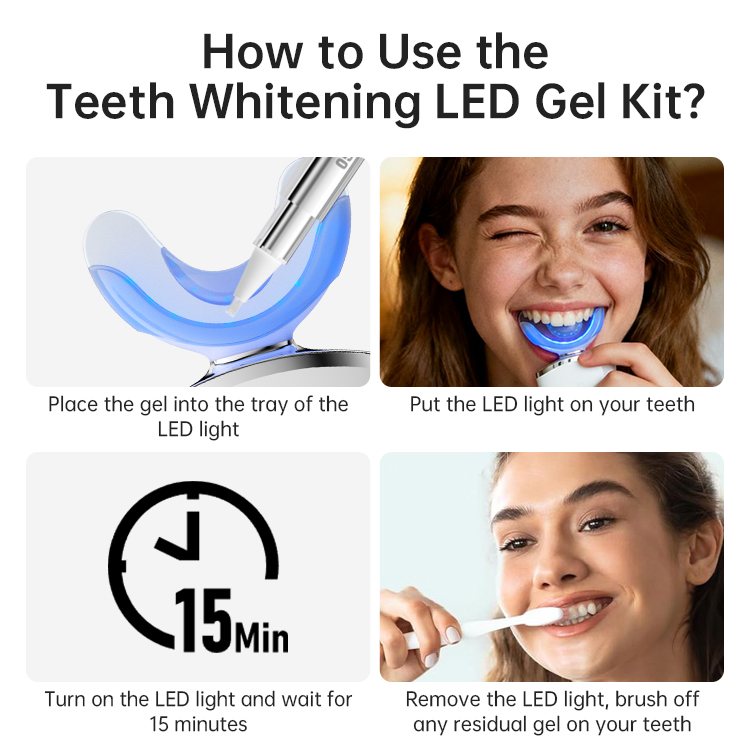
In recent years, the rising market potential of at-home teeth whitening device, driven by consumers’ increasing focus on appearance, dental aesthetics, and convenience. As professional cosmetic dentistry treatments remain expensive and time-consuming, a growing number of consumers are turning to home whitening kits as a more accessible solution. For oral care brands, this represents a significant opportunity to expand product lines and capture market share through innovative, affordable at-home solutions. Market Drivers: Why the At-Home Whitening Segment Is Booming Several factors are fueling the rapid expansion of this sector: Increased awareness of dental aesthetics, especially driven by social media and video conferencing culture. Affordability and convenience compared to in-clinic cosmetic procedures. Technological innovation in LED whitening devices and peroxide-free formulas. Wider consumer acceptance of do-it-yourself dental care. As a result, the rising market potential of home teeth whitening kit is projected to reach multi-billion-dollar figures globally in the next few years, with double-digit growth expected particularly in North America, Europe, and parts of Asia. Understanding the Product Landscape: Types of Home Whitening Kits Today's home whitening kits are more advanced than ever. The most popular product categories include: LED-powered whitening devices with blue light activation Whitening pens and strips Foaming toothpastes and gels Wireless smart devices connected to mobile…
When discussing oral care devices such as electric toothbrushes, water flossers, or whitening trays, the issue of taste residue is often overlooked. However, recent studies and user feedback have raised concerns that lingering taste residues—whether from flavoring agents, gels, or pastes—could contribute to an increased cavity risk if not properly managed. This blog explores how this subtle but critical factor may threaten dental health and what manufacturers can do to minimize it. What Is Taste Residue and How Does It Form? Taste residue refers to the remaining flavor or chemical agents on oral care device surfaces or within the oral cavity after use. These residues originate from: Flavored toothpaste or gels used during brushing or whitening; Residual mouthwash or rinse liquids trapped in device nozzles or reservoirs; Incomplete cleaning or rinsing of whitening trays, aligners, or water flossers; Flavoring additives embedded into device materials for prolonged user satisfaction. If not fully removed, these residues can coat the tooth surface or remain in difficult-to-reach areas, interacting with saliva and oral bacteria. The Connection Between Taste Residue and Cavity Risk So how does taste residue elevate cavity risk? Residues may contain sugar alcohols, sweeteners, or acidic agents that bacteria metabolize, leading to…
In the realm of personal care devices such as electric toothbrushes, water flossers, and oral whitening kits, the risk of mucosal irritation due to lingering chemical residues is an increasingly serious concern. While trace amounts of cleaning agents, lubricants, or manufacturing chemicals are often considered acceptable within industry standards, their cumulative effects on sensitive oral mucosa raise valid safety questions. Is this irritation merely a temporary discomfort—or a sign of potential toxicity? What Causes Chemical Residues in Oral Care Devices? Chemical residues may remain on or within devices due to several factors in manufacturing and user handling: Incomplete rinsing or cleaning during factory production processes; Use of substandard or improperly cured sealants, adhesives, or coatings; Degradation of internal materials, such as plastics or rubber, releasing byproducts over time; Improper user maintenance, such as failure to thoroughly rinse cleaning agents off the device. These residues can transfer to the oral cavity during use, potentially causing discomfort or harm. How Chemical Residues Trigger Mucosal Irritation When chemical residues contact the delicate mucosal tissues inside the mouth, several reactions may occur: Chemical burns or stinging sensations due to acidic or alkaline substances; Allergic reactions to trace additives or plasticizers leaching from device components;…
.jpg)
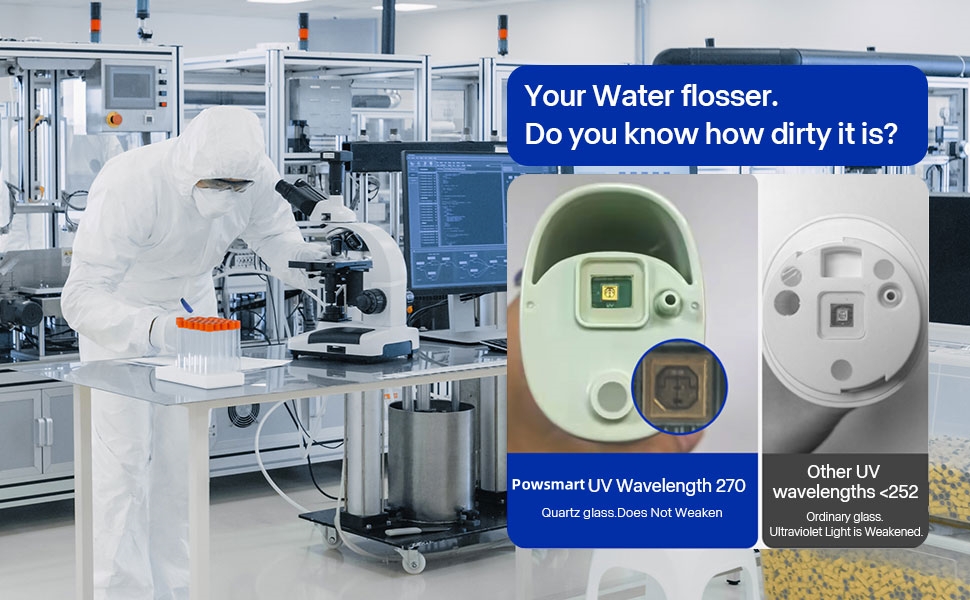
In today’s evolving consumer market, the demand for luxury oral care products is growing rapidly. Consumers are becoming more health-conscious and are willing to invest in premium hygiene solutions—especially in the personal care sector. Among these, Premium water flossers have gained significant popularity for their efficiency, convenience, and sleek, modern appeal. For oral care brands, this shift presents a lucrative opportunity: by focusing on high-margin products such as premium water flossers, companies can both elevate brand perception and significantly boost profit margins. Why Premium Water Flossers Are High-Margin Products Unlike traditional oral hygiene tools, premium water flossers command higher retail prices due to their advanced features, refined design, and perceived value. From multiple water pressure settings to rechargeable batteries and UV sterilization, these features allow for water flosser premium pricing. Furthermore, premium positioning allows brands to: Capture a more affluent and loyal customer segment Differentiate from low-cost competitors Justify markup through design, functionality, and packaging This category not only aligns with luxury oral care trends but also supports strategic brand development for companies aiming to move upmarket. The Role of OEM Manufacturing in Building a Premium Line To enter the premium segment without high upfront R&D or tooling investment, many brands turn to water flosser…
When discussing the durability and efficiency of personal oral care devices, particularly electric toothbrushes and water flossers, the relationship between weak pressure and potential enamel thinning often comes into question. Can insufficient pressure actually contribute to the gradual erosion of enamel? This concern is increasingly relevant for manufacturers aiming to balance gentle care with effective cleaning. What Is Enamel Thinning and Why Is It a Concern? Enamel thinning refers to the gradual loss of the protective outer layer of the tooth, which safeguards the inner dentin and pulp. This condition leads to: Increased tooth sensitivity; Higher risk of cavities and decay; Discoloration and an uneven tooth surface; Overall decline in oral health. Once enamel is worn away, it cannot regenerate naturally, making prevention critical. The Role of Pressure in Oral Cleaning Devices Proper pressure during brushing or water flossing is essential to remove plaque and food debris effectively without damaging enamel. However, weak pressure can cause: Incomplete removal of plaque, leaving acidic biofilm on the enamel surface; Extended brushing or flossing time, encouraging overuse and excessive friction; Inconsistent contact with the tooth surface, requiring users to press harder manually, possibly causing mechanical enamel wear. Thus, weak pressure may indirectly contribute…
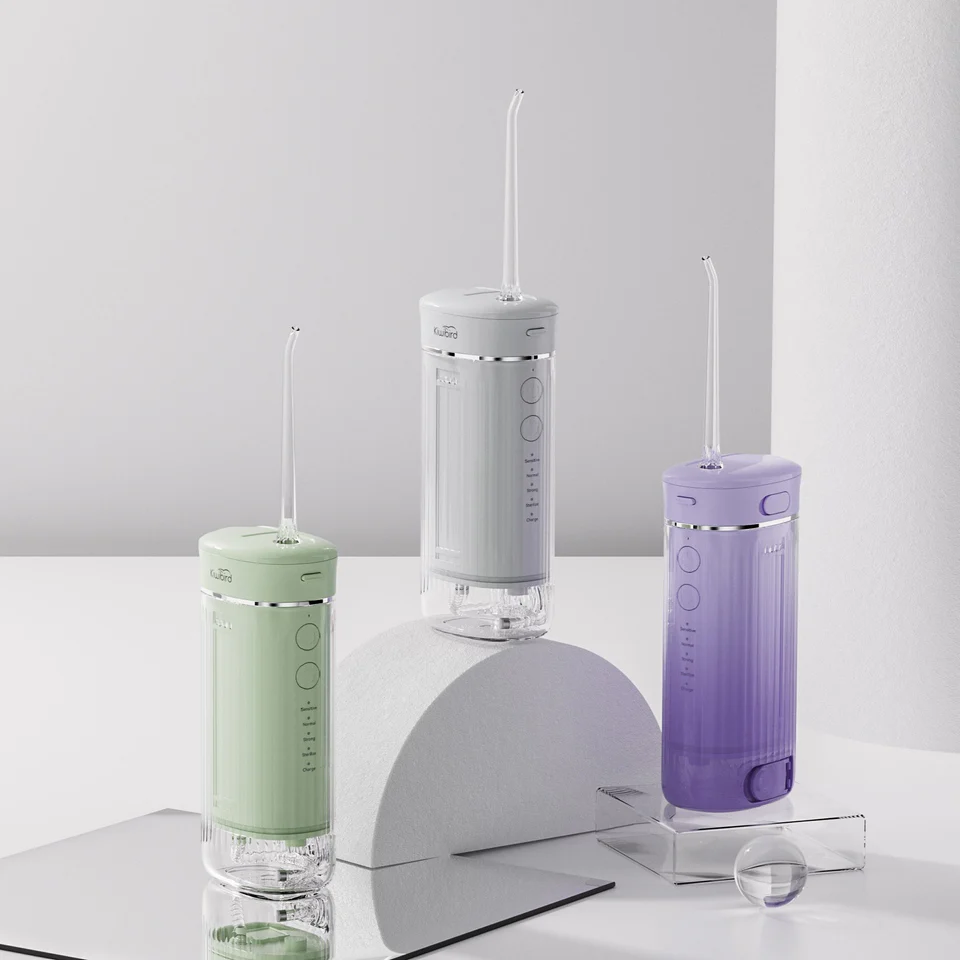
In the competitive oral care industry, delivering the right features is key to capturing market share. For brands seeking to stand out on the shelf or online, partnering with manufacturers that offer competitive water flosser features is essential. Consumers today expect not only effective cleaning but also innovation, portability, and convenience. In this blog, we explore six key features that significantly influence purchasing decisions and can help oral care brands drive sales. Portable Design: Meeting the Needs of Modern Consumers With the rise of travel, remote work, and minimalist lifestyles, portable design has become a must-have in personal care products. Compact water flossers with ergonomic shapes and lightweight builds are ideal for consumers on the go. Features like USB charging, travel cases, and cordless use enhance portability, making the product more versatile for everyday life. Manufacturers who can deliver sleek, functional, and easy-to-pack designs give brands a strong edge in retail and e-commerce channels. Quiet Motor: Enhancing User Experience One of the most common consumer complaints about water flossers is noise. A quiet motor not only enhances the user experience but also increases product appeal among families, late-night users, and people with sensory sensitivities. Advanced acoustic engineering and vibration control systems can significantly…
.jpg)
As consumer awareness of dental hygiene increases, water flossers—also known as oral irrigators—have emerged as a key category in the oral care market. For oral care brands, identifying and communicating the key selling points for water flossers is essential to stand out in a competitive landscape. This blog outlines the core water flosser advantages and value propositions of water flossers that manufacturers and brands can use to effectively market their products. Deep Cleaning Power: A Proven Oral Irrigation Advantage One of the biggest water flosser advantages is its ability to deliver deep cleaning in areas where traditional floss or toothbrushes can’t reach. The pressurized water stream: Effectively removes food particles and plaque between teeth and below the gumline Improves gum health with consistent use Is ideal for users with braces, implants, or sensitive gums Oral irrigator deep cleaning capabilities are clinically proven to reduce gingivitis and bleeding, offering a strong scientific backing that brands can confidently highlight as a selling point. Comfort and Convenience: Key to Modern Consumer Adoption Unlike traditional flossing, which can be uncomfortable and time-consuming, water flossers offer: A gentle and non-invasive experience Adjustable pressure levels to suit different user sensitivities Quicker and more intuitive use By promoting this combination of…
In the development and quality control of electric personal care devices, such as sonic toothbrushes or water flossers, the simultaneous occurrence of pulse instability and unexpected noise spikes often signals a deeper issue within the motor system. These symptoms are not to be dismissed as minor annoyances—in fact, they may be early warnings that the motor is nearing the end of its functional lifespan. But is the motor really dying, or are these signs of something fixable? hat Is Pulse Instability and Why Does It Occur? Pulse instability refers to irregular fluctuations in the electrical pulses delivered to the motor, causing inconsistent performance. The causes include: Aging motor components such as brushes or bearings degrading over time; Poor circuit design that fails to regulate voltage or current properly; Faulty or loose electrical connections leading to intermittent power delivery; Environmental factors such as humidity or corrosion affecting internal contacts. When pulses become unstable, the motor's rotation speed or oscillation frequency changes unpredictably, affecting device performance and user experience. What Causes Noise Spikes in Motorized Devices? Noise spikes—sudden increases in operational sound levels—are often symptomatic of: Imbalanced rotating parts, such as worn or misaligned rotors; Friction buildup in the motor shaft or…
In the development and use of water flossers and similar oral care devices, two seemingly minor issues often arise—flow interruption and subsequent incomplete flushing. While these problems may appear individually harmless, when they occur together, they reveal potential design or manufacturing flaws that can undermine product effectiveness and user satisfaction. But is this merely coincidence, or does flow interruption directly lead to incomplete flushing? What Is Flow Interruption and Why Does It Happen? Flow interruption occurs when the continuous water or fluid stream in a device is unexpectedly paused or reduced. Common causes include: Blockage in the nozzle or internal tubing due to mineral buildup or debris; Malfunctioning pump systems failing to maintain constant pressure; Faulty valves or seals leading to inconsistent water delivery; Poor battery performance, affecting motor-driven pumping mechanisms. Flow interruption not only disturbs the cleaning process but also causes air bubbles and pressure loss within the system. How Does Flow Interruption Cause Incomplete Flushing? A direct consequence of flow interruption is incomplete flushing. Here's why: After flow is interrupted, air pockets remain trapped in the tubing, preventing full water passage; Pressure drops lead to uneven water distribution, leaving some areas uncleaned; Interrupted cycles may cause residual water…
In daily use of personal care devices, especially water flossers and electric toothbrushes, users often encounter unexpected water splashing coupled with handle slippage. While these two issues may appear minor or unrelated at first glance, they frequently originate from deeper design shortcomings. For manufacturers aiming at premium user experience and reliable performance, could this combination indicate a critical design flaw that requires immediate attention? Why Does Water Splashing Occur in Personal Care Devices? Water splashing typically results from: Poor nozzle design or positioning, causing uncontrolled spray angles; Excessive water pressure that is not adequately regulated; Lack of flow control features, such as adjustable pressure settings; Inadequate sealing or assembly that allows water to leak around connection points. These design weaknesses lead to unexpected water ejection, often wetting unintended areas like the user’s face, clothes, or bathroom counter. What Causes Handle Slippage During Operation? On the other hand, handle slippage becomes a problem when: The device’s outer casing uses low-friction materials that become slippery when wet; The handle design lacks ergonomic texture or rubberized grips; Water splashes accumulate on the handle due to poor drainage, making the grip unstable; The size or shape of the handle is unsuitable for different hand…
.jpg)
Driven by increasing health awareness, technological advancement, and consumer demand for effective, at-home dental solutions. For brands already offering electric toothbrushes or traditional dental care items, expanding the product line to include water flossers represents a smart and timely product expansion strategy. Adding water flossers isn’t just about following a trend—it's about creating a more comprehensive oral care product expansion roadmap, catering to evolving consumer needs while standing out in a competitive market. Why Water Flossers Are a Natural Fit for Oral Care Brands Water flossers—also known as oral irrigators—have become a must-have in personal oral hygiene. They complement electric toothbrushes by providing deep interdental and subgingival cleaning, making them ideal for users with braces, implants, or sensitive gums. From a business perspective, this represents: A brand diversification opportunity with high consumer demand. An upsell option for customers already purchasing electric toothbrushes. A higher-margin product category with growing online and retail presence. By positioning water flossers as a value-added offering in your lineup, brands can reinforce customer loyalty and increase average order value. The Benefits of Partnering with a Water Flosser Factory One of the most important steps in successful expansion is finding the right water flosser factory or manufacturing partner. A reliable factory…
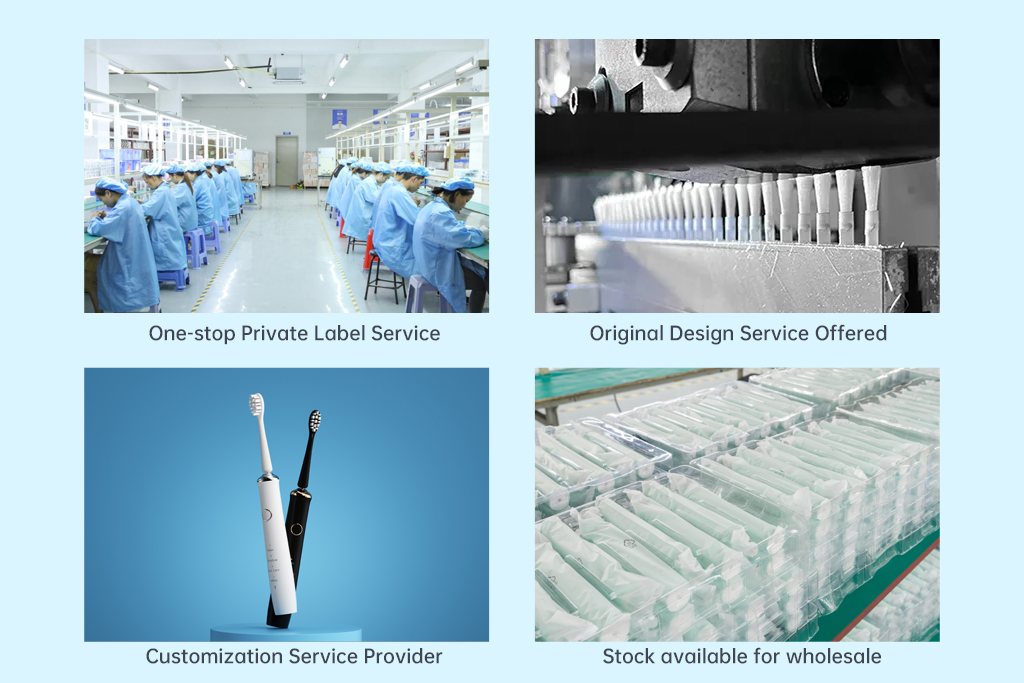
The oral care market is experiencing rapid transformation, fueled by consumer awareness of dental hygiene and increasing demand for effective, technology-driven products. Among these innovations, electric toothbrushes stand out for their proven effectiveness in plaque removal, improving gum health, and promoting long-term oral hygiene. For brands looking to gain a competitive edge, partnering with an expert in electric toothbrush quality manufacturing and oral care OEM solutions is no longer optional—it’s essential. This blog explores why investing in high-quality electric toothbrush manufacturing is a strategic move for oral care brands. Electric Toothbrush Benefits Are Scientifically Proven One of the key drivers behind the growing popularity of electric toothbrushes is their superior cleaning capability. Research has consistently shown that electric toothbrushes remove more plaque than manual toothbrushes, leading to: More effective plaque removal Better gum health Reduced risk of cavities and gingivitis These measurable electric toothbrush benefits translate into tangible value for the end user, strengthening brand credibility and consumer trust. Consumer Expectations Are Increasing Today’s consumers are more informed and expect high-performing, reliable oral care tools. They look for: Multiple brushing modes (sensitive, deep clean, whitening) Long battery life and USB charging Smart technology (timers, pressure sensors, app connectivity) Only through reliable electric toothbrush quality…
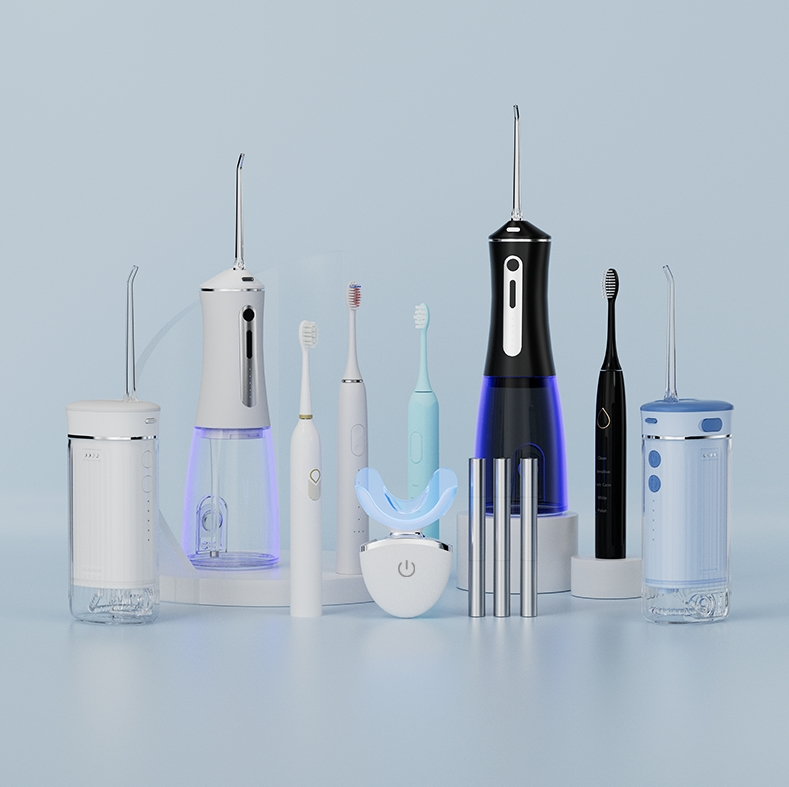
As the demand for smart and effective oral care devices grows, electric toothbrushes continue to dominate both consumer and professional markets. However, many brands face challenges due to recurring common electric toothbrush issues, often traced back to poor manufacturing practices. To build a trustworthy product line, it's essential for oral care brands to work with factories that understand common issues — and have systems in place to prevent them.This blog provides a detailed breakdown of the most frequent product issues and how top-tier manufacturers address them, ensuring long-term reliability and user satisfaction. Brush Head Durability: The First Line of Defense One of the most common complaints from users is premature wear or breakage of the brush head. Brush head durability is critical for performance and safety. Factory solution: Use of high-quality, FDA-compliant bristle materials. Precision injection molding to ensure consistent density and alignment. Rigorous fatigue testing to simulate real-world use cycles. By optimizing brush head design and materials, factories help brands deliver a more resilient and comfortable brushing experience. Motor Failure: Silent Killer of Product Lifespan Another frequent issue in electric toothbrushes is motor failure. Overheating, vibration inconsistencies, or complete breakdowns can severely impact a brand’s reputation. Factory solution: Partner with…
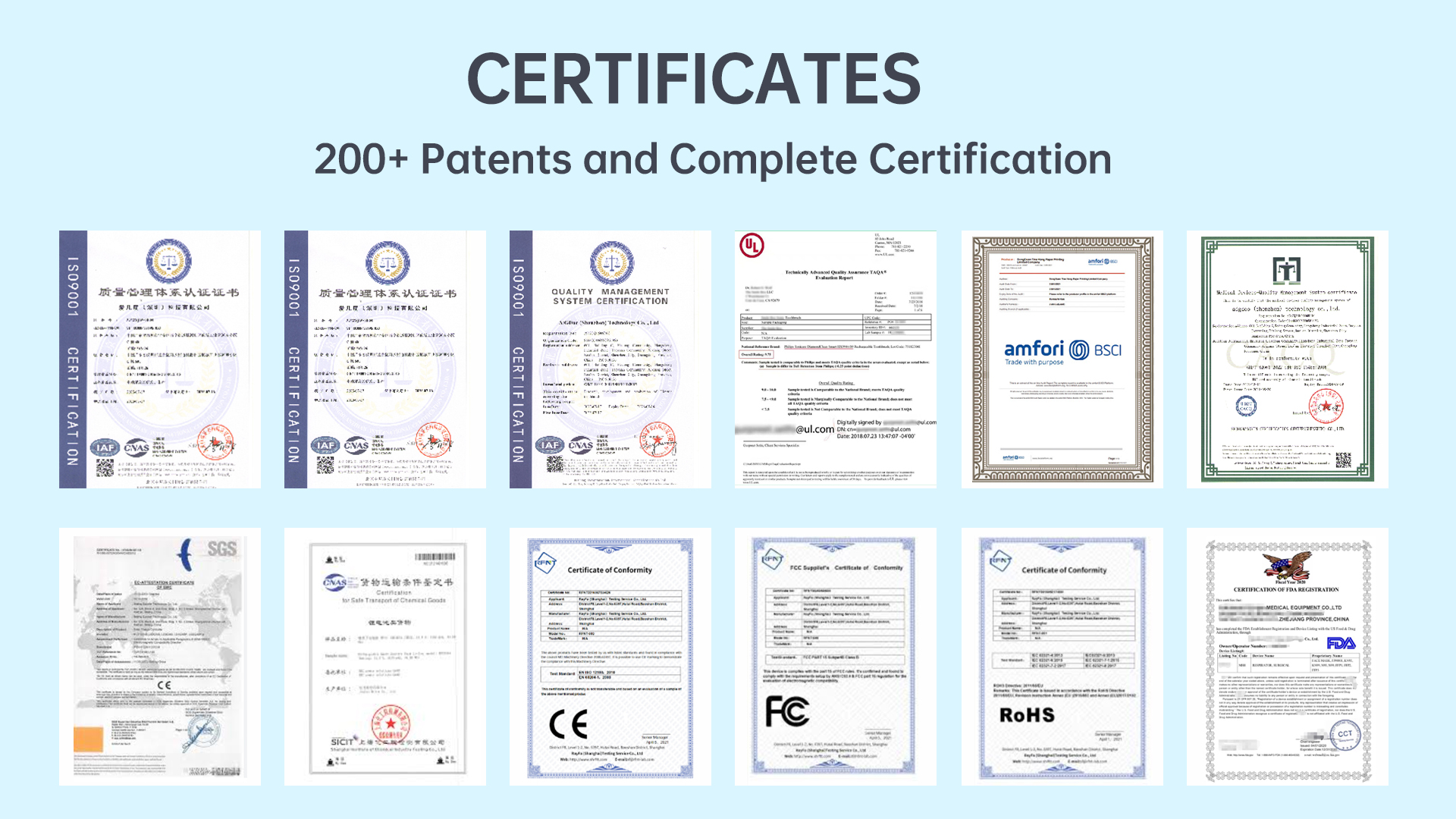
In the rapidly growing oral care industry, the demand for electric toothbrushes is at an all-time high. For brands aiming to enter or expand in this competitive market, partnering with the right electric toothbrush factory is essential—not just for product quality, but also for ensuring long-term business success. But how do you evaluate factories and identify those that can deliver superior electric toothbrush cleaning power, innovation, and scalable production? This article outlines six critical factors to help you choose the ideal manufacturing partner for your OEM electric toothbrush project. Define Your Cleaning Performance Standards Before you begin the search, it’s important to clearly define what “superior electric toothbrush cleaning power” means for your target market. Do you want high-frequency sonic vibration? Do you need multiple cleaning modes or intelligent pressure sensors? Top-tier oral care manufacturing begins with clear technical specifications. Look for a factory that can meet or exceed industry standards for plaque removal, battery efficiency, motor durability, and ergonomic design. Ask for performance test reports or existing client case studies that demonstrate their product capabilities. Evaluate R&D and Innovation Capabilities A reliable electric toothbrush factory should have strong R&D capacity. Innovation is key in a market where user expectations evolve quickly. Investigate: How…
In the world of electronic personal care devices such as electric toothbrushes and water flossers, two hidden yet severe risks often go unnoticed by end users—battery leakage and subsequent circuit corrosion. While each problem alone can compromise product performance, their combination poses a much greater threat to both device lifespan and user safety. Are these two failures merely coincidental, or are they intrinsically linked in a dangerous cycle that manufacturers cannot afford to ignore? What Is Battery Leakage and Why Does It Occur? Battery leakage occurs when the internal chemical contents of a battery escape from its sealed casing. This usually happens due to: Overcharging or improper charging practices; Use of low-quality or aged battery cells; Physical damage to the battery structure during assembly or usage; Extreme storage conditions such as high humidity or temperature fluctuations. When leakage happens, the corrosive electrolyte materials can spread inside the device, setting the stage for further internal damage. How Does Battery Leakage Lead to Circuit Corrosion? The leaked electrolyte is highly conductive and chemically aggressive. Upon contact with the device’s inner components, especially the circuitry, the following chain reaction occurs: Metal traces and solder points on the circuit board oxidize; Insulation barriers weaken,…


.jpg)
.jpg)
.jpg)
.jpg)
.jpg)






.jpg)
.jpg)