
When customers report tooth chipping paired with root darkening, it signals a deeper problem than simple cosmetic damage. These two conditions often indicate structural compromise and internal deterioration, which can be difficult—or impossible—to reverse without invasive treatment. In this blog, we’ll explore why this combination occurs, what it means for product safety and performance, and how manufacturers can proactively prevent it.
Tooth chipping frequently happens when excessive mechanical forces act on enamel during cleaning or whitening. Poorly calibrated motors, abrasive brush heads, or overly rigid trays can:
While minor chips might seem harmless, they often compromise the tooth’s ability to resist bacterial infiltration and chemical exposure.
Root darkening is a more insidious process, usually caused by:
Unlike superficial discoloration, root darkening signals loss of vitality, making teeth more prone to fractures, sensitivity, and infection.
Although these issues can appear separately, their coexistence usually points to:
Once enamel is chipped, dentin and pulp are more vulnerable to chemical penetration, accelerating root discoloration.
While early intervention can limit progression, fully restoring a chipped, darkened tooth often requires:
These treatments are time-consuming, costly, and sometimes unsuccessful, highlighting why prevention should be the first priority.
To protect both end-users and your brand reputation, consider:
Proactive design and testing significantly reduce the risk of irreversible damage.
Even with the best safeguards, occasional incidents happen. Effective response strategies include:
Fast, empathetic support can turn a negative experience into a demonstration of your commitment to safety.
Tooth chipping and root darkening don’t have to be inevitable consequences of whitening or power cleaning devices. They are often preventable when manufacturers integrate thoughtful design, clear guidance, and robust quality control. By taking proactive steps, you can help customers enjoy brighter smiles without risking irreversible harm—and protect your brand’s integrity in the process. Contact us
.jpg)
Is Your Toothbrush Head Manufacturer Aligned with the Sustainable Toothbrush Movement?
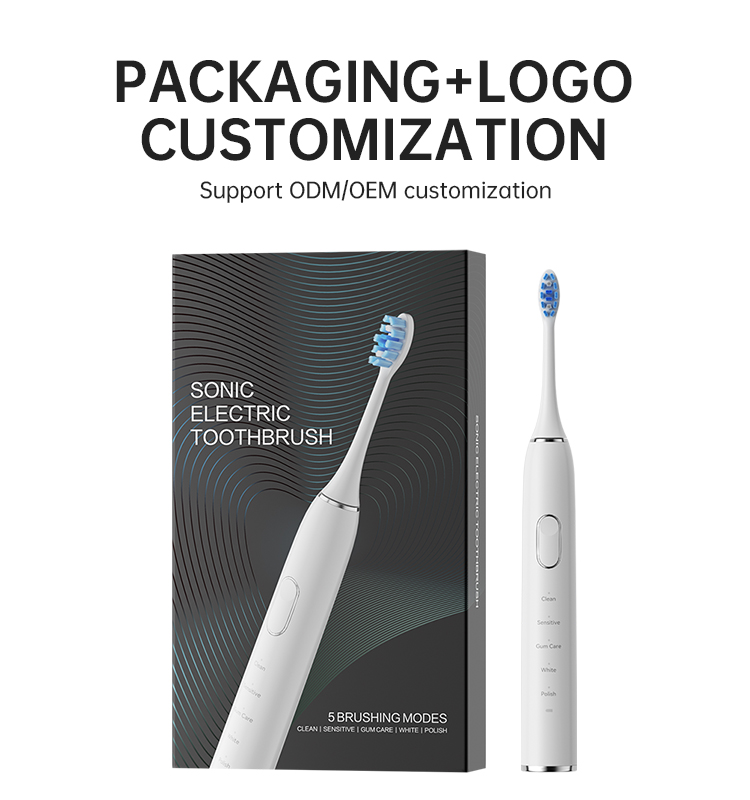
A Strategic Guide to Selecting Your OEM Electric Toothbrush Charging Solution
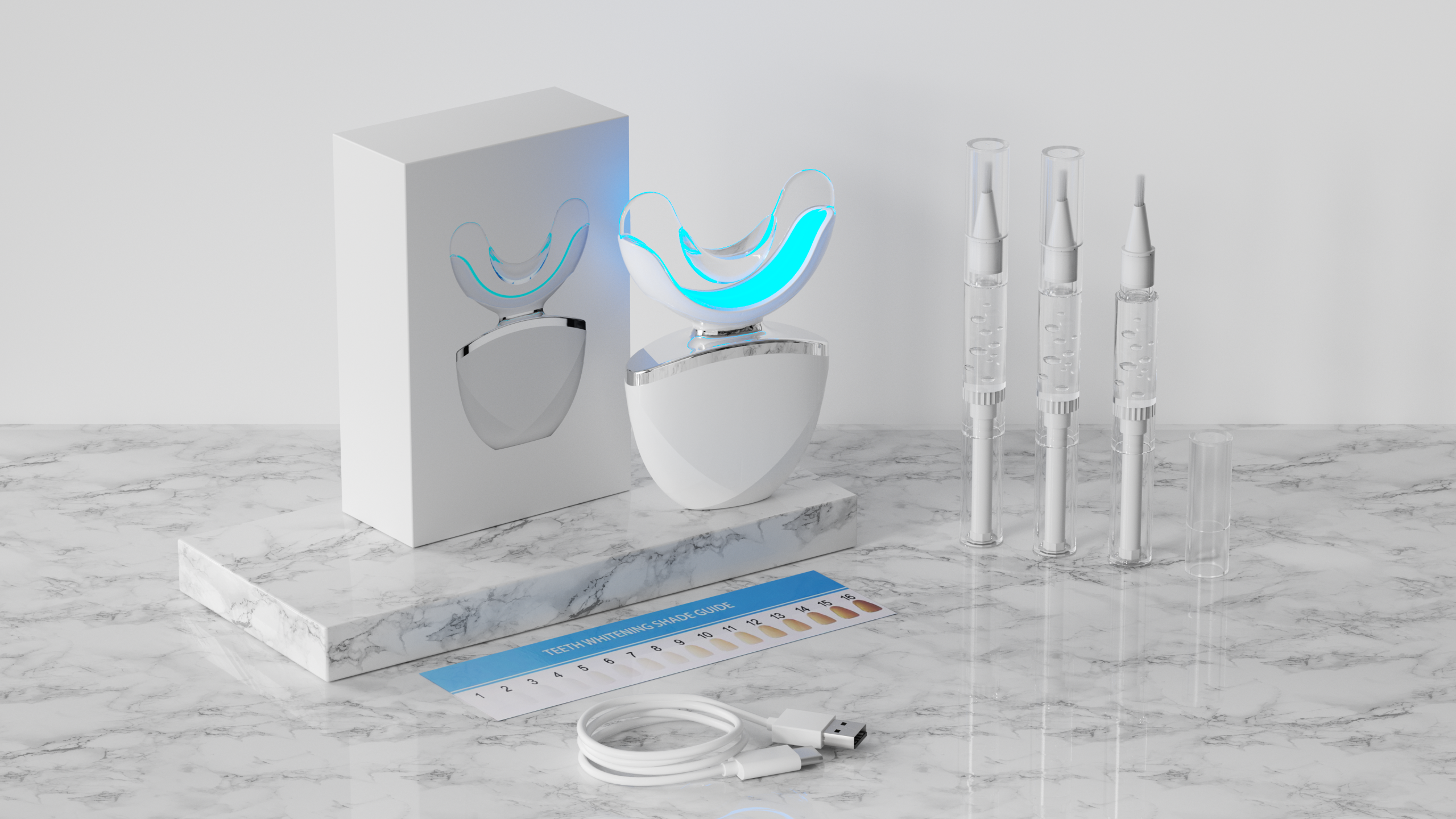
Key Advantages of Professional-Grade Home Teeth Whitening Devices
.jpg)
Tray Warping with Switch Corrosion – Time to Replace?
Water Ingress Causing Motor Rust—How Serious Is It?
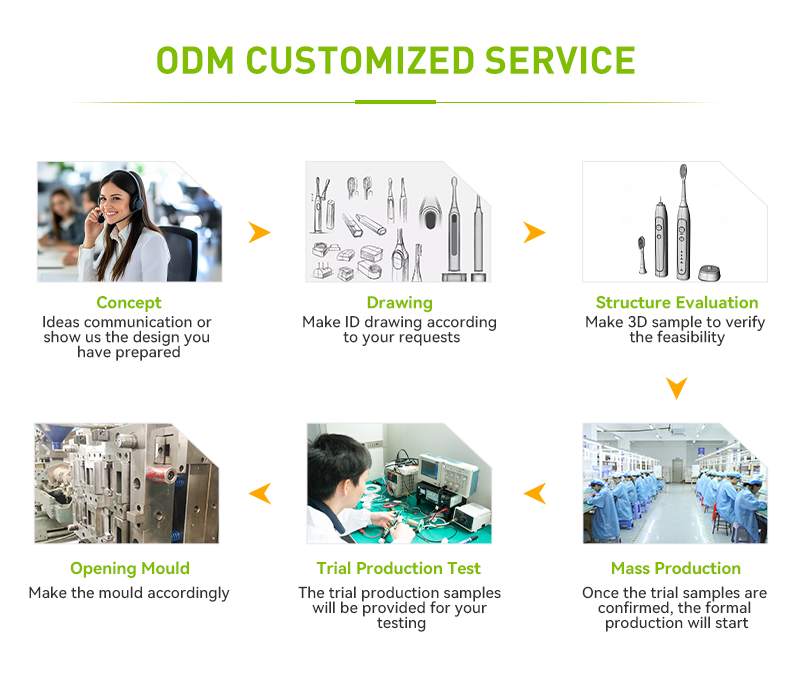
How Does Pulse Water Technology Work with a Quiet Flosser Motor?

Seeking Bio-compatible Housing Material with Non-slip Grip Texture for Your Toothbrush?
4 Common Electric Toothbrush Mistakes and the OEM Features That Fix Them

How to Evaluate an Electric Toothbrush Factory’s Comprehensive Capabilities
Gum Bleaching from Pulpitis Risk – Whitening Gone Wrong?
Pulse Lag Plus Incomplete Flushing—Frustration for Users and Manufacturers?
Sales-Boosting Strategies for Oral Care Brands
.jpg)
Sourcing Sonic Toothbrush B2B for Your Role as a Hotel Amenity Supplier?
How Consumption Upgrading Is Redefining Oral Care Product Development
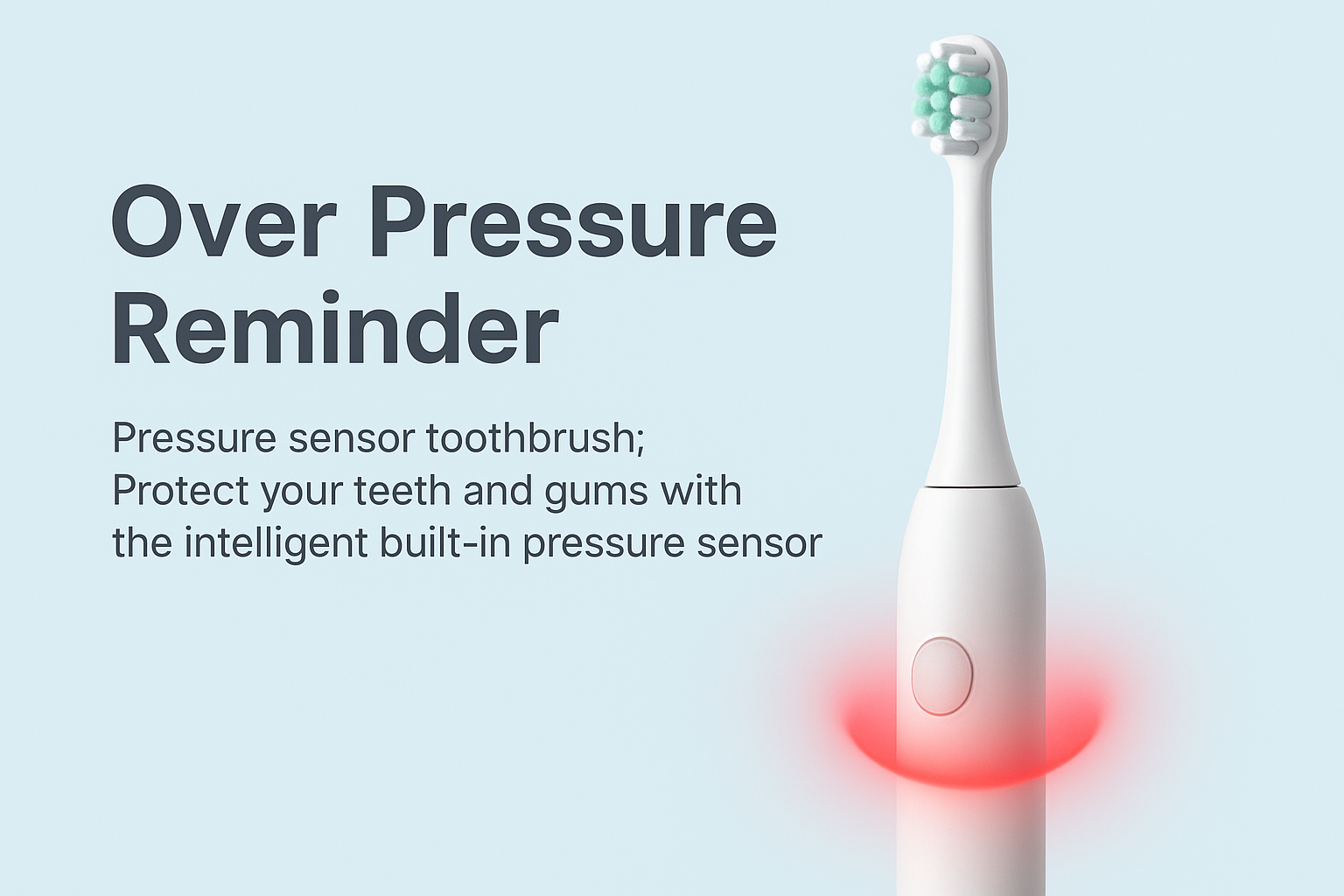
Can Angular Momentum Control and a Harmonic Drive System Revolutionize Electric Toothbrush Performance?
Need Packaging Customization Service for Products Containing a Lithium Battery Pack?


.jpg)
.jpg)
.jpg)
.jpg)
.jpg)






.jpg)
.jpg)
.jpg)