In moisture-prone personal care devices like water flossers, electric toothbrushes, and oral irrigators, gasket mold is not only a common maintenance issue—it can also become a silent driver of bacterial regrowth. While often overlooked in design and aftersales guidance, this combination poses serious hygiene risks for end users. In this blog, we explore how these factors are connected, their implications for consumer health, and what manufacturers must do to ensure product safety.
Gaskets are typically made of rubber, silicone, or elastomer materials and serve as seals between components—such as water tanks and main bodies. However, the same flexibility and water resistance that make gaskets effective also make them vulnerable to:
When left uncleaned, these conditions foster the growth of gasket mold, which not only affects performance but becomes a microbial breeding ground.
The development of gasket mold creates an ideal environment for bacterial regrowth:
These microbial colonies can then spread through water flow paths, nozzles, or brush heads, undermining the entire hygiene profile of the product.
The combined presence of gasket mold and bacterial regrowth poses a range of health concerns:
For B2B customers focused on quality and compliance, these risks could translate into product recalls, warranty claims, or brand damage. Company web:https://www.powsmart.com/product/electric-toothbrush/
Many hygiene issues originate not from the material alone, but from how the device is designed:
Such oversights can be minimized through thoughtful engineering and user-centered design.
To reduce the risk of gasket mold and bacterial regrowth, manufacturers should consider:
These practices not only extend device life but protect the end-user’s health and safety.
Future-forward B2B solutions are already moving in a safer direction:
For brands competing on premium performance and safety, integrating these innovations can offer significant differentiation in the marketplace.
Though physically small, gasket mold—when combined with unchecked bacterial regrowth—can lead to major consequences for both product performance and user health. B2B manufacturers must rethink gasket design, materials, and cleaning accessibility to ensure these hidden hygiene hazards don’t go unnoticed. A commitment to proactive prevention today will yield cleaner, safer, and more trusted devices tomorrow. Contact us
.jpg)
Does Loud Electric Toothbrush Noise Reduce Cleaning Efficacy?

Need a Custom Whitening Tray Designed for Use with a Sensitive Teeth Formula?
Electric Toothbrush ABS Material Housing: Balancing Strength, Safety, and Cost Efficiency
.jpg)
In-depth Analysis of the Logo Craftsmanship of Water Flossers
.jpg)
How Does a UV Sanitizing Component Complement an Anti-bacterial Hose in a Flosser?
Cordless Compact Water Flosser OEM | Portable Oral Irrigator Manufacturer
A Comprehensive Guide to Teeth Whitening Gel Ingredients
Need Brush Head Injection Molding Expertise with Certified Food-grade Bristle Material?
Environmentally-conscious Electric Toothbrush Production Manufacturers in Austin
Does Your Cold Chain for Gels Utilize a 3PL Integration API for Monitoring?
USB charging toothbrush wholesale supplier | OEM & Private Label Factory
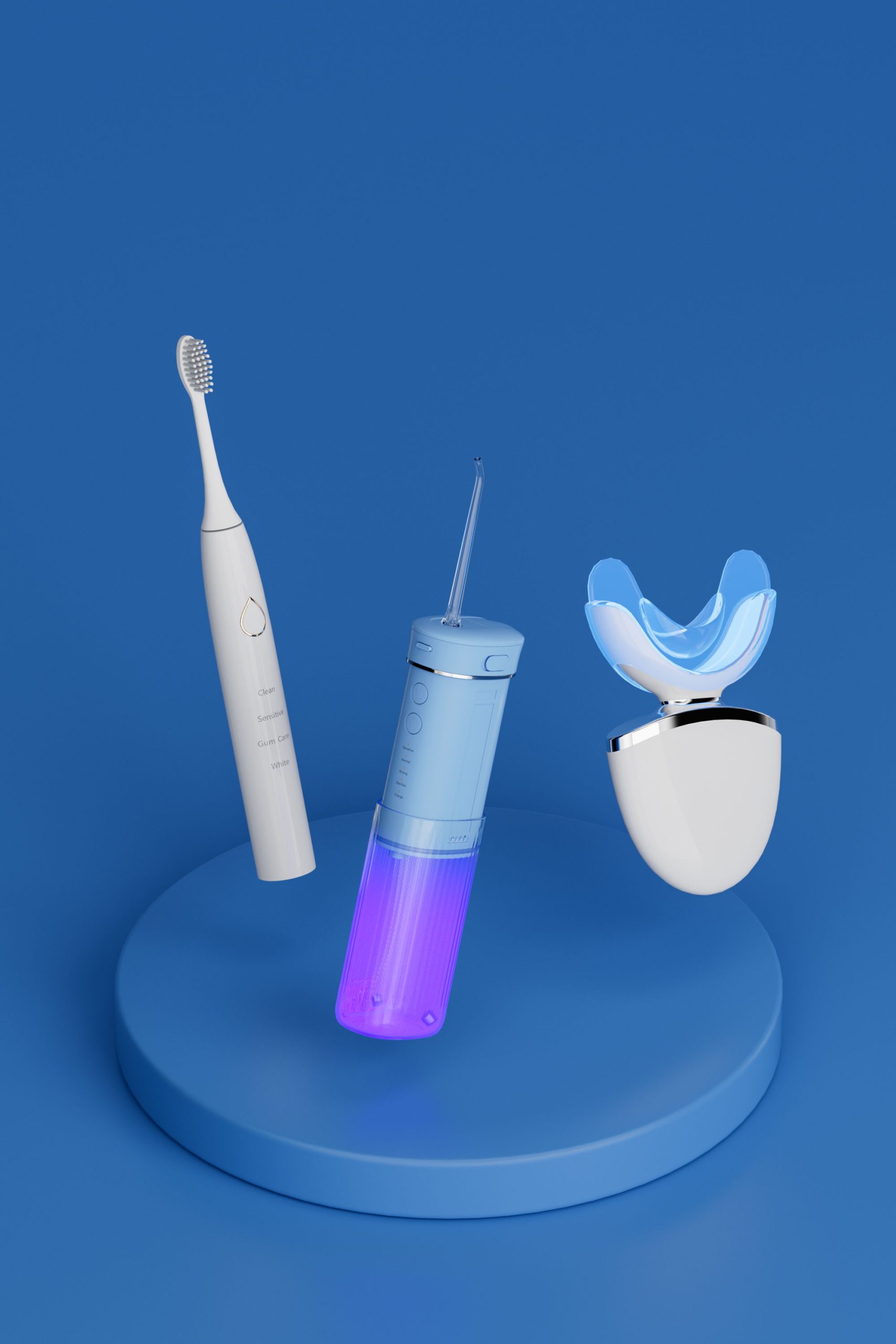
Smile & Confidence: OEM Electric Toothbrushes for Enhanced Dental Aesthetics
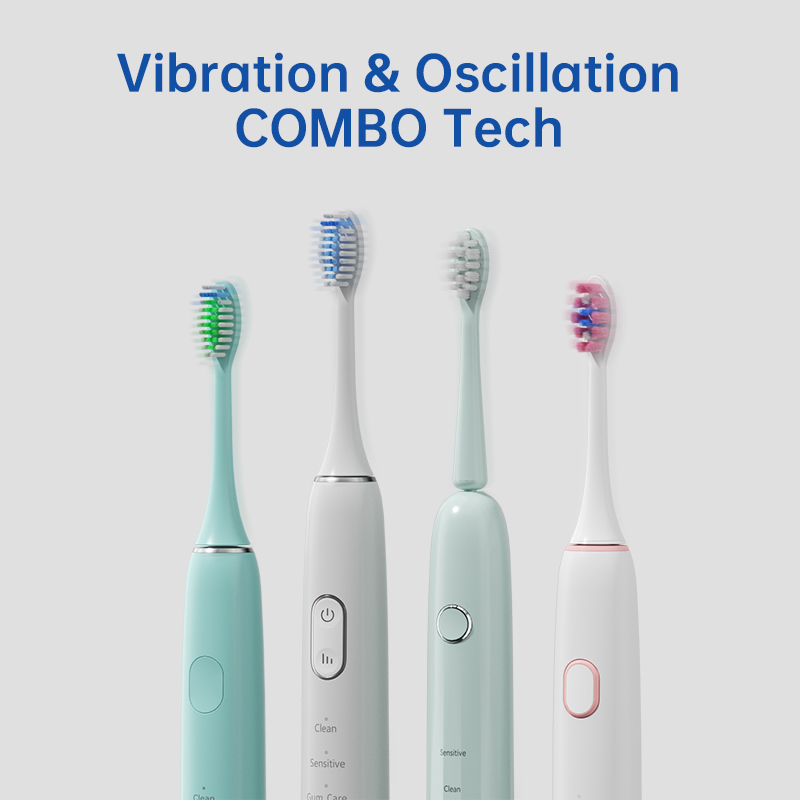
Is a Pune senior toothbrush truly a one-button toothbrush?
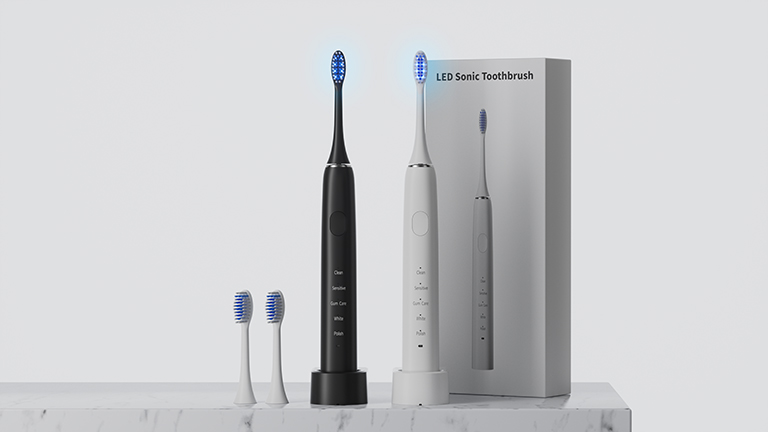
The Truth About Blue Light Whitening in OEM Electric Toothbrushes

Analyze the real profit you can make in teeth whitening
Electric Toothbrush Export Factory for Global OEM Buyers


.jpg)
.jpg)
.jpg)
.jpg)
.jpg)