In the realm of oral care devices, fluid-handling components, and consumer appliances, tank scaling is more than just a hygiene concern—it’s a silent disruptor that may lead to part incompatibility. For B2B clients, this doesn’t just translate into performance instability but also impacts assembly efficiency, aftersales costs, and long-term product reliability.
Tank scaling refers to the accumulation of mineral deposits—mostly calcium and magnesium—from hard water inside water tanks and flow systems. It’s especially prevalent in:
Scaling manifests as white residues, internal roughness, and narrow flow paths—often overlooked but extremely damaging to component fit and function.
Although mineral buildup might seem cosmetic, its functional consequences can be severe:
This “invisible misalignment” makes devices appear normal on the outside but faulty during use—often misattributed to poor QC or batch inconsistency.Company web:https://www.powsmart.com/product/electric-toothbrush/
For manufacturers, tank scaling–induced part incompatibility introduces complications across multiple stages:
To safeguard against tank scaling from the outset, consider integrated design-level solutions:
-2-1024x576.png)
Beyond smart design, manufacturers should support end-users with education and maintenance tools:
This proactive approach turns potential product faults into manageable maintenance workflows.
In a market where durability and intelligence drive purchase decisions, resistance to tank scaling—and the prevention of part incompatibility—will become critical value markers:
Embedding scale mitigation into product quality benchmarks ensures higher satisfaction and stronger brand reputation.
Tank scaling may begin as a mineral residue, but it often ends as a functional mismatch. For manufacturers targeting high-precision, long-lifecycle B2B products, proactively managing scaling risks and preventing part incompatibility is a fundamental step toward quality excellence.
Looking to engineer scale-resistant water systems or need support in optimizing your fluid-based product design? Contact us for technical consultation and tailored development solutions.
Collaborative Development of Red and Blue Light Teeth Whitening Gel Formulas: How to Increase Whitening Efficiency by 3 Times?
.jpg)
Hose Cracking with Valve Jamming – Replace All or Repair Strategically?
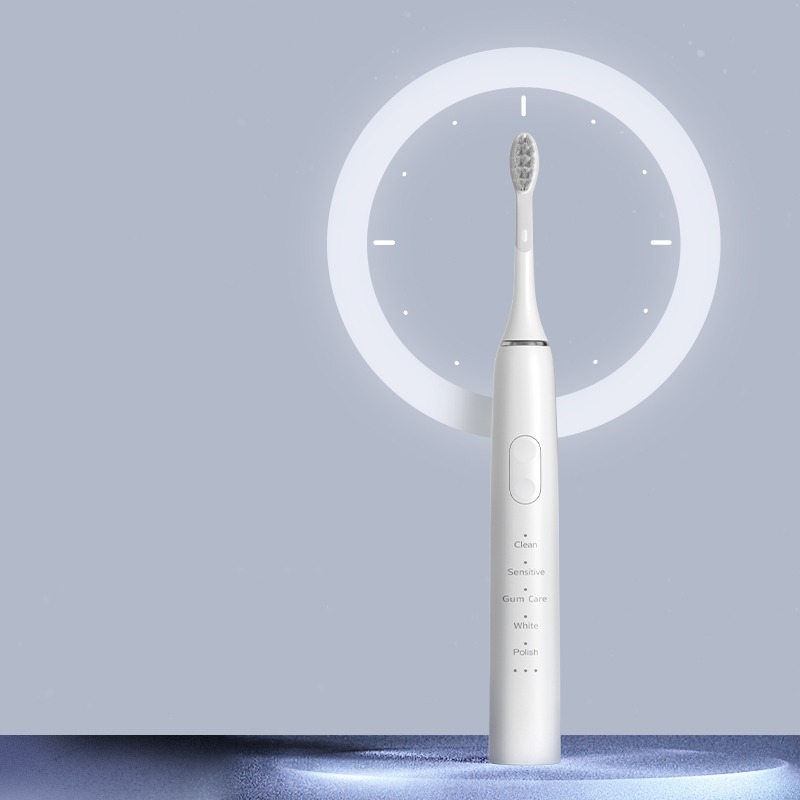
The Importance of Electric Toothbrushes with Self-Developed Motors for Manufacturers
Long Battery Sonic Toothbrush OEM: High Performance and Extended Usage
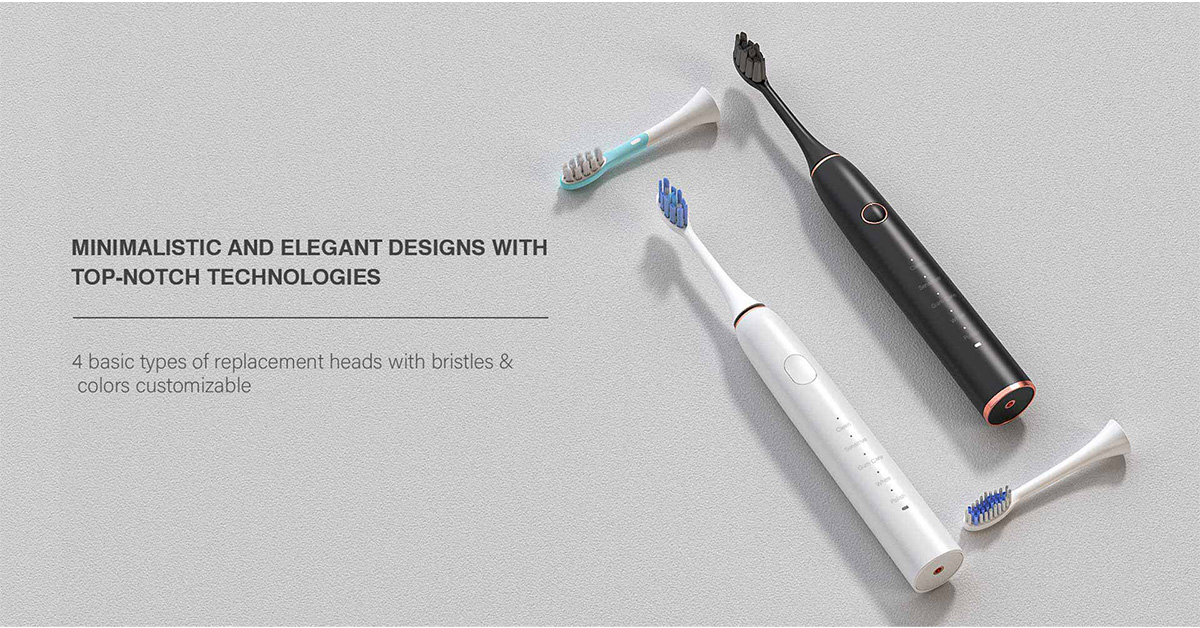
The evolution history of electric toothbrushes
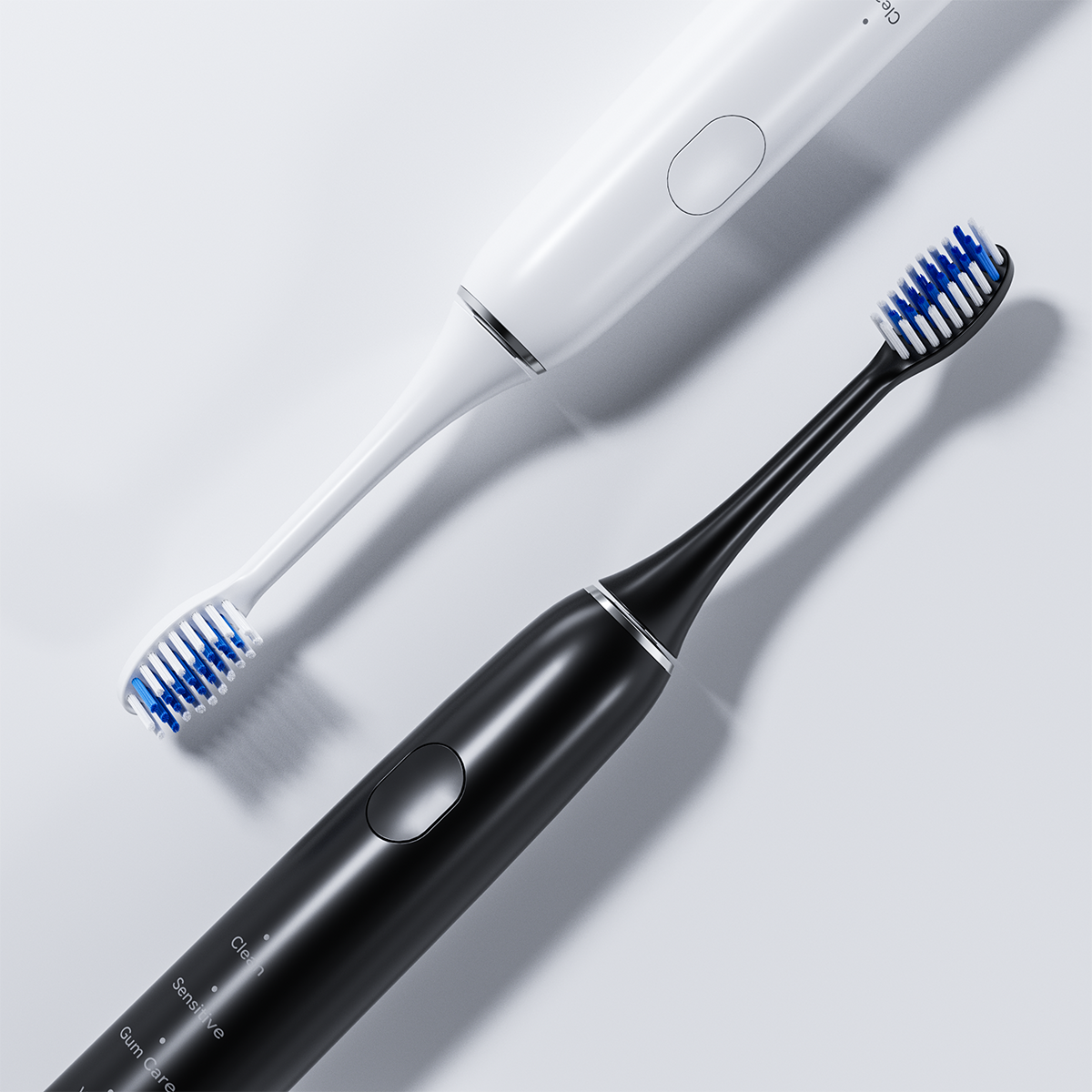
Waterproof & Fast Charging? Inside High-End electric Toothbrush Charging Stations
How to Avoid Infringement Issues When Developing a Private Brand Electric Toothbrush
dry socket water flosser warning: safety after extraction
Can Aging gums care blend with Traditional India toothbrush design?
.jpg)
Need a toothbrush manufacturer China that specializes in kids electric toothbrush?
fast delivery electric toothbrush supplier | Short Lead Time OEM
.jpg)
Why an Ahmedabad family gift favors an Ayurvedic neem toothbrush
Health Gifts for Elderly Parents Smart Toothbrush | Powsmart
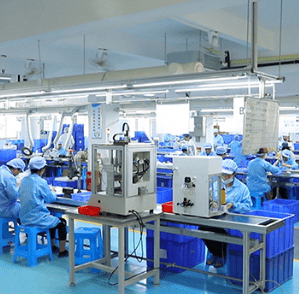
Future Trends of Electric Toothbrush Production: Intelligent, Environmentally Friendly, and Core Competitiveness Enhancement
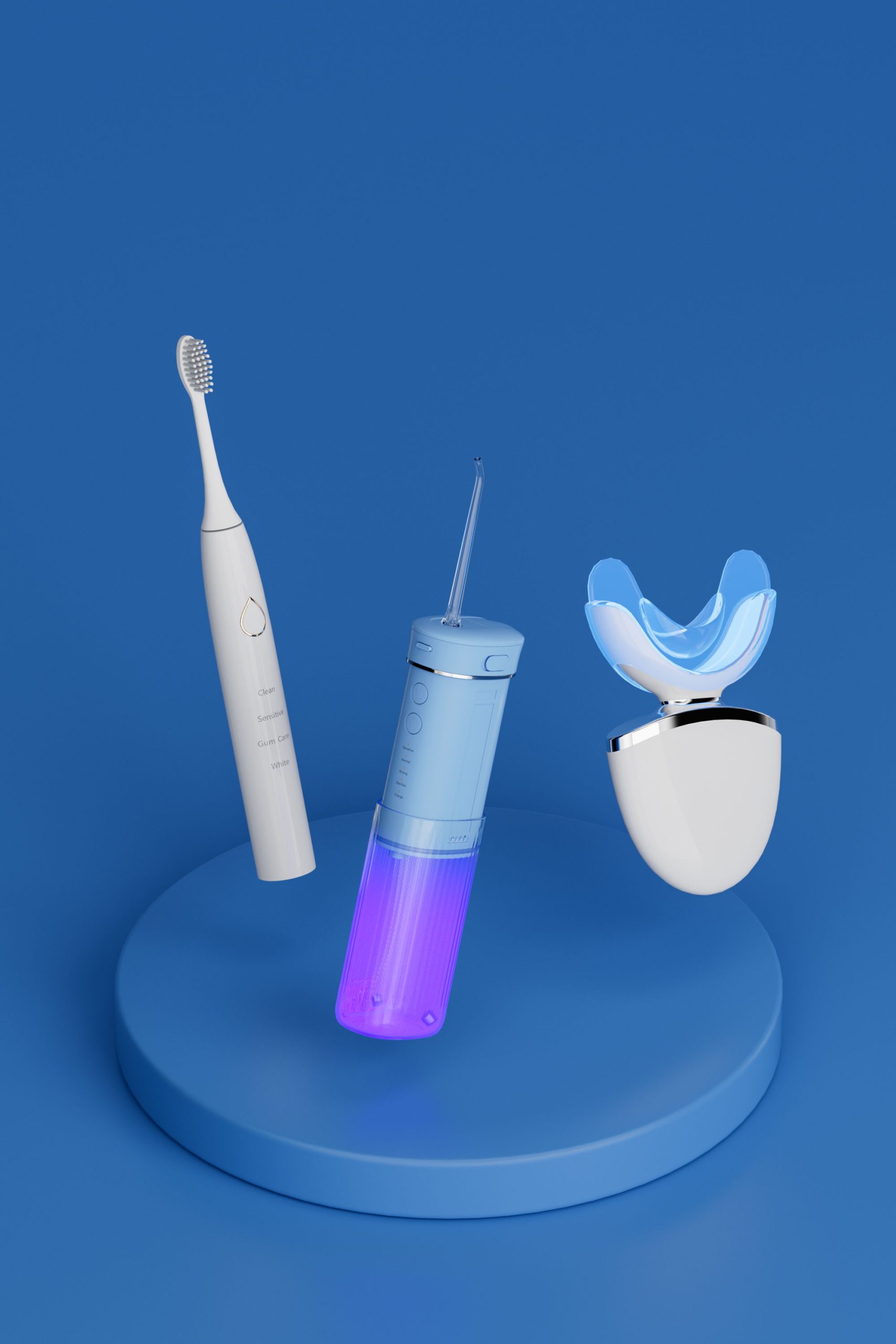
Creating the Ultimate Oral Care Combo: Keys to the Best Toothbrush Water Flosser Design
Electric Toothbrush Charging Safety Design: OEM Engineering Guide


.jpg)
.jpg)
.jpg)
.jpg)
.jpg)






.jpg)