In the design and operation of oral irrigators, vacuum-assisted skincare devices, or dental suction tools, two common issues—pump failure and weak suction—often occur together. While either problem alone can degrade performance, their combination often signals a terminal system malfunction that demands immediate design review and structural correction.
Pump failure** typically results from mechanical wear, motor burnout, or obstructions. In B2B-use cases like high-frequency clinic tools or home devices used intensively, the following root causes are frequently seen:
In many designs, the pump is directly tied to the device’s core functional output—once compromised, performance drops sharply.
The most immediate effect of pump degradation is suction loss. Without proper internal pressure regulation and consistent mechanical actuation, devices can’t draw fluid efficiently.
Key mechanical reasons include:
This weak suction is often first observed by end-users as reduced effectiveness or strange sputtering sounds. Company web:https://www.powsmart.com/product/electric-toothbrush/
Besides design flaws, external and user-dependent conditions may aggravate both issues:
Without environmental consideration during R&D, field failure rates may spike post-launch.
For OEM clients or QA teams, knowing when the issue is terminal vs. repairable is crucial. Key red flags include:
When multiple of these appear, it typically means both the pump and suction system have degraded beyond efficient recovery.
Manufacturers can mitigate such failures early in development through:
Preventive design is especially important for B2B clients who depend on uptime and service consistency.
Ignoring early signs of pump failure and weak suction not only leads to product returns but also damages brand trust. In institutional or retail partnerships, these failures:
On the flip side, addressing these issues in the engineering phase can elevate your product’s reliability profile, particularly in markets where performance consistency is a sales driver.
When pump failure and weak suction happen together, it’s more than a maintenance inconvenience—it’s a design system breakdown that must be investigated. Proactively tackling the mechanical, electrical, and usage factors at play ensures your product not only performs longer but wins trust across professional markets.
Looking to optimize your fluid dynamic systems or assess failure modes across your product range? Contact us to explore OEM enhancements or diagnostic evaluation services.
.jpg)
.jpg)
.jpg)
orthodontic expander cleaning guide: deep clean tips
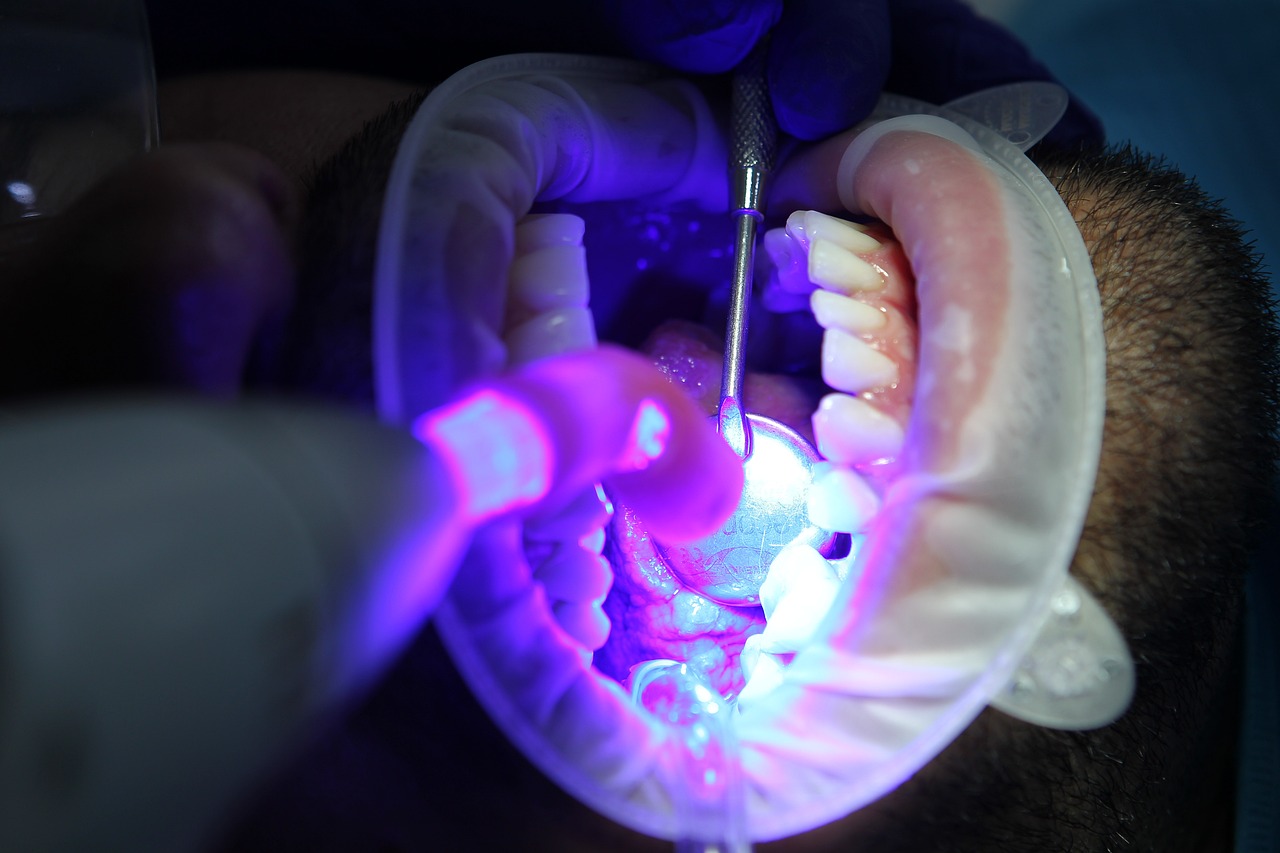
How to Start a Teeth Whitening Business
Electric Toothbrush OEM Manufacturing Guide

New York Electric Toothbrush Retailer Sources Electric Toothbrush from PowSmart Manufacturer in China
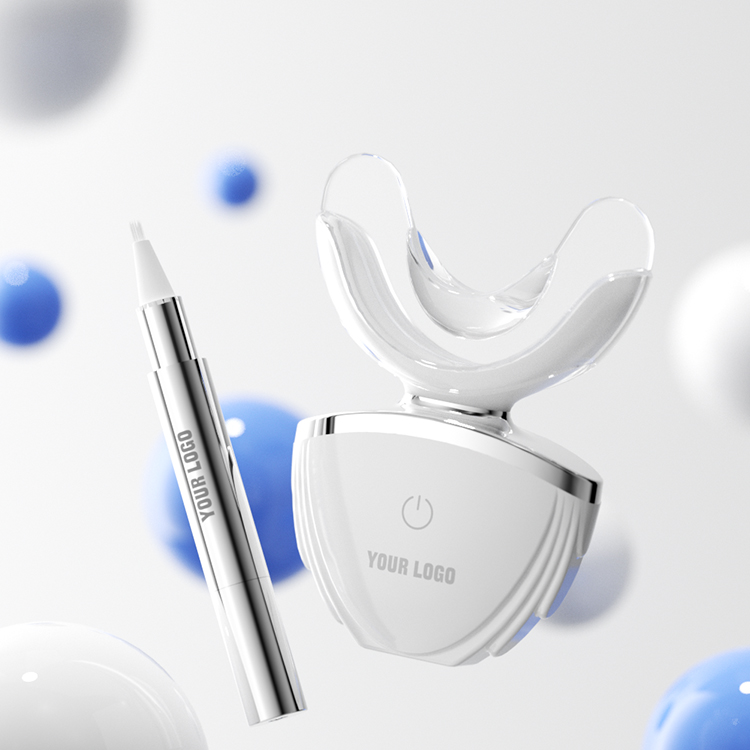
What Are the Advantages of Teeth Whitening Pen Manufacturing for Battery-operated Whitener Devices?
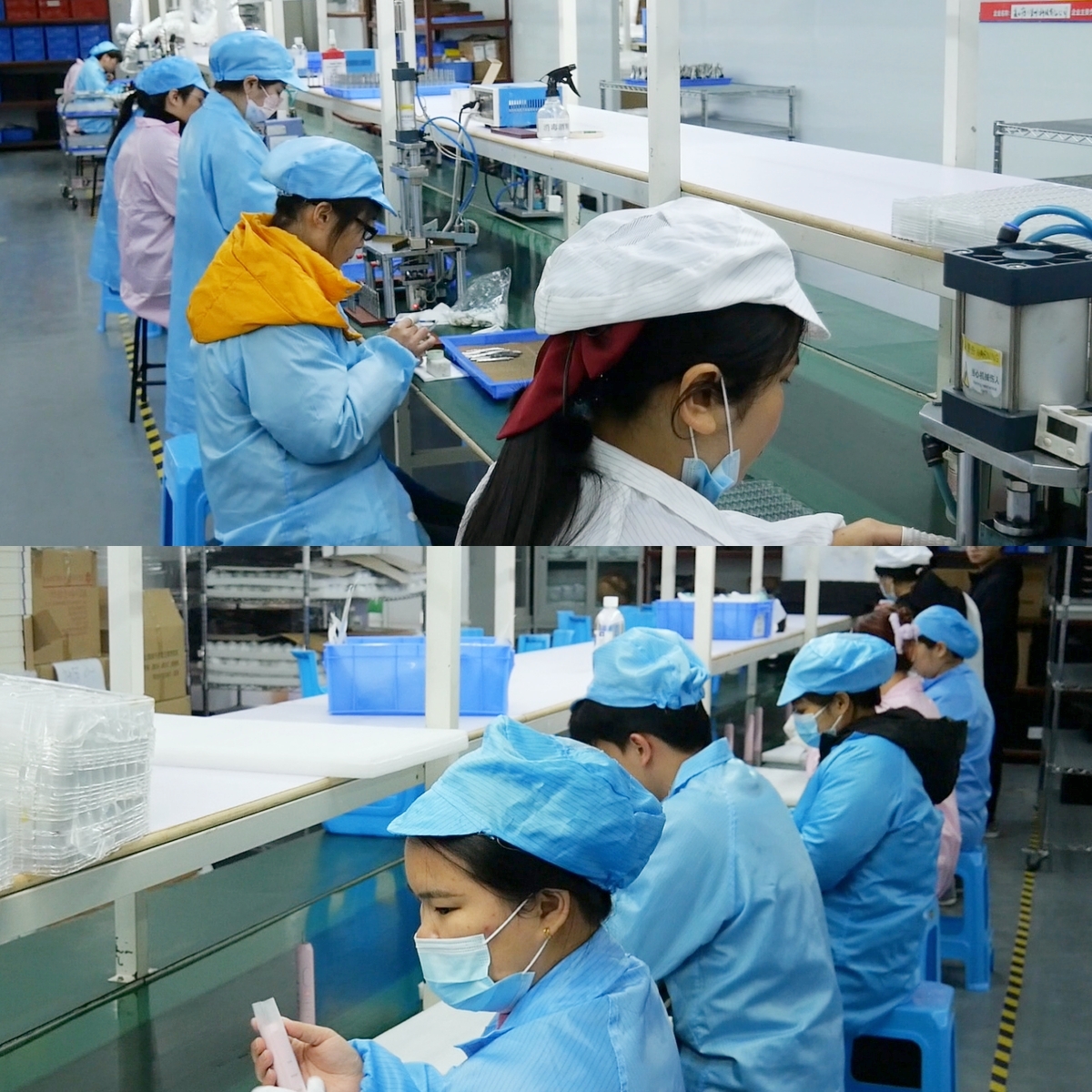
Where Can I Find a High-Quality Water Flosser Manufacturer?
Whitening for Black Gum Concerns
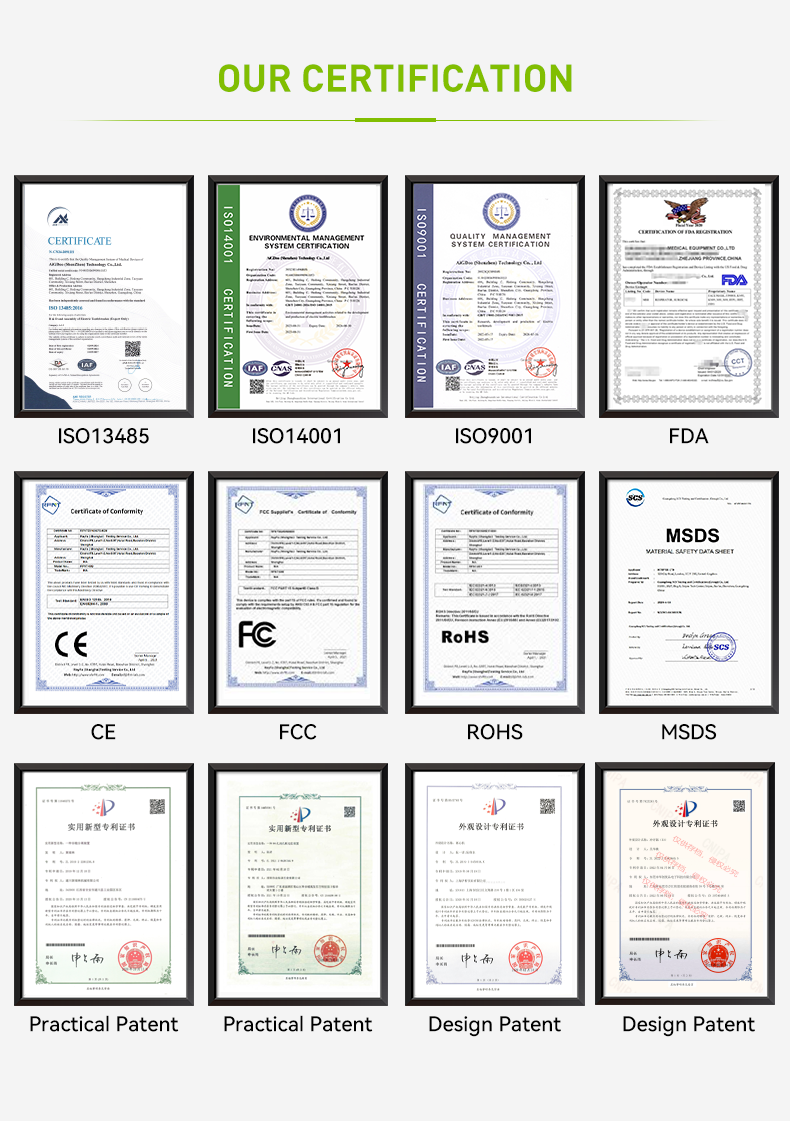
Why Conduct a Human-Centric Algorithmic Audit on a System Using the Tactile Internet Protocol?
New York City Electric Toothbrush Retailer Sources Electric Toothbrush from PowSmart Manufacturer in China
Excessive Noise With Pulp Inflammation? Dual Threats From Electric Brushes!
LED Light Toothbrush Factory China: Scalable Manufacturing and Innovation
Can a MEMS Motion Sensor and a Touch Sensor IC Work Together to Create a Smarter Brushing Experience?
Parkinson’s toothbrush assistance: adaptive features
Overbleaching Risk and Gum Recession – Fair Trade?

Why Put an Edge AI Inference Chip Inside an Adaptive Counterfeit Detector for Brush Heads?
Light Therapy Electric Toothbrush OEM: Custom Innovation for High-End Oral Care Brands


.jpg)
.jpg)
.jpg)
.jpg)
.jpg)




.jpg)

.jpg)