
As device miniaturization and multi-functionality evolve, the relationship between filter clogging and slow charging has become an unexpected but critical concern in the design and manufacturing of consumer electronics, especially in portable and rechargeable devices like electric toothbrushes, water flossers, and personal grooming tools. But how exactly does a clogged filter impact the charging efficiency of such devices, and what measures should manufacturers adopt to avoid this problem?
Filter clogging typically refers to the obstruction of air, moisture, or dust filters within electronic devices. These filters are designed to:
However, when these filters are neglected or poorly designed, accumulated contaminants restrict airflow or moisture control, creating conditions that interfere with charging speed and performance.
Though rarely considered, filter clogging can indirectly result in slow charging due to several technical reasons:
Thus, what begins as a minor filtration problem can escalate into a major charging performance issue.
Certain product design shortcomings can make a device more prone to filter clogging:
These vulnerabilities not only promote clogging but also reduce the device’s lifespan and user satisfaction. Company web:https://www.powsmart.com/product/electric-toothbrush/
In addition to design flaws, user habits and environmental factors play a role:
For rechargeable personal care devices, these risks are especially pronounced due to their daily, close-contact use.
To mitigate the effects of filter clogging and avoid slow charging, manufacturers should consider:
These improvements can significantly reduce the occurrence of slow charging caused by clogged filters.
Looking forward, manufacturers can further improve product reliability through:
These advancements will help ensure that devices perform optimally even in demanding usage scenarios.
In conclusion, while filter clogging may appear as a minor mechanical issue, its impact on slow charging reveals a larger problem that demands attention from both product designers and users. By addressing this link proactively, manufacturers can deliver safer, more reliable, and more efficient rechargeable devices, thereby enhancing customer trust and market competitiveness. Contact us
.jpg)
Eco-Friendly Water Flosser Bulk Supplier
.webp)
How can the right toothbrush technique prevent gum disease?
Multi-Function Electric Toothbrush Benefits for Family Oral Care
Do Electric Toothbrushes Lose Power Over Time? An OEM Manufacturer’s Analysis
Waterproof Design Flaws of IPX7 Water-Resistant Water Flossers: Solutions to Seal Ring Aging and Water flosser Ingress Failures
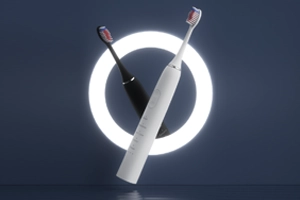
Innovation Opportunities in Electric Toothbrush Technology
Targeted Front Teeth Whitening Guide: Brighten Your Smile Zone
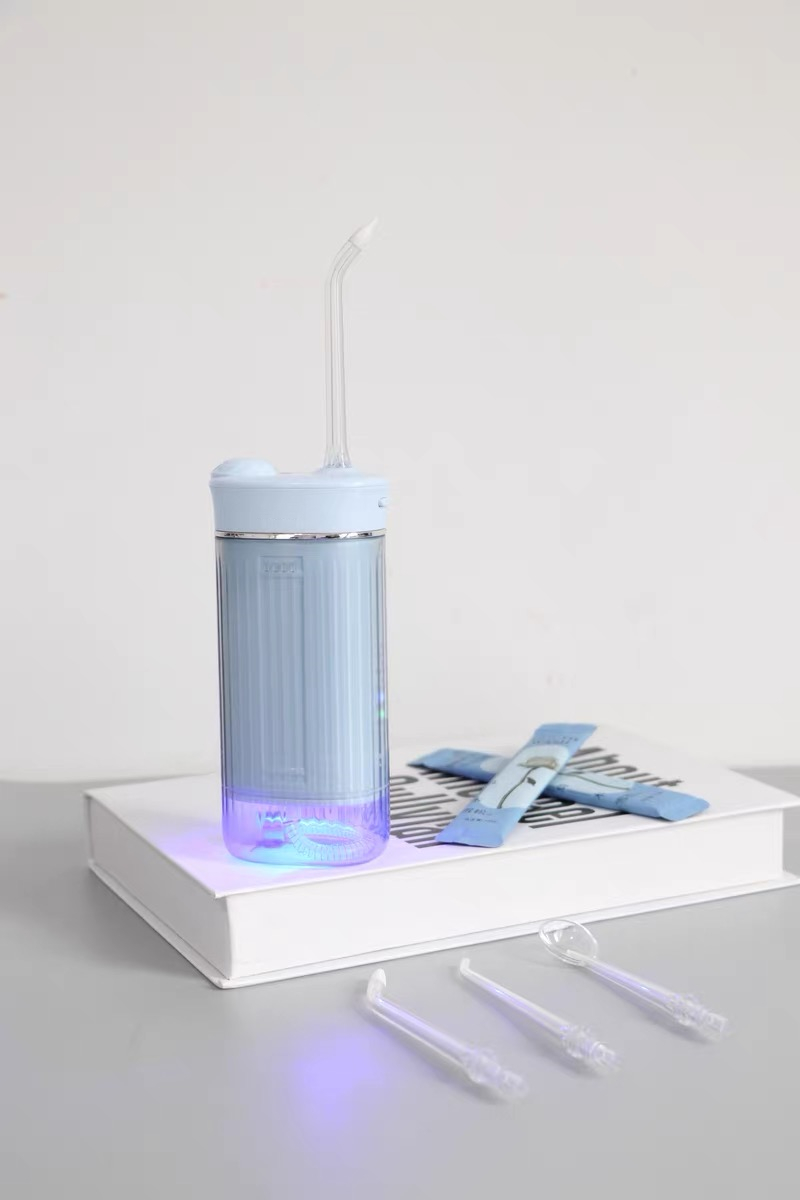
Optimizing Water Flosser Performance: The Science Behind PSI Settings
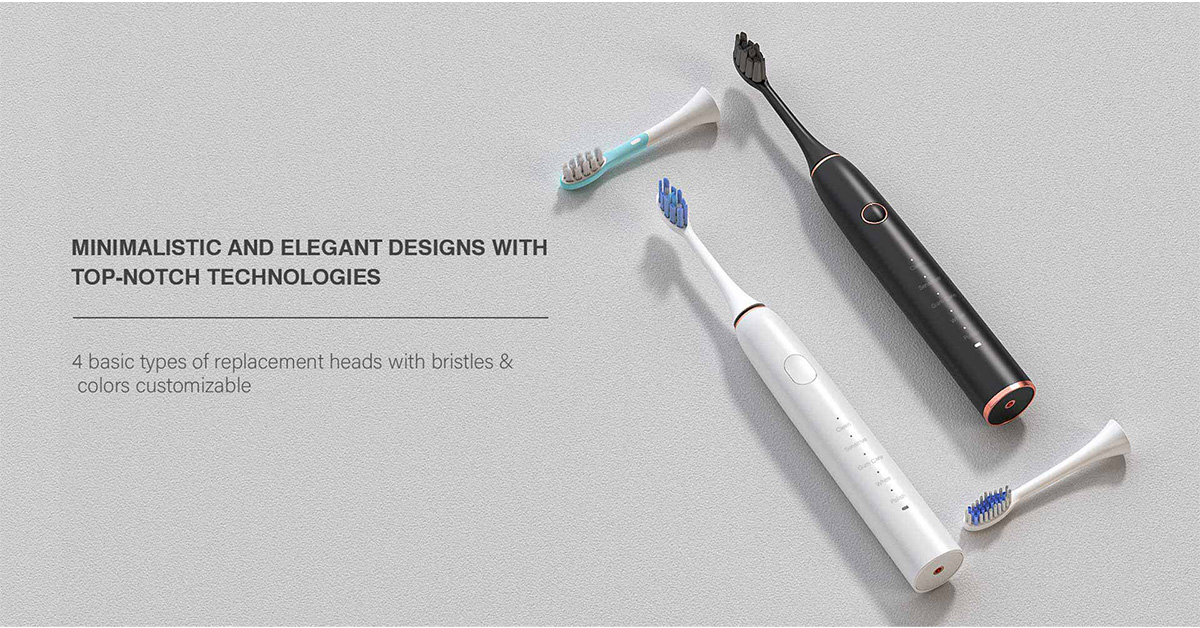
Market Trends and Consumer Demand for Electric Toothbrushes

Why Partner with Dental Laboratory Equipment Suppliers for Hotel Amenity Oral Care Products?
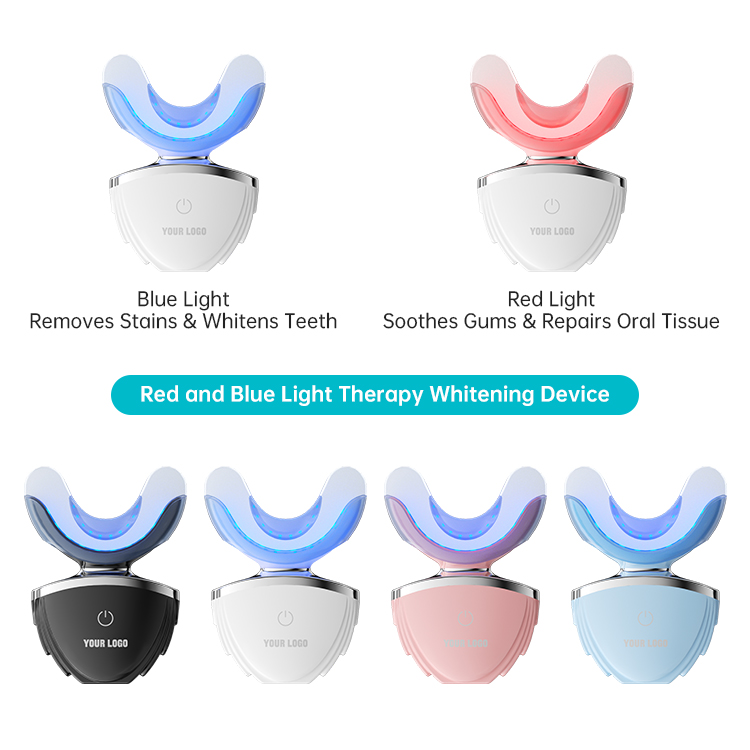
How Does a Bio-sensor Integration Kit Establish a Reliable At-home Diagnostics Link?
Dental Implant Infection Water Flosser | Protect Implants from Peri-Implantitis
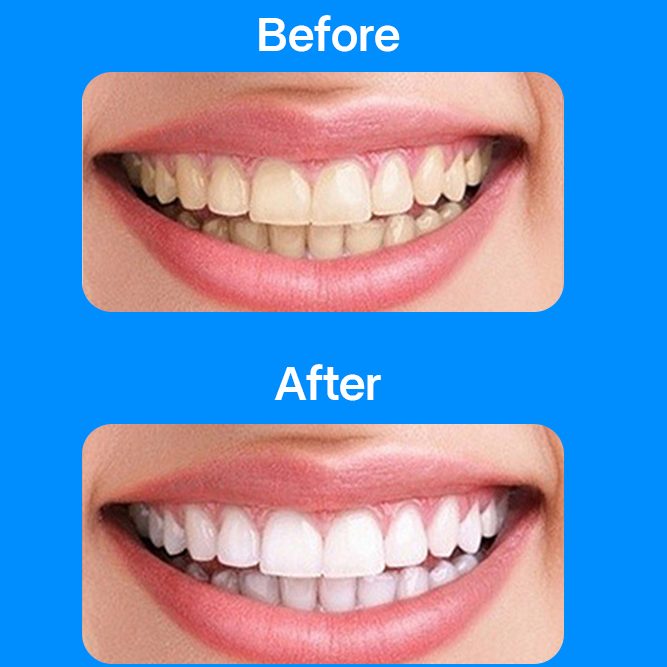
Precautions During Use – Maximize the Effectiveness of the Home Teeth Whitening Device
Small Batch Electric Toothbrush OEM Manufacturing for Emerging Brands
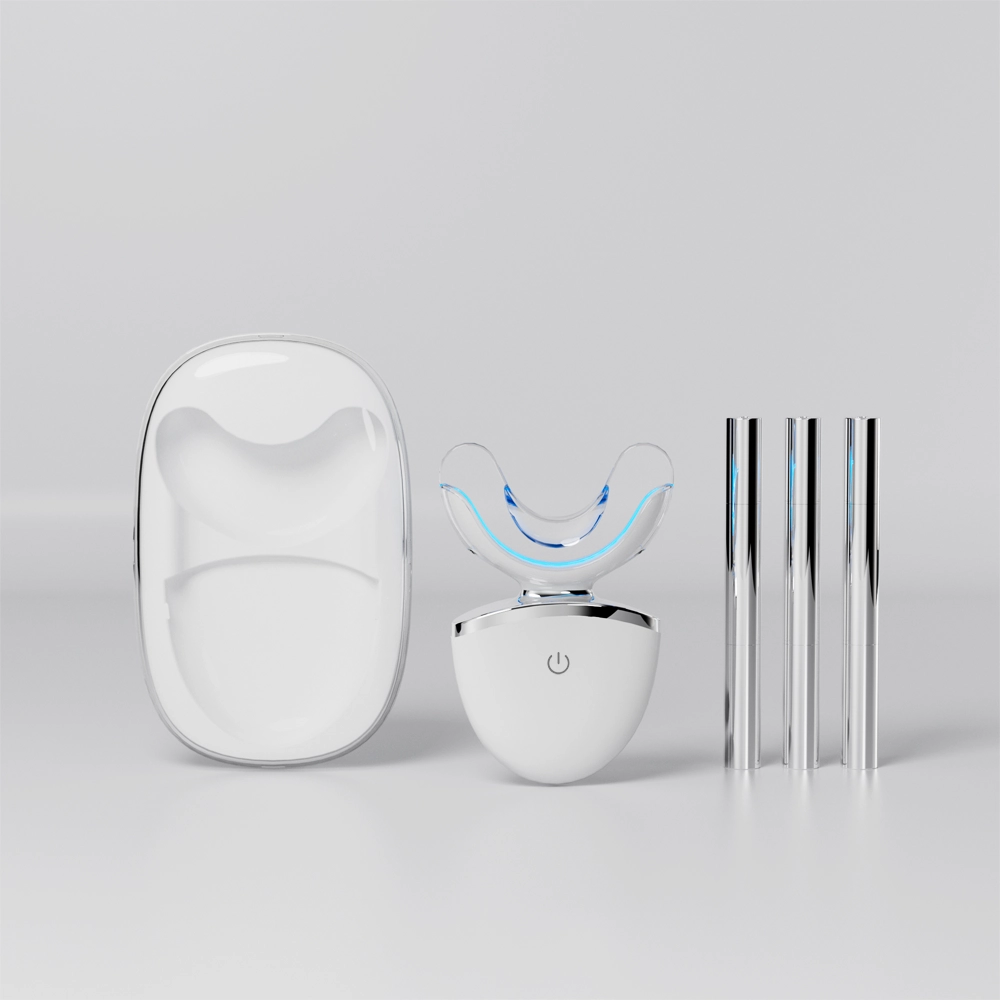
The Effect of the Design of a Dental Instrument on User Comfort and Ease of Operation
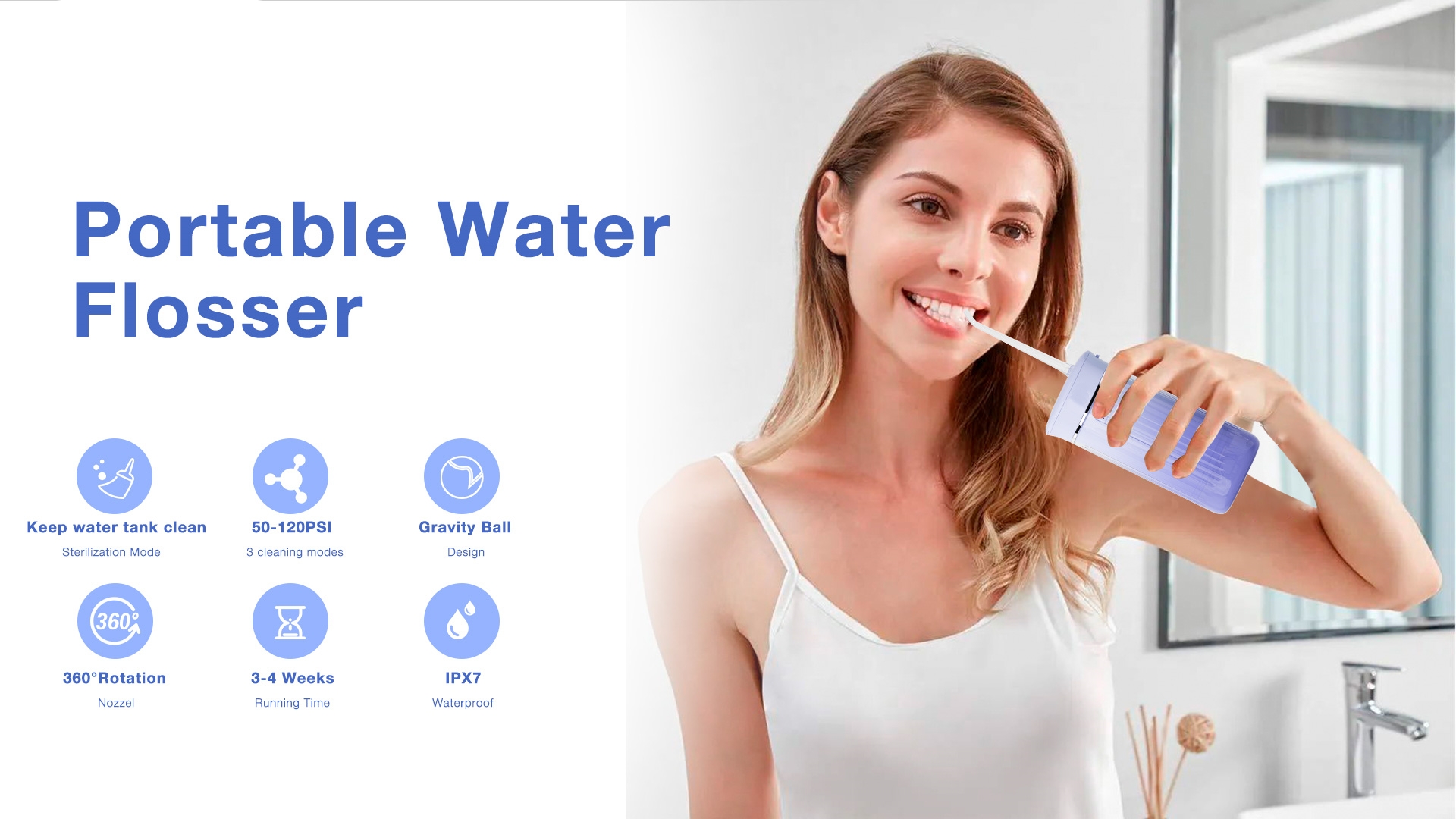
The Market is Growing Rapidly: Is There Still an Opportunity to Enter the Oral Irrigator Industry?


.jpg)
.jpg)
.jpg)
.jpg)
.jpg)






.jpg)
.jpg)