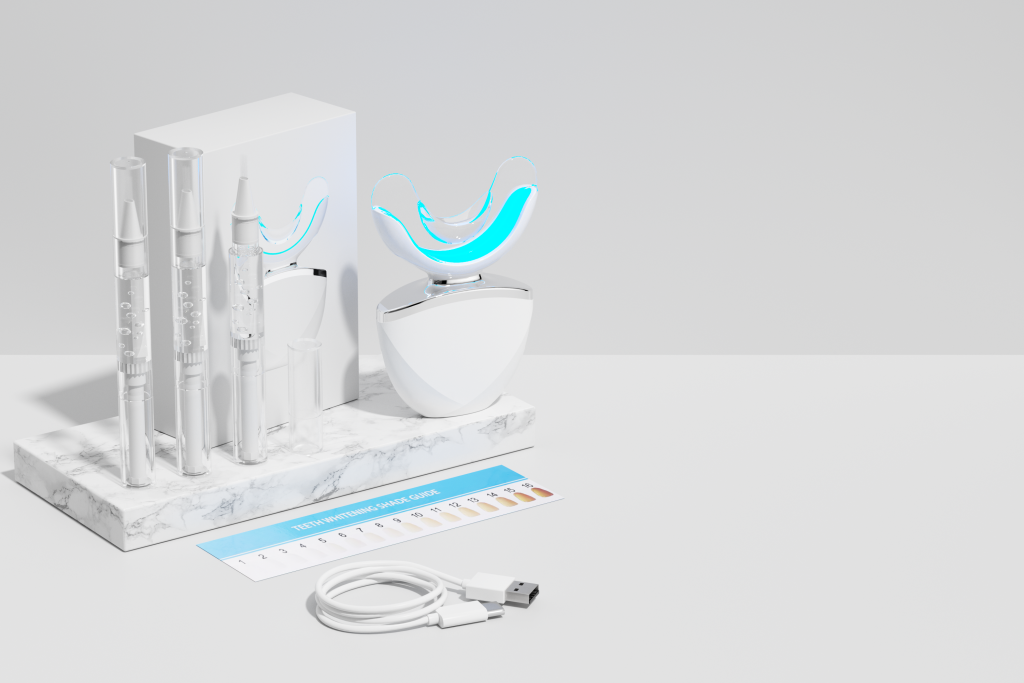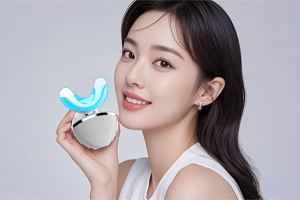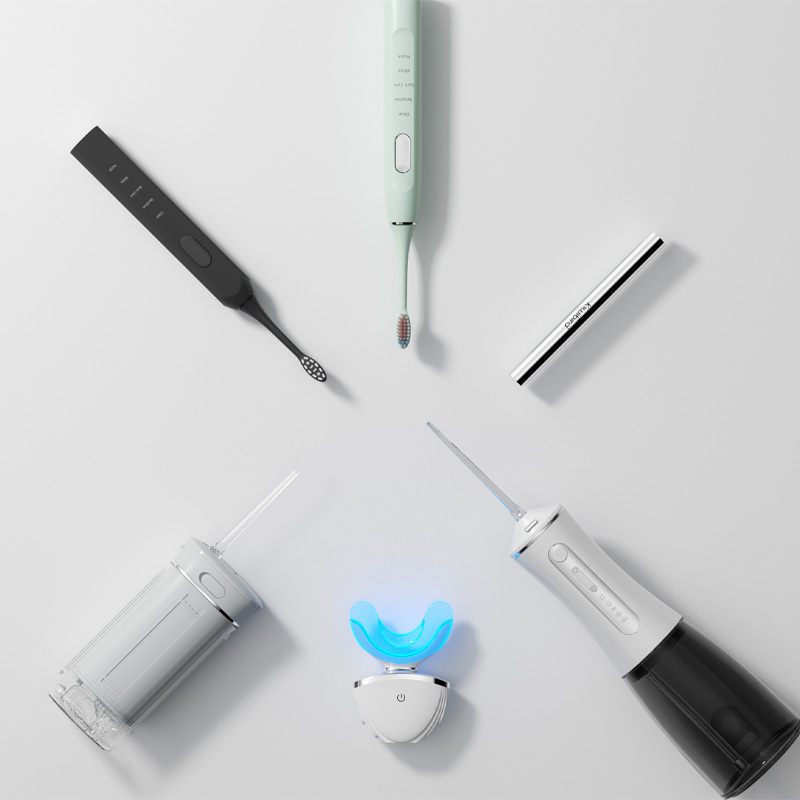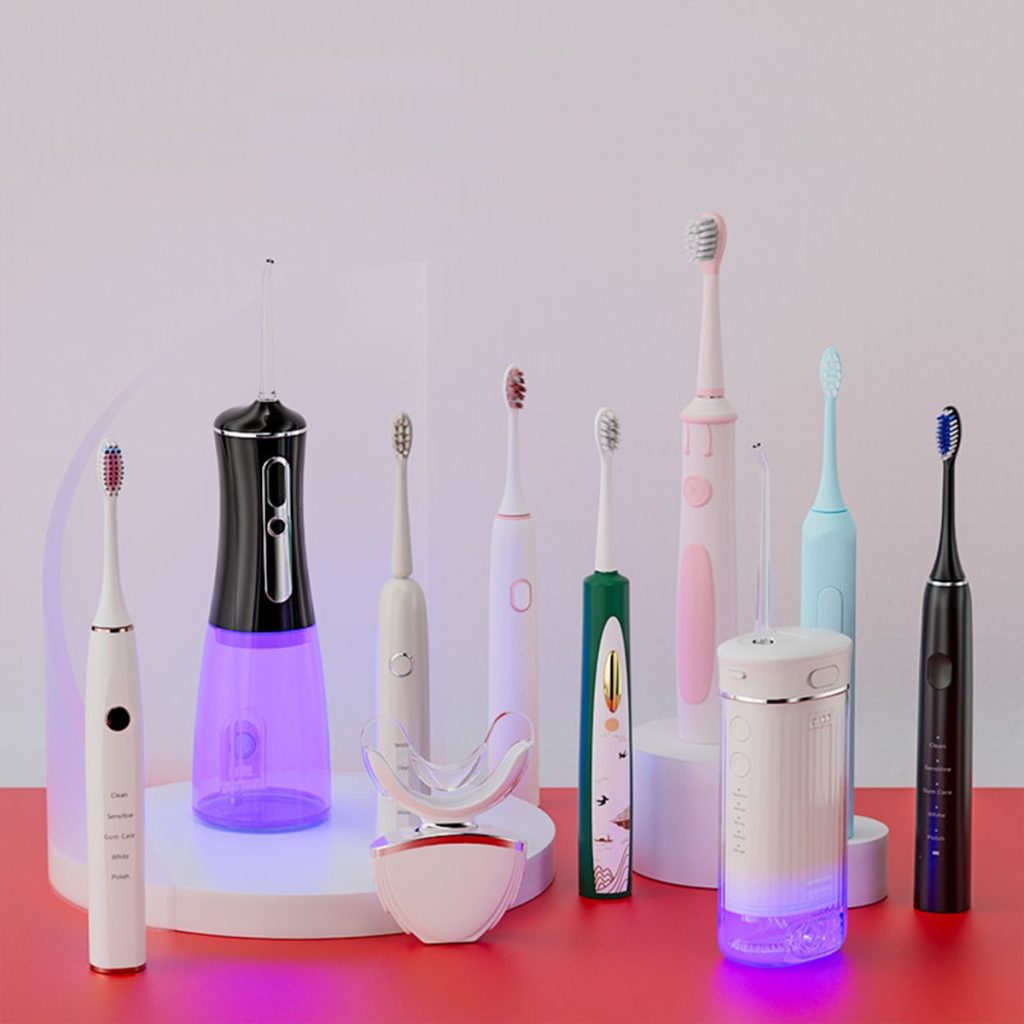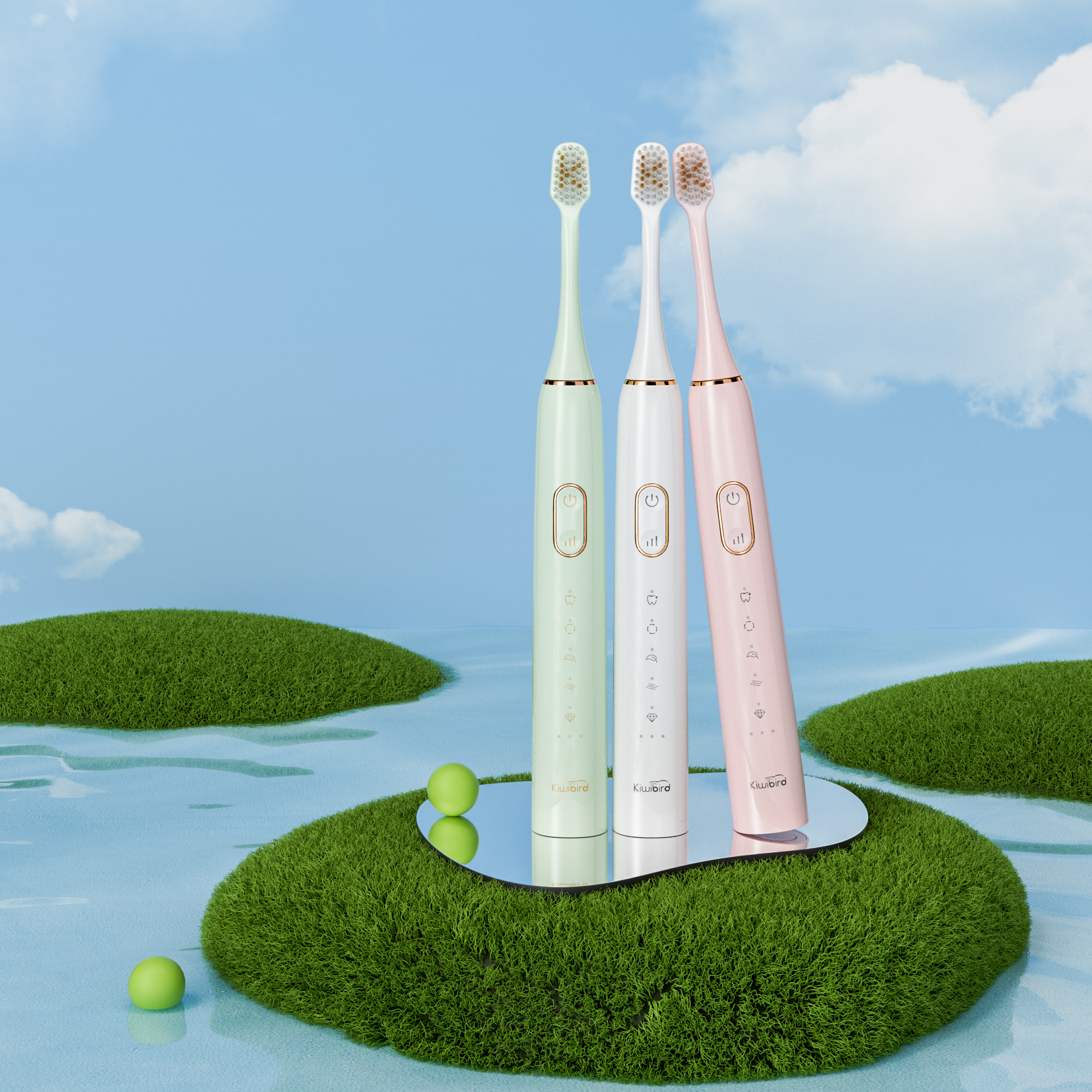
As the demand for aesthetic dental solutions grows globally, teeth whitening continues to be one of the most sought-after cosmetic procedures. For oral care brands and product developers, understanding not only the whitening agents but also the full care cycle — including teeth whitening precare and teeth whitening aftercare — is essential for product positioning, consumer education, and R&D planning. This blog outlines the best teeth whitening practices, helping brand owners create comprehensive oral care solutions that extend beyond the whitening gel or device itself. Whether you're launching a new whitening line or seeking a reliable oral care manufacturer, knowledge of pre- and post-whitening dental care can enhance your brand's credibility and customer satisfaction. How to Prepare for Teeth Whitening: Key Precare Guidelines Before any whitening treatment, a proper precare routine ensures better results and reduced sensitivity. Here are the core elements of how to prepare for teeth whitening: Professional dental cleaning: Encourage users to get a dental cleaning to remove surface stains and tartar before whitening. Desensitizing prep: Recommend the use of toothpaste with potassium nitrate or fluoride 1–2 weeks prior to reduce post-treatment sensitivity. Avoid staining foods: Cut down on coffee, tea, red wine, and tobacco before treatment for at least 48 hours.…
Household teeth whitening products have seen a significant surge in demand. As more people seek convenient ways to enhance their smiles at home, the market for at-home teeth whitening trends is evolving rapidly. For oral care brands aiming to expand their product lines, understanding what fuels this momentum is critical. This article outlines the six main factors behind the rising teeth whitening popularity and why now is the perfect time to collaborate with a reliable manufacturing partner. Growing Consumer Demand for At-Home Beauty Solutions The COVID-19 pandemic shifted consumer behavior toward do-it-yourself self-care. Teeth whitening, once limited to dental offices, is now part of at-home beauty routines. This shift gave rise to a wide acceptance of household teeth whitening products, particularly among millennials and Gen Z users who value privacy, speed, and cost-effectiveness. As a result, at-home teeth whitening trends are becoming a permanent fixture in the global oral care market. Advancements in Whitening Technology and Formulation Recent innovations in formulation—such as PAP (Phthalimidoperoxycaproic acid)-based gels, LED light accelerators, and enamel-safe ingredients—have greatly improved the teeth whitening benefits of home kits. Unlike older peroxide-heavy products, modern whitening systems are safer, faster, and less likely to cause sensitivity. These technological enhancements have given rise to the…
Teeth whitening has become one of the most sought-after cosmetic dental procedures worldwide. With rising demand for over-the-counter whitening products and professional kits, it's critical to focus not only on results but also on safety. Whether you are a dental care brand developing a new whitening line or a distributor seeking a teeth whitening manufacturer, understanding common teeth whitening mistakes is essential to ensure your products align with safety standards and user needs.This blog outlines key things that should be avoided during teeth whitening treatment, both for consumers and for brands aiming to produce safe and effective whitening solutions. Using Unapproved or Unregulated Whitening Agents One of the most common and dangerous teeth whitening mistakes is using unapproved or excessively concentrated whitening agents like hydrogen peroxide or carbamide peroxide. Products not tested or certified can lead to serious side effects such as gum burns, tooth sensitivity, and permanent enamel damage. Tip for Brands: When selecting a manufacturing partner, ensure they use clinically approved and ISO/GMP-certified ingredients. This ensures your product meets international safe teeth whitening treatment standards. Whitening Without a Professional Assessment Attempting whitening without a dentist’s assessment can be risky. Conditions like cavities, gum disease, or existing dental work (crowns, fillings) can complicate treatment…
In today’s booming oral care market, the home teeth whitening device has become a highly sought-after product due to its convenience and effectiveness. However, one common concern reported by end-users is: “Why do my teeth feel sore after using a teeth whitening device?” For oral care product brands, understanding and addressing such feedback is essential — not only for enhancing product design and efficacy but also for choosing the right teeth whitening manufacturing partners who prioritize both safety and performance.This blog explores the most common causes of teeth feel sore during the use of whitening devices, highlights key abnormal phenomena to monitor, and provides insights for brands to consider when developing or sourcing whitening products. Why Do Teeth Feel Sore After Whitening? Tooth sensitivity or soreness is a common reaction reported after using a home teeth whitening device. While temporary, it can raise customer concerns and negatively impact brand perception. The main reasons include: Enamel dehydration: Whitening agents can temporarily remove moisture from the enamel, causing nerves to be more exposed and sensitive. High concentration of peroxide: Many over-the-counter devices use carbamide or hydrogen peroxide; higher concentrations may increase whitening speed but also cause discomfort. Improper fit of trays or strips: Ill-fitting trays…
For oral care brands, user comfort is a major factor in product success. As using teeth whitening devices becomes more popular, users frequently report an unexpected side effect: excessive saliva production. This blog explores whether it's a normal phenomenon during using a teeth whitening device, and how this feedback should influence your product development or supplier choice. Why Does Saliva Increase During Whitening Treatment? When a person places a whitening tray, mouthpiece LED device, or gel applicator into their mouth, the body often responds by secreting a lot of saliva. This is a natural protective reflex triggered by: Foreign object detection – The oral cavity identifies the tray or device as something that needs lubrication or swallowing. Chemical sensitivity – Even safe whitening agents like carbamide peroxide or hydrogen peroxide may mildly stimulate the salivary glands. Increased mouth closure – Devices require the user to keep the mouth closed, which restricts airflow and signals salivation. From a user perspective, this can be uncomfortable—but medically, it is considered a normal phenomenon during using a teeth whitening device. Does Excess Saliva Affect Whitening Performance? Generally, excess saliva does not impact the effectiveness of most teeth whitening treatments, especially if the product is well-designed. However, poorly fitted trays…
First impressions matter—especially on a date. Among all the non-verbal cues we send, a clean, bright smile ranks at the top. That’s why social confidence is closely tied to oral appearance. Consumers are increasingly investing in self-care tools, and the home teeth whitening device has quickly become one of the most popular fresh mouth tools must-have before a date. For oral care brands, this represents a valuable market opportunity that’s not only growing but also diversifying. The Demand Behind Glossy Smiles Today’s consumers are not just looking for basic dental hygiene—they want glossy smiles that shine in selfies, social events, and of course, romantic dates. Whether it’s the first time meeting someone or the hundredth dinner together, whiter teeth boost confidence. According to surveys, over 60% of adults believe that a brighter smile makes a person appear more attractive and trustworthy. Brands that cater to this emotional driver are tapping into a rich market demand. Why Daily Teeth Whitening Is in Place Incorporating whitening into everyday routines is no longer just a luxury—it's becoming a lifestyle. Consumers are choosing daily teeth whitening is in place solutions that are safe, quick, and easy to use. This shift calls for compact, USB-rechargeable, and LED-powered whitening tools…
As consumer interest in cosmetic oral care continues to rise, modern teeth whitening technologies have become a cornerstone of many oral care product portfolios. However, in an increasingly competitive and regulated market, it’s no longer enough for products to simply promise a brighter smile. For oral care brands seeking to establish credibility and market dominance, clinical proof of whitening efficacy is a non-negotiable standard. This blog outlines how various modern teeth whitening technologies compare, explores their clinical validation status, and provides guidance for brands looking to source reliable at-home whitening products manufacturing partners. Overview of Different Teeth Whitening Technologies There are different modern teeth whitening technologies available today, each with its own mechanism, benefits, and market suitability. The main types include: Hydrogen Peroxide-Based WhiteningThe gold standard for both in-office and at-home products. Offers predictable whitening efficacy, especially when combined with LED light systems. Carbamide Peroxide FormulasA slower-acting agent more commonly used in at-home treatments. It converts to hydrogen peroxide over time, providing gradual whitening. LED-Enhanced Whitening SystemsThese systems combine peroxide-based gels with light activation, claiming faster results. Emerging studies support improved efficacy but require more robust clinical proof for long-term impact. Non-Peroxide Alternatives (e.g., PAP, activated charcoal, or blue covarine)Often used in natural or sensitive-teeth products. Clinical…
In the world of whitening treatments, gel leakage has emerged as a critical factor threatening enamel integrity and user confidence. Many B2B customers report a growing incidence of enamel translucency—the gradual thinning and see-through appearance of tooth enamel—following gel leakage incidents during whitening sessions. But is this just a cosmetic setback, or could it signify permanent structural damage? Let’s examine why this problem happens, how serious it is, and what manufacturers can do to safeguard both product quality and consumer trust. What Exactly Is Gel Leakage? Gel leakage occurs when whitening agents, typically peroxide-based gels, escape from their trays or reservoirs due to: Poor tray fit Overfilled reservoirs Material degradation or tearing User mishandling Once the gel seeps beyond intended areas, it contacts unprotected soft tissue and enamel surfaces, prolonging exposure far beyond safe thresholds. Enamel Translucency – A Cosmetic or Structural Threat? Enamel translucency is characterized by a glassy, almost grey appearance of the teeth. This can be more than an aesthetic concern: Repeated overexposure to peroxide accelerates mineral depletion, weakening enamel. Translucent enamel is often more porous, making teeth prone to sensitivity and decay. In severe cases, translucency is irreversible without restorative procedures like bonding or veneers. Thus,…
In today’s competitive personal care market, consumer interest is shifting from single-function devices to comprehensive solutions. The rise of Electric Toothbrush & Whitening Device Combos is a direct response to this trend, offering both daily dental hygiene and cosmetic enhancement in one convenient package. For oral care brands, exploring this category presents a lucrative opportunity to stand out in a crowded space. This blog will explore the market potential of combo products, highlight the advantages of cross-selling, and provide tips for growing consumer demand, with a focus on how brand owners can leverage strategic manufacturing partnerships to bring these oral care kits to market effectively. Why Combo Products Are Gaining Momentum The modern consumer seeks value, efficiency, and results—and bundled oral care kits deliver just that. A package that includes an electric toothbrush and a teeth whitening device fulfills two essential functions: Daily cleaning (via electric toothbrush) Aesthetic enhancement (via whitening system) This dual-purpose value proposition is resonating with health- and beauty-conscious consumers, especially among millennials and Gen Z. Brands that offer oral care kits can tap into both the hygiene and beauty markets simultaneously, dramatically expanding their customer base. Market Potential of Electric Toothbrush & Whitening Device Combos According to recent market analysis, global…
In recent years, Home Teeth Whitening Devices have surged in popularity as consumers seek convenient and affordable solutions for a brighter smile. As the demand grows, so does the need for scientifically backed, high-performing products. For oral care brands aiming to launch or expand their whitening product lines, understanding the home teeth whitening device results behind these devices is crucial. This blog explores the effectiveness of home teeth whitening devices and highlights what brands should consider when selecting a manufacturing partner. Clinical Results: What the Research Shows The most credible way to evaluate any whitening solution is through clinical trials. Recent clinical results on various home teeth whitening devices—from LED light systems to peroxide-based gel kits—demonstrate significant improvement in shade whitening over 7 to 14 days of consistent use. Key findings include: Up to 6 shades of improvement after 10 days of use. 85% of users reported visible results within the first week. Minimal to no tooth sensitivity in products using low-concentration hydrogen peroxide (≤6%). These whitening device results provide compelling data for brands seeking to enter the market with products that deliver both safety and results. Effectiveness of Home Teeth Whitening Devices: Key Factors The effectiveness of home teeth whitening devices depends on a combination…
In today’s competitive personal care market, consumers are increasingly drawn to solutions that offer both effectiveness and convenience. For oral care brands, bundling products like teeth whiteners and high-quality toothbrushes into thoughtfully curated oral care combos represents a powerful strategy to deliver higher-value offerings. Not only does this approach increase consumer satisfaction, but it also opens new growth avenues for brand owners—especially when working with experienced, scalable manufacturers.This blog explores why toothbrush product bundles that include whitening kits are on the rise, and how oral care brands can leverage these bundles to gain market share and maximize customer lifetime value. Market Demand: The Rise of Whitening and Value-Driven Oral Care The global demand for teeth whitener products continues to rise, driven by consumers’ desire for a brighter smile and self-confidence. Simultaneously, users seek more comprehensive and time-efficient oral care routines. Whitening is no longer a luxury; it’s part of many consumers’ daily hygiene. Consumers prefer whitening kits that pair easily with their brushing habits. The popularity of subscription-based or e-commerce oral care brands further drives the need for oral care combos that offer visible results and routine integration. Benefits of Product Bundles: More Than Just Convenience Bundling a toothbrush with a teeth whitener delivers value on multiple levels:…
With increasing awareness around dental aesthetics and convenience, consumers are now shifting from clinic visits to at-home whitening solutions. This growing demand presents an excellent opportunity for oral care brands to expand their product lines with professional-grade teeth whitening devices. In this blog, we explore the advantages of home teeth whitening and why working with experienced OEM suppliers is essential for delivering high-quality, compliant, and innovative products to the market. At-Home Whitening Benefits: Why Consumers Are Switching Modern consumers want results — fast, effective, and safe. Advantages of home teeth whitening include: Convenience: No clinic appointments needed; treatment can be done anytime, anywhere. Affordability: Significantly lower cost compared to professional in-office whitening. Consistency: Ability to perform regular maintenance to prolong results. Brands that provide user-friendly, effective whitening kits can quickly gain a competitive edge in this expanding market. LED Acceleration Technology: Enhancing Whitening Efficiency One of the key innovations behind professional-grade devices is LED acceleration. These systems use blue LED light to activate the whitening gel and speed up the chemical reaction, resulting in faster stain removal with shorter treatment times. Helps improve visible results within days. Non-invasive and heat-free, increasing user comfort and safety. Offers a “tech-forward” brand image for companies…
Over the past few years, consumer interest in cosmetic oral care has surged, with at-home teeth whitening leading the trend. Fueled by social media, lifestyle aesthetics, and accessible technology, Growing Demand for at-home teeth whitening products presents a significant opportunity for oral care brands seeking to expand their product lines. This blog explores the key drivers of this demand, and how brands can respond effectively — especially by finding the right whitening factory or OEM/ODM manufacturing partner. Market Dynamics: Understanding the Teeth Whitening Boom The global teeth whitening market is expected to grow steadily, driven by: The rising influence of appearance-driven consumption. Greater consumer confidence in at-home teeth whitening technologies. Increasing awareness of cosmetic oral care routines.According to industry data, the segment of home-use whitening kits is outpacing professional in-clinic treatments in both growth rate and accessibility, making it a must-have in any brand’s product portfolio. What Consumers Want: Efficacy, Convenience, and Aesthetic Appeal Today's users are looking for: Safe and effective whitening formulas with visible results. Easy-to-use devices (e.g., LED whitening trays, pens, strips). Products that match their lifestyle — minimal time, maximal results.These demands are reshaping how cosmetic oral care products are formulated, packaged, and marketed. Brands that can deliver a premium at-home whitening experience…
In recent years, the rising market potential of at-home teeth whitening device, driven by consumers’ increasing focus on appearance, dental aesthetics, and convenience. As professional cosmetic dentistry treatments remain expensive and time-consuming, a growing number of consumers are turning to home whitening kits as a more accessible solution. For oral care brands, this represents a significant opportunity to expand product lines and capture market share through innovative, affordable at-home solutions. Market Drivers: Why the At-Home Whitening Segment Is Booming Several factors are fueling the rapid expansion of this sector: Increased awareness of dental aesthetics, especially driven by social media and video conferencing culture. Affordability and convenience compared to in-clinic cosmetic procedures. Technological innovation in LED whitening devices and peroxide-free formulas. Wider consumer acceptance of do-it-yourself dental care. As a result, the rising market potential of home teeth whitening kit is projected to reach multi-billion-dollar figures globally in the next few years, with double-digit growth expected particularly in North America, Europe, and parts of Asia. Understanding the Product Landscape: Types of Home Whitening Kits Today's home whitening kits are more advanced than ever. The most popular product categories include: LED-powered whitening devices with blue light activation Whitening pens and strips Foaming toothpastes and gels Wireless smart devices connected to mobile…
In the competitive world of oral care device manufacturing, even minor design or production flaws can trigger unexpected user complaints. Recently, customer feedback has highlighted a curious pairing: taste alteration following tray misalignment in teeth whitening kits. While it may seem like a coincidence, this phenomenon deserves closer inspection from both a design and safety perspective. Could this be an early warning sign of deeper product faults? What Is Tray Misalignment and How Does It Occur? Tray misalignment typically refers to a whitening tray failing to properly conform to the user’s dental arch. This issue can stem from: Poor mold design that doesn’t match universal dental shapes; Low-grade, inflexible materials that distort under pressure or heat; Inaccurate production tolerances during injection molding or thermoforming. A misaligned tray does not sit flush with the teeth, resulting in improper distribution of whitening gel across the enamel surface. Why Does Tray Misalignment Lead to Taste Alteration? When a whitening tray fits poorly, taste alteration becomes a likely side effect for several reasons: Gel leakage: Whitening gel may spill over onto the tongue or soft tissues, where peroxide-based agents create a bitter or metallic aftertaste; Uneven application: Certain areas receive more gel than others,…
As the demand for at-home cosmetic dental solutions continues to rise, the home teeth whitening device has become one of the most sought-after tools in oral care. For oral care product brand owners, ensuring consumer satisfaction doesn't stop at manufacturing quality — it also depends heavily on how well end-users understand proper use. Therefore, communicating the correct precautions during use and guidance on how to maximize the effectiveness of the home teeth whitening device becomes a vital brand responsibility. This article provides a strategic overview for brand managers looking to ensure customer satisfaction and product performance through proper usage education. Understand the Core Mechanism Before Use Before consumers begin whitening treatments, it's essential they understand how the device works — whether it uses LED light activation, peroxide gel, or blue light technology. Without this knowledge, incorrect handling may reduce the effectiveness of the home teeth whitening device. Brand owners should work closely with manufacturers to include simple, multilingual instructions and intuitive visuals. Key Precaution: Avoid using the device without reading the product manual in full. Misuse can lead to tooth sensitivity, gum irritation, or unsatisfactory results. Timing and Frequency: Follow Guidelines Strictly Many users mistakenly assume that longer or more frequent use leads…
As more consumers turn to at-home teeth whitening and oral care devices, reports of enamel transparency and unexpected taste loss are raising alarms among manufacturers. These issues not only affect product effectiveness but also pose serious concerns about long-term oral health. Is this damage permanent—or can B2B suppliers mitigate the risks before products reach the market? What Is Enamel Transparency and Why Does It Matter? Enamel transparency occurs when the protective enamel layer on teeth thins or demineralizes, making the underlying dentin more visible. This results in teeth that appear grayish, bluish, or translucent at the edges—an aesthetic flaw that consumers immediately notice. The causes of enamel transparency in whitening products may include: Excessive peroxide concentration; Prolonged exposure to whitening agents; Poor pH balance in gel formulations; Abrasive additives in toothpastes or strips. Left unaddressed, this condition weakens teeth, increasing sensitivity and making them prone to chipping or erosion.Company web:https://www.powsmart.com/product/electric-toothbrush/ How Taste Loss Is Linked to Oral Care Devices Taste loss is a less visible but equally damaging side effect. Users report diminished ability to sense sweet, salty, or sour flavors after using whitening kits or strong mouth rinses. This can result from: Overexposure of oral soft tissues to peroxide…
In today’s competitive oral care market, offering combinations of oral care products in well-thought-out sets has become a strategic tool for increasing brand visibility and boosting customer loyalty. Whether you're a DTC startup or a growing distributor, knowing how to structure effective bundles can be a game-changer. This article explores different sets of oral care products you can manufacture and package together, along with practical tips for promoting sales and growing your brand footprint. Why Product Combinations Drive Growth Consumers are increasingly drawn to comprehensive oral care routines. Rather than purchasing single items, they are looking for convenient, value-added sets. For brand owners, this offers a golden opportunity: Higher average order value (AOV) Increased perceived value Cross-selling and up-selling opportunities Enhanced customer retention By offering combinations of oral care products that meet diverse user needs (e.g., cleaning, whitening, gum health), brands can expand their product ecosystem and increase customer lifetime value. Popular Oral Care Product Sets to Consider Here are some proven different sets of oral care products that appeal to a broad range of consumers: A. Starter Kits Perfect for first-time buyers or gift packs. Usually include: Electric toothbrush x1 Travel toothpaste x1 Tongue cleaner x1 Optional: Mouthwash sachet x1 B. Whitening Focused Sets…
In today’s oral care market, the demand for at-home teeth whitening solutions is growing rapidly. Consumers are looking for effective, safe, and easy-to-use whitening products—driving a surge in private label and customized solutions. For brand owners, the challenge lies not only in launching a whitening device but also in create differentiated products that stands out in a crowded market. One of the most critical steps in this process is finding and partnering with a reliable teeth whitening device factory that offers both high-quality production and flexible customization options. Why Product Differentiation Matters in the Whitening Market The global oral care market is saturated with generic whitening products. To stand out, brand owners need to focus on: Unique product features (e.g., LED light technology, ergonomic design, multi-use compatibility) Strong brand identity Premium unboxing and user experience Create differentiated products can significantly increase customer retention and brand loyalty. This level of innovation and uniqueness is only possible through close collaboration with a capable and flexible teeth whitening device factory that understands your vision. Key Qualities of a Reliable Teeth Whitening Device Factory Before sourcing a whitening device factory, brand owners should evaluate potential manufacturing partners based on the following criteria: OEM of teeth whitening devices: The…
As consumer interest in at-home beauty and health solutions rises, the whitening device market potential is rapidly expanding. More people are seeking convenient, effective, and affordable ways to improve their smiles—making teeth whitening devices a highly lucrative category. For oral care brands, partnering with a teeth whitening device factory is more than just a supply chain move—it's a strategic decision to boost brand value and stay ahead in a competitive market. Understanding the Whitening Device Market Potential The global market for teeth whitening products is projected to grow steadily over the next decade, driven by: Rising aesthetic awareness Growth of e-commerce and influencer marketing Demand for safe, non-invasive cosmetic procedures This upward trend presents an ideal opportunity for brands to enter or expand within the teeth whitening segment. However, to truly capitalize on this potential, brands must align with a reliable teeth whitening device factory that can offer scalable production and technological innovation. How a Factory Partnership Helps Boost Brand Value Working with a professional teeth whitening device factory enables brands to elevate their market position in several critical ways: Consistent Product Quality: High-precision manufacturing ensures reliable device performance and builds long-term consumer trust. Custom Branding Options: A factory can provide OEM/ODM services that allow…