Info Center
  • How to Deal with Mildew on Your Water Flosser: A Complete Guide

    Water flossers are essential tools for maintaining oral hygiene, but they can develop mildew if not cleaned properly. Mold and mildew thrive in moist environments, making your water flosser a potential breeding ground if neglected. Here’s a step-by-step guide to effectively remove mildew and prevent future growth. 1. Baking Soda Water Cleaning (Natural & Gentle) A simple yet effective way to tackle mildew is by using baking soda water cleaning. Mix one teaspoon of baking soda with warm water and fill the reservoir. Run the flosser for a minute to allow the solution to clean the internal tubing. Baking soda is mildly abrasive and helps break down mold residues without damaging the device. 2. Denture Cleaning Tablets for Deep Chemical Cleaning For stubborn mildew, denture cleaning tablets or effervescent tablets offer a powerful chemical cleaning solution. Drop one tablet into the water reservoir, let it dissolve, and run the flosser for a full cycle. The effervescent action helps remove hidden mold and bacteria while deodorizing the system. 3. Physical Cleaning with Rice (For Nozzles & Small Parts) If mildew accumulates in hard-to-reach areas like the nozzle, try physical cleaning of rice. Fill the reservoir with warm water and a handful of uncooked rice, then shake vigorously.…

    2025-04-03
  • Optimization of Water Pump Type and Oral Irrigator Water Pressure: How to Choose the Right Solution for Your Brand’s Positioning?

    Oral irrigators have become an essential part of modern oral care routines, offering deep cleaning benefits beyond traditional brushing. However, a key factor determining their effectiveness and user experience is the choice of water flosser pump types and water pressure regulation technology. For brands looking to develop a competitive oral irrigator, selecting the optimal pump type and oral irrigator water pressure solution is crucial. This blog will guide manufacturers through the various pump options, ultrasonic pumps, pressure control techniques, and OEM customized solutions to match different brand positioning and target markets. Understanding Different Water Flosser Pump Types The pump is the heart of an oral irrigator, determining water flow strength, stability, and overall performance. The most common water flosser pump types include: Diaphragm Pumps: Provide consistent water pulses for a controlled cleaning effect Ideal for users who prefer moderate and gentle pressure Piston Pumps: Deliver higher water pressure and strong pulses Best for users looking for deep cleaning and plaque removal Ultrasonic Pumps: Utilize high-frequency vibrations to create microbubbles in the water Enhance cleaning efficiency while maintaining gentle pressure on gums Each pump type caters to different consumer preferences, so selecting the right one is key to aligning with your brand’s target market. Water Pressure…

    2025-04-02
  • Uncover 5 Critical Steps to Product Quality Control for Oral Irrigator: How Manufacturers Can Achieve Low Defects Rate

    In the competitive oral care industry, ensuring product quality is essential for brand reputation and customer satisfaction. A single defect in an oral irrigator can lead to leaks, malfunctions, or even safety hazards, damaging a manufacturer’s credibility. To meet high consumer expectations, manufacturers must implement rigorous quality control procedures. This blog outlines the 5 critical steps in oral irrigator quality control, including essential manufacturer's quality inspection standards, IPX7 waterproof testing, and aging tests, to ensure zero defects in production. Raw Material and Component Inspection: The First Line of Defense Quality control begins at the material level. Before production starts, manufacturers must inspect: Plastic components for durability, heat resistance, and consistency Electronic circuits and motors for efficiency and safety Waterproof sealing materials to prevent leaks Implementing strict manufacturer’s quality inspection standards at this stage prevents defects from affecting later production stages. Precision Assembly and Structural Integrity Checks An oral irrigator consists of multiple intricate parts, including water pumps, nozzles, and power circuits. During assembly, manufacturers should ensure: Seamless component integration to avoid performance issues Nozzle and water pump alignment for optimal water pressure Secure sealing and fastening to maintain structural integrity By incorporating real-time inspection during assembly, manufacturers can detect issues before the product reaches the testing phase. IPX7 Waterproof Testing: Ensuring…

    2025-04-02
  • Analysis of the Whole Process of Water Flosser Manufacturing and Production: How Do Professional Manufacturers Ensure High Efficiency and Quality?

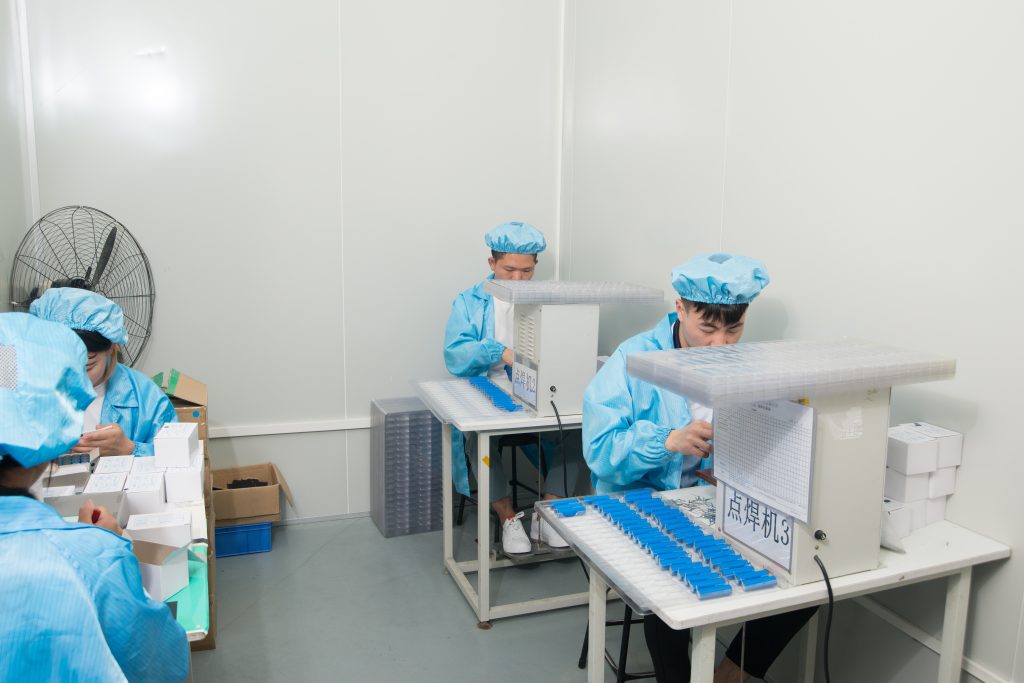
    As demand rises, high-quality tooth flosser manufacturers must focus on both high efficiency and quality in production to stay competitive.This blog provides an in-depth analysis of the whole process of water flosser manufacturing, explaining how professional manufacturers optimize efficiency, ensure durability, and conduct reliability testing to deliver top-tier products. Design and R&D: Laying the Foundation for Quality The first step in water flosser manufacturing is a well-planned research and development (R&D) process. This stage involves: Market research to understand consumer needs Prototype development to test product feasibility Ergonomic and functional design to ensure ease of use During this phase, manufacturers work closely with engineers and designers to create a product that meets both user expectations and industry standards. Material Selection: Ensuring Durability and Safety Choosing the right materials is essential for both high efficiency and quality in production. Common materials used include: ABS and PP plastics for strong and lightweight housing Stainless steel or medical-grade silicone nozzles for hygiene and durability BPA-free water reservoirs to ensure safety Selecting high-quality materials enhances the water flosser’s lifespan and performance, ensuring it withstands daily use. Precision Manufacturing and Assembly: Optimizing Efficiency Professional high-quality tooth flosser manufacturers use advanced manufacturing techniques to achieve precision and efficiency. The production process includes: Injection molding for precise component shaping Automated…

    2025-04-02
  • Water Leakage and Base Rust Alarming QC Teams?

    In today’s increasingly competitive market, product quality has become a key factor for companies to succeed. Recently, many Quality Control (QC) teams have reported frequent issues in production—namely, Water leakage and Base rust—which seriously threaten product reliability and corporate reputation. This article examines the root causes, impacts, and countermeasures for these problems from six key perspectives, helping companies upgrade their quality and control costs. Market Demands and Quality Challenges First, as consumer requirements for product durability and safety continue to rise, every aspect of a product’s appearance and performance must meet strict standards. Recently, the recurring issue of Water leakage not only compromises product aesthetics but also directly endangers the safety of internal electronic components. Meanwhile, Base rust becomes increasingly apparent over time, affecting the overall stability of devices. Faced with these quality challenges, companies must proactively identify problems at their source and implement technological improvements. Analyzing the Causes of Water Leakage Secondly, the issue of Water leakage can stem from several factors. Unreasonable sealing design or unsuitable material choices may lead to decreased sealing performance over time or under changing external conditions. Additionally, insufficient manufacturing precision and assembly process issues can allow moisture to penetrate into the product. For…

    2025-04-02
  • Stream Scattering and High Irritation Frustrating Users?

    In today’s fiercely competitive market, deficiencies in product design details and performance stability increasingly impact user experience and brand reputation. In particular, products in high-precision manufacturing or consumer electronics often face significant challenges due to Stream scattering issues and High irritation phenomena, which have become major points of customer complaints. This article explores these problems from six key perspectives and presents solutions to help companies enhance product quality and gain market recognition. Market Environment and User Expectations First, as consumer demands for product functionality and comfort continue to rise, every detail in performance and appearance can become a focal point for users. Nowadays, users expect not only stable device operation but also interference-free usage. However, the phenomena of Stream scattering (inconsistent flow or signal concentration) and High irritation (excessive discomfort caused by materials or design) can seriously undermine the user experience, potentially leading to returns or recalls. Therefore, manufacturers must thoroughly understand market demands and address these issues specifically. Analyzing the Causes of Stream Scattering Secondly, the Stream scattering issue is primarily manifested as uneven dispersion of fluids, airflow, or signals within the device, resulting in energy loss or reduced transmission efficiency. Causes for this phenomenon may include: Structural design…

    2025-04-02
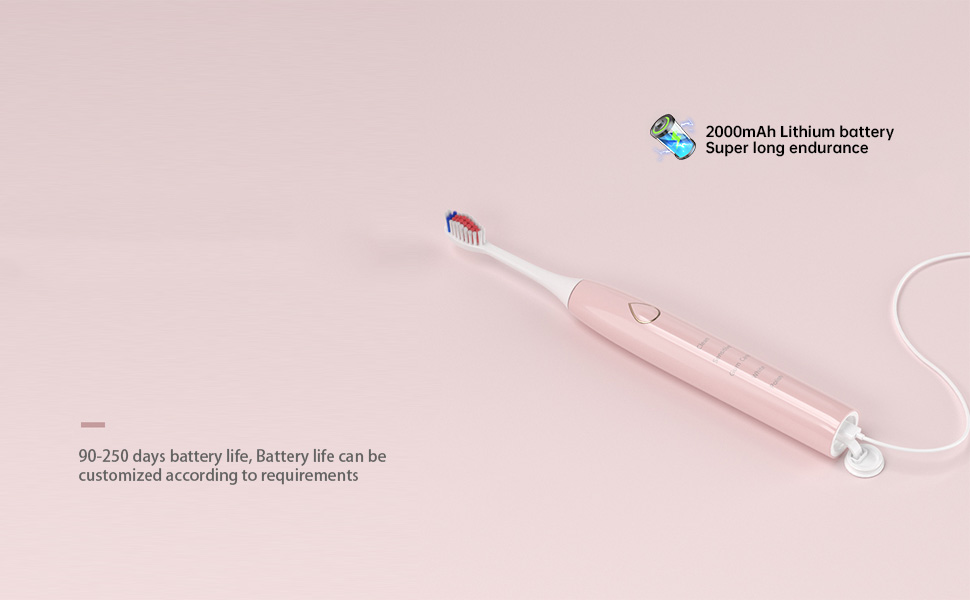
  • How to Solve the Problem of Low Battery in Electric Toothbrushes?

    Electric toothbrushes are designed for long-lasting performance, but users occasionally report issues with low battery life or charging problems. If you are experiencing these concerns, here’s a guide to help you troubleshoot and resolve the issue efficiently. 1. Possible Causes of Low Battery Performance Before attempting fixes, it’s important to identify the possible causes behind the battery issue. Common reasons include: The battery itself may be aging or degraded after prolonged use. Battery not charging due to poor contact or charging interruptions. The charging cable or charging dock is damaged and cannot be charged properly. The bottom of the machine is dirty, preventing proper charging contact. Software or firmware glitches affecting power management. Understanding these factors helps in applying the right solution. 2. Try to Eliminate the Method: Basic Troubleshooting If users report a sudden drop in battery life, encourage them to try to eliminate the method with these steps: Restart the toothbrush: Turn it off and on again (if applicable) to reset any temporary issues. Check the charging connection: Ensure the toothbrush is properly seated on the dock. Inspect for visible damage: Look for frayed cables or cracks in the charging base. Clean the charging contacts: Wipe the bottom of the toothbrush and the dock with a dry cloth.…

    2025-04-02
  • How to Prevent Water from Enter the Handle of an Electric Toothbrush?

    Electric toothbrushes are essential tools for maintaining oral hygiene, but their performance and longevity can be compromised if water enter the handle. Moisture intrusion may lead to malfunctions, reduced battery life, or even permanent damage. To help you avoid prevent water enter the handle, here are some practical tips to keep your electric toothbrush handle dry and functioning optimally. 1. Understand the Fault Manifestation of Water Damage Before diving into prevention methods, it’s important to recognize the signs of water damage in an electric toothbrush. Common fault manifestations include: Reduced vibration or power Intermittent operation Failure to charge Unresponsive buttons Visible condensation inside the handle If you notice any of these issues, moisture may already have entered the handle. Taking preventive measures early can save your device from irreversible damage. 2. Avoid Contact of Hot Water with Electric Toothbrushes Many users rinse their electric toothbrushes under hot water, but this can be harmful. Thermal expansion and contraction caused by hot water may weaken the seals and gaskets designed to keep water out. Over time, repeated exposure to high temperatures can degrade the waterproofing materials, allowing water to penetrate. Instead, use lukewarm or cold water for cleaning. 3. Shake the Handle Dry After Use A…

    2025-04-02
  • Button Failure and Bristle Deformation Causing Recalls?

    In today’s highly competitive personal care and home appliance market, maintaining product reliability is crucial for brand reputation and customer retention. However, Button failure and Bristle deformation have become major concerns, leading to an increasing number of product recalls. These issues not only result in financial losses but also damage consumer trust. In this article, we will explore the causes behind these failures and outline effective strategies to prevent them. The Growing Impact of Product Recalls Product recalls are more than just a logistical headache; they can significantly impact a company’s brand image and financial health. When customers experience Button failure, where buttons become unresponsive, stuck, or loose, they quickly lose confidence in the product. Likewise, Bristle deformation in toothbrushes or cleaning devices can compromise functionality, leading to dissatisfaction and potential safety concerns. The rise in global consumer protection standards means that these issues must be addressed before they reach the market. Identifying the Causes of Button Failure Button failure is often caused by poor material selection, inadequate structural design, or inconsistent manufacturing processes. Common issues include: Low-quality plastic or rubber materials that degrade over time, leading to cracks or stiffness. Faulty internal mechanisms, such as weak springs or improperly…

    2025-04-02
  • The Reasons and Solutions for the Electric Toothbrush Not Responding When Turned On

    Electric toothbrushes are essential tools for maintaining oral hygiene, but like any electronic device, they can occasionally malfunction. If your electric toothbrush isn’t responding when turned on, several factors could be at play. Below, we explore the common reasons and provide practical solutions to get your electric toothbrush working again. 1. Low Battery – The Most Common Culprit A low battery is the most frequent reason an electric toothbrush fails to turn on. If the device hasn’t been charged in a while, it may simply lack the power to start. Solution: Connect the adapter to charge for at least 2 hours before attempting to use it again. If the toothbrush still doesn’t respond after charging, the battery may be depleted and require replacement. 2. Short Circuit Protection Caused by Static Electricity Some electric toothbrushes have built-in short circuit protection to prevent damage from power surges or static electricity. If the device was exposed to a sudden electrical discharge, it may temporarily shut down. Solution: Disconnect the charger (if plugged in) and wait 10-15 minutes before trying to turn it on again. If the issue persists, reset the toothbrush according to the manufacturer’s instructions. 3. Charging Connection Issues A faulty charging dock or dirty contact points…

    2025-04-02
  • Reducing Electric Toothbrush Auto power-On Failure Rates: Manufacturer’s 3-Fold Guarantee from Design to Assembly

    One of the most common concerns in electric toothbrush manufacturing is electric toothbrush auto power-on failure—when the device turns on unintentionally due to accidental touches, design flaws, or assembly inconsistencies. For manufacturers, reducing this failure rate is critical to maintaining product reliability, improving customer satisfaction, and reducing warranty claims. This blog explores a 3-fold guarantee that ensures a reliable electric toothbrush from design to assembly, incorporating anti-touch design, rigorous reliability testing, and comprehensive manufacturer's solutions. https://www.powsmart.com/contact-us/ Smart Design: Implementing an Effective Anti-Touch Mechanism An essential step in preventing electric toothbrush auto power-on failure is optimizing the button and sensor design. Manufacturers can integrate: Recessed or shielded power buttons – Reducing accidental activation from storage or handlingTouch-sensitivity calibration – Ensuring the device only responds to intentional user inputMulti-step activation mechanisms – Such as requiring a long press or double-tap to turn on This anti-touch design approach minimizes the risk of accidental activation while maintaining a smooth user experience. Component Selection: Enhancing Switch and Circuit Stability High-quality components ensure long-term reliability. Manufacturers must focus on: Durable switches – Using high-quality mechanical or capacitive buttons with precise activation forceStable PCBA layout – Preventing signal interference that could cause unintended power-on eventsWaterproof and dustproof protection – Shielding circuits from moisture-related malfunctions Careful component…

    2025-04-01
  • Why Choose Us? 5 Reasons to Trust the Manufacturer of Oral Care Products

    In the competitive oral care industry, finding a trustworthy electric toothbrush manufacturer is essential for brands looking to launch high-quality products. Whether you need Oral Care ODM/OEM solutions or a long-term manufacturing partner, selecting a company with the right expertise and credentials is critical. With 20+ years of manufacturing experience and international certification, we provide reliable, high-quality production for global brands. Here are five reasons why you should choose us as your oral care manufacturing partner.https://www.powsmart.com/ Years of Manufacturing Experience in the Oral Care Industry Experience matters when it comes to precision manufacturing and product innovation. With over 20 years of manufacturing experience, we have:1) A deep understanding of market trends and customer needs2) Proven expertise in producing high-performance electric toothbrushes and oral care products3) A track record of successful partnerships with global brands Our extensive experience ensures that we can deliver high-quality products efficiently, meeting the evolving demands of the oral care industry. Full-Service ODM/OEM Solutions for Your Brand As a professional Oral Care ODM/OEM manufacturer, we provide end-to-end services, including:Product design & development – from concept to mass productionCustom branding & packaging – to enhance your market presenceFlexible manufacturing capacity – to support small and large orders Whether you need a custom-designed electric toothbrush or…

    2025-04-01
  • Voltage Tripping and Sterilizer Corrosion Hindering Exports?

    In today’s increasingly competitive global market, product quality and stability have become key factors for companies aiming to secure overseas markets. However, many enterprises are encountering frequent issues with Voltage tripping and Sterilizer corrosion during export processes. These problems not only affect the normal functioning of the products but also severely hinder export growth. This article explores the causes and solutions for these challenges from six key perspectives to help companies boost their product competitiveness and achieve stable export performance. Market Conditions and Export Pressures Firstly, as international demand for high-quality electrical equipment and medical devices continues to grow, exported products must exhibit stable electrical performance and durable material properties. In practice, frequent Voltage tripping issues lead to unexpected power interruptions in overseas markets, while Sterilizer corrosion during transportation or prolonged use adversely affects both the product’s appearance and functionality. As a result, companies are under unprecedented pressure to meet international quality standards. Analyzing the Root Causes of Voltage Tripping Secondly, Voltage tripping issues often arise from factors such as inadequate circuit design, improper component selection, or insufficient control over manufacturing processes. For instance, if critical components within the power management system cannot withstand voltage fluctuations or overload, the built-in…

    2025-04-01
  • Electric Toothbrush Precision Mold Shell Manufacturing: How to Balance Aesthetics and Durability?

    The electric toothbrush market is growing rapidly, and consumers are demanding not only high-performance devices but also aesthetically pleasing and durable designs. As manufacturers, finding the right balance between aesthetics and durability in electric toothbrush precision mold manufacturing is crucial. This blog explores how to achieve high-quality electric toothbrush handle shell customization, the best material choices like ABS/PP material, and how industrial design support plays a key role in developing innovative, durable, and visually appealing products. Material Selection: ABS vs. PP for Electric Toothbrush Shells Choosing the right material is the foundation of manufacturing durable and aesthetically pleasing toothbrush shells. ABS (Acrylonitrile Butadiene Styrene): High impact resistance and durability Smooth surface finish, ideal for premium design Excellent mechanical strength for long-term use PP (Polypropylene): Lightweight and resistant to moisture High flexibility and chemical resistance Cost-effective for large-scale production By selecting the appropriate ABS/PP material, manufacturers can ensure that the electric toothbrush shell meets both design and durability requirements. Precision Molding: Ensuring Consistency and Quality Electric toothbrush precision mold technology is essential for achieving high-quality production. The precision molding process ensures: Consistency in design: Every toothbrush handle shell must have a uniform shape and finish. Minimized defects: Advanced molding techniques reduce warping, shrinkage, and surface…

    2025-04-01
  • Battery Drain and Compatibility Issues Triggering Claims?

    In today's highly competitive electronics market, product performance and user experience are critical to earning customer trust. However, in recent years, an increasing number of complaints and claims have focused on inadequate battery performance and system compatibility problems. This article explores the impact of Battery drain and Compatibility issues on products from six key perspectives, and offers corresponding solutions to help companies stand out in the market. Market Demand and User Expectations Firstly, as smart devices and portable products become more widespread, consumers have higher expectations for battery life and product compatibility. Customers not only expect devices to operate reliably for long periods, but also desire seamless integration among components. Any occurrence of Battery drain may cause the product to lose power at critical moments, while Compatibility issues can prevent the entire system from functioning as intended. Thus, understanding market demand and user expectations is the first step for companies to improve product design and manufacturing processes. Analyzing the Root Causes of Battery Drain Secondly, Battery drain is often caused by factors such as an inadequately designed battery management system, imprecise power consumption control, or mismatched components. Batteries may rapidly lose charge under heavy loads, temperature fluctuations, or during long…

    2025-04-01
  • How to Relieve Wisdom Teeth Migraine and Headache: Effective Solutions

    Wisdom teeth pain can trigger severe headaches or migraine due to pressure, inflammation, or infection. If you're experiencing discomfort while waiting for dental treatment, these strategies can help manage the pain effectively. 1. Aspirin Therapy for Pain and Inflammation For temporary relief, aspirin therapy can help reduce both pain and inflammation associated with wisdom teeth. Always follow dosage instructions and consult your dentist or doctor before using pain medication, especially if you have underlying health conditions. 2. Salty Rinses to Reduce Swelling and Discomfort Warm salty rinses (1/2 teaspoon salt in warm water) can soothe irritated gums and reduce bacteria around erupting wisdom teeth. Swish gently 2-3 times daily to keep the area clean and minimize infection risk. 3. Gentle Cleaning with an Electric Toothbrush An electric toothbrush with a soft-bristled head can help clean around sensitive wisdom teeth without excessive pressure. Avoid vigorous brushing near the affected area to prevent further irritation. 4. When Extraction of Wisdom Teeth Is Necessary If headaches persist due to impacted or infected wisdom teeth, extraction of wisdom teeth may be the best long-term solution. Consult your dentist for an X-ray and professional assessment to determine if removal is needed. 5. Water Flossers for Gentle, Effective Cleaning A water flosser can flush out food…

    2025-04-01
  • Does Coconut Oil teeth whitening? The Truth About Oil Pulling

    In recent years, coconut oil has gained popularity as a natural teeth whitening remedy through a practice called oil pulling. But does it really work? Let's examine the science behind coconut oil for oral health and compare it to modern whitening solutions. 1. The Science Behind Coconut Oil's Antibacterial Properties Coconut oil contains lauric acid, which has proven antibacterial properties that can reduce harmful oral bacteria. While this helps maintain overall oral health, the whitening effects are often overstated. The oil's primary benefit lies in its ability to combat bacteria that cause plaque buildup rather than directly whitening teeth. 2. Prevention of Mouth Odour Through Bacterial Reduction One proven benefit of coconut oil pulling is prevention of mouth odour. By reducing bacteria that cause bad breath, coconut oil can leave your mouth feeling fresher. However, this effect is temporary and doesn't replace regular brushing or address deeper discoloration issues. 3. Supporting Gum Health But Limited Whitening Power Regular oil pulling may contribute to prevention of gum disease by reducing inflammation and bacterial load. Healthier gums create a better foundation for white teeth, but coconut oil alone cannot remove deep stains or significantly brighten tooth shade. 4. How Coconut Oil Compares to Teeth Whitening Strips Modern…

    2025-04-01
  • Nozzle Removal Issues and Silicone Cracks Inflating Costs?

    In today's highly competitive market, product quality and manufacturing processes directly impact cost control and brand reputation. Particularly in precision manufacturing, recurring problems such as Nozzle removal difficulties and the presence of Silicone cracks are gradually driving production costs upward. This article explores these challenges from six key perspectives and offers solutions to help companies optimize costs and enhance quality. Market Status and Challenges Firstly, rising consumer demand for high-quality products has set higher requirements for production processes. However, during actual manufacturing, Nozzle removal challenges frequently occur, complicating subsequent cleaning and replacement processes. At the same time, the emergence of Silicone cracks not only affects the product's appearance but also compromises its sealing performance and service life. Consequently, these two issues are becoming significant challenges for companies, directly leading to increased rework rates and overall cost escalation. Uncovering the Root Causes of Nozzle Removal Issues Secondly, it is essential to delve into the specific causes behind Nozzle removal issues. Typically, these problems may stem from design flaws, inappropriate material selection, or inadequate process control. Under the pressure of high-speed production, unreasonable mold design or insufficient maintenance of automated equipment may result in difficulties with nozzle disassembly and replacement. Therefore, companies…

    2025-04-01
  • Is Chewing Ice Bad for Your Teeth? The Hidden Dangers Explained

    Many people enjoy chewing ice, especially on hot days, but this seemingly harmless habit can wreak havoc on your dental health. While it may feel refreshing, ice chewing poses serious risks to your teeth and dental work. Let's examine why you should break this habit and how to protect your smile. 1. Ice Chewing Erodes Tooth Enamel - Your Teeth's Protective Shield Your enamel is the hardest substance in your body, but it's no match for ice's rigid crystalline structure. The extreme hardness of ice creates micro-fractures in enamel over time, weakening your teeth's natural defense against decay and sensitivity. Once enamel is gone, it doesn't grow back. 2. Risk of Fractured Teeth - A Dental Emergency Waiting to Happen Chewing ice dramatically increases your chances of fractured teeth. The pressure from biting down on ice can cause hairline cracks or even complete tooth breaks, potentially requiring expensive treatments like crowns or root canals. Molars are particularly vulnerable due to their chewing function. 3. Ice Destroys Dental Fillings - Compromising Your Restorations If you have any dental fillings, ice chewing is especially dangerous. The expansion and contraction caused by temperature changes can loosen fillings, while the chewing force may crack them. This creates openings…

    2025-04-01
  • How Waterproof Technology Patents Enhance the Competitiveness of water flossers?

    With the increasing demand for high-performance and long-lasting oral care products, waterproof technology has become a crucial factor in the competitiveness of electric toothbrushes and water flossers. Electric Toothbrush Waterproof Patents play a key role in ensuring product durability, preventing water damage, and improving user experience. This article explores how IPX7 Waterproof Technology and patented innovations help overcome the water ingress problem of water flossers, ensuring reliable quality and enhancing brand value. https://www.powsmart.com/about-powsmart/ The Role of IPX7 Waterproof Technology in Electric Toothbrushes One of the most widely adopted waterproof standards in the industry is IPX7 Waterproof Technology. This standard ensures that electric toothbrushes can withstand immersion in water up to 1 meter deep for 30 minutes. Key benefits of incorporating IPX7 waterproofing include: Extended Product Lifespan: Prevents internal circuits from being damaged by water, ensuring long-term reliability. Enhanced User Experience: Allows users to safely use the device in the shower or rinse it under running water without concerns. Improved Market Competitiveness: Products with certified waterproof ratings are more appealing to consumers, driving sales and brand recognition. How Waterproof Patents Provide Competitive Advantages? Patented waterproof technologies give manufacturers a significant edge in the market by offering unique solutions that competitors cannot easily replicate. The benefits…

    2025-03-31