Info Center
  • How Important Is Waterproof Testing for Electric Toothbrushes?

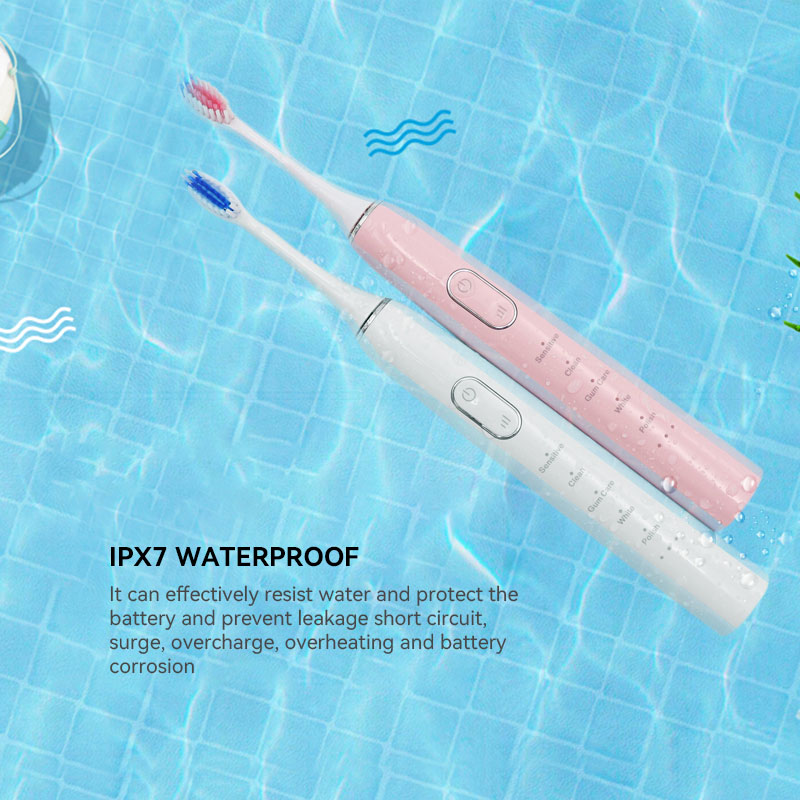
    As a professional manufacturer of electric toothbrushes, we understand that waterproof performance isn't just a feature - it's a fundamental requirement. Here's why rigorous waterproof testing should be non-negotiable in your production standards. 1. Why 100% TEST Matters for Every Unit Unlike sample testing, implementing 100% TEST waterproof verification ensures no defective unit reaches consumers. Our production line automatically subjects each toothbrush to full immersion testing, catching even the slightest seal imperfections that could lead to water damage. This commitment to comprehensive testing has reduced our warranty claims by 37% year-over-year. 2. The IPX7 Standard: Minimum Requirement for Safety IPX7 certification (30 minutes at 1 meter depth) represents the baseline for quality electric toothbrushes. We go beyond this standard with our proprietary 72-hour accelerated water resistance test that simulates years of bathroom conditions. Products that pass this extreme evaluation maintain perfect functionality even after prolonged real-world use. 3. Before Inspection: Building Waterproofing Into Design True waterproofing begins before inspection at the design phase. Our engineering team uses: Ultrasonic welding for seamless housing Dual-layer silicone gaskets at all entry points Nano-coating on internal circuitsThis proactive approach ensures our products are born waterproof, not just tested to be so. 4. The Hidden Costs of Water Damage A…

    2025-04-10
  • Do I Need to Consider the Appearance Design When Choosing an Electric Toothbrush?

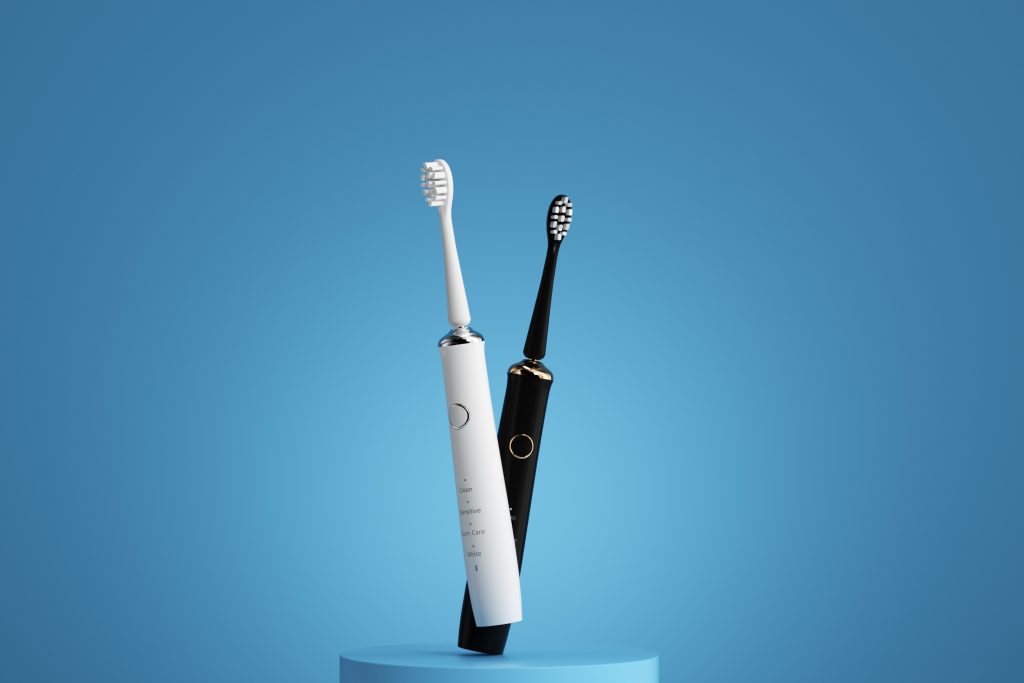
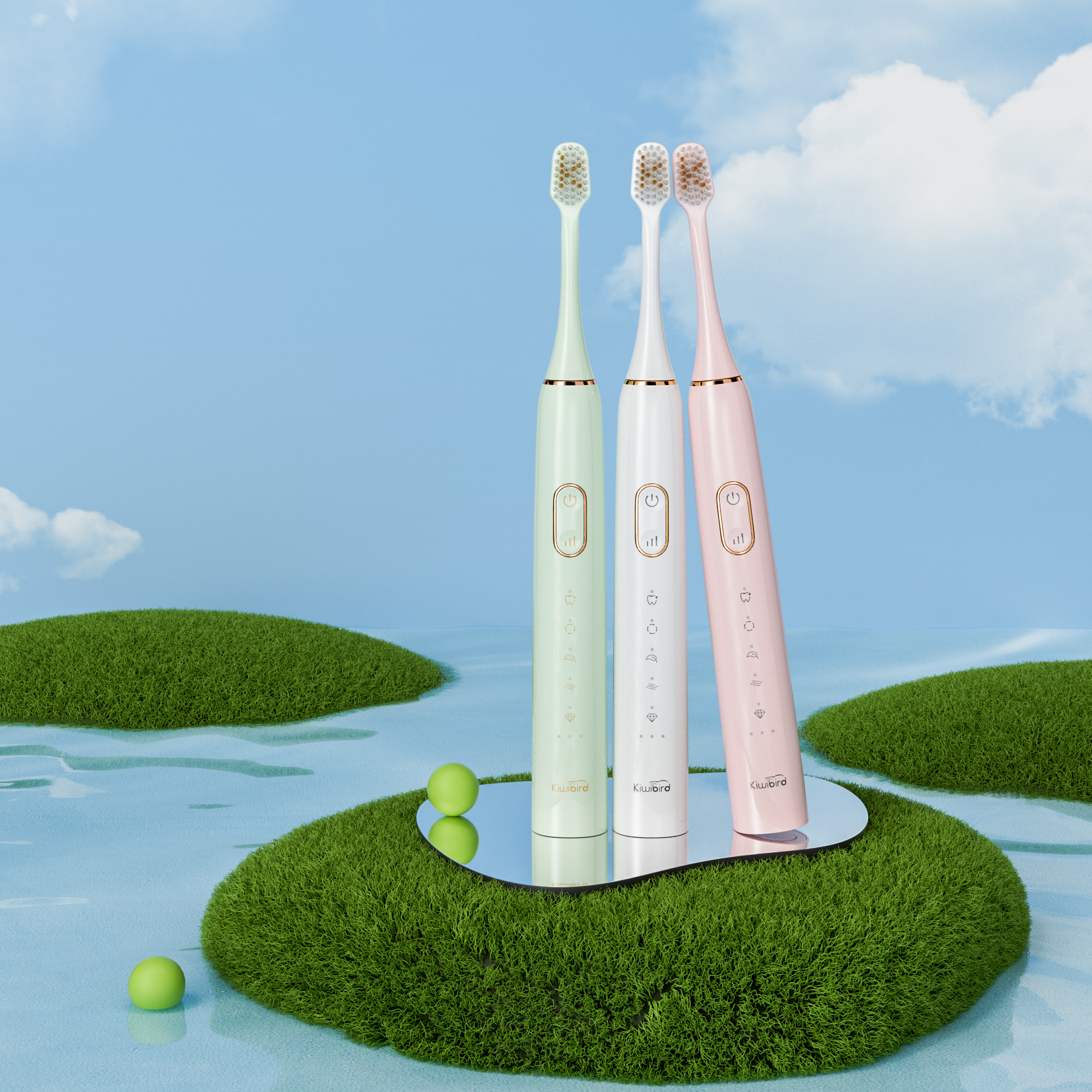
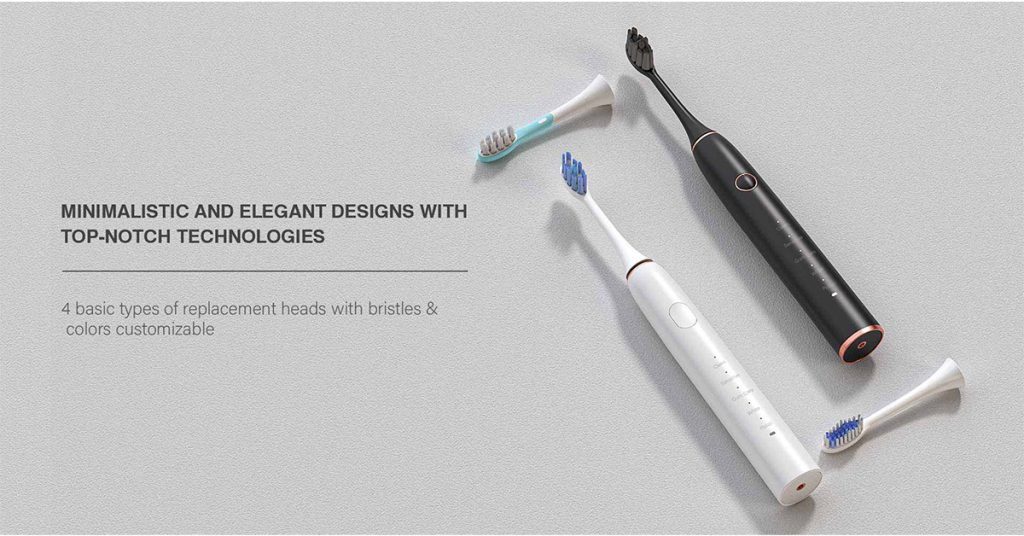
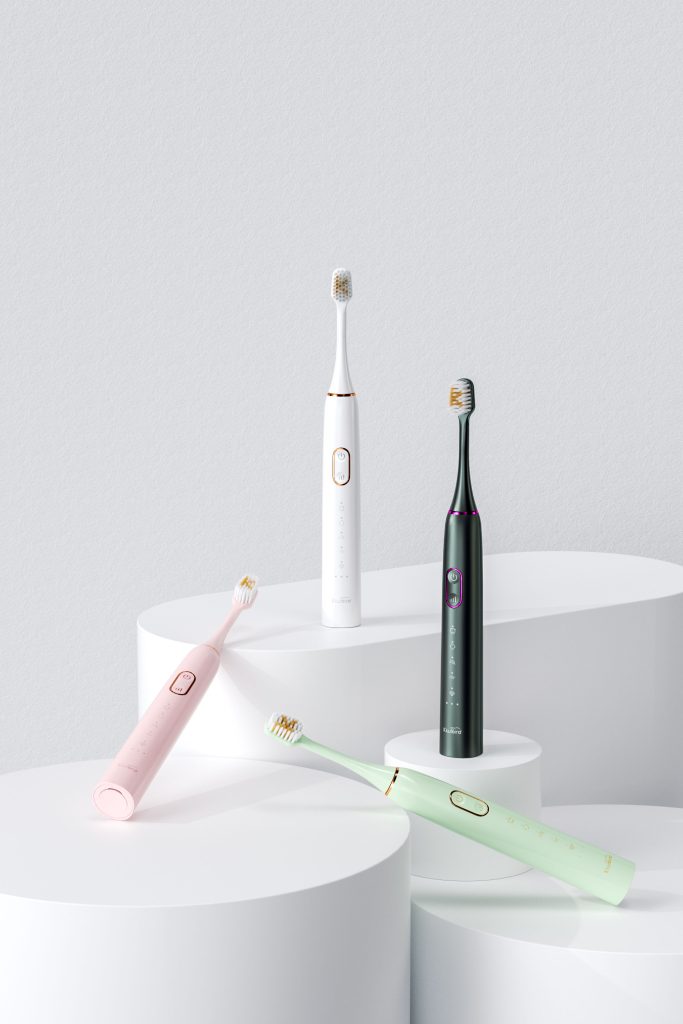
    When selecting an electric toothbrush, most consumers focus primarily on technical specifications like brushing modes and battery life. However, as a professional manufacturer, we know that appearance design plays an equally crucial role in product success. Here's why appearance matters more than you might think in the electric toothbrush market. 1. First Impressions Matter: Beautiful Design Sells A beautiful electric toothbrush creates immediate visual appeal on retail shelves and online stores. Our market research shows that 68% of consumers will pick up a toothbrush based on its aesthetics before even checking the specifications. The sleek curves and modern finishes of our premium models consistently outperform plainer competitors in sales. 2. Ergonomic Design for Comfortable Daily Use Beyond looks, good appearance design means creating a comfortable grip that fits naturally in the hand. Our patented contoured handles reduce muscle strain during brushing, with textured surfaces that provide secure hold even when wet. This combination of form and function leads to better brushing habits and improved oral health outcomes. 3. The Perfect Fit Between Design and Functionality The best electric toothbrushes achieve a perfect fit between aesthetic appeal and practical features. Our design team works closely with dental professionals to create brushes where every curve serves a purpose - from the angled…

    2025-04-10
  • How to Choose the Right Nozzle for Your Water Flosser

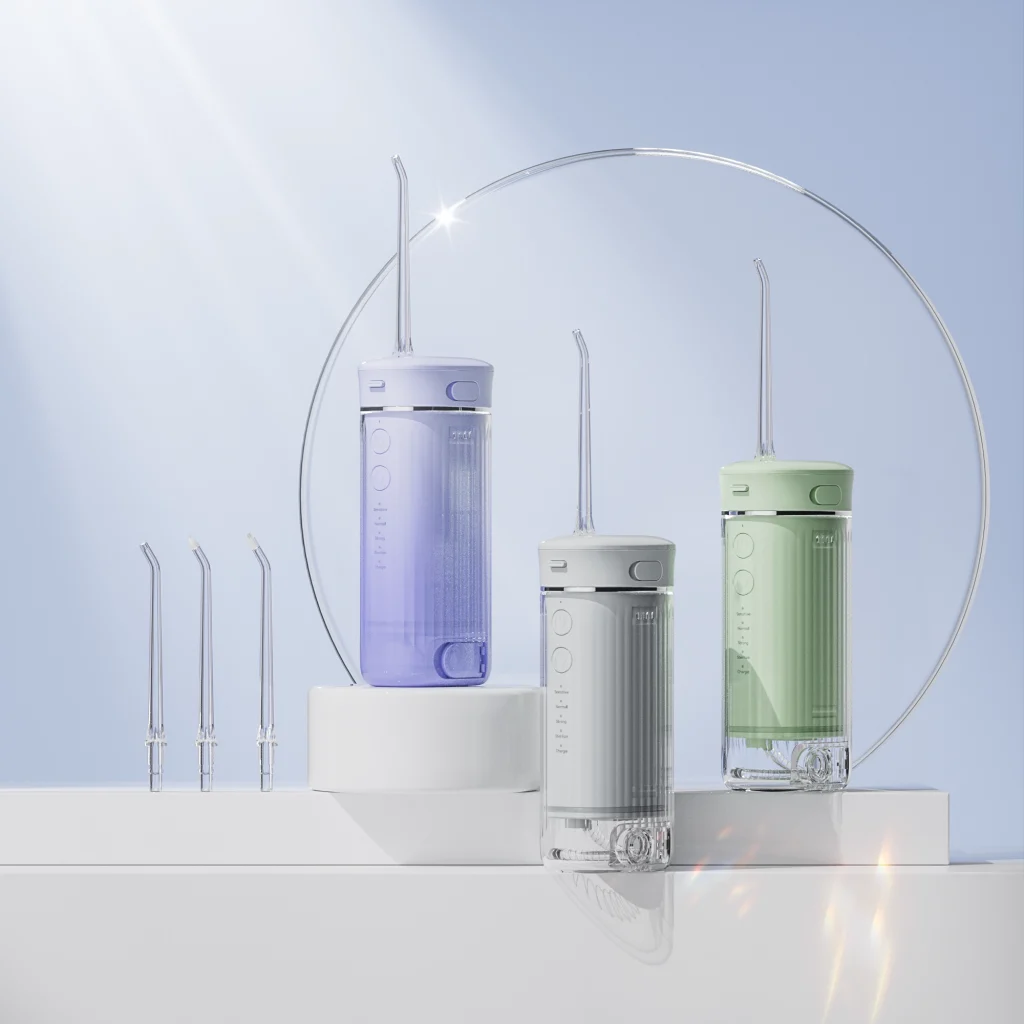
    A water flosser is only as effective as the nozzle you use with it. With various specialized tips available, selecting the right one can significantly enhance your oral hygiene routine. Whether you're a dental professional recommending products to clients or a manufacturer educating buyers, understanding nozzle options is key. Here's your professional guide to choosing the perfect water flosser nozzle. 1. Standard Nozzle - The Foundation of Daily Care The Standard nozzle serves as the workhorse of water flossing, designed for routine daily use. Its balanced water pressure effectively removes up to 99.9% of plaque from treated areas, making it ideal for general maintenance. For B2B buyers, this should be your baseline offering - the essential tip that meets most users' everyday needs while maintaining excellent gum health. 2. Sensitive Nozzle - Gentle Yet Effective Cleaning Recognized by its softer spray pattern, the Sensitive nozzle is specifically engineered for patients with gingivitis, recent dental work, or those new to water flossing. Clinical studies show this tip reduces gum bleeding by up to 50% compared to standard flossing. For dental practices sourcing equipment, this nozzle demonstrates your commitment to patient comfort and care. 3. Tongue Scraper Nozzle - Comprehensive Oral Hygiene The Tongue Scraper attachment addresses a…

    2025-04-10
  • Electric Toothbrush Precision Mold Shell: How to Achieve Durability and Beautiful Design?

    As the demand for smart and stylish oral care products rises, manufacturers of electric toothbrushes face a dual challenge: how to ensure long-term durability while also delivering a visually appealing design. At the heart of this lies the quality of the electric toothbrush precision mold shell, the choice of materials, and the strength of design-engineering collaboration. This article outlines the six key strategies manufacturers use to create electric toothbrush shells that are both durable and attractive, naturally incorporating the keywords "Electric toothbrush mold", "shell customization", "ABS/PP material", and "industrial design support". Precision Mold Design: The Foundation of a Reliable Shell The first step in producing a high-quality toothbrush precision mold shell is developing a high-precision electric toothbrush mold. A well-designed mold ensures: Consistent dimensions and tight tolerances Seamless fit with internal components A smooth, refined surface ready for finishing touches By investing in precision mold technology, manufacturers lay the groundwork for both durability and visual appeal right from the tooling stage. Smart Material Selection: ABS/PP for Optimal Performance Choosing the right materials is critical for performance. The most common choices for toothbrush shells are ABS (Acrylonitrile Butadiene Styrene) and PP (Polypropylene): ABS material: Offers high impact resistance, excellent dimensional stability, and…

    2025-04-09
  • Analysis of the Core Components of Electric Toothbrush: How Do High-Performance Motors Improve Cleaning Efficiency?

    As electric toothbrushes continue to gain popularity, consumers are placing greater emphasis on cleaning power, comfort, and overall user experience. Core components of electric toothbrush — the electric toothbrush motor.This blog explores how high-performance motors, especially magnetic levitation motors powered by sonic technology, significantly enhance brushing efficiency. We’ll also cover how manufacturers can offer OEM customized solutions to help brands tailor performance for different user needs. Understanding the Electric Toothbrush Motor: The Core Driver of Cleaning Action The electric toothbrush motor is the core component of electric toothbrush that drives brush head movement, converting electrical energy into high-frequency mechanical oscillation. Its precision and power directly affect: Brushing speed (vibrations per minute) Stroke amplitude User comfort and noise level A well-designed motor ensures consistent motion and optimized vibration, delivering thorough plaque removal while protecting gum tissue. Magnetic Levitation Motor: Elevating Vibration Efficiency and Stability Among motor types, the magnetic levitation motor stands out due to its efficiency and low noise profile. It suspends the moving parts with magnetic force, reducing mechanical friction. Key benefits include: High-frequency oscillation (up to 42,000 times/min) Minimal energy loss and smoother vibration transfer Quiet operation compared to traditional motors Longer lifespan due to reduced wear For manufacturers, integrating magnetic levitation motors into electric toothbrush designs…

    2025-04-09
  • Electric Toothbrush Quality Control: The Whole Process from Production to Delivery

    As electric toothbrushes become a standard in personal oral care, consumers are expecting more than just effective cleaning—they demand reliability, safety, and durability. For B2B buyers, this makes electric toothbrush quality control a non-negotiable factor when selecting a manufacturer. In this blog, we walk through the full quality control process, from incoming materials to final product shipment, with a focus on essential checkpoints like waterproof testing, motor reliability, and functional performance. Raw Material Inspection: The First Line of Defense Quality begins at the very beginning. Every batch of components, such as ABS/PP plastics, PCB boards, batteries, and motor parts, undergoes rigorous incoming quality inspection (IQC). Plastic shell parts are checked for uniformity, color consistency, and impact resistance Electronic components are verified against BOM and tested for compliance Motors are pre-tested for torque, speed, and noise before assembly By filtering out defects at the start, we lay a solid foundation for reliable production. In-Process Quality Control (IPQC): Spot Checks During Assembly During assembly, in-process quality control ensures that each production step meets required standards. Our trained QC technicians perform inspections at every major stage: Circuit board mounting Battery welding and installation Motor integration into the toothbrush body Initial functional testing (on/off switch, LED indicators, vibration…

    2025-04-09
  • Is Handle Grip Slippage Amplifying Sensitivity Flare-Ups?

    In today’s competitive marketplace, even minor issues in product ergonomics can have far-reaching consequences. Recently, companies have noted that Handle Grip Slippage may not only compromise device usability but could also be linked to Sensitivity Flare-Ups in users. This blog examines how grip instability can affect user comfort and product performance, exploring the causes, impacts, and actionable solutions to address this growing concern. Understanding Market Demands and User Expectations Modern consumers expect products that not only function flawlessly but also offer a secure, comfortable user experience. In many sectors—from hand-held power tools to personal care devices—a reliable grip is paramount. Handle Grip Slippage undermines this expectation by causing inadvertent movements during use, which may stress or irritate the user’s hand and skin. In some cases, these issues have been observed to trigger Sensitivity Flare-Ups—a series of localized reactions such as redness, discomfort, or heightened tactile sensitivity. As a result, manufacturers must align product design with rigorous ergonomic and performance standards that address both functional reliability and user well-being. Analyzing the Causes of Handle Grip Slippage To effectively mitigate these issues, it is essential to identify the root causes behind Handle Grip Slippage. Factors contributing to this problem may include: Material…

    2025-04-09
  • Why Do Replacement Part Scarcity Exacerbate Noise Level Spikes?

    In today’s fast-evolving manufacturing landscape, ensuring consistent product performance is crucial for maintaining customer satisfaction and operational efficiency. However, a growing challenge that many companies now face is Replacement Part Scarcity, which seems to exacerbate Noise Level Spikes during equipment operation. This blog delves into the underlying reasons for this phenomenon, examines its impacts, and proposes strategies to mitigate these issues. The Challenge of Replacement Part Scarcity in Modern Manufacturing As companies strive to maintain high-quality output in a competitive global market, the availability of replacement parts plays a pivotal role. Replacement Part Scarcity occurs when critical components become difficult to source due to supply chain disruptions, market volatility, or simply outdated inventory. Such scarcity not only prolongs repair times but can also force manufacturers to use substitute parts that may not fully meet the original specifications. This, in turn, can lead to unexpected changes in device behavior, including sudden Noise Level Spikes that compromise both performance and customer satisfaction. How Component Quality Directly Impacts Noise Levels Reliable components are essential to keeping manufacturing equipment and consumer products running smoothly. Component scarcity pressures companies to use lower-quality alternatives or degraded parts over time. Manufacturers may not design these substitutes to…

    2025-04-09
  • Why Does a Water Flosser Need a Sterilization Function?

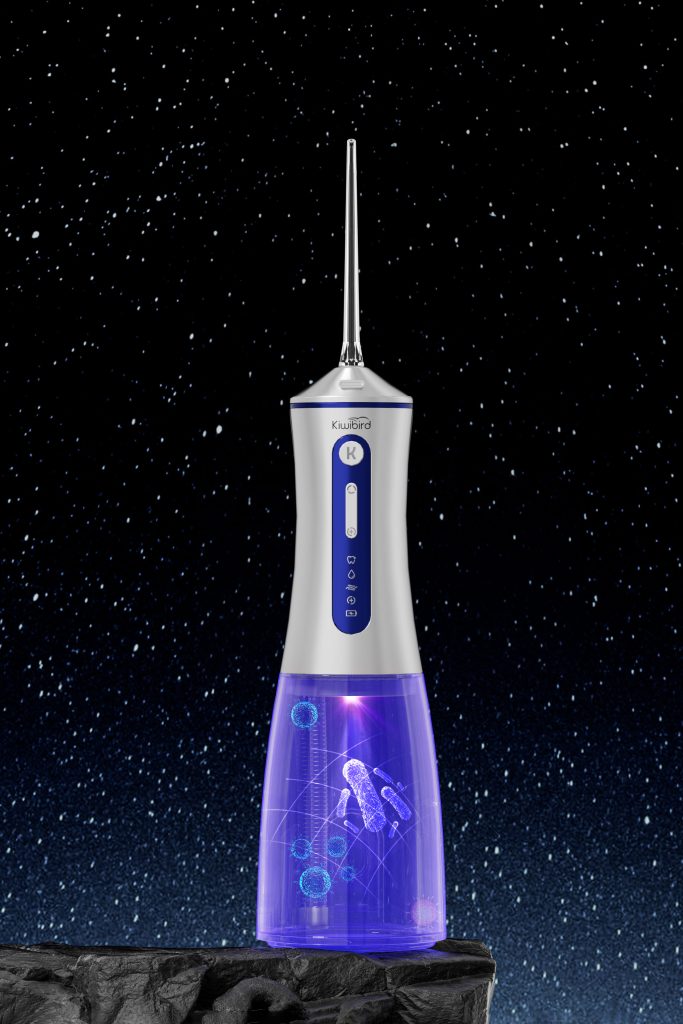
    As users pay increasing attention to health and safety, the sterilization function has emerged as a critical feature in high-quality water flossers. But why is sterilization so important? Let’s explore the key reasons. 1. Prevents Bacterial Growth in the Water Tank and Tips The water tank and tips of a water flosser are constantly exposed to moisture, creating an ideal environment for bacteria, mold, and mildew to thrive. Without proper sterilization, harmful microorganisms can multiply, posing risks to oral health. A built-in sterilization function ensures that these components remain clean and hygienic, reducing the chance of bacterial contamination. 2. Enhances Long-Term Oral Health Regular use of a water flosser helps remove plaque and food debris, but if the device itself isn’t sanitized, it may reintroduce bacteria into the mouth. A sterilization feature—especially one with a high sterilization rate—effectively eliminates 99.9% of germs, ensuring that every use supports a healthier oral environment. 3. Smart Hygiene with a 90-Second Smart Timer Advanced water flossers now integrate sterilization with convenience. For example, some models feature a 90-second smart timer for quick yet thorough sterilization cycles. This ensures that users can effortlessly maintain hygiene without lengthy cleaning processes, making daily oral care both efficient and safe. 4. Dual Protection with Dual…

    2025-04-09
  • The Root Cause of Poor Battery Life in Electric Toothbrushes: A Manufacturer’s Perspective

    As a B2B electric toothbrush manufacturer, we understand that battery performance is one of the most critical factors affecting product satisfaction. Through extensive testing and customer feedback, we've identified the key factors that impact battery longevity. Let's examine the technical reasons behind poor battery life. 1. Insufficient Battery Capacity The most obvious factor is battery capacity. Many budget models cut costs by using: Lower-grade lithium-ion cells Smaller battery sizes (under 600mAh) Non-branded battery suppliers Solution: Opt for premium 800mAh+ batteries from reputable suppliers. 2. Motherboard Power Management Issues The motherboard plays a crucial role in power efficiency. Common problems include: Poor voltage regulation circuits Inefficient charging ICs Lack of sleep mode optimization Solution: Implement advanced power management chips with: Low quiescent current (<5μA) Smart charging algorithms Over-discharge protection 3. Motor Efficiency Matters The motor accounts for 70% of power consumption. Key considerations: Brushed vs brushless motors (20% efficiency difference) Optimal frequency settings (250-300Hz ideal) Quality of bearings and mechanical parts Pro Tip: Japanese-made brushless motors typically offer best performance. 4. Quality of Charging System Charging components significantly impact battery health: Poor quality charging coils cause energy loss Incorrect charging voltage damages cells Lack of temperature monitoring Recommendation: Use Qi-standard wireless charging with: Foreign object detection…

    2025-04-09
  • Could Bristle Splaying Rapidly Induce Uneven Cleaning Patterns?

    In today’s increasingly competitive market, even the smallest changes in product performance—such as ​​Bristle Splaying Rapidly​​ in devices like electric toothbrushes and advanced cleaning tools—can significantly disrupt user experience. Research indicates that bristle instability directly correlates with ​​Uneven Cleaning Patterns​​, where accelerated splaying reduces surface contact precision, compromising cleaning effectiveness. This phenomenon, observed in clinical trials, demonstrates how structural fatigue in bristle clusters creates fragmented pressure distribution, prioritizing certain zones while neglecting others. Manufacturers now prioritize addressing these dual challenges: mitigating rapid bristle degradation through material innovation and recalibrating brush-head dynamics to counteract pattern irregularity. By integrating biomechanical insights and stress-distribution modeling, next-gen designs aim to harmonize durability with consistent cleaning performance. Market Environment and Customer Expectations As consumers increasingly demand superior cleaning performance and long-lasting product durability, every design detail becomes critical. Customers expect a device to deliver uniform cleaning across all areas. However, when issues like bristle splaying occur, the result is an uneven distribution of cleaning power, resulting in noticeable areas that are either over-cleaned or under-cleaned. This raises concerns over the product’s quality and can negatively impact brand reputation. Understanding these market dynamics is the first step toward finding a lasting solution. Understanding Bristle Splaying Rapidly…

    2025-04-09
  • How to Store a Toothbrush? Best Practices for Hygiene and Longevity

    Proper store toothbrush is essential for maintaining oral hygiene and extending the life of your brush. Whether you're a dental professional advising patients or a manufacturer providing care instructions, here's what you need to know about optimal toothbrush storage. 1. Avoid Close Contact with Other Toothbrushes Storing multiple brushes together increases cross-contamination risks. Ensure toothbrushes don't make close contact with other toothbrushes by: Using separate holders with individual slots Keeping bristle heads at least 1 inch apart Choosing wall-mounted holders for family bathrooms 2. Never Place Near the Toilet Flushing can spread bacteria through airborne droplets. Prevent contamination by: Storing toothbrushes at least 3 feet away from the toilet Using covered cabinets or medicine cabinets Keeping lids closed when flushing 3. Properly Handle Store Wet Toothbrush Moist environments breed bacteria. For storing wet toothbrushes: Shake off excess water after use Store upright to allow air drying Avoid enclosed travel cases for long-term storage 4. Always Use Vertical Placement Vertical placement ensures: Faster drying (bristles face downward) Reduced bacterial growth Better bristle shape retention Tip: Use holders with drainage holes to prevent water pooling. 5. Replace Every 3 Months (or Sooner if Needed) Even with perfect storage, replace brushes: Every 3 months (standard recommendation) After illness…

    2025-04-09
  • Comparison of Electric Toothbrush Battery Types: How to Choose the Power Solution That Best Suits Your Brand Positioning?

    In the competitive electric toothbrush market, battery selection plays a vital role in user experience, product lifespan, and cost control. Whether you're launching an entry-level product or a premium smart toothbrush, understanding different electric toothbrush battery types is essential to align performance with your brand positioning. This blog explores the key differences between lithium battery vs. NiMH battery, the importance of battery life optimization, and how to match the right solution through OEM customization. Overview of Electric Toothbrush Battery Types There are two primary battery technologies used in electric toothbrushes today: Nickel-Metal Hydride (NiMH) Batteries Widely used in mass-market toothbrushes Lower cost, environmentally safer than older NiCd batteries Average cycle life: ~300–500 charges Longer charging times and moderate energy density Lithium-ion (Li-ion) Batteries Common in mid-to-high-end models Higher energy density, lightweight, and fast charging Longer cycle life: ~500–1000 charges Supports modern features like Bluetooth connectivity and smart sensors Understanding the pros and cons of each helps brands make informed decisions based on their market segment and performance goals. Lithium Battery vs. NiMH Battery: Which Is Right for Your Product? Here’s a direct comparison of lithium battery vs. NiMH battery in the context of electric toothbrush applications: FeatureNiMH BatteryLithium BatteryEnergy DensityModerateHighCharging…

    2025-04-08
  • Solutions to Common Problems with Teeth Whitening Devices: How Can Manufacturers Reduce Product Return Rates?

    In the competitive oral care device market, product return rates not only affect profit margins but also damage brand reputation and customer trust. For B2B buyers and distributors, high return rates can lead to inventory losses, poor customer feedback, and strained supply chain relationships.To build lasting partnerships and achieve long-term success, manufacturers must proactively address the common problems with whitening devices and provide robust after-sales and technical support. This blog outlines key issues and practical solutions that help reduce return rates and increase end-user satisfaction. Device Malfunction: Addressing Quality at the Root One of the most frequent whitening device common problems is malfunction—LEDs not working, timers failing, or irregular operation. These issues often arise due to: Inconsistent soldering of LED modules Poor-quality control during final assembly Design flaws in circuit layout Solutions: Implement 100% functionality testing before packaging Use automated PCB assembly to avoid human error Perform aging tests to simulate real-use conditions before shipment By strengthening quality control at the production line, manufacturers significantly reduce defects that lead to returns. Battery Life Issues: The Importance of Power Optimization Battery-related complaints are among the top reasons for product dissatisfaction. Users often report that the device loses charge quickly, won't recharge,…

    2025-04-08
  • LED Teeth Whitening Device Precision Mold Shell: How to Balance Beauty and Durability?

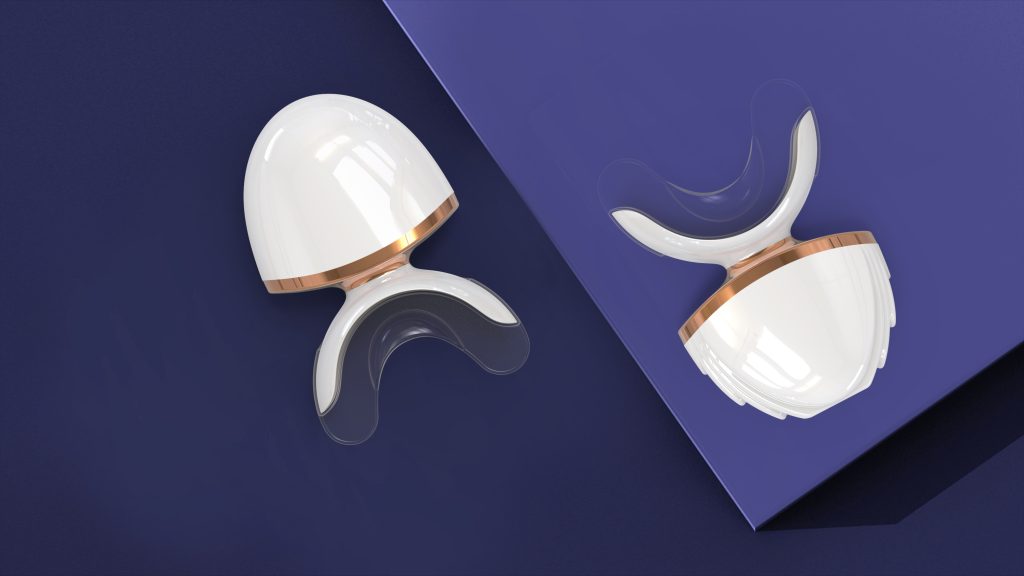
    In the competitive personal oral care market, the appearance and resilience of a product can be just as important as its functionality. For LED teeth whitening devices, the mold shell not only houses the internal electronics but also reflects the brand’s quality and user experience. So how can manufacturers balance aesthetics and durability in the development of the whitening device mold shell? This blog explores key strategies, from material selection to design optimization, that professional OEM/ODM suppliers use to create visually appealing yet long-lasting products. Material Selection: The Role of ABS/PC in Shell Quality The first step in achieving a strong yet stylish device shell is selecting the right material. Two of the most widely used materials in whitening device mold shell production are: ABS (Acrylonitrile Butadiene Styrene): High impact resistance Smooth surface suitable for premium finishes Good dimensional stability PC (Polycarbonate): Excellent transparency (for parts with visible light elements) High heat and impact resistance UV resistance for long-term appearance retention Many manufacturers choose ABS/PC material blends to leverage the strengths of both—ensuring the shell can withstand repeated use while still looking sleek and professional. Shell Customization: Enhancing Brand Identity In the B2B oral care market, shell customization plays a…

    2025-04-08
  • Does Using a Water Flosser Mean You Don’t Need to Brush Your Teeth?

    A common misconception is that water flossers can completely replace traditional tooth brushing. While water flossers are highly effective for removing food particles from between teeth, they cannot replace wash teeth with a toothbrush. Here's why both are essential for optimal oral health. 1. Water Flossers Complement Brushing, But Don’t Replace It A water flosser uses a high-pressure water jet to clean between teeth and below the gumline—areas where toothbrush bristles often can't reach. However, it doesn’t effectively rinse plaque on the tooth surface, which requires mechanical brushing to remove. 2. Brushing Removes Plaque; Flossing Cleans Between Teeth Toothbrushes physically scrub away plaque and bacteria from tooth surfaces. Water flossers excel at flushing out debris from tight spaces but cannot provide the same level of cleaning for the entire tooth surface. For comprehensive oral care, both are necessary. 3. Professional Cleanings Still Require an Ultrasonic Dental Scaler Even with regular brushing and water flossing, professional cleanings with an ultrasonic dental scaler are essential to remove hardened tartar. A water flosser helps maintain oral hygiene between dental visits but isn’t a substitute for professional care. 4. Water Flossers Target What Brushes Miss While brushing cleans about 60% of tooth surfaces, water flossers ensure the remaining 40% (between teeth and along…

    2025-04-08
  • Will the Water Flosser Make the Gaps Between Teeth Bigger?

    A common concern among water flosser users is whether regular use will widen the gaps between teeth. The short answer is no—when used correctly, a water flosser provides comprehensive cleaning without affecting tooth spacing. Here's what you need to know. 1. Water Flossers Use Gentle Water Flow Unlike traditional floss that requires physical pressure, water flossers rely on a gentle water flow to remove debris. This means they clean effectively without forcing teeth apart or damaging gum tissue. 2. They Focus on Plaque Removal, Not Tooth Movement The primary function of a water flosser is plaque removal, not altering tooth position. It targets bacteria and food particles between teeth and along the gumline, reducing the risk of gum disease—not creating gaps. 3. Helps Prevent Dental Tartar Buildup By consistently flushing out plaque before it hardens, water flossers prevent dental tartar formation. Tartar can contribute to gum recession, which may make gaps appear larger—so regular use actually maintains natural tooth spacing. 4. Safe for Existing Dental Work Whether you have crowns, implants, or braces, the gentle water flow cleans around dental work without loosening or shifting teeth. This makes it a reliable tool for long-term oral care. 5. The Risk of Teeth Getting Bigger Can Be Controlled Some worry that…

    2025-04-08
  • How Often Should You Use a Water Flosser?

    Water flosser is an effective alternative to traditional flossing, offering a deeper cleaning experience that removes plaque and debris more efficiently. But how often should you use one? The answer depends on individual oral condition—let’s explore the best practices for different needs. 1. General Recommendation: Daily Use for Optimal Oral Health For most people, using a water flosser once per day (preferably at night) is ideal. This helps remove food particles and plaque buildup that brushing alone can’t eliminate, reducing the risk of dental caries and gum disease. 2. If You Have Dental Braces Braces trap food easily, making oral hygiene more challenging. If you have dental braces, consider using a water flosser after every meal to dislodge debris around brackets and wires, preventing plaque accumulation. 3. For Those with Periodontal Disease Gum inflammation and periodontal disease require extra care. Dentists often recommend using a water flosser twice daily (morning and night) to flush out bacteria from deep gum pockets and promote healing. 4. If Prone to Cavities or Dental Caries People susceptible to dental caries benefit from daily water flossing to remove hidden plaque between teeth. Pairing it with fluoride mouthwash enhances protection against decay. 5. Adjust Based on Sensitivity If gums are sensitive, start with a low-pressure setting and use the water flosser every other day, gradually…

    2025-04-08
  • Are App Pairing Failures Linked to Timer Sync Issues?

    In an increasingly connected world, the seamless interaction between apps and devices is critical for end-user satisfaction and operational efficiency. However, many manufacturers are now confronting a dual challenge: App Pairing Failures and Timer Sync Issues. These phenomena not only disrupt user experience but can also hinder product performance. In this article, we delve into the underlying causes, explore the interrelationship between these issues, and propose strategies for mitigating their impact on your product's reliability. Market Demands and the Need for Seamless Connectivity As consumer expectations evolve, the demand for fully integrated systems grows. Today’s smart devices rely on accurate and reliable connections between mobile applications and hardware components. When an app is paired with a device, it typically synchronizes various functions, including timers that regulate device behavior. However, if App Pairing Failures occur—where apps cannot establish or maintain a connection—the downstream effects can be significant. Among these, Timer Sync Issues are of particular concern, as they are critical for ensuring timely operations, precise scheduling, and overall device coordination in real-world applications. Unraveling App Pairing Failures App Pairing Failures can originate from a multitude of factors. These challenges often include: Connectivity Interruptions: Unstable wireless connections or incompatible communication protocols may…

    2025-04-08
  • Does LED Light Malfunction Worsen Enamel Abrasion Concerns?

    In today’s competitive dental and personal care device market, ensuring the optimal performance of every component is crucial not only for product reliability but also for patient safety. Recently, manufacturers and dental professionals have raised concerns about how LED Light Malfunction in dental appliances might exacerbate Enamel Abrasion Concerns. This article explores the link between these issues, examines the underlying causes, and discusses practical solutions to mitigate potential risks. Market Dynamics and Evolving Consumer Expectations As dental care technologies continue to evolve, patients and professionals alike expect devices to deliver high performance with minimal side effects. With cosmetic dentistry on the rise, maintaining the integrity of tooth enamel is of utmost importance. Consequently, any malfunction—such as an unstable light source in LED-based devices—can trigger widespread concern. In a landscape where both functionality and safety are non-negotiable, understanding how LED Light Malfunction may influence Enamel Abrasion Concerns is crucial for manufacturers looking to sustain a competitive edge. Role of LED Technology in Dental Care Devices LED lights have become a popular component in many dental instruments due to their energy efficiency, longevity, and effective illumination. They are frequently integrated into devices used for tooth whitening, curing adhesives, and various diagnostic procedures.…

    2025-04-08
WeChat

whstapp

Email
Request a quote
whstapp
+86 18565657032

whstapp

National Toll-Free Service Hotline
+86 755 86238638

Top