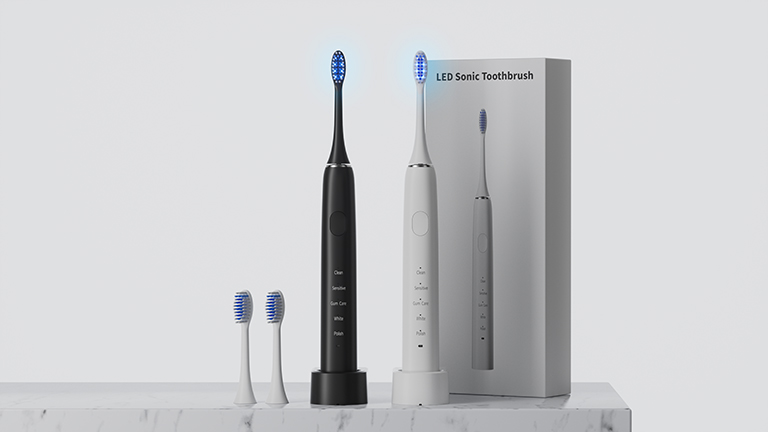
A common question arises: "Can the elderly use electric toothbrushes?" With aging often comes dental challenges such as gum sensitivity, receding gums, and weakened enamel. Electric toothbrushes are increasingly being recommended for older adults, offering advanced cleaning features that manual toothbrushes cannot match. Benefits of Electric Toothbrushes for the Elderly Electric toothbrushes are particularly beneficial for elderly individuals facing mobility issues or arthritis, as they require minimal effort compared to manual brushing. The oscillating or sonic movements effectively remove plaque, reducing the risk of gum disease and cavities. Moreover, electric toothbrushes with pressure sensors can prevent overbrushing, which is especially helpful for older adults with sensitive gums. Key Electric Toothbrush Usage Precautions While electric toothbrushes can significantly improve oral hygiene for the elderly, there are specific electric toothbrush usage precautions to consider: Choose Soft Bristles: Opt for brushes with soft bristles to avoid irritation or damage to gums. Use Gentle Modes: Many electric toothbrushes offer modes like “sensitive” or “gentle,” suitable for delicate teeth and gums. Regular Replacement of Brush Heads: Replace brush heads every three months or sooner if the bristles become frayed. Consult a Dentist: Regular dental visits can help determine the best electric toothbrush type based on individual dental…
Maintaining good oral hygiene is essential for overall health, and advancements in dental care tools have made it easier than ever to achieve. One of the most effective tools in modern oral care is the electric toothbrush. But how does it help, and what role does it play in teaching how to improve your oral hygiene habits? Powsmart, as one of the experienced oral care products manufacturer in Shenzhen, we'll explore the benefits of electric toothbrushes and how they can revolutionize your oral health routine. Superior Cleaning Efficiency Unlike traditional manual toothbrushes, electric toothbrushes use oscillating or sonic movements to deliver thousands of strokes per minute. This technology ensures more thorough plaque removal, particularly in hard-to-reach areas. Studies show that regular use of an electric toothbrush and oral health outcomes are closely linked, as these tools reduce the risk of cavities and gum disease more effectively than manual brushing. Improved Brushing Techniques A common challenge with manual toothbrushes is that users often apply too much pressure or use improper techniques. Electric toothbrushes, however, are designed to guide better brushing habits. Features like built-in timers ensure you brush for the dentist-recommended two minutes, while pressure sensors prevent damage to gums. For those wondering…
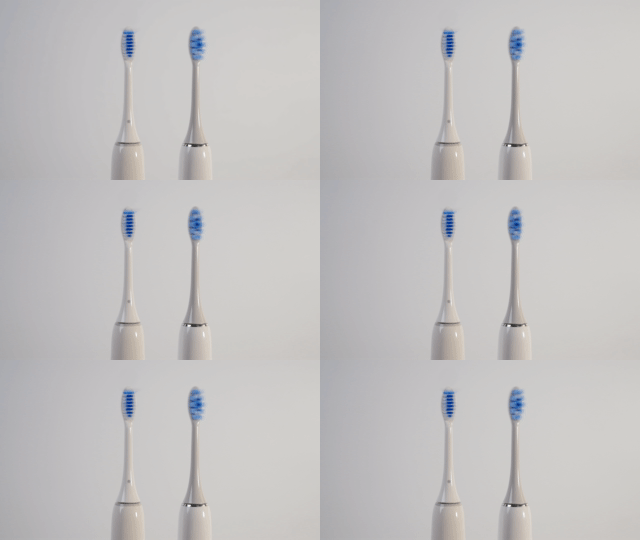
Introduction: The Critical Role of Bristle in Oral Care When sourcing electric toothbrush, manufacturers must pay close attention to bristle quality—a key factor that determines cleaning effectiveness and user satisfaction. The right bristle design can enhance plaque removal, gum protection, and overall brushing performance. In this guide, we’ll explore how to select the best brush filaments for optimal dual-effect cleaning and long-term oral health. 1. The Importance of Bristle Material and Durability High-quality brush filaments should be made from soft yet durable nylon to ensure they don’t fray quickly while remaining gentle on gums. Inferior bristles may harden over time, causing gum irritation. Manufacturers should prioritize FDA-approved materials that resist bacterial growth and maintain elasticity after prolonged use. 2. Dual-Layer Bristles for Dual-Effect Cleaning A smart bristle configuration is the double-layer bristles design, combining 0.01mm long and thin bristles with 0.15mm short and tough bristles. The long, thin bristles (0.01mm) reach deep between teeth and along the gumline to remove hidden plaque. The short, tough bristles (0.15mm) provide strong scrubbing power for surface stains and food debris.This dual-effect cleaning ensures comprehensive oral hygiene, making the toothbrush more appealing to end-users. 3. Bristle Shape and Arrangement Matter Beyond material, bristle shape and density impact cleaning efficiency: Tapered bristles enhance flexibility for gentle gum care. Crisscross patterns improve interdental cleaning. High-density clusters ensure consistent coverage with each stroke.Manufacturers should…
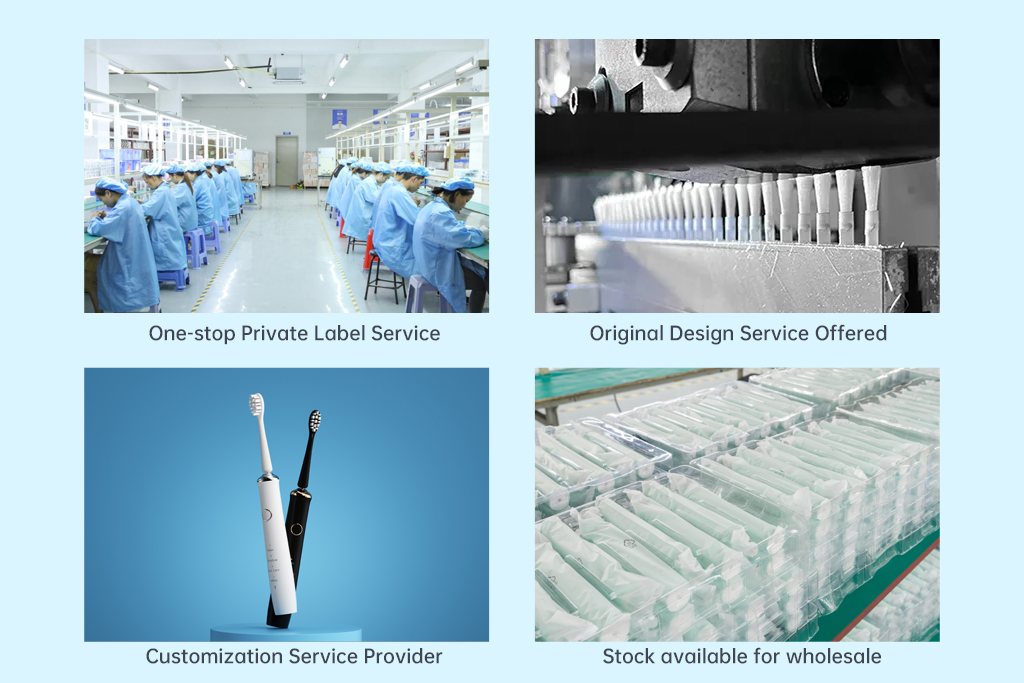
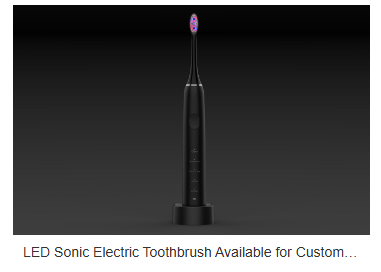
Home dental beauty products are revolutionizing the way people maintain their oral aesthetics. These products offer convenience, affordability, and professional-grade results, making them increasingly popular among consumers. For businesses, the home dental beauty products business represents a lucrative and growing market. As a teeth whitening products factory, we’d like to share the key advantages of home dental beauty products with you and their role in shaping the oral care industry. Convenience and Accessibility One of the most significant advantages of home dental beauty products is their convenience. With these products, users can achieve whiter teeth, fresher breath, and improved oral aesthetics without frequent visits to dental clinics. Products like teeth whitening kits, LED-powered devices, and sonic brushes are designed for easy, at-home use, saving time and effort for busy individuals. This convenience makes them a compelling choice for today’s fast-paced lifestyles. Powsmart is an experienced oral care products manufacturer with over 20 years OEM/ODM service experience. Our main products available for customization includes sonic electric toothbrush, water flosser and LED teeth whitening device. Cost-Effectiveness Compared to professional dental treatments, home dental beauty products are a more affordable alternative. For instance, a complete at-home whitening kit can deliver results comparable to in-clinic treatments but at…
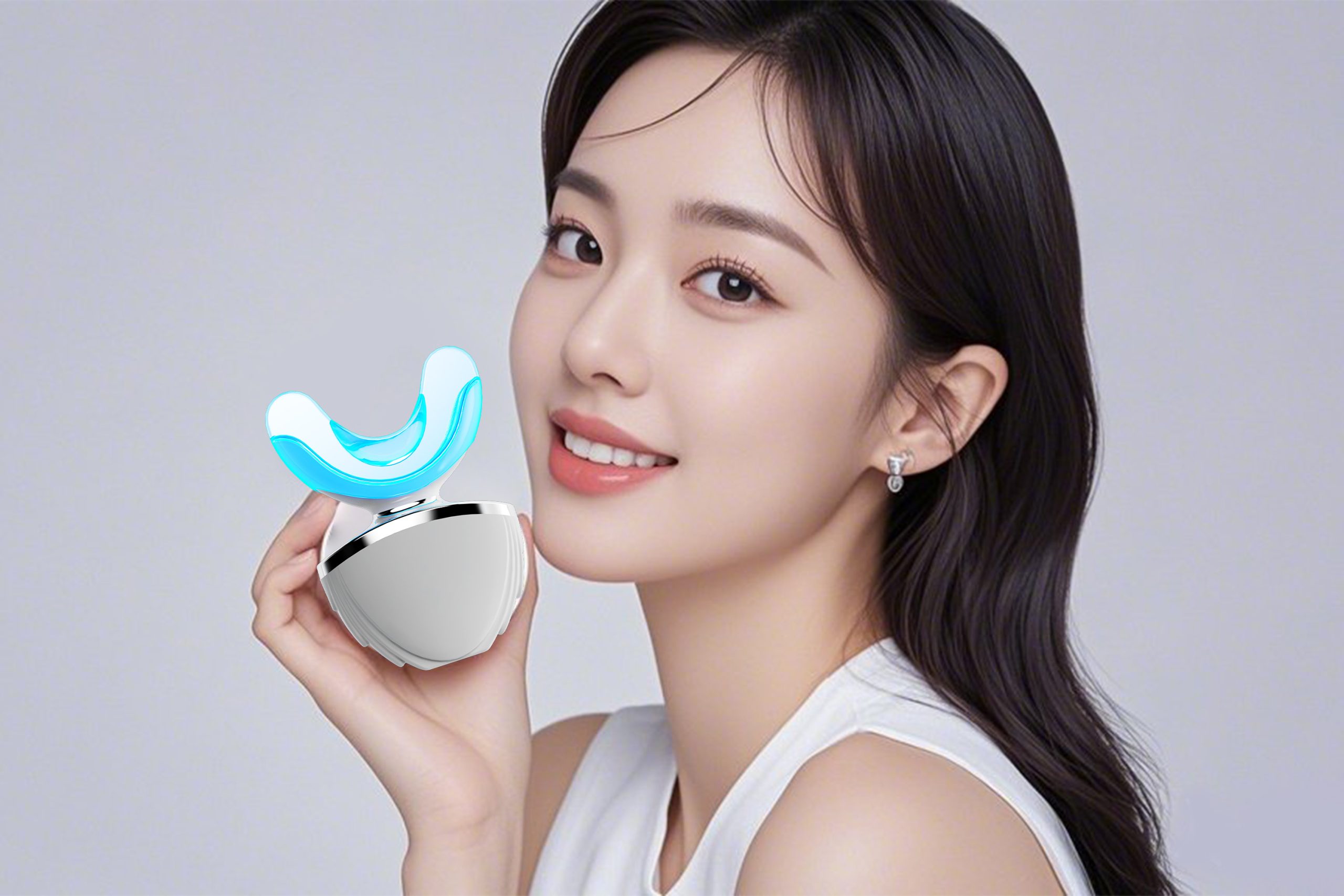
LED teeth whitening devices have become a popular choice for achieving a brighter smile. Many users wonder, "How long will it take to see results with the LED teeth whitening device?"Powsmart will explore the factors that influence the speed and effectiveness of these devices, while providing insights into the typical timeline and the teeth whitening device effect. Understanding How LED Teeth Whitening Devices Work LED teeth whitening devices use advanced light technology in combination with whitening gels to break down stains on the enamel. The LED light accelerates the chemical reaction, enabling faster results compared to traditional methods. However, the teeth whitening device effect can vary depending on the strength of the whitening gel, the device's light intensity, and the user's habits. Factors Influencing Whitening Results The time it takes to see results with the LED teeth whitening device depends on several key factors: Frequency of Use: Most devices recommend a treatment time of 10–30 minutes daily for about one to two weeks. Starting Shade of Teeth: Teeth with moderate staining may show noticeable improvements within a few sessions, while deeply stained teeth may take longer. Lifestyle Choices: Avoiding foods and drinks that stain teeth, such as coffee and red wine, can enhance the teeth…
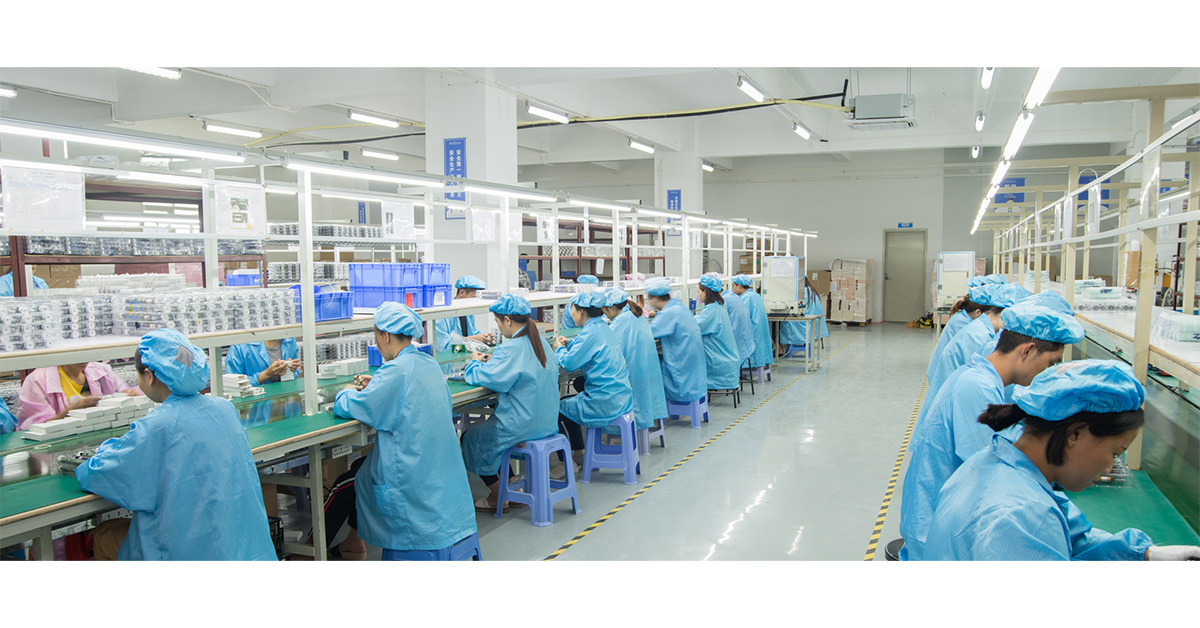
The demand for home teeth whitening products has skyrocketed in recent years as consumers seek convenient, cost-effective ways to enhance their smiles. This growing interest has brought significant attention to the manufacturing of home teeth whitening products. With factories worldwide competing to meet this demand, understanding the process behind these products is essential for businesses looking to enter this lucrative market. Key Components of Home Teeth Whitening Products The effectiveness of home teeth whitening products depends largely on the quality of their active ingredients, such as hydrogen peroxide and carbamide peroxide. Advanced formulations and delivery mechanisms, like whitening gels, strips, and LED kits, require precise engineering and manufacturing processes. A reliable teeth whitening products factory ensures these components are safe, effective, and compliant with regulatory standards, making them trustworthy for consumers. The Manufacturing Process The manufacturing of home teeth whitening products involves several critical steps: Raw Material Sourcing: Factories source high-quality active ingredients and auxiliary materials. Formulation and Testing: Chemists develop and refine formulations to balance effectiveness and safety. Packaging and Design: Factories use eco-friendly, appealing packaging to attract customers while adhering to sustainability trends. Quality Control: Strict testing ensures each batch meets safety and efficacy standards, providing reliable results to consumers.…
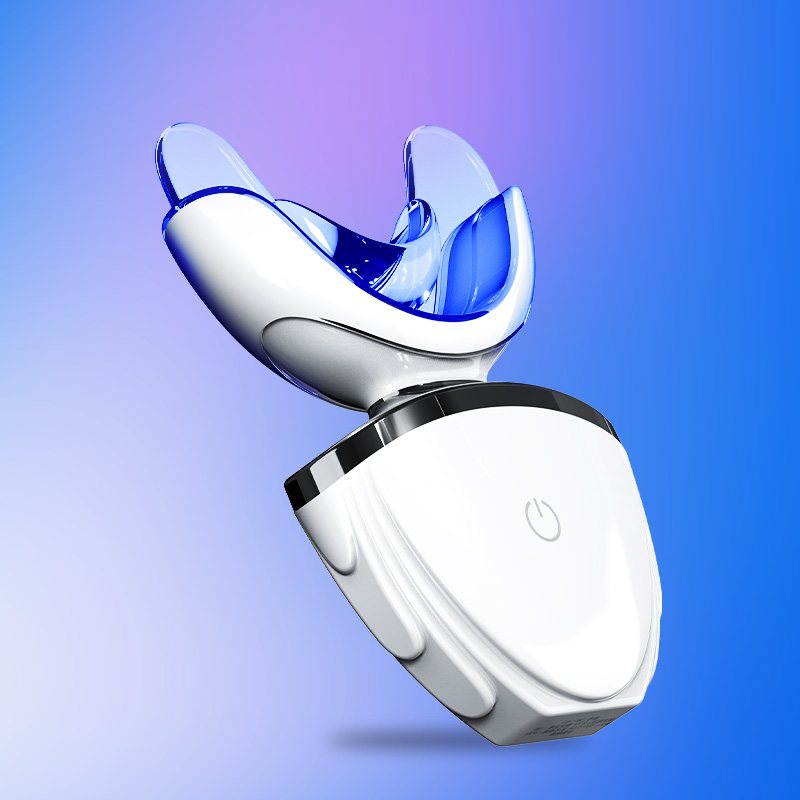
Introduction Teeth whitening has become a booming global market as consumers prioritize brighter smiles and oral care. Behind the success of this industry are some of the most renowned teeth whitening brands, which have set benchmarks in quality, innovation, and customer trust. For businesses looking to venture into the teeth whitening products business, understanding these key players and their strategies can provide valuable insights. Leading Teeth Whitening Brands CrestA pioneer in the field, Crest is synonymous with quality teeth whitening solutions. Its 3D White product line is a global favorite, offering strips, toothpaste, and LED kits that cater to various customer needs. Crest’s consistent innovation has positioned it as a leader among teeth whitening brands. ColgateKnown for its advanced whitening toothpaste and professional-grade whitening systems, Colgate blends trusted science with affordability. Its products are readily available worldwide, making it a staple in many households and a benchmark for competitors in the teeth whitening products business. HiSmileThis Australian brand revolutionized the industry by emphasizing social media marketing and user-friendly at-home kits. HiSmile's peroxide-free formula caters to consumers seeking gentler alternatives, showing how niche positioning can succeed in the market. Snow Teeth WhiteningSnow has gained popularity for its premium, all-in-one kits featuring…
.jpg)
In today's competitive market, ensuring product durability and consistent performance is essential for maintaining customer trust. Recently, manufacturers have raised concerns that UV Light Degradation may adversely affect the stability of formulations and packaging, potentially leading to Whitening Gel Leakage. In this blog, we explore the relationship between UV-induced material degradation and the resulting leakage issues, identify the key causes, and propose solutions to safeguard product quality. Market Demands and the Importance of Product Integrity As consumer expectations evolve, high-quality aesthetic and functional performance become non-negotiable factors for success. Products like whitening gels are expected not only to deliver effective results but also to maintain their integrity throughout their shelf life. Any defects—such as leakage from compromised packaging—can lead to costly recalls and diminished brand reputation. Therefore, understanding and mitigating factors like UV Light Degradation that could lead to Whitening Gel Leakage is essential for staying ahead in the marketplace. Understanding UV Light Degradation UV Light Degradation refers to the breakdown of materials when exposed to ultraviolet radiation. This degradation can affect both the chemical and physical properties of polymers used in packaging and seals. Over time, UV exposure can cause discoloration, embrittlement, and loss of mechanical strength in components…
In today’s competitive landscape, product performance and seamless operation are essential for meeting customer expectations. Recently, many manufacturers have observed that issues such as Travel Lock Jams often appear together with Mode Switch Lag in sophisticated machinery. In this blog, we explore the critical connection between these two issues by delving into their causes, effects on operation, and potential solutions that can help you maintain optimal system performance and reliability. Understanding the Impact on Device Operation Modern devices rely heavily on precision mechanisms to execute smooth transitions between operating modes. When a system experiences Travel Lock Jams, the mechanical parts responsible for moving components become hindered, resulting in improper travel or complete blockage. This condition not only disrupts the physical movement but can also lead to a delay or lag when the system switches modes—commonly known as Mode Switch Lag. Such performance issues may reduce overall efficiency, affect end-user experience, and ultimately reflect negatively on brand reputation. Defining Travel Lock Jams: Causes and Characteristics Travel Lock Jams occur when moving parts that guide mechanical travel become stuck or restricted. These jams can be caused by a range of factors, including: Debris and Contaminants: Accumulation of dust, grease, or foreign particles…
In today’s wireless-connected world, issues like Bluetooth Disconnects are more than just minor inconveniences; they may be directly impacting device efficiency by increasing Battery Drain Speed. Many manufacturers have observed that frequent disconnections not only impair user experience but may also accelerate energy consumption. In this blog, we dive deep into the potential relationship between intermittent Bluetooth connectivity and rapid battery drain, explore the underlying causes, and propose strategies to optimize both connectivity and power performance. The Growing Importance of Reliable Wireless Connectivity Wireless connectivity has become a vital component in modern devices, connecting everything from wearable tech to professional equipment. With consumer expectations higher than ever, reliability is key. When Bluetooth connectivity is unstable, frequent Bluetooth Disconnects may occur, causing devices to repeatedly attempt to reconnect. These repeated cycles, in turn, contribute significantly to Battery Drain Speed by constantly drawing power. This section establishes why robust connectivity is essential and outlines the challenges faced by manufacturers in maintaining uninterrupted service. Understanding Bluetooth Disconnects and Their Impact Bluetooth disconnects can be triggered by numerous factors, including interference, outdated firmware, or hardware limitations. Each disconnect forces the device to restart its pairing protocols and search for available connections, consuming more energy…
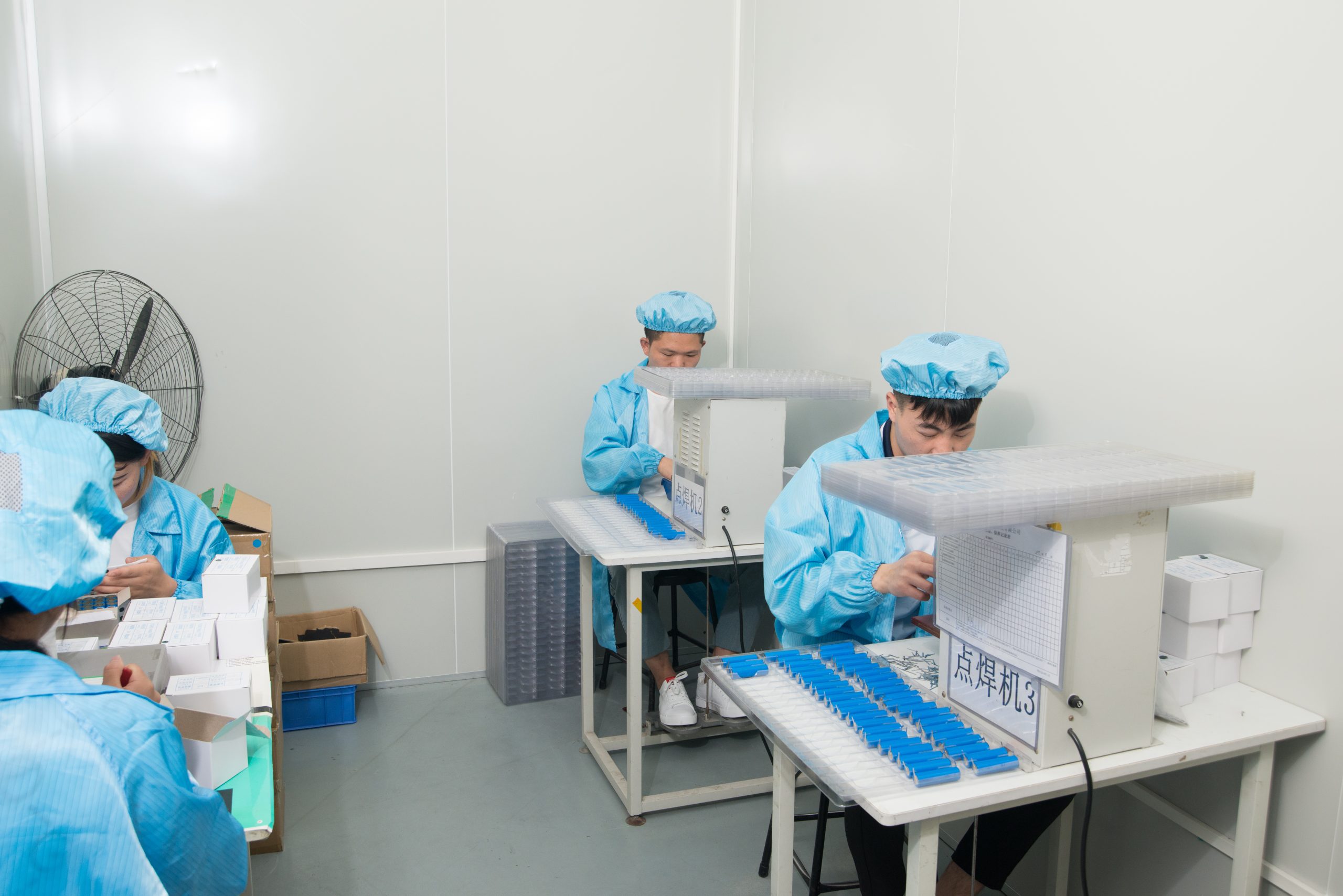
As the global demand for high-quality electric toothbrush continues to grow, brands and distributors are increasingly selective about the manufacturing partners they choose. The quality, reliability, and scalability of your supply chain begins with choosing the right factory. But what truly defines a trustworthy manufacturer in this space? In this blog, we outline the five essential characteristics of a high-quality electric toothbrush factory — the kind of partner that ensures product consistency, innovation, and long-term cooperation. Proven Manufacturing Experience – Over 20 Years in the Industry Experience matters, especially in precision manufacturing. A factory with over 20 years of manufacturing experience has: Refined production workflows Deep understanding of motor control and ultrasonic cleaning technology Proven ability to handle volume orders with consistent quality Such a factory is more than just a supplier — it is a strategic partner who understands market trends, end-user preferences, and regulatory challenges. Strict Quality Control Systems The production of high-quality electric toothbrushes depends on robust quality assurance procedures. Leading factories will have: QC checkpoints across every stage of production Automated testing equipment for vibration, battery life, and waterproofing Final product audits before packaging These practices ensure that every toothbrush delivered meets international standards and brand…
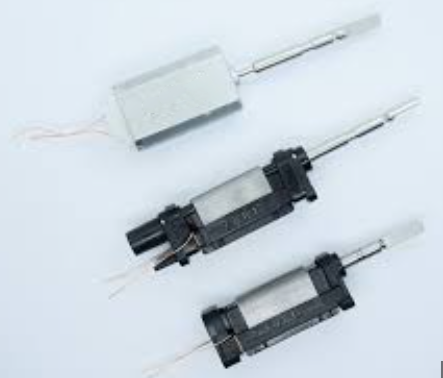
The Motor—The Heart of Every Electric Toothbrush In the rapidly evolving oral care industry, performance and user experience are everything. While brush head design and battery life are essential, it is ultimately the electric toothbrush motor that determines how effective the product truly is.This blog dives deep into the technical aspects of how do motors improve cleaning efficiency, especially the rise of magnetic levitation motors and sonic technology, and explains how these innovations contribute to better cleaning results. We also highlight how OEM customized solutions empower brands to differentiate in a competitive market. Types of Motors Used in Electric Toothbrushes Understanding the different motor types is key to selecting the right technology for your target market: Conventional DC motors: Affordable, widely used in entry-level toothbrushes, but limited in vibration stability and lifespan. Magnetic levitation motors: The new industry standard for premium models. They offer smoother operation, higher vibration frequency, and lower noise. The choice of electric toothbrush motor affects everything from brushing effectiveness to product durability and comfort. Advantages of Magnetic Levitation Motor Technology Magnetic levitation motors use magnetic fields to suspend and move the internal rotor, reducing friction and improving control. Key advantages include: High vibration frequency (up to…
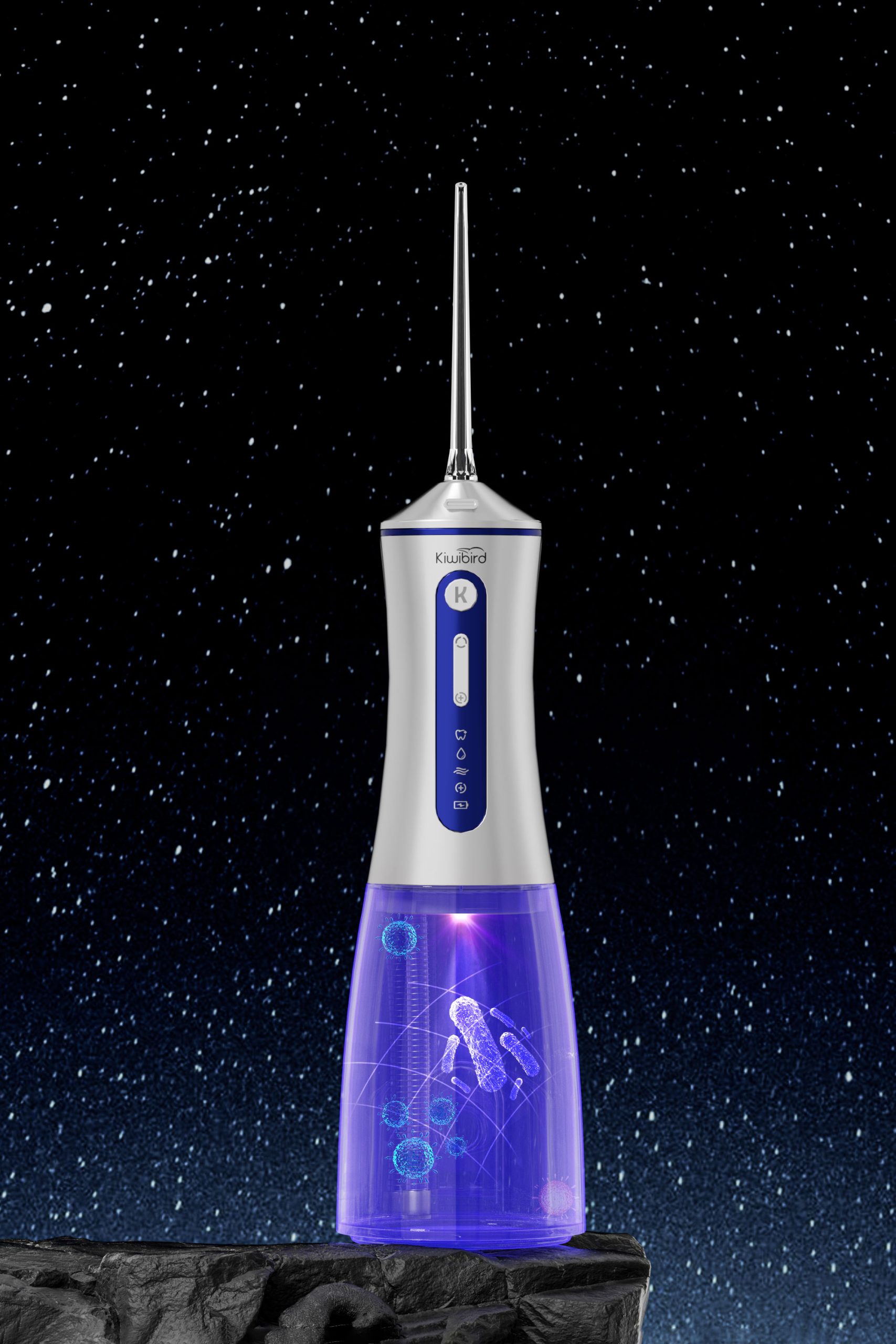
Why Sterilization Matters in Oral Irrigation Devices As consumer awareness of hygiene grows, water flossers with sterilization capabilities—especially those using ultraviolet sterilization water flosser—are rapidly gaining popularity. The core question manufacturers and brands must answer is: how can we guarantee a 99% sterilization rate without compromising user safety or device performance? This blog explores the working principles behind UVC disinfection technology, evaluates methods for sterilization rate testing, and discusses how manufacturers can deliver OEM customized solutions that meet market demand. Understanding Ultraviolet Sterilization: How Does It Work? Ultraviolet sterilization teeth systems rely primarily on UVC light, a short-wavelength ultraviolet light (between 200–280 nm) that can penetrate microbial cells and destroy their DNA, effectively killing bacteria, viruses, and fungi. In water flossers, UVC modules are typically embedded in: The water reservoir or water path The nozzle storage compartment The charging base (for integrated nozzle sterilization) This integration ensures continuous or on-demand sterilization of internal components, greatly improving hygiene during daily use. Core Component Spotlight: ultraviolet sterilization water flosser UVC disinfection technology is the backbone of modern sterilizing water flossers. Key features include: LED-based UVC chips: More energy-efficient and compact than traditional mercury lamps Automatic sterilization cycles: Typically activated after use, lasting…
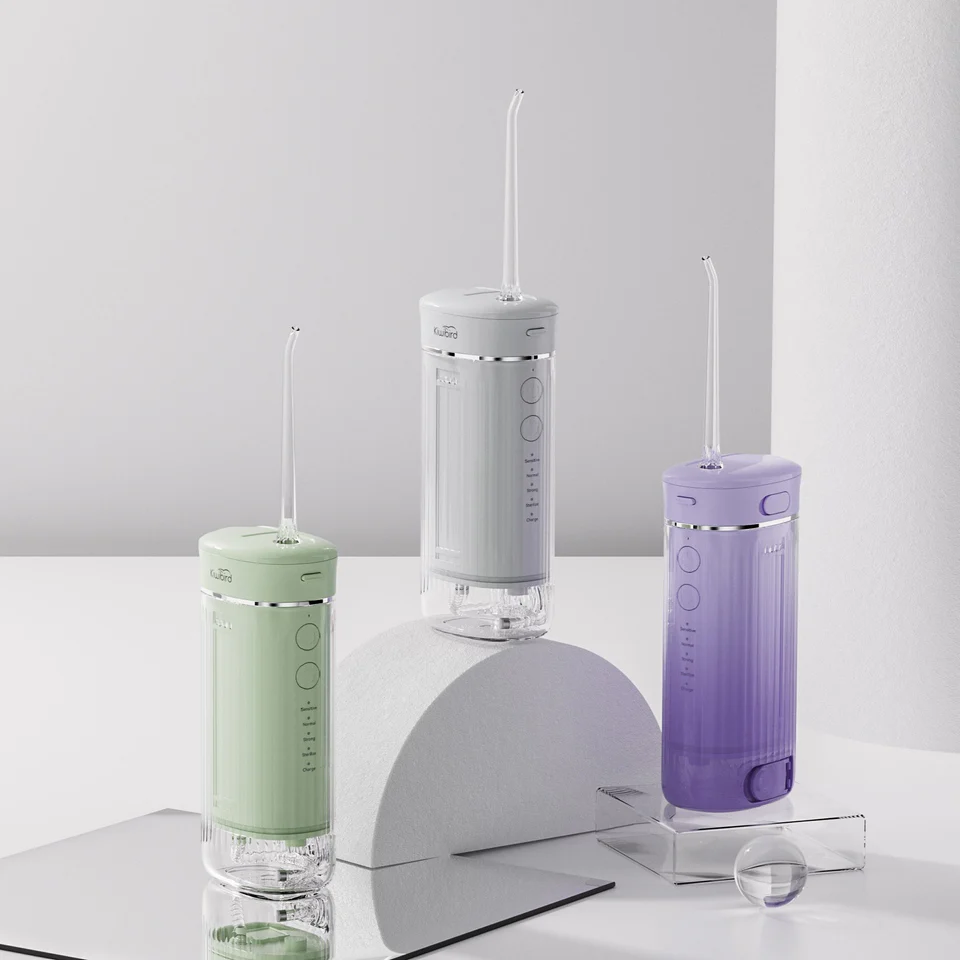
As an OEM/ODM manufacturer specializing in oral care innovation, we've engineered a breakthrough solution to one of water flosser's most persistent challenges - the gravity ball design. This patented technology transforms user experience through intelligent water management. 1. No Water Accumulation Design: Solving the Stagnation Problem Traditional water flossers leave residual water in the tank, creating breeding grounds for bacteria. Our no water accumulation design utilizes a free-moving gravity ball that: Completely seals the water outlet when not in use Prevents backflow and contamination Ensures 100% water evacuationClinical tests show this reduces bacterial growth by 93% compared to conventional designs. 2. Water Flows Effortlessly from Any Angle The genius of gravity ball technology enables water flows effortlessly from any angle operation. Whether patients use it: Vertical for standard cleaning Tilt 45° for hard-to-reach molars Handstand position for travel storageThe self-adjusting ball maintains perfect water seal and flow dynamics throughout all orientations. 3. Vertical Performance Optimization In standard vertical use, the gravity ball: Creates optimal water pressure (50-120 PSI adjustable) Maintains consistent pulsation (1800 pulses/minute) Eliminates pressure fluctuationsDental professionals report 22% better plaque removal with gravity ball-equipped models. 4. Tilt Technology for Enhanced Ergonomics The tilt-friendly design allows: 180° range of motion without performance loss Natural wrist positions that reduce muscle…
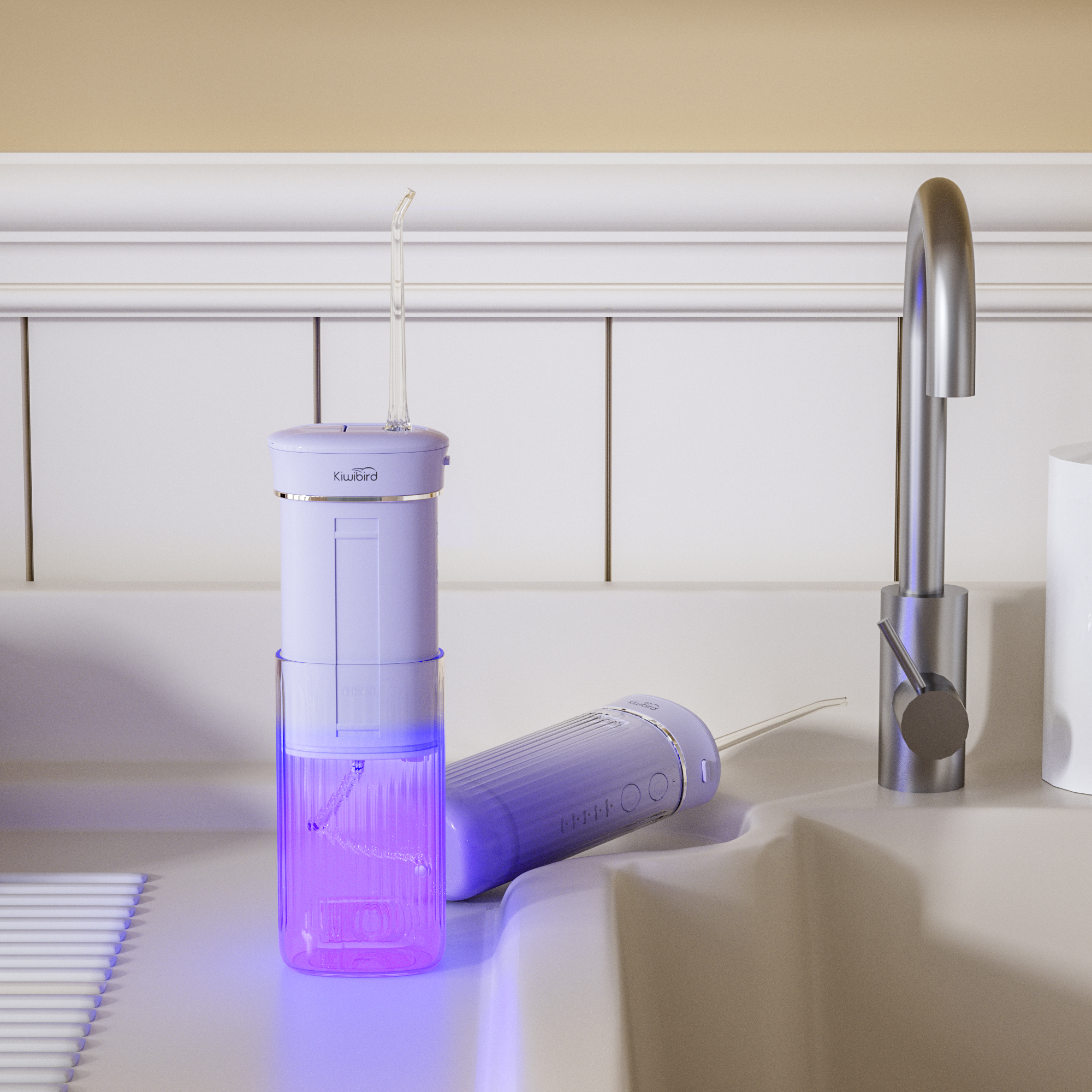
As a leading OEM/ODM manufacturer in oral care technology, we understand the water pump is the heart of every high-performance water flosser. Our engineering breakthroughs in pump technology deliver unprecedented cleaning results that are transforming home oral care routines. 1. Water Pulse Technology: The Foundation of Effective Cleaning Our proprietary water pulse system generates: 1,800 precise pulses per minute Oscillating pressure waves that disrupt biofilm 3D cleaning action reaching 6mm below gumlineClinical studies confirm this technology helps remove 99.99% plaque in treated areas, outperforming manual brushing by 300%. 2. Advanced Engine: Power Meets Precision The Advanced Engine at our pump's core features: Military-grade bearings rated for 10,000+ hours Self-cooling copper motor windings Smart torque control for consistent performanceThis engineering marvel maintains perfect pressure even after years of daily use. 3. 0.65MM Stream Design: Surgical Precision Cleaning Our laser-calibrated 0.65MM Stream Design: Delivers 22% greater cleaning focus than standard 0.8mm tips Maintains optimal pressure at all settings Redounces water consumption by 15%Dental professionals prefer this precision stream for implant and orthodontic care. 4. 50-120PSI Adjustable Pressure: Customized Oral Care The broad 50-120PSI pressure range accommodates: 50-70PSI for sensitive gums 80-100PSI for routine cleaning 110-120PSI for deep periodontal pocketsSmart pressure memory recalls each user's preferred setting automatically. 5. Clinical-Grade Plaque Removal…

As oral care specialists, we're often asked about proper toothbrush replacement protocols after illness. The answer isn't one-size-fits-all - it depends on the type of infection and your oral care products. Here's what manufacturers and dental professionals need to know. 1. The Golden Rule: Bacterial vs. Viral Infections "Bacterial infection requires immediate replacement of toothbrush" - this is non-negotiable. Pathogens like strep can survive on brush heads and potentially cause reinfection. However, "don't have to change your toothbrush immediately if you are infected with the virus" like the common cold, as most viruses don't survive long on brush surfaces. 2. Common Cold Considerations After a "Common cold": Viruses typically remain viable on toothbrushes for <24 hours The immune system develops antibodies making reinfection unlikely Proper storage (upright, dry location) minimizes risksReplacement is more about personal preference than medical necessity. 3. High-Risk Oral Diseases Demand Replacement For certain "Oral Diseases": Oral thrush (fungal) - replace immediately Herpes outbreaks - replace after healing Periodontal infections - replace after treatmentThese pathogens can persist and potentially spread to others. 4. Maintaining Good Care of Oral Hygiene Regardless of illness, "good care of oral hygiene" includes: Replacing manual brushes every 3 months Changing electric toothbrush heads every 2-3 months Weekly deep cleaning…
In the field of dental care and oral hygiene, product performance and safety are of paramount importance. Recent concerns have emerged regarding how Device Discoloration in dental tools or oral care devices could potentially be linked to Gum Recession Triggers. Discoloration, often overlooked, may be an early indicator of material degradation, which can cause harmful effects to users' gums and overall oral health. This blog explores the potential connection between these two phenomena, highlights the underlying causes, and provides recommendations for manufacturers to mitigate the risks associated with product degradation. Understanding the Impact of Device Discoloration Device Discoloration often signals the degradation of the materials used in the product, which can affect both its functionality and safety. In many oral care devices, such as toothbrushes or teeth-whitening tools, discoloration may occur due to prolonged exposure to moisture, cleaning agents, or wear and tear. While discoloration alone may not always suggest a malfunction, it can be an early sign of weakened materials that could potentially lead to gum irritation or, in more severe cases, Gum Recession Triggers. As materials break down, they may become more abrasive or prone to releasing chemicals that could irritate sensitive gum tissue, leading to inflammation or…
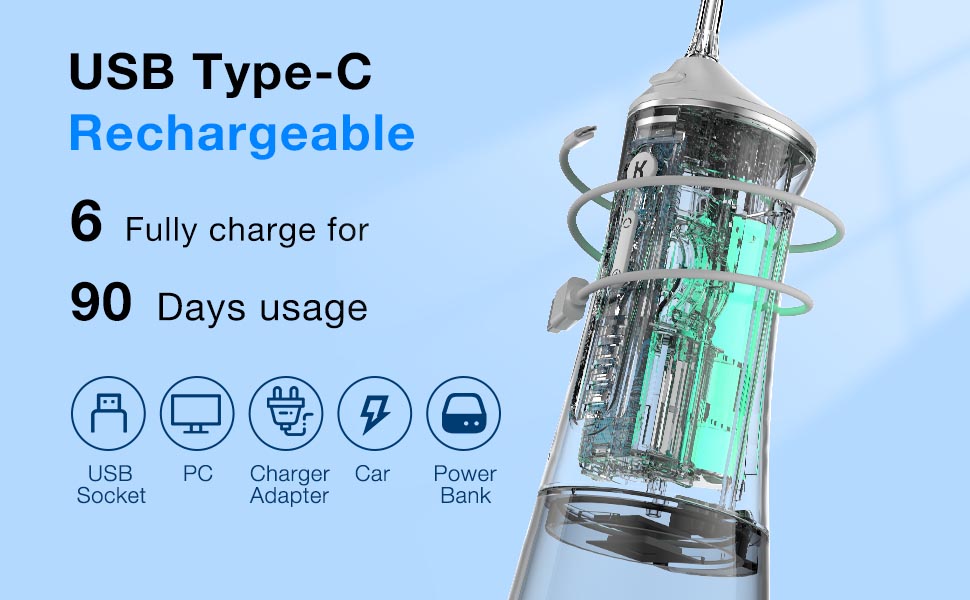
With the growing demand for convenience and portability in personal care, the wireless water flosser has become a standout product in the oral hygiene market. Unlike traditional corded models, wireless designs rely heavily on the internal harmony between a large capacity lithium battery and a high-efficiency water pump system. As a professional water flosser manufacturer, how do you ensure smooth, quiet operation while delivering powerful water pressure and long usage time? The answer lies in perfecting the battery–pump pairing. The Role of the Lithium Battery: Powering Portability The heart of any wireless water flosser is its battery. For effective, long-lasting operation, a large capacity lithium battery offers distinct advantages: Extended usage: A single charge can last for up to 2–4 weeks depending on usage frequency. Stable voltage output: Ensures consistent water pressure throughout each session. Compact size: Provides freedom to design slimmer, more ergonomic devices. Selecting the right battery (typically 1200mAh–2000mAh) helps manufacturers meet user expectations for portability and reliability in daily oral care. Water Pump Selection: The Importance of Silent Technology Water pressure performance and user comfort heavily depend on the quality of the water pump. Modern consumers expect not only efficiency but also comfort in use—this is where silent water pump technology becomes…
In the world of modern electronic devices, performance and usability are essential for ensuring customer satisfaction. One issue that often goes unnoticed is the direct correlation between Button Responsiveness Declines and Battery Lifespan Inconsistency. Aging batteries or inconsistent output cause unresponsive buttons, impairing device functionality. In this blog, we explore how Battery Lifespan Inconsistency can affect button performance, investigate the underlying causes, and offer solutions to mitigate these issues for better product durability and user experience. The Importance of Consistent Button Performance in Consumer Devices In consumer electronics, button responsiveness is a critical factor in user experience. Buttons like power, volume, or mode switches must respond quickly and accurately to users. However, over time, many devices experience Button Responsiveness Declines, which can frustrate users and result in dissatisfaction. One key, often overlooked factor contributing to this issue is Battery Lifespan Inconsistency. Battery degradation or fluctuations cause voltage instability, affecting button responsiveness dependent on stable power. How Battery Lifespan Inconsistency Affects Device Performance Battery Lifespan Inconsistency refers to the gradual degradation of a battery’s ability to hold a charge and deliver a consistent voltage. As the battery ages or undergoes extensive charge cycles, its performance can fluctuate, leading to: Power Supply…
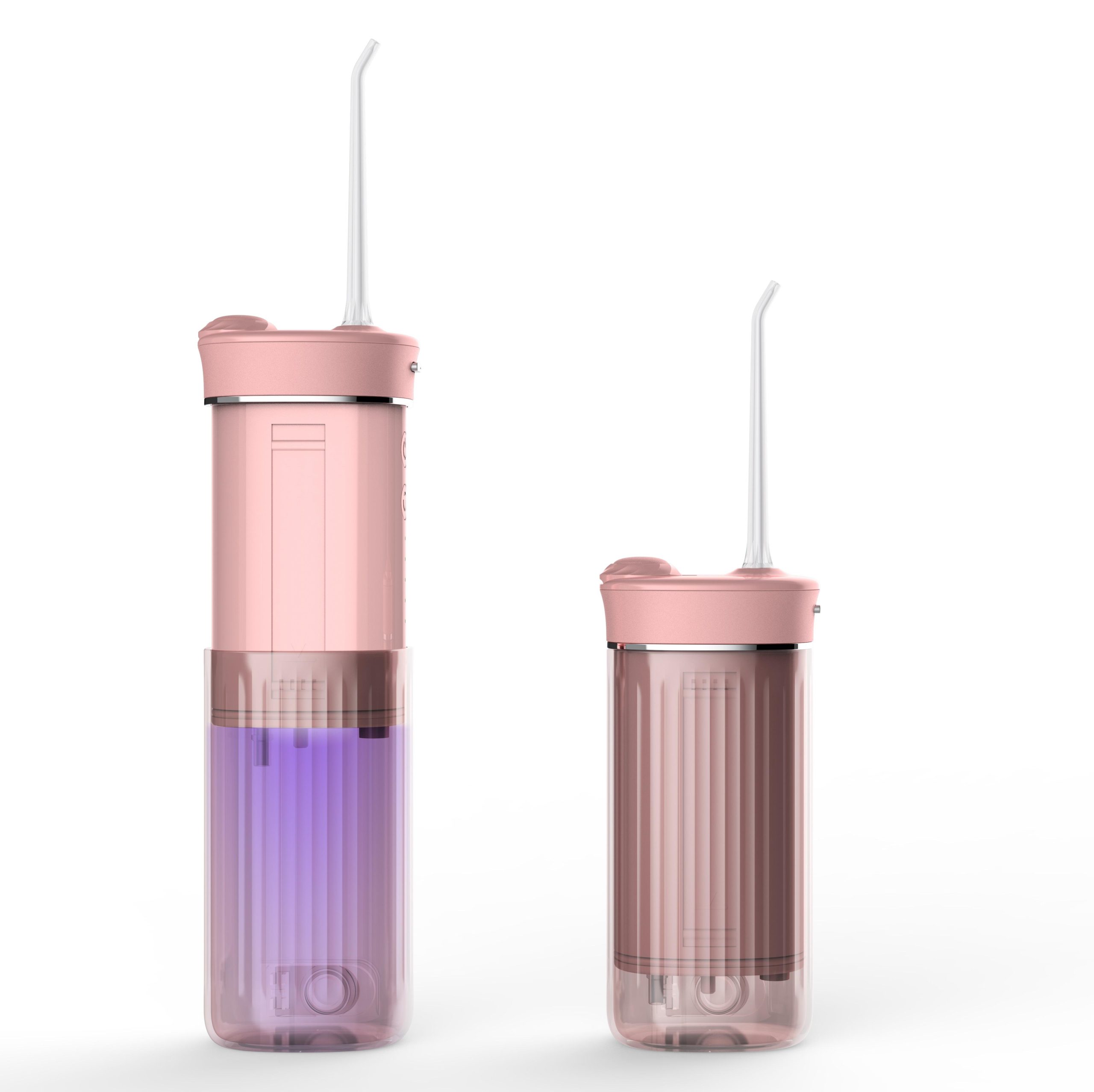
As oral hygiene awareness continues to rise, water flossers have emerged as a popular alternative to traditional dental floss. Their ability to clean deep between teeth and massage gums makes them an attractive choice for consumers worldwide. From a water flosser manufacturers’ standpoint, understanding the advantages and disadvantages of water flossers is key to designing better products and improving user satisfaction. This blog offers a comprehensive look at current product strengths and challenges — and how manufacturers are addressing them through design and innovation. Key Advantages of Water Flossers: Why Consumers Love Them Water flossers offer several benefits that make them appealing across a wide range of demographics: Gentle cleaning action: Ideal for users with braces, implants, or dental sensitivity Ease of use: More user-friendly than traditional string floss, especially for elderly or disabled individuals Improved gum health: Regular use can reduce gingivitis and improve circulation in gum tissues These are core selling points that any water flosser manufacturer must preserve and enhance during the development process. Disadvantages and Challenges: What Needs Improvement Despite their popularity, water flossers also have drawbacks that manufacturers must take seriously: Gum irritation problems: High water pressure or improper use can lead to discomfort or even bleeding gums…


.jpg)
.jpg)
.jpg)
.jpg)
.jpg)



.jpg)
.jpg)
.jpg)
.jpg)