
.jpg)
When you use teeth whitening device in a professional or retail setting, understanding its design, operation, and best practices is key to maximizing efficacy and customer satisfaction. In this post, we walk through everything from core components to step-by-step usage, safety checks, and maintenance tips—so your channel partners can sell with confidence and support end users effectively. Device Overview: What Makes Our System Unique First, our whitening device combines LED activation with advanced gel delivery: High-Intensity LEDs: Emit the optimal 420–450 nm blue light to catalyze peroxide breakdown. Ergonomic Mouthpiece: Flexible medical-grade silicone ensures even light distribution and user comfort. Integrated Timer & Display: Auto-countdown and real-time progress indicators guide treatment duration. This patented configuration underpins rapid stain removal in just 10–15 minutes per session. Key Components & Their Functions Next, let’s break down each module you’ll encounter when you use teeth whitening device: Control Unit: Houses the power button, mode selector (Standard / Sensitive), and battery display. LED Mouthpiece: Contains embedded light arrays and a diffusion chamber for uniform illumination. Power Base: Supports USB-C or wireless charging, with built-in over-voltage and temperature protection. Whitening Gel Cartridges: Pre-filled, single-use pods formulated for safety and fast activation. Familiarity with these parts…
In an increasingly connected landscape of smart oral care devices, sync errors have emerged as an unexpected contributor to taste distortion complaints. What may sound like an improbable connection—digital synchronization failures affecting sensory perception—has become a real issue for manufacturers seeking to deliver consistent, safe user experiences. If your customers are reporting metallic, bitter, or otherwise unusual tastes while using your products, it may be time to look beyond surface-level causes and scrutinize the underlying technology infrastructure. This article explores why sync errors can impact taste perception, what technical factors are involved, and how manufacturers can design more reliable solutions. Understanding the Role of Sync Errors Sync errors occur when internal systems or modules fail to communicate or update in a timely and accurate manner. In modern devices such as smart toothbrushes and whitening systems, synchronization governs: Motor speed modulation Pulsation frequency timing LED activation and intensity Automated session duration When synchronization drifts or fails outright, it can create unpredictable operational patterns. For instance, a misaligned motor pulse can alter the delivery of active ingredients, leading to taste distortion. How Sync Errors Alter Taste Perception Taste distortion often arises indirectly as a consequence of sync errors: Ingredient Dispensing Timing: If…
Recent in-house tests suggest that excessive cold light radiation used in teeth-whitening devices may exacerbate enamel demineralization by creating microthermal effects that weaken surface mineral content. To help B2B partners understand these findings, we’ll break down our lab methodology, key results, and actionable design improvements across six crucial areas. Lab Methodology: Simulating Clinical Use First, we replicated typical at-home whitening protocols under controlled conditions: Light Exposure Cycles: Samples underwent 10-minute blue-light sessions at 420–450 nm, three times daily for two weeks. Demineralization Challenges: After each session, specimens were immersed in acidified saliva analog to mimic oral pH fluctuations. Mineral Analysis: Using microhardness testing and scanning electron microscopy (SEM), we quantified changes in surface mineral density and microstructure. This rigorous setup isolates the specific impact of cold light versus chemical bleaching alone. Key Findings: Mineral Loss Quantified Next, our results revealed a clear trend: 10–15 % Hardness Reduction: Cold-light-exposed enamel showed a 12 % average drop in Vickers hardness compared to non-irradiated controls. Surface Porosity Increase: SEM imaging detected a 20 % rise in micro-pore area, indicating accelerated mineral leaching. Depth of Demineralization: Cross-sectional analysis found demineralized zones extending up to 50 µm beneath the surface, versus 30 µm without light.…
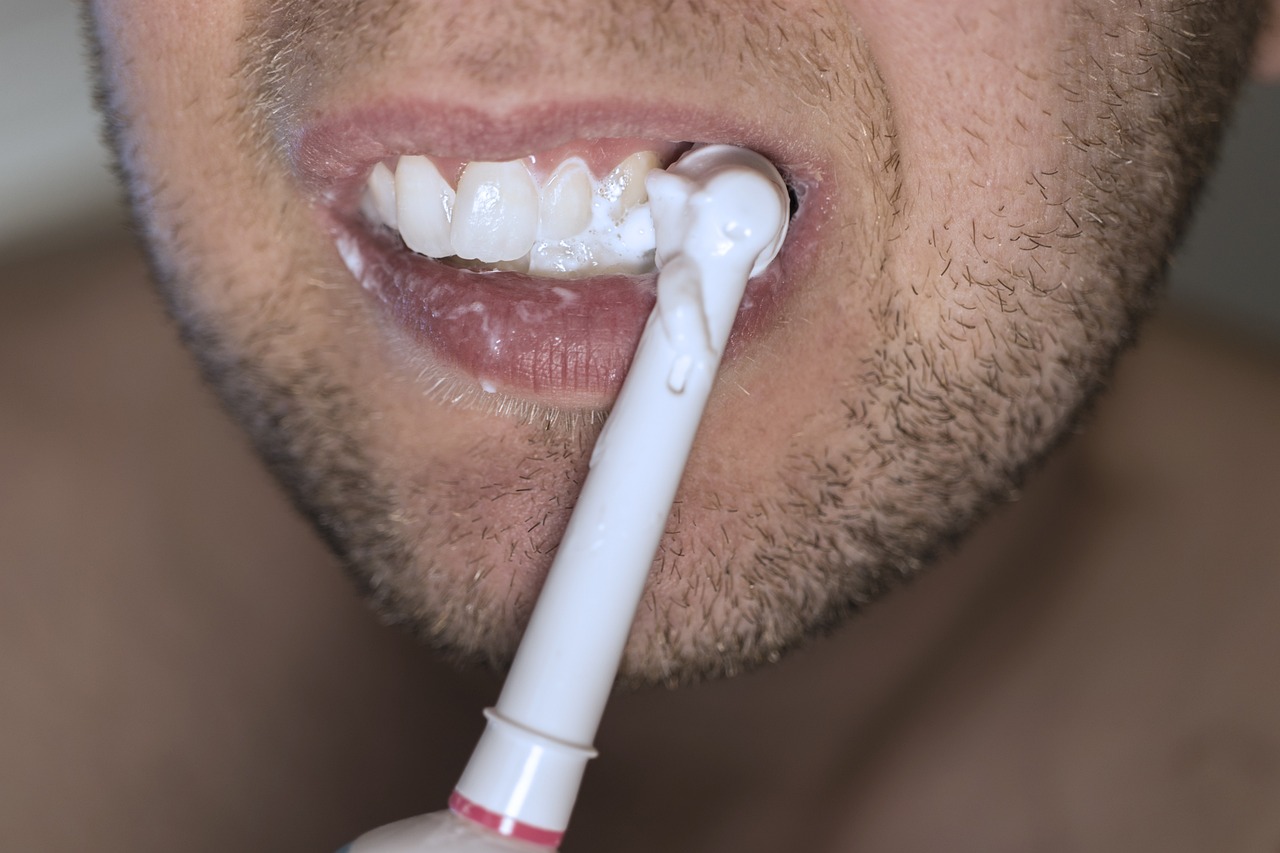
When it comes to dental hygiene, we all know the importance of brushing our teeth regularly. But with the rise of technology, there is a new player in the game - electric toothbrushes. These high-tech devices promise to clean your teeth better and more efficiently than traditional toothbrushes. But is the electric toothbrush market really growing? In this article, we will explore the current state of the electric toothbrush market and discuss the factors that are driving its growth. The Current State of the Electric Toothbrush Market The electric toothbrush market is currently experiencing rapid growth. In fact, according to a recent report by Grand View Research, the global electric toothbrush market size was valued at $2.5 billion in 2020 and is expected to grow at a compound annual growth rate (CAGR) of 7.8% from 2021 to 2028.This growth can be attributed to several factors, including: Increasing Awareness of Oral Health With the rise of social media and the internet, people are becoming more aware of the importance of oral health. This has led to an increase in demand for products that can help maintain good oral hygiene, including electric toothbrushes.Powsmart private label electric toothbrush with a powerful motor and multiple brushing modes, our electric…
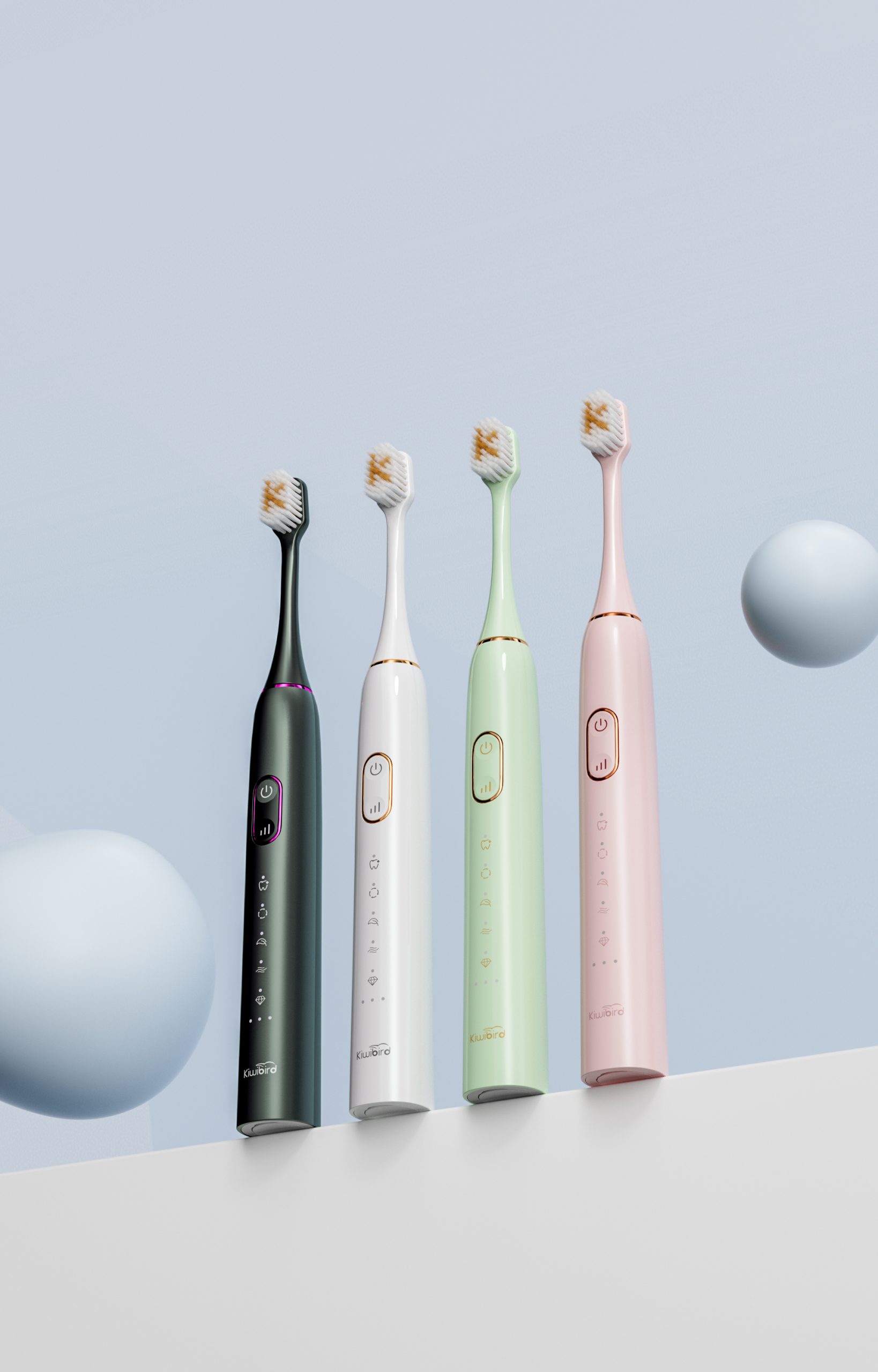
The global oral care market is evolving rapidly. Today’s consumers are no longer satisfied with just clean teeth—they demand smarter, safer, and more sustainable solutions. For oral care brands looking to expand or diversify, understanding what’s driving the category today is essential. In this blog, we’ll explore the key oral care trends shaping the industry, from dental hygiene innovation and the rising electric toothbrush demand to the growing interest in sustainable oral care and advanced whitening technology. Electric Toothbrush Demand Is Surging One of the strongest signals of growth in driving the oral care category is the continued rise in electric toothbrush demand. Consumers across various demographics are upgrading from manual brushes to smart-powered devices due to their enhanced cleaning capabilities, built-in timers, pressure sensors, and app integration. This trend opens up major opportunities for product differentiation, especially for brands offering: Customizable brushing modes Sleek, ergonomic designs Connected app ecosystems For brands looking to launch or scale electric toothbrush lines, this trend emphasizes the need to partner with manufacturers experienced in precision electronics and high-speed injection molding. Whitening Technology Drives Consumer Desire Teeth whitening is no longer a luxury—it’s becoming a daily routine. New whitening technology is influencing product innovation across the board. From…
In the field of professional oral care devices, user safety incidents such as gingival burns combined with cervical hypersensitivity are emerging as an urgent concern, especially in the whitening and deep-cleaning product categories. Manufacturers may underestimate the combined impact of thermal, chemical, and mechanical stress on delicate gingival and cervical areas. But when burns and hypersensitivity appear together, they signal a systemic design or process flaw that must be addressed. How urgent is this issue—and how can product design prevent it? What Are Gingival Burns and Cervical Hypersensitivity? Gingival burns refer to tissue damage along the gums, typically caused by: Excessive heat from whitening lights or ultrasonic devices Chemical irritation from concentrated bleaching gels Friction burns from improperly shaped applicators or brush heads Cervical hypersensitivity involves intense sensitivity in the tooth neck region (cementoenamel junction), often triggered by: Exposure of dentin due to over-brushing or chemical erosion Thermal stimulation from overly hot devices Mechanical abrasion near the gumline When these two issues occur simultaneously, user discomfort and potential oral injury escalate rapidly. Why Their Combined Occurrence Is More Than Coincidence Experiencing gingival burns and cervical hypersensitivity together is not random: Devices producing localized heat (LEDs, ultrasonic tips) can damage both…
In the realm of oral care device manufacturing, increasing reports of allergic reactions following pulp irritation during product use have raised concerns. While these two symptoms may appear unrelated—one immunological, the other sensory—closer technical analysis suggests they may not be mere coincidence. Could pulp irritation actually trigger or amplify allergic reactions? Understanding this potential connection is essential for manufacturers aiming to enhance both product safety and user trust. What Exactly Is Pulp Irritation in Oral Care Products? Pulp irritation refers to inflammation or overstimulation of the dental pulp—the soft tissue within teeth containing nerves and blood vessels. In the context of oral care devices, it typically results from: Thermal stress caused by overpowered whitening lights or ultrasonic heads Chemical penetration from peroxide gels, flavoring agents, or cleaning fluids Mechanical over-vibration or aggressive brushing applied too near the pulp chamber Symptoms include sharp tooth pain, prolonged sensitivity, and discomfort when consuming hot or cold substances. What Constitutes an Allergic Reaction in Oral Care Use? Allergic reactions manifest as hypersensitivity responses, potentially including: Localized swelling of gums, lips, or oral tissues Itching or burning sensations in the mouth Generalized rashes, irritation, or even respiratory responses in severe cases Such reactions are typically…
Many manufacturers of rechargeable devices are noticing a recurring issue during product usage: a gradual runtime shortening even when the battery is not yet at the end of its cycle life. One frequently suspected cause is battery memory — a phenomenon often misunderstood or overlooked. But are these two issues truly connected? This blog explores the relationship between runtime degradation and memory effect, and provides insights on how manufacturers can address this potential performance risk through informed design and quality control. Understanding the Concept of Runtime Shortening Runtime shortening refers to a device’s decreasing ability to maintain its intended performance duration after a full charge. In the context of electric toothbrushes, water flossers, or whitening systems, this means less cleaning time or lower motor efficiency—both of which can negatively impact the end-user experience. While aging batteries are a common culprit, devices with relatively new battery packs have also exhibited runtime drops, prompting further technical analysis. Company web: https://www.powsmart.com/product/electric-toothbrush/ What Is Battery Memory? Battery memory (also known as the memory effect) is a condition historically associated with nickel-cadmium (NiCd) batteries, wherein the battery “remembers” a shorter discharge cycle if it’s repeatedly recharged without full depletion. Over time, this partial charging habit can…
In modern personal care and dental devices, battery degradation and LED dimming are two frequently encountered yet underestimated issues that affect both performance and user satisfaction. Over time, as the battery’s health declines, it directly contributes to LED brightness reduction, which can undermine whitening effectiveness, operation visibility, or aesthetic appeal. But is this process truly unavoidable—or can manufacturers design products that resist this twin challenge? Why Battery Degradation Leads to LED Dimming The relationship between battery degradation and LED dimming is rooted in power delivery. As batteries age—due to charge cycles, temperature exposure, and material fatigue—their internal resistance increases, reducing their ability to deliver consistent voltage and current. For LEDs, which rely on stable power input to maintain brightness, this fluctuation results in visible dimming. In oral care devices such as whitening trays or LED-based toothbrushes, this reduced light output can compromise treatment efficacy or user confidence in the device's performance. The Impact of LED Dimming on Product Functionality LED dimming triggered by battery degradation is not merely a cosmetic flaw. It has deeper implications: Reduced bleaching or sterilization efficiency in light-assisted products; Weakened user interface signals (e.g., indicator lights for status or errors); Perceived decline in product quality, reducing…
In the rapidly evolving market of oral care devices, particularly electric toothbrushes and whitening applicators, cases of brush discoloration combined with hydrogen peroxide burns are becoming a concern for both users and manufacturers. While these issues may appear superficial at first glance, ignoring them could expose end-users to safety risks and damage the brand's reputation. But is this truly something manufacturers can afford to overlook? What Causes Brush Discoloration? Brush discoloration often results from repeated exposure to whitening gels containing hydrogen peroxide. Factors contributing to this include: High concentrations of peroxide that degrade bristle materials; Heat generated during device operation, accelerating chemical breakdown; Poor-quality bristle polymers that react easily with oxidizing agents. Over time, this leads to noticeable yellowing, fading, or spotting on the brush head—clear signs that chemical damage is taking place. How Hydrogen Peroxide Burns Occur In parallel, hydrogen peroxide burns can affect the user’s soft tissues—particularly gums and lips—when whitening agents leak or are improperly applied. Such burns typically arise from: Overfilled whitening trays or misaligned applicators; Gel seepage caused by poorly fitting devices; Excessive peroxide concentration without proper neutralizing agents. These burns manifest as irritation, whitening of the mucosa, or even pain—and in severe cases, tissue…
In the production and design of personal care devices such as whitening pens, electric toothbrushes, or beauty tools, Gel Leakage and the resulting Chemical Burns have become concerns that manufacturers can no longer afford to ignore. While such issues may seem minor during the design or assembly stage, they carry significant risks for end-users—posing not only personal injury hazards but also potential damage to brand reputation and after-sales costs. What is Gel Leakage and Why Does It Matter? Gel Leakage refers to the unintended escape of liquid or semi-liquid substances from sealed compartments inside a device, such as whitening gel pens or battery-powered beauty applicators. This leakage often occurs due to seal failure, material degradation, or poor design of the containment chamber. When gel leaks from its intended path, it comes into direct contact with surrounding components or even the user’s skin or gums. In worst-case scenarios, this leads to Chemical Burns, especially if the gel formulation includes peroxide, acid, or alcohol-based ingredients intended for controlled application only. Causes Behind Gel Leakage in Devices Several critical factors contribute to Gel Leakage: Seal Deterioration: Over time or due to poor material selection, the sealing components (like O-rings or gaskets) may crack…
In the field of oral care device manufacturing, cleaning residue and bristle hardening are frequently dismissed as minor maintenance issues. However, when both occur together, they can quickly escalate into a serious quality and safety concern for users. Left unaddressed, this combination not only undermines product performance but also increases the likelihood of gum irritation, enamel damage, and customer dissatisfaction. In this article, we’ll explore why cleaning residue and bristle hardening often go hand in hand, the specific risks they create, and how manufacturers can prevent this “double trouble” scenario. Understanding Cleaning Residue Cleaning residue typically forms when toothpaste, whitening gels, or disinfectants are not fully rinsed away. Over time, these substances: Build up between bristle clusters Harden into sticky films Serve as breeding grounds for bacteria This residue compromises hygiene and creates friction points that accelerate bristle wear. Company web: https://www.powsmart.com/product/electric-toothbrush/ Why Bristle Hardening Occurs While bristle hardening can occur independently due to material fatigue or repeated heat exposure, cleaning residue often makes it worse: Residual chemicals attack the polymer structure of bristles Dry films cause the bristles to lose flexibility faster Accumulated debris locks bristles in rigid formations As a result, a brush head that should remain soft…
When discussing the durability and efficiency of personal oral care devices, particularly electric toothbrushes and water flossers, the relationship between weak pressure and potential enamel thinning often comes into question. Can insufficient pressure actually contribute to the gradual erosion of enamel? This concern is increasingly relevant for manufacturers aiming to balance gentle care with effective cleaning. What Is Enamel Thinning and Why Is It a Concern? Enamel thinning refers to the gradual loss of the protective outer layer of the tooth, which safeguards the inner dentin and pulp. This condition leads to: Increased tooth sensitivity; Higher risk of cavities and decay; Discoloration and an uneven tooth surface; Overall decline in oral health. Once enamel is worn away, it cannot regenerate naturally, making prevention critical. The Role of Pressure in Oral Cleaning Devices Proper pressure during brushing or water flossing is essential to remove plaque and food debris effectively without damaging enamel. However, weak pressure can cause: Incomplete removal of plaque, leaving acidic biofilm on the enamel surface; Extended brushing or flossing time, encouraging overuse and excessive friction; Inconsistent contact with the tooth surface, requiring users to press harder manually, possibly causing mechanical enamel wear. Thus, weak pressure may indirectly contribute…
In the design and operation of oral irrigators, vacuum-assisted skincare devices, or dental suction tools, two common issues—pump failure and weak suction—often occur together. While either problem alone can degrade performance, their combination often signals a terminal system malfunction that demands immediate design review and structural correction. What Causes Pump Failure in Small-Scale Devices? Pump failure** typically results from mechanical wear, motor burnout, or obstructions. In B2B-use cases like high-frequency clinic tools or home devices used intensively, the following root causes are frequently seen: Motor degradation due to overheating or continuous overuse Seal breakdown, allowing air ingress and reducing pressure Pump chamber blockage from limescale, biofilm, or gel residue Uncalibrated motor speed, leading to off-balance flow rates In many designs, the pump is directly tied to the device’s core functional output—once compromised, performance drops sharply. How Pump Failure Leads to Weak Suction The most immediate effect of pump degradation is suction loss. Without proper internal pressure regulation and consistent mechanical actuation, devices can’t draw fluid efficiently. Key mechanical reasons include: Reduced vacuum generation Inconsistent pulse flow or irregular fluid stream Internal backflow or valve inversion due to design wear Power–fluid sync issues where the motor and pump cycle fall out…
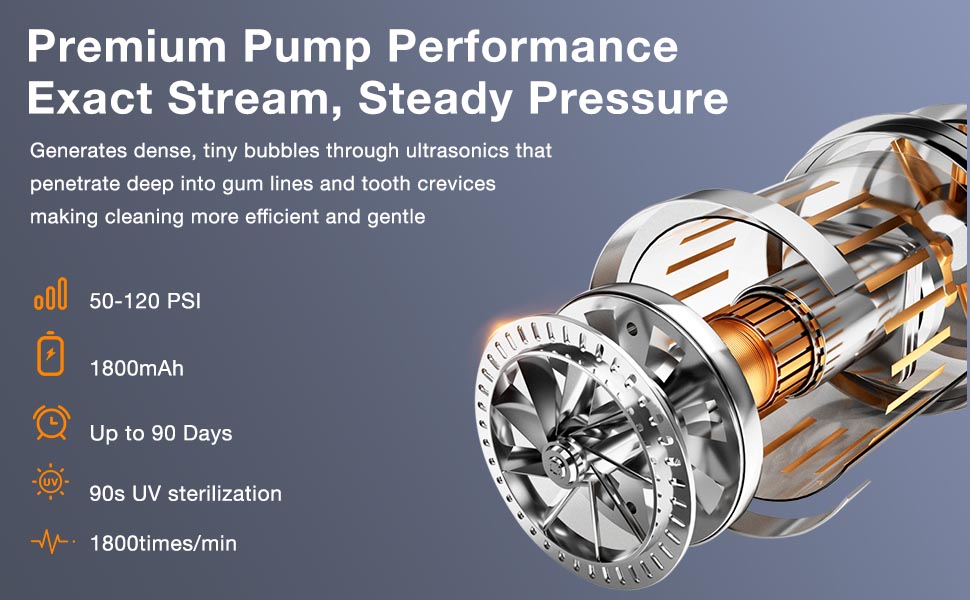
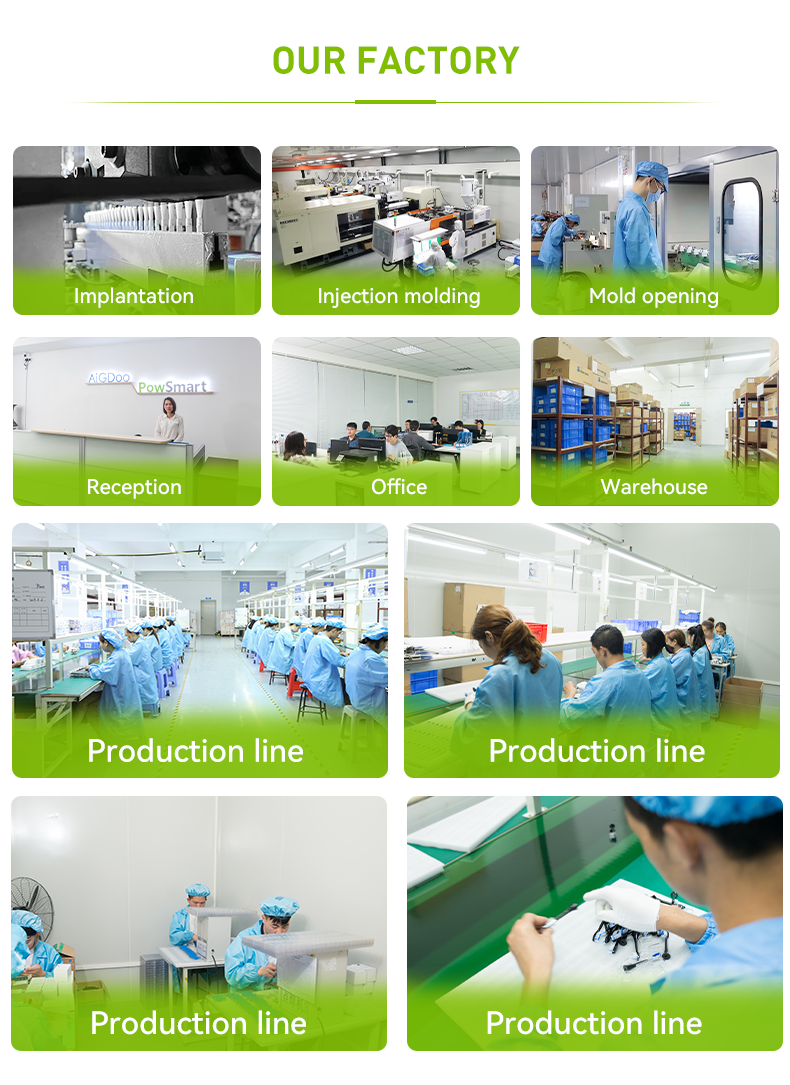
Oral irrigators, commonly known as water flossers, are essential tools in oral care, providing a highly effective way to clean between teeth and along the gumline. One of the core components that ensure the efficiency of an oral irrigator is its water pump. As a water flosser supplier, Powsmart has been providing OEM/ODM service for over 20 years. We mainly produce oral care products including electric toothbrushes, water flossers and teeth whitening products currently for private labeling service. The Role of the Water Pump in Oral Irrigators The water pump of an oral irrigator plays a crucial role in generating the pressurized water flow needed to remove food particles, plaque, and bacteria from hard-to-reach areas in the mouth. The water pump is responsible for controlling water pressure and flow rate, which directly influences the cleaning efficacy. According to studies, 80% of users report a noticeable improvement in their oral health when using an irrigator with a high-quality water pump that provides consistent pressure. Types of Water Pumps in Oral Irrigators There are several different types of water pumps, each offering distinct features in terms of performance, noise level, and durability: Piston Pumps: Common in lower-end models, piston pumps are simple and cost-effective.…
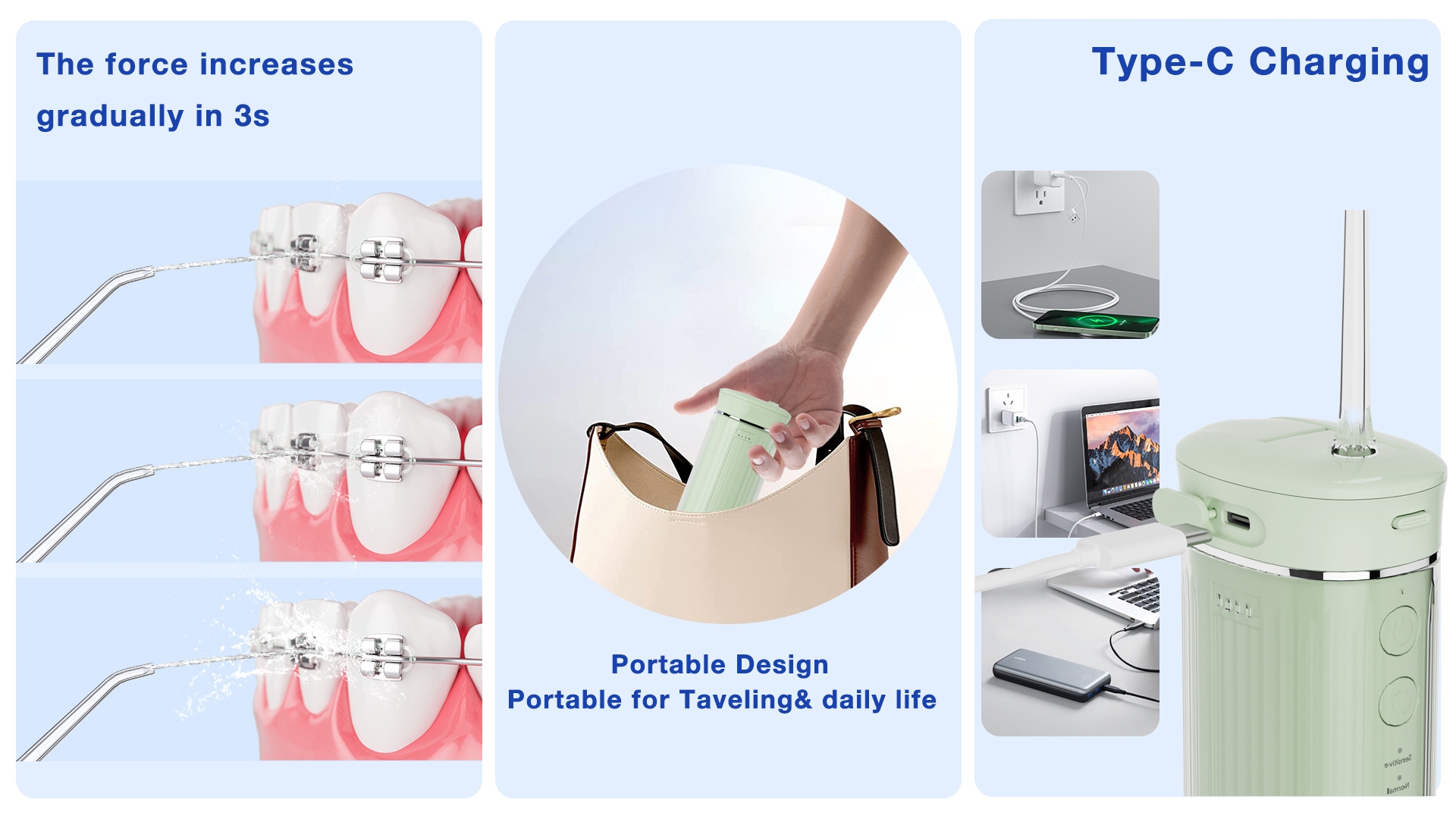
A water flosser is a game-changer for dental hygiene, helping to clean areas traditional floss cannot reach. However, with so many options available, how do you choose the best water flosser for your dental needs? In this guide, Powsmart is going to provide practical tips for choosing the best water flosser and explain how selecting the right product can transform your oral care routine. Understand Your Dental Needs Before choosing a water flosser, consider your specific dental requirements. Do you have braces, implants, or sensitive gums? For those with orthodontics, a model with specialized tips is ideal. If you have gum sensitivity, opt for a device with adjustable pressure settings. By identifying your unique needs, you can better determine the best water flosser for your dental needs. Powsmart offers different types of nozzles available for all of our UVC water flosser. Using a specific nozzles for each mouth type can greatly improve the efficiency of tooth cleaning. Key Features to Look For When evaluating water flossers, pay attention to features such as: Water Pressure Control: Ensures gentle yet effective cleaning. Tank Capacity: Larger water tanks reduce the need for frequent refills. Portability: A compact model is perfect for travel. Ease of Use: Simple controls and ergonomic design…
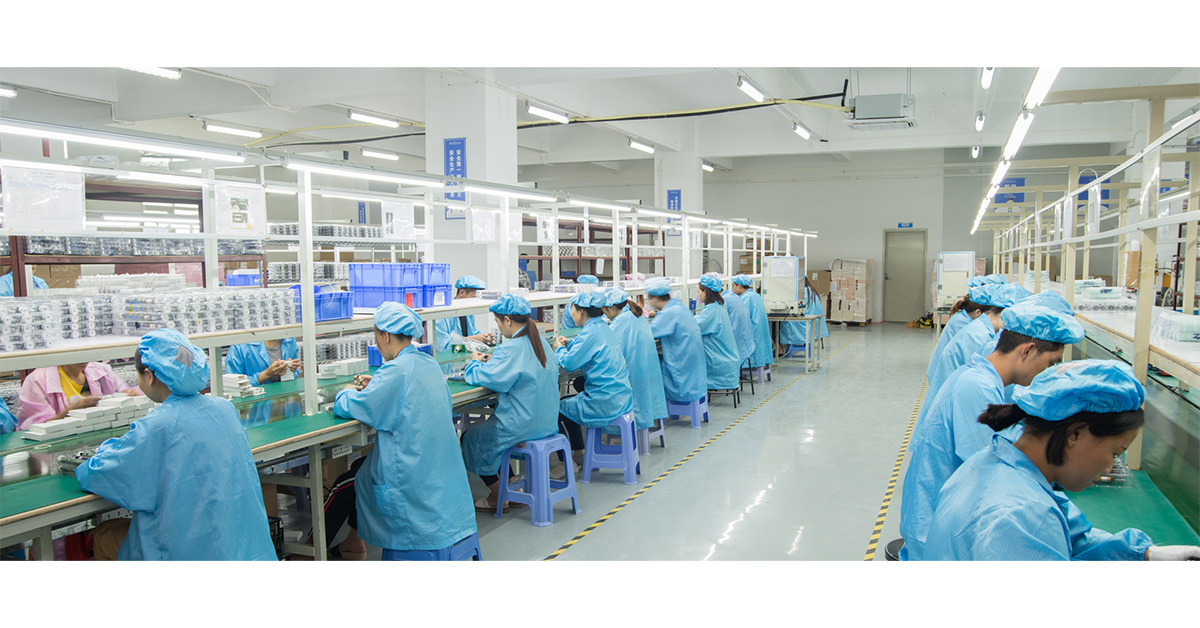
Home dental beauty products are revolutionizing the way people maintain their oral aesthetics. These products offer convenience, affordability, and professional-grade results, making them increasingly popular among consumers. For businesses, the home dental beauty products business represents a lucrative and growing market. As a teeth whitening products factory, we’d like to share the key advantages of home dental beauty products with you and their role in shaping the oral care industry. Convenience and Accessibility One of the most significant advantages of home dental beauty products is their convenience. With these products, users can achieve whiter teeth, fresher breath, and improved oral aesthetics without frequent visits to dental clinics. Products like teeth whitening kits, LED-powered devices, and sonic brushes are designed for easy, at-home use, saving time and effort for busy individuals. This convenience makes them a compelling choice for today’s fast-paced lifestyles. Powsmart is an experienced oral care products manufacturer with over 20 years OEM/ODM service experience. Our main products available for customization includes sonic electric toothbrush, water flosser and LED teeth whitening device. Cost-Effectiveness Compared to professional dental treatments, home dental beauty products are a more affordable alternative. For instance, a complete at-home whitening kit can deliver results comparable to in-clinic treatments but at…
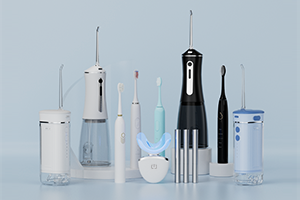
Maintaining periodontal health is a cornerstone of overall oral hygiene. While traditional flossing has long been recommended, the emergence of oral irrigators offers an innovative alternative. Powsmart is a private label oral care manufacturer & factory covering sonic toothbrush, water flosser and teeth whitening products, FDA approved. In this blog, We're going to explore the influence of the use of oral irrigators on periodontal health. Oral Irrigators and Their Role in Periodontal Health Oral irrigators, also known as water flossers, use a pulsating stream of water to remove food debris and plaque from between teeth and along the gumline. Research demonstrates that these devices can significantly improve periodontal health by reducing gingival inflammation and lowering the risk of gum disease. Studies show that regular use of an oral irrigator can reduce bleeding gums by up to 50%, making it an effective tool for individuals prone to periodontal issues. Pros and Cons of Water Flossers When considering the pros and cons of water flossers, it is clear that these devices have distinct advantages: Pros:Gentle on sensitive gums, making them suitable for individuals with periodontal concerns.Easy to use, especially for those with braces or dental implants. Clinically proven to reach areas traditional floss may…
As at-home whitening devices become more widespread, the home treatment risks cannot be overlooked: improper usage, mismatched formulations and devices, and inadequate brush-head design often leave behind stubborn stain residues. Over time, these residual pigments—through repeated brushing friction and chemical exposure—can significantly increase the gum recession risk, posing serious long-term oral health challenges. The Convenience and Pitfalls of DIY Whitening First, home whitening appeals due to its convenience: No Appointments Needed: Users can treat themselves anytime without visiting a clinic. Lack of Professional Assessment: Without a dentist’s evaluation, underlying enamel sensitivity or intrinsic discoloration may go unrecognized. Overextension Temptation: Many believe “longer is better,” ignoring safe limits for chemical concentration and light exposure. Because of these blind spots, surface stains may clear while deeper pigment pockets remain untreated. Improper Technique Creates Coverage Gaps Next, common home treatment risks stem from user technique errors: Uneven Gel Application: Bleaching gel pools unevenly, missing fissures and pits where heavy staining resides. Incorrect Brush Angles: Misaligned brush heads fail to contact interdental areas, leaving food debris and pigments behind. Timing Mismanagement: Without built-in timers, users risk under- or over-treating, resulting in incomplete chemical reactions. These gaps allow residual stains to persist in hard-to-reach areas.Company…
Many professionals overlook how excessive noise from electric toothbrushes not only annoys users but can drive them to over-compensate—exacerbating pulp inflammation and even tetracycline stains worsening in predisposed patients. In this article, we dissect six critical facets of these dual threats and outline best practices for B2B manufacturers to deliver safer, quieter devices. Noise as a Signal of Mechanical Imbalance First, loud buzzing often indicates internal misalignment: Rotor Imbalance: An off-center mass causes tonal peaks that amplify noise without boosting cleaning power. Bearing Wear: Worn bearings squeal under load, hinting at friction that generates heat and vibration. Seal Fatigue: Vibrations loosen seals, risking water ingress and long-term motor damage. Addressing mechanical balance reduces both sound output and hidden device stress. How Excessive Noise Drives User Overcompensation Next, users instinctively fight noise by: Pressing Harder: To drown out the racket, users lean in—multiplying bristle force on enamel and dentin. Prolonged Sessions: Lingering past the recommended two minutes in hopes of “better cleaning,” overtaxes pulp tissue. High-Intensity Modes: Switching to top-power settings amplifies both noise and vibrational load on gums and pulp. These compensatory behaviors directly contribute to pulp inflammation. Company web:https://www.powsmart.com/product/electric-toothbrush/ Pulp Inflammation Mechanisms Moreover, chronic over-pressure and vibration irritate the…


.jpg)
.jpg)
.jpg)
.jpg)
.jpg)



.jpg)
.jpg)

.jpg)
.jpg)