.jpg)
Introduction: When Overbrush Habits Lead to Deep Tissue Inflammation In the pursuit of oral cleanliness, many end users unintentionally adopt an overbrush habit, believing that more force or longer brushing time equates to better hygiene. However, evidence increasingly suggests that excessive brushing can go beyond surface abrasion, triggering deeper biological responses such as pulp inflammation. For B2B device manufacturers and dental technology developers, understanding this connection is critical to designing tools that not only clean effectively but protect long-term dental health. What Is an Overbrush Habit and Why Does It Occur? The overbrush habit is typically defined by: Brushing for more than 2 minutes excessively Applying excessive pressure while brushing Using stiff bristles or high-powered brush heads without modulation Brushing multiple times a day beyond clinical recommendation This behavior often stems from consumer misconceptions about oral hygiene, lack of device feedback, or poor ergonomic design that doesn't intuitively correct user misuse. From Enamel Wear to Pulp Inflammation: A Deepening Threat While overbrushing is commonly associated with enamel erosion or gingival recession, the real danger lies beneath. When enamel is stripped and dentin exposed, the dental pulp—which contains nerves and blood vessels—becomes vulnerable. Prolonged mechanical stress or thermal sensitivity from exposed…

Introduction: Gingival Abrasion and Saliva Depletion – The Overlooked Duo in Oral Devices In today’s competitive oral care device market, consumers demand powerful cleaning performance and smart functionality. Yet, hidden beneath these expectations lies a growing concern: gingival abrasion caused by mechanical overexposure, and saliva depletion induced by poor thermal or vibrational design. When these two issues occur simultaneously, the result can be a silent but progressive deterioration of oral health—one that often escapes early detection. For B2B manufacturers, failing to address these risks at the design stage could mean product recalls, customer dissatisfaction, or even reputational damage. The Technical Triggers of Gingival Abrasion Gingival abrasion is most often caused by poor brush design and misaligned functional mechanics. Several technical aspects contribute to this issue: Overly stiff bristles or aggressive oscillation patterns Lack of pressure regulation leading to excessive force on the gumline Inflexible brush head geometry that does not adapt to gingival curvature Slippery or unbalanced handles that encourage incorrect brushing angles To address this, preventive design must include soft-touch materials, ergonomic handling, and real-time feedback features that discourage aggressive brushing. Saliva Depletion: A Device-Induced Imbalance? While saliva flow is primarily a physiological process, device design can subtly yet…
.jpg)
With the rise in consumer awareness around dental hygiene and the increasing adoption of smart home technologies, smart electric toothbrushes are now at the forefront of personal care innovation. As more brands seek to enter or expand in this competitive space, partnering with a reliable smart electric toothbrush manufacturing has become a strategic necessity. But how do you identify the right manufacturing partner that aligns with your brand’s quality standards, customization needs, and market goals? This blog provides a comprehensive selection guide to help brand owners and private label businesses make informed decisions. Understand the Capabilities of the OEM Partner The first step in choosing an OEM is to evaluate their technical capabilities. A strong oral care OEM should have: In-house R&D for smart hardware and firmware development Expertise in producing Bluetooth toothbrushes Experience integrating app connectivity and sensors for pressure, timing, and brushing modes A competent Bluetooth toothbrush factory can ensure seamless communication between brush and mobile app, while maintaining safety and hygiene standards in manufacturing. Assess Product Customization Flexibility Every brand has a unique identity. Therefore, the ability to offer custom toothbrush manufacturing is crucial. Look for an OEM partner that can support: Bristle design variations (soft, medium, charcoal-infused, etc.) Handle materials and ergonomic…
.jpg)
Introduction: Are Bluetooth Toothbrush APP Tracking Problems Hindering User Adaptation? As Bluetooth-integrated smart oral care tools become a staple in personal hygiene, the importance of Bluetooth Toothbrush APP Tracking cannot be overstated. These apps are designed to enhance brushing habits, provide real-time feedback, and foster long-term user adaptation. However, when app tracking fails—whether through inaccurate data, connectivity drops, or lag in real-time response—it can undermine user trust and discourage consistent usage. For OEMs and B2B stakeholders, such performance failures can result in higher product returns, negative reviews, and brand reputation risks. The Purpose of Bluetooth Toothbrush APP Tracking Modern smart toothbrushes are more than just cleaning tools—they’re data-driven health platforms. Bluetooth Toothbrush APP Tracking plays a pivotal role in: Monitoring brushing frequency and duration Detecting pressure and brushing angles Offering gamified progress charts for children and adults Providing adaptive coaching based on user behavior The ultimate goal is to increase user adaptation, encouraging better oral care habits over time. However, when the tracking system falters, this behavioral reinforcement collapses. Common Causes of App Tracking Failure There are several technical and design flaws that could result in compromised tracking: Unstable Bluetooth connectivity in low-power environments Inaccurate sensor calibration leading to misleading…
.jpg)
In high-precision oral care systems, valve jamming is often viewed as a mechanical fault—disrupting fluid control and device reliability. But recent field data suggests a more nuanced concern: could valve malfunction contribute to salivary alteration? As the connection between device performance and oral health becomes more interlinked, it’s essential to explore how a small mechanical failure might lead to a perceptible shift in the user’s salivary experience—and whether this is preventable or fixable. Understanding the Function of Valve jamming in Oral Devices In devices like water flossers and powered toothbrushes with irrigation features, internal valves manage the flow rate and pressure of liquids. These valves play a crucial role in controlling: Timing and consistency of fluid release Prevention of backflow System-wide pressure regulation Valve jamming occurs when particulate debris, misalignment, or material fatigue causes the valve to stick in a partially open or closed position. This leads to inconsistent water delivery and possibly air infusion—altering how the mouth feels during operation. How Valve jamming Affects the Oral Environment A jammed valve may cause: Surges or interruptions in water flow Increased suction effects on oral tissues Mixing of air and water in unintended ratios These fluctuations can have a direct influence…
When electrical integrity meets biological vulnerability, even minor design flaws can escalate into serious health risks. In the case of charging corrosion and mucosal lesions, manufacturers face a dual-threat scenario: one technical, one medical. Could electrochemical wear at the charging port be linked to soft tissue injury? And more importantly, is this interaction potentially fatal? In this article, we explore the hidden link between material degradation and biological exposure—highlighting key considerations for OEM and ODM developers. What is Charging Corrosion—and Why It Matters? Charging corrosion refers to the gradual degradation of metal contact points, typically caused by moisture ingress, saliva exposure, or repeated plugging in humid environments. This corrosion is more than just an aesthetic issue; it can lead to: Unstable charging current Surface flaking of metal oxides Exposure of toxic ions (e.g., nickel, copper) Risk of short-circuit or overheating In devices like electric toothbrushes or oral irrigators, the charging port is often located close to the user’s mouth or skin—making any breakdown potentially hazardous. Understanding Mucosal Lesions from Contact Contaminants Mucosal lesions are ulcerative or inflamed patches on the inner cheeks, lips, or gum tissues. While these may arise from mechanical abrasion, they can also result from: Prolonged exposure…
In high-frequency consumer electronics and medical-grade equipment, adapter overheating and circuit shorting are not just performance concerns—they may signal a potential fire hazard. While these issues are often treated independently, their co-occurrence can rapidly escalate the risk of thermal runaway or device ignition. This article explores the root causes, failure mechanisms, and proactive design measures manufacturers must take to prevent catastrophic outcomes. Identifying the Symptoms: Early Signs of Trouble Before failure becomes critical, several warning signs often appear: Temperature rise near the adapter during operation Audible buzzing or flickering LEDs Unusual smells or discoloration at charging points Intermittent device shutdown or reboot Adapter overheating can result from improper load regulation, degraded thermal paste, or substandard power ICs. If unresolved, this heat buildup may lead to insulation degradation, ultimately triggering circuit shorting. How Overheating Triggers Electrical Shorting Excessive adapter heat can weaken or deform internal insulation, especially in low-cost or poorly ventilated designs. As heat degrades barrier layers or softens solder joints: Adjacent conductors may arc PCB traces may warp and bridge Melted cable shielding can expose conductive paths The result? A circuit shorting event, which may ignite nearby polymer materials or cause localized arc faults. Fire Risk Assessment: When Does…
.jpg)
In recent years, the oral care market has undergone a significant transformation. Consumers are no longer satisfied with generic products—they seek personalized, innovative, and wellness-oriented solutions. This growing demand has given rise to a new generation of oral care brand startups that focus on differentiation, user experience, and design-driven products. But launching a new brand comes with manufacturing challenges, especially when minimum order quantities (MOQs) are high. That’s where low MOQ orders and small-batch customization options can make all the difference. Why Small-Batch Customization Matters Small-batch customization allows new oral care brands to develop unique, custom-designed products such as custom electric toothbrushes or OEM dental care products—without the financial burden of large-scale inventory. Key advantages include: Market testing: Launch limited-edition designs or test formulations before committing to mass production. Cash flow control: Lower initial investment for production helps startups preserve capital for marketing, branding, or R&D. Product flexibility: Rapid iteration of product features, packaging, and design based on customer feedback. By offering low MOQ orders, manufacturers empower emerging brands to enter the market more confidently and creatively. Custom Electric Toothbrush: A Case for Small Runs Developing a custom electric toothbrush is one of the most popular routes for new oral care brands. Thanks to advancements…
In the competitive oral care industry, building a trusted brand is not only about innovative designs or sleek packaging—it’s also about reliability. However, many companies overlook a critical factor that can significantly erode their bottom line and brand equity: high after-sales costs. For an oral care brand, after-sales costs such as warranty claims, product returns, and repairs—especially for electronic items like electric toothbrushes—can quickly escalate. In this blog, we’ll explore the impact of high warranty claims, analyze how electric toothbrush repair costs can add up, and offer strategies for reducing oral product returns while boosting customer retention. The Real Cost of After-Sales: Beyond Warranty Claims Oral care brand after-sales costs include far more than just processing product returns. These hidden expenses can involve:\n\n- Customer service manpower and infrastructure\n- Logistics and return shipping fees\n- Replacements and refund processing\n- Repair costs (especially for high-value electric toothbrushes and oral irrigators)\n\nWhen these costs are not under control, they eat into profit margins and force brands to cut budgets elsewhere—like marketing, R&D, or product innovation. The Impact of High Warranty Claims on Profitability Frequent product failures result in an increased number of warranty claims. These not only lead to direct financial losses but also undermine consumer trust. The…
When developing a successful electric toothbrush, one critical consideration for oral care brands and manufacturers is the electric toothbrush charging system. The type of charging method used can significantly impact user experience, product lifespan, and ultimately, brand reputation. This article explores various charging technologies — including wireless charging, contact charging, and USB-C charging — and evaluates their pros, cons, and charging failure rate to help brands make informed choices. Contact Charging: Proven but Sensitive to Wear Contact charging is one of the most widely used methods in electric toothbrushes. It involves direct metal-to-metal contact between the brush and the charging base. Pros: Cost-effective and easy to integrate into existing product designs Fast charging with relatively simple electronics Cons: Charging reliability may degrade over time due to corrosion or dirt buildup on the contact points Higher charging failure rate in humid environments or after prolonged use This method is suitable for entry-level or cost-sensitive product lines, but brands seeking long-term durability may prefer alternatives. Wireless Charging: Sleek and Sealed Wireless charging (inductive charging) eliminates metal contacts, using electromagnetic fields to transfer energy through the plastic housing. This technology is becoming increasingly popular in premium models. Pros: Enhanced waterproofing and aesthetic appeal Fewer moving parts and better longevity Lower…
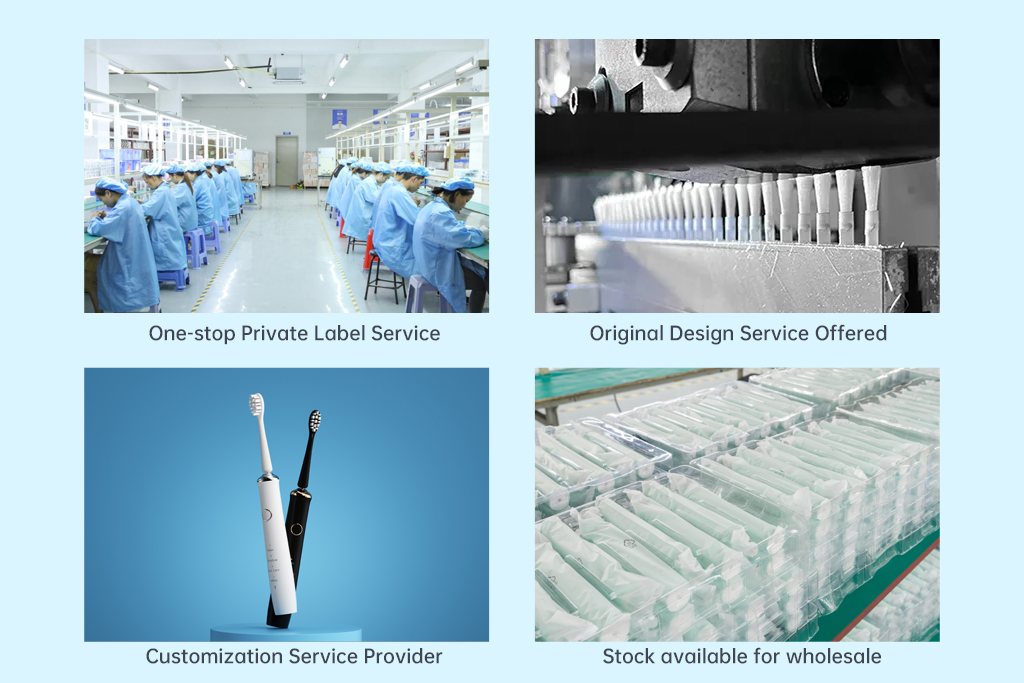
With the competitive dental care market growing rapidly, competition among oral care brands is fiercer than ever. To stand out, brands must understand which competitive oral care products are currently in demand and what consumers are looking for in their oral hygiene routines. From dental care market trends to oral hygiene innovations, this blog provides manufacturers and brand owners with a clear roadmap to product development and strategic sourcing. Understanding Dental Care Market Trends To succeed in today’s oral care industry, it’s critical to align with current dental care market trends. Key developments include: Increased awareness of preventative care Consumer demand for personalized and tech-enabled products Rising preference for eco-friendly and sustainable options Growth in at-home oral care routines, especially post-pandemic These trends are shaping the future of what qualifies as high-demand dental products, forcing manufacturers and brands to evolve beyond traditional brushes and pastes. Characteristics of Competitive Oral Care Products What makes a product truly competitive in this saturated market? Here are key characteristics: Functionality & Innovation: Products that integrate new technology or design for better results—think sonic vibration, pressure sensors, and AI feedback apps. User-centric design: Sleek, ergonomic, and easy-to-use products win user loyalty. Scientific validation: Backed by dental professionals…
In modern oral care device design, both mechanical action and user technique influence plaque removal outcomes. Surprisingly, one overlooked factor is the angle technique during brushing. Whether using manual brushes, sonic toothbrushes,or professional cleaning tools, incorrect angle positioning can significantly reduce cleaning efficiency, compromising oral hygiene. But how exactly does angle control influence plaque removal, and what can manufacturers do to address this problem at the design stage? Understanding Angle Technique in Oral Hygiene Angle technique refers to the angle at which a brush head contacts the tooth surface and gum line during cleaning. Dental professionals recommend a 45° angle for optimal plaque removal, ensuring bristles reach into the gingival margin where plaque typically accumulates. However: Most consumers apply brushes at incorrect angles. Automatic brushing devices often lack intelligent angle guidance. Manufacturers that fail to address angle control in their design may inadvertently limit plaque removal efficiency. How Angle Technique Directly Impacts Plaque Removal Efficiency Improper angle technique leads to: Missed plaque along gum lines. Insufficient cleaning between teeth. Uneven force distribution across tooth surfaces. This means even a high-performance sonic motor or advanced brush head may fail to deliver expected plaque removal if bristle orientation isn’t optimized. Company web:https://www.powsmart.com/product/electric-toothbrush/…
In modern oral care product design, gingival recession and cervical hypersensitivity are increasingly reported issues. While cervical hypersensitivity typically presents as sharp pain along the gum line, it may also be an early sign of progressive gingival recession. This raises a critical question for oral device manufacturers: is the damage reversible, or are design flaws compounding these conditions? What Is Gingival Recession? Gingival recession refers to the gradual withdrawal of gum tissue from the tooth surface, exposing the roots and increasing the risk of infection. Key contributing factors include: Aggressive brushing techniques. Poor-quality bristles or abrasive brush heads. Excessive mechanical pressure from powered toothbrushes. Inadequate software controls in electric devices leading to over-brushing cycles. Once gingival tissue recedes, full restoration is often difficult without surgical intervention. Understanding Cervical Hypersensitivity Cervical hypersensitivity arises when dentin near the gum line becomes exposed. Consumers report sudden sharp pain triggered by: Temperature changes. Acidic or sweet foods. Mechanical stimulation from oral care devices. Inadequate pressure sensing and overpowered motors can unintentionally aggravate this sensitivity during daily brushing routines. Company web:https://www.powsmart.com/product/electric-toothbrush/ Are Gingival Recession and Cervical Hypersensitivity Linked? Yes. Cervical hypersensitivity can act as an early warning for impending gingival recession. When hypersensitivity pain causes…
Tooth demineralization and enamel microfractures may seem like minor issues during initial detection, but in the world of oral care technology, they signal a silent yet dangerous crisis. As leading oral care product manufacturers, understanding the interplay between these two conditions is critical to preventing long-term dental damage and protecting end-user health. What Is Tooth Demineralization? Tooth demineralization refers to the loss of essential minerals, such as calcium and phosphate, from the tooth surface, leading to enamel weakening. In daily oral care: Acidic environments (from diet or bacterial plaque) accelerate mineral loss. Poorly optimized toothpaste dispensers or overly abrasive brush heads exacerbate the problem. Insufficient fluoride exposure prevents remineralization cycles. Manufacturers must recognize this as a progressive condition that undermines enamel integrity at a microscopic level. The Hidden Threat of Enamel Microfractures Simultaneously, enamel microfractures develop from mechanical stresses: Hard bristle splaying. Excessive vibration frequencies in sonic toothbrushes. Improper brush head angling due to non-ergonomic handle design. While microscopic, these fractures compromise the enamel’s protective role, providing entry points for acids and bacteria. Company web: https://www.powsmart.com/product/electric-toothbrush/ Are Tooth Demineralization and Enamel Microfractures Linked? Absolutely. Tooth demineralization weakens the enamel structure, making it more susceptible to microfracture formation. Conversely, enamel microfractures…
In the daily performance of oral care devices, battery depletion and pressure fluctuation are two customer complaints manufacturers cannot ignore. But are these seemingly separate issues connected? For brands committed to product reliability, understanding the link between pressure fluctuation and battery depletion is critical for optimizing energy efficiency and overall user satisfaction. What Causes Battery Depletion in Oral Care Devices? Battery depletion is typically caused by: Inadequate battery capacity selection during design. High energy consumption due to inefficient motor control. Power drain from leakage currents or standby electronics. Repeated deep discharge cycles damaging battery life. When left unaddressed, premature battery exhaustion directly affects product convenience and lifespan. Understanding Pressure Fluctuation in Fluid-Based Devices Pressure fluctuation refers to inconsistent fluid output in devices like water flossers. This issue often arises from: Inaccurate pump control or degraded motor performance. Air leakage or internal blockages in water flow paths. Poor valve design leading to backflow or pulsing instability. These fluctuations not only reduce cleaning efficiency but also place extra load on motor components. Company web:https://www.powsmart.com/product/electric-toothbrush/ How Pressure Instability Accelerates Battery Depletion So, how are pressure fluctuation and battery depletion linked? The answer lies in motor workload: Inconsistent pressure causes the motor to overcompensate.…
In recent user feedback reports, unexpected adapter overheating and subsequent sinus discomfort have been observed, particularly in compact oral care devices like water flossers and electric toothbrushes. While at first glance these issues appear unrelated, closer technical analysis suggests potential connections between heat management failures and user health complaints. This raises a critical question for manufacturers: Is adapter overheating indirectly causing sinus discomfort? What Is Adapter Overheating and Why Does It Occur? Adapter overheating refers to excessive temperature buildup within the power adapter or charging module during device operation or charging. Contributing factors include: Undersized power supply units unable to handle prolonged current loads Poor heat dissipation design or lack of thermal cutoffs Low-quality internal wiring or contact resistance buildup Absence of temperature monitoring or over-temperature protection Prolonged adapter overheating can elevate the surface temperature of oral care devices, which may pose user safety concerns. Understanding Sinus Discomfort in Oral Device Users Sinus discomfort in users often manifests as: A sensation of facial pressure or congestion Dryness or irritation in the nasal passages Headaches triggered post-use Possible causes include: Warm airflow or device-generated heat reaching the nasal area Thermal irritation exacerbating existing sinus sensitivity Off-gassing from overheated plastics contributing to…
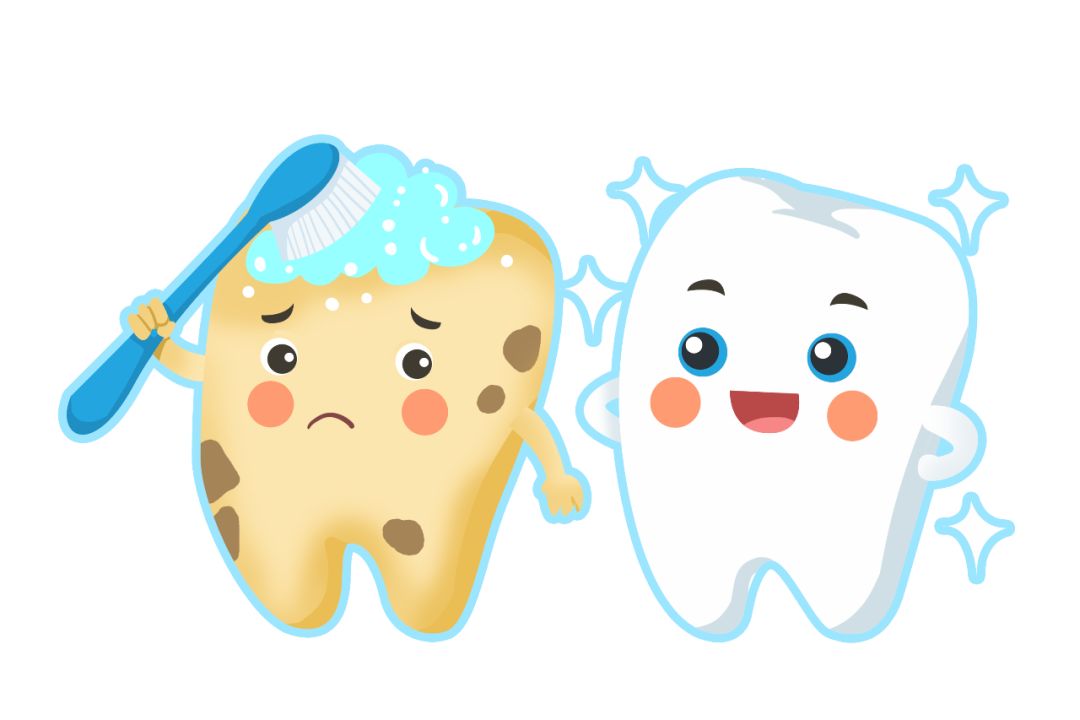
In today’s oral care market, consumers are increasingly seeking gentle oral hygiene solutions that do not compromise comfort. A large segment of users experiences sensitivity—whether from gum recession, dental treatments, or chronic oral conditions—making them ideal candidates for Sensitive Oral Cavity products. For oral care brands, this growing demand represents a valuable niche with strong market potential. But to serve this segment successfully, brands must focus on developing and sourcing the right products that maintaining hygiene without discomfort. This article explores product features, materials, and manufacturing considerations that brand owners should understand when looking for reliable OEM/ODM suppliers of gentle oral care products. Understanding the Needs of Users with Sensitive Oral Cavities Consumers with sensitive oral tissues require extra care in their hygiene routine. Traditional oral care tools can often cause irritation, micro-abrasions, or discomfort. The ideal Sensitive Oral Cavity products must meet several key criteria: Ultra-soft materials to avoid tissue damage Non-abrasive designs for daily use Gentle, yet effective cleaning performance Hypoallergenic and non-irritating formulations in toothpaste or mouthwash Understanding these user pain points is the first step toward developing product lines that meet genuine, unmet needs in the market. The Importance of the Soft Bristle Toothbrush One of the cornerstone products in…
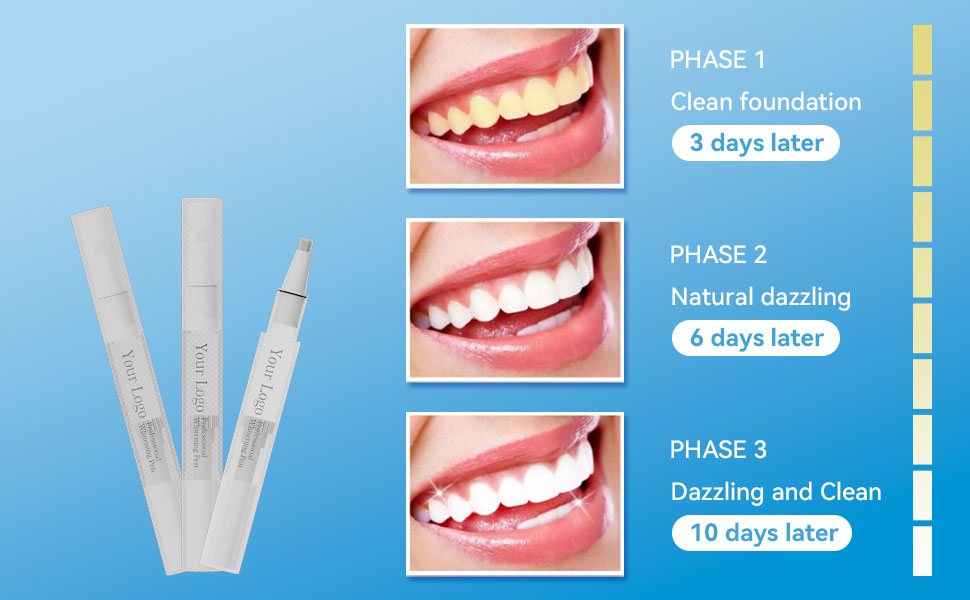
In professional and consumer whitening devices alike, whitening rebound—the rapid re-staining of teeth after treatment—remains a frustrating concern. Increasingly, technical analysis reveals a link between light decay in LED systems and premature loss of whitening results. Is whitening rebound after light decay inevitable, or can manufacturers mitigate this hidden flaw? Let’s examine the critical factors. Understanding Whitening Rebound: Why Results Fade Too Fast Whitening rebound refers to the gradual reversal of tooth whitening, often within weeks of treatment. Common causes include: Incomplete oxidation of chromogens during whitening Inconsistent energy delivery during treatment Re-mineralization surface irregularities re-attracting stains Inadequate gel activation, leading to superficial results For brands, whitening rebound undermines product promises and reduces customer satisfaction. Light Decay: Hidden Weakness in Whitening Systems Light decay in LED-based whitening devices refers to: Gradual reduction in emitted light intensity over repeated usage cycles Degradation of LED lens clarity due to thermal damage or residue buildup Internal circuit wear reducing current stability, weakening photon output As whitening relies heavily on photo-activation, light decay directly reduces gel activation efficiency—making even high-quality gels less effective. Company web:https://www.powsmart.com/product/electric-toothbrush/ The Direct Link: How Light Decay Triggers Whitening Rebound Light decay and whitening rebound are closely linked via: Suboptimal…
In the realm of electric toothbrush production, the correlation between brush head blockage and motor stalling is a significant issue that manufacturers cannot ignore. While consumers often attribute power interruptions to battery issues, internal evaluations reveal that clogged or obstructed brush heads are a leading cause of motor stalling, directly affecting product reliability and customer satisfaction. Is this problem avoidable? Let’s explore its origins and potential solutions. Understanding Brush Head Blockage in Daily Use Brush head blockage occurs when: Foreign matter such as toothpaste residue, hair, or debris accumulates around bristle bases. Improper cleaning leads to hardened deposits around the rotating axis or oscillating arms. Manufacturing residues like flash or uncleaned burrs restrict brush head movement. Assembly misalignment causes improper seating of the brush head, reducing rotational clearance. Over time, these factors create mechanical resistance that the motor cannot overcome, leading to system failure. How Blockage Leads to Motor Stalling Mechanically When brush head blockage occurs: The drive shaft experiences abnormal torque loads. Friction increases drastically at brush coupling interfaces. The motor’s load current spikes, triggering overcurrent protection circuits or thermal shutdown protocols. In extreme cases, unprotected motors may sustain coil overheating, permanently damaging the motor. From the user's perspective,…
In recent product quality audits and customer feedback loops, two seemingly unrelated issues have started to appear together with increasing frequency: battery depletion and adapter overheating. At first glance, these may seem like independent faults—one chemical, the other thermal. However, deeper diagnostic analysis reveals they may actually be symptoms of a single systemic flaw. Could battery depletion be directly related to adapter overheating? And if so, how can OEM/ODM manufacturers detect, prevent, and even design around this dual risk? Understanding Battery Depletion: Symptoms and Root Causes Battery depletion refers to the rapid or abnormal loss of charge capacity over time. In electric toothbrushes, water flossers, and personal care devices, this typically manifests as: Decreased runtime after full charge Faster-than-expected battery wear within warranty period Charging cycles that appear normal but don’t replenish usable capacity Devices that shut down prematurely even with charge indicated The root causes may involve battery chemistry degradation, poor charging current management, or repeated exposure to heat. What Causes Adapter Overheating? Adapter overheating occurs when the charger exceeds its designed thermal tolerance due to: Excessive charging current drawn by the device Poor contact at the plug/port, creating resistance and thermal buildup Substandard materials or compact adapter shells…


.jpg)
.jpg)
.jpg)
.jpg)
.jpg)



.jpg)
.jpg)