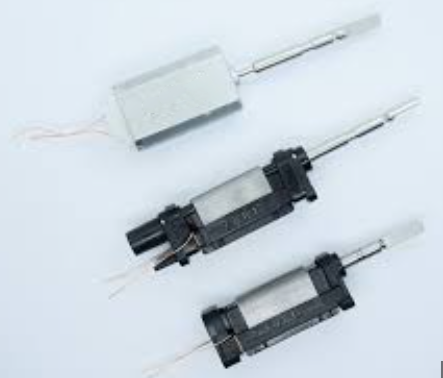
With increasing awareness of oral health, electric toothbrushes have become a preferred choice for consumers worldwide. At the heart of every electric toothbrush lies its motor, determining performance, efficiency, and user experience. The competitiveness of electric toothbrush motors is a crucial factor in differentiating products in a competitive market. Types of Electric Toothbrush Motors Understanding the types of electric toothbrush motors is essential for manufacturers aiming to enhance product quality and efficiency. The two primary types include: Brushed DC Motors: Traditional and cost-effective, but they produce more friction, resulting in shorter lifespan and higher noise levels. Brushless DC Motors (BLDC) and High-Performance Sonic Motors: These offer superior energy efficiency, lower noise, and greater durability, making them the preferred choice for premium electric toothbrushes. All of Powsmart's products are using Dual-axis motors, which is more stronger, stable, quiter and efficient compared with the single shaft motor. High-Performance Sonic Motors: A Key Differentiator High-performance sonic motors bring significant advantages to electric toothbrushes, including: Higher vibration frequencies (30,000–50,000 strokes per minute) for superior plaque removal. More consistent and powerful torque output, ensuring deep cleaning while protecting gums. Greater energy efficiency, allowing for longer battery life and sustainable usage. Low noise operation, improving user experience and comfort. Motor…
Introduction: The Critical Role of Bristle in Oral Care When sourcing electric toothbrush, manufacturers must pay close attention to bristle quality—a key factor that determines cleaning effectiveness and user satisfaction. The right bristle design can enhance plaque removal, gum protection, and overall brushing performance. In this guide, we’ll explore how to select the best brush filaments for optimal dual-effect cleaning and long-term oral health. 1. The Importance of Bristle Material and Durability High-quality brush filaments should be made from soft yet durable nylon to ensure they don’t fray quickly while remaining gentle on gums. Inferior bristles may harden over time, causing gum irritation. Manufacturers should prioritize FDA-approved materials that resist bacterial growth and maintain elasticity after prolonged use. 2. Dual-Layer Bristles for Dual-Effect Cleaning A smart bristle configuration is the double-layer bristles design, combining 0.01mm long and thin bristles with 0.15mm short and tough bristles. The long, thin bristles (0.01mm) reach deep between teeth and along the gumline to remove hidden plaque. The short, tough bristles (0.15mm) provide strong scrubbing power for surface stains and food debris.This dual-effect cleaning ensures comprehensive oral hygiene, making the toothbrush more appealing to end-users. 3. Bristle Shape and Arrangement Matter Beyond material, bristle shape and density impact cleaning efficiency: Tapered bristles enhance flexibility for gentle gum care. Crisscross patterns improve interdental cleaning. High-density clusters ensure consistent coverage with each stroke.Manufacturers should…
.jpg)
As global populations age, the silver economy—economic activity driven by consumers aged 50 and above—continues to expand rapidly. This demographic shift presents valuable opportunities for oral care brands. While younger audiences often dominate marketing conversations, the senior oral care market is emerging as a powerful, underserved segment. In this blog, we explore why the middle-aged and elderly consumer group holds high potential for electric oral hygiene products, and how brands can partner with the right manufacturing experts to tap into this growing demand. Changing Oral Health Needs in the Aging Population As people age, their oral health challenges become more complex. Common issues include gum recession, dry mouth, tooth sensitivity, and dexterity loss. These changes call for tailored solutions—not just basic hygiene tools. For example: Older adults may struggle with manual brushing due to arthritis or reduced motor control. Dental work such as implants, bridges, or partial dentures requires gentle but effective cleaning. This is where age-friendly dental products—particularly electric toothbrushes and oral irrigators designed for elderly users—can make a meaningful difference. Electric Toothbrushes for the Elderly: A Product-Market Fit Electric toothbrushes for the elderly offer several advantages over manual brushes: Ease of use: With ergonomic handles and automated cleaning action, electric…
Choose the right electric toothbrush for your children is an important decision that can impact their oral health and brushing habits. With so many options available, it’s essential to consider factors like age and stage, gentle vibration, and whether the brush head is small and moderate in design. As a trusted B2B manufacturer of dental care products, we’re here to guide you through the process of choose the perfect electric toothbrush for your children. 1. Consider the Child’s Age and Stage When choose an electric toothbrush for your children, the first factor to consider is their age and stage. Electric toothbrushes are generally recommended for ages 3 and up, as younger children may not have the motor skills to use them effectively. For toddlers, look for models specifically designed for their age group, with features like smaller brush heads and softer bristles. Older children can use more advanced models with additional features, such as timers and multiple brushing modes. 2. Opt for Gentle Vibration Children’s teeth and gums are more sensitive than adults’, so it’s important to choose an electric toothbrush with gentle vibration. Many electric toothbrushes for kids come with adjustable speed settings or specialized modes for sensitive teeth.…

Electric toothbrushes are widely praised for their superior cleaning performance, but when it comes to children, parents often wonder: Are electric toothbrushes harmful to children? As a leading B2B manufacturer of dental care products, we believe it’s important to address this concern by analyzing potential risks and disadvantages. In this blog, we’ll explore three major hazards—aggravates existing dental problems, chronic tooth damage, and tooth enamel wear—while also discussing issues like lack of age-specific design, improper brushing method, low oral tolerance, and the risks of choosing low-priced and low-quality goods. 1. Aggravates Existing Dental Problems One potential risk of electric toothbrushes for children is that they may aggravate existing dental problems. For example, children with sensitive teeth, gum disease, or orthodontic appliances like braces may find the vibrations of an electric toothbrush too intense. Without proper guidance or a gentle mode, the high-speed movements could irritate sensitive areas or worsen existing conditions. It’s crucial to consult a dentist before introducing an electric toothbrush to a child with known dental issues. 2. Risk of Chronic Tooth Damage Another concern is the possibility of chronic tooth damage caused by improper use. Children who apply too much pressure or use an electric toothbrush incorrectly may experience long-term damage to their teeth and gums. Over time,…

The global population is aging rapidly. By 2050, people aged 60 and above are expected to account for over 20% of the world’s population. This demographic shift presents a powerful opportunity for product innovation—especially in the health and wellness sector. For an electric toothbrush manufacturer, the challenge lies in designing oral care tools that cater to the physical and cognitive needs of older adults. One compelling solution? The voice electric toothbrush with built-in multi-language voice prompts. Understanding the Needs of the Silver-Haired Market To effectively serve the silver-haired market, it's essential to understand their unique challenges: Decreased vision and hearing Limited dexterity or reduced grip strength Cognitive impairments or memory decline Language and cultural diversity among older users worldwide Traditional electric toothbrushes often fall short in meeting these needs. However, voice guidance and multilingual support can greatly enhance usability and daily compliance for seniors. The Role of Voice Electric Toothbrushes in Enhancing Accessibility A voice electric toothbrush can deliver real-time spoken instructions, such as: When to switch brushing zones How long to brush each area Gentle reminders on pressure or technique For seniors who may struggle with reading small displays or interpreting vibrations, audible voice prompts significantly increase accessibility, making daily oral care…
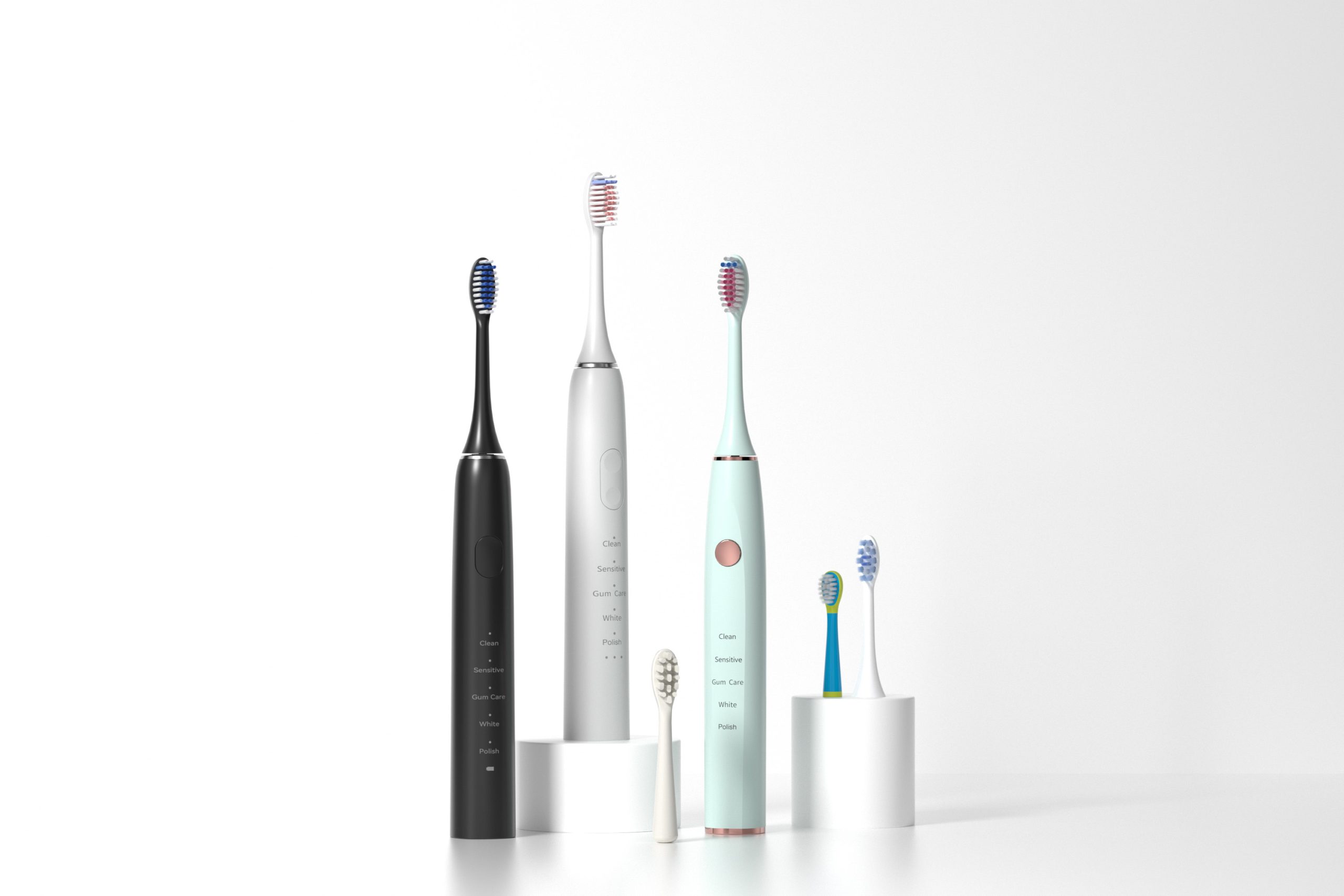
Modern households are looking for convenience, performance, and cost-efficiency—even when it comes to oral hygiene. For brands developing a family toothbrush solution, the demand for smart, compact, and multifunctional products is growing rapidly.Consumers are shifting away from individual devices for every family member. Instead, they’re seeking space-saving oral care tools that can serve the whole household—without sacrificing hygiene or performance. For OEM electric toothbrush buyers, this creates a powerful opportunity to bring family-centric designs to market that offer quiet operation, easy brush head switching, and long battery life. The Value of a Shared Device with Individualized Functionality One of the key benefits of an all-in-one family toothbrush system is shared hardware with personalized usage. Most designs allow for individual brush heads—often color-coded or labeled—making it easy to maintain hygiene for multiple users. Moreover, when paired with smart brushing modes (such as child-friendly soft modes or deep-clean settings for adults), the device becomes a family toothbrush solution that adapts to different needs. This reduces clutter in the bathroom, simplifies charging, and lowers product cost per user—making it a smart offering for budget-conscious families and retailers alike. Quiet Performance: A Must-Have for Shared Living Spaces In family environments, noise levels matter. A…
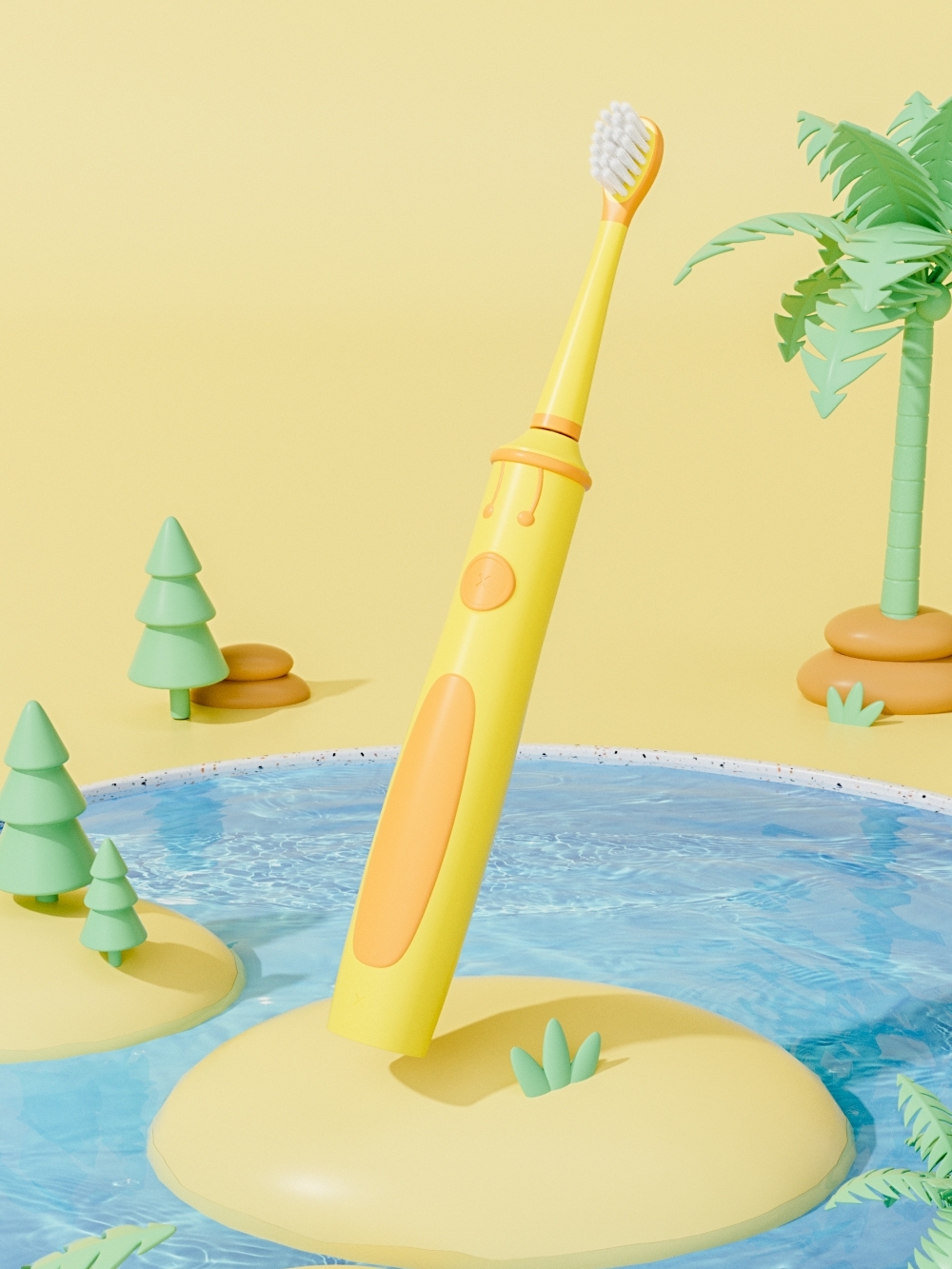
When it comes to children’s oral health, parents and brand owners alike share one major concern: safety. As Kids’ Electric Brushing grow in popularity, many are asking — are these devices truly safe for daily use by toddlers and kids? With features like soft bristles, food-grade silicone brush heads, and low-vibration technology, today’s kid-friendly electric toothbrushes offer more than just fun—they offer protection and peace of mind. For brands looking to enter this growing market, finding the right OEM manufacturer who prioritizes both functionality and child safety is key. The Shift Toward Electric for Children Traditional manual brushing can be ineffective for young children who lack dexterity. As a result, electric toothbrushes tailored for children have become a preferred choice among parents. They make brushing easier and more thorough, especially with built-in timers and ergonomic designs. However, it's crucial that these devices are developed with young users in mind—this is where product design and materials play a critical role. Soft Bristles: Gentle Yet Effective One of the first things to look for in a children’s electric toothbrush is the quality of the bristles. Ultra-soft bristles are designed to clean without damaging delicate enamel or irritating sensitive gums. Unlike adult toothbrushes, kid-specific…
.jpg)
In the world of oral care, especially for families, practicality and cost-efficiency are key concerns. One solution that’s gaining popularity is sharing charging bases. This feature, often integrated into family toothbrush systems, offers a space-saving approach that can potentially reduce costs for both manufacturers and consumers. But does this solution actually cut overall costs for brand owners? For those exploring OEM solutions for electric toothbrushes, understanding the cost benefits and challenges of shared charging bases is essential to making informed product development decisions. Understanding the Concept of Sharing Charging Shared charging refers to the ability for multiple electric toothbrushes to charge simultaneously from a single charging base. This design allows each family member to use their individual toothbrush while benefiting from a shared power source. For family toothbrush systems, this solution not only saves space but also cuts down on the need for multiple chargers, reducing both the manufacturing and consumer costs. Brands opting for OEM solutions that offer shared charging options can attract cost-conscious customers by offering an affordable and practical solution. The Space-Saving Benefits for Families One of the primary advantages of sharing charging bases is the space-saving aspect. Families typically need multiple toothbrushes, each with its own…
.jpg)
As demand for personalized oral care grows, toothbrush devices must offer highly programmable pulse frequency control and sensitivity adaptation to accommodate multiple modes and user profiles. Only by combining a range of settings with real-time feedback can a single device truly meet the needs of all ages, oral conditions, and use-case scenarios. Segmenting Users and Their Diverse Needs First, B2B manufacturers should consider the full spectrum of end users: Children and Teens: Require low-frequency, gentle pulses to protect developing gums. Everyday Adults: Need mid-range frequency and strength in a standard cleaning mode that balances efficiency with comfort. Sensitive Users: Benefit from precise sensitivity adaptation, ensuring effective cleaning without irritation. Orthodontic and Restorative Cases: Demand specialized nozzles or brush heads to navigate braces, implants, and other hardware. Clear user personas are essential to define the must-have features for a “one-size-fits-all” device. Multi-Mode Design: From Basic to Professional Next, the device should support multiple cleaning modes for different scenarios: Standard Cleaning: Ideal for daily plaque removal. Whitening/Polish: Uses high pulse frequency and specialized brush heads for surface brightening. Gum Massage: Low-frequency pulses gently stimulate gum circulation. Orthodontic Mode: Works with dedicated nozzles or heads to flush around brackets and wires. Deep-Clean Therapy:…
As oral‐care devices evolve, ensuring child compatibility while addressing cold light sensitivity poses a unique challenge: devices must be gentle enough for young users yet powerful enough for effective phototherapy without triggering discomfort or tissue irritation. In this post, we’ll explore six key factors that B2B partners should consider when designing child-friendly, cold-light-based oral-care solutions. Special Considerations for Child Compatibility Children’s teeth and gums are still developing and therefore require extra protection: Reduced Power & Duration: Pediatric modes should operate at lower light intensity and shorter exposure times than adult settings. Choking & Ingestion Safeguards: Nozzle and applicator dimensions must meet child-safety standards to prevent accidental swallowing. Biocompatible Materials: All parts contacting the mouth must use FDA- or ISO 10993-certified, non-toxic materials free of harmful additives. Child compatibility is not just a feature—it’s a safety imperative. Cold Light Technology & Sensitivity Risks Cold light (typically 400–420 nm) is effective for whitening and disinfection but can cause cold light sensitivity if misapplied: Soft-Tissue Irritation: Blue light can provoke burning or redness on delicate pediatric gingiva. Photochemical By-Products: High-intensity exposure may generate free radicals that weaken enamel surface. Thermal Accumulation: Even “cold” LEDs can raise local temperature over prolonged use, aggravating sensitivity.…
In the world of personal care appliances and handheld devices, ergonomic discomfort has emerged as a silent but persistent issue affecting user satisfaction. One common consequence that arises from poor design is grip fatigue, especially during prolonged or repetitive use. When these two factors interact, the result is often diminished performance, negative user feedback, and elevated product returns—raising important questions for manufacturers and OEM partners alike. Understanding Ergonomic Discomfort in Product Design Ergonomic discomfort typically stems from poor alignment between the product’s shape and the user’s natural hand posture. Causes include: Awkward grip angles Unbalanced weight distribution Improper button placement Inflexible or overly textured materials Such discomfort doesn't just affect comfort—it actively leads users to overcompensate with tighter gripping force, setting the stage for grip fatigue. What Is Grip Fatigue—and Why It Matters Grip fatigue refers to the muscular exhaustion that results from sustained hand contraction. In electric toothbrushes, oral irrigators, or grooming tools, this can manifest as: Tingling or soreness in the hand and wrist Reduced control during use Unintended drops or slips Early product abandonment by users Grip fatigue is especially concerning for older adults or users with pre-existing joint issues, amplifying the urgency of ergonomic precision. Company…
.jpg)
Maintaining optimal dental hygiene for braces is crucial for individuals with orthodontic appliances. Braces create additional challenges in keeping teeth clean, making it essential to have the right tools to maintain oral health during treatment. For manufacturers and suppliers in the oral care industry, offering the best cleaning and maintaining braces products can set your brand apart. This blog explores some dentist-recommended tools that are indispensable in an orthodontic care kit. Focusing on products like interdental brushes for braces and water flossers for braces, that help ensure effective cleaning and long-term oral health. The Essential Role of Braces Cleaning Products When it comes to cleaning braces, traditional brushing and flossing simply aren’t enough. The brackets and wires trap food particles and plaque, creating areas that are difficult to clean with regular toothbrushes. Therefore, braces cleaning products are designed to reach these areas more effectively. Popular and recommended products for orthodontic care kits include: Electric Toothbrushes: Many electric toothbrushes come with orthodontic modes or specialized brush heads designed for cleaning around braces. It provides deep cleaning and plaque removal. Interdental Brushes for Braces: These tiny brushes are perfect for cleaning between the brackets and wires. Ensuring thorough cleaning of areas that are otherwise difficult to reach…
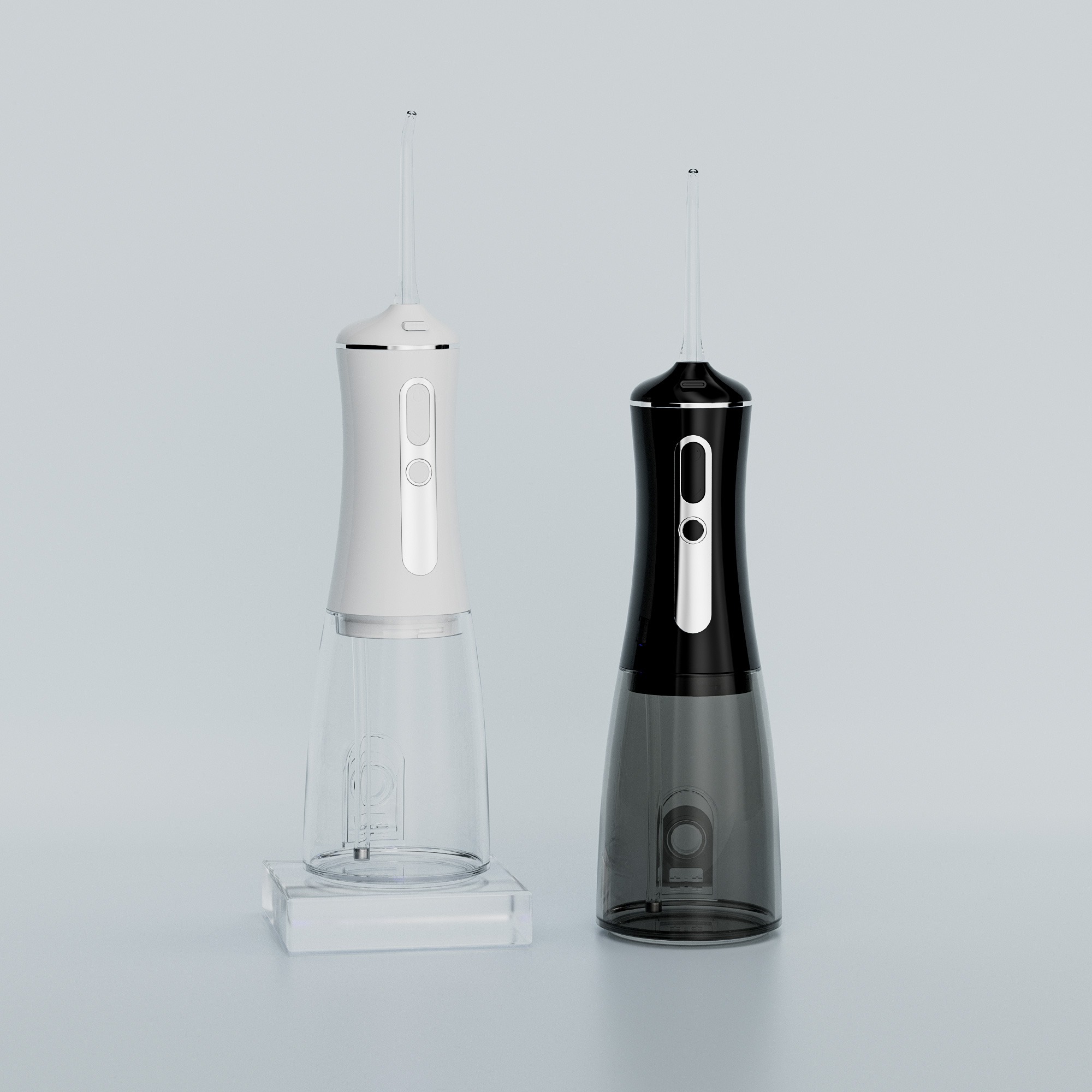
Oral health has always been an integral part of our daily care. With the rapid development of technology, the traditional way of oral care is undergoing a radical change. Today, we will discuss how modern technology can play an important role in oral care, especially through some innovative products and services to enhance our oral health experience. One such modern technology is the tooth flosser, which is fast becoming a new favorite in oral care. Let's find out how these technologies can improve our oral health. 1. Water Flosser: A New Generation of Oral Care Gods Tooth Flosser, as an emerging oral care tool, utilizes a high-pressure water stream to clean the tiny gaps between teeth and gums. Compared with a traditional toothbrush, a flosser can remove plaque and food debris more effectively, helping to prevent gingivitis and periodontal disease. Not only does the modern flosser come with a variety of modes to choose from to meet different oral care needs, it is also equipped with a smart timer function to ensure that we achieve optimal results with every cleaning. 2. Powsmart: Leading the way in oral care technology Powsmart is undoubtedly a name to watch out for in the…
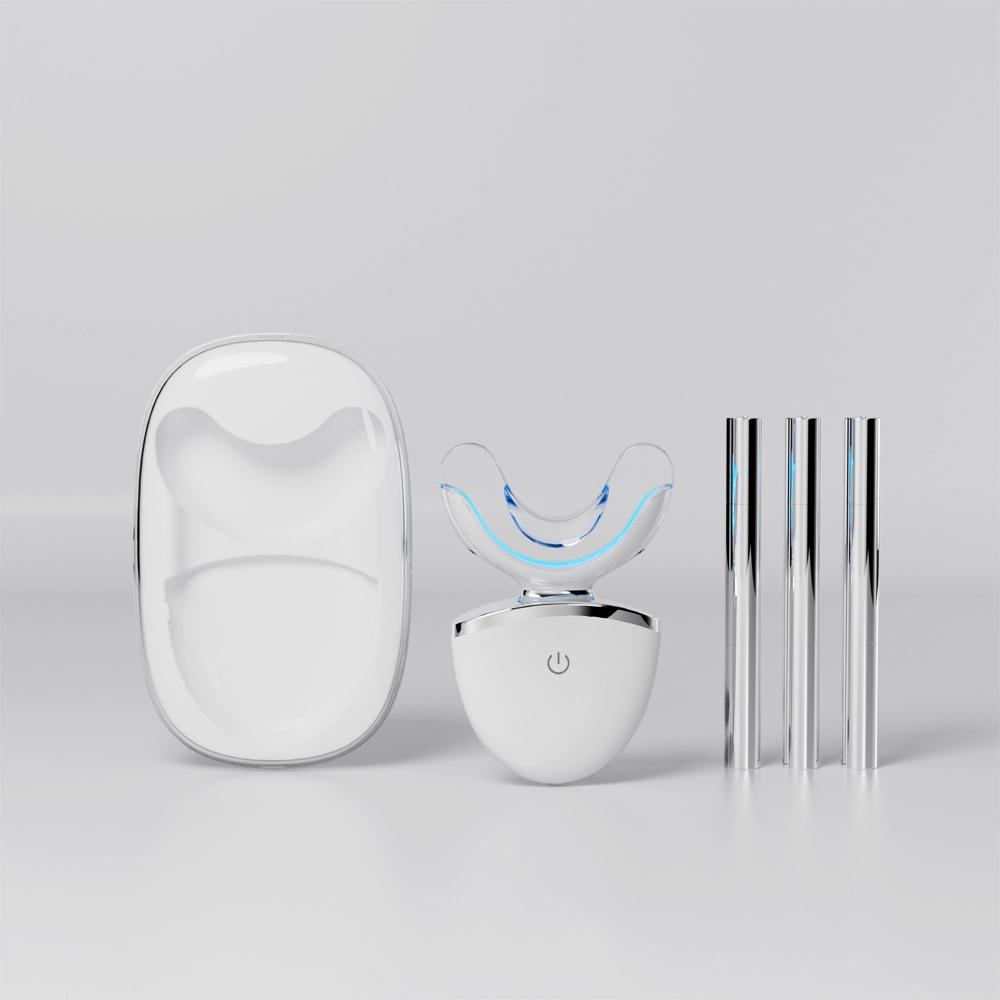
In the rapid development of the oral care industry, technological innovation and technology upgrading have become the key factors to enhance the competitiveness of products. As a dental instrument factory with 20 years of OEM/ODM experience, Powsmart deeply recognizes the importance of R&D innovation in dental instrument products. In this article, we will discuss the R&D innovation and technology upgrading of dental instruments from five aspects. 1. Evolution of LED light source technology The core of dental instruments lies in their light source technology. Early dental instruments mainly used traditional LED light sources, but with the advancement of technology, the light source technology is being upgraded. How Smart, as a leading dental instrument factory, has actively introduced a new LED light source, which not only improves the stability and safety of the light source but also enhances the whitening effect by adjusting the spectral range with a new type of 16 blue LED lamps. The evolution of this technology has made teeth-whitening instruments more attractive in the market and brought better experiences for consumers. 2. Application of wireless charging technology With the popularization of wireless technology, wireless charging is becoming a standard feature of dental instruments. By introducing wireless charging…
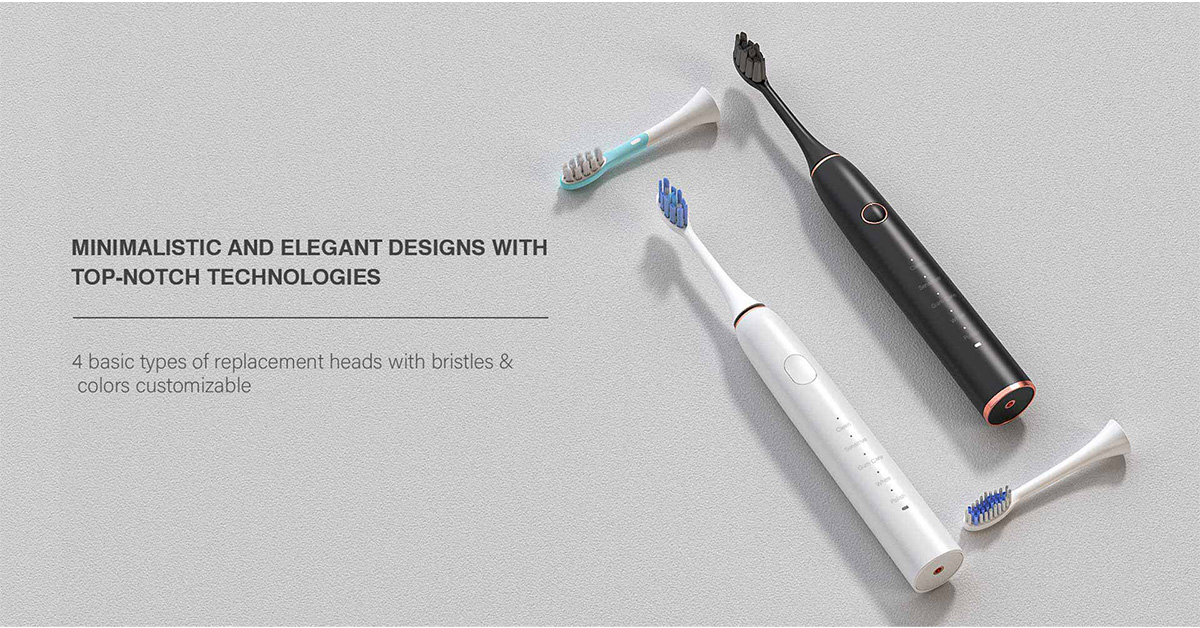
Maintaining good oral health not only prevents dental problems but also effectively improves the quality of life. A scientific approach to oral care combined with high-quality tools can help us better maintain healthy teeth and gums. Here are five basic steps and tips to help you establish effective oral care habits. 1. Choose the right toothbrush A toothbrush is the basic tool in everyone's oral care routine, and choosing the right one is especially important. Electric toothbrushes are becoming more and more popular because of their efficient cleaning ability. electric toothbrushes manufactured by Powsmart Electric Toothbrush Factory use advanced vibration technology to clean the teeth and gums more comprehensively, especially in hard-to-reach areas such as the crevices of the teeth. Compared to manual toothbrushes, electric toothbrushes are able to achieve better cleaning results in a shorter period of time, reduce plaque buildup, and prevent tooth decay and gum disease. 2. Mastering proper brushing techniques Even with an electric toothbrush, mastering proper brushing techniques is still crucial. While electric toothbrushes are designed to simplify the cleaning process, it is still necessary to place the brush gently on the surface of the teeth and move it slowly to ensure that each tooth…

What is the Electric Toothbrush Market Forecast? When we think about oral hygiene, the first thing that comes to mind is brushing our teeth. Brushing your teeth twice a day is essential for maintaining good oral health. It not only makes your teeth clean but also eliminates harmful bacteria and plaque from your mouth. With technological advancements, manual toothbrushes are now being replaced with electric toothbrushes that provide better cleaning and convenience. The electric toothbrush market has witnessed significant growth in recent years, and this trend is expected to continue in the coming years.In this article, we will provide an overview of the electric toothbrush market, factors driving its growth, market trends and innovations, market segmentation by type, price range, and distribution channel, market size and revenue projections, regional analysis, competitive landscape, and key market players.We will also discuss the challenges and opportunities in the electric toothbrush market.Powsmart custom electric toothbrush and private label electric toothbrush with our expertise and dedication to quality, we offer a wide range of options to meet the unique needs of our customers. Overview of the Electric Toothbrush Market The electric toothbrush market is a rapidly growing market that is witnessing significant growth. Electric toothbrushes…
We all know how important it is to maintain good oral hygiene.Brushing our teeth twice a day is a crucial part of our daily routine, and one of the essential tools we use for this task is the toothbrush. But have you ever wondered how much it costs to manufacture a toothbrush? In this blog post, we will take a deep dive into the world of toothbrush manufacturing and explore the different factors that affect its cost.Many factors, from the materials used to the manufacturing process, contribute to the final cost of a toothbrush for the electric toothbrush manufacturer.Understanding the manufacturing process and the factors that affect the cost will give us a better appreciation of the value of this simple yet essential tool.So, let's get started and uncover the fascinating world of toothbrush manufacturing. Materials Used in Toothbrush Manufacturing The materials used in toothbrush manufacturing play a significant role in determining the final cost. The most common materials used for toothbrush bristles are nylon and polyester. Nylon bristles are more expensive than polyester bristles, but they are also more durable. This means that toothbrushes with nylon bristles last longer, which can be a selling point for some consumers.The handles of toothbrushes…
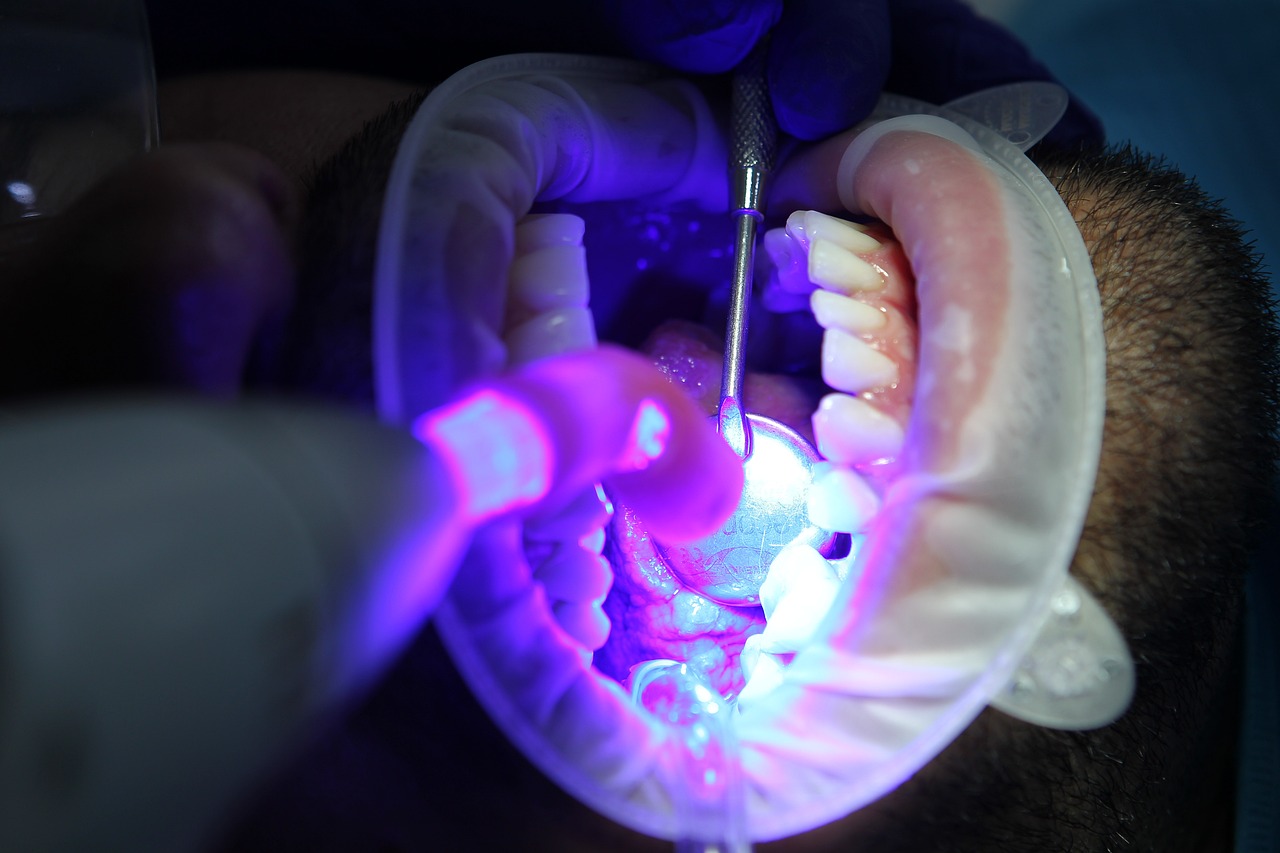
Imagine walking into a room full of people with bright, dazzling smiles. Their teeth gleam with a radiance that commands attention and exudes confidence. You can't help but wonder how they achieved such pearly whites. Well, the secret is out – they have visited a teeth whitening professional. If you have a passion for helping people achieve beautiful smiles and want to start a teeth whitening business, you're in the right place.In this guide, we will walk you through the essential steps to launch your own teeth whitening business. From understanding the market and legal requirements to setting up your workspace and attracting clients, we've got you covered. So, get ready to embark on a journey that will transform not only your clients' smiles but also your entrepreneurial dreams.Let's dive in! Research and Market Analysis Before diving headfirst into any business venture, it's crucial to conduct thorough research and analyze the market to ensure you're on the right track. Starting a teeth whitening business is no exception. By understanding the current market trends, target audience, and competition, you can position your business for success.Begin by researching the demand for teeth whitening services in your area. Look for statistics and trends that indicate the…
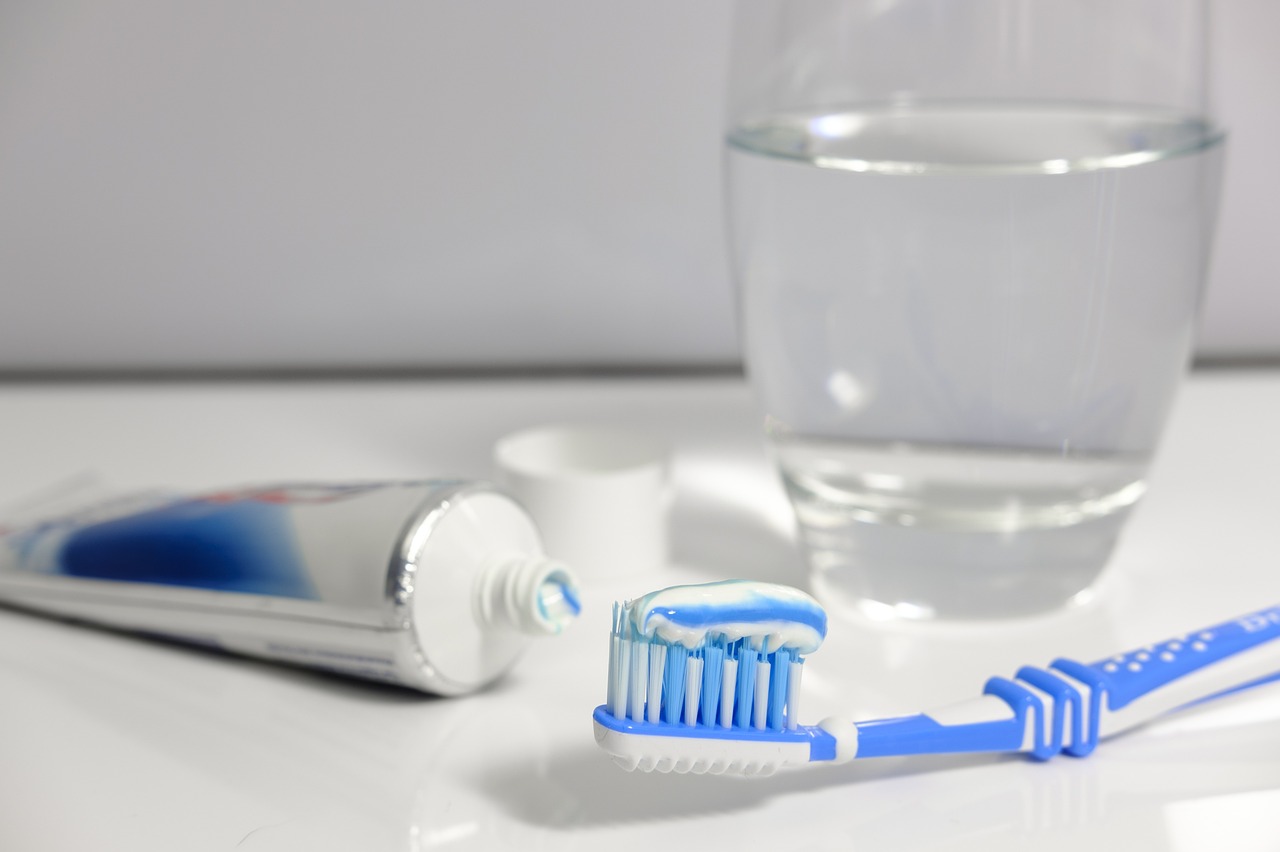
Have you ever wondered if you could create your own electric toothbrush? Well, wonder no more! In this guide, we will walk you through the step-by-step process of making your very own electric toothbrush from scratch. With just a few materials and a little bit of time, you'll have a personalized toothbrush that will leave your teeth feeling clean and fresh. So, let's get started!As a leading electric toothbrush manufacturer, we offer wholesale options for those looking to stock up on this essential oral care product. Materials needed Before we dive into the process, let's gather all the materials you'll need to make your own electric toothbrush:A toothbrush handleA small electric motorA battery packYou can find these materials at your local hardware store or online. Once you have everything ready, we can move on to the next step!Our electric toothbrush factory, the perfect solution for dental hygiene enthusiasts. Gather the necessary components The first step in making your own electric toothbrush is to gather all the necessary components. Start by finding a toothbrush handle that you like. You can choose a regular toothbrush handle or get creative with a unique design. Next, locate a small electric motor that will fit inside the handle.…


.jpg)
.jpg)
.jpg)
.jpg)
.jpg)



.jpg)