
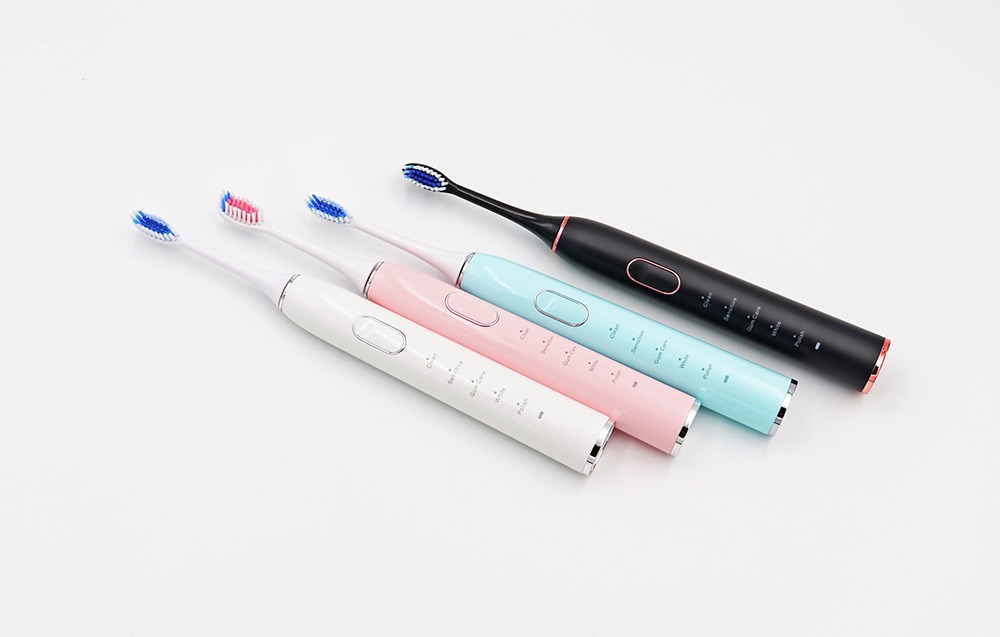
Oral health has become a major concern in modern society. As technology continues to evolve, the change from manual to electric toothbrushes is gradually changing our daily oral care habits. This article will explore this revolutionary change and the important role of sonic toothbrushes in it. 1.The shift from manual to electric Over the past few decades, manual toothbrushes have been the main tool in people's daily oral care routine. However, with the development of technology, electric toothbrushes have gradually become the choice of more and more people. Compared with manual toothbrushes, electric toothbrushes offer higher cleaning efficiency and a more convenient experience. Especially the sonic toothbrush, which generates a stream of water through high-frequency vibration to flush the teeth, can more deeply clean the surface of the teeth and the crevices of the teeth, and effectively prevent the formation of dental plaque and dental calculus. 2. the advantages of sonic toothbrush (1)Deep cleaning: the high-frequency vibration of the sonic toothbrush can produce a powerful water impact, can deeply clean the tooth surface and tooth gap, effectively remove plaque and food debris. (2)Protect gums: Compared with the rotating brush head of traditional electric toothbrushes, the bristles of sonic toothbrushes are…
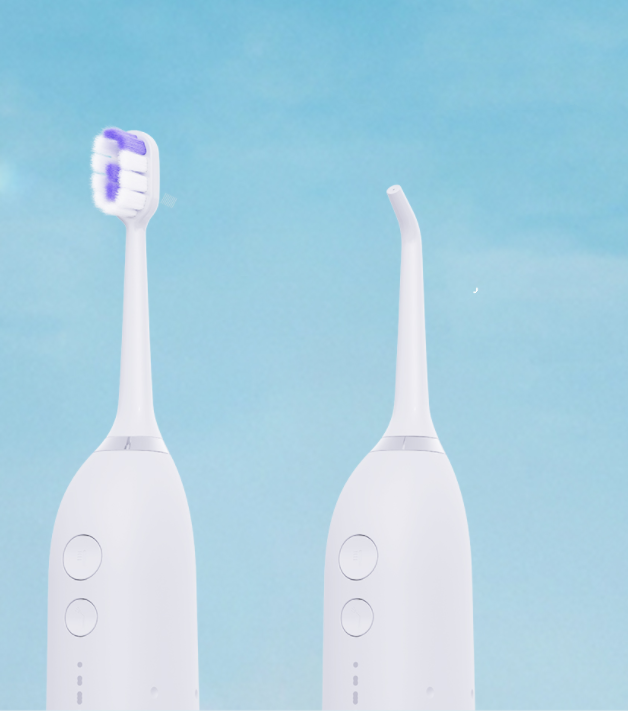
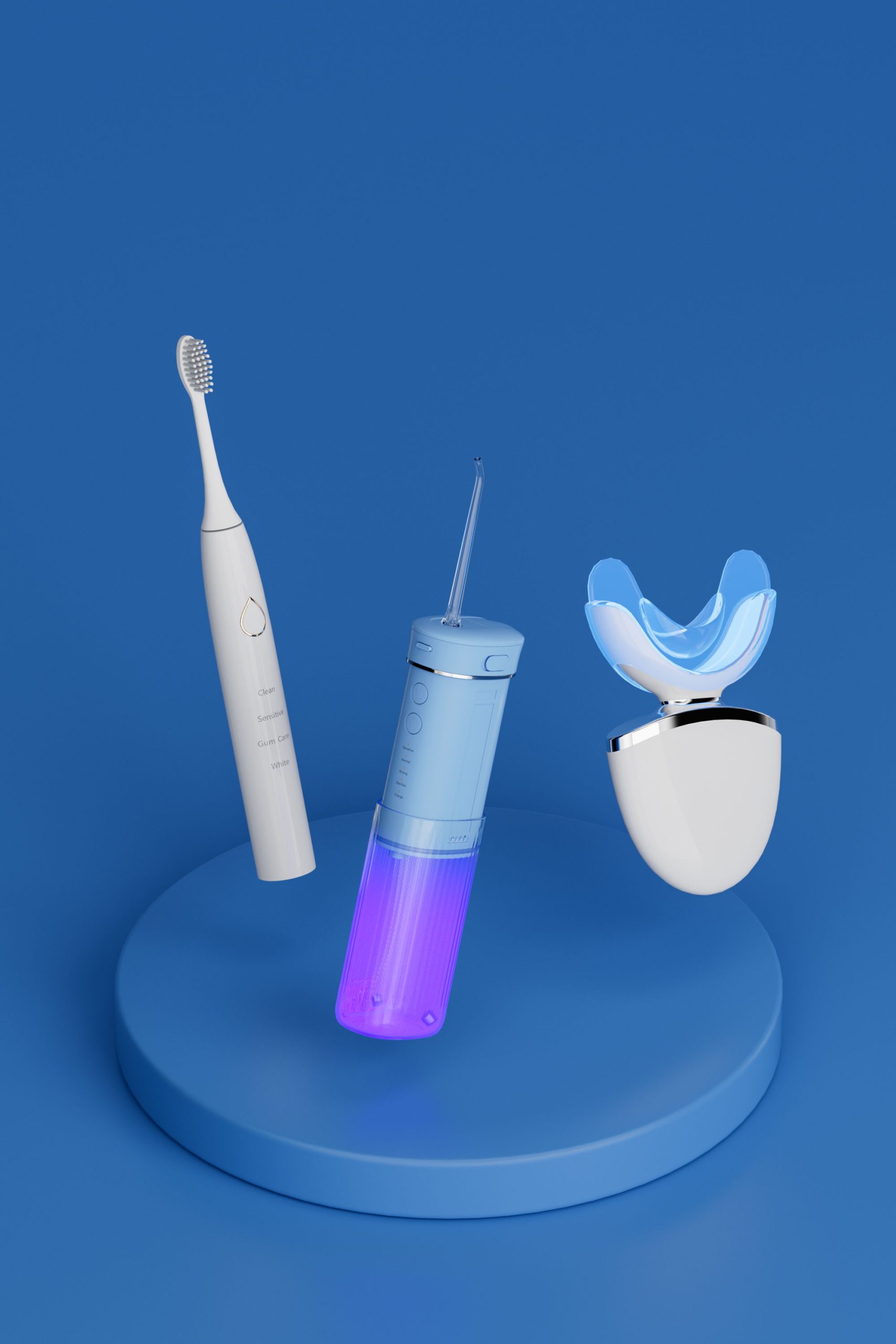
In recent years, consumer interest in multifunctional oral hygiene solutions has been on the rise. As people seek more efficient and convenient routines, the electric toothbrush + water flosser combination has emerged as a game-changing innovation. This two-in-one device offers users a comprehensive oral care solution in a compact and easy-to-use form. As an oral care products factory, understanding real market feedback is essential to guide future development and investment. Why the Two-in-One Device Is Gaining Popularity The rise in demand for two-in-one devices reflects shifting consumer preferences toward space-saving, travel-friendly, and tech-integrated solutions. Combining brushing and flossing in one device eliminates the need for two separate products, while also improving the consistency of oral hygiene routines. Key reasons for popularity include: Time efficiency: Simultaneous brushing and water flossing saves time. Minimalism: Reduces clutter on the bathroom counter. Cost-effectiveness: One purchase, multiple functions. Improved compliance: Easier for users to follow a daily oral care routine. Market Feedback from End-Users and Distributors Our team at the oral care products factory has collected feedback from global distributors and end-users over the past 12 months. Highlights include: Positive Consumer Response:Most users reported a noticeable improvement in oral cleanliness and gum health. They appreciated the innovation and were…
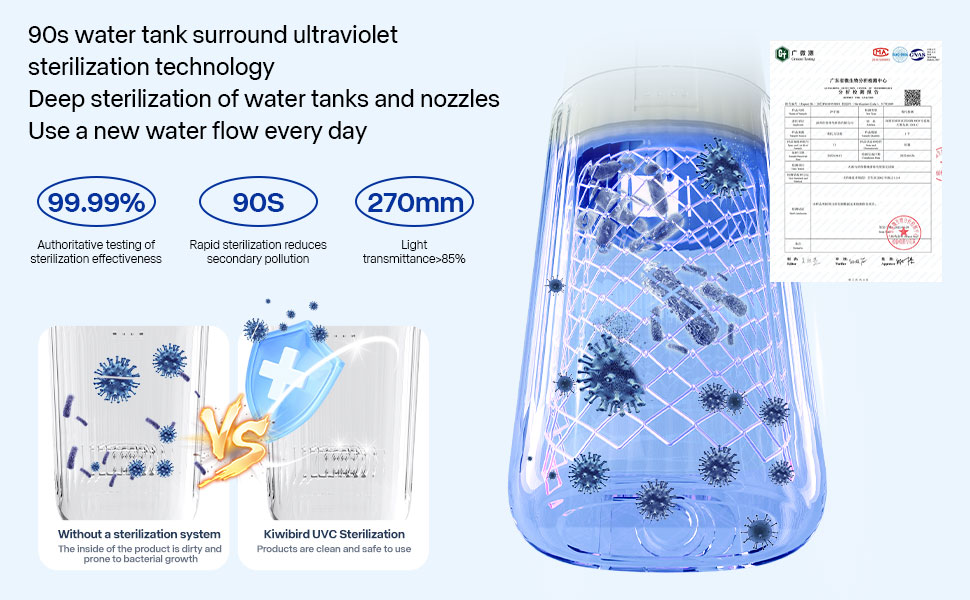
Oral irrigators also called "water flossers". They can assist brushing and powerfully remove areas that cannot be cleaned by toothbrushes, dental floss, and interdental brushes. Through powerful flushing, they remove food residues and plaque from these areas, interfering with the maturation of dental plaque. They can also remove bacteria on the tongue coating and cheek mucosa, reducing oral inflammation. As the name suggests, ultraviolet irrigators are water flossers with sterilization functions. Remarkable cleaning effect & comprehensive sterilization UV sterilizing water flossers use specific wavelengths in the ultraviolet spectrum to effectively destroy the DNA structure of bacteria and microorganisms, thereby achieving 99.9% sterilization effect. This efficient cleaning ability allows the water flosser to not only remove food residues in the mouth, but also completely eliminate bacteria that may cause oral diseases, allowing users to enjoy a fresher mouthfeel after every use. Compared with traditional water flossers, the ultraviolet sterilization function undoubtedly improves the overall cleaning efficiency and is suitable for high-end user groups who pay attention to oral hygiene. No chemical residue, protect your health Traditional oral care tools may contain chemical ingredients, but ultraviolet sterilizing water flossers rely entirely on optical technology for sterilization without the need for any chemicals, so there…
.jpg)
As the demand for high-performance electric toothbrushes grows, manufacturers must ensure that their products meet the highest standards of reliability testing and align with the principles of sustainable development. Long-lasting performance, durability, and eco-conscious production are key to staying competitive in today’s market. In this blog, we will explore how rigorous reliability testing enhances product longevity and how manufacturers can adopt sustainable development strategies to minimize environmental impact while maintaining superior quality. Why Reliability Testing is Essential for Electric Toothbrushes A high-quality electric toothbrush must endure daily use while maintaining efficiency and safety. Reliability testing is crucial for ensuring: Durability – The toothbrush withstands thousands of brushing cycles without losing performance. Motor Efficiency – The internal motor maintains consistent power output over long-term usage. Battery Longevity – The rechargeable battery supports extended usage and retains charging capacity. Water Resistance – The device remains fully functional after exposure to moisture and immersion. Bristle Endurance – The brush head maintains its integrity even after months of use. By implementing stringent reliability testing protocols, manufacturers guarantee that their electric toothbrushes meet industry standards and consumer expectations. Key Reliability Tests for Electric Toothbrushes To ensure long-term performance, electric toothbrushes undergo a series of specialized…
As oral care technology continues to advance, precision and efficiency are at the core of electric toothbrush innovation. The combination of micro-motor precision and bristle oscillation plays a crucial role in enhancing cleaning performance while ensuring a gentle yet thorough brushing experience. This blog explores how these cutting-edge technologies redefine oral hygiene, offering users a smarter and more effective way to care for their teeth and gums. The Power of Micro-Motor Precision in Electric Toothbrushes At the heart of an advanced electric toothbrush is its micro-motor precision technology. Unlike traditional motors, high-precision micro-motors ensure: Consistent Power Output – Maintaining stable brushing speed and pressure for effective plaque removal. Energy Efficiency – Optimizing battery consumption to extend usage time per charge. Minimal Noise & Vibration – Reducing mechanical noise while delivering a comfortable brushing experience. Long-Term Durability – Providing reliable performance over thousands of brushing cycles. By integrating micro-motor precision, electric toothbrushes achieve superior control over movement, ensuring users get the best possible cleaning results with every use. The Science Behind Bristle Oscillation for Effective Cleaning Bristle oscillation is another fundamental technology that enhances the brushing experience. Unlike traditional manual brushing, oscillating bristles: Loosen Plaque & Food Particles – Vibrating at…
In the competitive personal care market, product reliability is non-negotiable. Yet one recurring issue threatens the performance and user experience of electric toothbrushes: motor vibration failure. When not properly controlled, unstable vibrations can lead directly to brush head detachment—a defect that frustrates users, inflates warranty claims, and risks damaging brand credibility. So, what’s really behind this issue, and how can manufacturers address it proactively? Understanding the Link Between Motor Instability and Brush Head Detachment The core of every electric toothbrush lies in its motor. If the motor generates inconsistent or excessive vibration, it creates strain at the connection point between the body and brush head. Over time, this leads to micro-loosening, wear of locking mechanisms, and ultimately brush head detachment during use. Such detachment not only disrupts brushing but also poses a potential safety risk. Therefore, ensuring motor vibration stability is not just about performance—it’s about trust and user confidence. Root Causes Behind Motor Vibration Failure Motor vibration failure can stem from several internal and external factors: Imbalanced rotor or worn bearings, leading to uneven motion and increased oscillation. Inferior motor materials or assembly tolerances, causing performance fluctuations under load. Overpowered or underpowered drive systems, which either overstress or inadequately…
In modern ultrasonic scaling and electric polishing devices, the vibration frequency impact directly influences post-treatment sensitivity. Frequencies that are too high or inconsistent can over-open dentin tubules and intensify gum and dentin irritation, compromising patient comfort and satisfaction. Therefore, understanding how vibration frequency relates to sensitivity is crucial for B2B device design and clinical protocols. Why Vibration Frequency Matters Vibration frequency determines how many oscillations your scaler or polisher delivers per second: Low Frequency (20–40 kHz): Ideal for initial loosening of soft deposits and light calculus removal. Mid Frequency (40–60 kHz): Commonly used for thorough tartar removal and surface smoothing. High Frequency (≥ 60 kHz): Enhances polishing efficacy but risks excessive mechanical stress. Finding the right band prevents unnecessary jarring while still achieving effective cleaning. Dentin Tubule Response to Vibration Post-treatment sensitivity stems from fluid movement within dentin tubules: Excessive Vibration: Provokes rapid fluid shifts that trigger hydrodynamic pain responses. Tubule Widening: High frequencies may enlarge tubule diameters, allowing thermal and chemical stimuli to penetrate more easily. Micro-Fatigue: Prolonged high-frequency vibration can induce microscopic cracks in dentin, heightening sensitivity perception. Therefore, precise frequency control is key to protecting dentin integrity. Clinical Findings on Post-Treatment Sensitivity Clinical studies demonstrate the relationship…
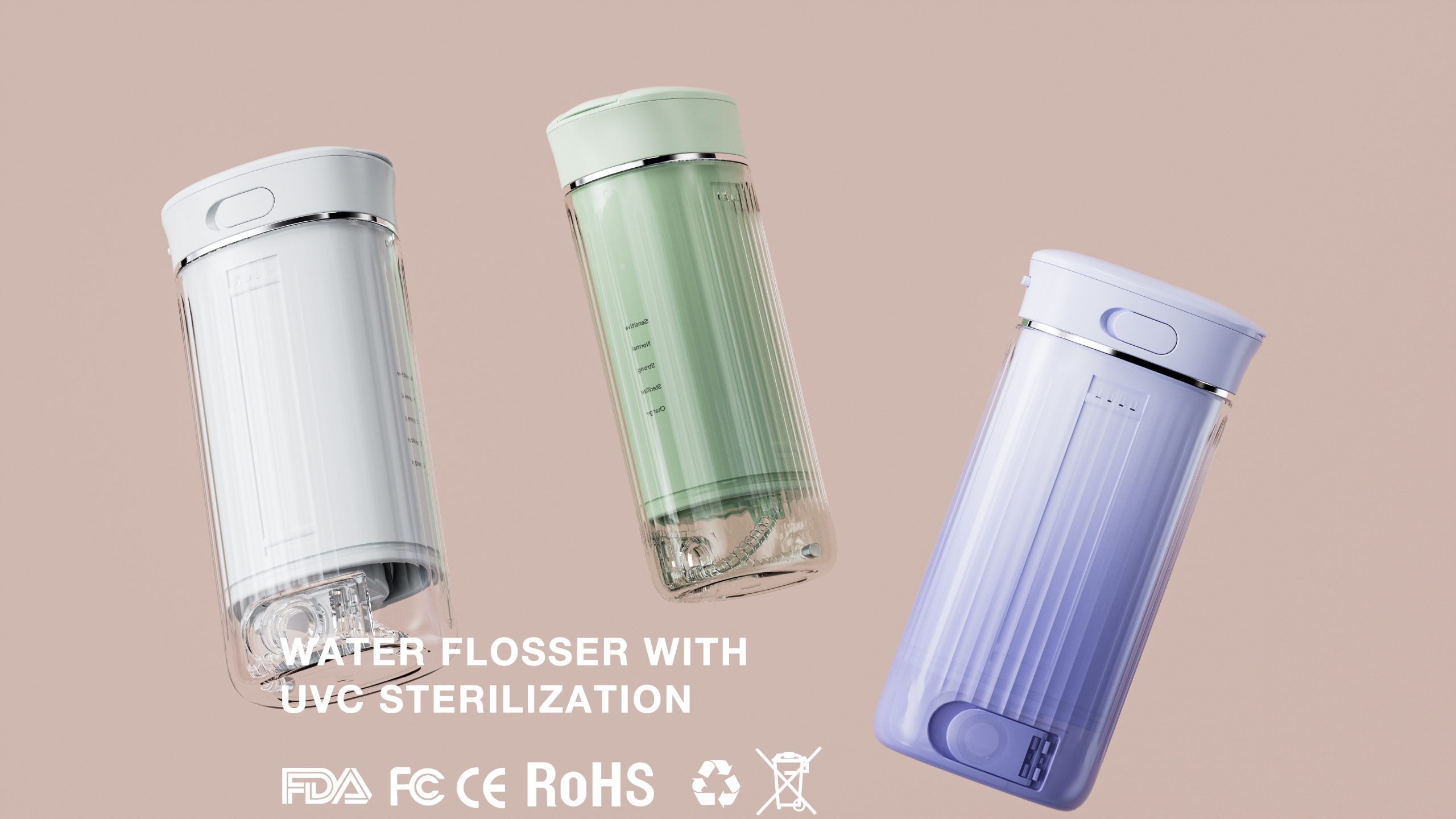
With the increasing awareness of oral health, tooth flossers have become the daily choice of more and more consumers. However, in today's increasingly competitive market, the optimization of user experience and product iteration of tooth flossers is particularly important. As a tooth flosser supplier with 20 years of OEM/ODM experience, Powsmart understands that user experience is a key factor in product success. Our compact and convenient flossers are especially popular among travelers and business travelers. In this article, we will discuss the key strategies for optimizing the user experience and product iteration for tooth flossers. 1. User demand-driven product design Changes in user needs are the primary driver for iterative product design. As consumer demand for portability, simplicity of operation, and effectiveness of cleaning gradually increases, the design of tooth flossers is constantly being revolutionized. To meet the needs of travelers and business travelers, Powsmart's flossers are known for their compactness and convenience. They are lightweight and easy to carry, yet maintain high cleaning performance, making them the perfect companion for many consumers on the go. In the process of user experience optimization, we always keep communicating with users to understand their actual needs and pain points, and continuously adjust…
In today’s market, patients—especially those requiring post-surgery usage—demand gentle yet effective oral care. Coupled with flexible mode customization, devices must adapt from routine cleaning to delicate postoperative needs. In the following six sections, we explore how to build—and validate—a truly gentle oral-care solution for B2B partners. Special Requirements for Post-Surgery Usage After dental surgery or gum flap procedures, soft tissues are still healing and often tender or swollen. A gentle water flosser or toothbrush should offer: Low-Impact Cleaning: Ultra-low water pressure or fine mist mode to avoid disturbing sutures or inflamed tissue. Antimicrobial Support: Ability to blend antiseptic rinses with a soft water stream to cleanse without irritation. Non-Contact Options: “Dry-brush” or aerosol modes that disinfect without direct bristle or jet contact during the most sensitive post-surgical phase. Meeting these criteria helps reduce complications and improve patient comfort. The Value of Mode Customization Different users and conditions require adaptable settings. Mode customization should include: Multiple Pressure Levels: From very gentle (e.g., 10–20 psi) up to standard cleaning (60–80 psi) or higher for stubborn debris. Adjustable Pulse Frequencies: Tuning between 500 and 1,500 pulses per minute to shift seamlessly from massaging to deep cleaning. User Memory & One-Touch Recall: Save individual…
In high‑precision fluid systems, Jet Instability and unexpected Power Surges can each pose serious threats—and when they occur together, the risks multiply. Jet instability, characterized by chaotic fluid flow, undermines cutting or cleaning accuracy, while power surges can damage control electronics or motor drivers. In this post, we’ll examine why these phenomena are dangerous, how they interact, and what manufacturers can do to safeguard their equipment and operators. Defining Jet Instability and Power Surges First and foremost, it’s essential to understand what we mean by these terms: Jet Instability occurs when a fluid jet (water, air, or abrasive slurry) begins to oscillate, break into droplets, or wander off‑target due to pressure fluctuations, nozzle wear, or upstream turbulence. Power Surges are brief spikes in electrical voltage—often caused by lightning strikes, grid switching, or inductive loads—that exceed the nominal supply level and can overwhelm sensitive electronics. Although they arise from different domains (fluid dynamics vs. electrical systems), both issues degrade performance and can lead to costly downtime if not addressed. Operational Risks of Jet Instability Moreover, jet instability can directly impact process quality: Reduced Precision: Unstable jets spray or cut erratically, producing uneven edges in waterjet cutting or inconsistent coating thickness in…
Evolving personal care and oral care markets drive product design to prioritize functionality and user comfort. The brush handle, often overlooked, is an essential element that can significantly impact the ergonomics and usability of products such as toothbrushes. Through the integration of Vent Design and Flow Simulation, Powsmart technology co., ltd can optimize brush handle performance, enhancing both comfort and efficiency. In this blog, we explore the importance of engineered brush handles, how Flow Simulation enhances product design, and how Vent Design contributes to ergonomic efficiency. The Importance of Brush Handle Design in Ergonomics The brush handle is the foundation of any brushing device, directly influencing how a user interacts with the product. When poorly designed, a handle can lead to discomfort, lack of control, or inefficient brushing motion. Designers must carefully engineer brush handles to improve ergonomics, ensuring ease of use, comfort, and functionality. Optimizing brush handle design by analyzing hand motions reduces strain and enhances grip comfort for long-term use. Vent Design: Optimizing Airflow for Enhanced Grip and Comfort One innovative solution to enhance brush handle ergonomics is the integration of vent design. This design element allows for better airflow around the brush handle, reducing moisture buildup and…
Many users report unexpected gum discoloration after at-home procedures—often a consequence of bleaching allergy rather than the whitening gel itself. In this post, we dive into six critical facets of this overlooked risk, so B2B manufacturers can equip their channel partners with safer device designs, clearer guidance, and stronger support. Understanding Bleaching Allergy Mechanisms First, it’s vital to recognize how bleaching allergies develop: Immune Overreaction: Some individuals’ mucosal tissues react to peroxide or flavoring agents, triggering histamine release and localized inflammation. Chemical Sensitizers: Additives like sodium lauryl sulfate or peppermint oil, intended to enhance user experience, can act as haptens that prime allergic responses. Cumulative Exposure: Repeated bleaching cycles lower the mucosal threshold, so a previously tolerated formulation suddenly elicits irritation. Thus, even mild formulations can provoke allergy in susceptible users over time. From Allergy to Gum Discoloration: The Pathway Moreover, the allergy-to-discoloration cascade unfolds through: Inflammatory Staining: Inflamed tissues produce excess blood flow and serum exudate, leaving a reddish‐brown hue on the gingiva. Hyperpigmentation: Chronic inflammation stimulates melanocytes, resulting in lasting darker patches. Plaque Retention: Swollen gum crevices trap pigmented foods and bacteria, accentuating uneven coloration. Consequently, allergy management is key to preventing cosmetic tissue changes.Company web:https://www.powsmart.com/product/electric-toothbrush/ Device Design…
Many users already struggling with tetracycline stains worsening complain that increased teeth sensitivity after whitening treatments only compounds the problem—leading to uneven results and heightened discomfort. In this article, we examine six key considerations so B2B manufacturers can help channel partners navigate these side effects and deliver safer, more effective whitening solutions. How Tetracycline Stains Respond Differently First, understand why tetracycline-discolored enamel reacts uniquely: Deep-Set Pigments: Tetracycline binds within the dentin, making surface-only bleaches less effective and requiring stronger oxidizers. Porous Enamel: Years of embedded staining create micro-porosities that allow peroxide to penetrate unevenly, leaving streaks. Sensitivity Trigger: The same open tubules that harbor stains also transmit stimuli, amplifying teeth sensitivity during and after treatment. Recognizing these properties guides both formula strength and application protocols. Balancing Concentration & Contact Time Next, striking the right chemical balance is critical: High-Concentration Peroxide: While stronger gels can lighten deep stains, they also demineralize enamel faster, exacerbating sensitivity. Short-Burst Protocols: Brief, repeated sessions (e.g., 10 minutes twice daily) reduce enamel overexposure compared to one long session. Post-Treat Remineralization: Incorporating calcium or fluoride boosters immediately after each cycle minimizes structural weakening. By calibrating concentration and timing, you mitigate side effects without sacrificing whitening power. Company…
When users experience a loose brush head, they often overlook its downstream impact—specifically how unstable connections can diminish low filament roundness, undermining both cleaning performance and user safety. For B2B manufacturers, recognizing and addressing this hidden quality trap is critical to delivering reliable electric toothbrushes. How Head Play Leads to Filament Deformation First, any micro-movement at the head-handle junction forces bristles to bend unevenly: Increased Shear Stress: Frayed attachments transmit asymmetric loads, causing permanent kinks at the filament base. Amplitude Skew: Lateral wobble distorts the ideal oscillation path, flattening bristle tips and reducing roundness. Accelerated Fatigue: Constant flexing weakens polymer chains, leading to early splitting or breakage. Consequently, head stability is the foundation for maintaining filament shape. The Cleaning Risks of Poor Filament Roundness Moreover, bristles that lose their circular cross-section create multiple issues: Uneven Contact: Flattened bristles fail to reach interdental crevices, leaving plaque behind. Localized Abrasion: Harder edges focus force on small enamel areas, increasing risk of gingival irritation. User Overcompensation: Perceiving reduced effectiveness, consumers press harder, compounding wear. Therefore, preserving filament geometry is essential for both efficacy and comfort.Company web:https://www.powsmart.com/product/electric-toothbrush/ Coordinated Design: Reinforcing Head and Bristle Materials To eliminate this dual failure mode, manufacturers should optimize both…
With the rise of cold-light whitening systems, more end users report allergy reactions—including oral burning, redness, and ulcers. When investigating root causes, we must look beyond bleaching formulations to the cold-light risks embedded in the device, since light wavelength, power density, and exposure time can magnify chemical irritation. Interaction of Cold Light and Bleaching Agents Cold-light devices emit blue light in the 420–450 nm band to accelerate peroxide decomposition, enhancing whitening speed. However, over-activated free radicals can attack mucosal barriers, combining chemical and photonic stress that triggers allergy reactions. Allergens—Light Source vs. Ingredients Although peroxide and sensitizing flavorings are primary allergens, studies show: High-Intensity Blue Light can alter saliva pH and protein structures, increasing mucosal permeability to external chemicals. Photosensitivity in certain users leads to phototoxic reactions, such as oral mucosal erythema. Thus, cold light isn’t merely a harmless adjunct—its spectral profile demands careful evaluation. Cold-Light Risks in Device Design A closer look at hardware reveals potential hazards: Lack of Optical Filtration: Direct shortwave emission without diffusion optics concentrates energy. Power Overdrive: Oversized output for rapid results elevates mucosal temperature and chemical reactivity. Inadequate Cooling: Heat buildup in the cold-light module increases agent corrosiveness. Enhancing optical design and thermal management…
Maintaining oral hygiene can be challenging once you add metal or ceramic brackets—yet it’s more important than ever to braces clean thoroughly to prevent demineralization, staining, and gum inflammation. Below, we outline six key strategies to help your B2B partners educate end users on optimal cleaning protocols for orthodontic patients. Choose the Right Bristle Configuration First, selecting a toothbrush engineered for braces makes all the difference: V-shaped or notched bristles cradle each wire and bracket, ensuring you reach plaque build-up zones. Soft‐to‐medium filament mix balances gentle gum care with effective debris removal around edges. Electric toothbrush models with small, rounded heads can further improve access to tight spaces. Transitioning to these specialized bristles elevates overall cleaning performance. Incorporate Interdental Brushes & Picks Next, interdental tools are essential for cleaning under wires: Angled interdental brushes fit between brackets and wires, dislodging trapped food particles. Soft-tip picks offer precision around gum lines without traumatizing sensitive tissue. Silicone-coated options reduce risk of scratching bracket bases or enamel. By integrating these devices, braces clean becomes a comprehensive, four-step routine rather than just brushing. Leverage Water Flossers for Dynamic Cleaning Moreover, water flossers bring dynamic water jets to your regimen: High‐pressure pulsed streams flush out…
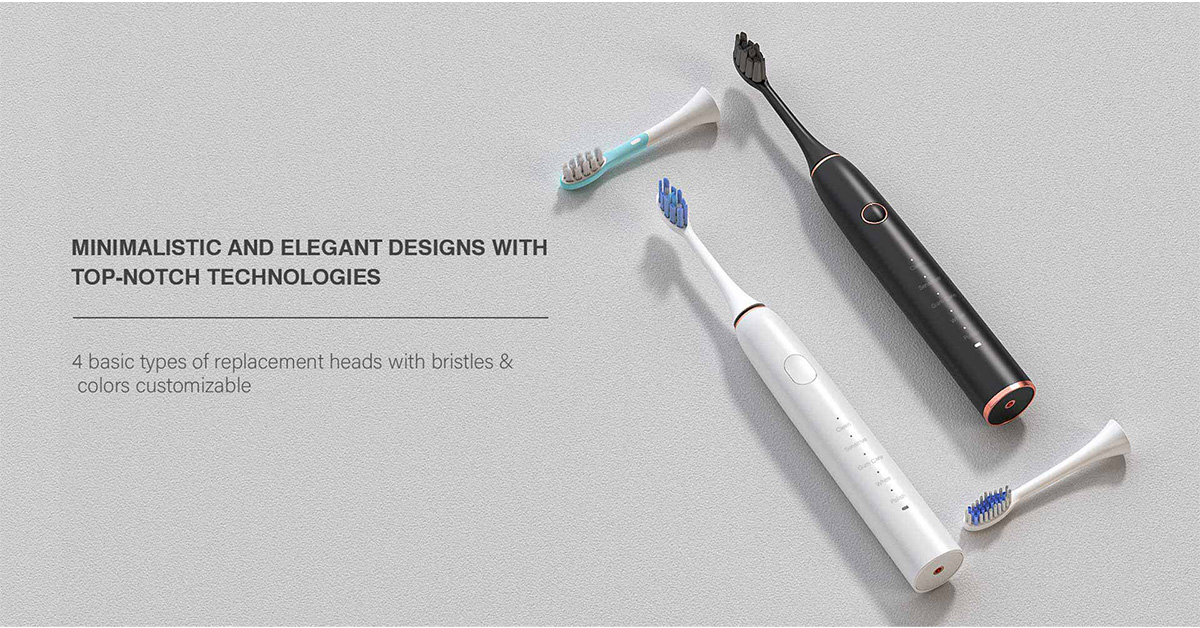
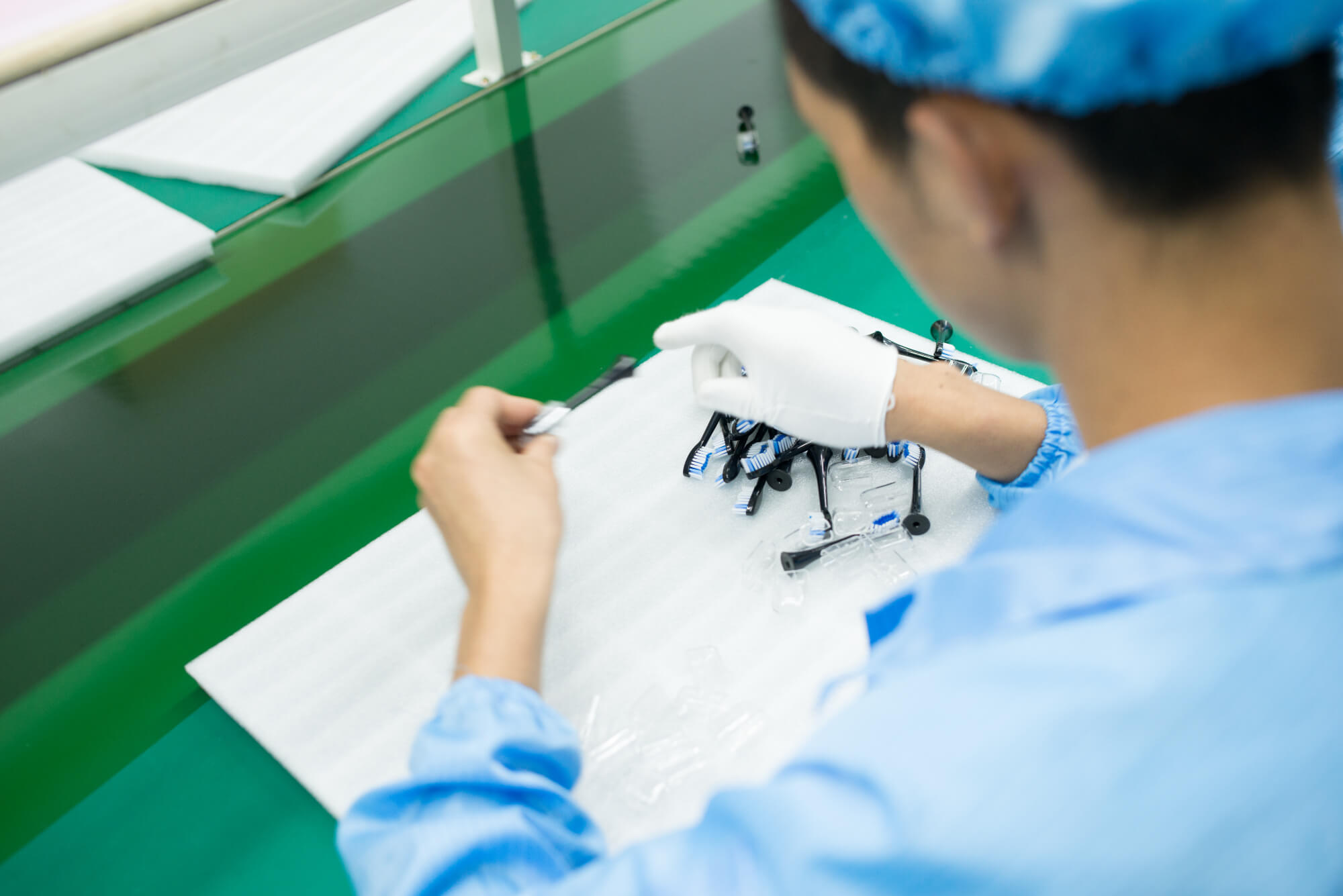
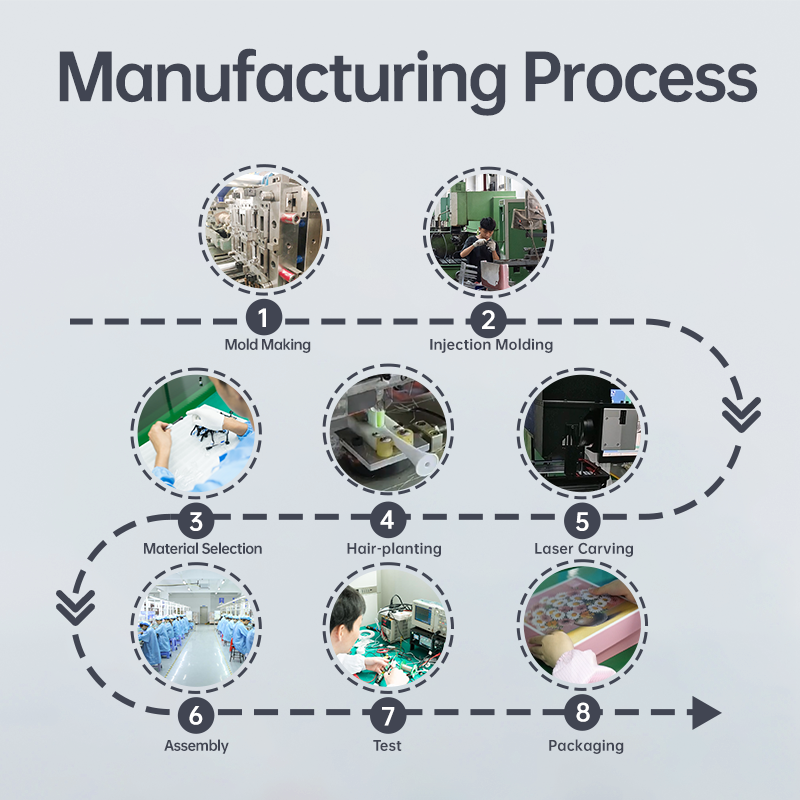
In today's competitive market, the success of an electric toothbrush factory depends not only on production capacity but also on quality control and innovation. As a company with 20 years of OEM/ODM experience, Powsmart always focuses on finding the best balance between quality and innovation. In this article, we will introduce five aspects of how Powsmart continuously pursues excellence in the operation of its electric toothbrush factory. 1. Quality First: Every Step of the Manufacturing Process At Powsmart, we understand that quality is the cornerstone of business survival. As a leading electric toothbrush factory, we strictly control every step of the manufacturing process to ensure that our products meet the highest standards. From the selection of raw materials to the inspection of finished products, every step of our operations is carefully designed to minimize defects and ensure consistency. Our electric toothbrush factory employs 38 rigorous tests and is able to do 100% testing before leaving the factory to ensure that every product meets or exceeds our customers' expectations. This dedication to quality has enabled Powsmart to build a solid foundation of trust in the marketplace and provide reliable products to our customers. 2. Innovation-driven: ever-improving product performance Innovation is one…
.jpg)
When it comes to caring for sensitive gums, choosing the right electric toothbrush is not just helpful—it’s essential. Many consumers suffer from gum discomfort, bleeding, or inflammation due to harsh bristles or poor brushing techniques. Therefore, brands seeking to expand their oral care lines must consider offering a Gentlest Brush solution with advanced features like pressure sensors. As a private label toothbrush manufacturer, your product needs to balance cleaning power with softness and safety. Why Sensitive Gums Need Special Attention First and foremost, gums are delicate tissues. Unlike teeth, they don't regenerate easily. Overbrushing or using stiff bristles can worsen gum issues. Consequently, consumers with gum sensitivity tend to look for toothbrushes that prioritize comfort without compromising on cleanliness. Here, gentle brushing becomes a crucial value proposition that brand owners must communicate clearly. How Pressure Sensors Help Prevent Damage To address this need, pressure sensors play a vital role. Instead of allowing users to press too hard, these sensors actively monitor brushing force and alert users when they exceed safe limits. As a result, brushing becomes more consistent and less harmful to sensitive gums. From a manufacturing perspective, integrating pressure-sensing technology adds not just functionality but market appeal—especially for health-conscious buyers.Company…
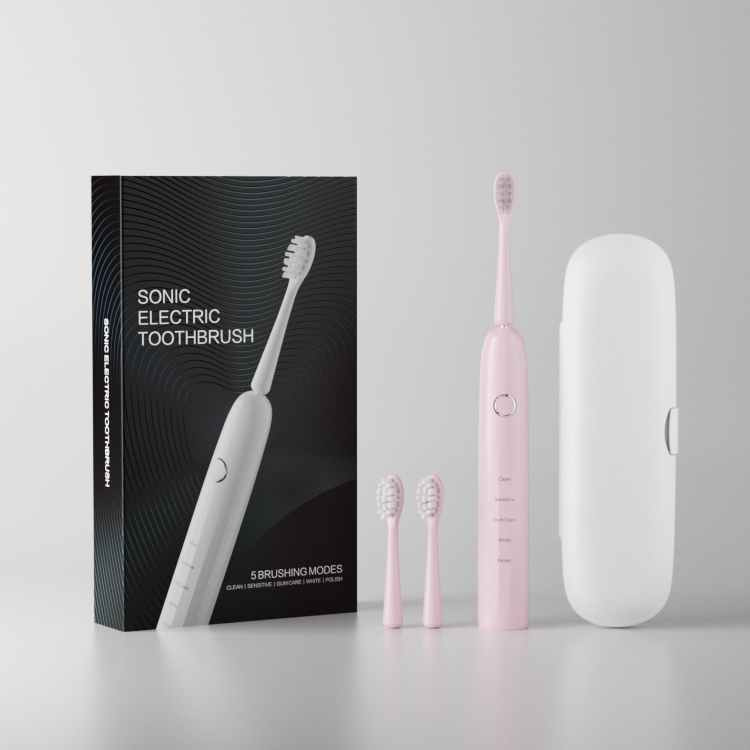
In the field of oral care, electric toothbrushes are gradually replacing traditional manual toothbrushes with their excellent cleaning effect and convenient use experience. As an electric toothbrush factory with 20 years of OEM/ODM experience, Powsmart is committed to providing consumers with efficient and comfortable oral care solutions through innovative technology. In this article, we will discuss the innovative technology of electric toothbrushes and their importance in daily cleaning from five aspects. 1. Efficient Cleaning Technology The high-frequency vibration and rotation technology used in electric toothbrushes enables them to effectively remove dirt and plaque from the surface of teeth. Compared with traditional manual toothbrushes, electric toothbrushes are able to clean the junction of teeth and gums more deeply and reduce blind spots, thus significantly improving oral health. Powsmart, as an electric toothbrush factory, continuously optimizes the cleaning technology of electric toothbrushes to ensure that each product provides users with excellent cleaning results and keeps their mouths healthy and fresh. 2. Multiple Cleaning Modes In order to meet the needs of different consumers, Powsmart Electric Toothbrush Factory has developed a variety of cleaning modes that users can freely choose according to their needs. For example, for users with sensitive teeth, we provide…
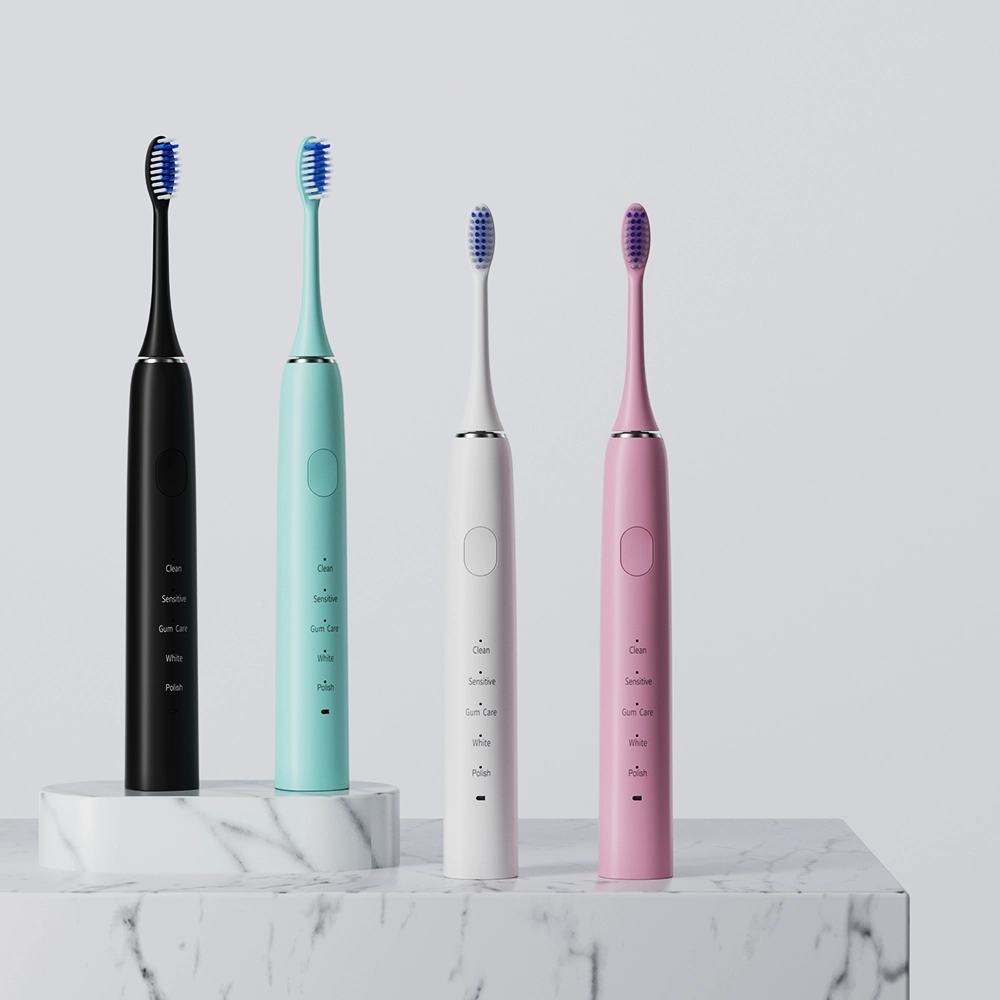
With the continuous progress of science and technology, oral care has also ushered in the era of intelligentization. As a representative of this intelligent technology, electric toothbrush is gradually becoming a necessity in people's daily life. For electric toothbrush factories, how to stand out in the fierce market competition is an important issue. Today we will discuss the importance of electric toothbrushes in the future of oral care from three aspects: smart technology, product advantages and future trends. 1. Smart technology empowers oral care Electric toothbrush factories are constantly improving product performance and user experience, driven by smart technology. Today's electric toothbrushes are not just mechanical cleaning tools, but high-tech products that integrate intelligent sensing, precise control and personalization. Take Powsmart for example, as an electric toothbrush factory with 20 years of OEM/ODM experience, we are always committed to applying the latest technology in product design and manufacturing. Through advanced sensors, the electric toothbrush can monitor the brushing force, angle and time in real time to ensure that every brush is optimized. This not only greatly improves the efficiency of oral care, but also allows the user to adjust the brushing style according to individual needs for personalized care. 2.…


.jpg)
.jpg)
.jpg)
.jpg)
.jpg)



.jpg)
.jpg)