In an increasingly connected landscape of smart oral care devices, sync errors have emerged as an unexpected contributor to taste distortion complaints. What may sound like an improbable connection—digital synchronization failures affecting sensory perception—has become a real issue for manufacturers seeking to deliver consistent, safe user experiences. If your customers are reporting metallic, bitter, or otherwise unusual tastes while using your products, it may be time to look beyond surface-level causes and scrutinize the underlying technology infrastructure.
This article explores why sync errors can impact taste perception, what technical factors are involved, and how manufacturers can design more reliable solutions.
Sync errors occur when internal systems or modules fail to communicate or update in a timely and accurate manner. In modern devices such as smart toothbrushes and whitening systems, synchronization governs:
When synchronization drifts or fails outright, it can create unpredictable operational patterns. For instance, a misaligned motor pulse can alter the delivery of active ingredients, leading to taste distortion.
Taste distortion often arises indirectly as a consequence of sync errors:
In all these cases, the user experiences not just a glitchy device, but an altered sensory result. Company web: https://www.powsmart.com/product/electric-toothbrush/
Before taste distortion becomes a widespread complaint, there are often subtle indicators:
By capturing these warning signals early, manufacturers can prevent larger failures and protect their brand reputation.
Several core issues frequently underlie synchronization problems:
Addressing these technical root causes requires collaboration between hardware, firmware, and component suppliers.
Resolving these issues demands a structured approach:
Proactive measures not only eliminate taste distortion but also enhance overall device reliability.
Future-ready manufacturers should embrace practices such as:
These steps help position your brand as a quality leader willing to tackle even the most unexpected challenges.
While sync errors and taste distortion may not seem obviously related, their connection reflects the growing complexity of smart oral care devices. By understanding the mechanisms at play and committing to rigorous technical standards, manufacturers can protect their users from unpleasant experiences and preserve trust in their products. Contact us

Do At-Home Light Therapy Teeth Whiteners Really Work?
How Long Does It Typically Take to See Results in Teeth Whitening When Using Electrical Oral Care Products?
Collaborative Development of Red and Blue Light Teeth Whitening Gel Formulas: How to Increase Whitening Efficiency by 3 Times?

Don’t Fall for These Viral Teeth Whitening Trends: Dentist-Approved whitening
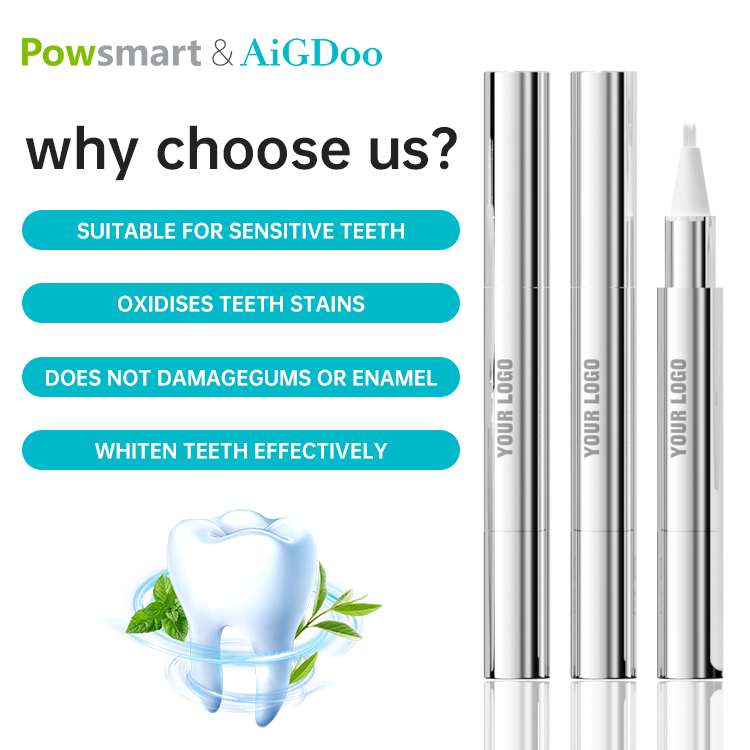
How Does Advanced Whitening Gel Formulation Cater to Sensitive Teeth Whitening Needs?
-3-scaled.png)
Home vs. Professional Red and Blue Light Teeth Whitening Devices: Wavelength Stability and Energy Density Comparison
.jpg)
LED Whitening Mouthpiece | Fast-Acting Light Therapy for Teeth OEM/ODM Solution
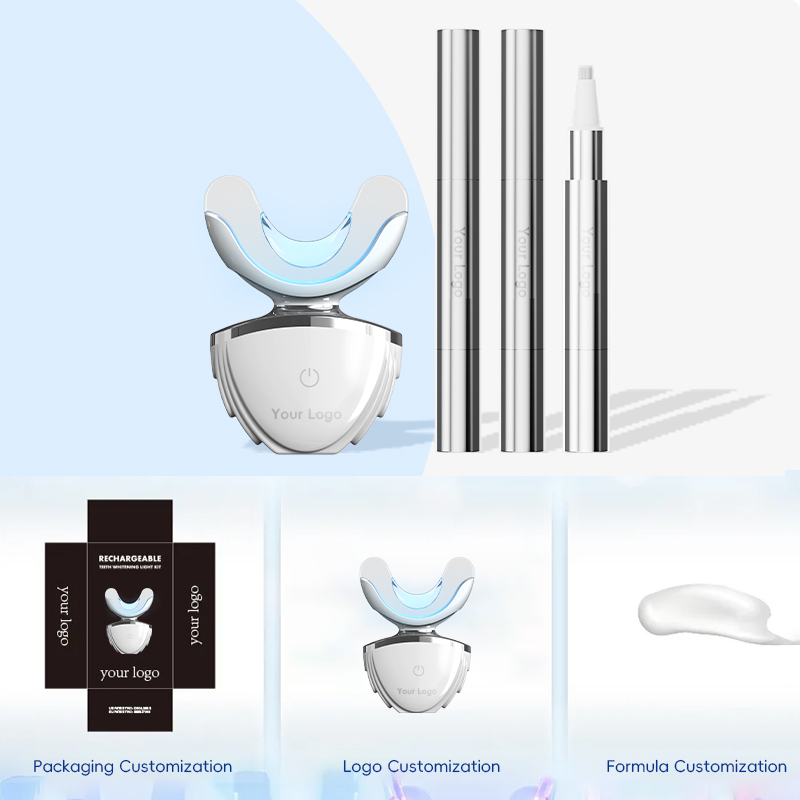
What is Teeth whitening LED light? Is it useful?
Enamel Transparency Plus Taste Loss – Permanent Damage?
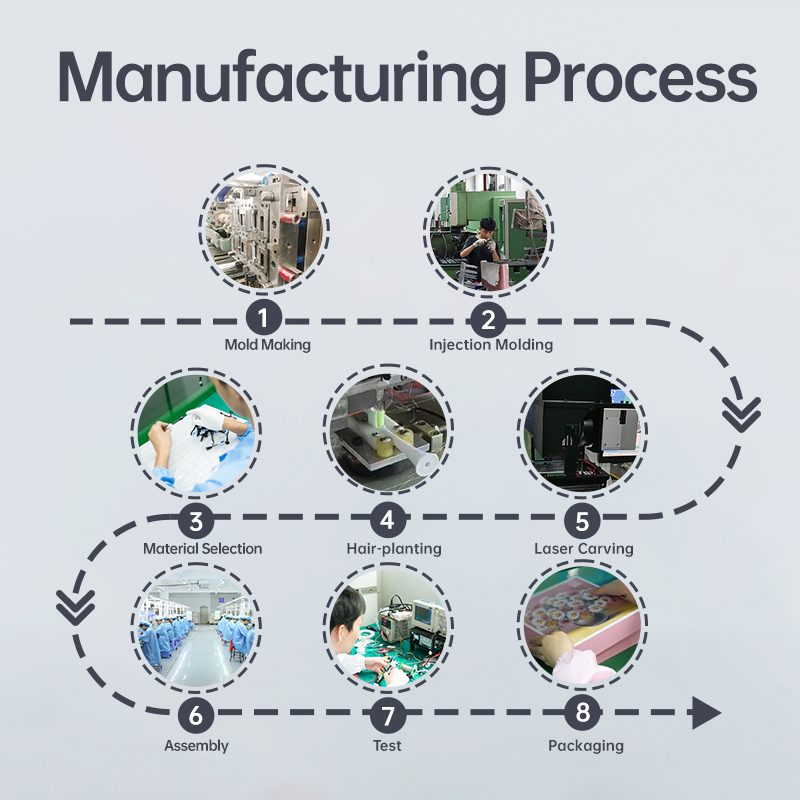
A Guide to the Entire Process of OEM Teeth Whitening Device: Detailed Explanation of Every Step from Design to Mass Production

sonic electric toothbrush factory
Blue vs Red Light for Teeth Whitening: Choosing the Right OEM Technology
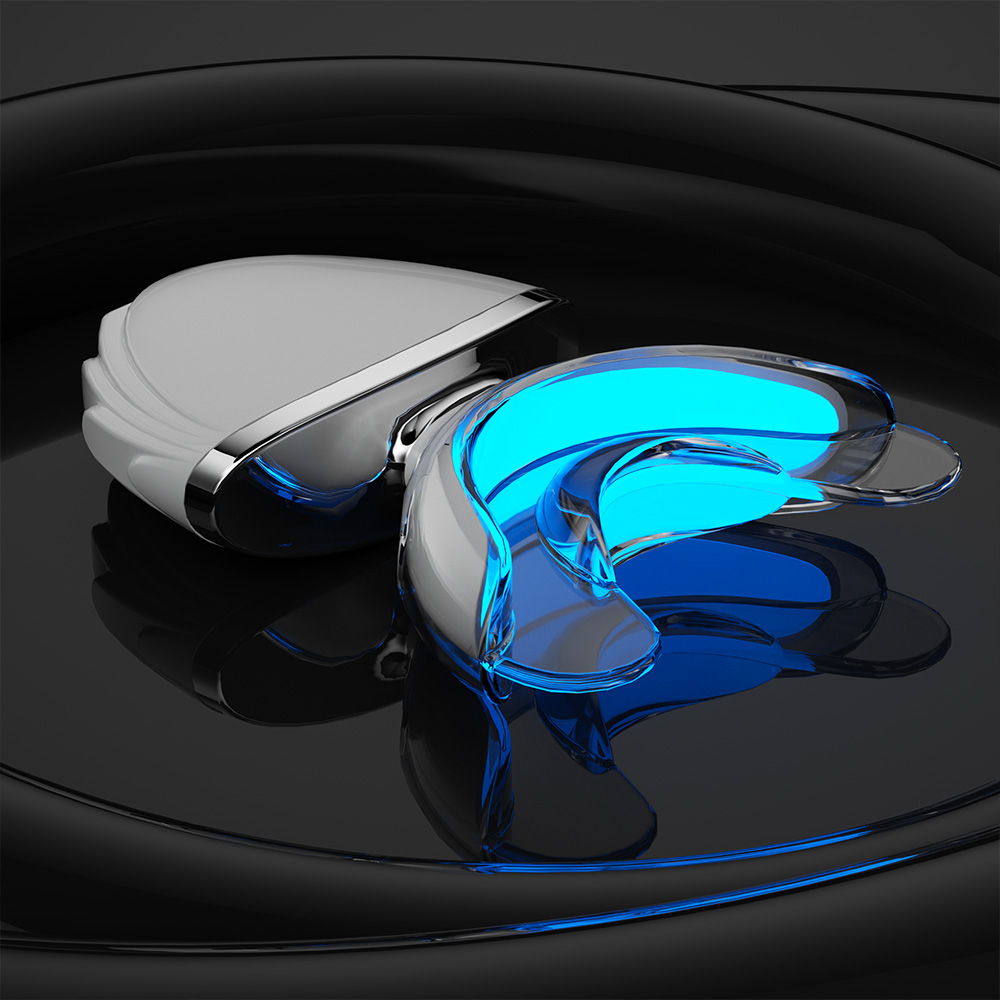
The Science Behind Cold Light Teeth Whitening: How Wavelength Impacts Whitening Results
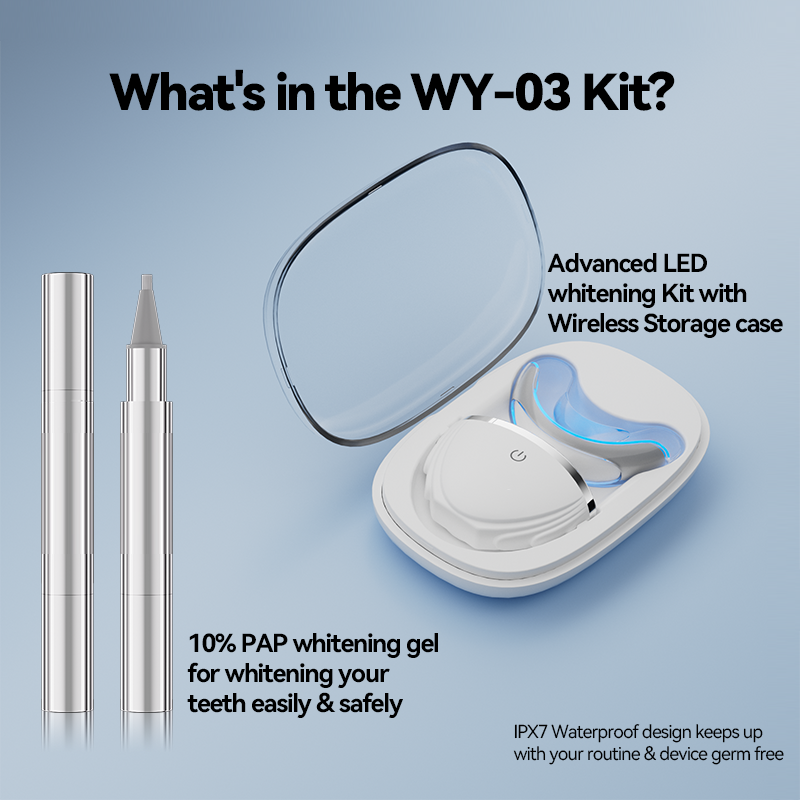
What Gives Some Teeth Whitening Devices Competitive advantage?
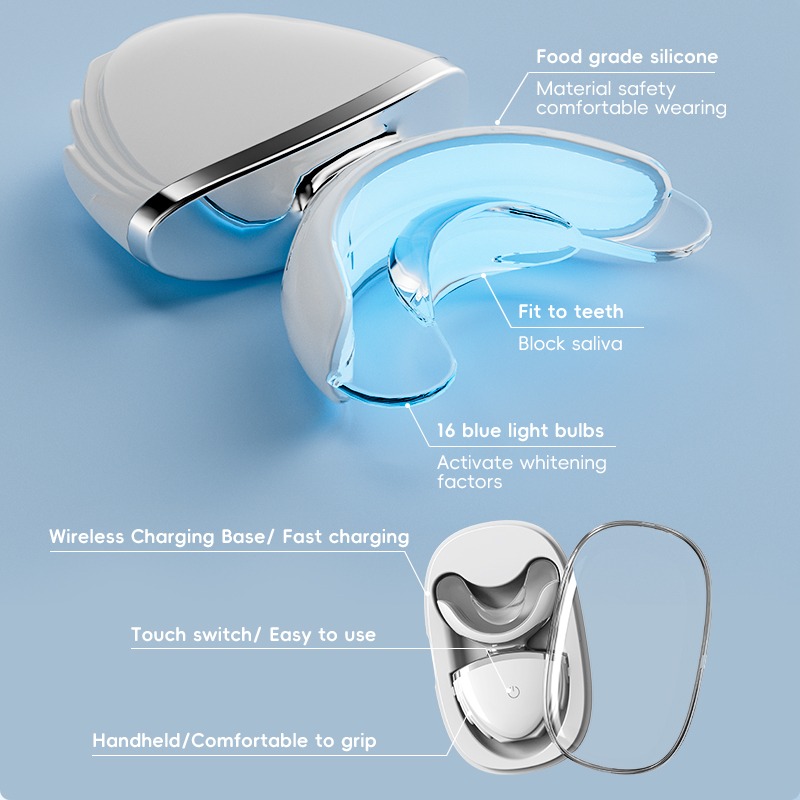
Do LED teeth whitening device trays need to be removed and cleaned frequently?

Application of Phototherapy Technology in Teeth Whitening and Oral Care


.jpg)
.jpg)
.jpg)
.jpg)
.jpg)