When discussing the durability and efficiency of personal oral care devices, particularly electric toothbrushes and water flossers, the relationship between weak pressure and potential enamel thinning often comes into question. Can insufficient pressure actually contribute to the gradual erosion of enamel? This concern is increasingly relevant for manufacturers aiming to balance gentle care with effective cleaning.
Enamel thinning refers to the gradual loss of the protective outer layer of the tooth, which safeguards the inner dentin and pulp. This condition leads to:
Once enamel is worn away, it cannot regenerate naturally, making prevention critical.
Proper pressure during brushing or water flossing is essential to remove plaque and food debris effectively without damaging enamel. However, weak pressure can cause:
Thus, weak pressure may indirectly contribute to enamel thinning by reducing cleaning efficiency and encouraging improper user behavior. Company web:https://www.powsmart.com/product/electric-toothbrush/
Although it seems counterintuitive, weak pressure can lead to enamel thinning in several ways:
Therefore, stable and optimal pressure output is not only about cleaning performance—it’s essential for enamel protection.
Manufacturers must recognize that weak pressure often stems from:
These design oversights can result in devices that deliver insufficient pressure from day one or degrade rapidly in real-world use.
To mitigate risks, OEM/ODM manufacturers should:
These measures ensure the device supports effective cleaning without risking enamel health.
Leading brands are exploring:
Such innovations can eliminate the problem of weak pressure and preserve enamel integrity across diverse user populations.
In conclusion, while weak pressure may seem safer than excessive force, it introduces its own set of risks—particularly the potential for enamel thinning through indirect mechanisms. For manufacturers, ensuring devices maintain optimal and consistent pressure is not only a performance issue but a fundamental requirement for protecting end-user oral health and maintaining brand trust. Contact us
.jpg)
How Brands Can Achieve Higher Margins with Premium Water Flossers
How Does a Contract Manufacturing Agreement Secure a Steady Brush Head Replacement Supply?
Can Mold Development Service Reduce Costs Through Efficient Bulk Material Sourcing?
.jpg)
Incomplete Flushing after Flow Interruption?
.jpg)
Powsmart Electric Toothbrush Factory in Little Rock
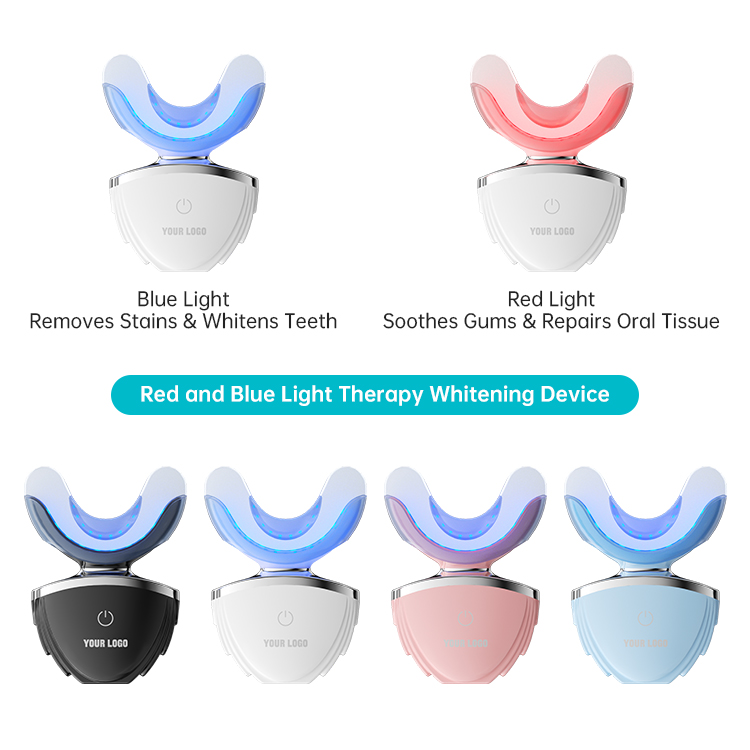
Why Pair Cosmetic Whitening Equipment with a Portable Charging Case?
Charging Port Damage Triggering Bristle Shedding – Related?
Pulse Instability with Noise Spikes – Motor Dying?
Water Splashing plus Handle Slippage – Design Flaw?
How Does Custom Handle Design Benefit from Full-scale OEM/ODM Manufacturing Capabilities?
How to Stand Out in Dallas Electric Toothbrush Wholesale Market
Cavity Risk from Taste Residue?

The Rising Market Potential of At-Home Teeth Whitening Devices
How Do Quality Control Protocols Contribute to Rigorous Quality Assurance?
Motor Jamming with Overheating Alerts – Linked?
.jpg)
Water Flosser Advantages: Key Selling Points for Brands to Highlight


.jpg)
.jpg)
.jpg)
.jpg)
.jpg)