
.jpg)
Recently, reports have emerged suggesting that light burns from high-intensity whitening devices can inflame oral soft tissues and even contribute to bite misalignment as patients unconsciously alter chewing patterns to avoid discomfort. This controversy raises urgent questions for B2B manufacturers: How do device parameters, protocols, and training intersect to safeguard both cosmetic efficacy and occlusal health? From Light Burns to Altered Mastication First, understand the chain reaction: Thermal Injury: Excessive irradiance or prolonged exposure causes mucosal burns on cheeks and tongue. Protective Guarding: Patients instinctively chew on the opposite side, shifting occlusal load. Muscle Memory Change: Repeated avoidance leads to altered muscle tone and, over time, bite misalignment. Thus, mitigating surface burns is critical to preserving natural bite patterns. Device Settings that Heighten Burn Risk Moreover, certain design choices amplify thermal hazards: Overpowered LEDs: Devices pushing >2,000 mW/cm² accelerate tissue heating. Lack of Thermal Diffusion: No built-in cooling or diffusive optics concentrates hot spots on soft tissue. Fixed Exposure Times: Rigid “one-size-fits-all” protocols ignore individual tissue tolerance. By optimizing power density and exposure cycles, manufacturers can reduce light burns without sacrificing whitening speed. Gel Formulation and Photochemical Reactions In addition, gel chemistry interacts with light to influence burn outcomes: Exothermic…
When an electric toothbrush suffers a mode failure, it can switch erratically between cleaning intensities—subjecting enamel to unintended stress patterns that promote enamel cracks. B2B manufacturers must grasp how firmware glitches, user compensations, and hardware oversights converge to create this hidden risk and implement robust remedies. What Constitutes a Mode Failure? First, clarify the term: Definition: A mode failure occurs when the brush’s control system fails to maintain—or erroneously changes—the intended brushing mode (e.g., “Gentle,” “Standard,” “Whitening”). Symptoms: Sudden jumps in vibration frequency, unresponsive buttons, or automatic reboots mid-session. Detection: Users often attribute strange sensations to battery issues, overlooking that inconsistent modes are to blame. Understanding these failure signatures is the first step toward prevention. How Erratic Modes Stress Enamel Next, examine the physical consequences: Abrupt Frequency Shifts: Rapid changes in vibration amplitude create micro-impacts on enamel, initiating subsurface microfissures. Variable Bristle Dynamics: Bristles designed for low-force polishing suddenly slam at whitening intensity, causing localized overstrain. Cumulative Fatigue: Repeated unintended spikes accelerate fatigue in the enamel layer, hastening crack propagation. These mechanical stresses underline why mode consistency is vital to enamel integrity. Company web:https://www.powsmart.com/product/electric-toothbrush/ Common Triggers of Mode Failure Moreover, several root causes undermine mode stability: Firmware Bugs: Unhandled exceptions…
In today’s advanced at-home oral-care devices—some even powered by a Magnetic Levitation Motor for ultra-smooth operation—relying solely on gadget features is not enough to guarantee safety. Instead, regular dentist consultations serve as a vital complement, helping to identify contraindications, personalize protocols, and avert complications that no consumer manual can fully anticipate. Tailoring Treatment to Individual Anatomy First and foremost, dental anatomy varies widely: Gum Morphology: Some users have thin, recession-prone gingiva that require gentler cleaning pressures. Enamel Thickness: Variations in enamel density affect sensitivity thresholds and bleaching tolerance. Orthodontic Appliances: Braces, implants, or bridges alter fluid dynamics and pressure points, needing customized nozzle angles. Through dentist consultations, practitioners can assess each patient’s oral structures and recommend device settings or attachments that minimize home-use risks. Early Detection of Underlying Pathologies Moreover, what appears to be routine plaque buildup can mask deeper issues: Periodontal Pockets: Untreated periodontitis pockets deepen without professional scaling, making at-home jets counterproductive. Enamel Cracks: Micro-fractures are invisible to users but can worsen with high-pressure home devices. Caries Development: Early cavities may be exacerbated if home whitening or high-speed brushing continues unchecked. By scheduling regular consultations, dentists can spot and treat these pathologies before home routines aggravate them.Company web:…
In the world of at-home whitening systems, efficacy debates often center on how quickly and completely bleaching agents decompose stains—and just as critically, on factors like wireless charging safety, which ensures devices remain powered without compromising chemical stability. By honing in on bleach breakdown, manufacturers and end users alike can compare true performance rather than superficial marketing claims. The Chemistry Behind Bleach Decomposition First and foremost, bleaching efficacy depends on the generation of reactive oxygen species: Photolytic Activation: Light-assisted devices split peroxide bonds into hydroxyl radicals (•OH), the primary stain-destroying agents. Thermal Catalysis: Elevated temperatures accelerate O–O bond cleavage, enhancing breakdown kinetics. pH Dependence: Alkaline environments favor peroxide stability but must be balanced to prevent enamel damage. Understanding these chemical pathways is the foundation for any meaningful efficacy comparison. Metrics for Measuring Breakdown Efficiency Moreover, standardized metrics enable clear side-by-side analysis: Free-Radical Yield: Quantified via electron spin resonance (ESR) to assess how many radicals are produced per milligram of bleach. Colorimetry Tests: ΔE measurements track actual stain diminution on dentin or enamel analogs. Reaction Rate Constants: Kinetic modeling reveals how quickly peroxide concentration drops under fixed conditions. Such objective data cuts through marketing noise and grounds efficacy debates in reproducible…
On outdoor expeditions or frequent business trips, users care not only about a toothbrush’s cleaning power but also its Waterproof Rating—to withstand rain, sweat, or brief immersion—and its Travel Portability, fitting easily into any pack. A truly adventure‑ready electric toothbrush must excel in waterproofing, compactness, durability, battery life, and smart features to remain a reliable companion on the go. Weatherproofing for Wet and Humid Conditions Outdoor environments can be unpredictable, so your toothbrush should meet at least an IPX8 Waterproof Rating: Short‑Term Submersion: Survives 30 minutes under 1 m of water, protecting against stream crossings or sudden downpours. High‑Pressure Spray Resistance: Stands up to wash‑down or tent‑shower situations without leaking. Dust and Sweat Protection: Ideally IP6X‑rated to keep debris and moisture out of the handle and electronics. Rigorous waterproof testing ensures reliable operation in any damp or rainy setting. Travel Portability Essentials When you’re light‑packing, Travel Portability is key: Lightweight Form Factor: Under 80 g and no more than 20 cm long, so it slips easily into backpacks, carry‑ons, or small toiletry kits. Compact Charger Base: A USB‑C travel dock that plugs into power banks or laptops, eliminating bulky adapters. Protective Carrying Case: A shock‑absorbent, crush‑resistant case with foam inserts shields brush heads…
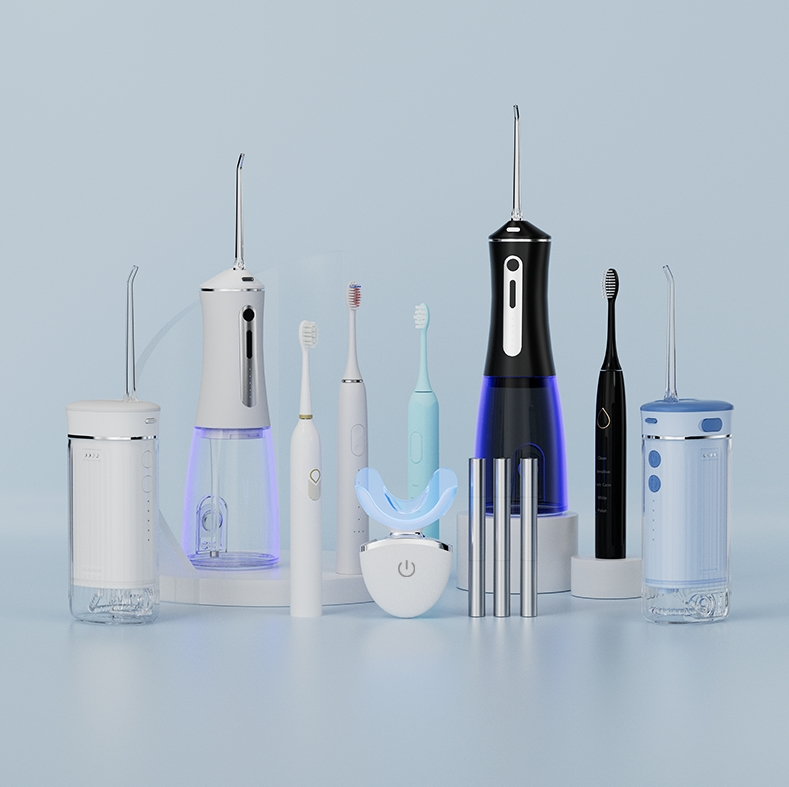
As the demand for smart and effective oral care devices grows, electric toothbrushes continue to dominate both consumer and professional markets. However, many brands face challenges due to recurring common electric toothbrush issues, often traced back to poor manufacturing practices. To build a trustworthy product line, it's essential for oral care brands to work with factories that understand common issues — and have systems in place to prevent them.This blog provides a detailed breakdown of the most frequent product issues and how top-tier manufacturers address them, ensuring long-term reliability and user satisfaction. Brush Head Durability: The First Line of Defense One of the most common complaints from users is premature wear or breakage of the brush head. Brush head durability is critical for performance and safety. Factory solution: Use of high-quality, FDA-compliant bristle materials. Precision injection molding to ensure consistent density and alignment. Rigorous fatigue testing to simulate real-world use cycles. By optimizing brush head design and materials, factories help brands deliver a more resilient and comfortable brushing experience. Motor Failure: Silent Killer of Product Lifespan Another frequent issue in electric toothbrushes is motor failure. Overheating, vibration inconsistencies, or complete breakdowns can severely impact a brand’s reputation. Factory solution: Partner with…
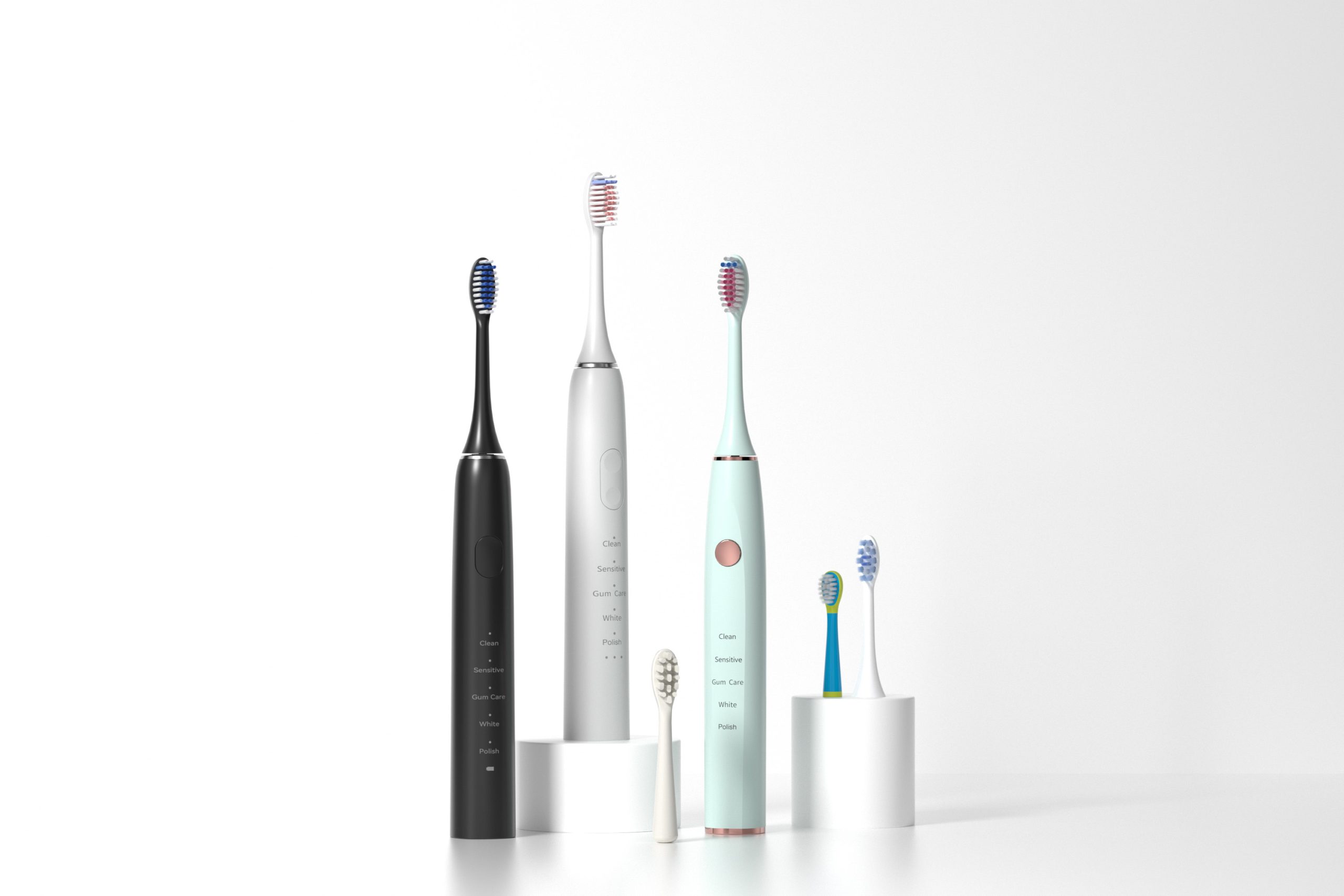
As electric toothbrushes become a standard in modern oral hygiene routines, quality control and product reliability have never been more critical. For oral care OEM partners, and especially for brands seeking factories, understanding common failure points and how to solve them is key to building strong, trustworthy products.This article offers a practical guide for brands & factories to troubleshooting electric toothbrush problems, helping improve production quality, reduce returns, and strengthen long-term customer satisfaction. Battery Life Issues: Why They Occur and How to Prevent Them One of the most frequent complaints in user feedback is related to battery life issues. Whether the toothbrush runs out of power too quickly or fails to hold a charge over time, battery reliability is critical for user retention. Key considerations for brands and factories: Use high-quality lithium-ion batteries from certified suppliers. Optimize PCB design for energy efficiency. Implement smart charging indicators and auto shutoff features to extend battery lifespan. Ensure your oral care OEM partner offers battery cycle testing during quality control. Waterproofing Standards: IP Rating is Not Optional Given the daily exposure to water and moisture, inadequate waterproofing can lead to product failures, electrical shorts, or even safety risks. Adherence to waterproofing standards—especially IPX7 or higher—is essential.…
.jpg)
Introduction: Battery Leakage in POWSMART Smart Toothbrush – A Real Concern? As the demand for high-performance oral care devices increases, the POWSMART Smart Rechargeable Toothbrush has emerged as a top-tier solution, offering advanced features like smart timers, adaptive brushing modes, and wireless charging. However, recent user feedback and technical audits suggest a less visible but significant issue—battery leakage. While often overlooked, this issue can compromise not just the functionality of the device but also user safety and brand integrity. For B2B manufacturers and OEM partners, recognizing and resolving this risk early is critical to quality assurance and customer retention. Battery Leakage: What Is It and Why It Matters Battery leakage occurs when a rechargeable cell begins to break down chemically, releasing corrosive fluids or gases. In the case of the POWSMART Smart Rechargeable Toothbrush, such leakage may be subtle but destructive over time, potentially affecting: Internal circuitry Charging efficiency Waterproof sealing User safety (e.g., skin or mucosal irritation) When left unaddressed, battery leakage becomes a silent failure mode that erodes consumer trust and leads to costly warranty claims. Common Causes Behind Battery Leakage in Smart Toothbrushes Understanding the root causes is essential to prevent recurrence. Key contributors include: Overcharging due…
In the realm of electric oral care devices and personal grooming tools, waterproof failure is more than a surface-level issue—it can directly result in circuit corrosion, often leading to total device failure. This hidden yet critical risk not only affects product durability but also damages brand credibility and increases after-sales costs. For OEM/ODM manufacturers, understanding how waterproof breaches evolve into irreversible electrical corrosion is vital for ensuring both product safety and long-term customer satisfaction. How Waterproof Failure Happens: The First Breach A device's waterproof design is meant to isolate sensitive internal components—particularly PCBAs, batteries, and motor drives—from moisture exposure. However, waterproof failure can stem from: Improper ultrasonic welding of the housing Defective sealing rings or poorly applied gaskets Microcracks due to drop impacts or thermal stress Assembly misalignment between structural parts Even a minor leak over time can allow vapor or condensation to enter the device’s interior—setting the stage for circuit corrosion. What Is Circuit Corrosion and Why Is It Fatal? Circuit corrosion refers to the gradual oxidation and chemical degradation of PCB traces, solder joints, and metallic components due to moisture, ions, or pH imbalance. Common signs include: Greenish or white buildup on circuit pads Erratic button or sensor…
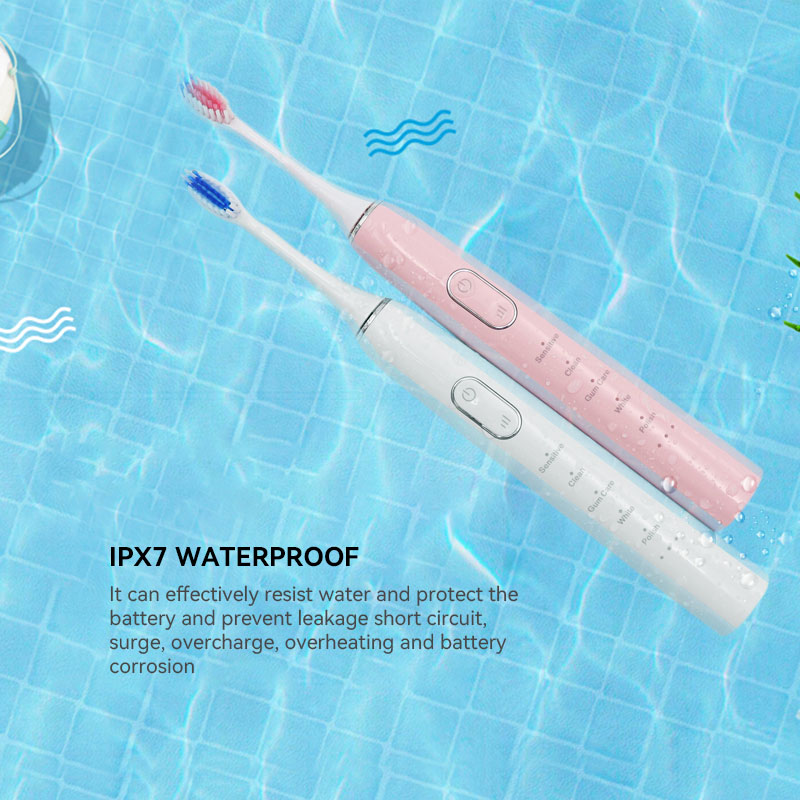
With the growing demand for durable and high-performance electric toothbrushes, We are continuously improving the electric toothbrush waterproofing technology. A breakthrough in waterproofing technology ensures longer product lifespan, enhanced user safety, and better overall functionality. From the perspective of an electric toothbrush manufacturer, Powsmart provides a detailed explanation of waterproof technology, explores different waterproof levels, and discusses comprehensive waterproof solutions for electric toothbrushes in this blog. Why Waterproofing is Critical for Electric Toothbrushes Electric toothbrushes operate in humid environments and are frequently exposed to water. Without proper waterproofing, issues such as motor damage, battery failure, and short circuits can arise. Key benefits of advanced waterproofing technology include: Enhanced durability: Protection against water ingress ensures long-lasting performance. User safety: Prevents electrical hazards caused by water exposure. Improved product reliability: Reduces maintenance costs and increases customer satisfaction. Detailed Explanation of Waterproof Technology Achieving full waterproofing in electric toothbrushes requires multiple layers of protection. The core waterproof technology methods include: a. Seamless Housing Design A fully sealed casing with minimal gaps prevents water penetration. Ultrasonic welding and precision molding are commonly used to achieve a seamless structure. b. Advanced Sealing Materials The use of high-quality rubber gaskets and silicone seals around critical areas, such as the battery…
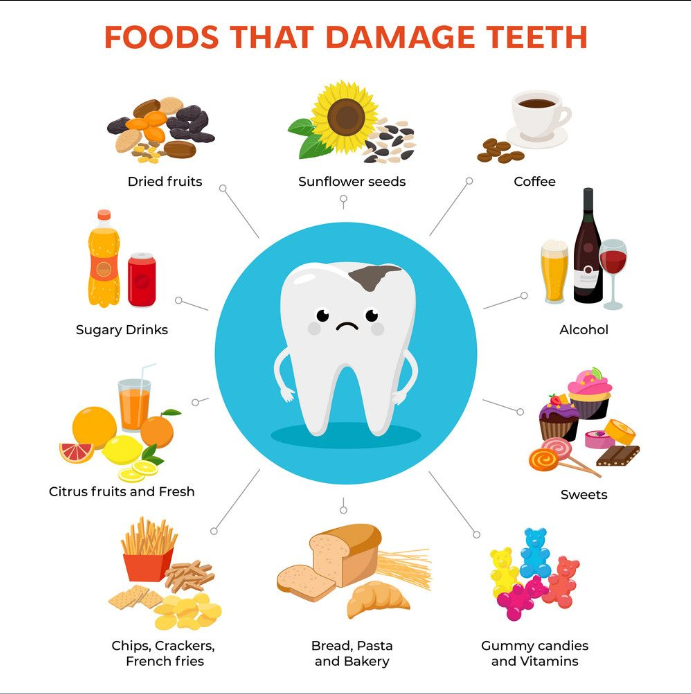
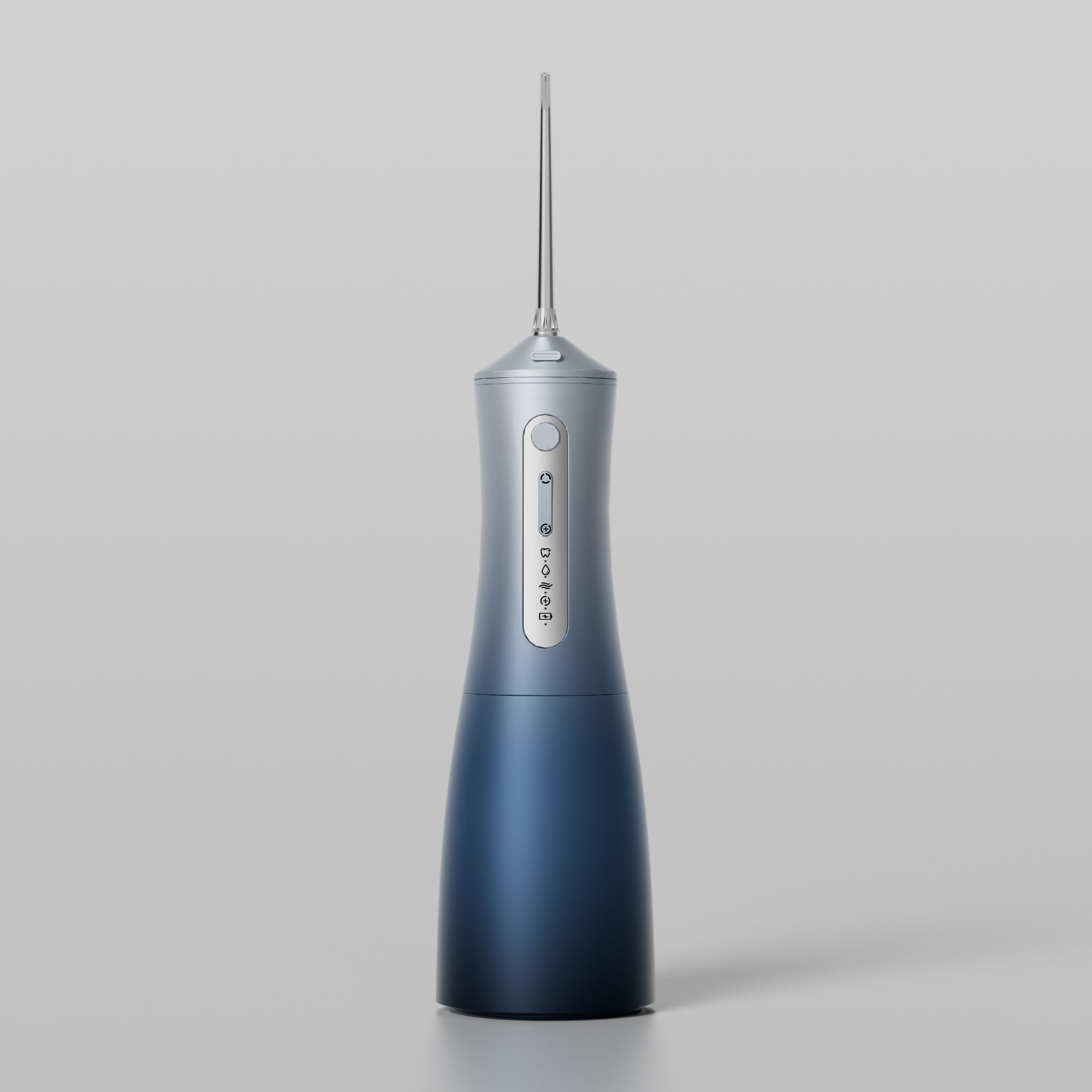
Maintaining a healthy smile requires more than just brushing your teeth; it involves a comprehensive oral care routine. As an oral care products factory with years of expertise, Powsmart recommend combining the right tools, such as electric toothbrushes, water flossers, and teeth whitening kits, to ensure optimal oral health. Start with Brushing Using an Electric Toothbrush Brushing your teeth twice a day is the foundation of any effective oral care routine. Using an electric toothbrush improves cleaning efficiency compared to manual brushing. With advanced features like timers and pressure sensors, an electric toothbrush helps to remove plaque effectively while protecting your gums. Research shows that consistent use of an electric toothbrush can reduce plaque by 21% more than manual brushing over three months. Floss with a Water Flosser for Deeper Cleaning Brushing alone cannot reach all the tight spaces between your teeth. That’s where a water flosser becomes essential. This tool uses a gentle yet powerful stream of water to clean between teeth and along the gum line, removing food particles and bacteria that traditional floss may miss. Oral care experts agree that incorporating a water flosser into your routine reduces the risk of gum disease and improves overall oral hygiene. Brighten…
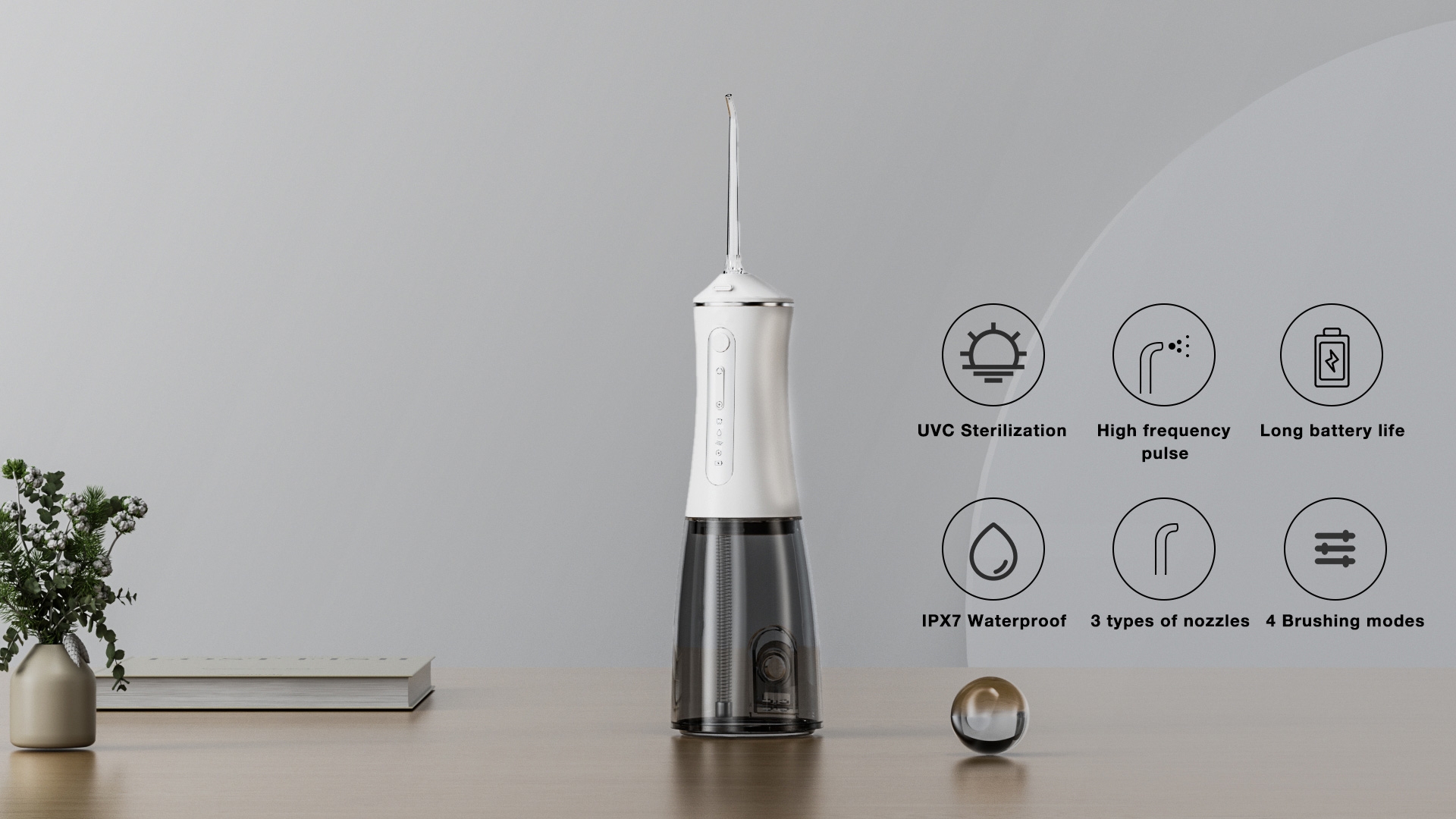
Minimum order quantity (MOQ) is a key factor when starting a private label water flosser business. Understanding how to obtain the best MOQ will significantly impact your initial investment and overall success. Reasons for setting MOQ * The profit from selling a certain product is very low, so it is necessary to set a minimum order quantity to make small profits but quick turnover, so as to increase profits. * The production material subcontractor of a certain product has set the minimum order quantity. After the supplier purchases the materials, in order to maintain the balance of its inventory, it also sets the MOQ. Therefore, to a certain extent, the MOQs set by suppliers can reflect the MOQs set by their material subcontractors. * Some suppliers do not have the habit of keeping inventory, and their products are mostly "customized", so they need to set a minimum order quantity. PowSmart offers high quality and best products including electric toothbrushes, oral irrigators and teeth whitening kits. Whether wholesalers, retailers or start-ups, we can produce products as per our customers' requirements. As a partner, you can source quality-assured products directly from PowSmart at reasonable prices and sell the products at healthy profit…
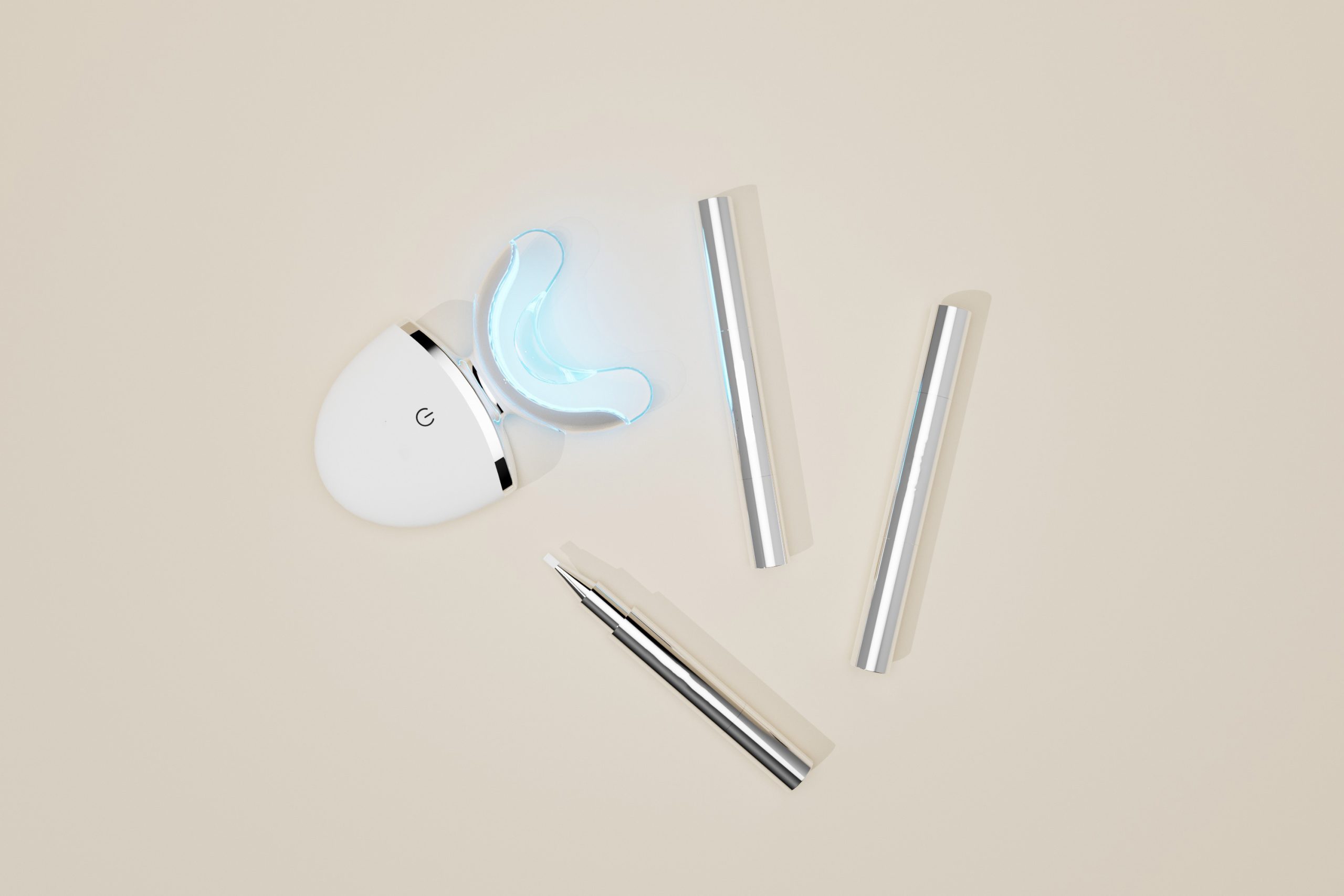
The teeth whitening industry continues to evolve with new innovations designed to help people achieve brighter, more radiant smiles. Among the most popular options are teeth whitening kits, which offer both convenience and effectiveness for consumers seeking professional-level results at home. In this blog, we’ll explore the latest advancements in teeth whitening kits and dive into the pros and cons of these products, while also uncovering the wonders of teeth whitening kit bring to the oral care market. Powsmart is an experienced oral care products manufacturer with over 20 years OEM/ODM service experience. We mainly produce electric toothbrush, water flosser and teeth whitening kit. The Latest Advancements in Teeth Whitening Kits Over the past few years, teeth whitening kits have become more sophisticated, incorporating cutting-edge technology to enhance results and make the process easier. From LED light-powered systems to more powerful whitening gels, the latest kits are designed to reduce sensitivity and improve overall whitening efficiency. Some of the most notable advancements include: LED Technology: Many modern whitening kits now use blue LED lights to accelerate the whitening process, providing results in as little as 10-20 minutes per session. Whitening Gel Formulas: Advances in whitening gel formulations have led to faster, more effective results,…
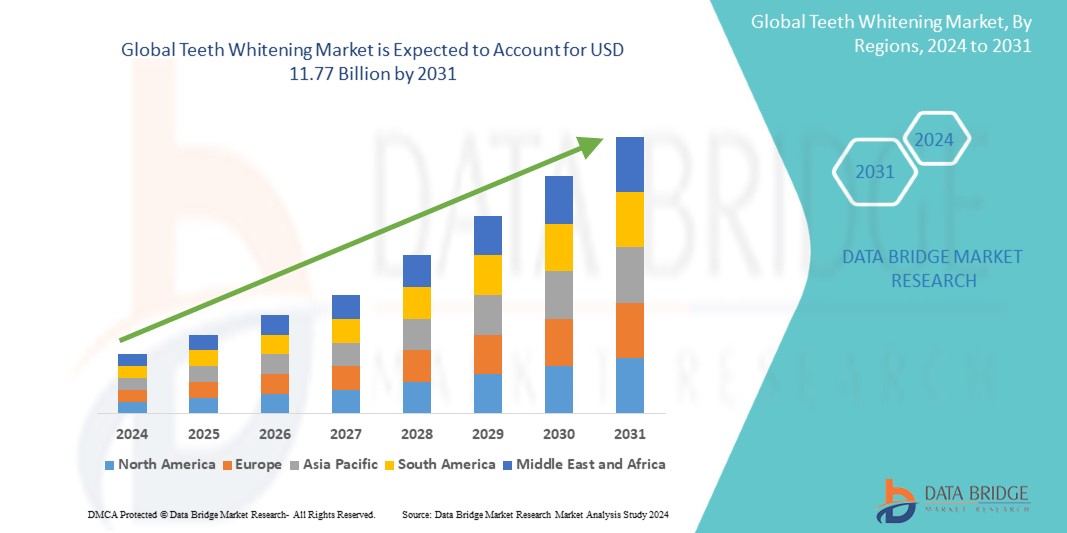
The global teeth whitening device market is experiencing unprecedented growth, fueled by increasing consumer awareness of dental aesthetics, technological advancements, and rising disposable incomes. As more individuals seek professional and at-home solutions for teeth whitening, manufacturers and OEM partners are witnessing a surge in demand for innovative and effective products. In this report, we explore the fastest-growing regions and key consumer groups shaping the industry. Fastest Growing Regions in the Dental Beauty Device Market North America: The Market Leader North America remains the dominant force in the global teeth whitening device market, driven by strong consumer purchasing power and a well-established dental care industry. The U.S. leads the charge, with an increasing preference for at-home teeth whitening kits and professional treatments. Asia-Pacific: The Emerging Powerhouse The Asia-Pacific region is experiencing exponential growth, particularly in China, South Korea, and Japan. Factors such as growing beauty consciousness, social media influence, and an expanding middle class contribute to the rising demand for advanced dental beauty devices. Europe: A Mature Yet Evolving Market Western Europe, particularly Germany, France, and the UK, continues to be a key market. European consumers prioritize quality and safety, driving demand for clinically tested and high-end teeth whitening devices. Consumer Group…
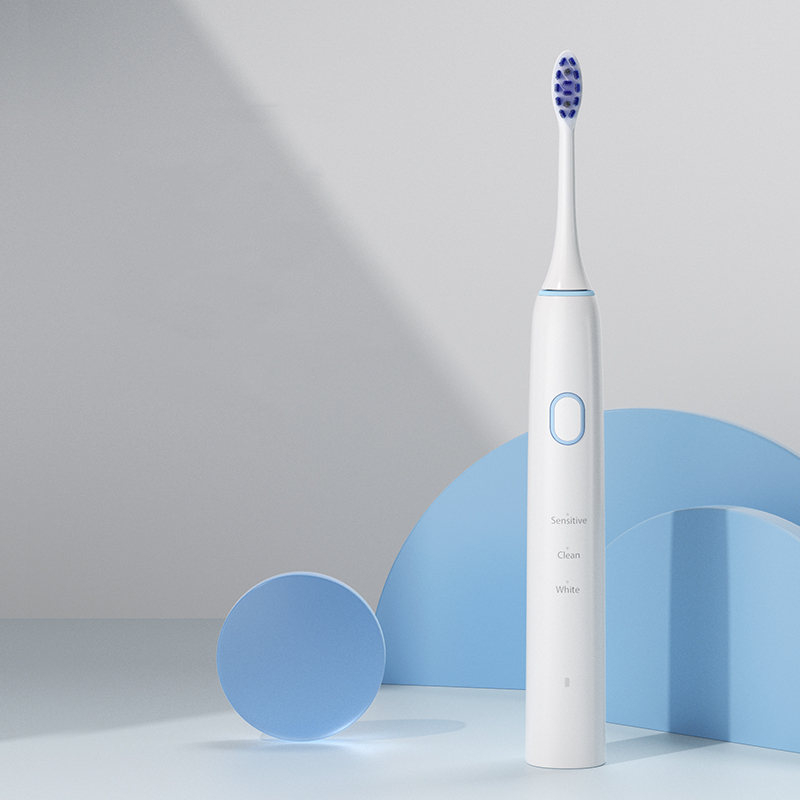
In today’s competitive oral care market, user comfort has become as important as performance. One of the biggest complaints among electric toothbrush users is noise. That’s where the demand for quiet electric toothbrush manufacturing is rapidly rising. Brands are now looking for manufacturers that can deliver high-quality, low noise sonic technology to offer their customers a superior, near-silent brushing experience. Whether you're an established oral care brand or launching a new product line, understanding the technical and manufacturing aspects of silent sonic brush development is key to success in this evolving category. The Rise of Low-Noise Oral Care Products Noise reduction in personal care devices is no longer a niche feature—it's a standard expectation. Consumers are gravitating toward electric toothbrushes that operate below 60 dB. This trend is driving brands to seek specialized quiet electric toothbrush manufacturing partners who understand the nuances of low db sonic technology and its impact on user experience and marketability. What Is Low Decibel Sonic Technology? Low noise sonic technology refers to the integration of precision motor systems, sound insulation components, and vibration damping structures in electric toothbrushes. Key innovations include: Brushless motors with minimal vibration Floating brush head suspension to absorb excess movement Internal acoustic insulation designs to reduce audible frequencies…
As consumers prioritize convenience and mobility, the demand for travel electric toothbrush OEM solutions has seen remarkable growth. For brands looking to expand their product line or enter the on-the-go oral care market, offering a foldable electric toothbrush with USB charging capabilities is an excellent opportunity. This blog outlines the key features of modern travel toothbrushes, and how private-label manufacturing can help brands deliver high-quality, differentiated products to their customers. Why Foldable Design Matters for Modern Travelers Compact and functional design is at the core of successful custom travel electric toothbrushes. The foldable electric toothbrush format meets consumer needs for: Portability: Easy to carry in pockets, handbags, or travel kits. Hygiene: Foldable casing protects the brush head from external contamination. Space-saving: Ideal for minimalist packaging and travel accessories. For brands, working with an OEM partner that specializes in ergonomic and innovative foldable designs gives your product a competitive edge in both retail and online markets. Powsmart is an oral care product manufacturer integrating R&D, production and sales. It has provided OEM customization services for brand owners for over 20 years.https://www.powsmart.com/about-powsmart/ USB Charging: A Standard for Portability and Sustainability Today's consumers expect USB compatibility. A portable USB electric toothbrush addresses both…
.jpg)
In today’s smart oral care market, Powsmart app connectivity is redefining user engagement by transforming real-time brushing data into personalized, actionable insights. For B2B buyers and OEM partners, understanding how this connectivity works is key to delivering added value in electric toothbrush products—and standing out in a competitive, tech-forward landscape. The Power of Real-Time Brushing Data Unlike basic timers or pressure sensors, real-time brushing data enables continuous tracking of multiple parameters, such as: Brushing duration and frequency Applied pressure Brush angle and coverage zones Missed areas and overbrushed zones This data is transmitted instantly via Powsmart app connectivity, creating an intelligent feedback loop between the device and the user. Seamless App Connectivity and Its Architecture The Powsmart app connectivity is powered by low-energy Bluetooth modules integrated into the brush handle. The architecture typically involves: A secure device-to-app communication channel Sync capabilities across multiple devices (phones, tablets) Real-time visual guides and brushing maps Cloud storage options for long-term data trends This connectivity layer ensures data is not just collected—but contextualized in a user-friendly format for both consumers and professionals. Company web: https://www.powsmart.com/product/electric-toothbrush/ Turning Raw Data into Actionable Insights Raw metrics are just the beginning. Through intelligent algorithms, real-time brushing data is…
.jpg)
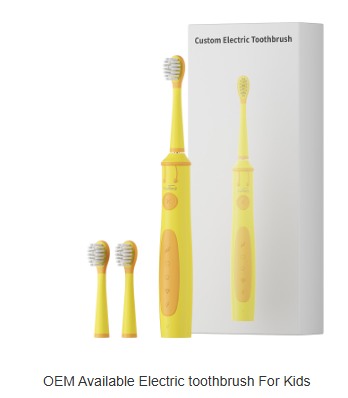
Introduction: How Cartoon Toothbrush Support Better Kids BrushingEncouraging regular brushing habits in children has always been a struggle. However, integrating cartoon toothbrush designs can turn brushing into a joyful activity. Whether you’re developing a private label solution or working with trusted manufacturers like the Powsmart child toothbrush, choosing a playful yet functional design can boost both oral care engagement and brand success. Understanding Why Kids Resist Brushing Routines Many children dislike brushing due to discomfort, fear, or boredom. Without engaging tools like a cartoon toothbrush, young users often fail to develop consistent brushing habits. To improve kids brushing compliance, brands need toothbrushes designed with child psychology and play-based learning in mind. The Power of Cartoons in Children’s Toothbrush Design Cartoon visuals enhance emotional connection and excitement. A cartoon toothbrush with bright colors, familiar characters, and fun themes can transform a chore into a game. These playful dental care tools also help kids feel more confident and motivated. Some models even include lights, music, or interactive timers to reinforce the 2-minute brushing routine. Why Powsmart Child Toothbrushes Are Loved by Kids and Parents The Powsmart child toothbrush line combines child-friendly aesthetics with professional safety features. Using soft bristles and food-grade silicone…
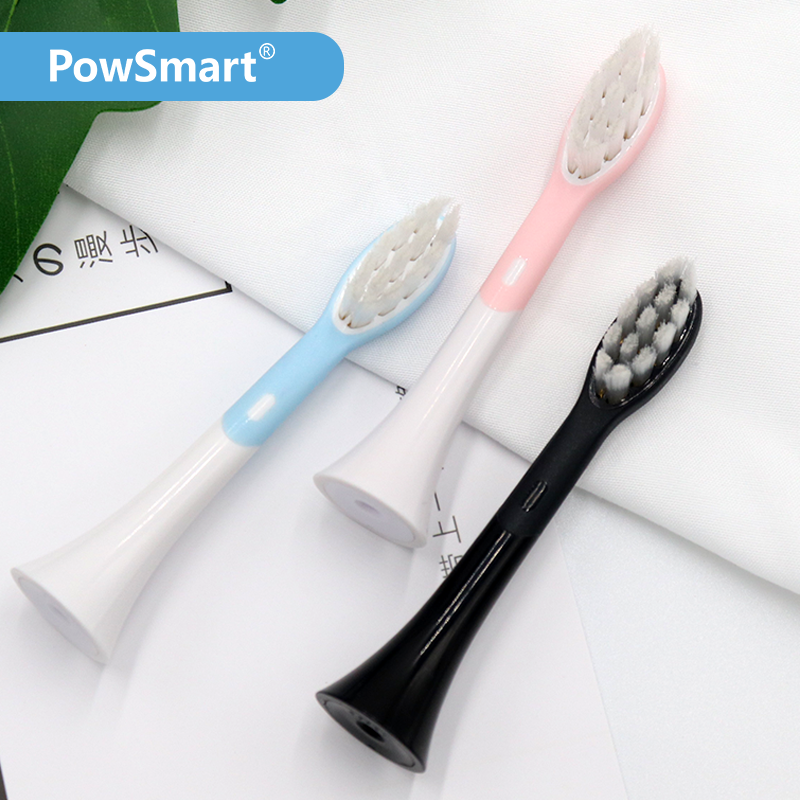
Maintaining oral hygiene with orthodontic appliances requires precision, patience, and the right tools. The clean braces technique—a structured approach to keeping teeth and gums healthy during orthodontic treatment—has gained popularity among dental professionals. At the center of this technique is the Powsmart ortho head, a brush head designed to solve the unique cleaning challenges faced by individuals with braces. The Hygiene Challenges of Orthodontic Braces Braces introduce a complex environment in the oral cavity: brackets, wires, ligatures, and limited space create ample opportunity for plaque buildup and food retention. Without proper tools, users often fail to reach behind wires and around brackets, leading to: Gingivitis and gum inflammation Decalcification and white spot lesions Bad breath and oral discomfort This is where the clean braces technique comes into play—with the Powsmart ortho head playing a vital role. What Sets the Powsmart Ortho Head Apart? The Powsmart ortho head is engineered with a V-shaped bristle pattern, specifically contoured to clean around orthodontic fixtures. Unlike flat or dome-shaped heads, it is tailored to: Reach both above and below the bracket with one pass Glide along the gum line without causing irritation Provide controlled contact to prevent enamel abrasion Its slim profile also improves…
With the rise in demand for compact and portable hygiene tools, the idea of a travel electric toothbrush that fits in a wallet may sound futuristic—but it’s closer to reality than many think. Manufacturers and OEM brands are now exploring advanced folding toothbrush design solutions to maximize portability without compromising on brushing performance. Why Portability Matters in Travel Oral Care Business travelers, minimalists, and digital nomads are increasingly seeking ultra-compact personal care devices. Traditional electric toothbrushes are often bulky and require a dedicated case or bag space. A folding toothbrush design offers a revolutionary answer to this challenge by minimizing dimensions without eliminating core features. Key user demands include: Pocket-sized or wallet-friendly form factor Built-in hygienic bristle protection Lightweight construction without fragile mechanisms This presents an opportunity for B2B innovation in the travel hygiene category. Design Mechanics Behind Folding Toothbrush Technology To make a travel electric toothbrush truly compact, folding technology must go beyond aesthetics. It needs to incorporate: A collapsible handle without compromising grip strength Hinge materials that resist corrosion and wear from moisture Magnetic or secure lock systems to ensure stability during use Advanced prototypes have shown that bristle heads can be flipped into the handle, or that…


.jpg)
.jpg)
.jpg)
.jpg)
.jpg)



.jpg)
.jpg)
