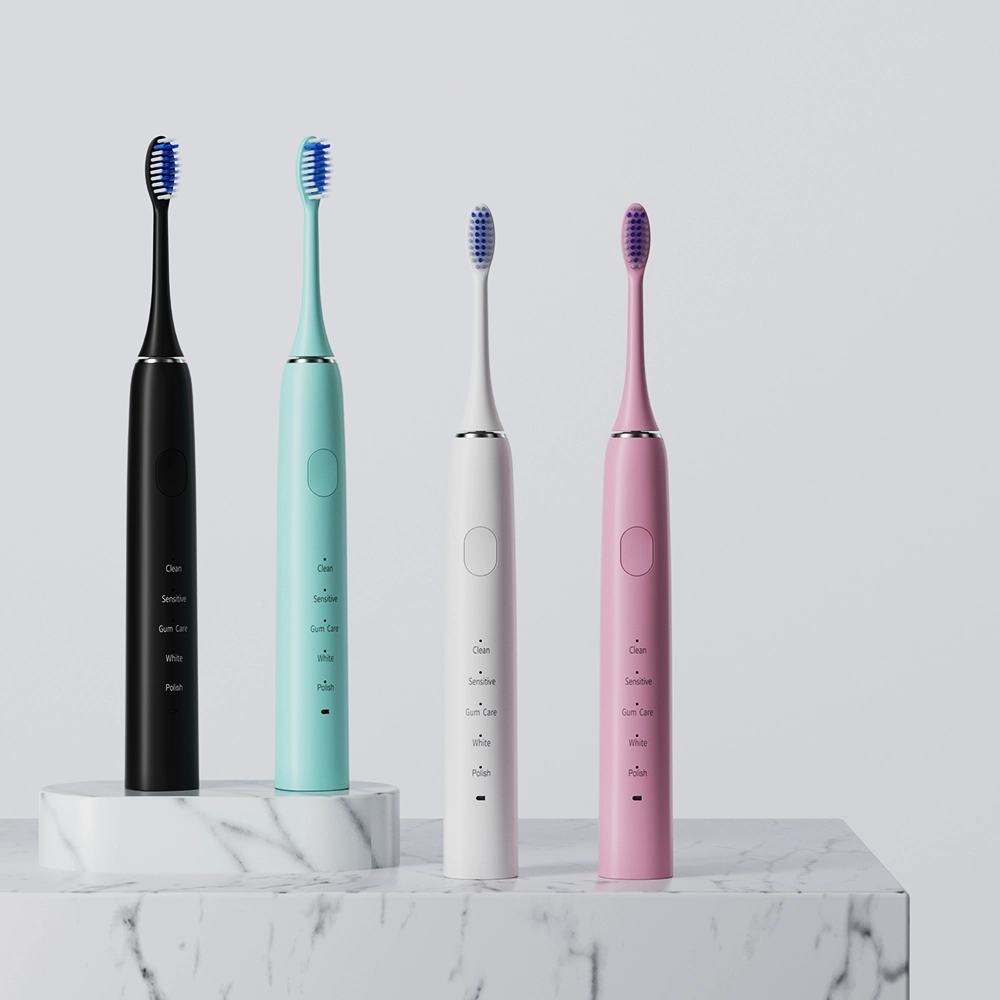
With the increasing global awareness of environmental protection, all industries are striving to find solutions to reduce their impact on the environment, and the electric toothbrush industry is no exception. As an electric toothbrush factory with 20 years of OEM/ODM experience, Powsmart always takes environmental protection and sustainability as important considerations when manufacturing electric toothbrushes. In this article, we will discuss the electric toothbrush industry's efforts in environmental protection from five aspects: material selection, production process, energy-efficient design, waste disposal, and corporate social responsibility. 1. Selection of Environmentally Friendly Materials In the production of electric toothbrushes, the selection of materials is the first step towards environmentally friendly design. Traditional electric toothbrushes usually use plastic casings and brush heads, and these materials have a certain impact on the environment during production and disposal. To minimize the burden on the environment, Powsmart, as an experienced electric toothbrush factory, actively promotes the use of recyclable and biodegradable materials. We continue to develop and introduce environmentally friendly plastics and biodegradable brush head materials to ensure that our products can reduce environmental pollution at the end of their service life. We also use more durable materials in the design of our brush heads, which extends…
The popularity of electric toothbrushes has brought oral care into a smarter and more efficient era. As an electric toothbrush factory with 20 years of experience, Powsmart is not only committed to providing high-quality products, but also emphasizes on the experience and effect of customers during the use. In order to help you use your electric toothbrush better and prolong its service life, here are five tips and maintenance methods we have compiled to help you. 1. Correct brushing method When using an electric toothbrush, the correct way of brushing is key. Many people mistakenly believe that electric toothbrushes can be operated at will, but in reality they still need to master certain techniques. It is recommended that you gently rest the brush head against the surface of your teeth, making sure the bristles are in contact with the gum line, and slowly move the brush head at a 45 degree angle. Each tooth surface should be left for at least 2-3 seconds in order to achieve a thorough cleaning. powsmart, as a professional electric toothbrush factory, pays special attention to the design of the brush head and the vibration frequency when designing the products, in order to help users…
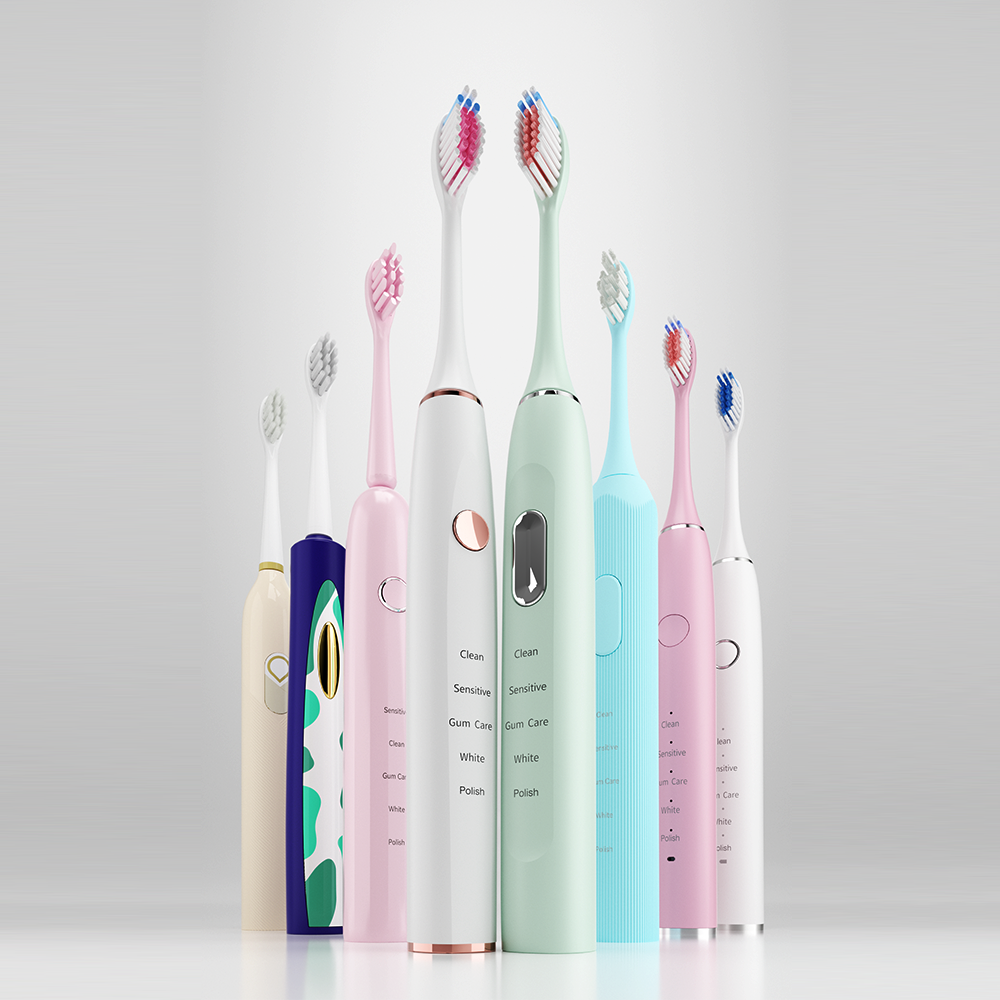
With the development of technology, electric toothbrushes are gradually becoming an essential tool for modern people's daily oral care. From the earliest basic functions to today's smart technology, the functions of electric toothbrushes are constantly upgraded, bringing a more efficient and comfortable cleaning experience. In this article, we will explore the evolution of electric toothbrushes in terms of functionality and show how we are leading this trend. 1. Optimization of basic cleaning functions The earliest electric toothbrushes relied on a simple vibration function, which helped remove dirt from the surface of the teeth by vibrating the bristles at high speed. Although the technology was relatively basic at the time, it showed obvious advantages over manual toothbrushes, and Powsmart, as an experienced electric toothbrush manufacturer, has not only done good research and development in the level of sonic electric toothbrushes, but also developed the latest sweeping vibration toothbrushes, which has made our products even more competitive. On this basis, we have continuously optimized the vibration frequency and bristle design to ensure that users can feel more efficient cleaning effect in daily use. 2. Introduction of Multi-mode Cleaning Technology As the market demand changes, a single vibration mode can no longer meet…
.jpg)
As the demand for high-performance oral care products rises, electric toothbrush manufacturers must focus on delivering long battery cycle durability, waterproof design, and advanced PCB technology to enhance user experience and product lifespan. This blog explores how these key features work together to ensure reliability, efficiency, and superior performance in modern electric toothbrushes. Extended Battery Cycle Durability: Power That Lasts One of the most critical factors influencing consumer satisfaction is battery cycle durability. A high-quality electric toothbrush should: Support Extended Usage Per Charge – Advanced lithium battery technology allows users to brush for weeks without frequent recharging. Maintain Performance Over Time – A durable battery retains charging capacity even after hundreds of cycles. Ensure Quick & Efficient Charging – Fast-charging solutions minimize downtime and enhance convenience. Improve Energy Efficiency – Intelligent power management optimizes battery use, reducing unnecessary energy loss. By integrating high-capacity rechargeable batteries, electric toothbrushes offer uninterrupted operation, making them ideal for travel and daily use. The Importance of a Waterproof PCB in Electric Toothbrushes An electric toothbrush must withstand frequent exposure to water. The integration of waterproof PCB (Printed Circuit Board) technology ensures: Protection Against Moisture & Corrosion – Specialized coatings shield electronic components from humidity and…
As people pay more attention to oral health, electric toothbrushes are gradually becoming a popular product in the market. However, are you curious about how a high-quality electric toothbrush is produced in a factory? As an electric toothbrush factory with 20 years of OEM/ODM experience, Powsmart pays attention to details in every aspect of manufacturing electric toothbrushes to ensure that the products are not only powerful but also have superior quality control. Our electric toothbrushes are IPX8 rated waterproof and have noise control within 55 decibels, making them a highly sought-after product in the market. In this article, we will reveal the keys to efficient production and quality control in our electric toothbrush factories. 1. Precision Manufacturing Equipment to Ensure High Production Efficiency As a professional electric toothbrush factory, Powsmart has introduced advanced automated manufacturing equipment to ensure production efficiency and product precision. During the production process, we use precision molds to manufacture every part of the toothbrush, from the brush head to the motor, to the shell, every detail is strictly controlled. The automated production line not only improves production efficiency, but also greatly reduces the possibility of human error, ensuring that every electric toothbrush meets design standards. Through…
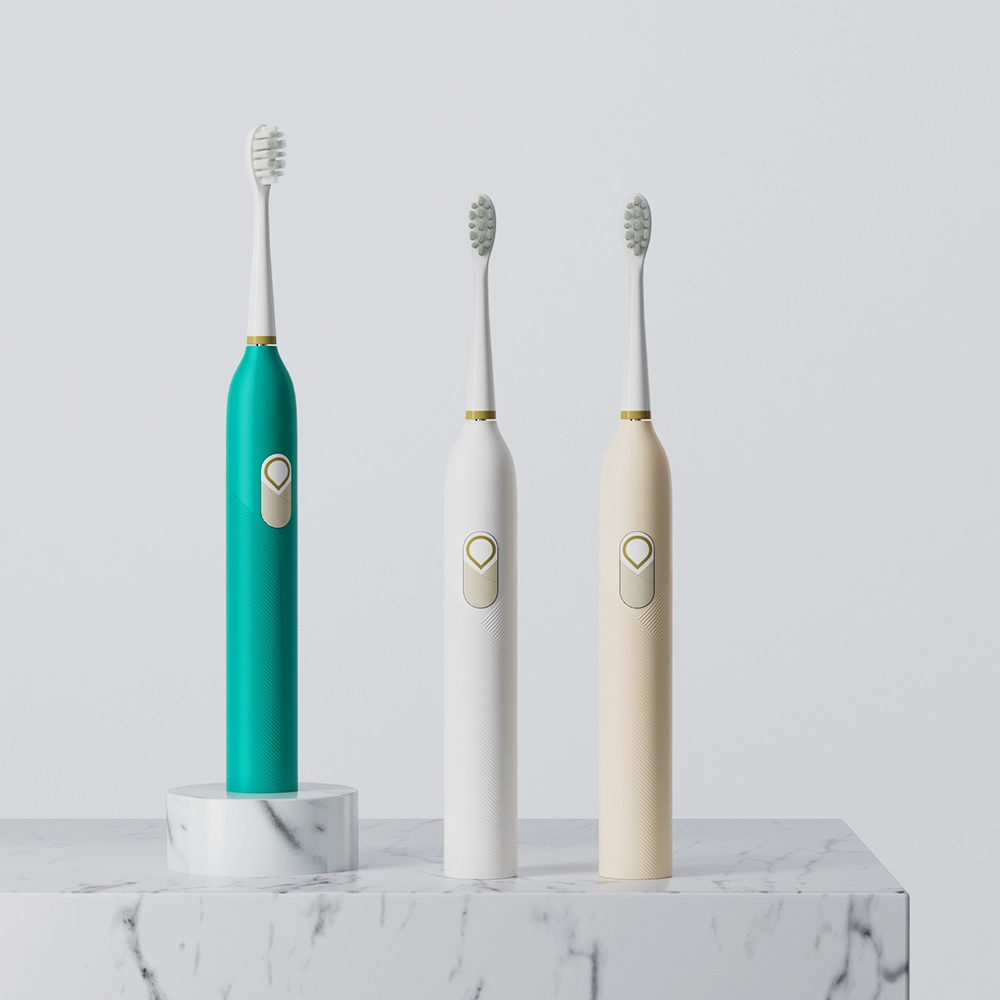
In today's era of growing environmental awareness, more and more consumers are purchasing products that focus not only on their functionality, but also on their impact on the environment. We have always been committed to providing users with efficient cleaning while reducing waste to the environment. Our electric toothbrushes incorporate the concept of environmental protection to help users pursue oral health while doing their part for the environment. 1. Replaceable Brush Head Design to Reduce Plastic Waste The popularity of electric toothbrushes in the market also raises the question of how to reduce the plastic waste generated from their use. Traditional disposable toothbrushes are thrown away after a few months of use, resulting in a lot of plastic waste. Powsmart's electric toothbrush, on the other hand, is designed with a replaceable brush head, so that users do not need to replace the entire toothbrush, but only the brush head on a regular basis. This extends the life of the electric toothbrush and greatly reduces plastic consumption. Our electric toothbrush factory has fully considered the environmental protection factor in the design stage, helping users to reduce the impact on the environment through simple brush head replacement. 2. Energy efficient motor to…
With the increasing demand for sonic toothbrushes, manufacturers must optimize production efficiency while maintaining high-quality standards. Automated assembly and ultrasonic welding have revolutionized the manufacturing process, ensuring precision, durability, and cost-effectiveness. In this blog, we explore how these advanced technologies enhance sonic toothbrush production and set new industry benchmarks. The Growing Demand for Sonic Toothbrushes Consumers worldwide are shifting towards sonic toothbrushes due to their superior cleaning efficiency and gentle gum care. This demand necessitates: Scalable production to meet market growth Enhanced durability to extend product lifespan Consistent quality control for user satisfaction Cost-effective manufacturing to remain competitive To address these challenges, manufacturers are investing in automated assembly lines and ultrasonic welding technology, which improve efficiency and maintain precision. Automated Assembly: Transforming Sonic Toothbrush Production Traditional toothbrush manufacturing involves multiple manual steps, which can result in inconsistencies and inefficiencies. Automated assembly eliminates these issues by: Enhancing production speed as robots and precision machinery accelerate the assembly process, reducing production time Minimizing human error by ensuring each toothbrush is assembled with precise alignment and component placement Reducing labor costs through less reliance on manual labor Ensuring consistency so that every unit maintains the same quality and durability, meeting global standards With…
In the current context of rising global environmental awareness, energy saving and emission reduction has become a top priority for manufacturing companies. As an electric toothbrush factory with 20 years of OEM/ODM experience, Powsmart is not only committed to the production of high-quality products, but also actively implements energy-saving and emission reduction measures during the production process to achieve the goal of sustainable development. In this paper, we will discuss the energy saving and emission reduction measures adopted by Powsmart in the production of electric toothbrushes and their effectiveness. 1. Advanced equipment to improve production efficiency Powsmart adopts energy efficient automated equipment in the production of electric toothbrushes. These equipments not only enhance the production efficiency, but also significantly reduce the consumption of energy. By upgrading the automation of the production line, Powsmart is able to ensure the quality of its products while reducing power consumption and production costs. As a visionary electric toothbrush factory, Powsmart has maximized productivity and reduced energy waste through equipment upgrades, thereby effectively reducing carbon emissions. 2. Implementation of Green Production Concept Powsmart always adheres to the concept of green production in the manufacturing process. When we manufacture electric toothbrushes, we strictly control the energy…
In today's fiercely competitive oral care market, product performance and efficiency are key to business success. To meet consumers’ demand for efficient cleaning, we continuously drive technological innovation in our Power Toothbrush products, achieving a 50% boost in cleaning efficiency through rigorous Process Optimization. Below, we detail the technological upgrade and its strategic significance across six key areas. Market Demand and Industry Background First, as awareness of oral health grows, consumers now demand higher cleaning performance and improved user experience from their toothbrushes. Traditional brushing methods often leave gaps in cleaning, whereas smart power toothbrushes use high-frequency vibrations to provide more comprehensive cleaning. At the same time, intensifying global competition in the oral care market forces Powsmart technology co, ltd to pursue continuous Process Optimization to reduce production costs and enhance product performance, thereby capturing a larger market share. Technological Advantages of the Power Toothbrush Secondly, the Power Toothbrush stands as a core representative of smart oral care products. Its robust power and advanced design offer clear advantages in cleaning effectiveness. Optimizing motor output and brush head design removes plaque/food residues, boosting users’ oral health. Moreover, advanced materials and precision manufacturing ensure superior durability and an elevated user experience. The…
In today’s rapidly evolving oral care market, technological innovation and safety are paramount. As a leading B2B manufacturer, we have developed a cutting-edge sonic toothbrush that not only enhances cleaning performance but also offers a suite of smart features. By integrating Wireless Charging and Overcharge Protection technologies, we ensure a product that is as safe as it is efficient.Discover six key aspects making our sonic toothbrush the ideal modern oral care solution. Revolutionizing Oral Care with Sonic Technology Our sonic toothbrush leverages advanced sonic technology to deliver high-frequency vibrations that significantly improve plaque removal and gum stimulation. Sonic brushes outperform traditional ones with dynamic motions that deeply clean teeth and gumlines thoroughly. This innovative approach not only elevates oral hygiene but also supports the overall health of the user. Embracing Wireless Charging for Unparalleled Convenience One of the standout features of our product is its Wireless Charging capability. By eliminating the need for traditional plug-in chargers, our design offers a clutter-free and intuitive charging experience. This modern convenience not only simplifies the charging process for end users but also enhances the product's aesthetic appeal, making it an attractive option for both consumers and professional dental clinics. Overcharge Protection: Safeguarding Battery…
In the competitive oral care market, ensuring product reliability, performance, and safety is critical. As a trusted manufacturing partner, we offer comprehensive Motorized Toothbrush Testing procedures and Overall Solutions to guarantee that every product meets industry standards and exceeds customer expectations. From precision testing to supply chain optimization, our approach ensures quality assurance at every stage of production. The Importance of Motorized Toothbrush Testing Quality assurance is the foundation of consumer trust. Motorized toothbrushes must meet rigorous performance, durability, and safety standards to ensure an effective and comfortable brushing experience. Without proper testing, issues such as motor malfunctions, inconsistent vibration, or insufficient battery life can compromise user satisfaction and brand reputation. Our Motorized Toothbrush Testing protocols are designed to identify potential defects early, ensuring that each product delivers consistent performance before reaching the market. Comprehensive Testing Procedures: Ensuring Excellence To guarantee the highest quality, we conduct extensive testing across multiple parameters: Motor Performance Testing – Evaluating vibration frequency, torque, and stability to ensure consistent brushing efficiency. Battery Life and Charging Tests – Assessing power efficiency, charging cycles, and long-term durability for extended usage. Waterproofing Tests – Verifying IPX7-rated water resistance to maintain product integrity in wet environments. Bristle End-Rounding Examination…
In today’s high-end oral care market, product durability and user experience are the keys to brand competitiveness. As a professional B2B manufacturer, we are dedicated to providing innovative and high-quality solutions to our clients. This blog focuses on the core technology behind our Power toothbrush—the Snap-Fit design—and highlights how we optimize product lifespan through rigorous Durability Testing. The following six sections detail the advantages and practical experience of this innovative design. Innovation Driving the Evolution of Power Toothbrush Technology Firstly, the rapid adoption of power toothbrushes requires manufacturers to not only ensure efficient cleaning performance but also pay attention to structural innovation and durability. Our Power toothbrush incorporates a brand-new Snap-Fit design, which simplifies the assembly process and significantly enhances overall structural integrity. Through continuous technological breakthroughs, we offer our clients a product solution that is both economically efficient and meets the demands of long-term use. Core Advantages of the Snap-Fit Design Secondly, the Snap-Fit technology plays a crucial role in our design. This design not only achieves seamless connections between components, thereby enhancing overall stability, but also significantly reduces production errors. By utilizing precise calculations and simulations, we ensure that each connection point can withstand prolonged mechanical wear while…
Our patented structural design underpins every aspect of our electric toothbrushes—from sealing integrity to ergonomic form—delivering unmatched reliability and performance. By rethinking internal frameworks, component interfaces, and assembly methods, we’ve unlocked a range of advantages that translate directly into cost savings, differentiation, and end-user satisfaction for our B2B partners. Superior Water Resistance and Durability First, our patented multi-layer sealing architecture eliminates water ingress at critical joints: Triple O-Ring Barriers around the motor shaft prevent moisture penetration even under IPX7 wash-down tests. Overmolded Bond Lines fuse handle and head interfaces into a single seamless unit, reducing stress points. Corrosion-Proof Internal Frame made from stainless and polymer composites resists long-term electrolyte exposure. These measures extend device lifespan and slash warranty claims. Precision Motion Transfer for Cleaner Results Next, the patented drive coupling ensures nearly loss-free power delivery to the brush head: Helical Gear Alignment maintains perfect meshing under load, translating motor torque into consistent oscillation amplitude. Floating Shaft Bearings self-adjust to brush-head tolerances, preventing wobble and ensuring full bristle engagement. Optimized Kinematic Linkages deliver the exact stroke length specified in clinical studies for maximum plaque removal. The result is a uniform, high-efficiency clean every time. Ergonomic Form Factor and User Comfort Moreover,…
When slippery handle grip lead users to tighten their hold, their altered brushing force can trip sensitive pressure sensitivity circuits—exposing hidden compatibility issues between mechanics and electronics. In this article, we explore six areas where grip design and sensor calibration intersect, and provide actionable solutions for B2B manufacturers to ensure secure handling and reliable performance. Understanding the Grip–Sensor Feedback Loop First, recognize how a user’s grip affects sensor readings: Reduced Friction: Smooth finishes or worn coatings cause slippage, prompting users to apply uneven finger pressure. Sensor Overcompensation: Pressure sensors calibrated for moderate force interpret sudden grip changes as excessive brushing and trigger auto–slowdown. False Alarms: Repeated unintentional sensor trips frustrate users and mask true pressure‐controlled cleaning. Therefore, aligning grip ergonomics with sensor thresholds is the first step in resolving these compatibility issues. Material Selection for Enhanced Handle Grip Next, choosing the right materials can dramatically improve slip resistance: Multi‐durometer Overmolds: Combining firm core plastics with softer TPE zones under the fingers increases friction without bulk. Micro‐Textured Surfaces: Laser‐etched patterns channel moisture and create micro‐anchors for fingertips. Hydrophobic Coatings: Strategically placed coatings repel water where you don’t grip, keeping tactile zones dry. By specifying high‐traction materials only in critical areas, manufacturers…
When customers experience motor overheating and unexpectedly shortened battery lifespan, they often turn to their warranty coverage for relief. However, many B2B partners find that without clear policy language and robust product design, warranty claims become a source of friction rather than trust. In this post, we’ll explore six key considerations to ensure your warranties align with product realities. Identifying the Root Causes of Motor Overheating First, it’s essential to understand why an electric toothbrush motor overheats: Excessive Load: Continuous high-speed or high-torque modes can push the motor beyond its thermal limits. Poor Heat Dissipation: Inadequate internal airflow or thermal interface materials trap heat around the winding. Battery Strain: A weakened cell forces the motor to draw higher current, compounding thermal stress and reducing overall battery lifespan. By diagnosing these failure modes, you can determine whether an overheating incident stems from user misuse, design gaps, or component defects—and thus whether it should be covered under warranty. The Impact of Overheating on Customer Satisfaction Next, consider how motor overheating affects end users: Unexpected Shutdowns: Thermal cut-outs may stop brushing mid-session, undermining cleaning efficacy. Handle Warmth: A hot grip can discourage proper brushing technique or cause discomfort. Perceived Quality: Frequent overheating erodes…
When an electric toothbrush experiences a vibration malfunction, the handle can produce excessive or erratic amplitudes that not only compromise cleaning but, over time, may trigger gum recession. To help B2B manufacturers understand this critical risk, we analyze six key dimensions and provide actionable design and support strategies. How Vibration Malfunctions Damage Periodontal Tissue First, abnormal vibration patterns harm gums through: Excessive Instant Amplitude: Sudden high-amplitude jolts tear the fibers attaching the gum to the tooth neck. Frequency Instability: Rapid frequency shifts create micro-tears in the gingival tissue that accumulate into recession. Resonance Amplification: If the motor frequency resonates with the handle’s structure, localized motion spikes, worsening the impact. Understanding these mechanisms enables targeted improvements to vibration control. User Habits That Amplify the Risk Next, brushing behaviors can magnify the harm from malfunctions: Increased Brushing Force: Users often press harder to compensate for lost cleaning power, further stressing the gums. Prolonged Dwell Time: Lingering on one area subjects the same gum region to repeated impacts. Frequent Mode Switching: Repeatedly toggling modes can trigger more erratic vibrations, intensifying tissue damage. Guiding users on correct grip and brushing motion is therefore essential. Common Design Flaws Leading to Vibration Malfunction Furthermore, these design…
When end users experience vibration discomfort, they may inadvertently apply more force or switch to a harder mode—actions that can contribute to tooth loosening, especially when paired with overly stiff brush hardness. In this article, we explore six key considerations for B2B manufacturers to ensure vibration remains therapeutic, not detrimental. Understanding Safe Vibration Amplitudes First, it’s crucial to recognize the thresholds where stimulation becomes excessive: Clinical studies suggest that vibration amplitudes above 0.5 mm at frequencies over 250 Hz can irritate periodontal ligaments. Beyond comfort, sustained high‐amplitude oscillation may fatigue connective tissues, setting the stage for mobility. Recommendation: Calibrate your motor-drive algorithms to limit peak amplitude and maintain a consistent, controlled stroke. By defining safe amplitude bands, you prevent users from unknowingly exceeding biological tolerance. Mechanisms Linking Vibration to Tooth Loosening Next, we examine how repeated micro-oscillations translate into structural stress: Ligament Microtrauma: Excessive vibration transmits force through the crown into the periodontal ligament, causing micro-tears. Bone Remodeling: Chronic micro-injury can trigger bone resorption cycles, weakening tooth support. Cumulative Fatigue: Even moderate vibrations, if unmodulated, accumulate over time, increasing the risk of tooth loosening. Understanding these pathways informs both hardware and usage‐pattern design to minimize risk.Company web: https://www.powsmart.com/product/electric-toothbrush/ Balancing Brush…

Young people today are more aware of their dental health than ever before. Social media, an emphasis on self-care, and increased access to advanced dental products have brought oral care into the spotlight. This shift is driving new trends in oral care, opening opportunities for oral care product manufacturers to innovate and adapt to changing consumer preferences. The Rise of At-Home Dental Cleaning Solutions A major trend in oral care is the growing popularity of at-home dental cleaning products. From water flossers to sonic toothbrushes, consumers are seeking tools that deliver professional-level cleaning at home. This surge in dental cleaning trends has prompted oral care product manufacturers to design devices with user-friendly technology and enhanced functionality, making dental hygiene both effective and convenient. Powsmart is not only supplying 90-day battery life electric toothbrushes, but also producing UVC portable & middle size water flosser for customization. A Surge in Teeth Whitening Products The desire for a brighter smile is fueling teeth whitening trends. Young people are turning to home whitening kits, whitening toothpastes, and LED whitening devices to achieve professional results without visiting a dentist. Manufacturers are responding with customizable whitening solutions tailored to individual needs, such as products with natural ingredients or reduced sensitivity…
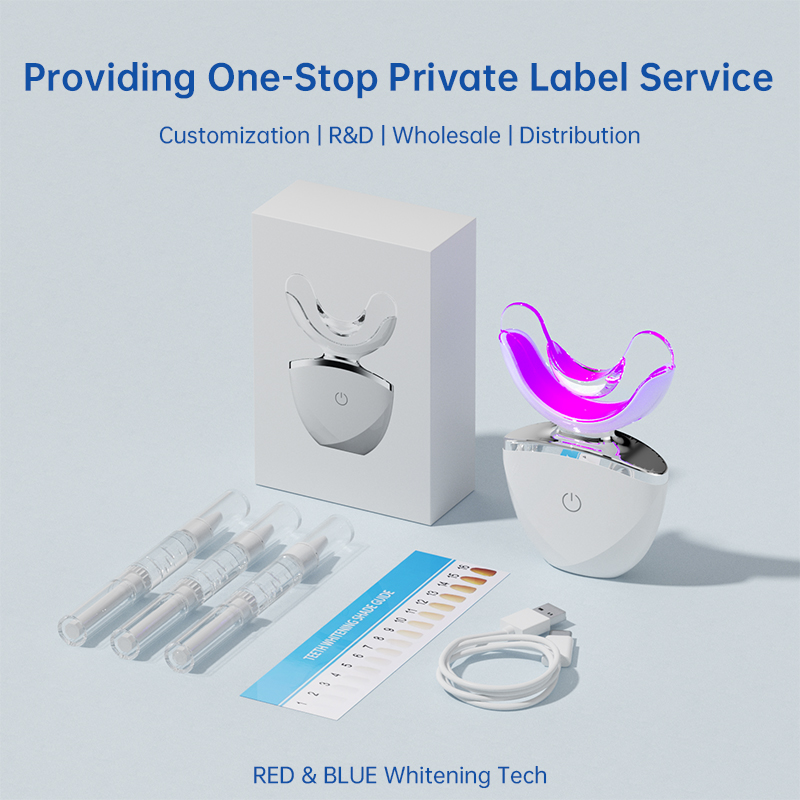
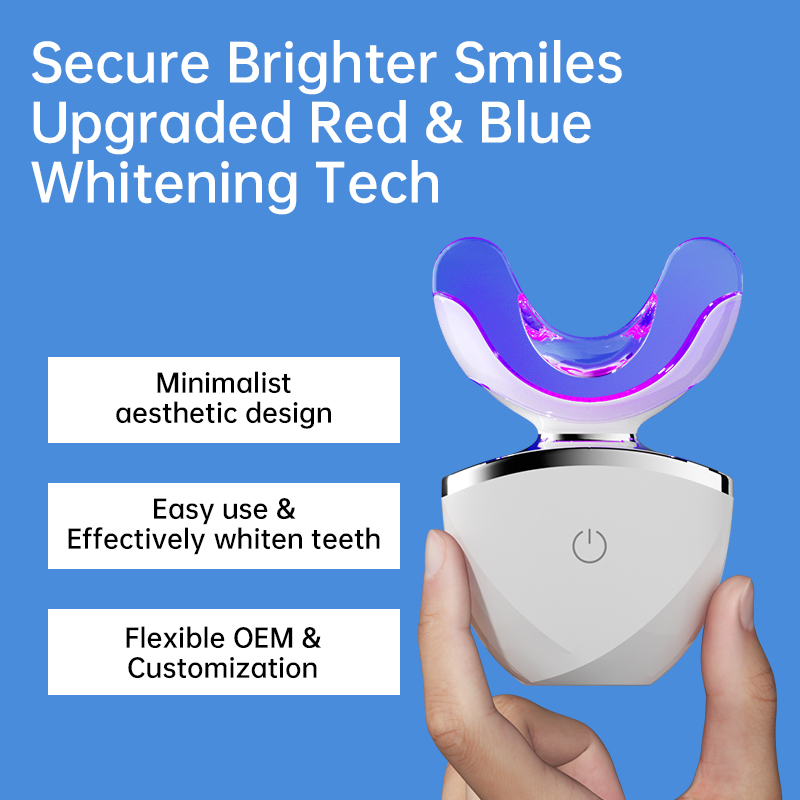
In modern light-activated whitening devices, cold light wavelength not only determines the efficiency of bleach decomposition but also ties directly into the device’s power design—such as Type-C charging, which enables rapid top-ups to sustain high-intensity illumination modes. Below, we explore six key aspects of how wavelength influences photochemical bleaching and offer optimization strategies. Fundamentals of Wavelength and Absorption First, different LED wavelengths produce photons of varying energy, impacting bleaching activation: 400–420 nm (Blue Light): Higher-energy photons that effectively cleave peroxide’s O–O bonds. 420–450 nm (Visible Edge): Matches absorption peaks of many photosensitizers in bleaching gels. 450–480 nm (Deep Blue): Slightly lower photon energy but offers deeper penetration and more uniform scattering. Precisely selecting the cold light wavelength optimizes the initiation of photochemical reactions. Photochemical Mechanisms & Wavelength Dependence Next, peroxide-based or encapsulated bleaching agents require specific photon energies to decompose: Direct Bond Dissociation: 400 nm light most effectively photolyzes hydrogen peroxide. Photosensitizer Excitation: Dyes or catalysts in the gel absorb best around 420–430 nm. Radical Generation: Optimal wavelengths maximize hydroxyl radical (•OH) production, boosting stain breakdown. Thus, wavelength choice directly dictates the primary photochemical pathways of bleach decomposition. Company web:https://www.powsmart.com/product/electric-toothbrush/ Irradiation Strategies: Intensity & Pulsing Beyond wavelength, how you deliver…
As more consumers turn to at-home teeth whitening and oral care devices, reports of enamel transparency and unexpected taste loss are raising alarms among manufacturers. These issues not only affect product effectiveness but also pose serious concerns about long-term oral health. Is this damage permanent—or can B2B suppliers mitigate the risks before products reach the market? What Is Enamel Transparency and Why Does It Matter? Enamel transparency occurs when the protective enamel layer on teeth thins or demineralizes, making the underlying dentin more visible. This results in teeth that appear grayish, bluish, or translucent at the edges—an aesthetic flaw that consumers immediately notice. The causes of enamel transparency in whitening products may include: Excessive peroxide concentration; Prolonged exposure to whitening agents; Poor pH balance in gel formulations; Abrasive additives in toothpastes or strips. Left unaddressed, this condition weakens teeth, increasing sensitivity and making them prone to chipping or erosion.Company web:https://www.powsmart.com/product/electric-toothbrush/ How Taste Loss Is Linked to Oral Care Devices Taste loss is a less visible but equally damaging side effect. Users report diminished ability to sense sweet, salty, or sour flavors after using whitening kits or strong mouth rinses. This can result from: Overexposure of oral soft tissues to peroxide…


.jpg)
.jpg)
.jpg)
.jpg)
.jpg)





.jpg)
.jpg)