
In the production and design of personal care devices such as whitening pens, electric toothbrushes, or beauty tools, Gel Leakage and the resulting Chemical Burns have become concerns that manufacturers can no longer afford to ignore. While such issues may seem minor during the design or assembly stage, they carry significant risks for end-users—posing not only personal injury hazards but also potential damage to brand reputation and after-sales costs.
Gel Leakage refers to the unintended escape of liquid or semi-liquid substances from sealed compartments inside a device, such as whitening gel pens or battery-powered beauty applicators. This leakage often occurs due to seal failure, material degradation, or poor design of the containment chamber.
When gel leaks from its intended path, it comes into direct contact with surrounding components or even the user’s skin or gums. In worst-case scenarios, this leads to Chemical Burns, especially if the gel formulation includes peroxide, acid, or alcohol-based ingredients intended for controlled application only.
Several critical factors contribute to Gel Leakage:
A single weak point in the device’s structure can thus lead to accidental gel release.
When leaked substances reach sensitive skin or mucosal surfaces (such as gums), their chemical concentration can cause irritation, blisters, or even tissue damage—commonly referred to as Chemical Burns. The risk is especially high in:
Without sufficient user warnings or physical barriers, leakage directly raises the potential for user injury.
If Gel Leakage causes Chemical Burns, manufacturers face a host of problems:
For B2B clients selling globally, these risks are magnified due to differing safety compliance standards.
To avoid the dangerous path from Gel Leakage to Chemical Burns, manufacturers should:
These engineering measures can greatly reduce the risk of future product failures.
In conclusion, Gel Leakage leading to Chemical Burns is far from a minor production flaw—it is a critical safety issue with direct impact on user health, product lifecycle, and brand sustainability. Manufacturers must treat leakage control as an essential element in the design, assembly, and testing phases to protect both users and their own business interests.
Ignoring this risk can mean the difference between market success and costly failure.
How Can Servo Motor Customization Optimize Precision in Brush Head Injection Molding for B2B Toothbrush OEMs?

Four Core Factors Brand Owners Must Pay Attention to When Choosing Competitive Water Flossers

How Do Quality Control Protocols Contribute to Rigorous Quality Assurance?
.jpg)
Electric Toothbrush Motor Supplier for OEM and ODM Manufacturing
Light Failure Resulting in Uneven Whitening – Acceptable?
Why is Quality Certification Support integral to a successful Contract Manufacturing agreement?
About Powsmart
Can You Tolerate Brush Head Wobble with Battery Swelling?
-2-scaled.png)
Does 3D Rotation Oscillation Brush Trigger Sensor Failure?
IPX7 Waterproof Electric Toothbrush Manufacturing for Kids & Adults
Need Packaging Customization Service for a Complete Private Label Solution?
Can a Rechargeable Battery Solution power an LED Display Module efficiently in flossers?
How Does Custom Handle Design Benefit from Full-scale OEM/ODM Manufacturing Capabilities?
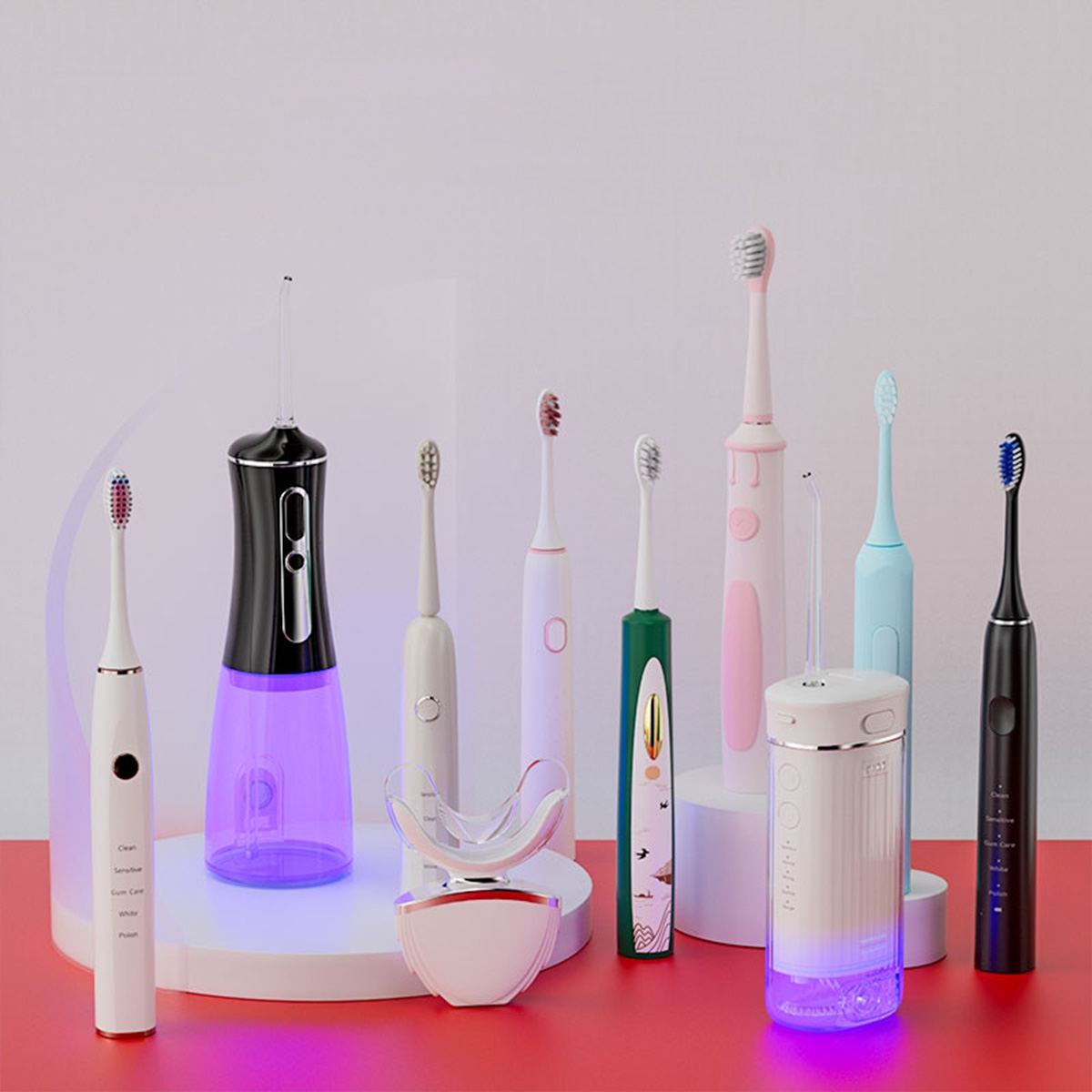
Electric Toothbrush + Water Flosser Combination: How Can Brand Owners Enhance Competitiveness Through This Bundle?

How Does Pulse Water Technology Benefit from a Smart Multi-pressure Setting Chip?How Does Pulse Water Technology Benefit from a Smart Multi-pressure Setting Chip?How Does Pulse Water Technology Benefit from a Smart Multi-pressure Setting Chip?How Does Pulse Water Technology Benefit from a Smart Multi-pressure Setting Chip?How Does Pulse Water Technology Benefit from a Smart Multi-pressure Setting Chip?How Does Pulse Water Technology Benefit from a Smart Multi-pressure Setting Chip?How Does Pulse Water Technology Benefit from a Smart Multi-pressure Setting Chip?How Does Pulse Water Technology Benefit from a Smart Multi-pressure Setting Chip?

Developing a Portable Water Flosser? Need a Quiet Flosser Motor?


.jpg)
.jpg)
.jpg)
.jpg)
.jpg)



.jpg)
.jpg)