.jpg)
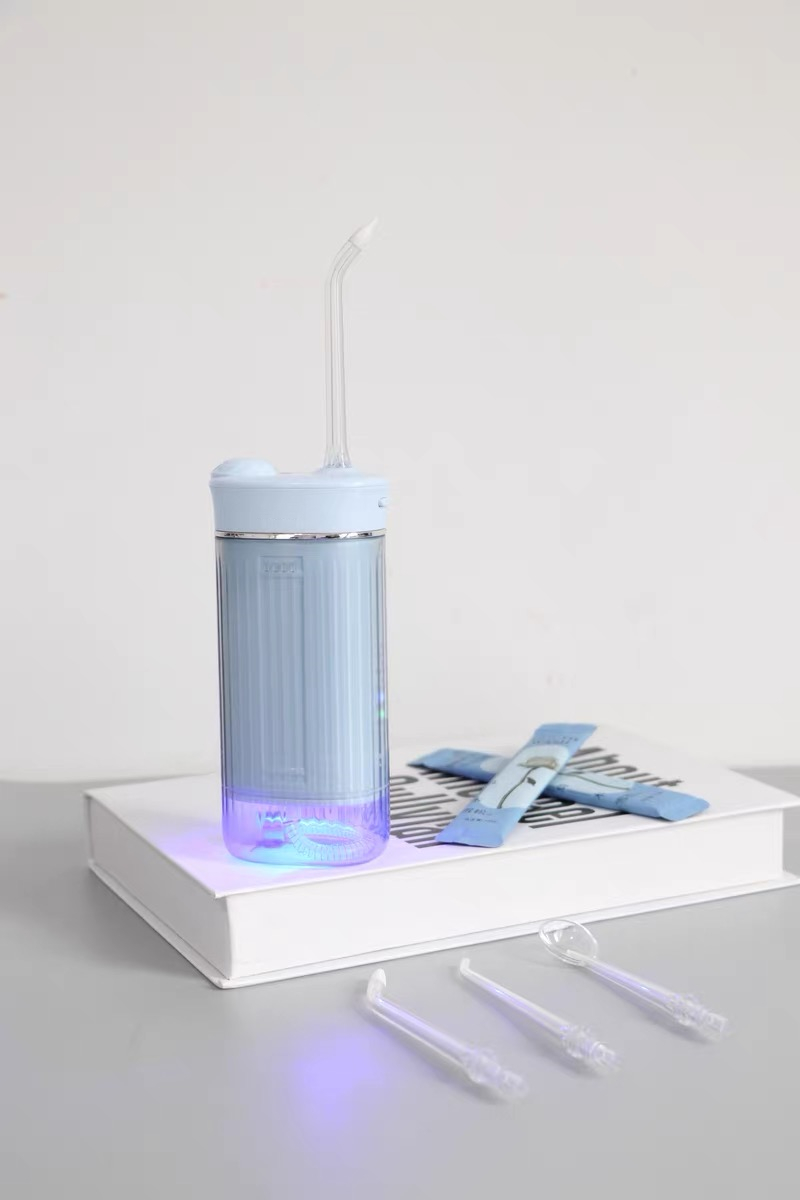
In today’s competitive electric-toothbrush market, adaptor compatibility and grip ergonomics flaws often go hand-in-hand—poorly designed handles can misalign charging contacts or make it hard for users to seat the charger correctly. Below, we explore six key factors that link ergonomics missteps to charging‐base failures, and how B2B manufacturers can deliver both comfortable grips and rock-solid compatibility. Misaligned Contact Points from Awkward Grips First, when a handle’s shape or texture forces users to hold it off-center: Twisted Orientation: Angled grips tilt the charging port away from the adaptor’s coil or pins. Slippery Surfaces: Lack of tactile zones leads to insecure seating and intermittent electrical contact. Inconsistent Insertion Depth: Users ‘push’ at awkward angles, preventing the adaptor from fully engaging. Ensuring symmetrical, slip-resistant grips is the first step toward reliable adaptor compatibility. Excessive Hand Fatigue Impeding Proper Docking Moreover, grip ergonomics flaws that cause fatigue can shorten the time users apply downward force: Bulky Handles: Thick, ungainly cross-sections tire the palm, leading to half-hearted docking. Poor Balance: A top-heavy design pulls the handle backward, reducing insertion pressure. Vibration Mismatch: Inadequate isolation amplifies motor buzz in the hand, prompting users to remove and re-dock frequently. Designing handles that distribute weight and dampen feedback…
When users notice a whitening efficacy decline during treatment, devices often respond with pulse intensity spikes—abrupt increases in light or vibration power intended to compensate but which can damage enamel and irritate gums. For B2B manufacturers, understanding this feedback loop is vital to designing stable, safe whitening systems that maintain consistent performance without resorting to power surges. Sensor Drift and Misinterpreted Feedback Many whitening units rely on optical or force sensors to gauge bleaching progress: Calibration Drift: Over time, sensor sensitivity shifts, misreading residual stain levels as higher than they are. False Defect Triggers: The firmware interprets these erroneous readings as “low efficacy” and ramps up pulse intensity. Compounding Errors: Each power spike further accelerates sensor drift, creating a vicious cycle of oscillating intensities. Robust sensor calibration and auto-recalibration routines are therefore the first step toward stabilizing performance. Depleting Active Gel and Concentration Variance Bleaching gel chemistry also changes during use: Concentration Drop: As peroxide breaks down, its optical absorption peak shifts, confusing devices that rely on light-absorption feedback. Viscosity Changes: Thinner gel flows differently, altering contact pressure and sensor readings. Uneven Dispensing: Inconsistent gel delivery to the mouthpiece leads to local “dry spots,” interpreted as low efficacy. Integrating gel-level…
When brush head compatibility is overlooked—whether due to minor dimensional mismatches or non-standard attachment interfaces—tiny gaps can form where cleaning fluid pools and evaporates, leading to hidden liquid residue buildup. Such residue not only harbors bacteria but also degrades performance over time. In this article, we explore six critical facets to help B2B manufacturers eliminate compatibility pitfalls and keep their devices hygienic and reliable. Dimensional Tolerance Mismatches Even slight deviations in brush-head stem diameter or locking-ring geometry prevent a snug fit: Micro-gaps form around the base where liquid seeps in and stagnates. Vibration-induced Looseness over time widens these gaps and accelerates residue accumulation. Cross-Brand Interchangeability often exacerbates the issue when parts aren’t optimized as a system. By tightening CNC machining tolerances and standardizing interface specs, these hidden voids can be eliminated. Material Absorption & Capillary Effects Material choices at the interface can promote fluid retention: Hydrophilic Plastics draw water into microscopic pores, trapping moisture at the joint. Surface Roughness at the mating faces creates capillary channels that wick liquid inward. Aging Polymers lose dimensional stability, opening new pathways for fluid migration. Switching to low-absorption, high-precision polymers and mirror-finish mating surfaces minimizes capillary residue buildup. Sealing & Secondary Retention Strategies Effective…
When child lock failure occurs, unauthorized rapid restarts or incorrect operation not only shorten device lifespan but also can worsen tongue cleaner abrasion. To help B2B manufacturers understand their potential linkage and propose optimizations, we explore this issue across six key areas. Mis-Touch Risks from Child Lock Failure First, an inadequate child-lock design can lead to accidental activation during transport, cleaning, or by curious hands: Continuous No-Load Operation: The device runs at high speed with no load, transmitting full vibration to the tongue cleaner coupling. Frequent Power Cycling: Repeated start/stop cycles accelerate mechanical wear and generate current spikes. Unintended High-Power Modes: Without a lock, users (or children) may switch to intense settings, further wearing the cleaner head. Preventing mis-touch events is the first step toward reducing abrasion. Mechanical Fatigue from Repeated Starts Next, child-lock failure subjects the tongue cleaner head and its shock-absorbing components to abnormal dynamic stresses: Spring Contact Wear: Repeated impacts cause loss of spring elasticity and faster wear. Bearing Friction: Rapid reversals increase friction between bearings and couplings. Coupling Fatigue: Alternating push-pull forces induce microcracks in the gearbox, transferring shocks to the cleaner head. A reliable lock mechanism can dramatically extend head longevity. Company web: https://www.powsmart.com/product/electric-toothbrush/ Abrasion from…
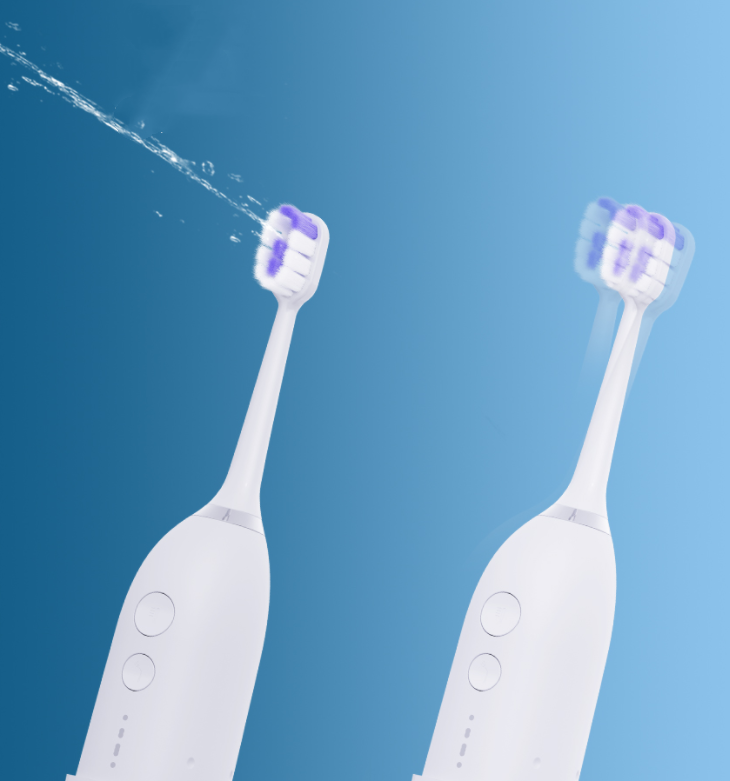
As consumer expectations evolve, the demand for multi-function oral care solutions has surged. Among the most innovative developments are two-in-one electric toothbrushes and oral irrigators—devices that combine brushing and water flossing in one compact unit. But are these hybrid devices truly the best option? In this guide, we provide a balanced analysis of the pros and cons of two-in-one electric toothbrushes and oral irrigators, offering insights for brands and manufacturers considering this category. https://www.powsmart.com/ Market Demand: Why Consumers Love Multi-Function Oral Care The modern consumer seeks efficiency, convenience, and space-saving design. A two-in-one electric toothbrush and oral irrigator caters perfectly to: Urban dwellers with limited bathroom space Travelers seeking compact oral care solutions Users desiring a simplified daily routine without compromising dental hygiene These trends drive growing interest from distributors and OEM partners to expand their product lines with multi-function oral care solutions. Advantages of Two-in-One Devices Let’s break down the key benefits of these hybrid solutions: Space Efficiency Combining two essential devices into one saves counter space and reduces clutter—ideal for modern, minimalist bathrooms. Cost-Effectiveness From a consumer perspective, buying one device instead of two can lower upfront costs. For brands, bundling features into a single SKU simplifies logistics. Travel Convenience Most…
When users experience sudden tooth sensitivity carefully during brushing or eating hot, cold, acidic, or sweet foods, it not only harms your brand’s reputation but also generates many after-sales inquiries and returns. Below are six systematic solutions for B2B manufacturers and channel partners to quickly alleviate sensitivity and build user confidence. Understand the Mechanism Behind Sensitivity First, grasp the internal causes of sensitivity: Exposed Dentinal Tubules: Enamel erosion or gum recession opens tubules directly to external stimuli. Thermal & Chemical Triggers: Extremes of temperature or residual bleaching/antibacterial agents can activate nerve endings. Mechanical Stress: Overly stiff bristles or excessive brushing pressure can enlarge micro-cracks. Clarifying these mechanisms helps tailor effective relief strategies. Rapid Diagnosis & User Stratification Next, use data and tools to segment users: Online Questionnaires & Pain Threshold Mapping: Collect pain onset temperature and duration via app surveys to assess sensitivity levels. Pressure Sensors Feedback: Monitor brushing force to determine if excessive pressure is causing sensitivity. Tiered Service Levels: Classify users as mild, moderate, or severe and match them with appropriate relief protocols and product bundles. Accurate diagnosis and segmentation significantly improve intervention efficiency.Company web:https://www.powsmart.com/product/electric-toothbrush/ Hardware Optimization: Pressure Sensors & Flexible Bristles On the device side, hardware design…
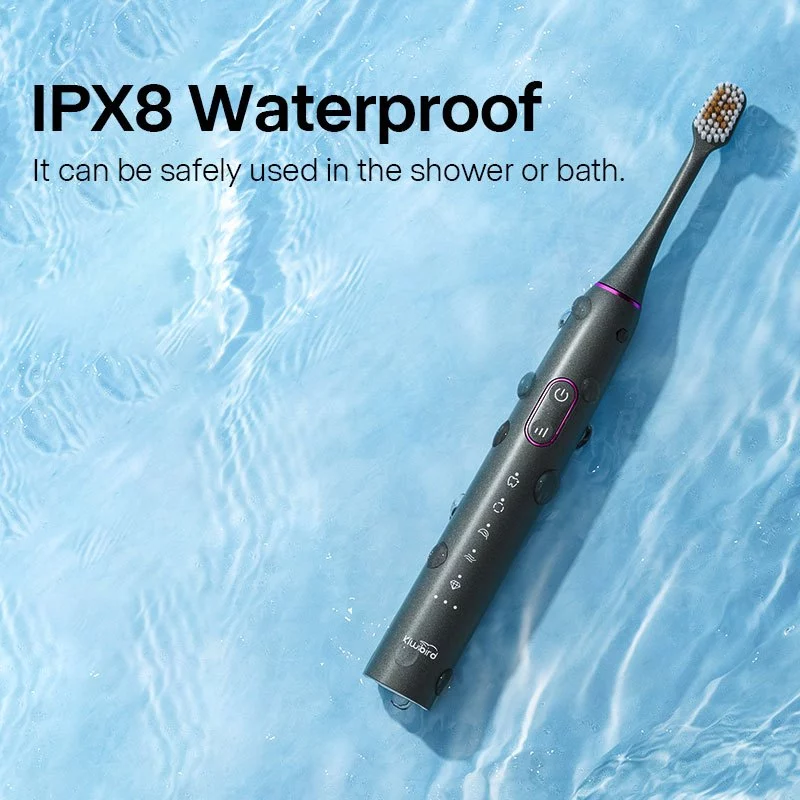
In today’s review-driven marketplace, common negative reviews of electric toothbrushes can directly affect brand reputation and sales performance. For any OEM or ODM electric toothbrush manufacturer, understanding the root causes of customer complaints and proactively solving them is not just important—it's essential. This article explores common quality issues, the most frequent negative feedback from end users, and how suppliers can implement effective solutions to quality issues of electric toothbrushes during product design and manufacturing stages. Weak Battery Life and Charging Failures User Complaint:“Battery dies too quickly” or “Won’t charge after a few weeks.” Common Quality Issue:Low-grade lithium batteries, poor charging port designs, or inadequate battery management systems. Supplier-Side Solution: Use high-quality, certified lithium batteries with tested charge cycles. Integrate intelligent battery management systems to prevent overcharging or deep discharge. Perform aging tests on power units during QC inspections. As a reliable electric toothbrush manufacturer, it’s critical to test battery systems under simulated daily use to avoid early failures. Motor Malfunction or Insufficient Vibration User Complaint:“Motor stopped working” or “Not strong enough to clean properly.” Common Quality Issue:Substandard motor components or poor assembly leading to motor disconnection or weak performance. Supplier-Side Solution: Source high-performance, durable micro motors from trusted suppliers. Reinforce internal motor…
In today’s competitive oral care market, consumers expect more than just effective cleaning from their electric toothbrush—they expect convenience, reliability, and portability. A long endurance electric toothbrush has emerged as a powerful selling point, helping brands differentiate their products in crowded retail and e-commerce spaces. For B2B clients such as retailers, importers, and private label brands, partnering with a forward-thinking electric toothbrush manufacturer that prioritizes battery endurance can result in stronger market appeal and higher customer satisfaction. Consumer Lifestyle Demands: The Need for Less Frequent Charging Modern consumers lead busy, mobile lifestyles. They prefer devices that can keep up with their pace. A long-lasting electric toothbrush typically offers: Up to 30–60 days of use on a single charge Hassle-free morning routines without daily recharging Peace of mind during travel or outdoor use This benefit strongly resonates with end users and increases perceived value, especially in premium and mid-range markets. Lithium Battery Technology: Powering Endurance and Efficiency At the heart of every long-endurance toothbrush is advanced lithium battery technology. Compared to traditional NiMH batteries, lithium batteries offer: Higher energy density Faster charging time Longer lifespan Lightweight design Professional electric toothbrush manufacturers increasingly use lithium-ion or lithium-polymer cells to power high-performance, compact devices that meet today’s…
Many users experience gum bleeding problem during their daily brushing routine, which not only undermines oral‐health confidence but also generates high volumes of customer support inquiries. As a B2B manufacturer, it’s critical to understand the root causes and deliver a comprehensive solution package—helping channel partners offer more professional, reassuring electric toothbrush products and services. Main Triggers of Gum Bleeding First, identify the common factors that lead to gum bleeding: Gingival Inflammation: Plaque accumulation irritates the gums, causing redness, swelling, and bleeding. Abrasive Bristles or Excessive Pressure: Hard bristles or improper technique can damage the delicate gum tissues. Gum Recession: When the gums pull away, the exposed root surfaces become highly sensitive and prone to bleeding. Nutritional Deficiencies: Lack of vitamins C or K impairs tissue repair and makes the gums more fragile. Accurate diagnosis of these triggers guides targeted product enhancements and user guidance. Hardware Design Optimizations To reduce the risk of gum bleeding at its source, electric toothbrushes can incorporate: Ultra-Soft Bristles: High-density filaments ≤0.12 mm in diameter that minimize mechanical stress on the gums. Pressure Sensors: Built-in sensors automatically slow the brush or alert the user when excessive force is detected. Multi-Mode Cleaning: “Sensitive,” “Daily Clean,” and “Deep…
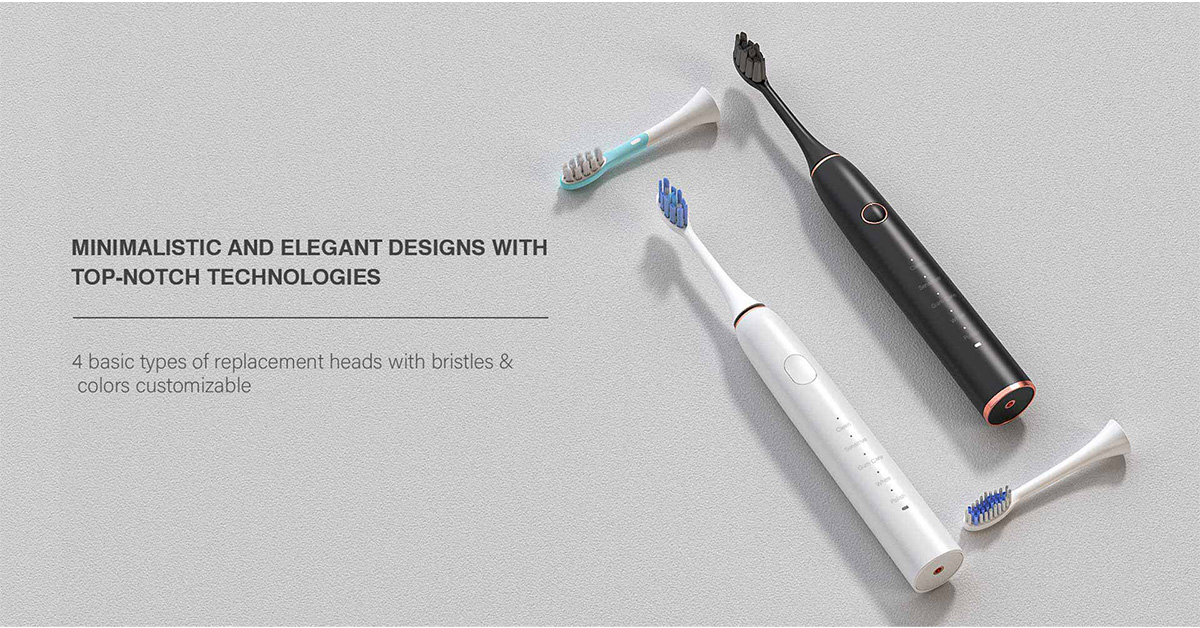
For electric toothbrush brands and OEM partners, improving customer lifetime value is critical. One effective strategy is optimizing the brush head + toothbrush handle adaptation structure to encourage repeat purchases. A smart design approach not only enhances usability and satisfaction, but also opens the door to recurring revenue through replaceable parts, especially brush heads. In this blog, we explore how thoughtful engineering and product planning—aligned with sustainability and market trends—can help electric toothbrush manufacturers increase repurchase rate. The Power of Modular Design: Making Repurchase Easy A modular accessory design that allows users to easily detach and replace the brush head is fundamental. Key considerations include: Universal fit systems across product lines Durable locking mechanisms that are user-friendly Stable electrical connections for sonic or oscillating performance By simplifying replacement, manufacturers lower the barrier for consumers to repurchase brush heads regularly—either individually or through a brush head subscription service. Replaceable Parts = Sustainable Strategy Modern consumers are increasingly eco-conscious. Offering replaceable parts, such as interchangeable brush heads, supports sustainability in product design. Instead of discarding an entire device, users can extend product life by only replacing worn-out components. This approach positions your brand as environmentally responsible, which enhances customer loyalty and aligns with global ESG trends—especially important…
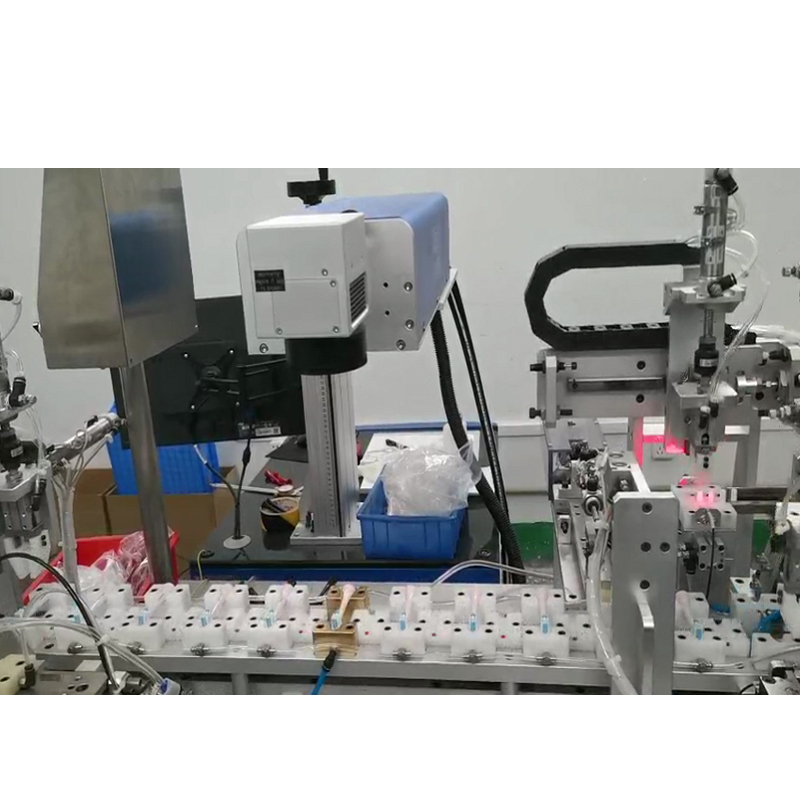
In today's competitive oral care market, product performance is no longer the only driver of consumer preference—appearance now plays a vital role. Consumers are increasingly drawn to products that are not only functional but also visually striking. This is especially true in personal care electronics such as electric toothbrushes. For manufacturers, adopting gradient color technology through injection molding offers a powerful way to improve attractiveness of electric toothbrushes that resonates with modern consumers and stands out on retail shelves. What Is Gradient Color Injection Molding Technology? Gradient color technology is a specialized plastic injection molding process that allows multiple color tones to blend seamlessly into one another on a single molded part. Unlike traditional single-color molding, this technique: Enables smooth color transitions (e.g., blue to white, pink to purple) Creates a premium, dynamic look without painting or secondary processing Offers long-lasting, scratch-resistant finishes directly out of the mold This innovative technology for electric toothbrushes not only enhances aesthetics but also increases manufacturing efficiency. Boosting Product Appeal Through Visual Marketing Visual marketing is a crucial part of selling consumer electronics. In retail environments and online platforms, buyers often make split-second decisions based on product appearance. Gradient color finishes offer several benefits: Striking shelf presence: Unique…
Many of our channel partners have reported battery corrosion issues and charging base failure in their electric toothbrush lines—compromising reliability and increasing warranty costs. In this article, we’ll explore six underlying causes and best-practice solutions to help B2B manufacturers design more robust products and reduce after-sales headaches. Moisture Ingress and IP Rating Shortcomings First, inadequate sealing often lets water or condensation enter the handle: Low IP Protection: Devices rated only IPX4 may resist splashes but fail under submersion or steam. Capillary Action: Microscopic gaps around buttons or seams draw in moisture over repeated rinsing. Corrosive Environment: Salty saliva and toothpaste residues accelerate metal oxidation inside the battery compartment. Solution: Upgrade to at least IPX7-rated enclosures, implement lab-tested gasket seals around all openings, and design overmolded button assemblies to eliminate crevices. Battery Pack Design and Protective Coatings Next, the choice and treatment of cells directly affect corrosion resistance: Uncoated Cells: Standard Li-ion or NiMH cells without conformal coating are vulnerable to electrolyte leaks and surface rust. Poor Venting: Sealed packs with no pressure relief can crack seals when gases build up, allowing moisture in. Material Compatibility: Solder tabs and welds exposed to water degrade faster if they’re not tin-plated or gold-flash…
When channel partners report persistent nozzle clogging and water tank leakage, it undermines user confidence and drives up warranty costs. In this article, we explore six critical areas—from root causes to design optimizations and maintenance protocols—so B2B manufacturers can deliver water flossers that stay clog-free and leak-proof. Identifying the Causes of Nozzle Clogging First, understanding why debris builds up in the tip helps prevent downtime: Mineral Scale & Sediment: Hard water leaves deposits that narrow the nozzle bore. Biofilm Formation: Stagnant water fosters bacterial growth, which adheres inside narrow channels. Wrong Nozzle Geometry: Sharp bends or overly thin outlets trap particles instead of flushing them away. By pinpointing these factors, manufacturers can target materials and geometries that resist clogging. Pinpointing the Source of Water Tank Leakage Next, even minor leaks from the reservoir compromise hygiene and safety: Seal & Gasket Failure: Rubber or silicone seals degrade under repeated tank removal and sterilization. Crack Propagation: Thin plastic walls or molded corners can develop hairline fractures over time. Overfill Venting Issues: Inadequate vent design forces water into electronic compartments. Accurate failure analysis informs stronger sealing methods and robust tank geometries.Company web:https://www.powsmart.com/product/electric-toothbrush/ Selecting Materials to Combat Clogs and Leaks Moreover, choosing the right…
In modern oral-care systems, ensuring crown compatibility while leveraging advanced pressure sensors tech is paramount—after all, excessive force over an extended treatment duration can lead to veneer damage or microfractures in prosthetic restorations. Below, we explore six critical considerations for designing devices that adapt to various crown materials without compromising longevity or patient safety. Matching Sensor Sensitivity to Crown Materials First, different crown substrates—zirconia, porcelain-fused-to-metal (PFM), and composite veneers—have unique hardness and elasticity profiles. Pressure sensors must be tuned so that: Hardness Calibration: Abrasion limits align with each material’s Mohs hardness; Elastic Response: Sensors detect when a brush or tip deforms too much on a softer composite veneer; Treatment Duration Safeguards: Force thresholds are lowered automatically as a session progresses to avoid cumulative stress. This dynamic calibration preserves both enamel and prosthetic surfaces. Preventing Veneer Damage through Force Feedback Moreover, real-time pressure sensors tech can actively prevent veneer damage by: Instantaneous Alerts: Haptic or LED warnings when force exceeds safe limits, prompting users to adjust grip; Auto-Throttle Mechanisms: Reducing motor torque or water-jet pressure when near veneer margins; Data Logging: Recording peak forces to guide follow-up by clinicians if repeated over-pressurization occurs. Such feedback loops are essential for protecting delicate…
When designing home-use and clinical oral-care devices, selecting food-grade materials is critical to reducing gum irritation. Not only does it prevent chemical residues from damaging mucosal tissue, but it also boosts regulatory compliance and trust across global markets. Below, we explore six ways in which food-grade materials safeguard gum comfort and safety. Understanding the Causes of Gum Irritation First, common sources of gum irritation include: Chemical Leaching: Non-medical plastics can release heavy metals or plasticizers in moist environments, causing mucosal discomfort. Rough Micro-Texture: Excessive surface roughness generates mechanical friction during brushing or irrigation. Allergenic Compounds: Materials like PVC or untreated nylons often contain allergens, triggering localized redness and itching. Eliminating these factors is the first step in preventing gum irritation. Advantages of Food-Grade Materials Next, food-grade materials offer inherent benefits: High Biocompatibility: FDA and EU food-contact certifications guarantee zero toxic migration. Minimal Solubility: They remain inert in high-humidity, body-temperature environments without releasing harmful ions or organics. Natural Antimicrobial Properties: Options like food-grade silicone or plant-fiber composites can inhibit bacterial growth on contact. Together, these characteristics greatly reduce chemical and biological triggers of gum irritation. Material Selection & Testing Standards In product development, manufacturers should adhere to: ISO 10993 Biocompatibility Tests:…
In the fiercely competitive market for electric toothbrushes, mastering self-developed motors technology not only boosts product performance but also significantly reduces procurement costs and supply-chain risks. For B2B manufacturers, in-house motor development represents core differentiation—delivering higher brand value and customer loyalty. Enhanced Performance: Precision Control & Energy Efficiency First, a self-developed motor can be custom-tuned to match brush head design and vibration modes: Amplitude & Frequency Optimization: Tailor winding and magnetic circuit to maximize plaque removal in sonic or oscillation modes. Intelligent Power Management: Built-in drive algorithms maintain cleaning power even at lower RPMs, greatly extending battery life. Noise Reduction: Refine gears and bearings for quieter operation, improving user comfort. These performance gains let manufacturers highlight their motor’s superiority in technical datasheets. Lower Costs: Autonomous, Resilient Supply Chain Next, in-house motors strengthen supply-chain resilience: Localized Components: Produce key parts—magnets, housings, rotors—internally, reducing reliance on imported subassemblies. Economies of Scale: High-volume production drives down per-unit motor cost, boosting overall gross margins. Rapid Iteration: Internal R&D cycles eliminate external lead times, speeding innovations from prototype to market. Cost advantages enable B2B partners to offer more competitive pricing and faster delivery.Company web:https://www.powsmart.com/product/electric-toothbrush/ Quality Assurance: Traceability & Durability Moreover, self-developed motors allow end-to-end quality…
When selecting a high-quality electric toothbrush, the design and performance of the bristles are critical—they directly impact plaque removal and gum health. Below are six key factors for B2B partners to consider when specifying premium bristle solutions. Material Selection: Nylon vs. Advanced Polymer Fibers First, common bristle materials include nylon (e.g., DuPont Tynex™) and emerging polymer composites: Nylon Bristles offer excellent flexibility and abrasion resistance at a controllable cost for mass production. Advanced Polymer Fibers (such as PBT or PLA blends) combine heat resistance, antimicrobial properties, and biodegradability. Recommendation: Offer both options in your product lineup to meet entry-level and premium market needs. Material differentiation empowers B2B manufacturers with versatile customization. Hardness Ratings: Soft, Medium, and Firm Bristles Next, bristle stiffness directly affects comfort and cleaning efficacy: Soft Bristles: Ideal for sensitive gums and post-treatment patients to minimize mechanical irritation. Medium Bristles: The everyday standard—balanced cleaning power and comfort. Firm Bristles: Best for heavy stains, used with low-speed modes and shorter session durations. Recommendation: Provide mixed-stiffness brush heads and synchronize with brush modes for all-in-one versatility. Layered hardness options ensure you cover diverse user requirements.Company web:https://www.powsmart.com/product/electric-toothbrush/ Filament Diameter & Density: Precision Coverage Bristle thickness and density determine how well the…
In high-frequency oral-care and medical devices, handle grip design directly determines contact stability and force distribution, which in turn influence mucosal irritation in the mouth. If grips are too hard, textured improperly, or not ergonomically shaped, they can cause localized irritation, chronic redness, micro-abrasions, or allergic reactions. Therefore, manufacturers must prioritize grip design alongside device functionality to ensure mucosal comfort and health. Grip Mechanics: Pressure Distribution & Contact Stability First, the handle’s cross-section, diameter, and angle dictate how pressure is distributed during use: Cylindrical vs. Oval: A round handle concentrates force on fingertips, increasing irritation; an oval or hexagonal shape spreads pressure more evenly. Diameter Selection: Too thin (<20 mm) leads to over-gripping and excess friction; too thick (>30 mm) risks slipping, both causing mucosal rubbing. Inclination Angle: A 10–15° tilt reduces wrist strain and prevents uneven force that can lead to inadvertent sliding against soft tissue. Precise biomechanical design balances stable operation with reduced mucosal stress. Surface Materials & Textures: Friction Coefficient & Microenvironment Next, grip materials and textures affect the friction coefficient and local microenvironment between skin and handle: Hydrophilic vs. Hydrophobic: Hydrophilic coatings improve grip when hands are wet; hydrophobic surfaces can become slippery. Texture Depth &…


.jpg)
.jpg)
.jpg)
.jpg)
.jpg)



.jpg)