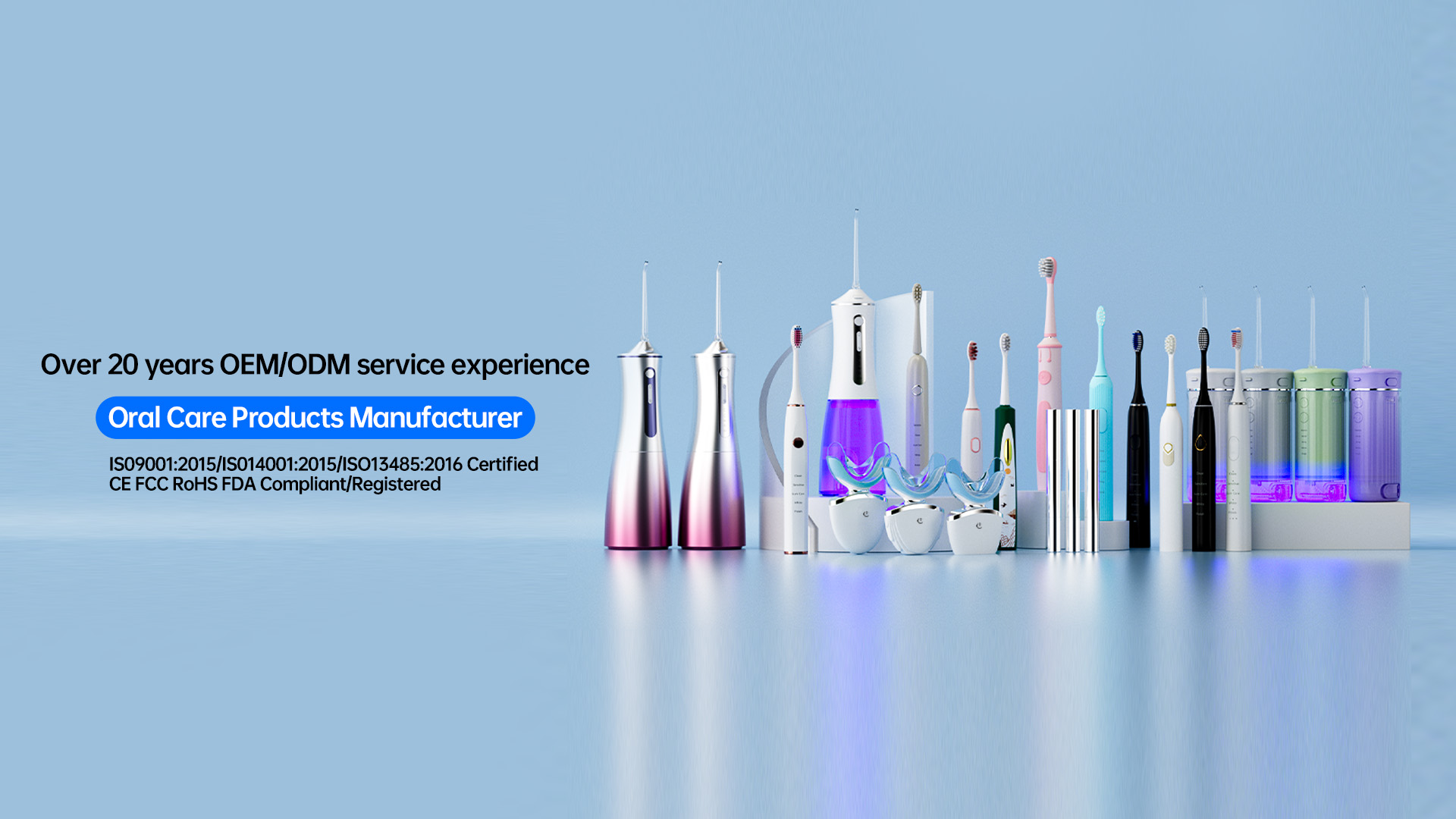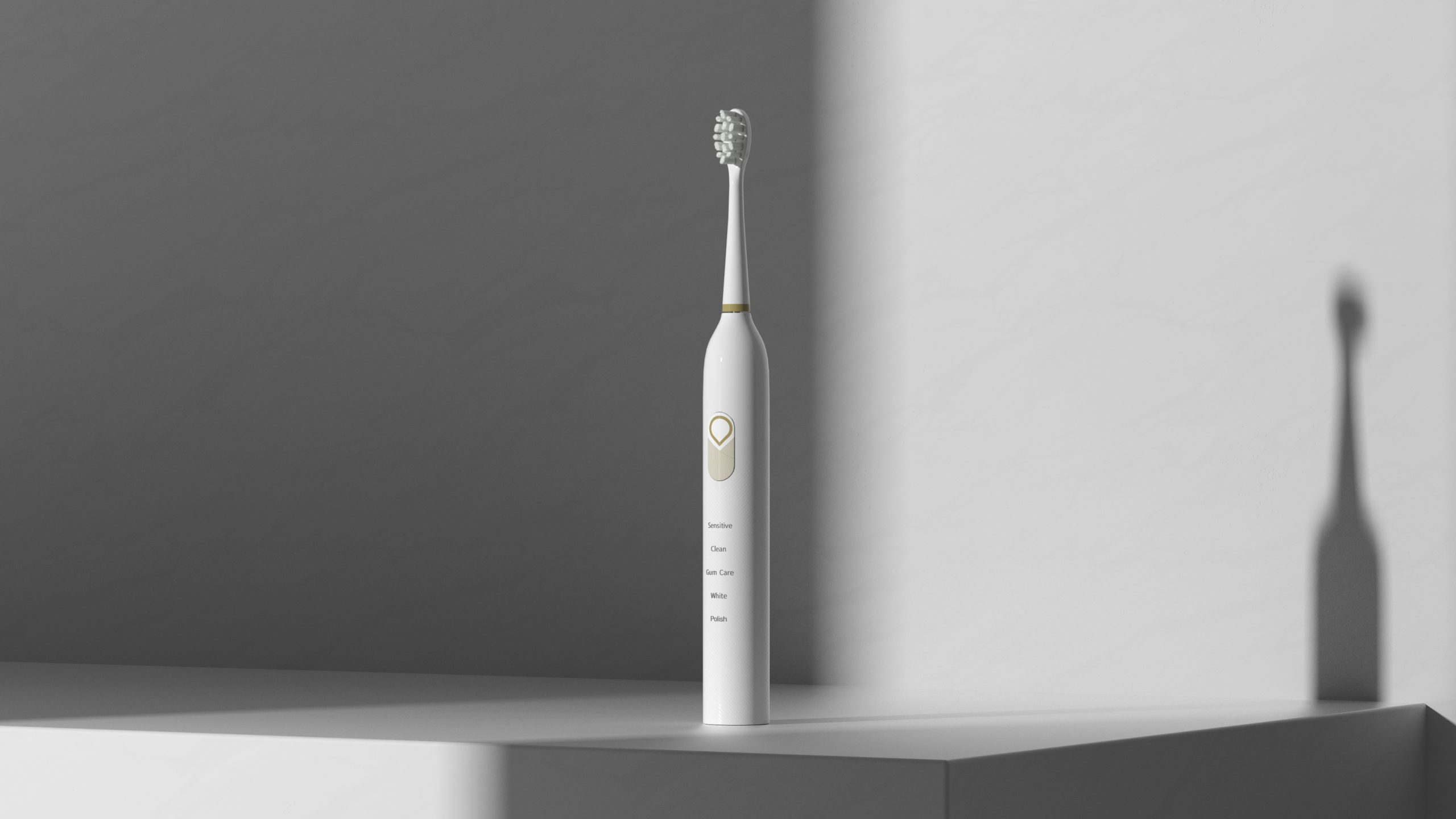
From a manufacturing perspective, achieving both aesthetics and functionality in toothbrush components is no small task. Electric toothbrush injection molding process requires precision and deep understanding to ensure consistent quality. In this blog, we will explore the core challenges in the precision injection molding customization of electric toothbrush parts, especially focusing on how to avoid common defects such as shrinkage marks and flash. We’ll also highlight crucial considerations in toothbrush mold design, material selection, and manufacturing techniques that electric toothbrush factories should pay close attention to. Understanding the Electric Toothbrush Injection Molding Process The electric toothbrush injection molding process involves injecting molten plastic into specially designed molds under high pressure. This process must be tightly controlled to meet aesthetic standards and mechanical strength requirements. For toothbrush manufacturers, achieving consistent dimensions, smooth surfaces, and reliable structural integrity is key. Any deviation, such as shrinkage or flash, not only affects appearance but can lead to assembly issues or user discomfort. Toothbrush Mold Design: The Foundation of Precision A high-quality toothbrush mold design is critical to success. Poorly designed parting lines, inadequate venting, or incorrect runner placement can lead to flash and shrinkage issues. Best practices in mold design include: Optimized gate placement to ensure uniform material…
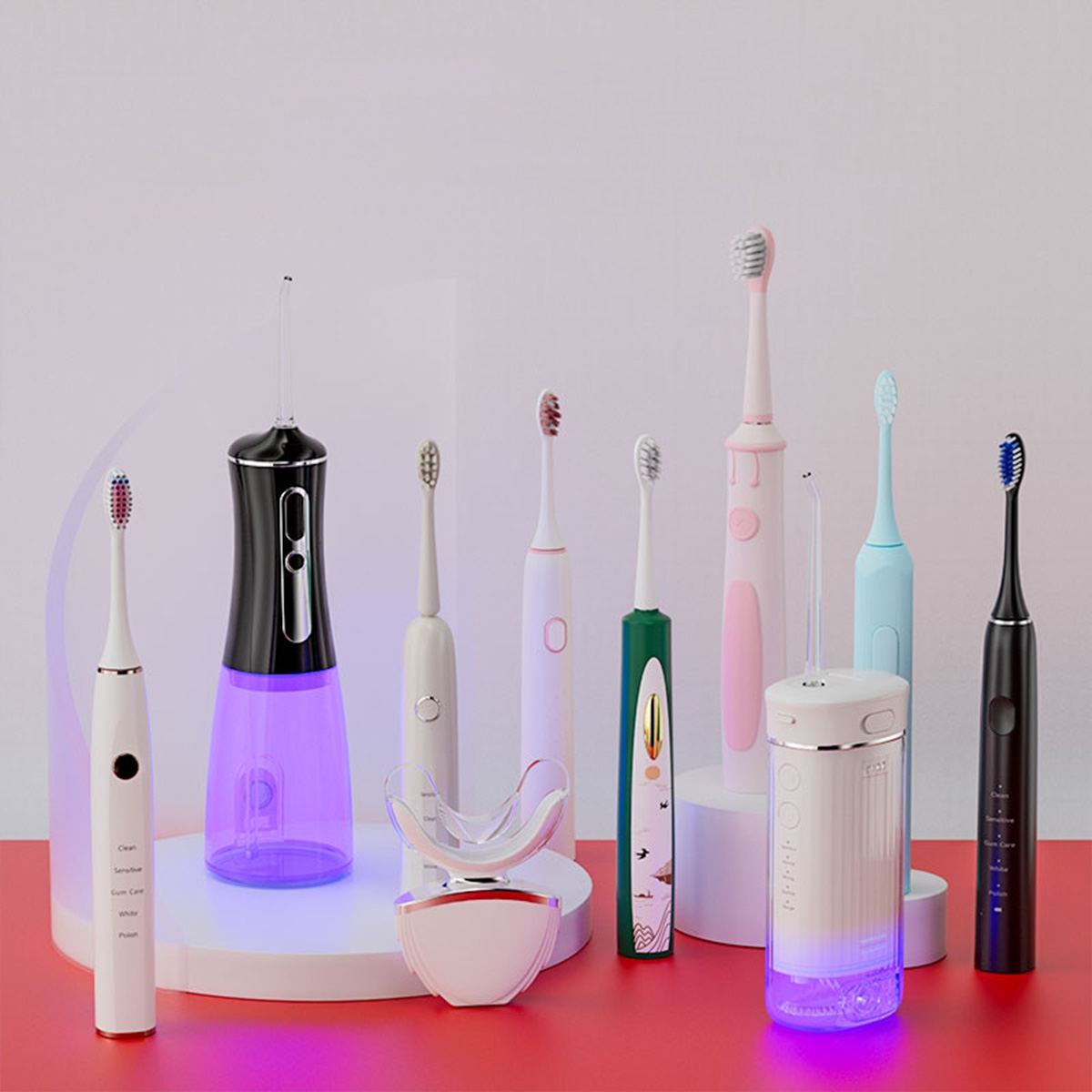
In recent years, women have emerged as the main consumers of the oral care market, showing stronger brand loyalty, higher frequency of product replacement, and a clear preference for products that align with their personal aesthetics and lifestyle. As a result, more brands are focusing on oral care design for women, combining functionality with emotional appeal and aesthetic value. In the B2B space, manufacturers must now cater to this shift in consumer behavior by offering solutions that meet these expectations. Understanding Women’s Preferences in Oral Care Products Women, as a demographic, often prioritize: Elegant and ergonomic design Gentle but effective cleaning performance Color options and refined textures Products that express personality or fashion taste The move toward emotional value design is especially relevant here. Women are not only seeking products that work well—they want them to fit seamlessly into their beauty routines and home aesthetics. Emotional Value Design: Beyond Functionality Emotional value design is about connecting with the user on a deeper level through thoughtful design, storytelling, and user experience. For oral care products targeting women, this includes: Soft-touch materials for a luxurious hand feel Minimalist, beauty-inspired forms that resemble skincare tools Custom packaging that elevates the unboxing experience Manufacturers who understand this concept are in…
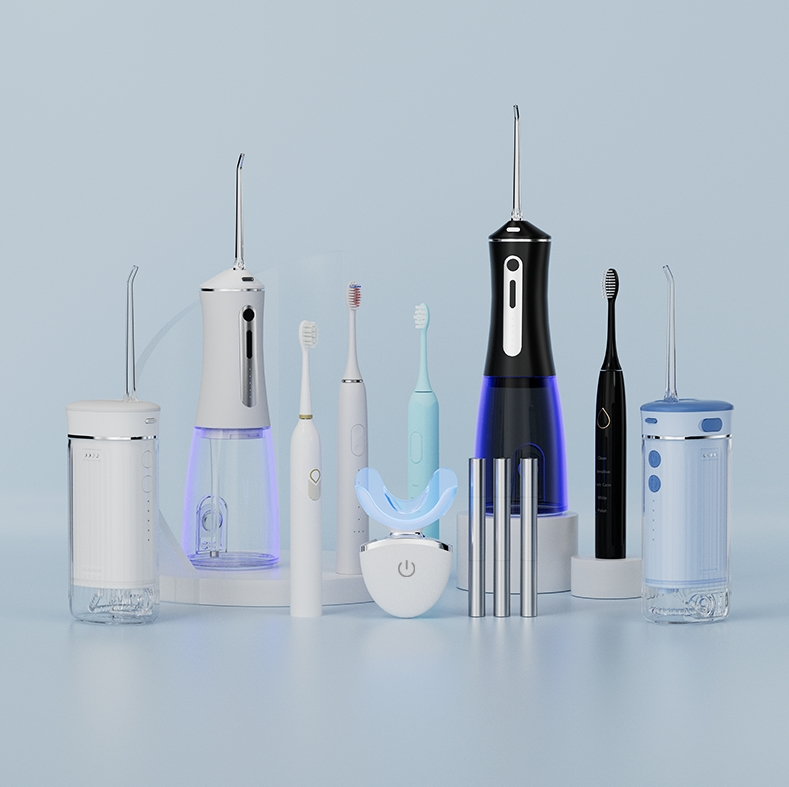
In the competitive oral care industry, brands are expected to deliver products that are both visually appealing and regulatory compliant. While customers demand sleek, modern designs, regulatory bodies enforce strict standards related to safety, materials, and environmental impact. Successfully balancing compliance and good appearance development is now a critical factor for manufacturers. This blog explores how brands can navigate these dual priorities, ensuring both marketability and global acceptance. Understanding Regulatory Requirements: FDA and REACH Compliance Compliance is the foundation of any oral care product’s viability. Two essential standards include: FDA Certification (U.S. Market) Ensures the product meets safety and hygiene standards for oral use Applies to materials, electronic components, and manufacturing environments REACH Compliance (EU Market) Regulates the use of chemicals and substances in product materials Requires full traceability and safety documentation Meeting FDA certification and REACH compliance builds trust with distributors, retailers, and end-users. It also helps avoid costly recalls, legal risks, and market access barriers. Material Selection: Safe, Durable, and Attractive Options Choosing materials that meet regulatory standards and design needs is key. For example: BPA-free plastics: Ensure safety while maintaining a high-gloss finish Medical-grade silicone: Offers flexibility and color customization ABS and PP blends: Balance durability with moldability and smooth surfaces…
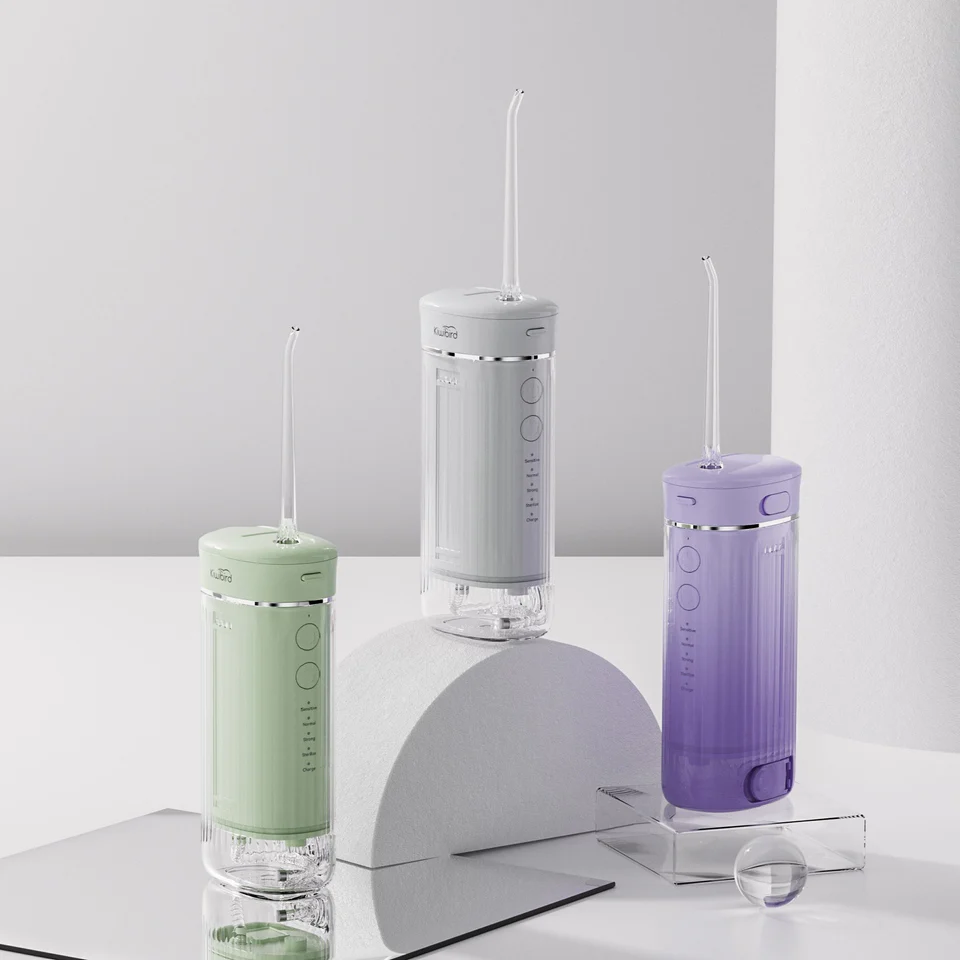
In today’s consumer-driven market, product aesthetics are no longer an afterthought—they are a competitive advantage. This concept, known as the appearance economy, is increasingly influential in the oral care industry. Consumers are drawn to products that look clean, modern, and personal—especially when those products are displayed in their bathrooms daily. In the appearance economy supply chain, manufacturers must now consider color, texture, and design as critical elements of product development. This article explores how to optimize oral care product appearance color through material selection, the injection molding process, and strategic visual design to enhance market appeal and user experience. Color Psychology in Oral Care Products Color choice directly affects how consumers perceive the functionality, cleanliness, and value of oral care products such as electric toothbrushes and oral irrigators. White and pastel tones are often associated with hygiene, calmness, and minimalism. Bold colors like black, navy, or metallic finishes convey premium quality and modernity. Bright, fun colors like teal, pink, or green appeal to younger or family-oriented demographics. By understanding color psychology, manufacturers can implement strategies to enhance product attractiveness tailored to target markets. The Injection Molding Process: Precision Meets Aesthetics The injection molding process is essential not just for functionality but for visual consistency and quality.…
.jpg)
While manufacturers scramble to fix gum massage inconsistency in smart oral-care devices, they often overlook equally critical battery recycling challenges, undermining brand reputation and contradicting sustainable manufacturing goals. To address both user experience and environmental responsibility, B2B companies must rethink design, supply chains, and end-of-life strategies across six dimensions. Short-Term Feature Focus vs. Long-Term Recycling Needs Many teams pour resources into tuning massage modes to eliminate uneven gum stimulation, but then: Rely on disposable lithium cells, increasing hazardous waste. Lack an established battery take-back network, so spent packs end up in landfills. Shy away from bearing recycling costs, leaving end users and channels unprepared. Balancing immediate performance gains with lifecycle considerations is essential. Seamless Designs Threaten Disassembly To achieve sleek, waterproof enclosures, products often use permanently bonded battery modules: Non-serviceable Packs: No quick-release latches or removable trays. Heat- and Water-Proof Seals: Robust gaskets and potting compounds that complicate safe battery extraction. Structural Bonding: Adhesives and welded joints turn end-of-life disassembly into destructive surgery. These choices intensify battery recycling challenges by making recovery prohibitively difficult Company web: ction approach ensures even hard-to-reach areas contribute to fresher breath. Company web: https://www.powsmart.com/product/electric-toothbrush/ Regulatory Pressure and Compliance Costs Globally, electronic-waste regulations are tightening: The EU…
As manufacturers strive for convenient hygiene, many treat UV sterilization risks and travel case defects as separate pain points—rarely weighing them against each other. In reality, an imperfect travel case can mask or even worsen the safety hazards posed by ultraviolet disinfection. B2B manufacturers must analyze both issues across six dimensions and implement targeted improvements. UV Sterilization Safety Hazards First, while UV sterilization is highly effective at killing germs, it carries inherent risks: UV Leakage Injuries: Poor seals or flawed window designs can allow UV light to escape, causing skin and eye damage. Ozone Generation: Shortwave UV lamps in high-humidity environments can split oxygen into ozone, which irritates the respiratory system. Material Degradation: If the travel case’s plastic isn’t UV-resistant, repeated exposure accelerates cracking and embrittlement, shortening its lifespan. Thus, the UV module itself demands rigorous protective measures. Common Travel Case Defects Next, typical travel case defects include: Seal Failure: Detached gaskets or silicone rings compromise dust and moisture resistance. Fragile Latches: Low-quality plastic clasps break easily after repeated opening and closing. Loose Internal Mounts: Cost-cutting can leave inserts or foam holders improperly secured, allowing brush heads to rattle and suffer damage during travel. These flaws often surface on first…

In the rapidly evolving personal care industry, distributors of toothbrushes, electric oral devices, and related products face increasing pressure to meet market demand efficiently. A stable and responsive oral care supply chain is no longer a competitive advantage — it's a necessity. This guide will help oral care product distributors understand the essentials of building a stable, scalable, and transparent supply chain through solid supplier management and effective distributor cooperation strategies. Identify the Right Manufacturing Partners The foundation of a strong oral care supply chain begins with selecting trustworthy and capable manufacturers. Distributors should: Evaluate production capacity and quality control systems Check certifications (e.g., ISO, CE, FDA if applicable) Request case studies or client references Working with experienced oral care OEM/ODM suppliers ensures product consistency, production scalability, and timely delivery — key pillars of a reliable supply chain. Build Long-Term Supplier Management Systems Effective supplier management goes beyond procurement. It involves building strategic partnerships. Distributors should: Establish clear KPIs for lead times, defect rates, and communication response times Schedule regular audits and production feedback meetings Use software systems to track performance and inventory Stable supplier relationships minimize risk, reduce costs, and allow for more agile responses to market fluctuations. Diversify Supply Channels Without Compromising Quality To avoid…
When users experience firmware update failures, they often recall bold promises in marketing materials—raising questions about false advertising claims. In a crowded market where “smart connectivity” and “seamless upgrades” headline product flyers, an update that stalls or bricks the device not only frustrates end users but also undermines brand credibility. Below, we explore six dimensions that connect update reliability with marketing integrity and offer actionable strategies for B2B manufacturers. Overpromising Features Without QA Alignment First and foremost, many false advertising claims stem from feature lists drafted before adequate quality assurance: Marketing touts “instant over-the-air updates” while firmware teams lack robust staging environments. Promises of “future feature unlocks” go live without end-to-end validation. As a result, firmware update failures become the norm, not the exception, harming trust. Bridging the gap between promotional copy and QA processes is therefore essential. Inadequate Update Delivery Infrastructure Moreover, the technical backbone that delivers updates often lags behind marketing: Servers are not geographically distributed, causing time-outs for remote users. Update packages exceed recommended OTA payload sizes, leading to download failures on low-bandwidth connections. Lack of fallback partitions means a single corrupt update can render hardware inoperable. Optimizing your update infrastructure prevents service interruptions that contradict advertised…
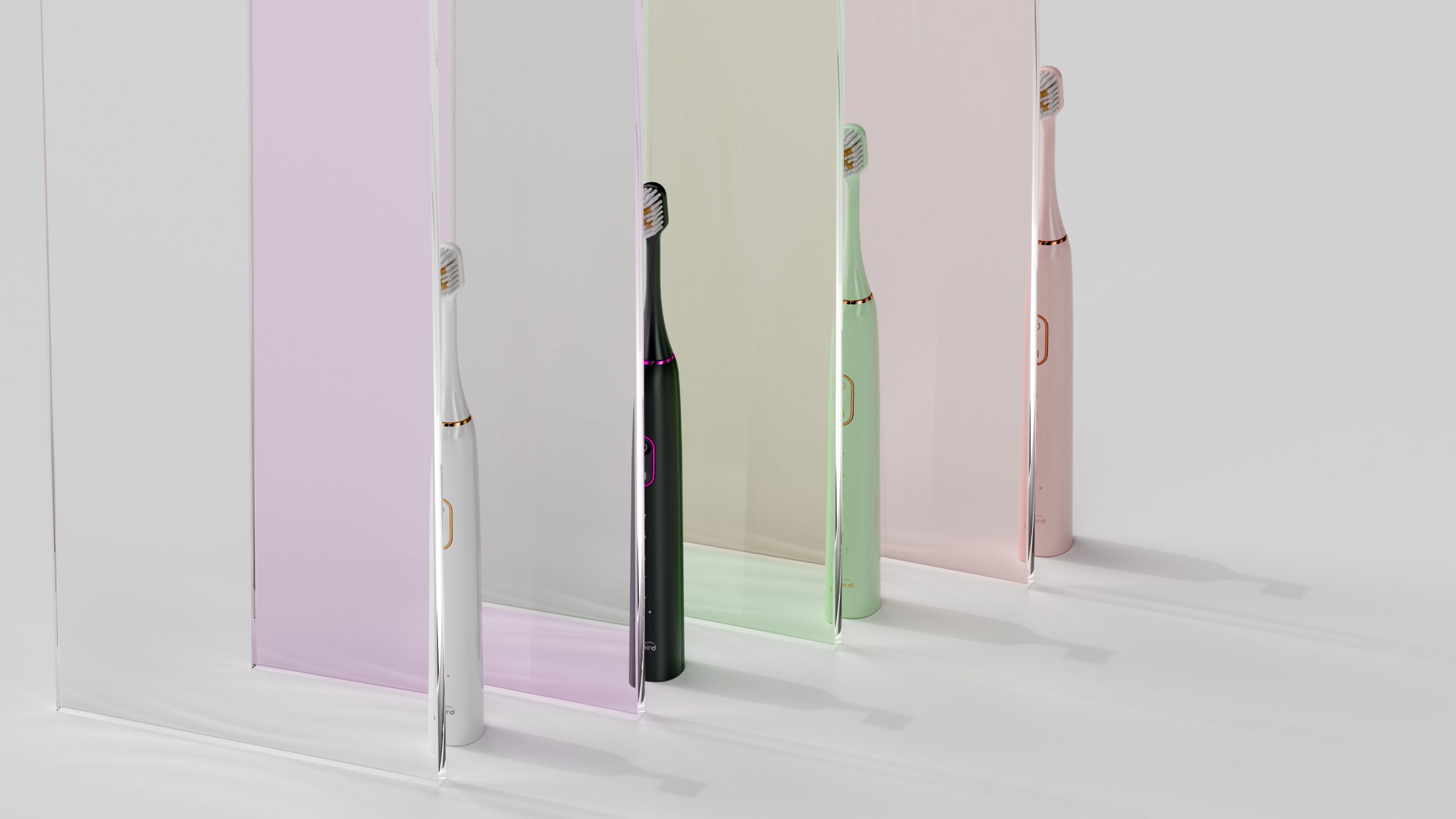
In the highly competitive oral care market, consumer trust is one of the most valuable assets a brand can build. With the rise of digital channels and health-conscious consumers, traditional marketing is no longer enough. Brands must now focus on oral care content marketing to build authority, educate users, and foster loyalty. So, how can oral care product brands improve customer trust through content? Let’s explore six essential strategies to make content a core driver of long-term brand credibility. Provide Transparent Product Education Modern consumers are curious and well-informed. They want to know what ingredients are in their toothpaste, how electric toothbrushes work, or the benefits of water flossers. By offering detailed product guides, ingredient explanations, and usage instructions, brands can enhance consumer education while building transparency. Example: A blog post titled “How to Choose the Right Electric Toothbrush for Gum Health” can educate users and promote specific product lines at the same time. Share Expert-Driven Content Bringing in professional opinions—such as insights from dentists, hygienists, or product engineers—adds credibility to your messaging. Publish interviews with dental professionals Create “Ask the Dentist” video series Reference scientific studies to support claims This kind of oral care content marketing bridges the gap between brand promotion and genuine…
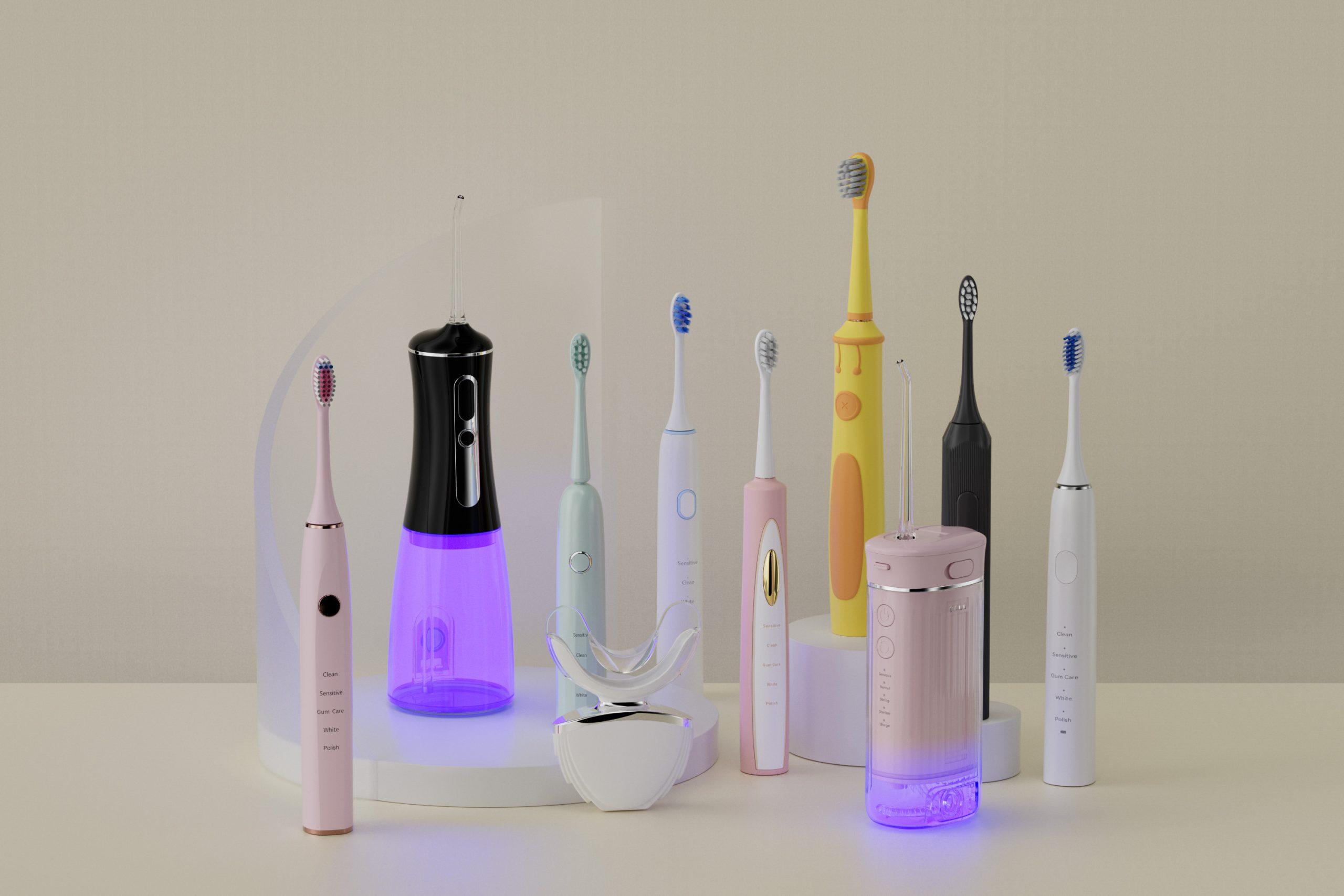
The oral care industry has witnessed rapid growth in recent years, driven by rising health awareness, technological advancements, and increasing demand for smart personal care products such as electric toothbrushes and oral irrigators. For manufacturers and brands, now is a pivotal time to focus on expand the global market. As competition intensifies locally, companies must look beyond borders. This blog outlines actionable strategies and practical market expanding tips to help oral care businesses succeed internationally—especially through emerging platforms like oral care cross-border e-commerce. Understand International Market Demand and Consumer Behavior Every region has unique consumer habits and product preferences. For successful global expansion: Conduct market research on oral care habits (e.g., preference for electric vs. manual toothbrushes, floss vs. oral irrigators) Study regulatory requirements (e.g., FDA, CE, CFDA) for product safety and certifications Tailor marketing to cultural expectations, such as packaging, language, and promotional messaging Understanding localized demand is the foundation of effective global market expansion. Leverage Cross-Border E-Commerce for Rapid Entry Oral care cross-border e-commerce platforms offer fast, scalable ways to enter new regions. Popular platforms include Amazon Global, Alibaba International, Shopee, and Tmall Global. Advantages: Low entry barriers (no physical retail setup required) Direct consumer feedback and data Quick adaptation…
When users encounter charging failures, they often interrupt and restart their electric toothbrushes, which can lead to gum bleeding. Moreover, these irregular restarts can accelerate brush head replacement, causing uneven bristle wear that further irritates the gums. Below, we examine this causal chain from six perspectives and offer practical solutions. Identifying Common Causes of Charging Failures First, pinpointing why charging fails helps address the root: Poor Contact: Metal charging contacts corrode or become dirty, preventing reliable current flow. Circuit Design Flaws: Oversimplified charging-management ICs can’t handle voltage fluctuations. Battery Aging: Increased internal resistance in old cells prevents them from accepting or holding sufficient charge, causing frequent dropouts. By tackling these issues, you can minimize mid-brush power interruptions. Impact on Motor Performance and Brush Head Wear Next, repeated charge–drop cycles not only stress the motor but also disrupt brush-head behavior: Erratic Vibration: When power dips, the motor slows or stops, failing to maintain consistent amplitude. Accelerated Bristle Fatigue: Uneven vibration causes local overbending, shortening brush-head lifespan and forcing earlier head replacement. Variable Bristle Stiffness: Worn bristles develop inconsistent rigidity, increasing friction against gums and causing micro-abrasions. Thus, charging failures directly drive up brush-head replacement frequency and gum irritation. Voltage Instability &…
High noise levels in electric toothbrushes can signal mechanical inefficiencies that not only annoy users but may also compromise cleaning efficacy, especially if the device’s water resistance features are compromised by vibration-induced seal fatigue. In this post, we explore six factors linking sound output to actual plaque removal and offer guidance for B2B manufacturers to design quieter, more effective products. Acoustic Signatures and Bristle Performance First, louder handles often indicate excessive motor vibration: Resonant Peaks: Unbalanced rotors create tonal spikes that amplify perceived noise without adding brushing power. Energy Loss: Acoustic energy dissipated as sound reduces the net mechanical force transmitted to bristles. Stability Impact: Increased vibration can cause bristle splaying, lowering contact pressure on tooth surfaces and diminishing plaque disruption. By analyzing acoustic spectra during R&D, engineers can balance rotor mass to maximize bristle-to-enamel force, not noise. User Behavior Under High Noise Levels Moreover, users react to loud devices in ways that impair brushing technique: Shortened Sessions: Prolonged noise discomfort often leads to cutting brushing time below the ADA-recommended 2 minutes. Lightened Grip: To muffle vibration, users press more lightly, reducing bristle penetration into interdental zones. Erratic Movement: Noise-induced startle responses cause inconsistent brushing patterns and missed surfaces. Designing…
Many high-end oral-care devices suffer from frequency instability and smart timer malfunction, leading to reduced cleaning effectiveness, poor user experience, and increased after-sales repairs. To resolve this dual challenge, B2B manufacturers must address six key areas—from hardware design and firmware logic to rigorous testing and user education. Flaws in Drive Circuit and Feedback Loop Design First, frequency instability often stems from deficiencies in the motor driver circuit and feedback loop: Lack of a Precision Encoder: Without real-time motor speed sensing, the firmware cannot correctly adjust output, causing frequency drift. Feedback Latency: Low sampling rates for analog feedback introduce gaps where the motor “sticks” at an unstable frequency under varying loads. Insufficient Filtering and EMI Protection: Power-line noise and brush vibration can corrupt feedback signals, amplifying frequency fluctuations. Improving both circuitry and closed-loop algorithms is the first step to stabilizing vibration frequency. Mismatch Between Timer Logic and Clock Source Next, smart timer malfunction often relates to imprecise timing hardware and firmware: Crystal Oscillator Drift: Using a low-grade crystal or no temperature compensation leads to cumulative timing errors. Interrupt Priority Conflicts: When timer interrupts clash with drive-control tasks, missed interrupt signals can freeze or reset the timer. Software Counter Overflow: Inadequate variable…
Many users report brush head detachment coupled with decibel level discomfort—a combination that undermines confidence in your electric toothbrush line. Understanding the interplay between mechanical coupling, vibration noise, and material wear is essential for B2B manufacturers to deliver durable, quiet products that strengthen partner trust and reduce warranty claims. Loose Coupling Mechanisms First, an improperly engineered head‐shank interface can lead to unwanted detachment: Tolerancing Errors: Too much clearance between the drive shaft and brush‐head cavity allows micromotion that works the head loose. Wear Over Time: Repeated attachment/detachment cycles and lateral forces erode locking features. Insufficient Retention Features: Simple snap‐fits without positive locks or secondary clips are more prone to release under load. To prevent this, consider multi‐stage locking rings or threaded couplings that secure the head even under stress. High Vibration Amplitude & Noise Moreover, excessive vibration levels not only cause decibel level discomfort but exacerbate detachment: Resonant Frequencies: If the motor’s oscillation frequency aligns with the head’s natural frequency, amplitude spikes both noise and mechanical stress. Poor Dampening: Absence of vibration absorbers transmits raw motor motion to the head interface. User Perception: Loud, harsh sounds at 70–80 dB heighten awareness of looseness, prompting users to apply extra downward force…
When users experience handle slippage during brushing, they often compensate by gripping tighter or pressing harder—actions that spike motor load and trigger motor overheating crises. To help B2B manufacturers address this dual challenge, we analyze six key areas of root causes and offer actionable design and process improvements. Insufficient Grip Friction on the Handle First, the handle’s surface material and texture are critical: Overly Smooth Coatings reduce friction and compromise grip security. Poor Texture Patterns fail to cradle the user’s hand, especially at different angles. Moisture Accumulation from sweat or water further lowers slip resistance. Clearly, enhancing handle friction is the first step toward preventing slippage. Torque Imbalance Triggered by Slippage Next, handle slippage disrupts the torque equilibrium between the brush head and teeth: Sudden Load Spikes: Users instinctively apply more force, driving motor current up. Uneven Resistance: Misaligned brushing angles cause the motor to constantly adjust speed and amplitude. Heat Buildup: Sustained high-load conditions leave insufficient time for heat dissipation. Thus, slippage not only worsens user experience but directly elevates motor overheating risk.Company web:https://www.powsmart.com/product/electric-toothbrush/ Overheating’s Impact on Component Longevity Furthermore, motor overtemperature has cascading effects: Insulation Degradation: Winding insulation breaks down above 80 °C, drastically shortening service life. Lubricant…
.jpg)
In today’s consumer-driven market, oral care devices are no longer just functional tools—they’re lifestyle statements. A new generation of users, especially younger demographics, value both design and smart features. As a result, manufacturers must rethink the appearance design of electric toothbrushes to balance beauty, functionality, and tech integration. This article explores how the fusion of Macaron colors electric toothbrush designs and APP interconnectivity creates a winning premium strategy for smart toothbrush brands—while still offering affordable oral care options. The Role of Color in Product Differentiation: Why Macaron Colors Work Traditional electric toothbrushes often stick to clinical whites and silvers. However, this trend is shifting. The Macaron color electric toothbrush palette—pastel pinks, mint greens, sky blues, and lavender purples—evokes a sense of freshness, style, and personalization. Why this matters: Visual differentiation on shelves and e-commerce platforms Emotional connection with users, especially Gen Z and Millennials Increased shareability and “Instagrammability”, boosting organic brand exposure Adopting trendy colors is a cost-effective way to enhance perceived product value and appeal, an important element in today’s premium strategy for smart toothbrush offerings. APP Interconnection: Elevating Functionality Through Smart Design Modern consumers are increasingly looking for intelligent features in their personal care tools. APP connectivity is no longer a luxury—it’s becoming a…
When waterproof seal degradation occurs, moisture ingress not only risks motor short-circuits but also accelerates corrosion and loosening at the brush-head base—leading to premature bristle splaying. To help B2B manufacturers understand and solve this interaction, we analyze six key factors and offer targeted countermeasures. How Seals Fail and Allow Water Ingress First, aging seals or gaskets develop tiny gaps: Silicone Hardening or Cracking: Prolonged exposure to humidity causes seals to lose elasticity and no longer conform. Adhesive Fatigue: Bonded joints between injected parts weaken over time, creating seepage paths. Frequent Assembly/Disassembly: Repeated brush-head removal and charger docking wear seal surfaces. Once gaps form, water easily tracks down into the brush-head interface. Moisture Erosion of the Bristle Base Next, water trapped at the bristle root causes: Binder Degradation: Resin that holds filaments hydrolyzes, losing adhesion strength. Crack Propagation: Micro-cracks in the resin expand under moisture, loosening bristles. Corroded Metal Fasteners: Any metal clips or pins also oxidize, further weakening retention. These effects combine to make splaying far more likely under vibration. Microbial Growth Compounds the Damage Additionally, trapped moisture fosters microbial colonies: Mold Spore Attachment: Fungi and bacteria adhere to damp bristle bases. Enzymatic Breakdown: Microbial enzymes attack resin polymer chains.…
In smart oral-care devices like electric toothbrushes, app connectivity loss and battery swelling often appear together—eroding user trust and posing safety risks. To solve both issues, B2B manufacturers must address four major domains: waterproof sealing, thermal management, firmware logic, and structural design. Below are six key insights and action steps. A Common Root Cause: Moisture Ingress and Seal Failure First, aging waterproof seals allow moisture to penetrate: Silicone Hardening or Cracking: Prolonged exposure to humidity stiffens gaskets, breaking the seal. Adhesive Fatigue: Bonding glue between molded parts weakens, creating micro-leaks. Repeated Assembly/Disassembly: Docking and brush-head removal wear seal surfaces over time. Once water seeps in, it both swells the battery pouch and corrodes Bluetooth modules—triggering battery swelling and app connectivity loss simultaneously. Thermal Runaway and RF Signal Interference Next, a swelling battery worsens heat dissipation issues: Increased Internal Resistance: As cells swell, resistance rises, generating more heat during charge/discharge. Enclosure Deformation: Heat-distorted housing panels can clamp or shift the antenna, degrading RF performance. High-Temperature Noise: Elevated temperatures introduce electronic noise that disrupts Bluetooth communication. Improving heat management is therefore essential to stabilize both the battery and wireless link. Conflicting Firmware Protection Logic Moreover, firmware safety routines can inadvertently cut off…


.jpg)
.jpg)
.jpg)
.jpg)
.jpg)



.jpg)