Introduction
Prolonged thumb sucking can affect tooth alignment and oral health in children, so this thumb sucking teeth care guide focuses on safe cleaning habits and the role of electric toothbrushes. Misaligned front teeth from thumb sucking can create hard-to-reach areas where plaque builds up easily. Choosing the right electric toothbrush makes daily cleaning easier, even when teeth are not perfectly straight.
How Thumb Sucking Affects Kids’ Teeth
Common issues include:
- Misaligned or protruding front teeth that create gaps for food debris to get trapped.
- Open bites or crossbites that make brushing difficult with manual toothbrushes.
- Increased risk of cavities in hard-to-reach areas around crooked teeth.
- Thumb sucking can also affect gum health, making gentle cleaning even more important.
Why Electric Toothbrushes Are Great for Kids With Thumb Sucking Habits
Electric toothbrushes offer key benefits:
- Automatic vibration: Cleans more effectively around misaligned teeth than manual brushing.
- Small, soft brush heads: Reach tight gaps without irritating sensitive gums.
- Built-in timers: Encourage kids to brush for the full two minutes, even if they get distracted.
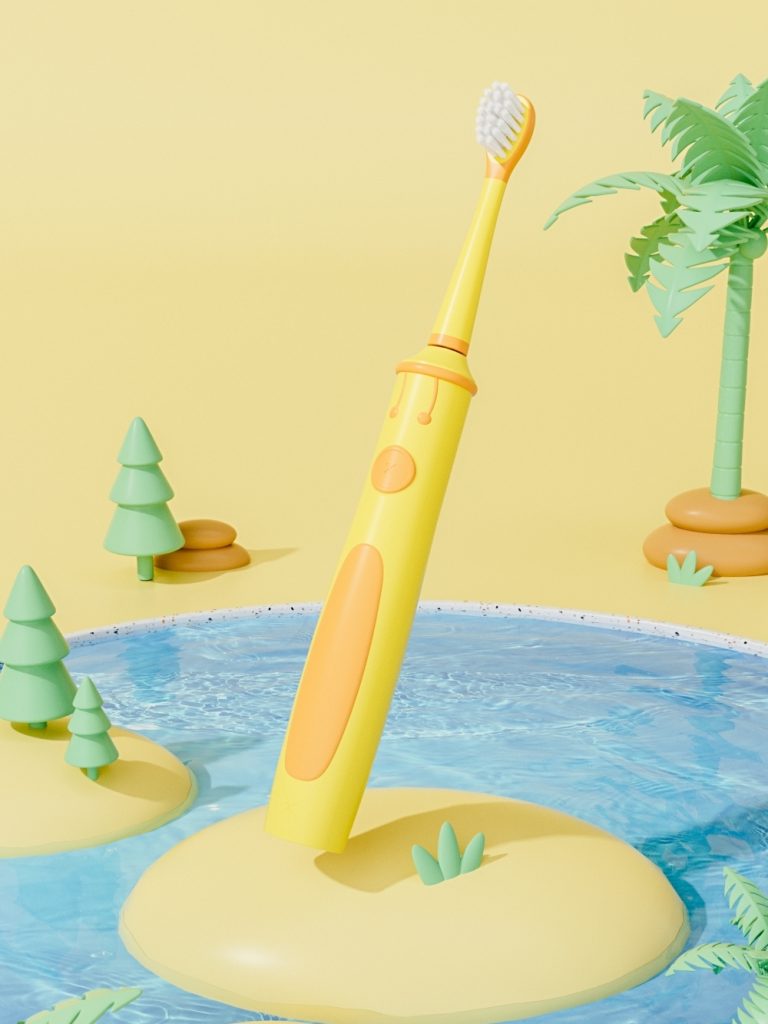
- Fun designs: Characters or colors that make brushing feel like a game, even for kids who resist self-care.
Cleaning Tips for Misaligned Front Teeth
- Hold the brush at a slight angle to clean the front and back of protruding teeth.
- Use the brush head to gently clean the gaps between misaligned teeth where food gets trapped.
- Pair the electric toothbrush with a kid-friendly fluoride toothpaste to strengthen enamel.
- Schedule regular dental checkups to monitor tooth alignment and catch issues early.
Helping Kids Break the Thumb Sucking Habit
- Talk to your child about why thumb sucking affects their teeth in simple, age-appropriate terms.
- Use positive reinforcement, like stickers or small rewards, for days they avoid thumb sucking.
- Offer comfort items like a stuffed toy or blanket to replace the thumb sucking habit at night.
- Consult your dentist about habit-breaking tools if the habit persists beyond age 4 or 5.
For kid-friendly electric toothbrushes, visit https://www.powsmart.com/.
For pediatric thumb sucking oral care guidance, visit https://www.aapd.org/resources/patient-topics/oral-health-habits/.
Conclusion
This thumb sucking teeth care guide helps parents keep their kids’ smiles healthy even when thumb sucking affects tooth alignment. With the right electric toothbrush and simple habits, you can clean misaligned teeth effectively and support long-term oral health.

.jpg)
